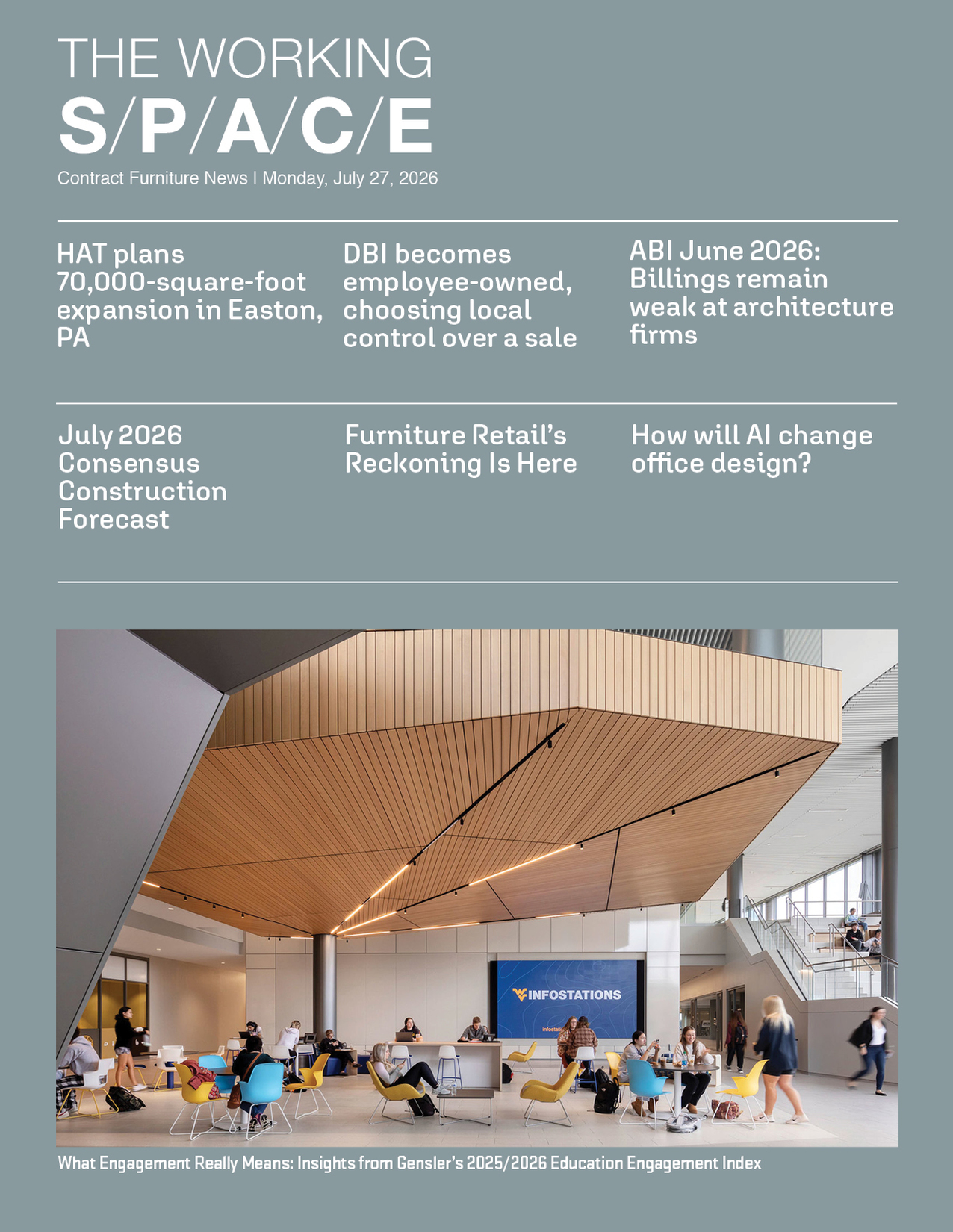
In this issue… construction and architecture remain uneven, with resilient design, public funding, healthcare, AI and data-center projects creating pockets of growth while traditional offices and discretionary sectors soften. Office markets show sharp divides, from Manhattan, California, Phoenix and AI-heavy submarkets gaining momentum to LA and furniture retail facing continued pressure. Workplace coverage looks at AI’s impact on jobs, office design, utilization, Gen Z social habits, job lock and new ways landlords activate space. Design stories emphasize data-driven planning, hybrid meeting rooms and AI-ready workplaces. Trends point to coworking becoming part of travel platforms, while product updates spotlight sustainable carpet tile, modular workwalls, textiles, HPL surfaces and flexible seating collections.
|
| |
|
|
|
By the Numbers
Trump announced new tariffs of 10% to 12.5% on 60 countries, citing forced‑labor concerns, prompting objections from partners such as Australia, New Zealand, Japan, South Korea, Thailand, and China, who argue the measures are unjustified and harmful to trade. While some nations hope the tariffs will be eased, experts note the rates are lower than previous rounds and include many product exemptions, which may limit disruption but still raise costs for businesses and consumers.
|
| Read more > |
|
|
|
U.S. services activity surged in July, boosted by World Cup spending and Independence Day events, pushing the services PMI to 53.6—the highest since November—while the composite PMI reached an eight‑month high of 53.6. However, manufacturing growth slowed to its weakest level since March, and rising geopolitical tensions, notably the Iran‑Israel conflict, have driven oil prices back toward $100 per barrel and U.S. gasoline above $4 per gallon, raising concerns that the recent upturn may be short‑lived.
|
| |
|
|
|
"Nearly half of all active AI office demand nationally is sitting in San Francisco and Silicon Valley alone."
- Ryan Masiello, chief strategy officer at VTS
|
| |
|
|
|
|
HAT plans 70,000-square-foot expansion in Easton, PA
|
|
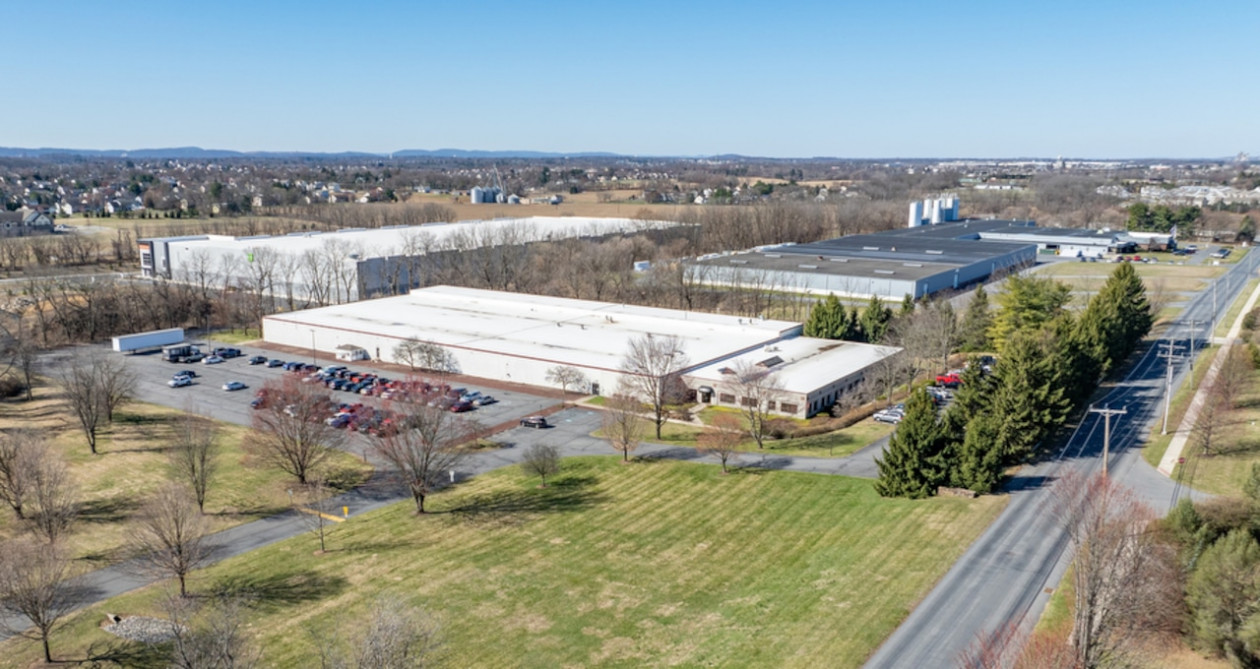
HAT, a designer and manufacturer of ergonomic office furniture, plans to nearly double the size of its industrial facility and bring distribution operations under one roof.
The company will add 70,000 square feet to its existing 85,000-square-foot building at 100 Kuebler Road in Easton, PA according to a news release from the property’s new owners, Benchmark Real Estate and Regal Ventures.
The expansion is planned for the Forks Industrial Park property, which sits on more than 12 acres. The facility was built in 1972 and renovated in 1993.
“We are excited to partner with HAT as they continue their impressive growth trajectory,” Mike Callahan, managing partner at Lancaster-based Benchmark, said in the release.
HAT makes customizable workspace furniture, monitor arms, sit-stand workstations and point-of-sale systems. Founded in 1986 as Innovative Office Products, the company rebranded as Human Active Technology in 2022.
RV 100 Kuebler RD LLC bought the property for $7 million in June, according to Northampton County property records. The entity shares an address with New York City-based Regal Ventures.
Regal Ventures and Benchmark said they will jointly develop the site, citing the Lehigh Valley’s location, business climate and access to major population centers. A HAT representative was not immediately available for comment.
|
| |
|
|
|
|
DBI becomes employee-owned, choosing local control over a sale
|
|
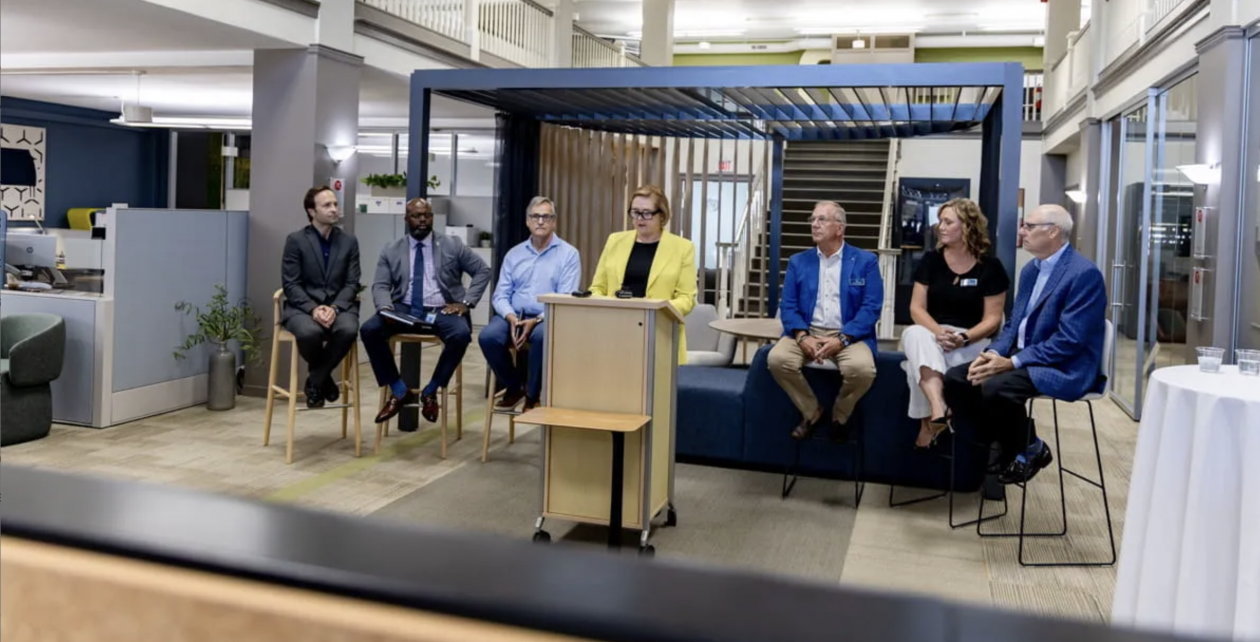
DBI, a Lansing Haworth dealership with 54 employees, has become 100% employee-owned, choosing an ownership transition that keeps the business local rather than selling to an outside buyer or competitor.
The company completed an employee stock ownership plan, or ESOP, through Michigan’s Employee Ownership Pilot Program, becoming the second business to publicly complete a transition through the statewide initiative.
DBI has served Mid-Michigan since 1984 and operates three Lansing facilities. Its work now extends well beyond office furniture sales, including interior design, architectural solutions, installation, reconfiguration and ongoing project support.
For former owners George Snyder and Steve Klaver, the transition was a succession decision as much as a financial one. As they planned for retirement, they wanted to preserve DBI’s local identity and relationships with clients and employees.
“When Steve and I began thinking about what came next for DBI, keeping the company locally owned was one of the most important things to us,” Snyder, DBI’s president and CEO, said in a statement. “Employee ownership allows us to do that in a meaningful way.”
The deal reflects a changing ownership landscape for office-furniture dealerships. Once primarily local sellers of desks, chairs and systems furniture, many dealerships have evolved into full-service workplace firms that handle design, architecture, installation and long-term facility support. That broader role has made them attractive acquisition targets as larger regional operators seek market share, manufacturer relationships and expanded service capacity.
For independently owned firms, that has made succession planning more consequential. Owners nearing retirement increasingly face a choice between selling to a competitor or consolidator, finding a private buyer, or pursuing employee ownership to maintain local control.
DBI itself has experienced that cycle. The company was acquired by U.S. Office Products in 1996 before Snyder, Klaver and Doug Smith bought it from Haworth in 2001, returning the business to local ownership. Its ESOP creates a different path forward: eligible employees will have an ownership stake in the company while DBI continues to operate under its existing name and local leadership.
DBI’s decision illustrates how employee ownership can offer an alternative to consolidation for established dealerships: retain the local brand, relationships and workforce while creating a succession plan built around the people already running the business.
|
| |
|
|
|
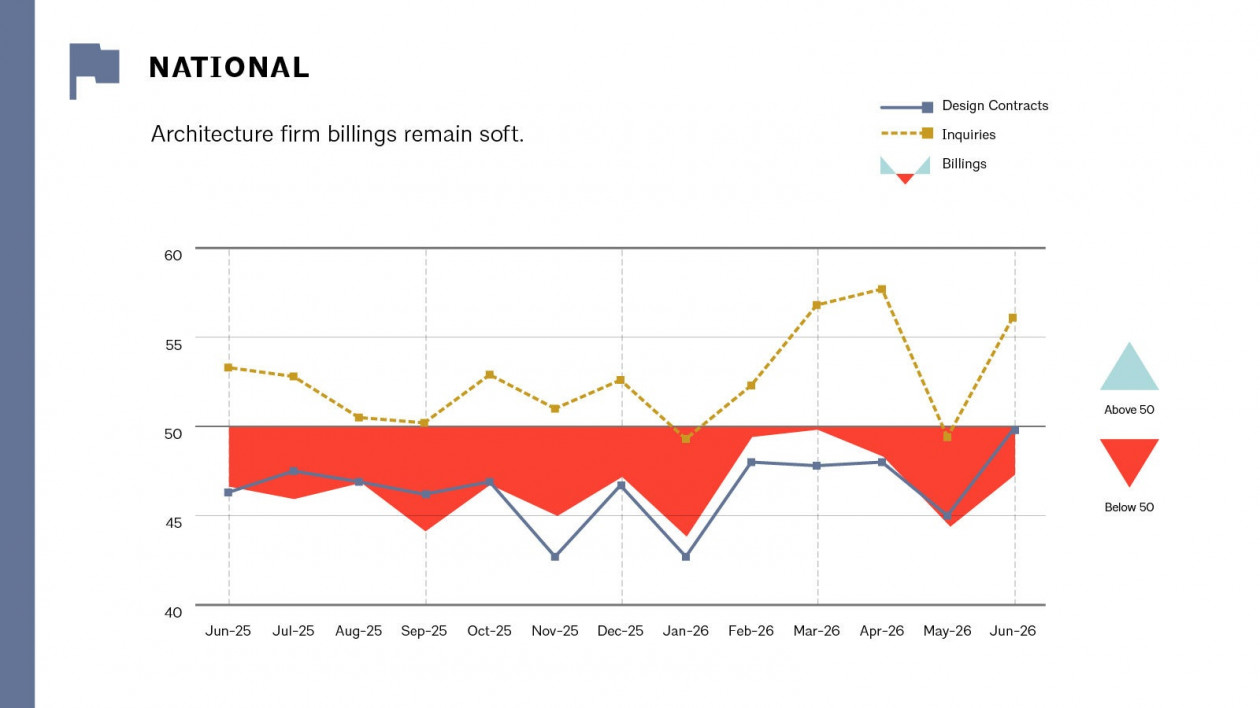
The June 2026 Architecture Billing Index shows a score of 47.3, indicating continued decline in firm billings, though slightly better than May. Backlogs fell to 6.3 months overall, with small firms experiencing the sharpest drop. Billings decreased nationwide except in the South, where they were flat, and softened further in the Midwest. Resilient design projects were reported by 44% of firms, with higher adoption in the Northeast and South, and are projected to represent about 13% of future billings. Economic signals include a modest 0.4% CPI decline driven by lower energy prices, while shelter and food costs rose. Employment growth slowed, adding only 57,000 jobs in June.
|
|  www.aia.org www.aia.org
|
|
|
|
The July 2026 AIA Consensus Construction Forecast highlights a K‑shaped outlook for nonresidential building, where sectors tied to public funding, healthcare, and data‑center growth are expanding, while interest‑rate‑sensitive and discretionary markets like traditional offices, warehouses, and manufacturing continue to contract. Recent economic uncertainty, high interest rates, labor shortages, rising material costs, and geopolitical tensions have pressured overall spending, with a modest decline projected for 2026 and modest growth expected in 2027. The report notes regional variations, with the South and West showing relative stability, and underscores the importance of architecture billings as a leading indicator of future construction activity.
|
|  www.aia.org www.aia.org
|
|
|
|
|
Furniture Retail’s Reckoning Is Here
|
|
Residential furniture retail’s reckoning is no longer theoretical. Georgia Furniture Mart, a well-known Atlanta-area dealer since 1986, is liquidating its two suburban locations, joining a widening list of national, regional and independent retailers that have closed, filed for bankruptcy or put themselves up for sale. High mortgage rates, elevated home prices and weak housing turnover have sharply reduced the number of consumers furnishing new homes, while spending on essentials continues to pressure discretionary purchases. Furniture-store sales remain below 2022 levels, and the fallout is now reaching businesses that once appeared insulated by established local customer bases and long operating histories.
The implications extend beyond traditional residential outlets. MillerKnoll’s Design Within Reach retail business, which serves design-conscious consumers with premium modern furnishings, could face the same fewer-moves, slower-project pipeline—particularly for big-ticket purchases such as seating, storage and dining. More broadly, contract-furnishings manufacturers with meaningful residential exposure may find that channel less reliable as specialty retailers retrench and consumers delay purchases. Commercial and residential demand do not move in lockstep, but a shrinking store base leaves fewer outlets for product, increases reliance on company-owned stores and e-commerce, and raises the stakes for brands trying to convert contract-industry design credibility into consumer sales.
|
| |
|
|
|
Quantum computing is attracting billions in investment, creating a distinct real‑estate sector focused on research labs, data centers, and manufacturing hubs. Major tech firms and investors are building quantum ecosystems near universities and research institutions, where talent and government support drive growth. While early facilities cluster in academic hubs, the sector is poised to expand into traditional data‑center markets as quantum advantage emerges around 2030‑2032, with an expected market size of about 5 % of the overall data‑center industry.
|
|  www.bisnow.com www.bisnow.com
|
|
|
|
Chicago ranks third nationwide in AI‑job growth, adding fewer than 10,000 new AI roles and an 80.6% increase from 2024‑25. The surge spans tech, medical, finance, and education sectors, boosting local office demand with 308 K SF of AI‑related space and an 85% rise in AI‑focused building tours. Top employers Turing, PwC, and Accenture lead the hiring surge, while overall office‑using employment in Chicago has grown 15‑20% quarter‑over‑quarter.
|
|  www.bisnow.com www.bisnow.com
|
|
|
|
AI office demand is heavily concentrated in a few urban corridors, causing metro‑level vacancy data to misrepresent true market conditions. While overall vacancy rates remain high, submarkets such as San Francisco’s Non‑Core CBD, New York’s Midtown, and San Jose see tightening availability, rising rents, and intense competition as large AI tenants secure sizable space. This clustering creates a mispricing problem: investors who underwrite to average vacancy underestimate the strength of AI hotspots and overestimate prospects in broader metro areas. Consequently, accurate underwriting requires focusing on submarket‑specific data rather than relying on aggregate metro statistics.
|
|  www.globest.com www.globest.com
|
|
|
|
SL Green, NYC’s largest office landlord, is seeing stronger‑than‑expected cash flow as demand for premium Manhattan space rises, driven by limited supply. One Vanderbilt, its most profitable building, is boosting revenues and helped the company raise its 2026 funds‑from‑operations guidance by 26% after a strong Q2. Occupancy in Manhattan reached 94.7% with rents up 18% for new leases, and the firm continues to raise rents across its portfolio while selling assets toward a $2.5 B target.
|
|  www.bisnow.com www.bisnow.com
|
|
|
|
Manhattan’s development sector saw a massive surge, with annual volume jumping 1,457% to $706.6 million, while office transactions reached $1.51 billion, up 68% year‑over‑year. Multifamily and mixed‑use sales increased 219% to $888 million, whereas retail declined 48% to $164.5 million. Pricing fell across most asset classes, except development, which rose 66% to $656 per buildable square foot. Investors are growing more confident in New York’s outlook, driving broader investment activity.
|
|  www.globest.com www.globest.com
|
|
|
|
Los Angeles remains an outlier in the national office recovery, with vacancy rates rising to 25.8% in Q2 as downtown and Hollywood experience significant emptying, while Westside areas like Century City attract tenants. The city’s creative‑heavy tenant base—streaming, tech, and entertainment firms—has been slower to return to offices compared to the financial and legal sectors driving absorption on the Westside.
|
|  www.bisnow.com www.bisnow.com
|
|
|
|
California's office market is showing renewed activity, with investors and tenants finding common ground, especially in Orange County and San Diego, as larger AI and law firms seek bigger spaces and return‑to‑office trends boost demand for smaller, high‑quality offices. Retail remains strong nationwide, and in California grocery‑anchored properties are in high demand, supporting robust lease rates, while industrial markets are normalizing after pandemic swings, driven by California’s strategic location for goods entering from Asia.
|
|  www.globest.com www.globest.com
|
|
|
|
Phoenix’s office market is strengthening, with vacancy falling to 23.4% as office spaces are converted or demolished and new conversions drive 167K SF of positive absorption; demand remains high for luxury Class‑A buildings, pushing rents up 2.2% to $31.70 per SF, while redevelopment projects continue to reshape the metro area.
|
|  www.bisnow.com www.bisnow.com
|
|
|
|
The piece outlines how office construction pipelines vary across U.S. markets, distinguishing “conviction” metros where most new space is already pre‑leased from “spec” metros with large amounts of uncommitted space. It highlights high pre‑leasing rates in Silicon Valley, Boston, and other leading markets, while noting low pre‑leasing in cities like Atlanta, Denver, and Nashville, where developers face greater lease‑up risk. Overall, about 44% of projects slated for completion by 2026 are pre‑leased, compared with over 67% for later‑dated developments.
|
|  www.globest.com www.globest.com
|
|
|
|
The U.S. office market is stabilizing, with vacancy rates falling to 17.7% and limited new construction, while office-to-apartment conversions surge, reaching a record 11.8 million sq ft in 2025. Major markets like Manhattan, Dallas, and San Francisco lead office sales, and cities such as Chicago see high conversion activity despite ample available office space. Overall investment is strong, the construction pipeline remains modest, and adaptive reuse is becoming a key strategy to address excess office inventory.
|
|  allwork.space allwork.space
|
|
|
|
The Education Engagement Index identifies six key factors—Belonging, Motivation, Access, Value, Support, and Learning Effectiveness—to provide a comprehensive view of student engagement, with an overall score offering a benchmark for institutions. While hybrid learning is preferred, the study finds that frequent on‑campus attendance boosts Belonging, Motivation, and Value, whereas fully virtual students score higher on most factors except Access, highlighting the nuanced benefits of both in‑person and remote experiences.
|
|  www.gensler.com www.gensler.com
|
|
|
|
AI is reshaping office design by reducing screen time, increasing mobility, and fostering more social, collaborative work, prompting a surge in private and breakout spaces such as phone booths and quiet focus rooms. Architects must now understand AI’s long‑term impact on workplace layouts, privacy, and legal considerations, while also speaking the business language to help clients integrate AI tools, flexible seating, and data‑driven space decisions into sustainable, future‑ready office environments.
|
|  www.aia.org www.aia.org
|
|
|
|
A growing number of commercial and multifamily real estate owners are discovering that chef-driven dining events and curated activations in underutilized spaces can generate meaningful revenue and attract prospective tenants.
|
|  propmodo.com propmodo.com
|
|
|
|
Global office utilization has risen to an average of 80%, surpassing pre‑pandemic levels, driven by stricter attendance policies, desk‑sharing, rotating schedules, and flexible work arrangements. Utilization is expected to keep climbing through 2027 as companies align space with employee preferences, increase shared support areas, and focus on culture‑building amenities. The shift includes higher employee‑to‑desk ratios, with many organizations moving toward 1.01–1.49 employees per seat and tailoring sharing ratios to job functions.
|
|  www.facilitiesdive.com www.facilitiesdive.com
|
|
|
|
U.S. coworking continued expanding in early 2026, with overall locations increasing 2.7% to 9,384 and square footage up 1.5% to 166.4 million sq ft, driving average space size down to 17,728 sq ft. Growth shifted toward smaller markets, highlighted by Indianapolis’ 14% rise in locations, while major metros like Los Angeles and Chicago added new spaces but saw modest square‑footage changes. Coworking now occupies 2.3% of U.S. office inventory, and median monthly memberships slipped to $219. Regus remains the largest operator with 1,285 sites, yet independent providers still control about 77% of locations.
|
|  allwork.space allwork.space
|
|
|
|
Nearly a quarter of U.S. workers stay in jobs they’d rather leave to keep employer‑provided health insurance, with job lock rising sharply since 2021. Workers facing medical debt or chronic conditions are especially likely to remain, and women report higher rates of lock than men. This dependence on job‑based coverage influences career choices, mobility, and overall workplace satisfaction.
|
|  allwork.space allwork.space
|
|
|
|
Small firms are increasingly using “ghost downsizing,” quietly eliminating vacant positions and shifting the workload to remaining staff, often with AI tools. A recent survey shows a gap between employee and executive perceptions: many employees report unchanged or increased workloads despite smaller teams, while fewer executives notice the trend. Lower‑paid workers feel more threatened by automation, whereas higher‑paid employees view AI as a productivity aid. The findings highlight AI‑driven workload redistribution as a subtle but significant factor reshaping job security and perceptions in smaller workplaces.
|
|  www.fastcompany.com www.fastcompany.com
|
|
|
|
Gen Z employees are socialising more with colleagues since returning to the office, with 31.7 % reporting increased interaction compared to 17.7 % of millennials; the survey of 600 UK workers also shows they are forming new workplace friendships and valuing in‑person connections alongside flexibility. The findings suggest younger workers appreciate social opportunities at work, challenging the notion that they prefer remote work, and highlight generational differences in workplace habits.
|
|  workplaceinsight.net workplaceinsight.net
|
|
|
|
Adecco study: AI will not cause a job apocalypse, it will change roles/tasks rather than eliminate jobs; employment rates at record highs, unemployment near historic lows; AI cited for ~25% of US job cuts but often used as cover for performance or restructuring issues.
|
|  allwork.space allwork.space
|
|
|
|
Airbnb’s London pilot lets travelers book coworking day passes and meeting rooms directly through its platform, positioning workspace alongside lodging, transportation, and other services. This integration turns coworking into a travel utility, dramatically expanding demand visibility for flexible‑space operators while shifting the customer relationship toward the platform. Operators gain massive reach but must balance the benefits of exposure against potential margin loss and reduced direct control over guests, making strategic use of platform listings essential for long‑term growth.
|
|  allwork.space allwork.space
|
|
|
|
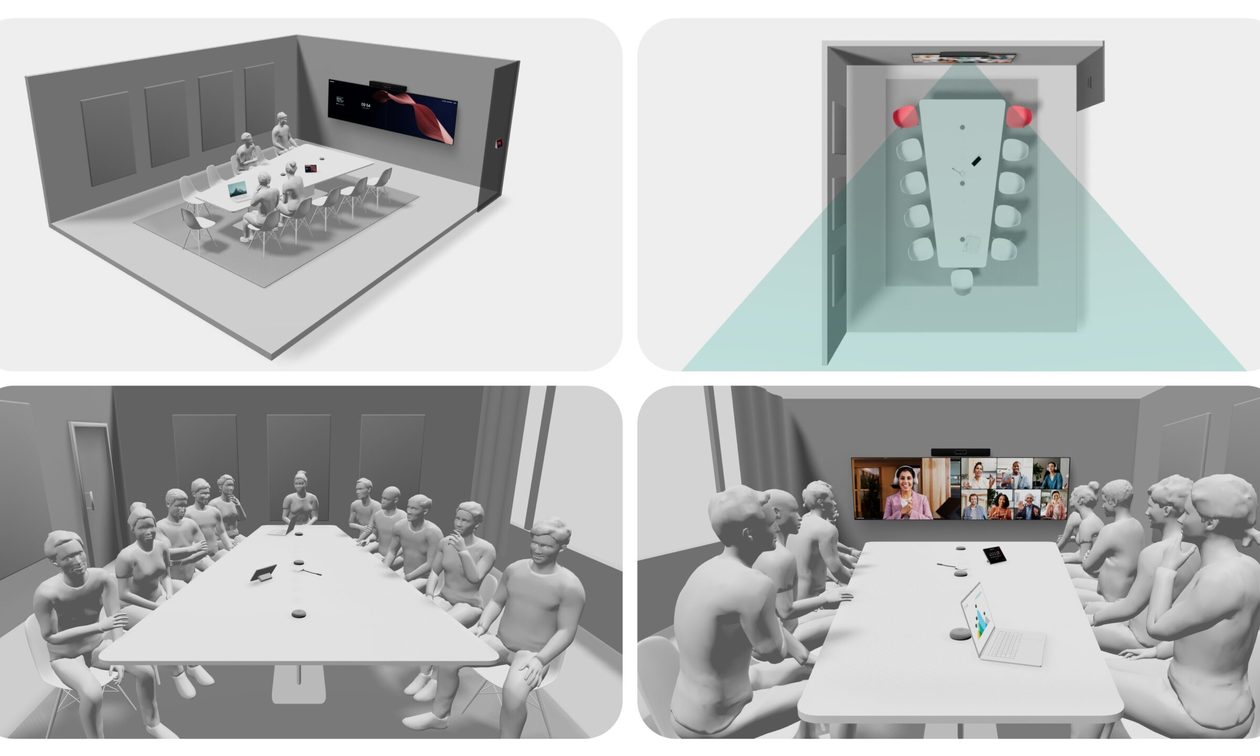
Cisco’s Workspace Designer consolidates AV planning and spatial visualization into a single, browser‑based platform, allowing designers and facilities teams to configure hybrid meeting rooms, focus spaces, and desks in 3D while receiving instant feedback on camera, microphone, display, and accessibility performance. By integrating technical specifications early in the design process and offering real‑time “traffic light” alerts, the tool simplifies complex hybrid‑room planning, reduces risk, and enables seamless collaboration between design, AV, and construction teams.
|
|  metropolismag.com metropolismag.com
|
|
|
|
Hybrid working in EMEA is increasingly diverse, with attendance ranging from less than two to over four days a week and office utilisation falling to 55 %. Organizations are shifting from assumption‑driven design to evidence‑based decisions, prioritising occupancy data and reporting to understand how spaces are actually used. The rise of heatwaves, weather events, and other disruptions highlights the need for continuous insight into employee behaviour. While AI offers forecasting benefits, poor data quality and limited adoption hinder its impact. Success will come to those who continuously learn from real usage patterns and adapt workplaces accordingly.
|
|  workplaceinsight.net workplaceinsight.net
|
|
|
|
German office furniture maker Sedus Stoll Group will shift from selling to leasing, refurbishing, and taking back desks under its new “S:ircle” circular‑economy model, allowing clients to monitor inventory and carbon emissions via a digital platform. The article also highlights broader ergonomic innovations such as smart wearables, AI‑driven health tools, subscription‑based furniture, and industry‑specific solutions for logistics, carpentry, and industrial work, while noting rising absenteeism among parcel carriers and the push for weight limits, free risk‑assessment toolkits, and electronic prescriptions for ergonomic aids.
|
|  www.ad-hoc-news.de www.ad-hoc-news.de
|
|
|
|
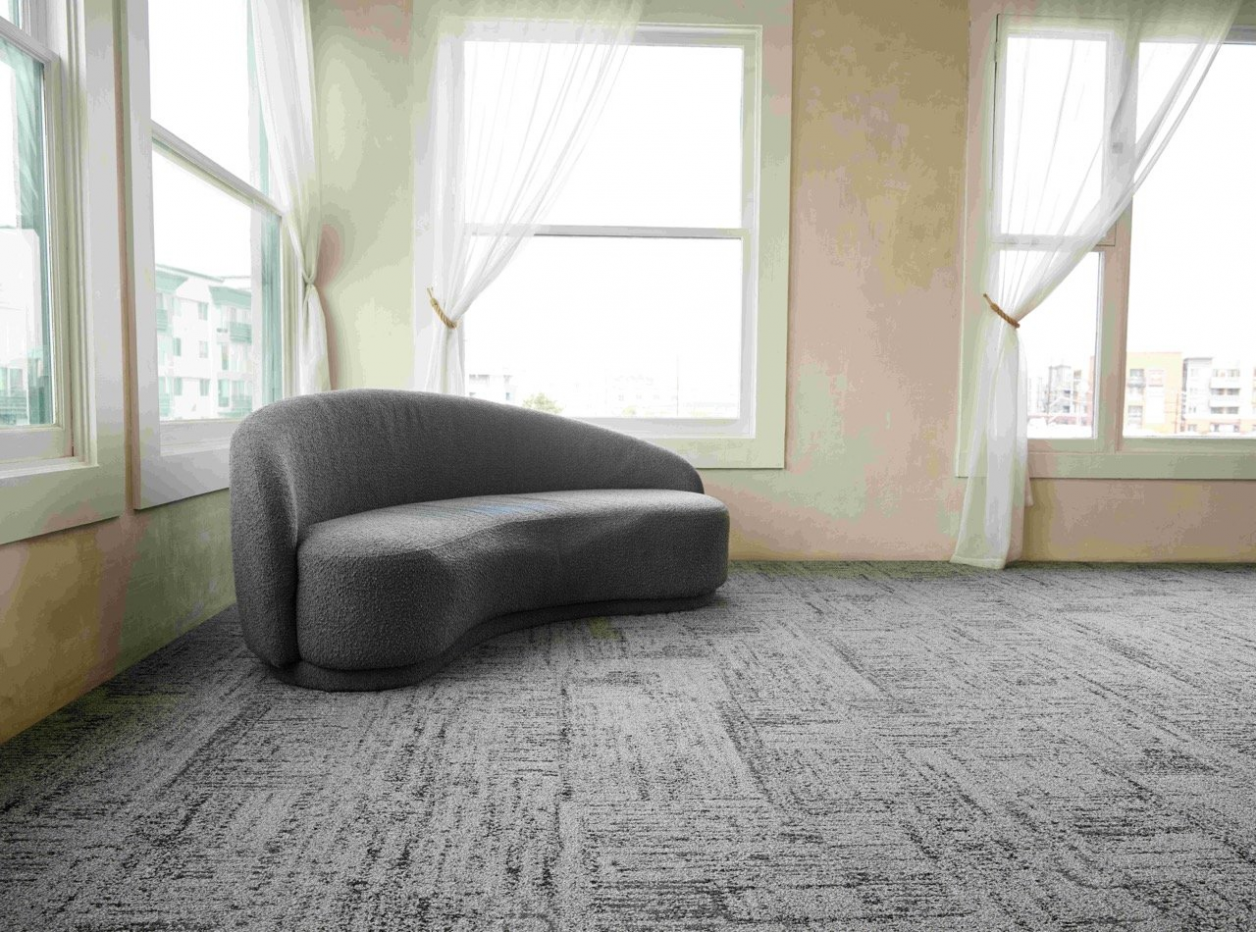
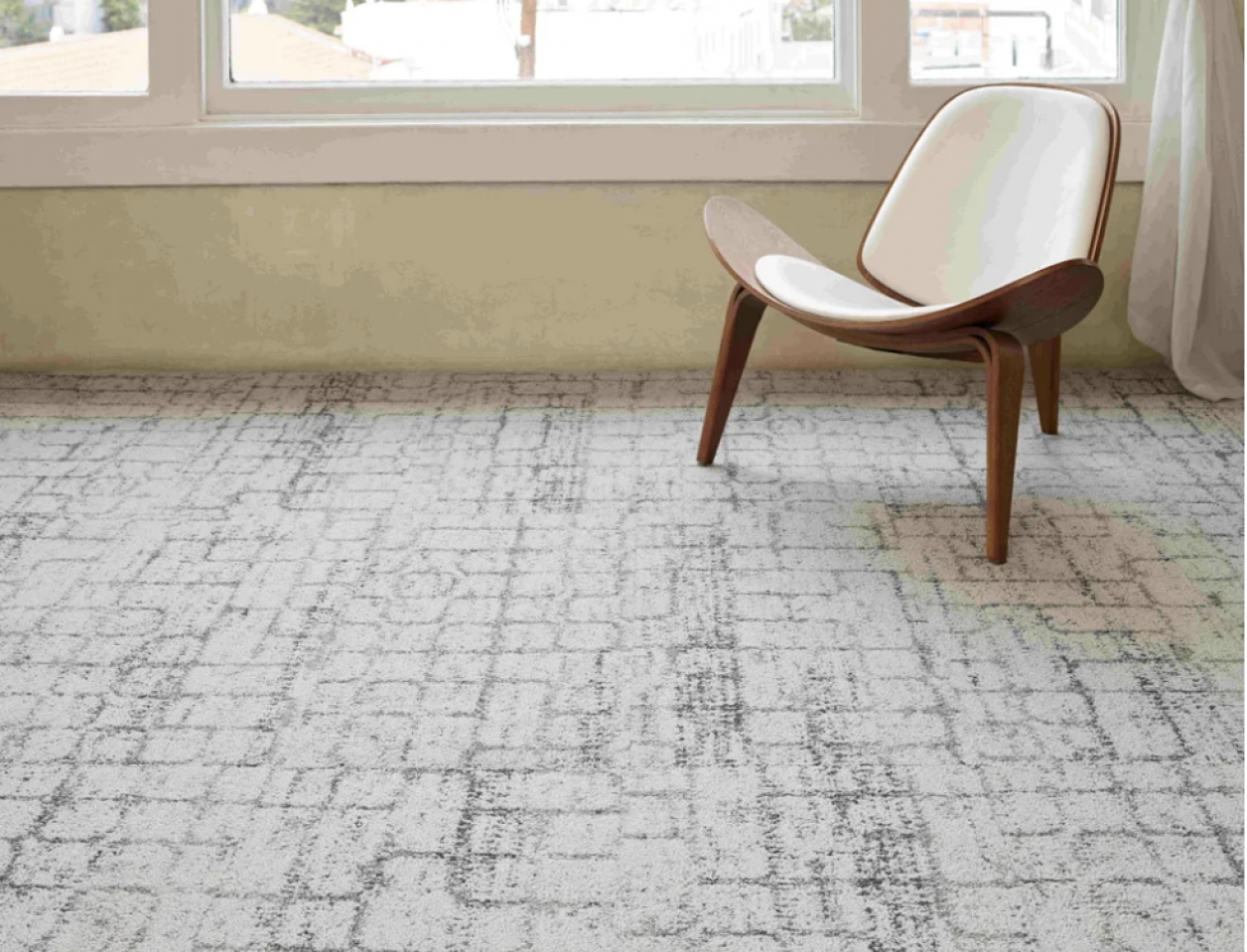
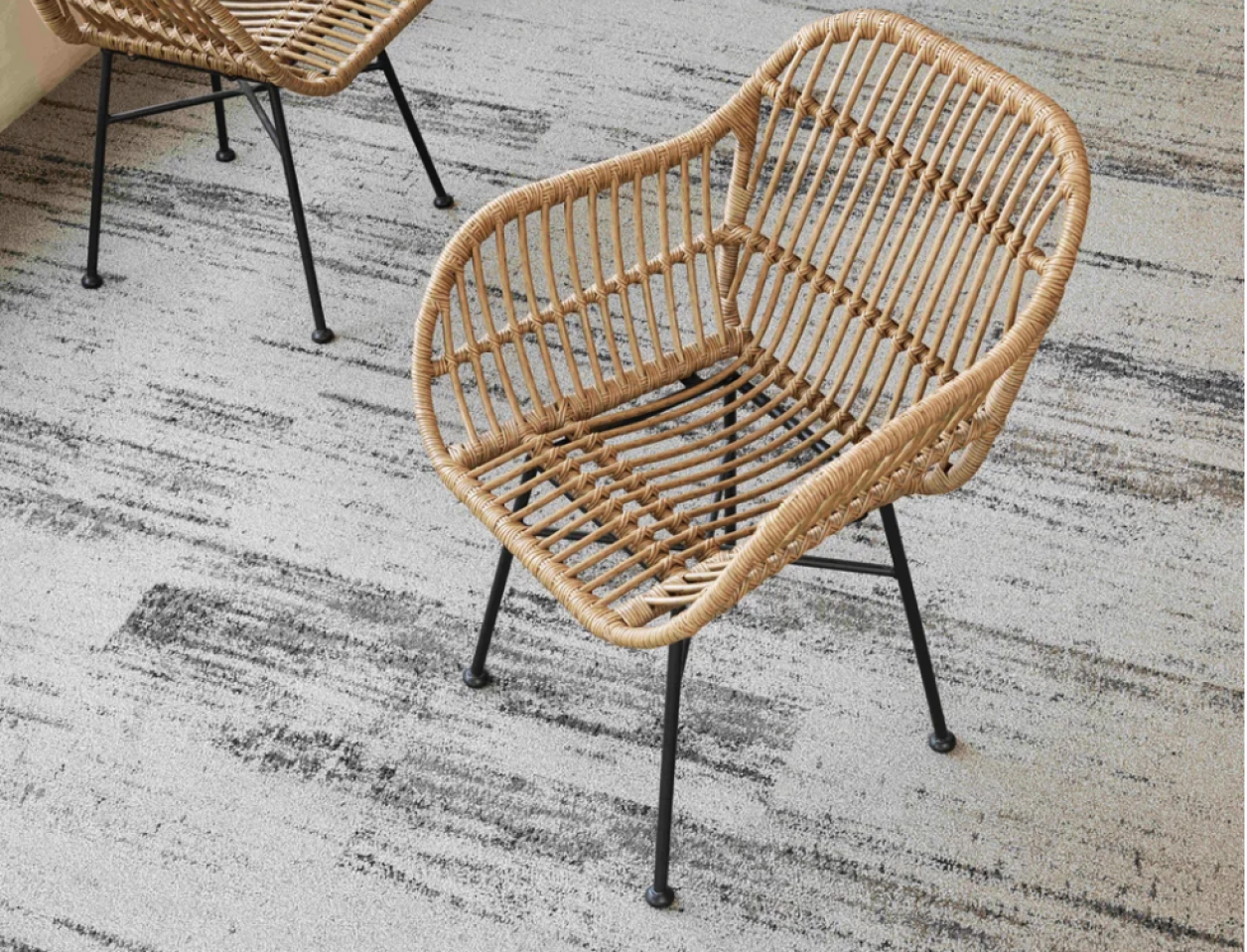
Bentley’s LAND/MARK carpet‑tile collection, created with Neutral Haus and unveiled at NeoCon 2026, offers three styles—Where We Met, Old Haunts, and Know By Heart—in 16 mineral‑gray, softened‑black, and chocolate‑brown colorways. Made from ECONYL® regenerated nylon, the tiles are PVC‑free, Red‑List‑free, PFAS‑free, antimicrobial‑free, and produced in Bentley’s LEED Gold‑certified California facility, with end‑of‑life recycling through the FULFILL™ program. Visit bentleymills.com for more information.
|
|  www.officing.com www.officing.com
|
|
|
|
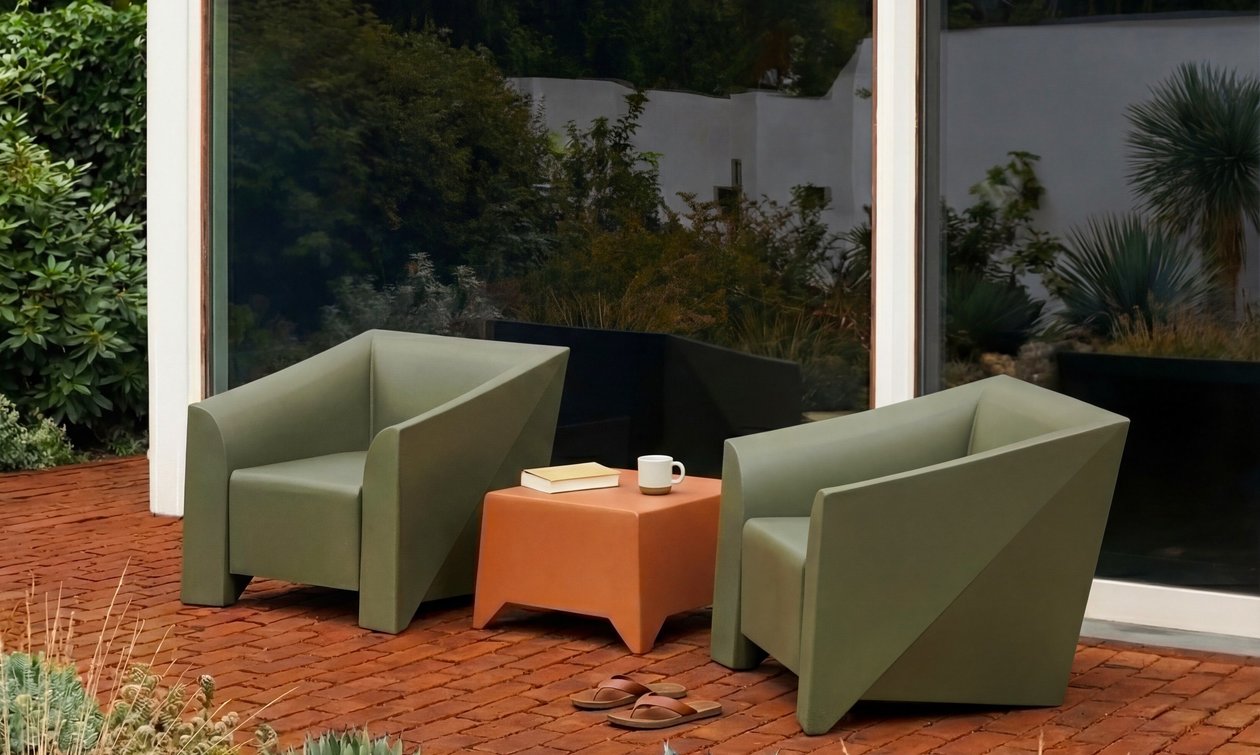
Heller has expanded Mario Bellini’s MB Collection with five new earth‑inspired colorways—Olive, Cookie, Slate, Silver, and Terra Cotta—available for the MB1 Lounge Chair, MB2 Sofa, and MB5 Ottoman. The new shades enhance the collection’s versatility for indoor, outdoor, hospitality, and residential settings, while a discreet drainage channel improves outdoor durability. Designers can also access custom colors through Heller’s Made‑to‑Order program, which offers over 30 options. The collection remains sustainably produced in the United States using recycled, fully recyclable materials designed for long‑term use.
|
|  www.officing.com www.officing.com
|
|
|
|
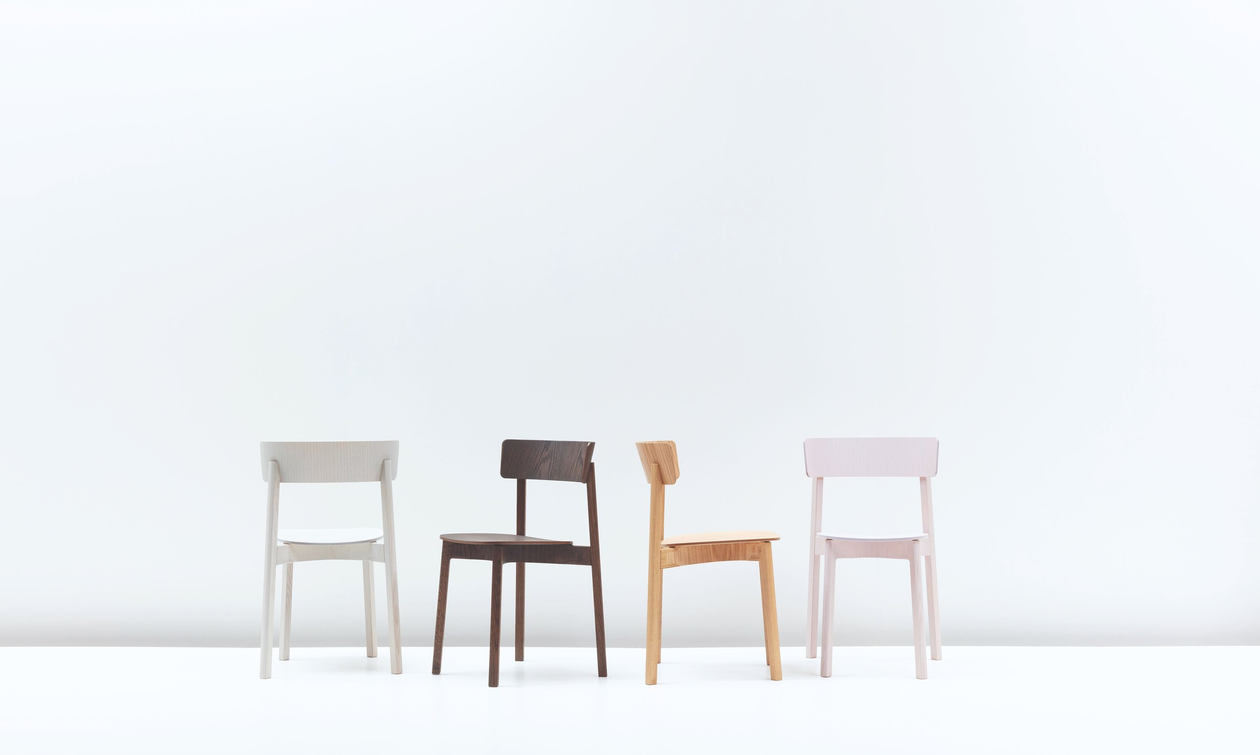
Hightower has launched the ST8 seating collection, a lightweight, stackable wooden chair designed by EOOS for Austrian maker Hussl. Featuring an innovative cellulose‑core construction with traditional finger‑joint and mortise‑and‑tenon joinery, the chair is available in oak or ash finishes, with or without upholstered pads, and supports a 400 lb rating. Weighing just 11 lb and stackable up to six high, it offers easy mobility, sustainability certifications, and suitability for hospitality, workplaces, education, and public spaces, reinforcing Hightower’s commitment to responsible, considered design.
|
|  officing.com officing.com
|
|
|
|
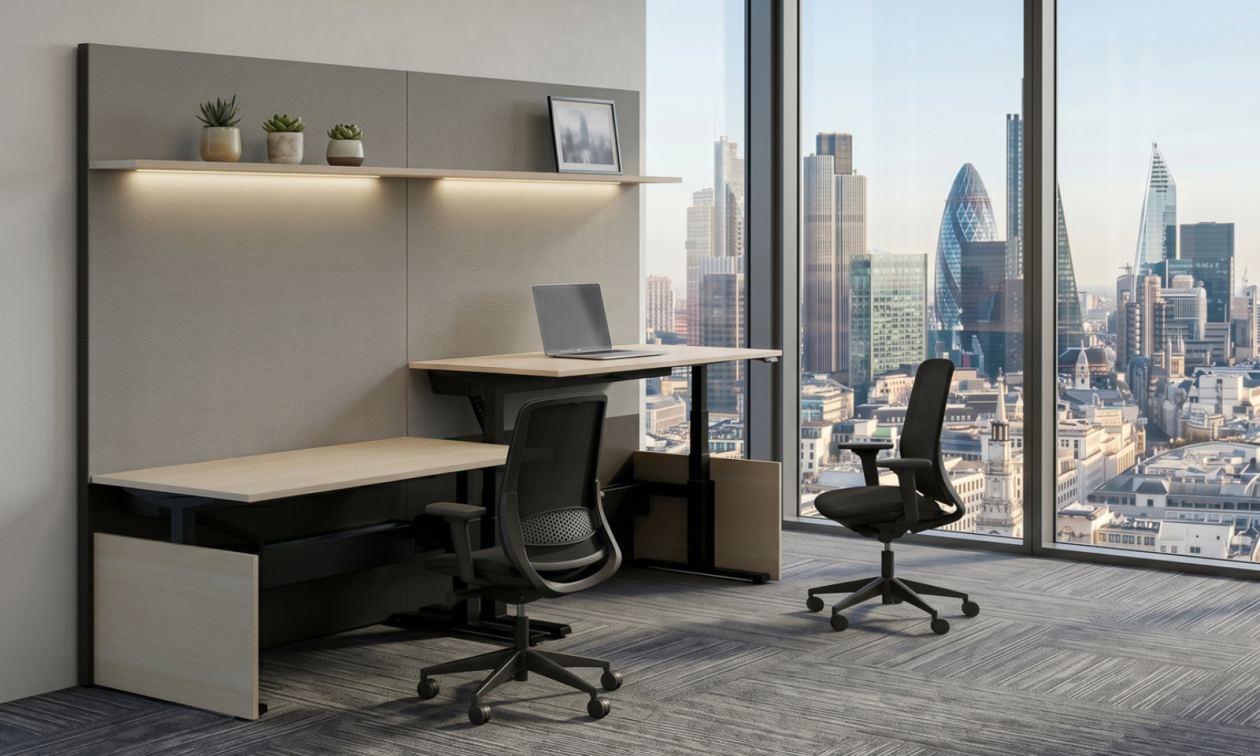
KI Europe’s Arkus Workwall is a modular wall system that allows easy installation, reconfiguration, and integration of panels, shelving, and accessories, offering flexible design, cable management, acoustic benefits, and a 5‑year warranty for workplace and educational spaces.
|
|  www.designinsiderlive.com www.designinsiderlive.com
|
|
|
|
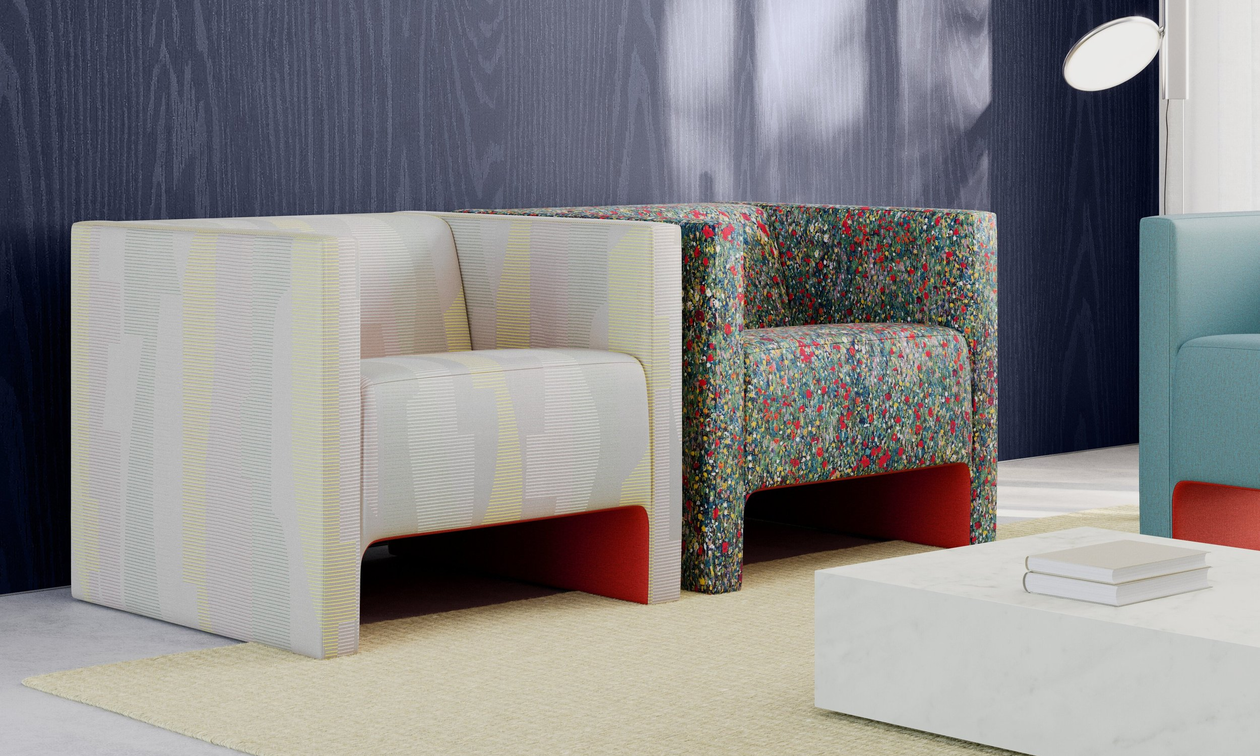
Designtex introduces Florette, an Impressionist-inspired woven textile with layered floral patterns and indoor‑outdoor versatility, and Metroline, a bold architectural woven textile available in seven colorways; both are engineered for high‑traffic commercial spaces, offering striking visual impact, durability, and bleach‑treatable performance.
|
|  www.officing.com www.officing.com
|
|
|
|
Wilsonart’s 2026 HPL collection introduces 21 new designs—11 woodgrains, six linear patterns, and four textile‑inspired surfaces—crafted to simplify material selection and specification. The coordinated palettes integrate with existing Wilsonart products, reduce visual clutter, and improve installation consistency across interior applications. Designed for designers, fabricators, and specifiers, the collection offers balanced undertones, controlled movement, and neutral tones that ease alignment, matching, and seamless transitions in both single projects and large‑scale rollouts.
|
|  www.officing.com www.officing.com
|
|
|
|
TRAYY is a versatile table system created by Italian designers Michele Menescardi and Cristian Gori for Actiu, aiming to foster collaboration while allowing individual focus. Inspired by musical teamwork, the collection features modular, die‑cast aluminium components that enable various configurations—from single workstations to benches and meeting tables—using casters or leveling feet. Its design emphasizes simplicity, flexibility, and durability, with options for integrated lighting, connectivity, and accessories such as whiteboards, planters, and storage solutions, all available in multiple finishes and frame materials.
|
|  www.onofficemagazine.com www.onofficemagazine.com
|
|
|
|
LD Seating’s Terra Lounge, the brand’s softest lounge chair, was created over two years in partnership with Italy’s Orlandini Design, introducing rigid polyurethane inserts that replace metal, delivering exceptional comfort, improved recyclability, and a distinctive vertical seat‑back line; the chair launched in February 2026 and is already specified for projects in the Czech Republic and abroad, with plans to expand the collection with swivel tables and future conference models.
|
|  www.interiordaily.com www.interiordaily.com
|
|
|
|
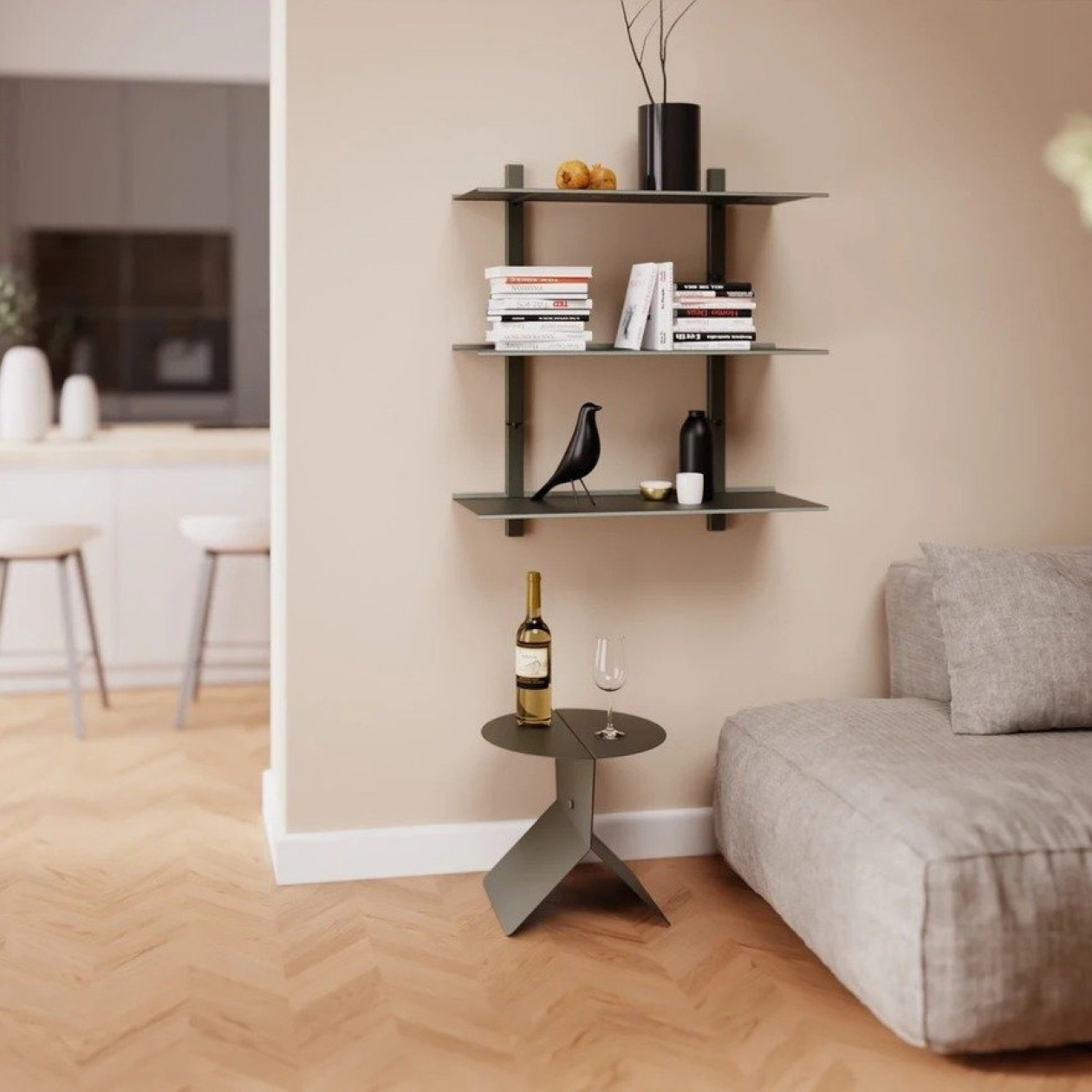
A powder‑coated steel side table by Berlin designer Michael Hilgers can function as a side table, magazine rack, or dual floating nightstands, with the halves separable for wall‑mounting, and is slated for production by Austrian manufacturer Purstahl.
|
|  www.core77.com www.core77.com
|
|
|
|
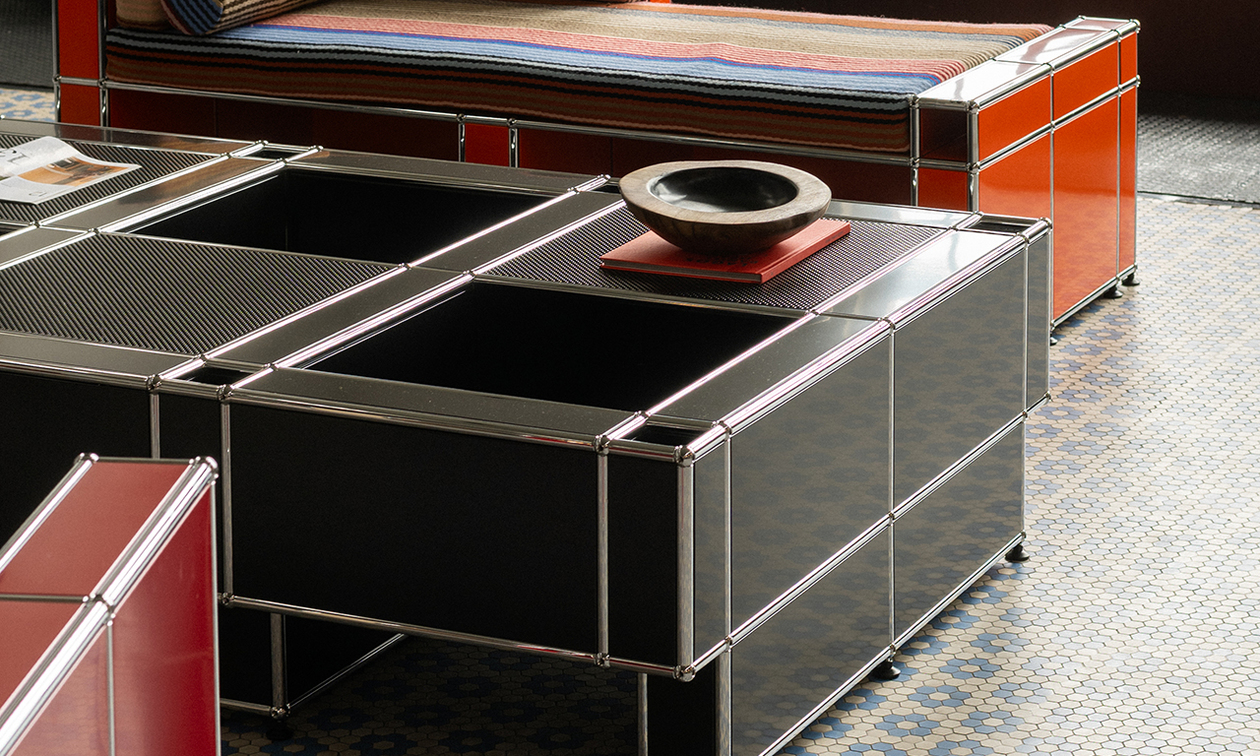
Armando Cabral’s new NKYINKYIM A CASA collection reinterprets Portugal’s Alentejo weaving traditions through vibrant, striped fabrics and modular USM Haller System pieces—including a daybed, love chair, bookshelf, side table, and valet wardrobe—blending multicultural influences, Swiss rationalist design, and personal storytelling into a cohesive, playful yet refined furniture line.
|
|  design-milk.com design-milk.com
|
|
|
|
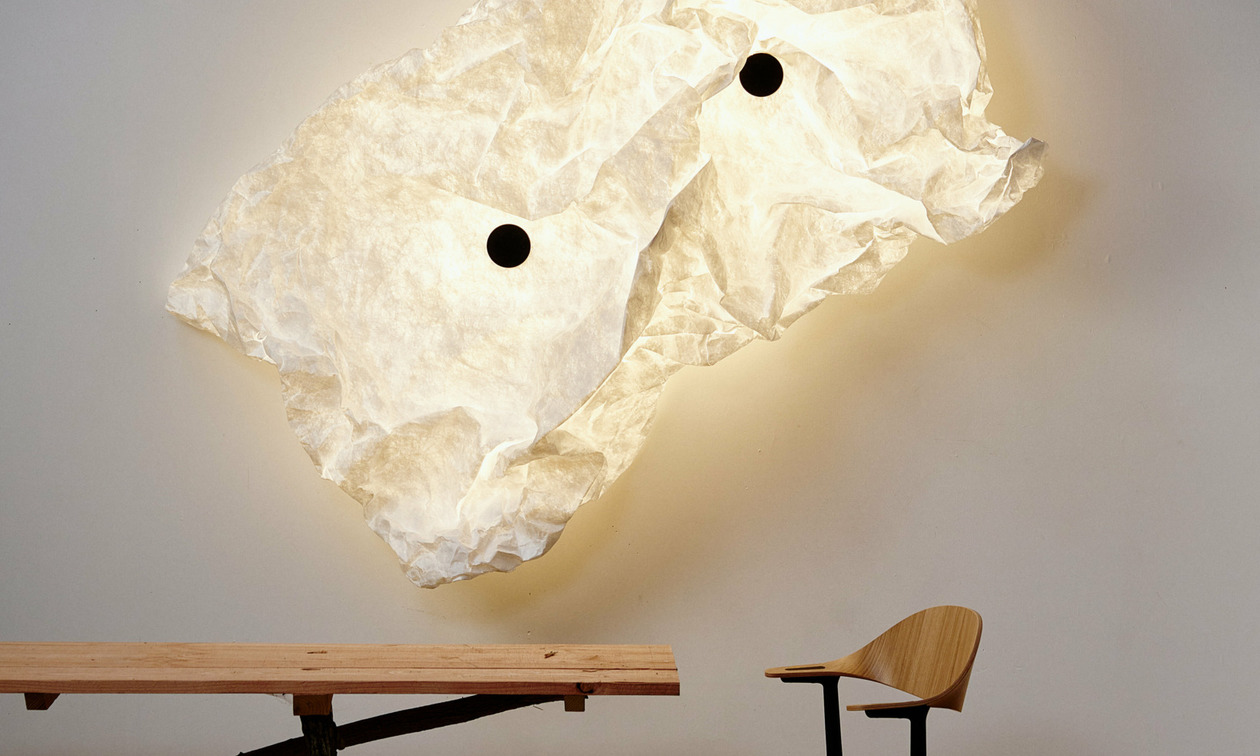
Erwan Bouroullec’s Maap wall lamp, created with Flos, features a flexible Tyvek diffuser that can be reshaped and magnetic attachments that allow endless configurations, turning walls into ambient light installations; it is available in three sizes through Flos stores and Design Within Reach.
|
|  design-milk.com design-milk.com
|
|
|
|
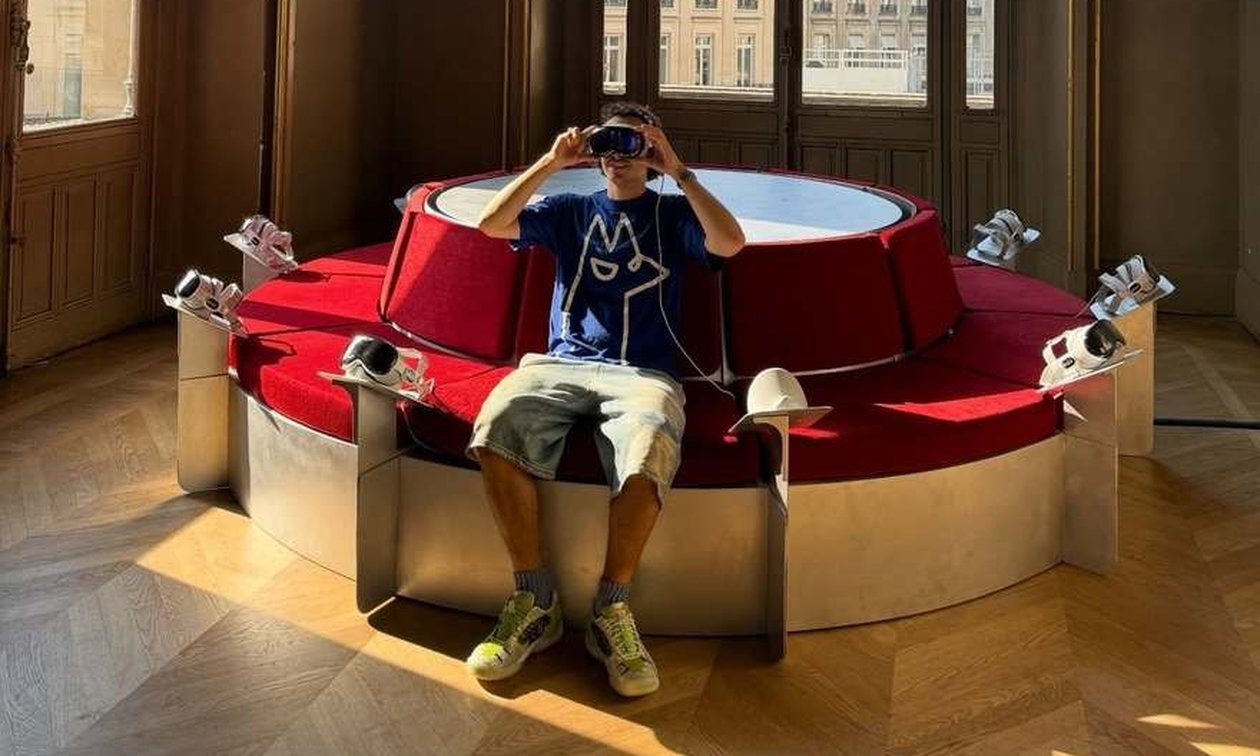
A VR experience at Paris' Palais Garnier lets visitors follow ballet star Bleuenn Battistoni backstage through Apple Vision Pro headsets placed on a circular aluminum banquette, offering immersive 180° views and unprecedented access to the opera house’s hidden spaces.
|
|  www.core77.com www.core77.com
|
|
|
|
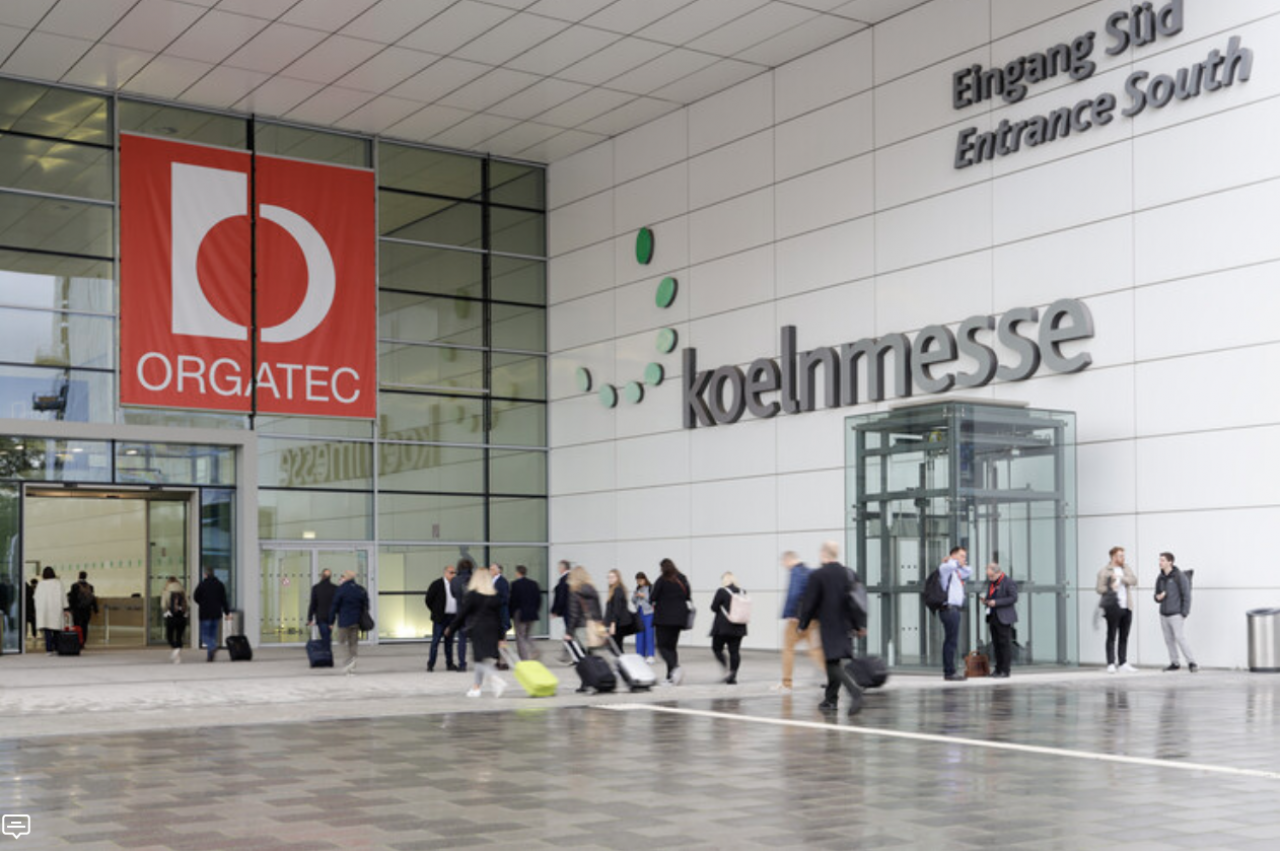
Orgatec 2026
October 27-30, 2026 | Cologne, Germany
ORGATEC is the global industry meeting point for everyone who is rethinking and shaping the worlds of work and contract. Every two years, leading brands, experts, and an international trade audience come together in Cologne. Under the guiding theme "From rooms to relationships: designing spaces in an ever-changing world", the focus is on people – and on how spaces in times of change are redefined.
|
| |
|
|
|
NeoCon 2027 / DesignDays 2027
June 13-16, 2027 | Chicago, IL
NeoCon has served as the world’s leading platform and most important event of the year for the commercial design industry since 1969. A launch pad for innovation—NeoCon offers ideas and introductions that shape the built environment today and into the future. For 2027 NeoCon is officially a 4-day event beginning on Sunday, June 13, 2027.
|
|
|
|
|
|
|
Trends in Commercial Projects
|
|
|
|
|
Motive transformed Lindus’ London headquarters into a vibrant, brand‑driven workplace that blends scientific rigor with humor and humanity, using immersive storytelling, bespoke artwork, and playful details—such as citrus‑themed graphics and a tyre swing—to reflect the company’s mission to accelerate clinical trials through AI while fostering a fun, collaborative culture.
|
|  www.designinsiderlive.com www.designinsiderlive.com
|
|
|
|
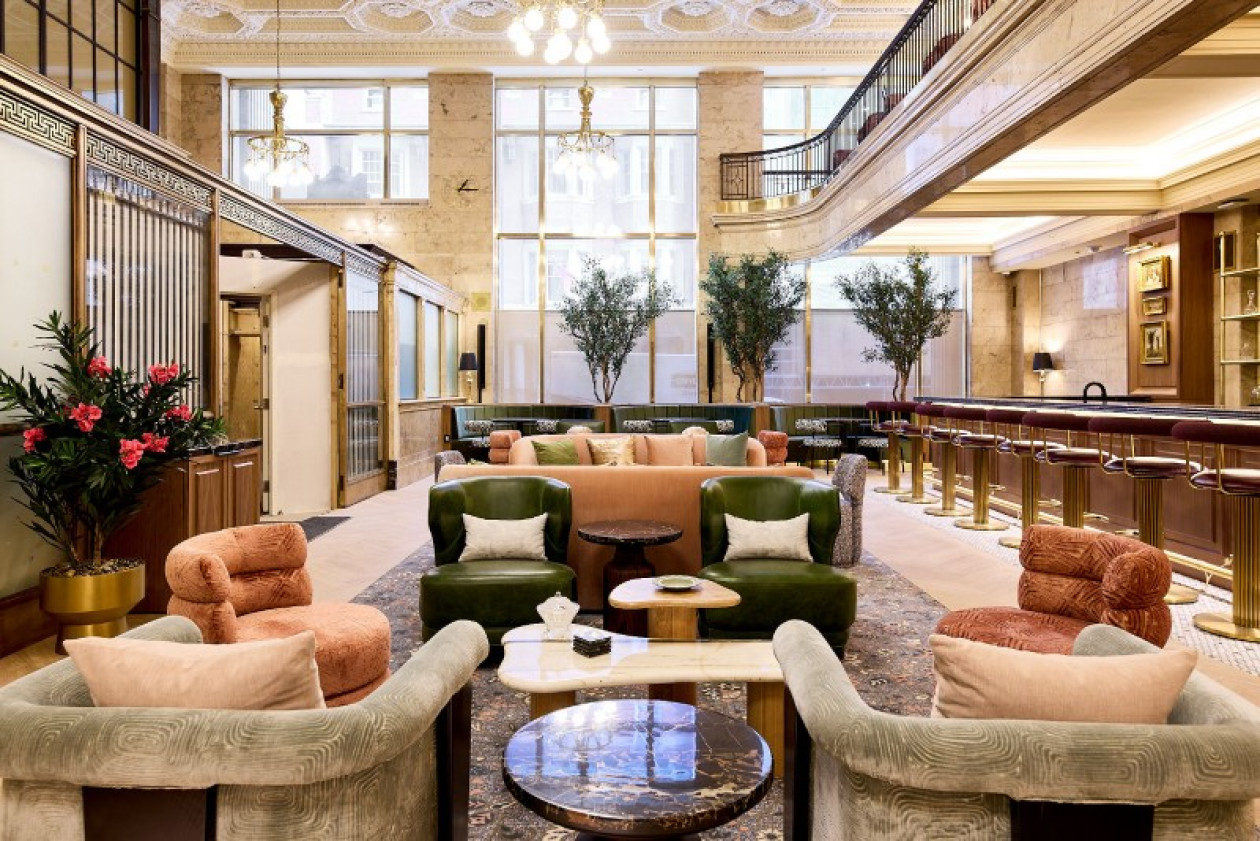
The iQ Offices at 302 Bay Street transform a historic early‑20th‑century banking building into a heritage‑preserving, hospitality‑driven co‑working destination. The renovation retained key Art Deco elements—plaster ceilings, decorative finishes, stone and marble—while introducing modern systems, flexible workspaces, and wellness amenities such as a thermal therapy room, game area, and rooftop patio. Global design firm Arcadis led the club‑floor design, ERA Architects consulted on heritage restoration, and Pomeroy Architecture handled space planning for upper levels. The project creates a layered, experience‑focused environment that blends historic character with contemporary functionality for today’s workforce.
|
|  officeinsight.com officeinsight.com
|
|
|
|
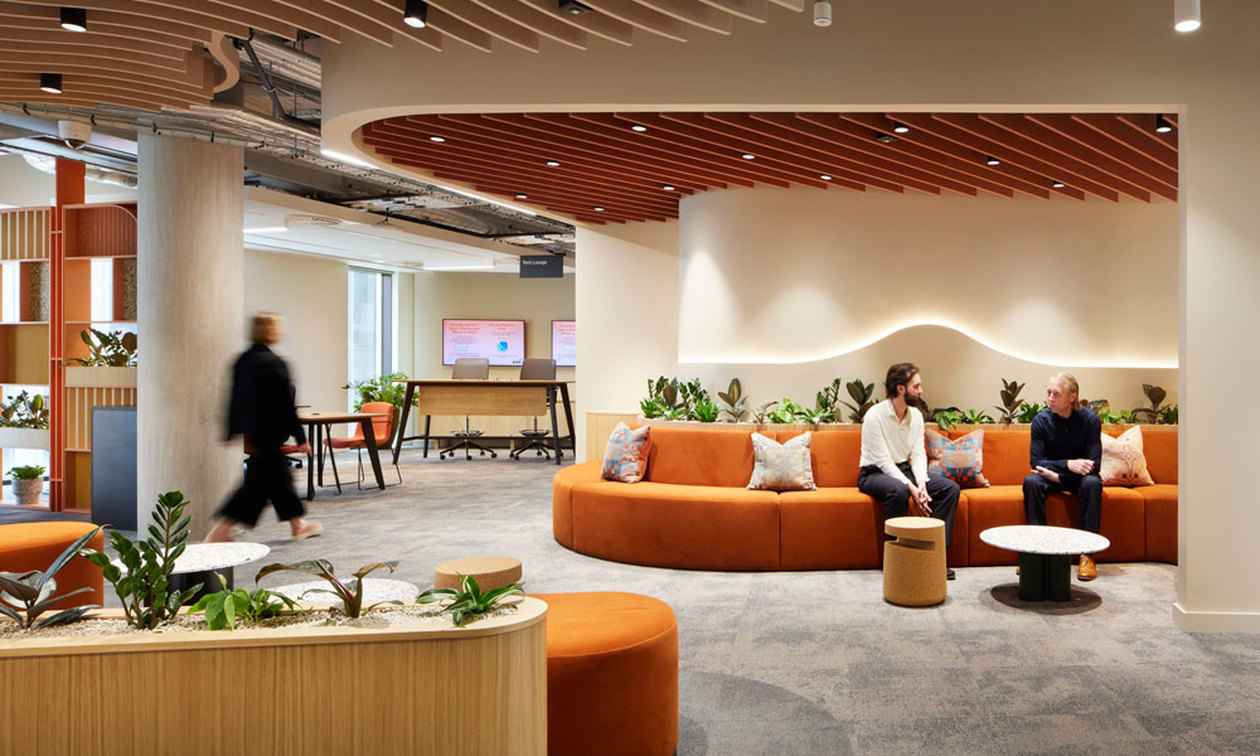
PwC’s new Welsh headquarters in Cardiff blends modern, flexible workspace design with local heritage, using Welsh materials like wool, slate, and timber to create a warm, distinctive environment. The project emphasizes sustainability through reuse of existing fixtures and off‑cuts, and supports diverse work styles and wellbeing with varied settings, meeting rooms, pods, and a quiet retreat, reflecting a people‑focused approach that aligns corporate needs with regional character.
|
|  www.mixinteriors.com www.mixinteriors.com
|
|
|
|
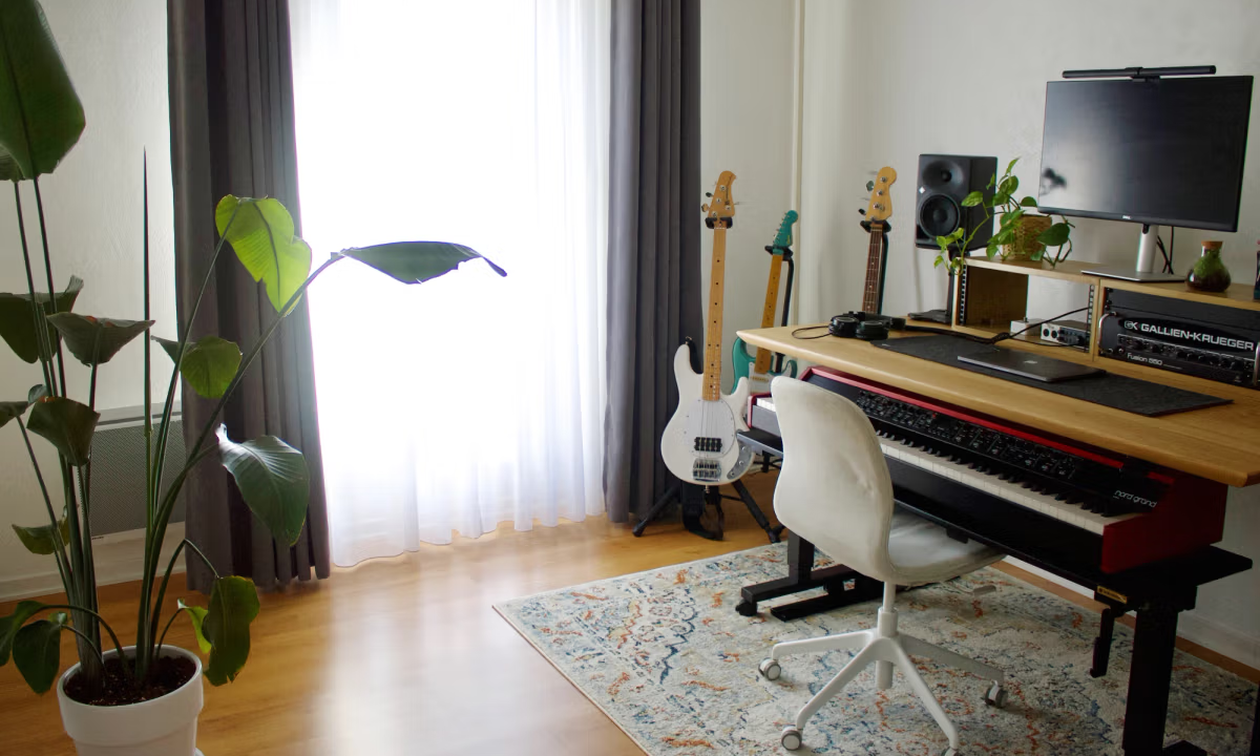
Oksana Popovichenko, a Ukrainian software engineer in Toulouse, showcases a music‑focused workspace featuring a MacBook Pro, guitars, basses, audio gear, and a custom Oakywood desk that fits her piano keyboard. She recently added the desk, plans to upgrade her audio interface and replace her IKEA chair with an ergonomic one, and emphasizes daily desk cleaning and using SessionWire for remote music collaboration.
|
|  workspaces.xyz workspaces.xyz
|
|
|
|
|
Once Upon A Project Explores the Future of Inclusive Design in New Live Episode from NeoCon 2026
|
|
The SURROUND Podcast Network released a new live episode of "Once Upon A Project" recorded at NeoCon 2026, featuring hosts and guests discussing Shaw Contract's Design For All movement, its evolution into a framework focused on connection, wellbeing, experience, learning, and thriving, and the impact of neurodiversity, psychological safety, and creativity on the future built environment. Listeners can access the episode on any podcast platform or via surroundpodcasts.com/once-upon-a-project.
|
| |
|
|
|
Mindspace announced a new 54,000‑square‑foot lease at Two Transamerica Plaza in San Francisco, expanding its footprint to over 90,000 sq ft across two locations and becoming the building’s largest tenant. The lease, signed with YODA PLC, marks Mindspace’s second and biggest U.S. location, reflecting its strategic focus on growth in the United States. The flagship space will offer flexible coworking, private offices, customizable floors, and premium amenities such as a rooftop, fitness facilities, and hospitality‑driven services, enhancing the Transamerica complex’s appeal as a premier business destination.
|
|  allwork.space allwork.space
|
|
|
|
Collegium Pharmaceuticals is moving its headquarters from Stoughton to the One Lincoln office tower in downtown Boston, signing a 40,000 SF lease for the 11th and 12th floors and planning to occupy the space in Q1. The relocation follows DivcoWest’s recent $100 M investment in the building’s amenities and reflects a broader trend of companies seeking collaborative, urban work environments.
|
|  www.bisnow.com www.bisnow.com
|
|
|
|
Google has expanded its Miami office at 1450 Brickell Ave., increasing its lease from 10,000 SF to 45,000 SF, reflecting the growing presence of its billionaire founders, Sergey Brin and Larry Page, who have also invested heavily in local real estate. This expansion follows a broader trend of out‑of‑state tech companies and investors moving to South Florida, with other firms like Palantir and JPMorgan Chase also increasing their footprints in the area.
|
|  www.bisnow.com www.bisnow.com
|
|
|
|
|
Landscape Forms Celebrates Its 2026 Landscape Architecture Foundation Scholarship Winners
|
|
Landscape Forms announced the 2026 recipients of its scholarship program in partnership with the Landscape Architecture Foundation: Zuri Askew, an Honors Landscape Architecture student at North Carolina A&T State University, and Joshua Schneider, a Bachelor of Landscape Architecture candidate at Cal Poly San Luis Obispo. The scholarships support diverse, community‑focused design education, and the winners aim to create inclusive, story‑driven, and environmentally resilient landscapes that connect people with nature and strengthen communities.
|
| |
|
|
|
|
Mayer Fabrics Welcomes Carol Thornton to the N. CA, HI, & N. NV A&D Territory
|
|
Carol Thornton joins Mayer Fabrics as the A&D Account representative for Northern California, Hawaii, and Northern Nevada, bringing over 20 years of sales and marketing experience in commercial interiors and specialty textiles. She will handle client outreach, product presentations, and library updates, with Liz Walcott serving as her Sales & Fulfillment Specialist for sampling requests. Contact details and links to find additional regional representatives and access Mayer Fabrics services are provided.
|
| |
|
|
|
|
Arcadis Releases 2026 International Construction Costs Report
|
|
Arcadis released its 2026 International Construction Costs Report, highlighting that the most expensive construction markets remain in mature, complex cities such as Geneva, London, Zurich, Munich, Copenhagen, New York City, San Francisco, Dublin, Bristol, and Philadelphia. The report notes a shift from inflation-driven uncertainty to more selective investment, with capital focusing on high‑performing, tech‑enabled assets like modern workplaces, healthcare facilities, labs, data centers, and advanced manufacturing. Challenges such as higher financing costs, energy volatility, tariff uncertainty, and supply‑chain constraints increase the importance of early cost intelligence, scenario planning, procurement strategy, and disciplined program delivery to protect value and secure supply‑chain capacity. The full Arcadis International Construction Cost Index 2026 report is available to read and download HERE.
|
| |
|
|
|
Stephen argues that Herman Miller's acquisition of Knoll didn't just move furniture designs—it scattered a generation of sales and leadership talent (the "Knoll Diaspora") who had spent decades learning to sell design, build architect and dealer relationships, and carry themselves with Knoll's signature confidence. Viscusi contends the true asset your CEO recruited wasn't a single executive but access to that alumni network's twenty-year relationships and credibility, which Knoll itself built and trained—not something any one recruiter or executive personally owns. He stresses that companies don't own relationships, employees do, so those loyalties travel with people rather than staying fixed to an org chart.
Turning to the CEO's real fear—mass exodus if the executive leaves—Viscusi says that's unlikely, since most former Knoll people have since built their own customers, income, and careers at the company and are now "your people." The bigger risk is "turnover contagion": one respected departure gives everyone else quiet permission to reconsider their own careers, prompting stray recruiter calls and LinkedIn updates rather than a coordinated walkout. He closes by reframing the challenge: recruiting a powerful network proved the company could attract top talent, but retaining it requires giving people real authority, competitive pay, and visible growth so that staying—not the person who recruited them—becomes the smarter long-term bet.
|
| |
|
|
|
Manage and grow a national network of independent sales representatives across the US and Canada, driving revenue through commercial furniture dealers, architects, designers, and specification firms. Own the full sales cycle—strategy, pipeline management, forecasting, and contract negotiations—while conducting market analysis to spot trends and opportunities. Partner cross-functionally with Product, Marketing, Supply Chain, and Leadership to deliver strong customer solutions, and represent the company through presentations, training, trade shows, and industry events. Requires extensive travel throughout the US and Canada to build relationships and support the rep network in the field.
|
| See Job Opening > |
|
|
|
Open Plan Systems is seeking an accomplished National Sales Director to lead strategic growth across the United States by expanding the company’s dealer network, strengthening key contract relationships, and identifying new market opportunities. This high-impact role is ideal for a proven sales executive with deep contract furniture industry experience, strong partnership-building skills, and the ability to combine strategic vision with hands-on execution to deliver measurable revenue growth.
|
| See Job Opening > |
|
|
|
|
|