In this issue… workplace design leaders weigh how context, color, and AI can elevate interiors beyond cookie‑cutter aesthetics; companies recast the office as a desirable perk that boosts collaboration and career growth; Italian studio NM3 shows how modular steel pieces turn industrial constraints into minimalist, functional design; major developers deepen move‑in‑ready workplace offerings through new furniture partnerships; AI and other tech firms concentrate into fewer hubs while taking larger, premium offices, as law firms also emerge as a surprising leasing engine; new products range from hip‑hop–inspired textiles and performance upholstery to warmer, residential‑leaning storage, privacy lounges, lightweight indoor/outdoor seating, ergonomic sit‑stand booths, and heritage chair reissues; experience centers and booking/space‑planning integrations highlight a push toward more human, efficient workplaces; trend reports project increasingly adaptive “science‑fiction” offices and design shifts toward stainless steel, longevity, circular materials, and revived classics; and new research underscores remote work’s isolation tradeoffs. And finally, Stephen reassures the salesperson that feeling unsettled after NeoCon is normal.
|
| |
|
|
|
|
Featuring the Monday Morning Quarterback
Monday, June 22, 2026
|
|
|
|
|
The Latest Buzz about Contract Furniture and the Workspace
from your Monday Morning Quarterback
|
| |
|
|
|
The Furniture Industry Already Invented the Future. Then Forgot About It. (part 1)
One of my favorite things about the contract furniture industry is that every five or six years it rediscovers something it already invented. Hybrid work. Focus spaces. Neighborhood planning. “Resimercial.” Smart offices. Depending on which conference you’re attending, each one is presented as if it has just been discovered somewhere between a TED Talk and a PowerPoint presentation.
Here’s the problem with that narrative: most of these ideas were sitting in manufacturers’ price books decades ago.
The industry didn’t lose its way because it lacked vision. If anything, it had too much of it. By the early 2000s—and in some cases well before that—it had already built much of what companies are now trying to assemble: clustered workstations, focus environments, modular lounges, digital room scheduling, furniture-based infrastructure and ergonomic seating that still ranks among the best products ever made.
This isn’t really a story about innovation.
It’s a story about collective amnesia.
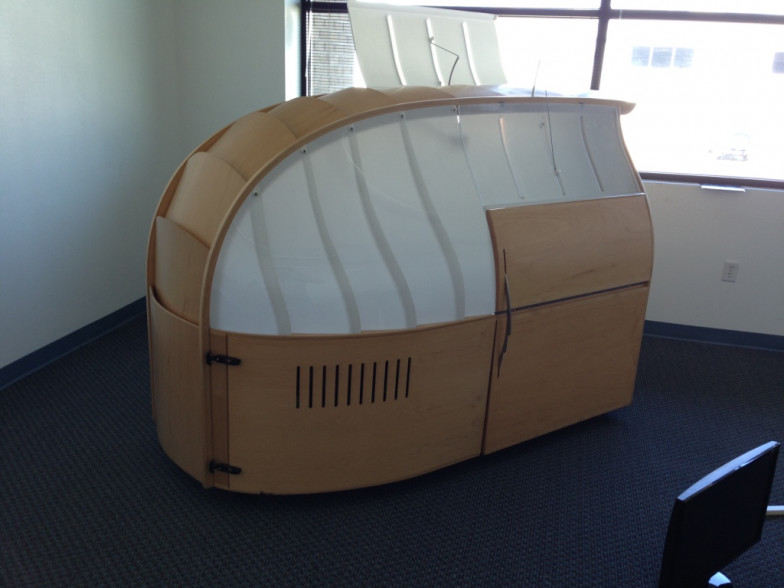
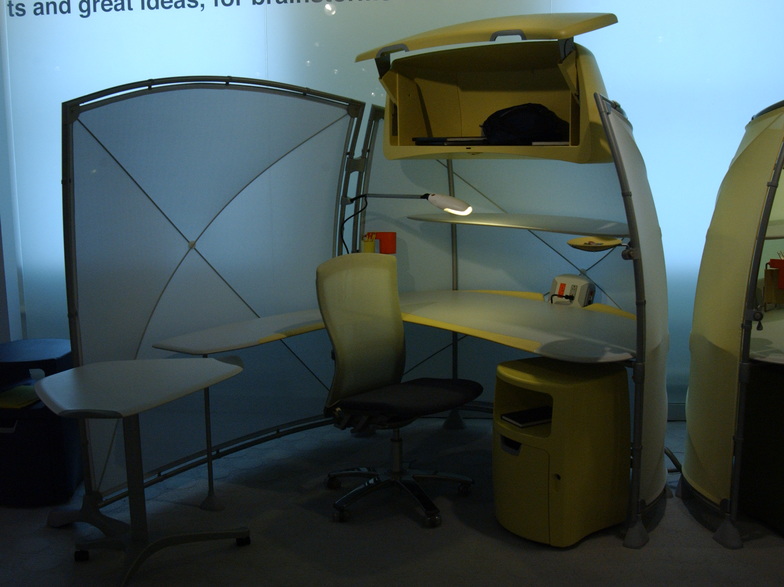
Take focus pods. Everyone seems convinced they were born sometime after Zoom, Slack and the Great Return-to-Office Debate. Except Newspace was already there in the early 1990s with the Clipper CS-1, a compact, immersive workstation complete with integrated lighting, ventilation, equipment support and privacy. It wasn’t trying to be trendy. It was trying to solve the problem of concentrated computer work decades before that problem became fashionable.
Task seating tells the same story.
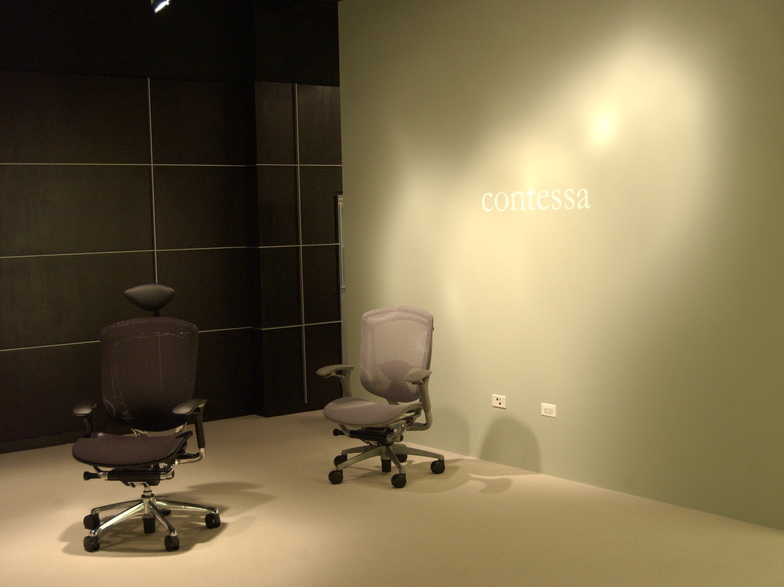
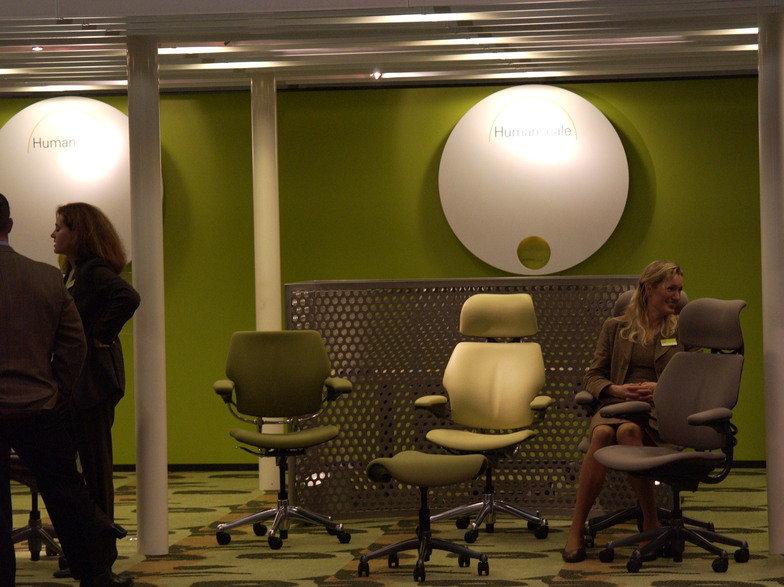
The Aeron debuted in 1994. Steelcase Leap followed in 1999. Humanscale Freedom arrived the same year. Okamura’s Contessa appeared in 2002. Haworth’s Zody joined the conversation shortly afterward. All remain benchmark products today.
Think about that for a minute. Nobody says those chairs failed because they’re old. We update the materials, improve the mechanisms, make them more sustainable and keep selling them because the original ideas were fundamentally right.
Oddly enough, we don’t extend the same courtesy to workstation systems.
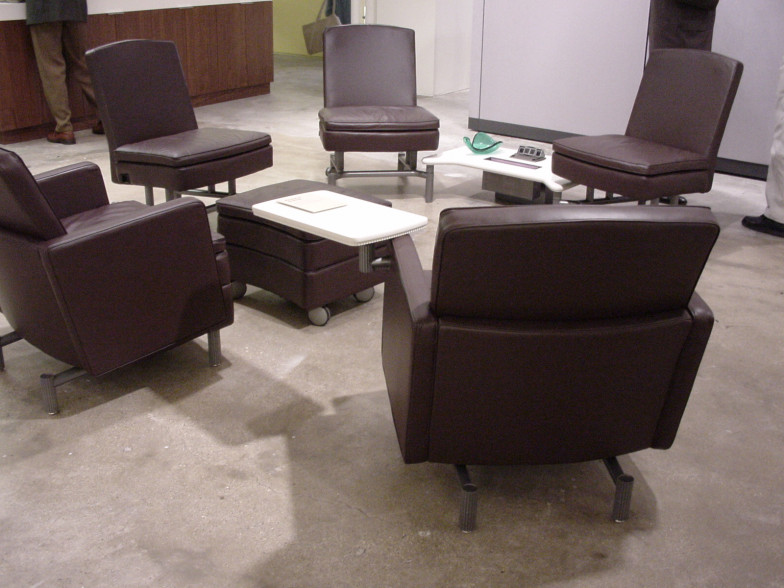
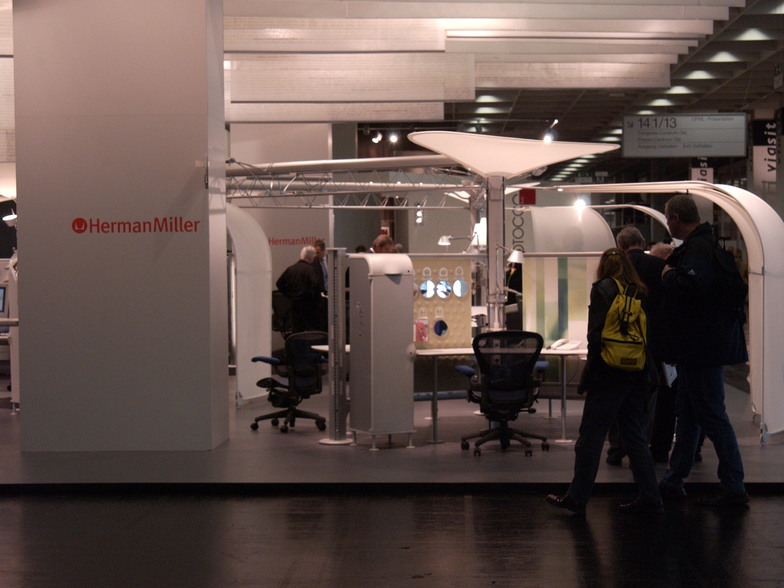
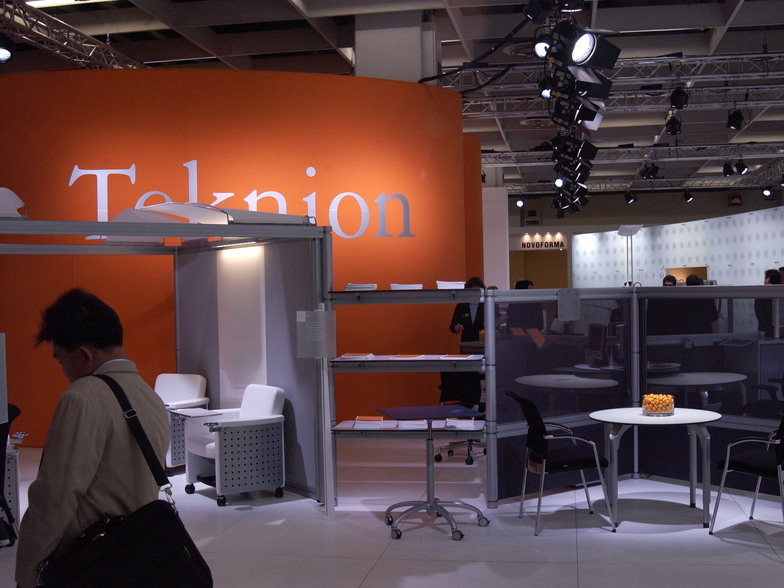
Look back at Herman Miller’s Resolve, Teknion’s ie, Herman Miller’s My Studio and Knoll’s A3. They embraced clustered planning, non-orthogonal layouts, flexible neighborhoods, lighter visual footprints and privacy without surrounding everyone with six-foot walls. My Studio practically anticipated today’s obsession with bookable focus rooms years before anyone thought to call them that.
Sometimes I wonder whether the industry has spent the last decade organizing conferences simply to rediscover products it quietly discontinued fifteen years ago.
Then we get to everyone’s favorite buzzword: “resimercial.”
Apparently modular lounge furniture was invented sometime around 2018 after enough workplace strategists decided hospitality was the answer to everything. That’s amusing, considering manufacturers had already been building lounge systems designed for informal meetings, individual work, collaboration and flexible reconfiguration years earlier. The furniture wasn’t missing. The marketing language was.
The technology story isn’t much different.
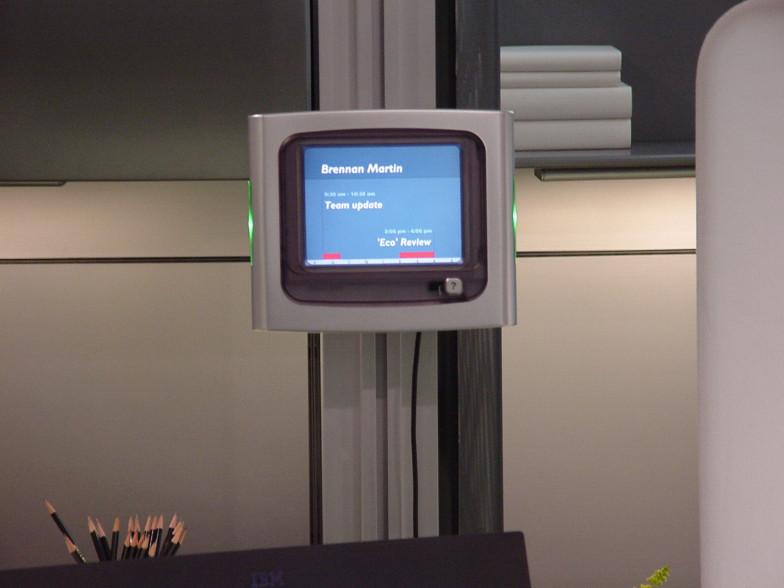
Remember Steelcase’s RoomWizard? It handled room scheduling, calendar integration, local booking and utilization tracking long before “smart workplace” became an entire product category. Later versions even pointed toward building integration through ZigBee before most people knew what the Internet of Things was supposed to be. Today we’d probably rename it a workplace experience platform, sprinkle in some AI, double the software subscription and declare it revolutionary.
Even the infrastructure arrived early.
Haworth, Teknion and others embedded power and data into furniture systems decades ago. Demountable walls transformed architecture into something movable rather than permanent. Furniture was beginning to function as part of the building itself instead of simply decorating it.
None of that feels obsolete.
If anything, it feels like a reminder that the industry was solving tomorrow’s problems while much of the market was still buying yesterday’s floor plans.
By the early 2000s, the office furniture industry had already assembled most of the ingredients for what we now call a hybrid workplace: world-class ergonomic seating, clustered planning, focus environments, modular lounges, reconfigurable infrastructure and an emerging digital layer for managing rooms and resources.
Were all of those products perfect? Of course not. Some were over-designed. Some were expensive. Some arrived before the supporting technology—or the customers—were ready for them.
But that’s the point.
The standard narrative says manufacturers spent decades reacting to workplace change. History suggests exactly the opposite. In many cases, manufacturers saw the change first. They simply had the unfortunate habit of arriving years before clients, workplace culture and available technology caught up.
These products aren’t relics.
They’re receipts.
They remind us that the office furniture industry has often been fifteen, twenty and sometimes thirty years ahead of the market it was trying to serve. Unfortunately, history has also shown that being right early isn’t the same thing as winning.
That’s where Part 2 begins next week.
|
| |
|
|
|
Clipper CS-1 by Doug Ball
|
| |
|
|
|
|
pendulum: Allsteel Showroom NeoCon 2001
|
| |
|
Herman Miller Resolve: Orgatec 2002
|
| |
|
|
|
|
|
Knoll A3: Knoll Showroom NeoCon 2002
|
| |
|
|
|
Okamura/Teknion Contessa Chair: Teknion Showroom NeoCon 2003
|
| |
|
Humanscale Freedom: Orgatec 2002
|
| |
|
|
|
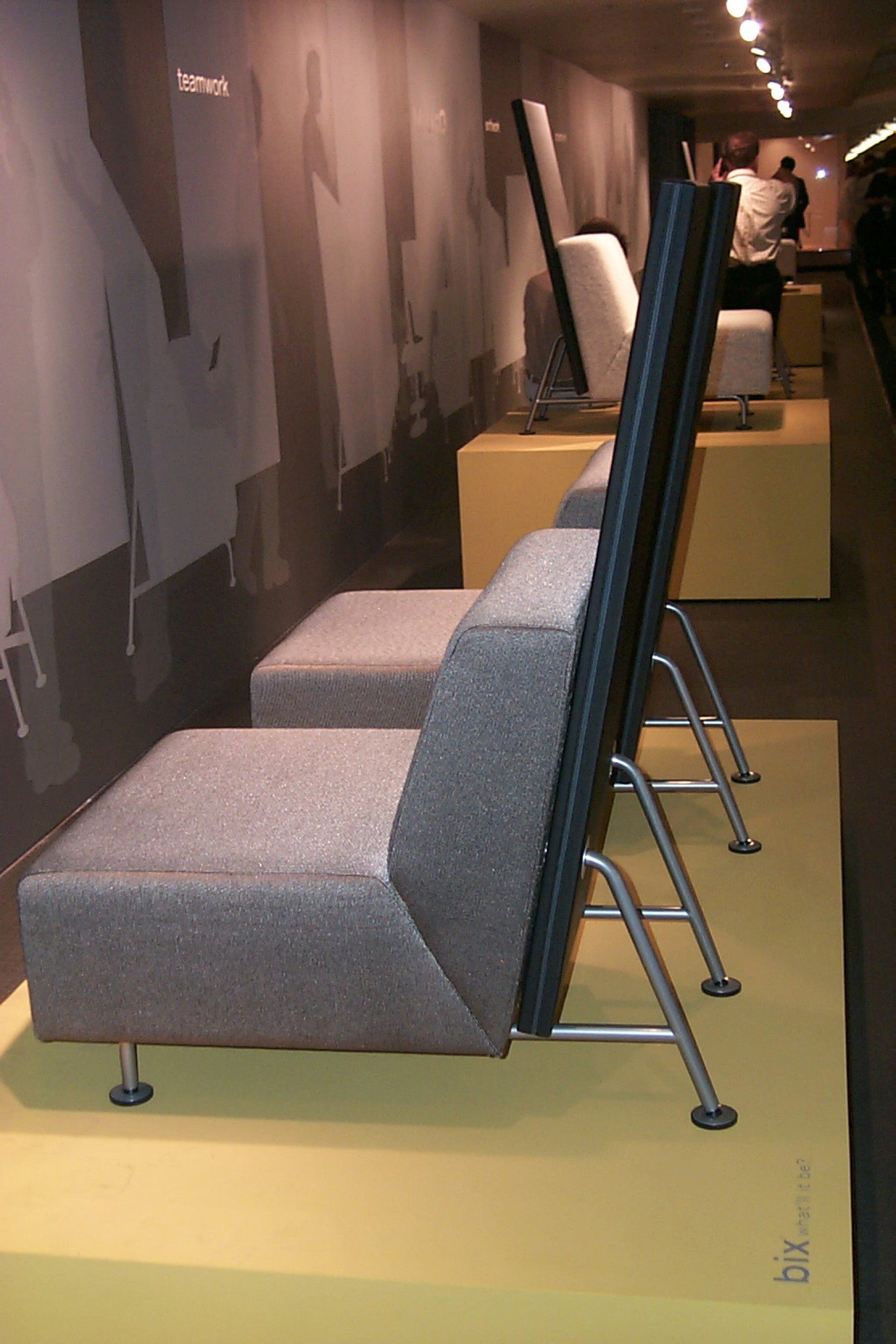
bix: Metro Showroom NeoCon 2001
|
| |
|
|
|
By the Numbers
Austin leads all U.S. cities in office‑using job growth, with employment up about 34% from 2019‑2025, while its office vacancy rate remains high at 22.4%—still above the national 18.6% average. Although new office construction has slowed and the pipeline is modest, positive net absorption and strong leasing activity suggest demand is improving, and experts expect vacancy rates to gradually decline, especially for newer Class‑A assets, over the next year.
|
| Read more > |
|
|
|
U.S. weekly jobless claims fell slightly but stayed above typical levels, indicating modest moderation in June’s job growth while the labor market remains stable enough for the Federal Reserve to keep rates on hold. Economists note seasonal factors and regional spikes, especially in Oregon and Minnesota, but overall data—such as steady unemployment at 4.3% and continued strong payroll gains—suggests the economy is resilient despite inflation concerns and geopolitical tensions.
|
| |
|
|
|
“We’ve always believed that the best way to show clients and partners what’s possible is to let them experience it firsthand.”
- Chris Knoeppel, Chief Growth Officer at Henricksen
|
| |
|
|
|
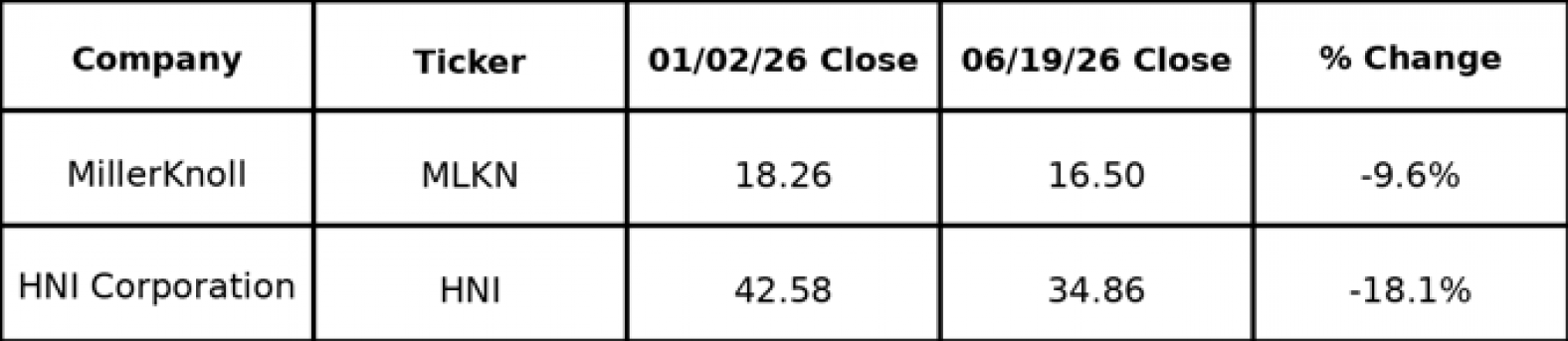
Industry Stocks YTD at Friday's Close
|
|
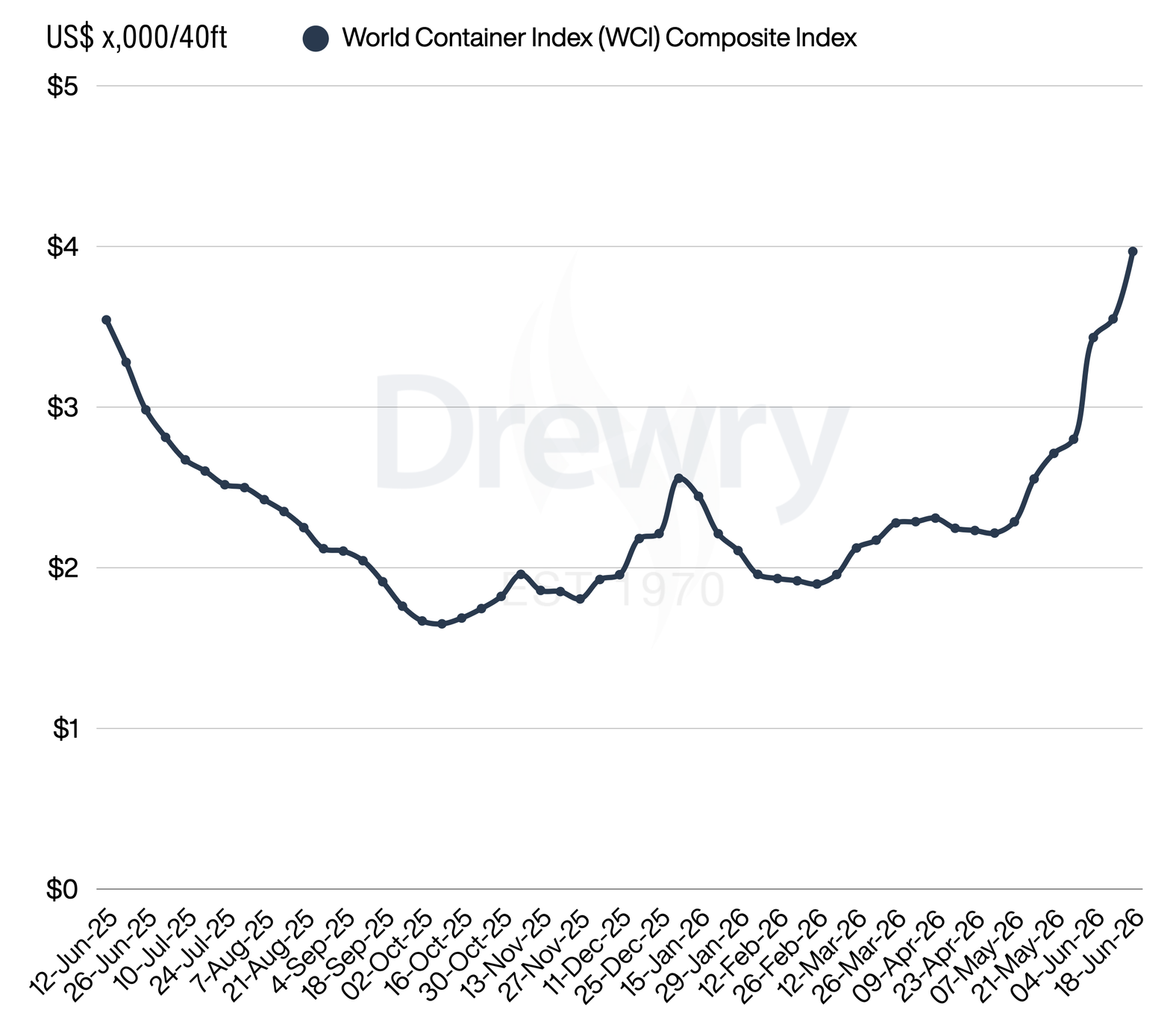
World Container Index - June 18, 2026
|
|
$3,969 per container. WCI climbs to an 18-month high
|
|
|
|
|
|
The Aeron Used Chair Index
The price of a used Aeron Chair in the SF Bay Area as computed by Craigslist on June 19, 2026 - US $576 (+2.6%) Last week: US $561
The price of a used Aeron Chair in the Chicago Area as computed by Craigslist on June 19, 2026 - US $659 (+2.1%) Last week: US $645
The price of a used Aeron Chair in the Manhattan as computed by Craigslist on June 19, 2026 - US $442 (-1.6%) Last week: US $449
|
| |
|
|
|
|
Hot-Desking Loses Its Shine as Companies Reconsider the Workplace
|
|
For years, the contract furnishings industry has enthusiastically embraced the idea that the assigned workstation was headed for extinction. Dealers redesigned office floors around hoteling. Manufacturers introduced ever-more sophisticated reservation systems, touchdown workstations, neighborhood planning concepts, and collaborative furniture collections. The assumption was straightforward: if employees only came into the office a few days each week, why dedicate expensive real estate to desks that would often sit empty?
The conversation may be changing.
Speaking at Bisnow’s New York Office Conference in New York on Wednesday, several corporate real estate executives suggested that companies are quietly moving away from aggressive flex seating strategies and back toward providing employees with dedicated workspaces. The shift is less about abandoning hybrid work than recognizing that flexibility alone may not create the workplace employees actually want.
“There’s a slow, quiet shift that’s happening, back towards more assigned seating and less flex seating,” said Linda Foggie, Global Head of Real Estate and Corporate Services at Scotiabank.
The comments reflect what many workplace strategists have been observing over the past year. While hybrid schedules remain firmly in place, employees increasingly value consistency, personalization and a sense of ownership within the office. Research cited during the conference showed that nearly one in five office workers still lacks an assigned desk, yet almost 60 percent would prefer having a workspace they can call their own.
That preference extends well beyond comfort. According to research presented from Gensler, employees with assigned workstations report significantly stronger feelings of belonging and greater ability to focus than workers forced to search for available seating each day. Hot-desking, once viewed as a cornerstone of workplace efficiency, has increasingly been associated with workplace anxiety and reduced employee engagement.
For the contract furnishings industry, the implications could be significant.
For the past several years, manufacturers have invested heavily in products supporting activity-based working, mobile workstations, reservation-enabled desks, and highly flexible planning systems. Those investments are unlikely to disappear. Instead, the market may be evolving toward a more balanced approach that combines assigned workstations with abundant collaborative environments rather than replacing one with the other.
The conference also highlighted another important trend that aligns with much of today’s product development. Collaboration space continues to expand. HubStar data presented during the event found that conference room ratios have increased to roughly one room for every eight desks, while collaborative areas now account for approximately 40 percent of office space. Interestingly, the largest boardrooms are often underutilized, while small meeting rooms and informal gathering spaces experience the greatest demand.
That reinforces another opportunity for office furniture manufacturers. Rather than selling fewer desks, the industry may ultimately be selling both dedicated workstations and substantially more meeting spaces, café environments, wellness areas, focus rooms and informal collaboration settings. The office of the future may not be smaller so much as differently balanced.
Artificial intelligence is also beginning to influence workplace planning. Panelists noted that employees who regularly use AI spend less time working independently and more time collaborating with colleagues, increasing demand for what Foggie described as “third spaces”—shared environments that complement, rather than replace, an individual’s primary workstation.
Perhaps equally important was the discussion around workplace analytics. Landlords today collect enormous amounts of utilization data showing how tenants actually use buildings, yet much of that information remains internal. Several panelists suggested closer collaboration between landlords and tenants by sharing occupancy and utilization data, allowing organizations to make more informed workplace decisions based on actual behavior instead of assumptions.
For the furnishings industry, this may represent one of the most important workplace developments since the pandemic. The narrative is no longer simply about reducing assigned seating in favor of maximum flexibility. Instead, employers appear to be searching for an equilibrium—one where employees have a dependable place to work while still benefiting from the collaborative environments that modern offices increasingly require.
If that trend continues, manufacturers and dealers may find themselves designing offices that are not a return to the pre-pandemic workplace, but rather a more nuanced hybrid model that combines the psychological benefits of assigned workstations with the social and collaborative spaces that have become central to today’s office environment.
Source: Remarks and panel discussion at Bisnow’s New York Office Conference, held at 7 Penn Plaza, New York City, featuring executives from Scotiabank, iCapital Network, TP Bennett, Rudin, and workplace data presented by Gensler and HubStar.
|
| |
|
|
|
|
Related Ross Selects Empire & Co. as Preferred Furniture Partner for Growing South Florida Portfolio
|
|
As West Palm Beach continues its rapid transformation into one of the nation’s fastest-growing corporate markets, developers are increasingly looking beyond simply delivering office space. The latest example comes from Related Ross, which has named Empire & Co. its preferred furniture partner across the company’s commercial portfolio, a move that underscores the growing importance of turnkey workplace solutions in today’s office leasing environment.
The agreement positions Empire & Co. to furnish spec suites, amenity spaces, outdoor environments and common areas throughout Related Ross’ office portfolio, beginning with properties in downtown West Palm Beach and CityPlace. The first completed installations are expected later this year.
For the contract furnishings industry, the announcement is another indication that major real estate owners are placing greater emphasis on furniture as part of the leasing strategy rather than treating it as a tenant responsibility. With companies increasingly seeking move-in-ready offices that can be occupied almost immediately, developers are investing in fully furnished speculative suites designed to shorten leasing cycles and eliminate much of the traditional workplace build-out process.
Related Ross Executive Vice President Jordan Rathlev said companies relocating or expanding into West Palm Beach increasingly expect workplaces that match the quality of the surrounding environment while helping attract and retain employees. He said Empire & Co.’s workplace expertise will help the developer deliver that experience consistently across its portfolio.
Empire & Co. Chief Operating Officer Jocelyn Corrigan said South Florida has been a strategic market for the company for more than 15 years and described the partnership as a natural extension of that investment as West Palm Beach continues attracting financial services, technology and other corporate tenants.
The partnership also highlights the growing convergence between commercial real estate and the contract furniture industry. Rather than waiting for tenants to commission individual furniture projects after signing leases, landlords are increasingly pre-investing in complete workplace environments that combine furnishings, hospitality amenities and flexible work settings as competitive differentiators.
A centerpiece of the collaboration will be Phillips Point, Related Ross’ landmark waterfront office campus on the Intracoastal Waterway. The property is currently undergoing a $120 million renovation designed by Roger Ferris + Partners with interiors by Tony Ingrao. Along with a redesigned façade, new ground-floor retail and upgraded public spaces, Empire & Co. will design and furnish one of the project’s showcase spec suites as well as Related Ross’ management offices within the building.
The announcement reflects a broader trend reshaping high-end office development, particularly in fast-growing Sun Belt markets where landlords are competing aggressively for corporate relocations. As companies continue seeking high-quality office environments with faster occupancy timelines, partnerships between developers and furniture providers are becoming an increasingly important component of workplace strategy rather than simply a post-lease procurement decision.
Led by Stephen Ross, Related Ross has more than $10 billion in planned investments across Palm Beach County spanning office, residential, hospitality and mixed-use developments. The company said the Empire & Co. relationship is expected to expand beyond its commercial portfolio over time into residential, hospitality and retail projects, further strengthening the furniture manufacturer’s presence in one of the country’s most active commercial real estate markets.
|
| |
|
|
|
|
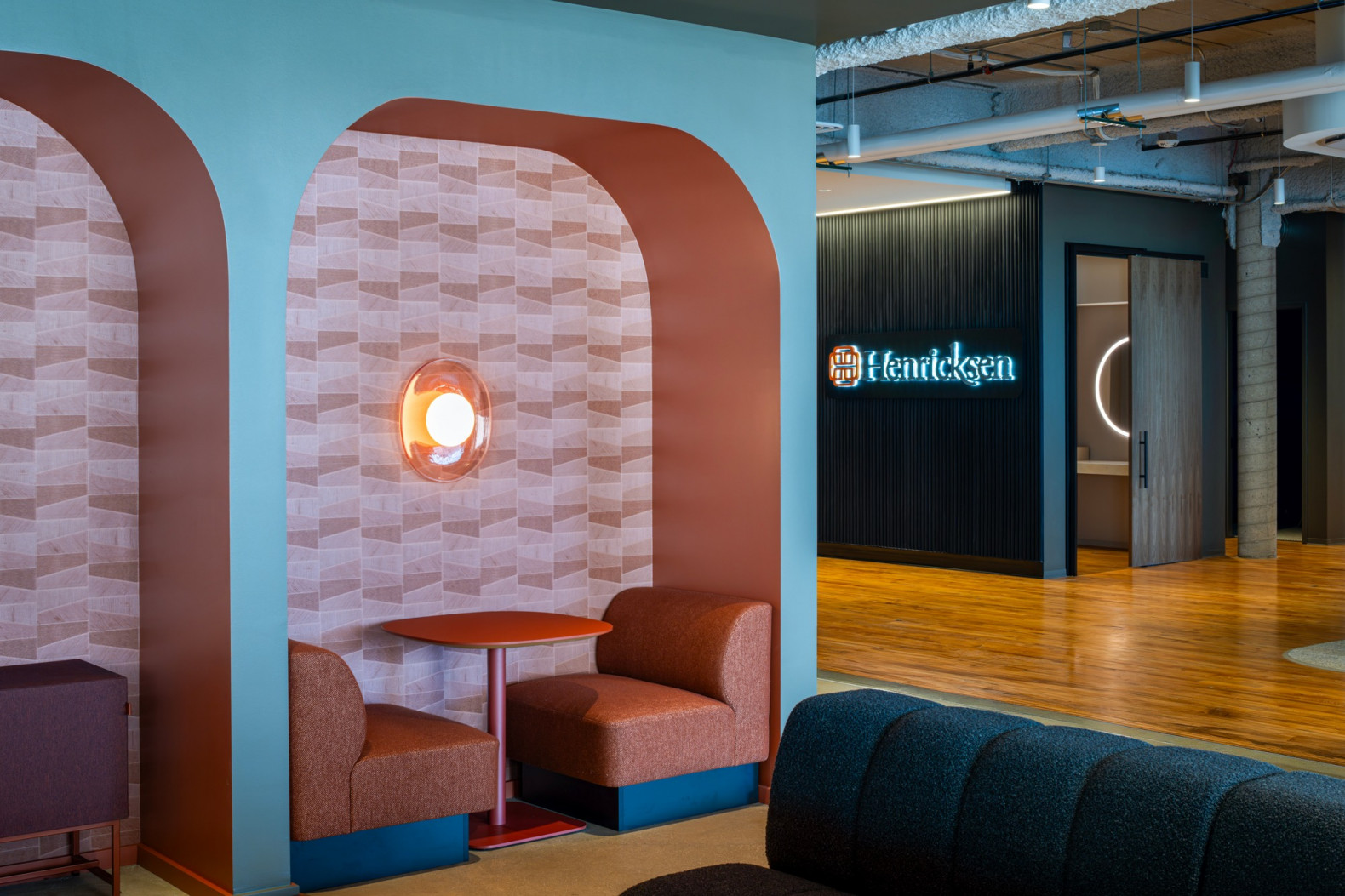
Henricksen Opens New Milwaukee Experience Center as Dealers Continue Investing in Workplace Showrooms
|
|
Henricksen has opened a new 14,500-square-foot experience center in Milwaukee’s Walker’s Point neighborhood, becoming the latest major contract furniture dealer to invest in destination showroom space designed to bring clients into fully realized workplace environments rather than traditional furniture displays.
The new facility, located at 507 S. 2nd Street in the historic Eagleknit building, represents another example of dealers using their own offices as demonstrations of workplace strategy, hospitality, and design as competition increasingly centers on consulting and client experience rather than product alone.
The space places Henricksen closer to Milwaukee’s architecture, design and commercial real estate communities while expanding its ability to serve clients across corporate office, healthcare, education, government, senior living and hospitality markets.
“We’ve always believed that the best way to show clients and partners what’s possible is to let them experience it firsthand,” said Chris Knoeppel, Henricksen’s Chief Growth Officer.
Designed with architecture and design firm Kahler Slater, the experience center blends the building’s industrial history with contemporary workplace planning. Visitors enter through a hospitality-focused work café before moving through collaborative work settings, design studios and technology-enabled demonstration areas that showcase the company’s planning and furniture capabilities.
The project also preserves much of the 1928 Eagleknit building’s original character, including exposed structural elements, Cream City brick, hardwood flooring and restored skylights. According to the company, a four-month collaboration with Milwaukee’s historical society was required to connect two portions of the building while preserving its historic integrity.
The workplace was also designed around employee experience. Private offices and conference rooms were positioned toward the building’s interior, allowing all 25 Milwaukee employees equal access to natural light and exterior views—a planning strategy that has become increasingly common in modern workplace design.
Emily Hurd, Henricksen’s Wisconsin General Manager, said the investment reflects the company’s continued commitment to growing its presence throughout the state.
The opening reflects a broader trend across the contract furnishings industry as dealers continue to replace traditional product showrooms with immersive experience centers that demonstrate how furniture, technology, architecture and workplace strategy integrate into complete environments. As manufacturers increasingly rely on dealer partners to provide consultative services and workplace expertise, these spaces have become both sales tools and living laboratories where clients can experience products in real-world applications.
Henricksen will celebrate the new Milwaukee experience center with a grand opening event this Wednesday, June 24.
|
| |
|
|
|
|
Steelcase Brings Hybrid Collaboration Focus to InfoComm Debut
|
|
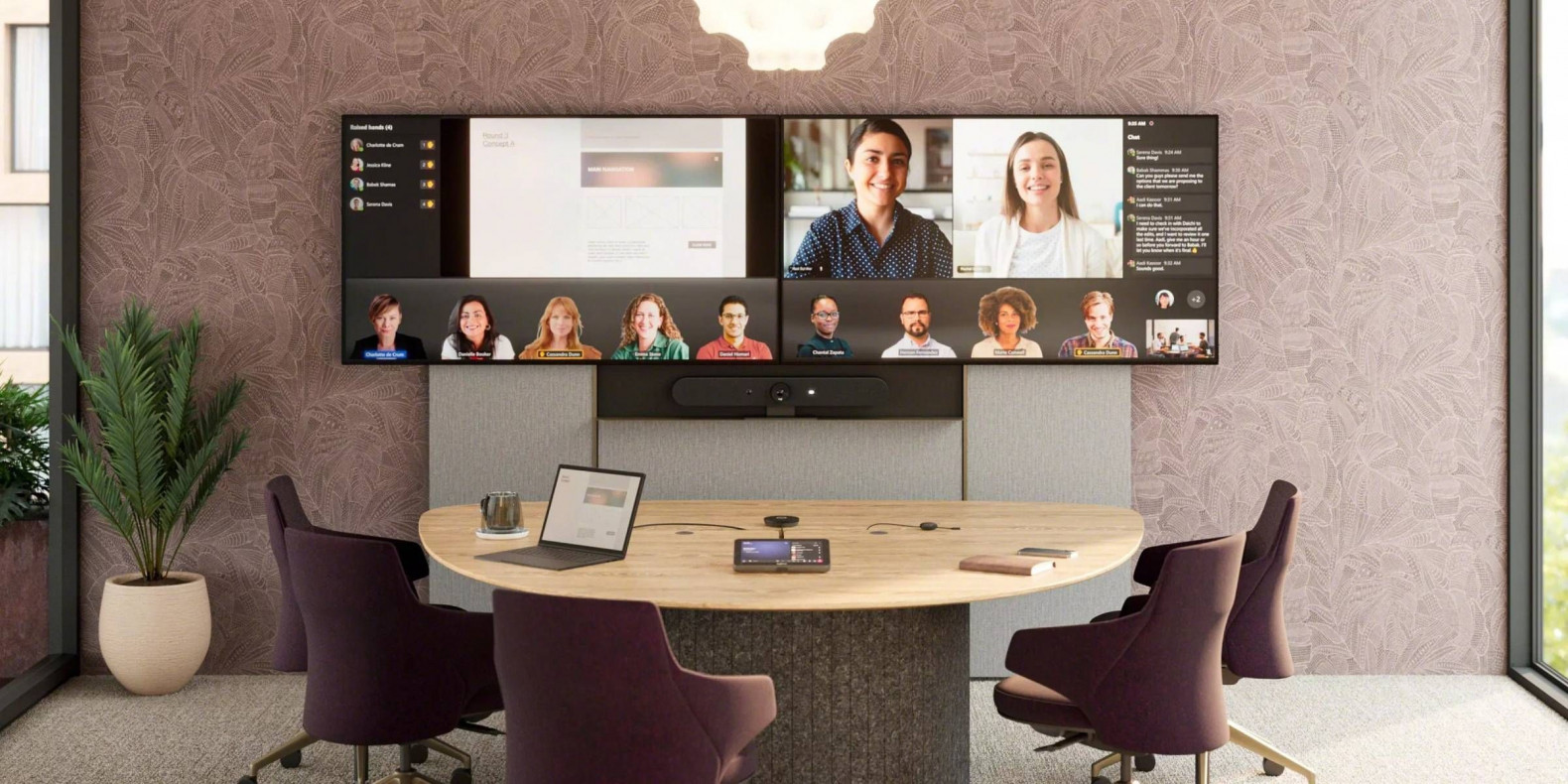
Steelcase made its first appearance at InfoComm, using the AV industry’s largest trade show to showcase a growing portfolio of workplace solutions that blend furniture, technology and hybrid collaboration.
At InfoComm 2026 in Las Vegas, the company is highlighted its Steelcase Ocular™ Collection, a family of products designed to integrate audiovisual and unified communications technology into workplace environments. The collection is intended to improve hybrid meeting experiences by providing better sightlines for both in-person and remote participants while simplifying the installation, routing and maintenance of AV equipment.
Steelcase also introduced two additions to the collection: Ocular™ Frame, a technology-integrated solution that hosts displays, cameras and supporting equipment for hybrid meeting spaces, and Ocular™ Shift, designed for smaller enclosed rooms where employees alternate between focused individual work and virtual collaboration.
The company’s presence at InfoComm reflects the growing convergence of the contract furnishings and audiovisual industries as organizations continue to invest in hybrid workplaces. Increasingly, furniture manufacturers are partnering with technology providers to create meeting environments where digital collaboration tools are built into the workplace rather than added as an afterthought.
“When technology is thoughtfully integrated into the workplace, it fades into the background and allows people to focus on the work,” said Christina Vernon, general manager of technology partnerships at Steelcase. She noted that as work becomes increasingly digital, the physical office remains essential for providing the human connection and shared experiences that technology alone cannot replicate.
Steelcase said it continues to collaborate with technology partners including Microsoft, Logitech, Zoom, Crestron, VergeSense and Spaceti to develop integrated workplace solutions.
|
| |
|
|
|
Tech tenants, especially AI-driven firms, are consolidating into fewer core markets and taking larger, high‑end office spaces. In the past year the 100 biggest U.S. tech leases covered 16.5 million sq ft across just 14 markets—down from 21—while average lease size rose 33 % to 165,000 sq ft, driven largely by AI companies expanding rapidly. The Bay Area dominates with over half of these leases, followed by New York, Boston and several other cities, and the top 10 tenants account for 43 % of total space. Most deals are expansions (42 %) or renewals (36 %), with long‑term leases averaging ten years, reflecting a strong demand for premium, Class A or trophy assets and limited flexibility for landlords. This concentration and growth are intensifying competition for high‑quality office space in talent‑rich locations, pushing rents higher and reducing tenant leverage.
|
|  www.globest.com www.globest.com
|
|
|
|
Law firm leasing surged in 1Q 2026, reaching 4.6 million sq ft—the second‑highest quarterly total on record, with 44 % of deals being expansions. Over the past four quarters, space demand rose 31 % from 2019, driven by a 9 % increase in legal headcount and a shift toward renewals and phased renovations amid limited new office supply. Law firms also led demand for Class A office space, and leasing activity hit record levels outside the top ten markets in 2025.
|
|  www.globest.com www.globest.com
|
|
|
|
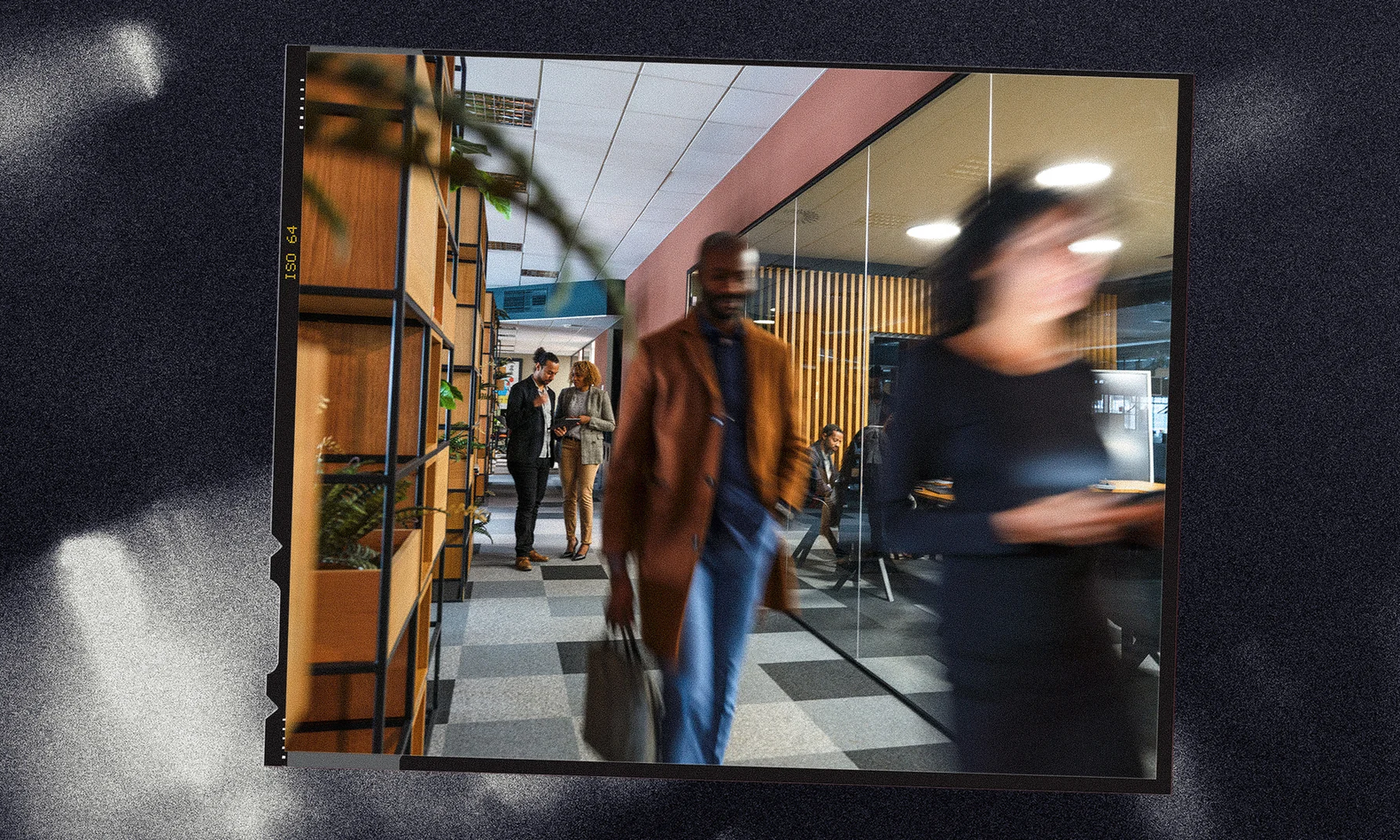
Companies are rethinking office work by positioning it as a valuable perk rather than a mandate, highlighting benefits such as collaboration, learning, and career growth that enhance employee quality of life. While many firms are returning to in‑office models, the most effective strategies frame the workplace as an attractive, optional environment that employees choose to engage with, turning the office into a competitive advantage.
|
|  www.fastcompany.com www.fastcompany.com
|
|
|
|
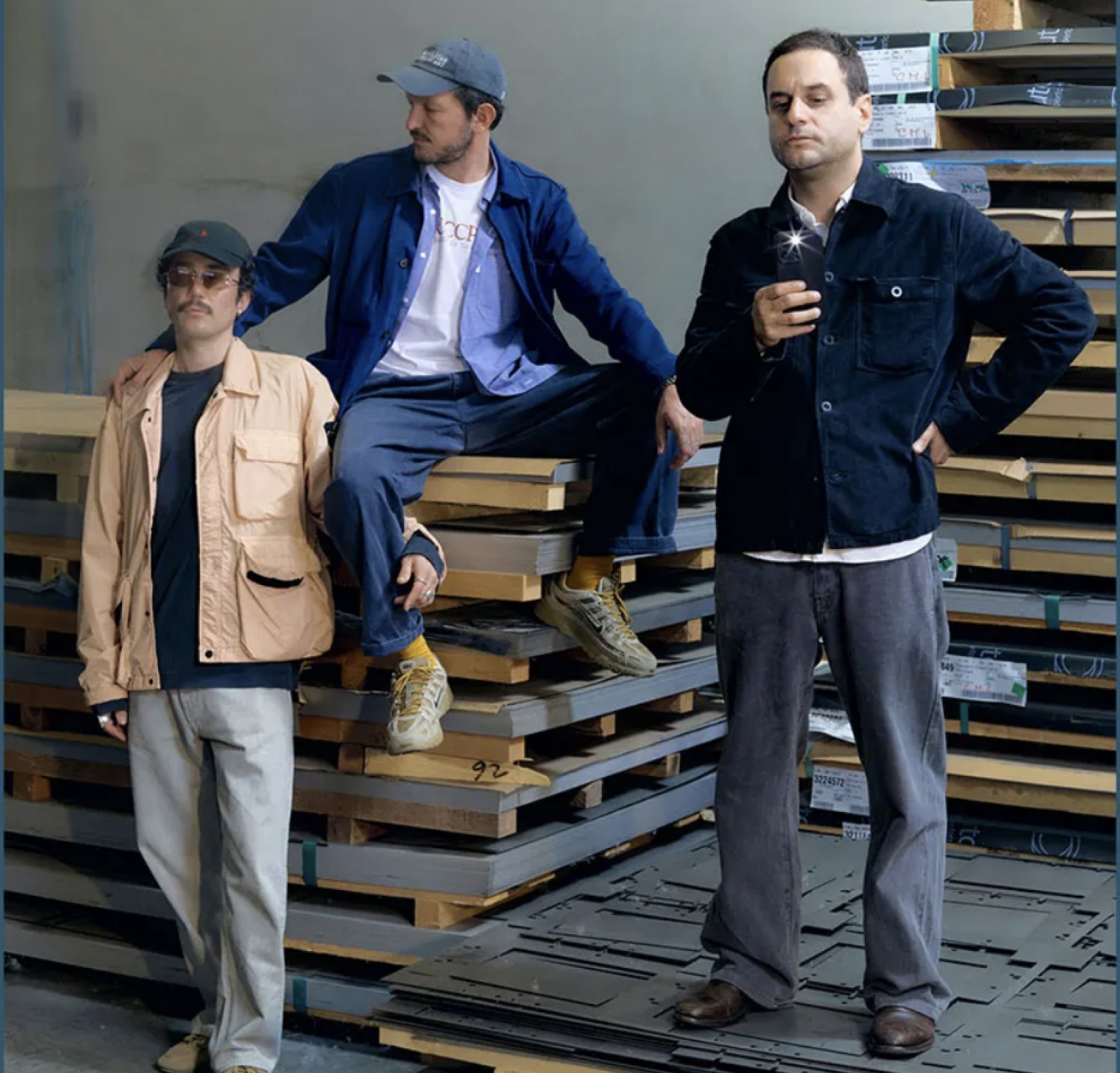
NM3, a Milan‑based studio founded in 2020 by architects Nicolò Ornaghi, Francesco Zorzi, and photographer Delfino Sisto Legnani, creates modular steel furniture and installations that blend industrial production limits with modernist aesthetics, emphasizing problem‑solving over invention. Their work, showcased throughout Milan Design Week and in collaborations with Visionnaire, Armani Archivio, Magniberg, and Stone Island, demonstrates versatile, functional designs built from raw or polished steel, adhering to manufacturing constraints while offering infinite composability and a minimalist visual language.
|
|  www.wallpaper.com www.wallpaper.com
|
|
|
|
Planon and Microsoft are integrating Planon’s workplace management system with Microsoft Places to combine spatial data, floorplans, and reservation capabilities. The partnership enables facility managers to identify under‑used or over‑demanded spaces, improve space utilization, and align building operations—such as HVAC, lighting, cleaning, and security—with actual occupancy. By linking booking data with floor‑plan insights, organizations can make smarter decisions about space, energy use, employee experience, and long‑term portfolio strategy.
|
|  www.facilitiesdive.com www.facilitiesdive.com
|
|
|
|
Remote work’s rapid rise since the pandemic has led to greater social isolation and worsening mental health, especially for those living alone, with an extra 1.1 waking hours alone each workday and a seven‑point increase in days without any human contact. This isolation correlates with higher psychological distress, more use of mental health services, and increased antidepressant and anti‑anxiety prescriptions. While remote work offers flexibility and reduced commuting, the study highlights significant hidden costs, suggesting organizations should create strategies—such as coordinated office days and informal virtual interactions—to mitigate isolation and support employee wellbeing.
|
|  workplaceinsight.net workplaceinsight.net
|
|
|
|
AI firms are driving a surge in office demand across Europe’s major tech hubs, with London, Paris, and Munich seeing record lease activity as companies secure large spaces near universities, talent pools, and research centers. Significant deals—such as Anthropic’s 158,000 sq ft in London and Mistral AI’s 265,000 sq ft in Paris—highlight the rapid expansion, while Munich’s AI-driven take‑up reaches 57 % of office demand, underscoring AI’s role as a key occupier in the continent’s workplace market.
|
|  allwork.space allwork.space
|
|
|
|
The future office by 2050 is envisioned as a highly adaptive, technology‑driven environment where AI, immersive reality, and early neurotechnology reshape work. Neural implants, AI colleagues, and VR/AR collaboration are expected to become mainstream, while spaces automatically adjust lighting, ergonomics, and digital interfaces to individual needs, supporting flexible, hybrid, and multi‑site work models that prioritize wellbeing, creativity, and human‑centered design.
|
|  allwork.space allwork.space
|
|
|
|
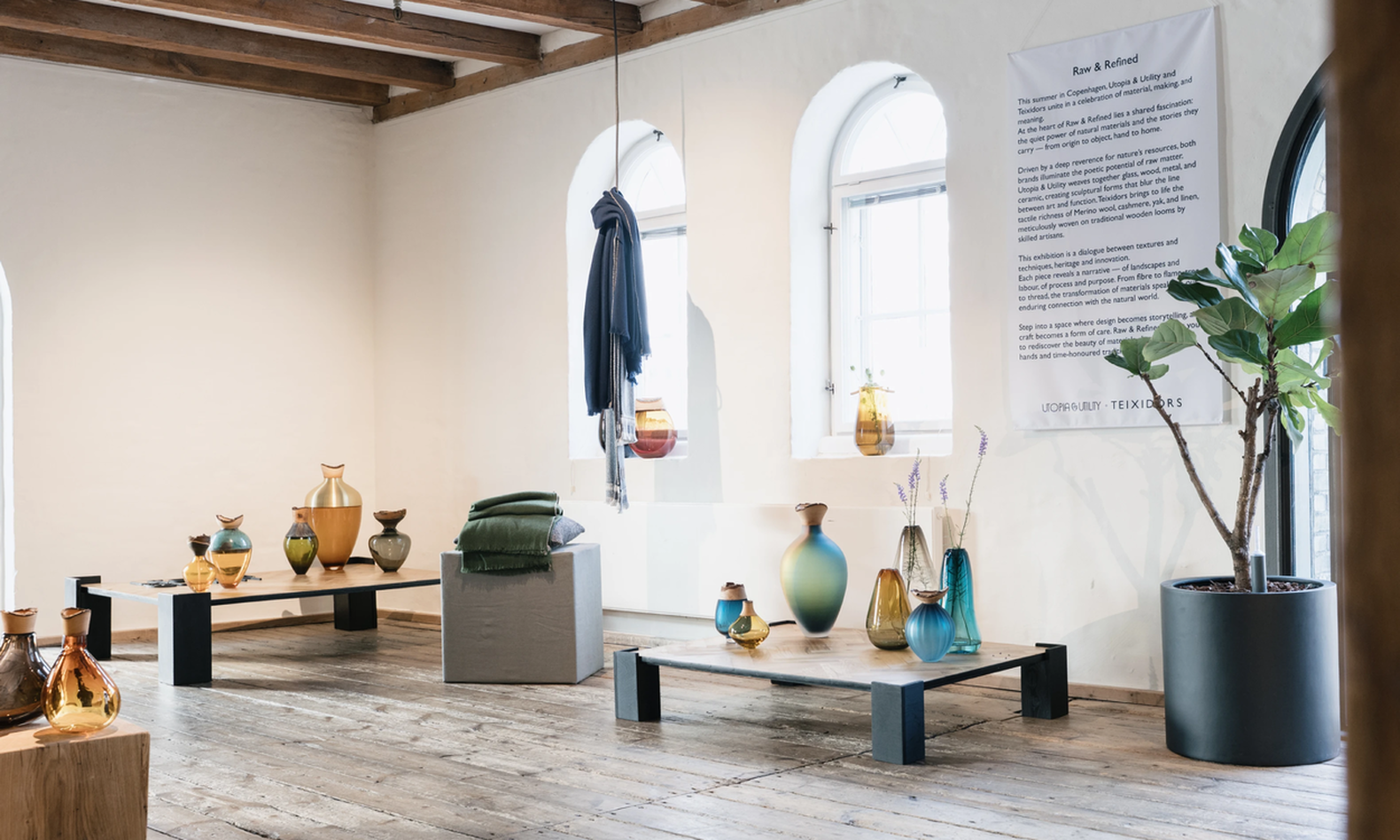
The 2026 edition of 3daysofdesign in Copenhagen highlighted a shift toward material-driven design, emphasizing cooler, controlled palettes, stainless steel, low‑seating, deep burgundy accents, and a strong focus on material provenance, circularity, and longevity. Six key trends emerged: the resurgence of stainless steel, prominence of low chairs, burgundy as a primary colour with pink accents, circular thinking and material innovation, a Japanese‑Danish dialogue stressing craftsmanship, and a revival of classic designs, all pointing to a move away from novelty toward sustainable, meaningful, and reusable design solutions.
|
|  www.interiordaily.com www.interiordaily.com
|
|
|
|
Executives are increasingly prioritizing AI as a strategic driver, reshaping real‑estate and location decisions by focusing on where AI‑savvy talent clusters and how technology influences workplace needs. Rapid shifts in CEO confidence—rising from 20% to nearly 90% expecting AI returns within three years—are prompting companies to rethink headquarters strategies, emphasizing the diffusion of AI across markets and the demand for flexible, tech‑enabled office spaces.
|
|  www.globest.com www.globest.com
|
|
|
|
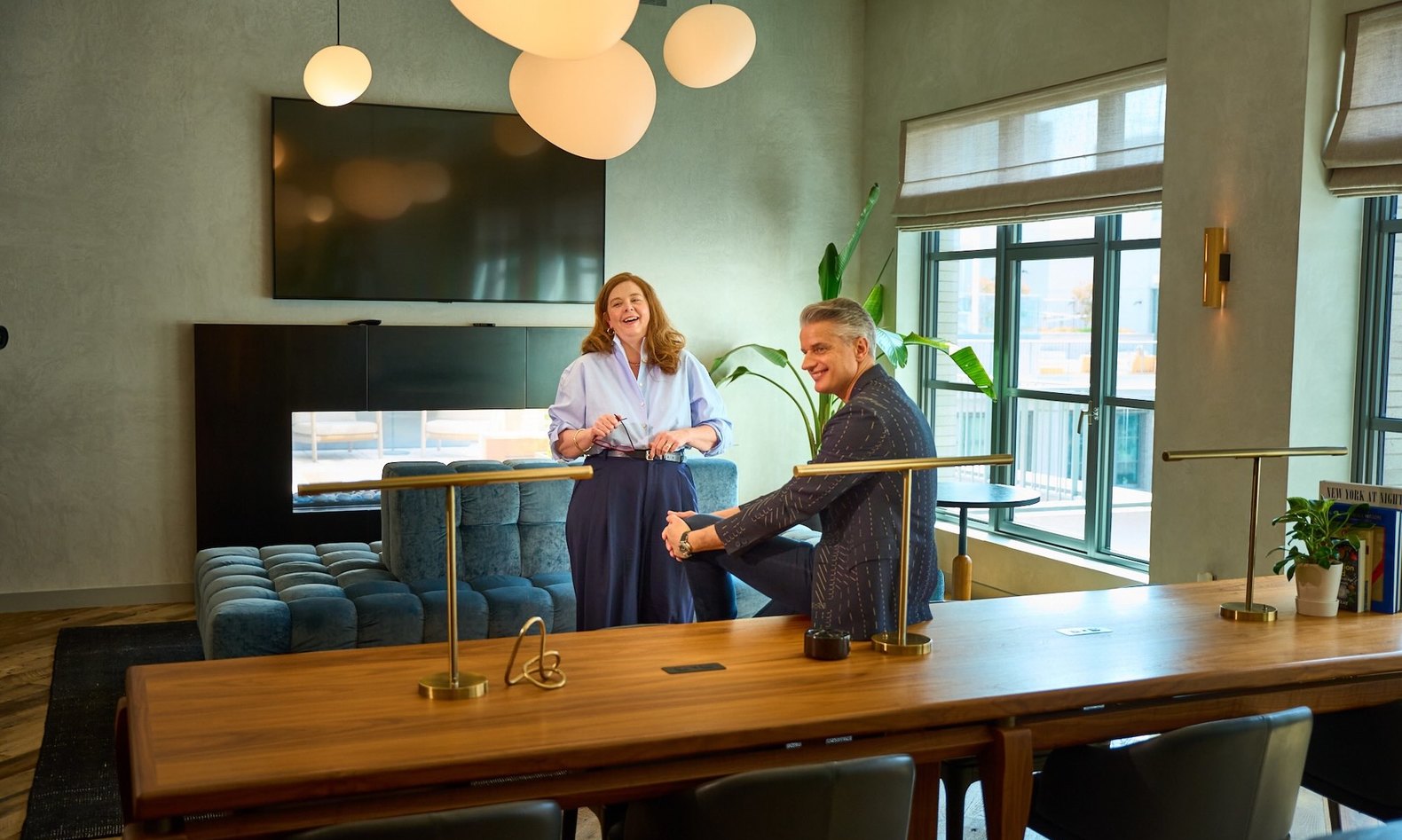
Becca Roderick of Morris Adjmi Architects and Laurent Lisimachio of Gensler discuss how New York’s gritty urban environment fuels their design inspiration, emphasizing that great interiors start with listening rather than imposing a predetermined look. Their conversation covers color theory, AI adoption, rising client expectations, and a shared belief that design should be contextual and human‑focused, rejecting cookie‑cutter aesthetics in favor of quality, experience‑driven spaces.
|
|  www.surfacemag.com www.surfacemag.com
|
|
|
|
The new ISO 14060 Net Zero Aligned Organizations Standard provides a globally applicable, independently verifiable framework for companies to set, govern, and achieve net‑zero emissions commitments, requiring detailed transition plans, reliable data, and transparent reporting within two years of target setting. It addresses the needs of both large corporations and SMEs by offering flexible reporting intervals and interim targets, aiming to scale sustainability efforts across all sectors while encouraging ambitious actions such as reducing fossil‑fuel‑intensive products and achieving carbon‑removal balances.
|
|  trellis.net trellis.net
|
|
|
|
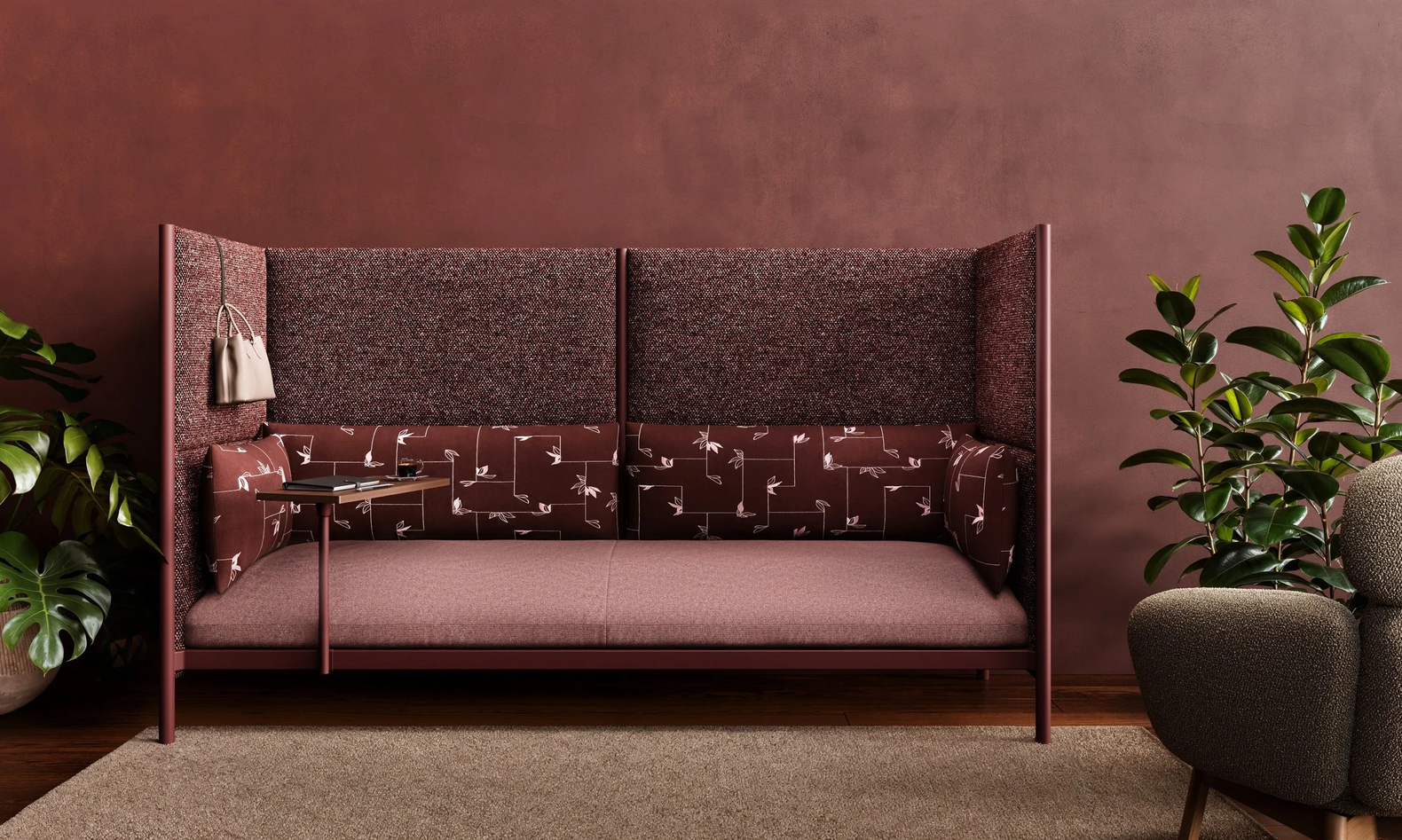
Studio TK launches Abri, a privacy lounge collection designed by Thom Fougere to create calm, distraction‑free spaces for focus, one‑on‑one conversations, or relaxed collaboration within modern offices. The line offers one‑ and two‑seat lounges and benches with mid‑ and high‑back options, optional integrated tables, and accessories such as task tables, middle tables, and bag‑and‑coat hooks, providing versatile privacy without leaving the workplace. By blending residential and hospitality aesthetics with functional office design, Abri addresses the growing need for adaptable, refuge‑like environments that enhance well‑being and productivity.
|
|  www.officing.com www.officing.com
|
|
|
|
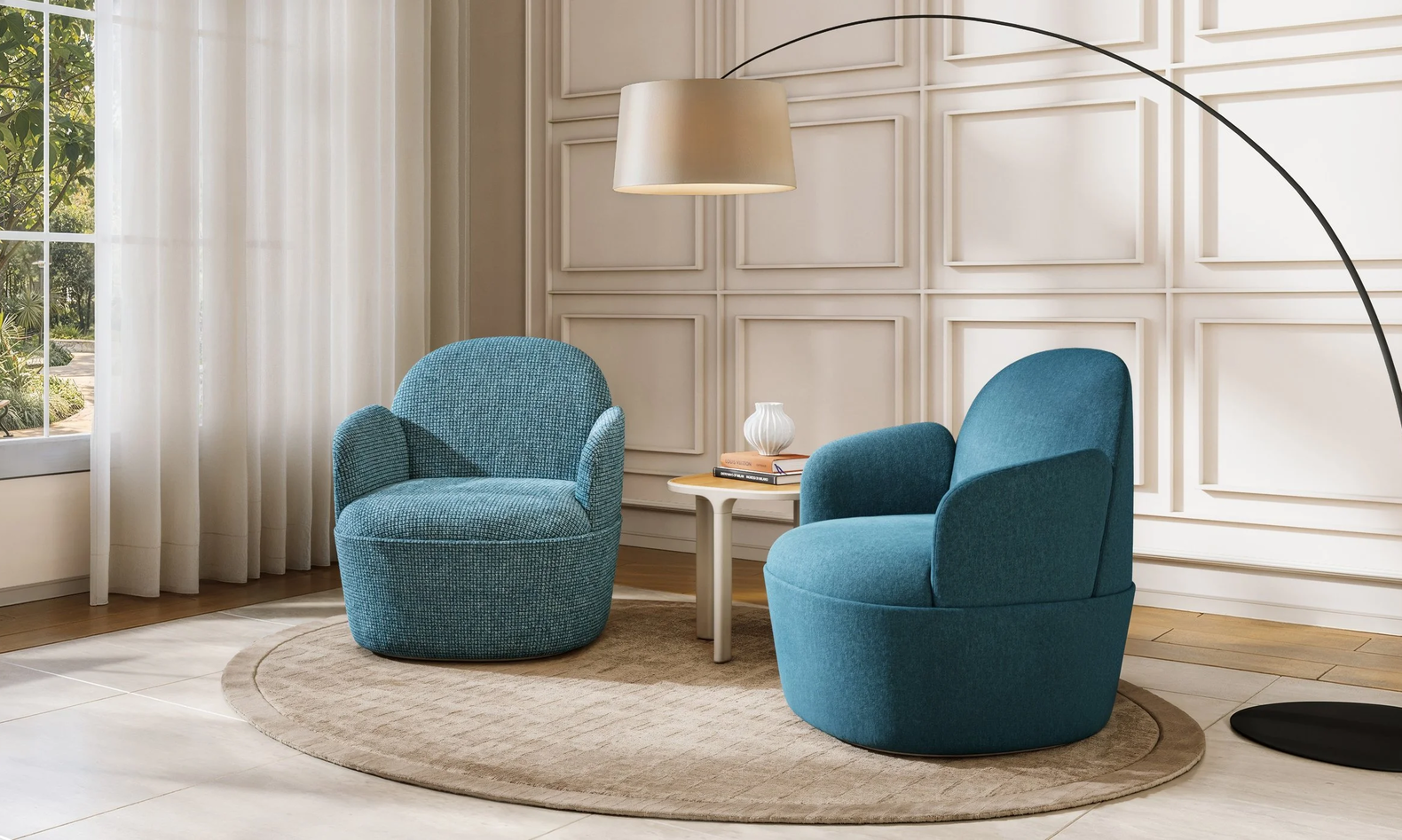
Studio TK has launched the Cesto Lounge Chair, a versatile addition to the Cesto Collection that retains the line’s warmth, character, and playful spirit while offering a more refined look for both social and corporate settings. Available with stationary, caster, or swivel bases and dual upholstery options, the chair adapts to casual collaboration, focused work, and high‑end lounge environments, reflecting Studio TK’s focus on flexible, socially‑focused furniture that enhances workplace well‑being and productivity.
|
|  www.officing.com www.officing.com
|
|
|
|
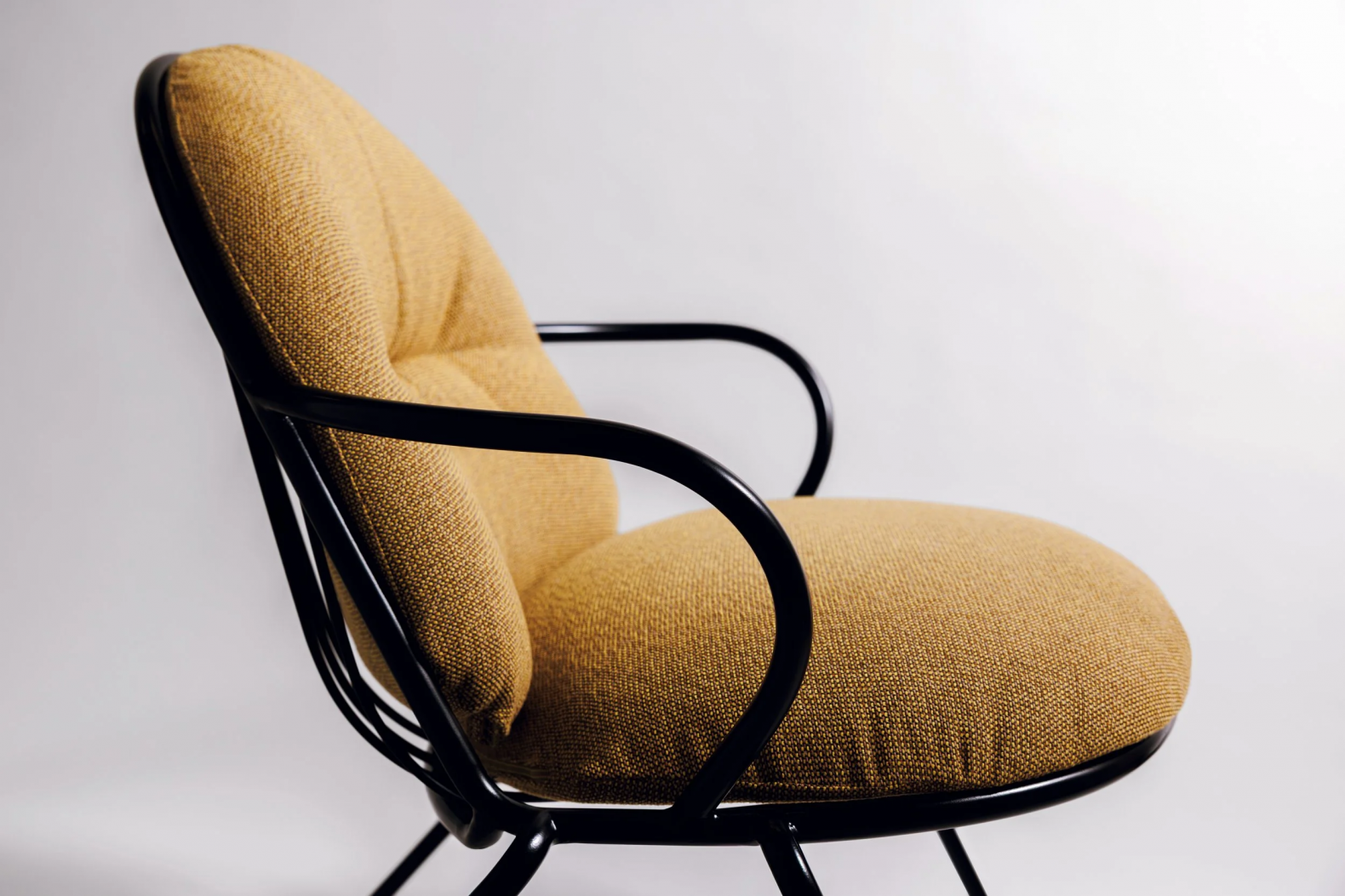
Studio TK launches the Ballad Wireframe, an open‑form seating series expanding Patrick Norguet’s Ballad Collection for versatile indoor and outdoor use. The line features clean lines, a light transparent profile, and durable powder‑coat metal structures across side chairs, armchairs, lounge chairs, counter stools, and bar stools, with optional tailored cushions and performance fabrics for added comfort and resilience. Designed to support modern office trends toward flexible, hospitality‑inspired environments, the collection reflects Studio TK’s commitment to socially‑focused design and product durability.
|
|  www.officing.com www.officing.com
|
|
|
|
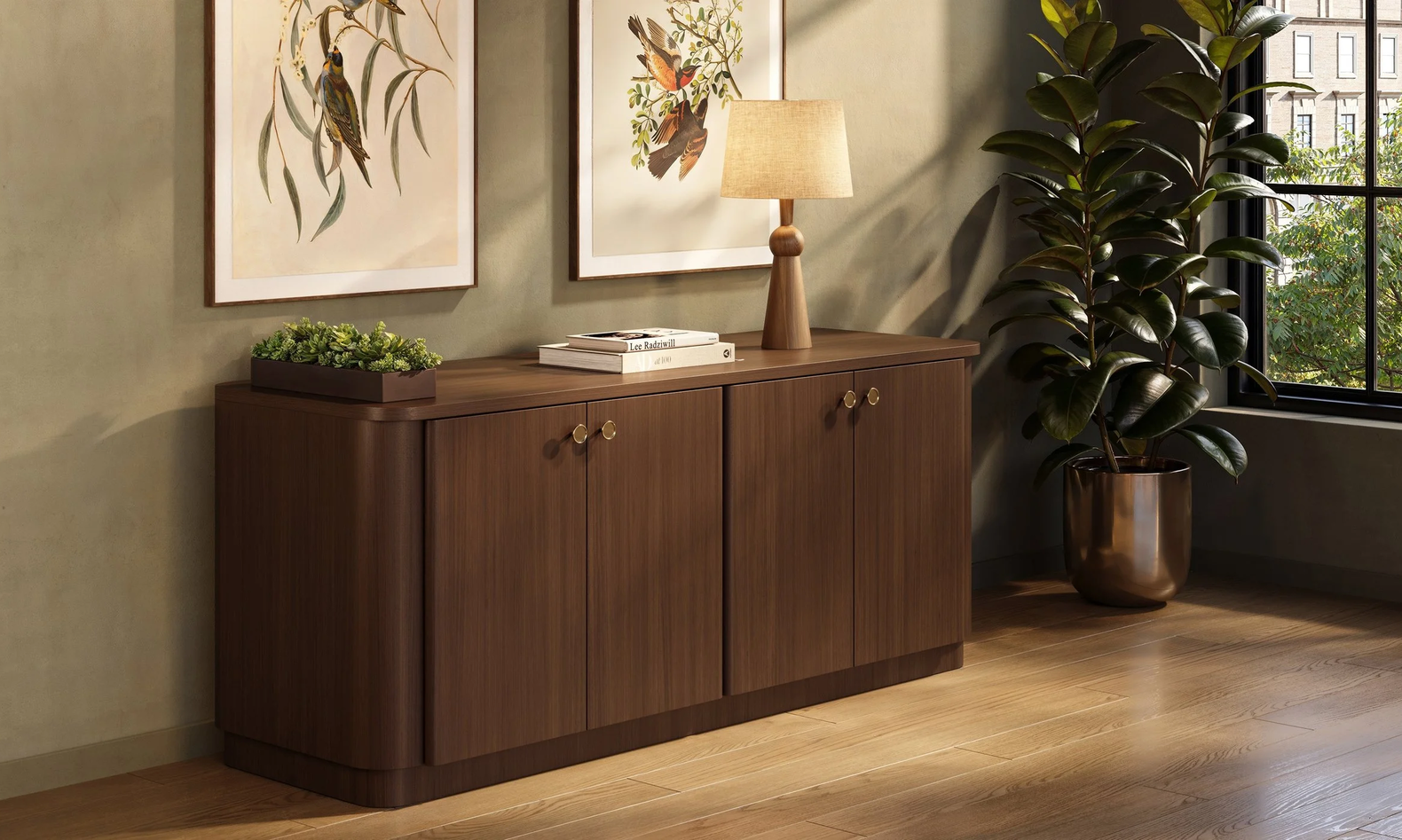
Studio TK launches the Harbour Credenza, a residential‑inspired storage piece designed by Alyssa Coletti that combines softened, rounded corners with high‑quality craftsmanship. Available in three sizes, the credenza offers adaptable, durable storage that adds warmth and order to modern workplaces, from private offices to collaborative areas, reinforcing a calm, human‑focused environment.
|
|  www.officing.com www.officing.com
|
|
|
|
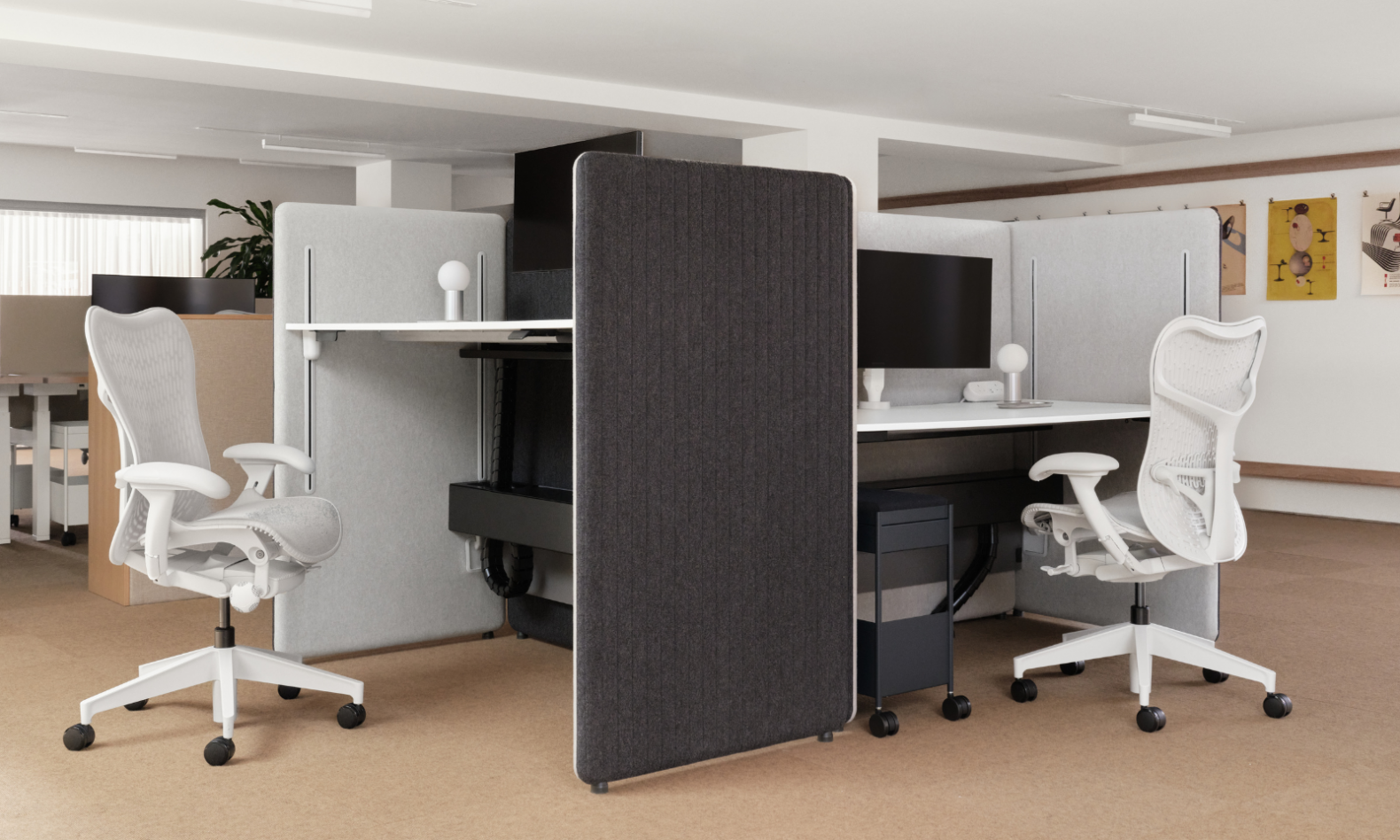
Bound by Herman Miller Sit-Stand Booth and Desking introduce an innovative approach to height-adjustable workstations, enhancing both visual and acoustic privacy within the workplace. Herman Miller has expanded its Bound collection in Europe with the introduction of Bound Sit-Stand Booth and Bound Sit-Stand Desking. First introduced in 2023, Bound by Herman Miller began as a
|
|  www.designinsiderlive.com www.designinsiderlive.com
|
|
|
|
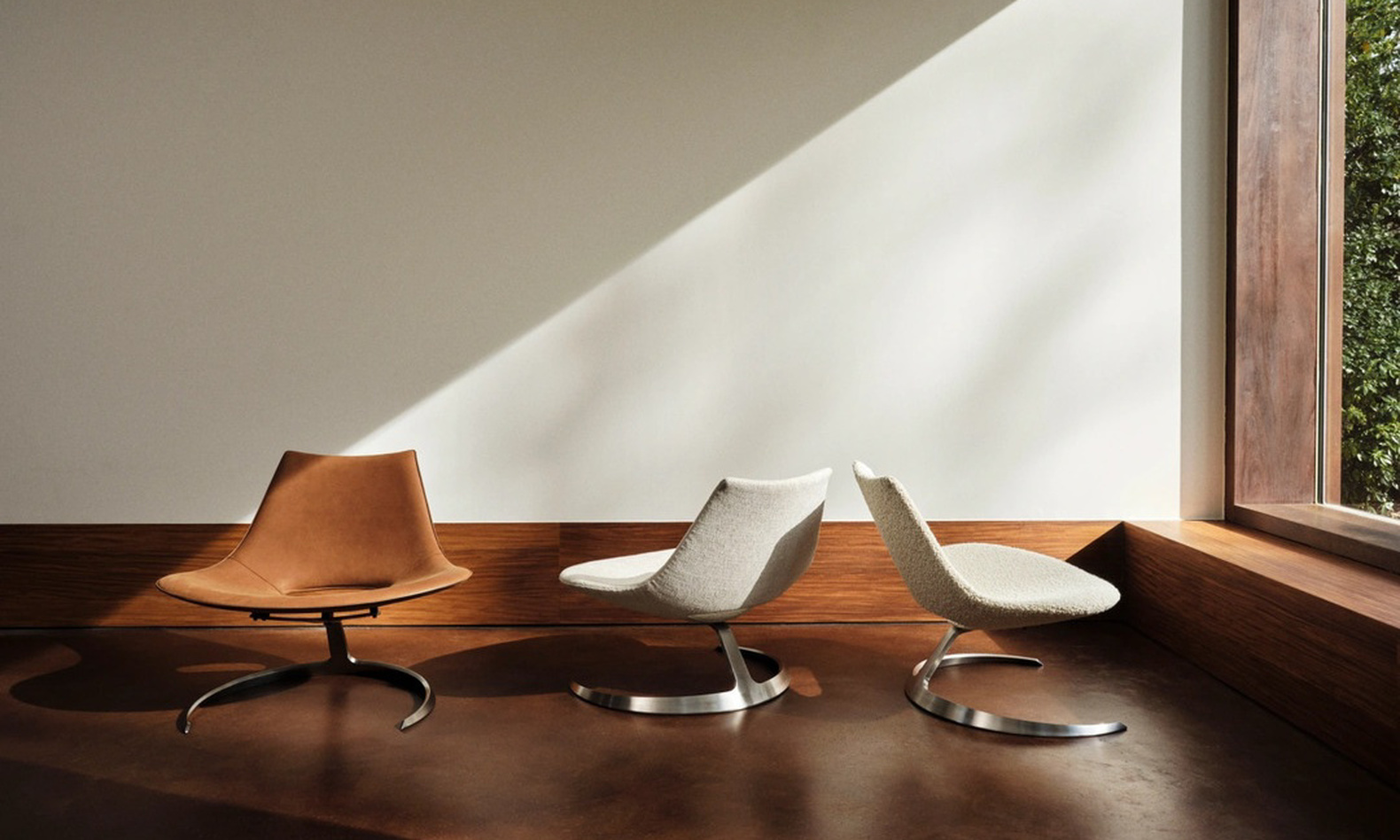
Carl Hansen & Søn has reintroduced the iconic Scimitar Chair, originally showcased in 1963, highlighting its sculptural stainless‑steel base and ergonomic leather or textile seat that blend modern Danish design with industrial materials. The revival, timed for an October 2026 release, underscores the brand’s dedication to craftsmanship, material honesty, and timeless aesthetics, making the celebrated piece accessible to a new international audience.
|
|  www.interiordaily.com www.interiordaily.com
|
|
|
|
|
Ultrafabrics Introduces Summit, a New Indoor/Outdoor Upholstery Collection
|
|
Ultrafabrics launches Summit, a versatile indoor/outdoor upholstery collection featuring 13 coordinated colors, leather‑like hand, commercial‑grade durability, moisture repellency, solar endurance, climate control technology, EPA‑registered antimicrobial protection, 400,000 double rub count, PFAS‑free construction, SCS Indoor Advantage Gold certification, REACH compliance, and recycled/renewable backcloth, aimed at high‑traffic commercial spaces such as hospitality, workplaces, healthcare, education, retail, and outdoor environments.
|
| |
|
|
|
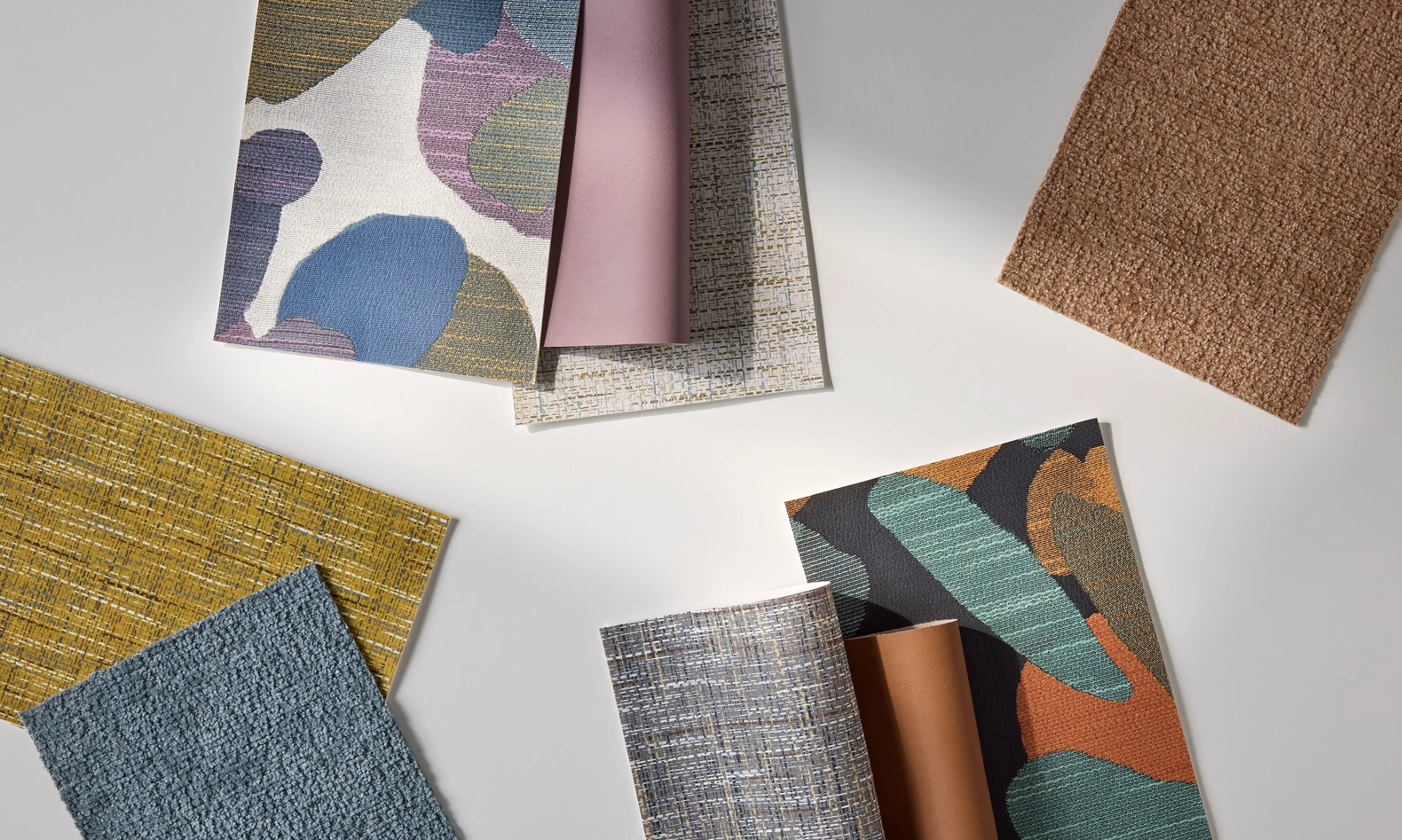
Designtex unveils five new performance upholstery fabrics—Awe, Brio, Nestle, Steady, and Vim—offering durable, cleanable, and healthier options for healthcare, education, workplace, and public interiors, each featuring extensive colorways, advanced material compositions, and multiple sustainability certifications.
|
|  www.officing.com www.officing.com
|
|
|
|
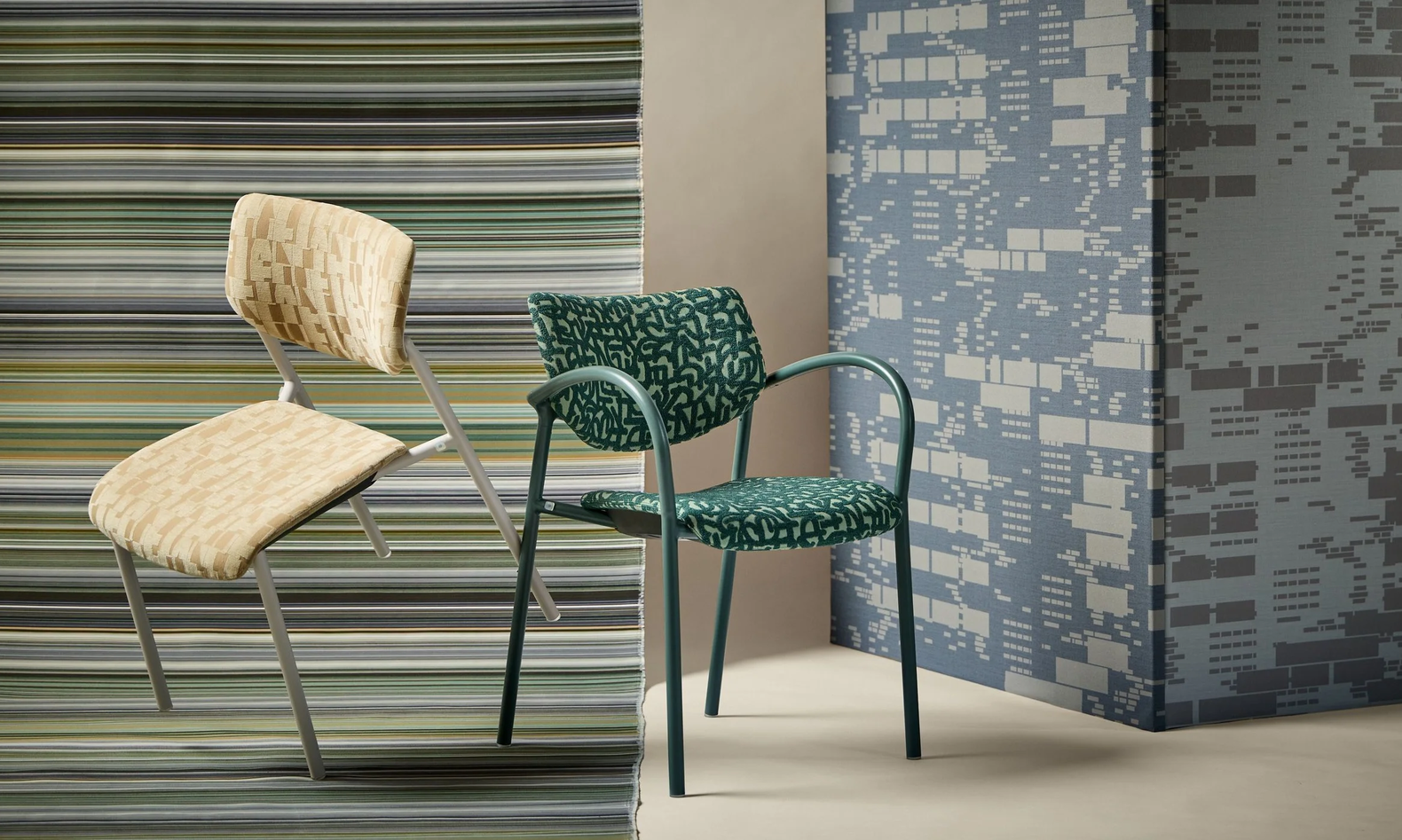
Momentum partners with architect Michael Ford, FAIA, to launch a hip‑hop‑inspired collection of textiles and wallcoverings that blends cultural storytelling with high‑performance design for commercial interiors, featuring five patterns and supporting Hip Hop By Design scholarships, debuting at NeoCon 2026.
|
|  www.officing.com www.officing.com
|
|
|
|
Hay’s new Pack Chair, presented at Copenhagen’s 3daysofdesign, embodies Jasper Morrison’s “super‑normal” philosophy: a minimalist, fully disassemblable chair made from 80 % recycled polypropylene and wood‑fiber‑reinforced shells, offering lightweight, robust, and customizable seating without compromising quality. The design highlights sustainable production, ease of assembly with simple components, and aligns with Hay’s legacy of creating iconic, accessible furniture that blends quietly into everyday spaces.
|
|  www.domusweb.it www.domusweb.it
|
|
|
|
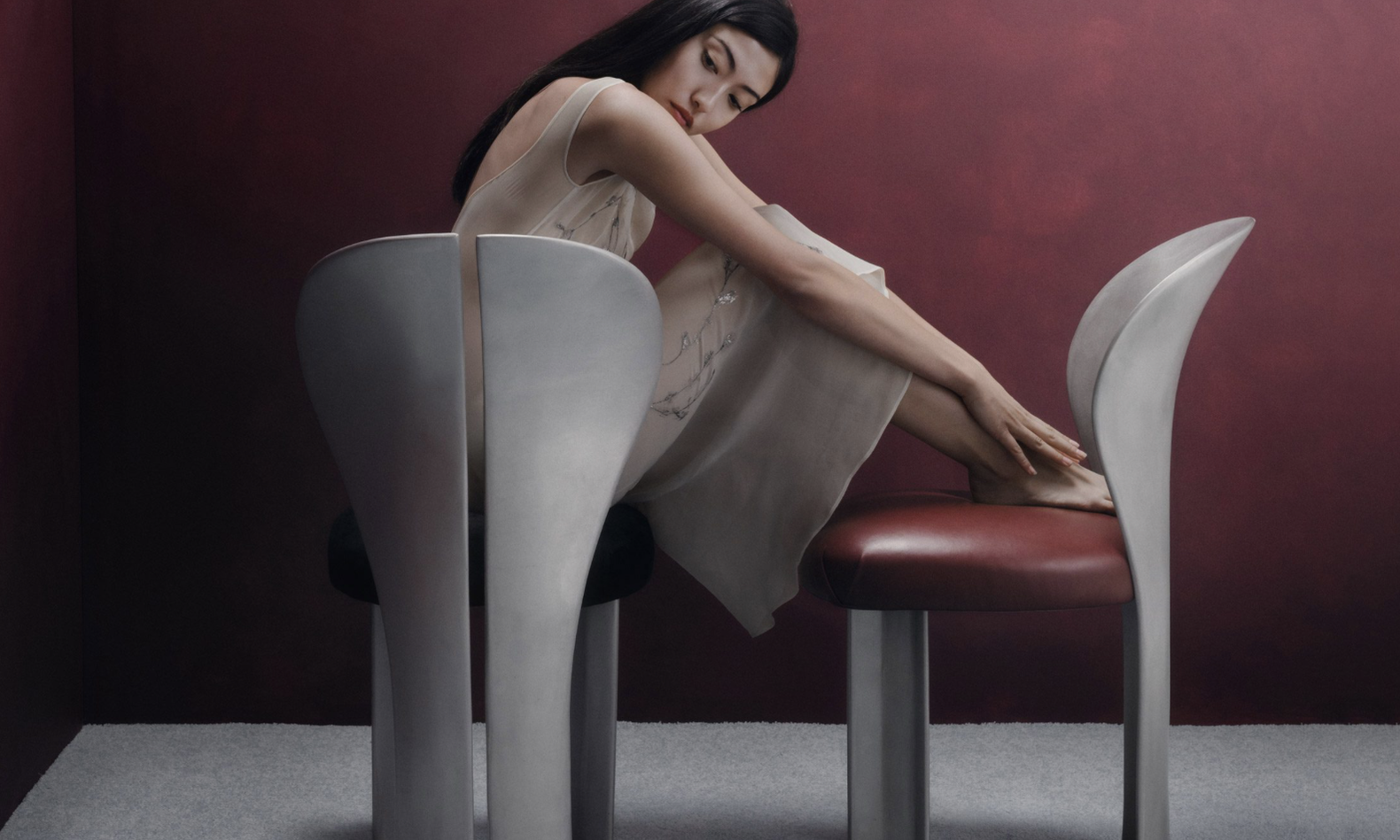
Studio NRG’s Lilium chair reimagines recycled car‑rim aluminium into a petal‑shaped, sand‑casted seat that blends industrial material with handcrafted softness, offering an affordable, collectible piece that showcases upcycling and modern digital fabrication.
|
|  www.dezeen.com www.dezeen.com
|
|
|
|
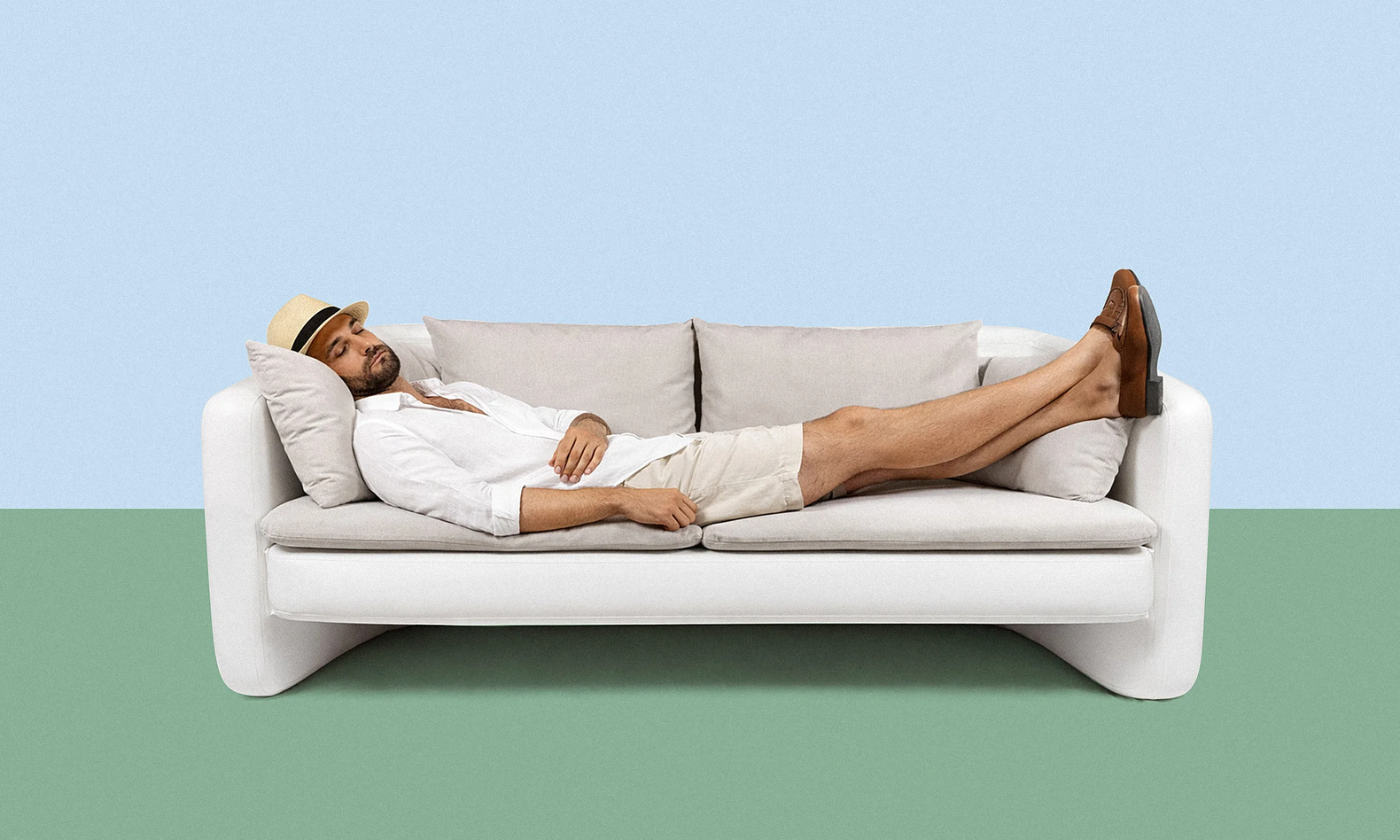
Airmaan’s new inflatable furniture line, including the three‑seat M Sofa ($435) and N Chair ($329), combines rapid inflation with durability and aesthetic appeal, making it suitable for both outdoor adventures and stylish backyard settings. Backed by a successful Kickstarter and low return rates, the products aim to rival traditional furniture in comfort, design, and portability while addressing environmental and logistical challenges associated with conventional pieces.
|
|  www.fastcompany.com www.fastcompany.com
|
|
|
|
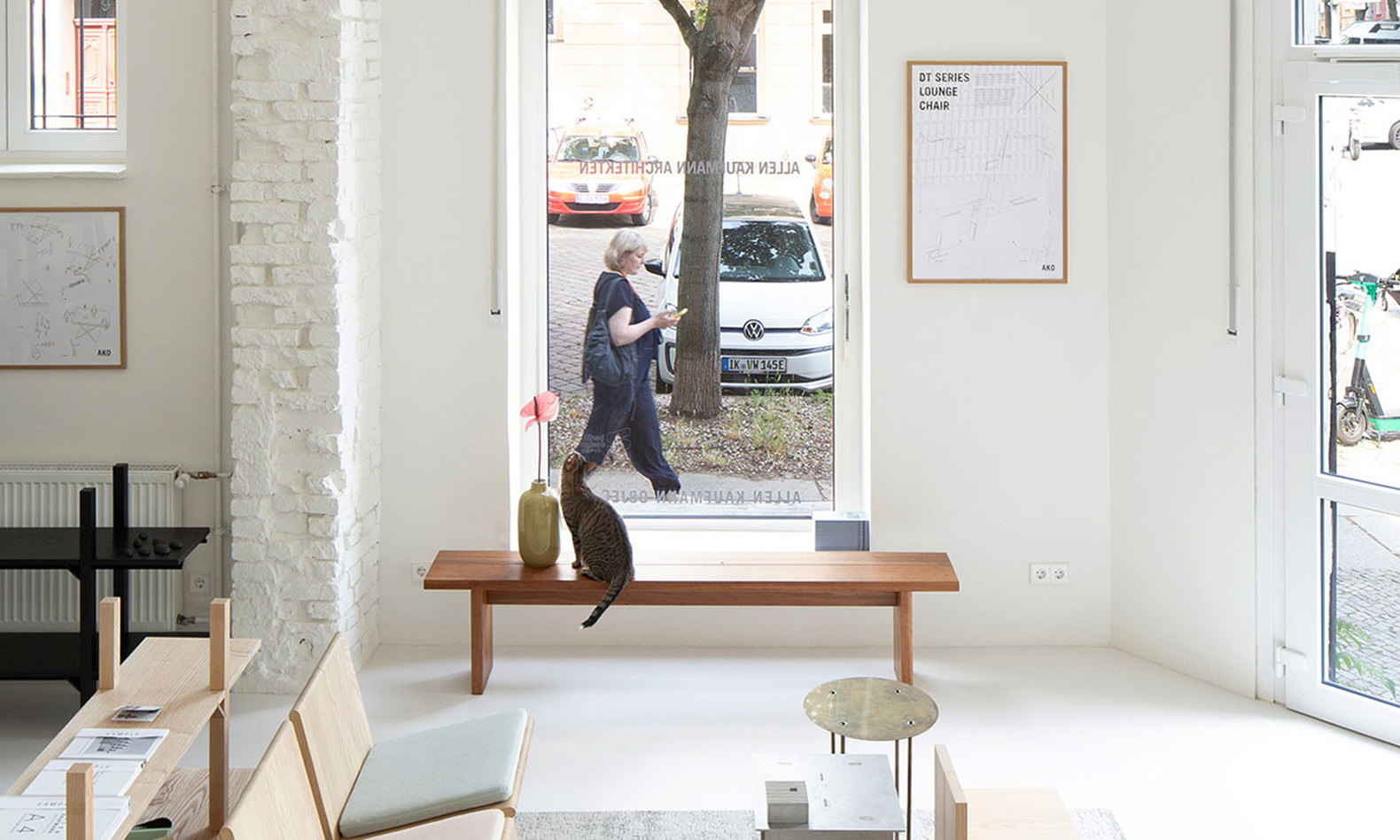
The DADO System by AKO showcases a hardware‑free, flat‑packed furniture collection that relies on precision friction joints, allowing pieces to be assembled, disassembled, and moved without screws, glue, or extra tools. Highlighted at Berlin Design Week 2026, the series combines solid wood strength with minimalist aesthetics, featuring interlocking shelves, dovetail elements, and a modular stool, emphasizing honest material use, structural clarity, and sustainable design.
|
|  design-milk.com design-milk.com
|
|
|
|
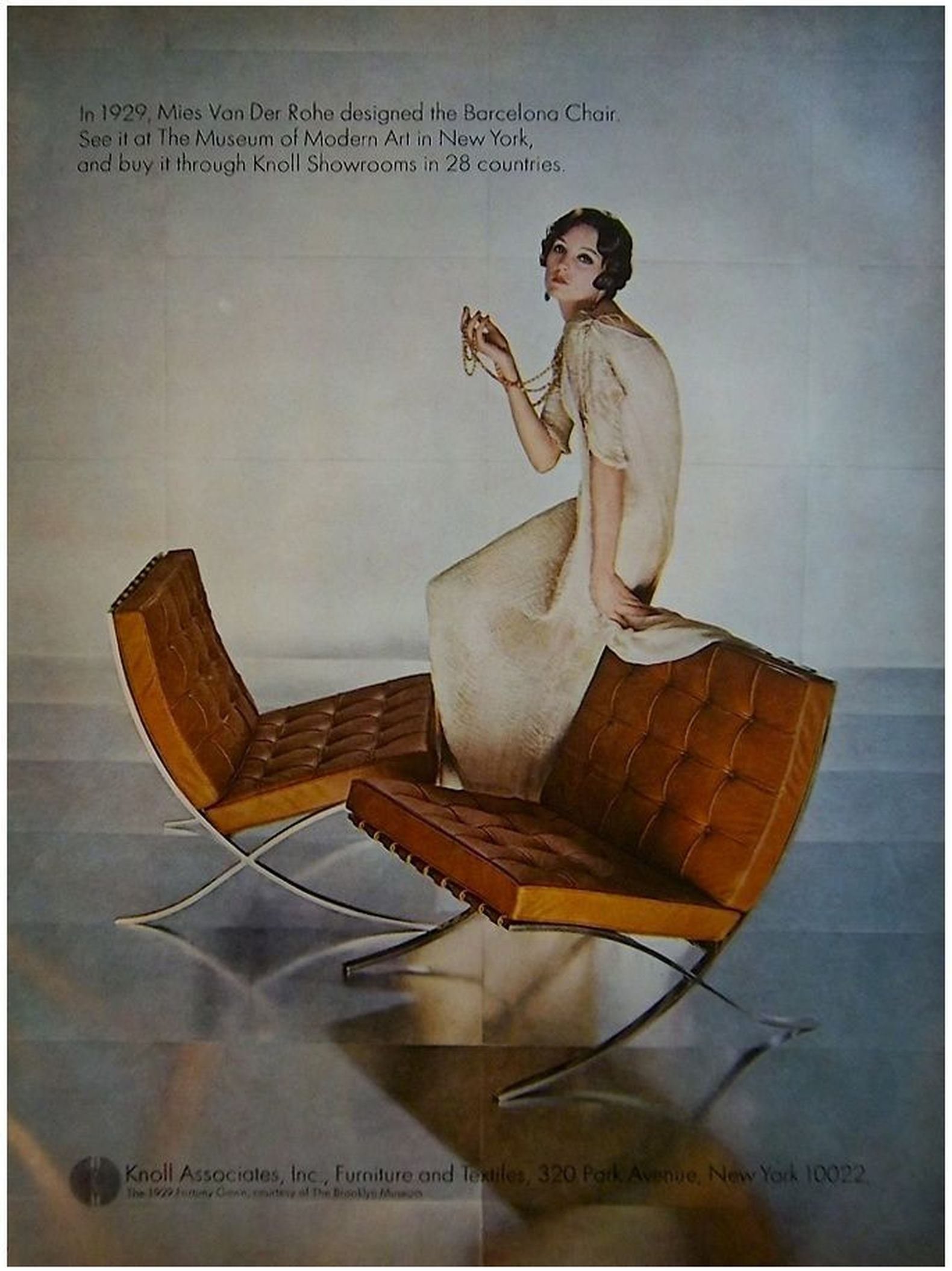
In 1929, Mies Van Der Rohe designed the Barcelona Chair:
See it at The Museum of Modern Art in New York, and buy it through Knoll Showrooms in 28 countries.
Knoll Associates, Inc.
Furniture and Textiles, 320 Padk Avenue, New York 10022
|
| |
|
|
|
NeoCon 2027 / DesignDays 2027
June 14-16, 2027 (NeoCon Preview Day June 13, 2027) | Chicago, IL
NeoCon has served as the world’s leading platform and most important event of the year for the commercial design industry since 1969. A launch pad for innovation—NeoCon offers ideas and introductions that shape the built environment today and into the future. For 2027 NeoCon is holding a special preview day on Sunday, June 13th, from 12-4 PM. All NeoCon attendees and exhibitors are invited to visit on Sunday.
|
|
|
|
|
|
|
Trends in Commercial Projects
|
|
|
|
|
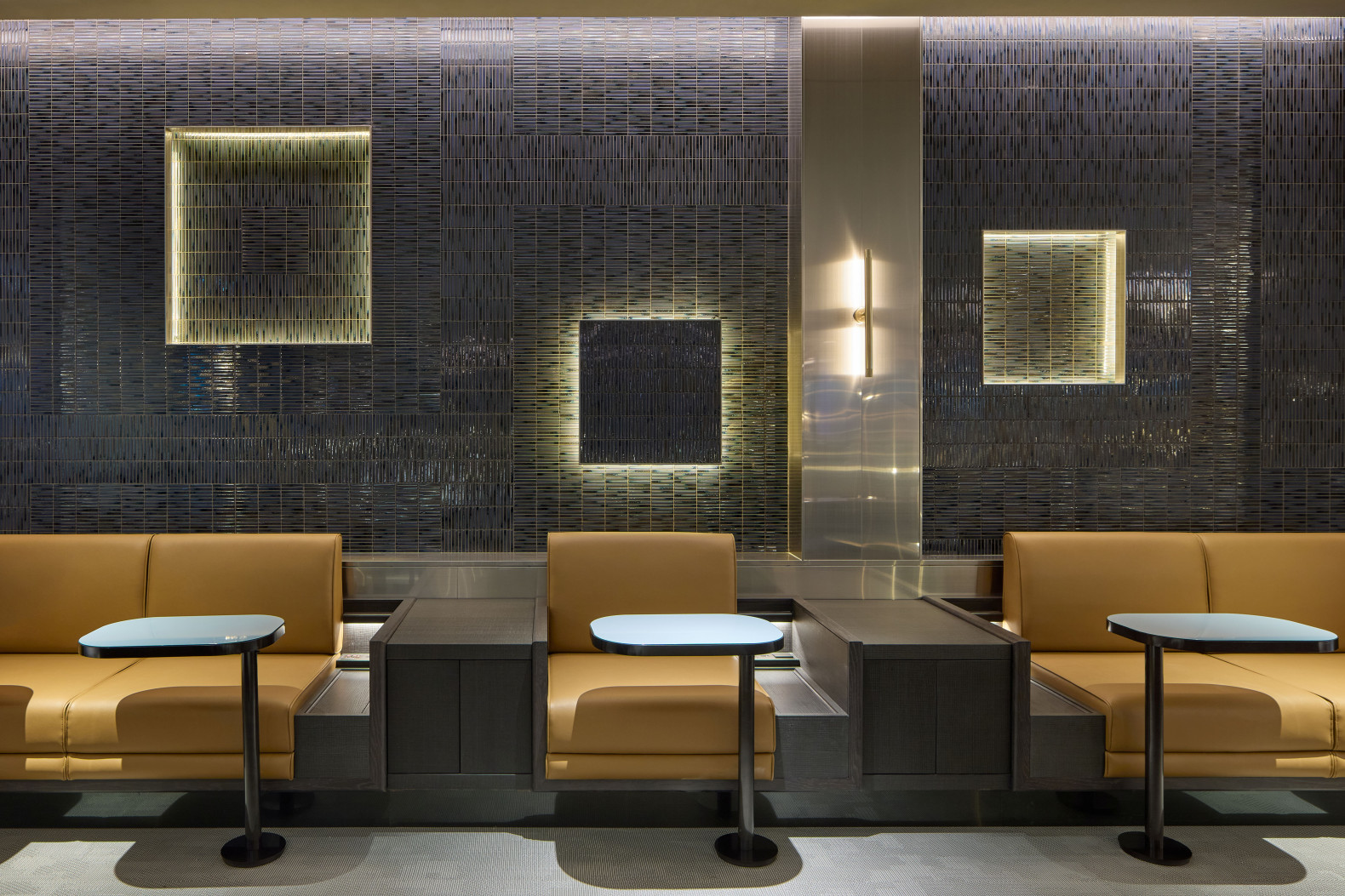
Korean Air’s new lounge network at Incheon International Airport’s Terminal 2 showcases a premium, world‑class experience that blends Korean design with high‑end hospitality. After a 42‑month, KRW 110 billion overhaul, the airport now offers seven spacious lounges—including First Class, Miler Club, and Prestige lounges—featuring expansive areas, private suites, live cooking stations, specialty coffee, and curated cultural details such as Hanji‑inspired textures and a Ramyeon Library. The redesign emphasizes quality ingredients, meticulous service, and a distinct Korean sense of place while supporting the airline’s broader brand refresh and future expansion into U.S. hubs.
|
|  www.wallpaper.com www.wallpaper.com
|
|
|
|
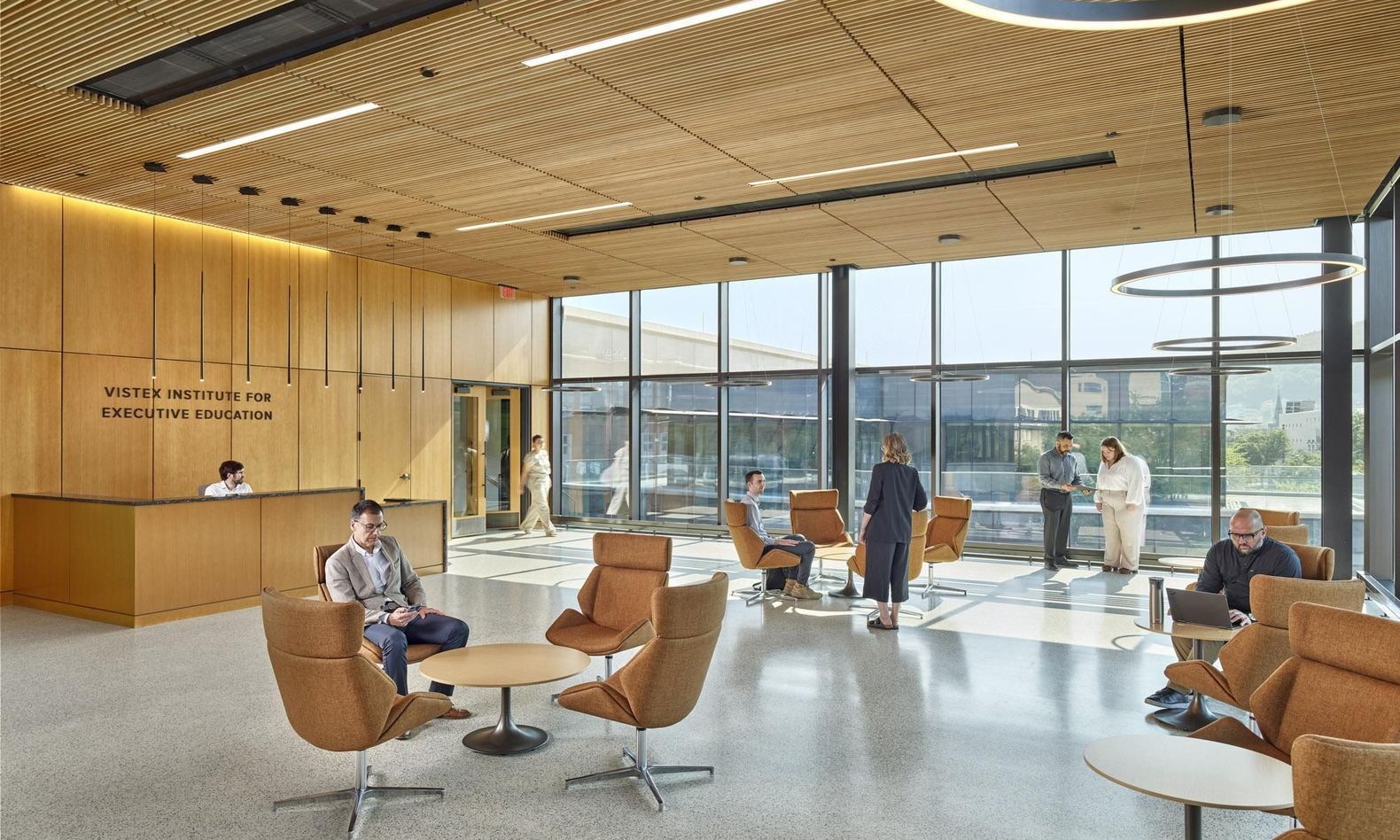
Voith & Mactavish Architects designed Lehigh University’s 74,000‑sq ft Business Innovation Building, a sustainable, LEED‑Gold campus addition that supports hybrid learning with advanced technology, flexible classrooms, a lecture hall, studios, and collaborative spaces, including an outdoor courtyard, lounge areas, and a business incubator, all costing $35 million.
|
|  educationsnapshots.com educationsnapshots.com
|
|
|
|
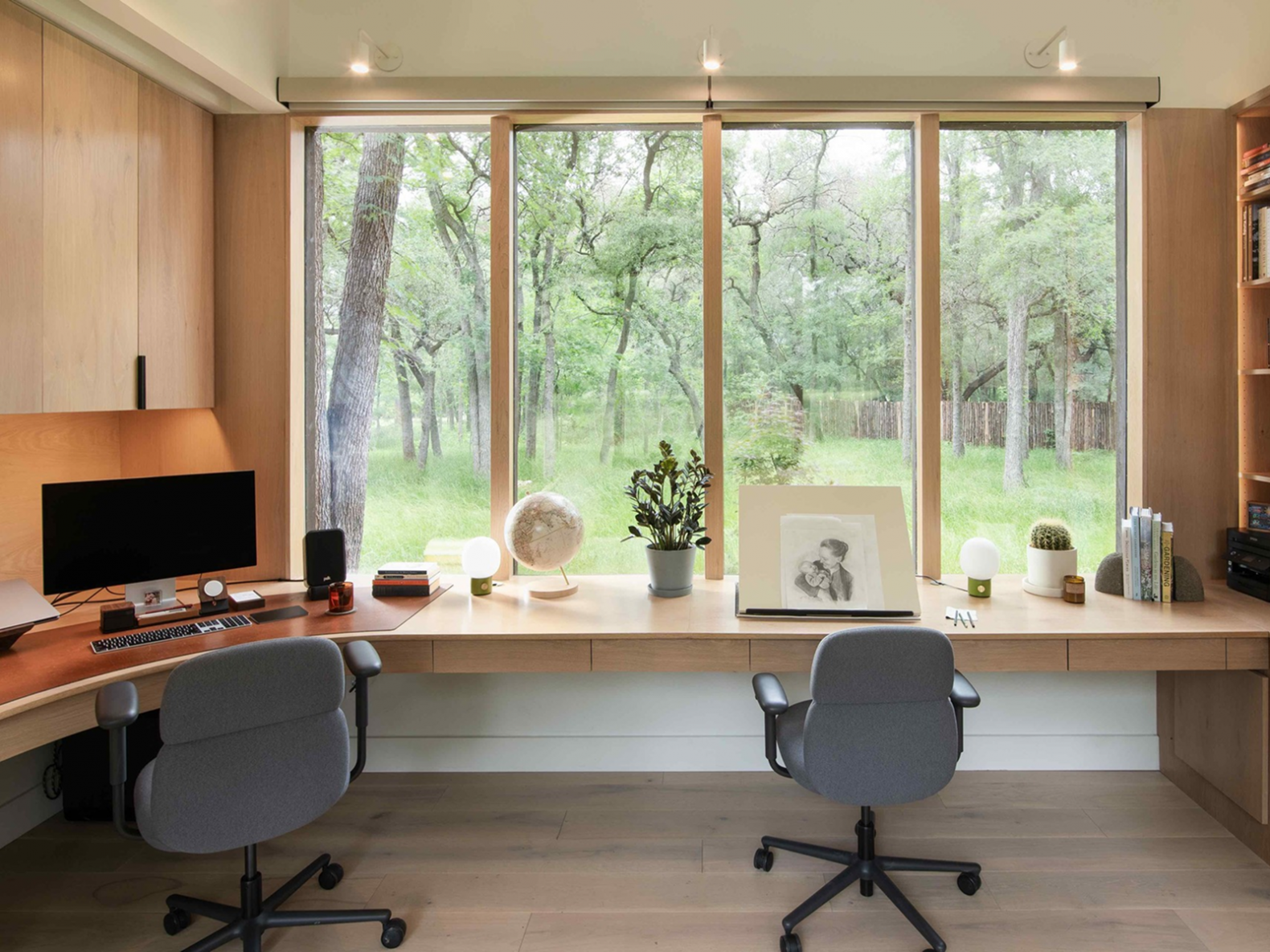
Isaac French, founder of Experiential Hospitality, creates nature‑focused landscape retreats and hideaways that blend timeless elegance with distinctive charm; previously built seven waterfront cabins in Texas with a 95% occupancy rate before selling the business in 2023, and now offers workspace plans featuring items like Ugmonk Analog, Newgate Clock, and Apple accessories, drawing creative inspiration from immersion in nature, painting, drafting, and playing piano.
|
|  www.workspaces.xyz www.workspaces.xyz
|
|
|
|
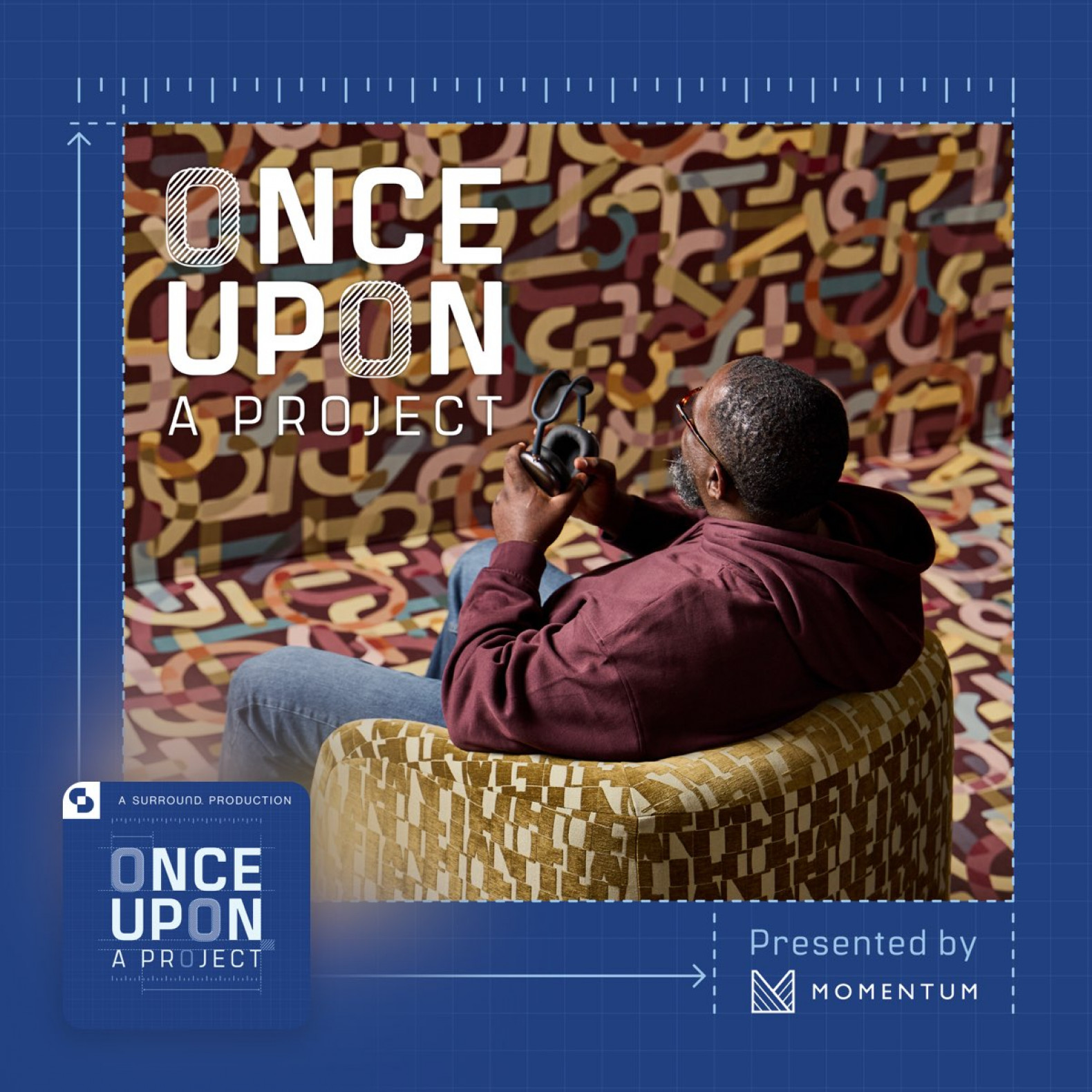
Michael Ford, known as “The Hip Hop Architect,” discusses his collaboration with Momentum, merging music, architecture, and community influences into innovative textile and wallcovering designs. The episode, recorded in the NeoCon Podcast Lounge and presented by Momentum, features sponsorship from Unika Vaev and partners such as B+N, DARRAN, Framery, and UpSpring, highlighting the creative fusion of artistic disciplines.
|
|  podcasts.apple.com podcasts.apple.com
|
|
|
|
|
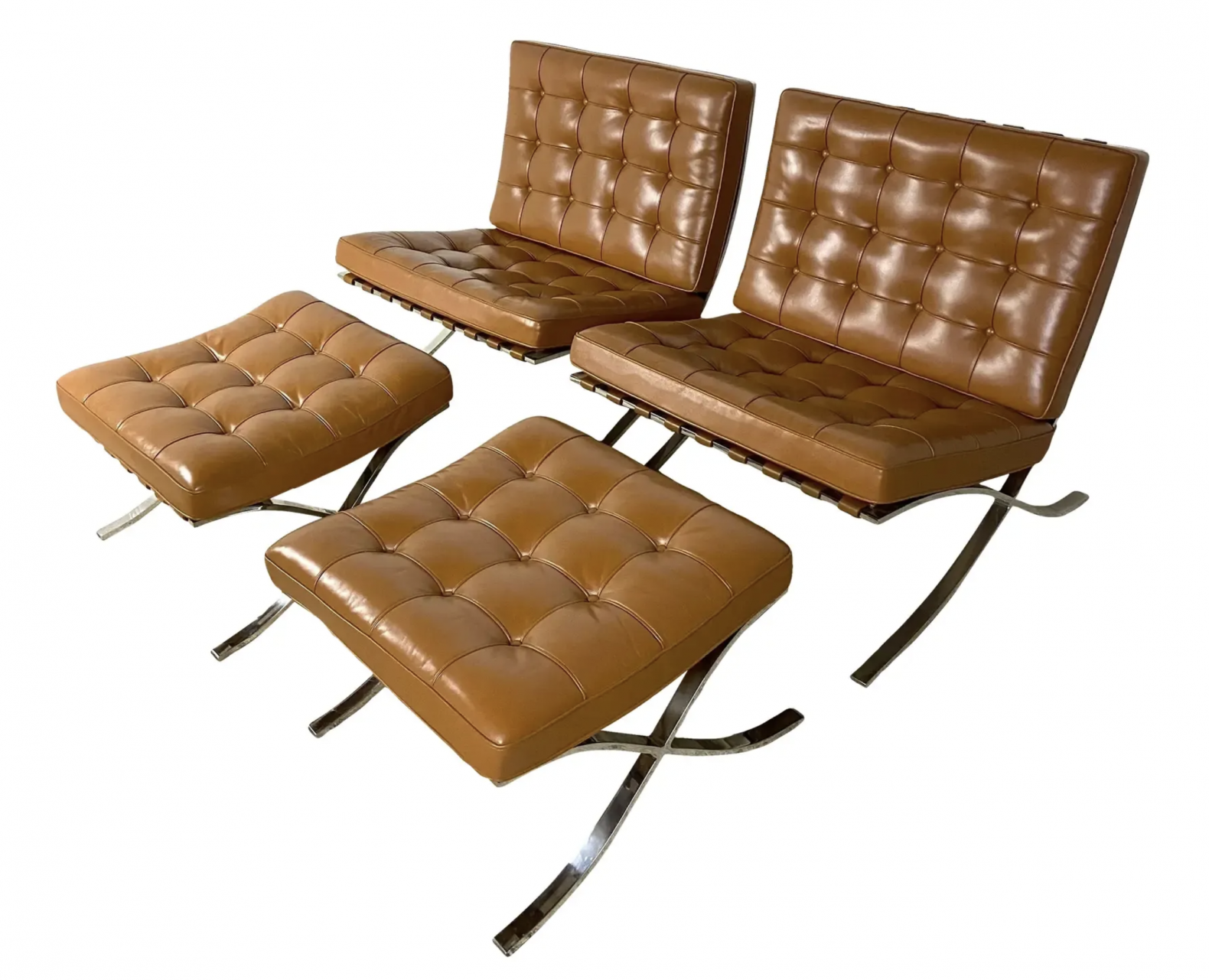
Mid 20th Century Vintage Knoll Barcelona Chairs and Ottomans - 2 Sets
|
|
The Pitch: A vintage set of two mid‑20th‑century Knoll Barcelona chairs with matching ottomans, featuring heavy stainless‑steel frames and a camel‑colored leather finish, is offered for $28,500. The pieces are in good, original condition with minor imperfections, and they exemplify the iconic modern design of Mies van der Rohe, showcasing exceptional craftsmanship and timeless elegance.
MMQB Buying Advice: When “Iconic” Starts Charging by the Cushion
There are very few pieces of furniture that can legitimately claim to have changed design history. The Knoll Barcelona Chair is one of them. It belongs in museums. It belongs in architecture books. It belongs in every Mid-Century Modern coffee table book ever printed. It also seems to belong in every upscale real estate listing where someone wants to communicate, “I have excellent taste and an expensive mortgage.”
Designed by Ludwig Mies van der Rohe, working alongside Lilly Reich, for the German Pavilion at the 1929 International Exposition in Barcelona, the chair wasn’t conceived as everyday seating. It was essentially a ceremonial throne intended for Spain’s King Alfonso XIII and Queen Victoria Eugenie. Ironically, the royal couple never actually sat in it. Which may have been the first sign that the Barcelona Chair was destined to become more admired than used.
Its importance to modern design is unquestionable. The clean intersecting steel frame, leather cushions, restrained proportions and almost architectural precision became the physical embodiment of Mies’ “less is more” philosophy. It helped define what luxury modernism looked like for nearly a century afterward.
None of that is up for debate.
The problem is what happens when history collides with today’s collector market.
Knoll has been manufacturing authentic Barcelona Chairs for decades under rights granted by Mies himself, and production has continued almost continuously ever since. These are not Eames plywood elephants produced for six months. They are not George Nakashima prototypes. They are not limited editions. They are not numbered. They are not rare.
There are, quite literally, tens of thousands of authentic Barcelona Chairs scattered throughout offices, corporate lobbies, law firms, museums, executive suites, architects’ homes, design showrooms and living rooms across the planet. Add in the enormous number of licensed vintage examples and an almost incalculable universe of copies, reproductions and “Barcelona-inspired” chairs, and this may be one of the most recognizable furniture designs ever produced.
Which brings us to this week’s offering: two complete vintage Knoll Barcelona Chair and Ottoman sets.
They’re beautiful.
They’re historically significant.
They’re instantly recognizable.
They’re also, in my opinion, priced like someone discovered them in Tutankhamun’s tomb.
Collectors sometimes confuse “iconic” with “rare.” They are not the same thing.
A Porsche 911 is iconic. It is also not rare.
A Rolex Submariner is iconic. Good luck finding one…alongside the other million that exist.
The Barcelona Chair falls squarely into that category. Demand remains strong because everyone knows exactly what it is, but supply has never exactly been hiding.
Now, if these happened to be exceptionally early examples from the 1950s, with impeccable provenance, original upholstery, documented ownership and museum-level condition, then yes, premiums become easier to justify. Early production pieces have genuine historical significance beyond the design itself.
But many vintage Barcelona Chairs are simply…older Barcelona Chairs.
Age alone doesn’t create scarcity.
What makes this even more amusing is that Barcelona Chairs have become the default answer for anyone decorating a “modern executive office.”
Somewhere there’s probably an unwritten corporate policy that says every CEO must receive one during orientation, along with an embossed notebook and a parking space.
As investments go, I don’t dislike them at all. In fact, I think every serious Mid-Century collection probably deserves a Barcelona Chair. They’re timeless, incredibly well made and likely to remain desirable for decades. Heck, my mother even longed for one!
I just wouldn’t pay museum prices for something that spent the last forty years sitting nearly untouched in the lobbies of corporate America, collecting compliments instead of wear.
Buy them because you love the history. Buy them because they’re one of the defining furniture designs of the twentieth century. Buy them because they’re genuinely comfortable and will never go out of style.
Just don’t convince yourself you’re acquiring the last surviving pair on Earth.
You’re not.
You’re buying one of the greatest furniture designs ever created.
Fortunately, there are plenty left.
|
| |
|
|
|
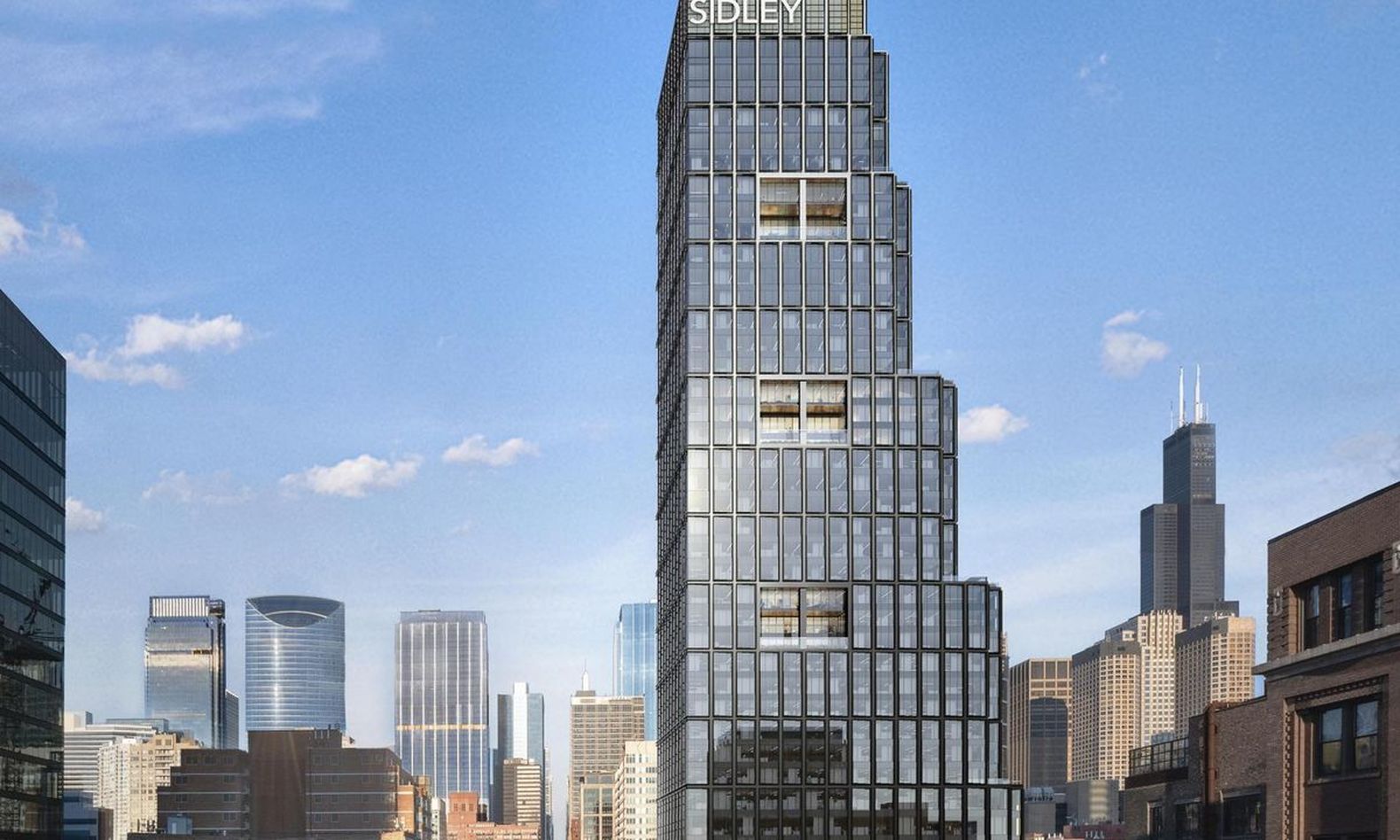
Sidley Austin will become the anchor tenant of Related Midwest’s new 45‑story, 1 million‑square‑foot office tower at 725 W. Randolph in Chicago’s Fulton Market, securing over half of the space and planning to move in by late 2030; the building, designed by Kohn Pedersen Fox, marks a major revival of trophy‑office construction in the city’s fast‑growing submarket.
|
|  www.bisnow.com www.bisnow.com
|
|
|
|
|
Hightower’s Natalie Hartkopf Appointed to IIDA and BIFMA Boards
|
|
Natalie Hartkopf, Hightower’s Chair/Co‑Owner, has been appointed to both the IIDA International Board of Directors and the BIFMA Board of Directors, where she will serve on outreach, learning, and social health‑equity committees. She emphasizes the need for shared standards, better data workflows, and infrastructure to address sustainability, social health, and equity in the design and manufacturing supply chain. Hightower highlights its women‑owned status, B Corp certification, and commitment to climate pledges and responsible business practices.
|
| |
|
|
|
|
Jonathan Hindle awarded MBE in Kings Birthday Honours
|
|
Jonathan Hindle, President and Managing Director of KI Europe, has been awarded an MBE in the 2026 King’s Birthday Honours for his extensive contributions to the UK furniture industry, including founding the Design Guild Mark, chairing the British Furniture Confederation, promoting sustainability, and supporting education and charity initiatives. His leadership has helped shape a £41 billion sector, fostering design excellence, skills development, and industry resilience.
|
| |
|
|
|
|
Group PMX Elevates Four Leaders Across Its Healthcare, Corporate, and Infrastructure Practices
|
|
Group PMX announced the promotion of four senior leaders—Elise Lontos to Associate Director, Monica Ciavarelli and Tim Kiser to Senior Project Managers, and Samir Rafla to Senior Project Controls Manager—recognizing their expertise and contributions across healthcare, corporate, and infrastructure projects. The promotions highlight the firm’s commitment to internal talent development, its “One Team. Shared Success.” culture, and its ongoing work on high‑profile projects such as adaptive‑reuse healthcare facilities, large‑scale corporate campuses, and complex infrastructure initiatives.
|
| |
|
|
|
|
GMi Companies Named a Top Workplace for Fourth Consecutive Year
|
|
GMi Companies, a family‑owned manufacturer and parent of the Ghent brand, has been recognized as a Top Workplace in the Greater Cincinnati and Northern Kentucky region for the fourth year in a row, based on employee survey feedback. The award, administered by Energage, highlights the company’s strong culture, employee‑focused values, and commitment to growth, well‑being, and purpose. GMi creates a range of visual‑communication products—including whiteboards, glassboards, writable surfaces, and space‑division furniture—all made in the USA and serving sectors such as education, hospitality, government, and healthcare.
|
| |
|
|
|
|
HLW Announces Official Opening of Denver Office
|
|
HLW announced the opening of its Denver office at 1801 California Street, Suite 2400, led by Managing Partner Sejal Sonani. The new location expands the firm’s Western U.S. presence and supports ongoing projects such as the large mixed‑use conversion of 621 & 633 17th St., which will add roughly 700 rental units, retail, and community amenities. HLW will hire local architects and designers, integrating its multidisciplinary studios to provide architecture, landscape, interior design, planning, sustainability, wellness, lighting, branding, and market research services across the region. The office underscores HLW’s strategic growth in markets with strong development momentum and long‑term investment potential.
|
| |
|
|
|
Stephen reassures the salesperson that feeling unsettled after NeoCon is normal, emphasizing that the contract‑furniture sales role is indeed evolving toward strategy, influence, and business development, but the core sales fundamentals—relationships, product knowledge, and follow‑up—remain essential. He advises staying proactive: keep networking, maintain strong basics, monitor the post‑acquisition environment, and consider opportunities quietly, while recognizing that the industry’s changes don’t diminish the value of solid sales skills.
|
| |
|
|
|
Open Plan Systems is seeking an accomplished National Sales Director to lead strategic growth across the United States by expanding the company’s dealer network, strengthening key contract relationships, and identifying new market opportunities. This high-impact role is ideal for a proven sales executive with deep contract furniture industry experience, strong partnership-building skills, and the ability to combine strategic vision with hands-on execution to deliver measurable revenue growth.
|
| See Job Opening > |
|
|
|
|
Market Development Representative (Southeast Region)
|
|
BRC is seeking a Market Development Representative (Southeast Region) to drive growth within a strategic alliance partner dealer channel, with an initial focus in the Orlando, FL market. This role focuses on building strong dealer relationships, identifying and developing opportunities, and supporting projects from early specification through order completion. Acting as a direct extension of BRC in the market, the MDR will partner with dealer sales and design teams to increase engagement, expand scope within active projects, and capture competitive opportunities, while ensuring a high level of responsiveness and execution throughout the sales process.
|
| See Job Opening > |
|
|
|
|
District Sales Manager - Atlanta
|
|
OFS is seeking a District Sales manager to join our team in the Georgia area. As a District Sales Manager, your responsibilities would include business development, promotion, support, and training activities targeted towards designated Dealerships, A & D Firms and End Users in the Georgia market.
|
| See Job Opening > |
|
|
|
Industry Leading Partners + MMQB
Times are changing and navigating the uncertainty of business isn’t for the meek. AIS is here to help you every single day.
A family-owned company that has developed into a market-leading manufacturer of high-quality components for the office chair, lounge furniture and automotive industry since 1969. Bock supports their customers as a holistic specialist partner and manufacture both standardized and individual solutions made of polyurethane, various plastics and aluminum according to your requirements.
COE Distributing is a national office furniture distributor with a passion for creating inspiring work environments. A family-owned business since 1947, COE sources high-quality office furniture with forward-thinking, well-planned design from around the globe. Based in southwestern Pennsylvania with distribution centers in North Carolina and Texas, COE boasts an enthusiastic team dedicated to delivering the right solutions for our customers.
Donati is dedicated to manufacturing for the world’s best furniture brands.
We enable our industry clients to develop and distribute outstanding product in terms of innovation, quality and sustainability.
At KiSP we create, develop and provide client-facing solutions to manufacturers, dealers, interior designers and customers in the office furniture industry. During our 30 years in the industry, our solutions have created revenues where they never existed, added value to the services you provide and established greater loyalty between you and your customers.
Founded in 1956, Lacasse is a North American leader in the design, manufacture, and service of a wide range of high-quality furniture for all types of business and institutional environments. With a strong commitment to innovation and operational excellence, Lacasse is determined to help organizations reveal human potential.
Landscape Forms is the industry leader in integrated solutions of high-design site furniture, advanced LED lighting, structure, and custom environments.
Mamava is a women-founded company that designs and manufactures freestanding lactation pods and related solutions that give breastfeeding parents private, comfortable spaces to pump or nurse at work and in public places. Their mission is to transform the culture of breastfeeding by providing dignified lactation spaces, digital wayfinding tools, and resources that support both parents and the organizations that serve them.
NeoCon has served as the world’s leading platform and most important event of the year for the commercial interior design industry since 1969.
N9NE Furniture Group is a leading office furniture distributor with a nationwide presence covering the entire US. Our commitment lies in providing comprehensive office furniture solutions that prioritize customer service, affordability, sustainability and ergonomic design without compromising on style. At N9NE, we believe in creating workspaces that inspire productivity and comfort while reflecting the latest trends and industry standards.
Sunon is a global office furniture and workspace-solutions manufacturer founded in Hangzhou, China in 1991, known for ergonomic seating, workstations, desks, storage, and integrated commercial interiors. With manufacturing bases in China and Mexico, plus a dealer and showroom network spanning more than 130 countries, the company focuses on healthy, flexible, and sustainable workplace design for modern offices. Its products are used by major global clients and reflect a mix of large-scale manufacturing, R&D-led design, and accessible contemporary styling.
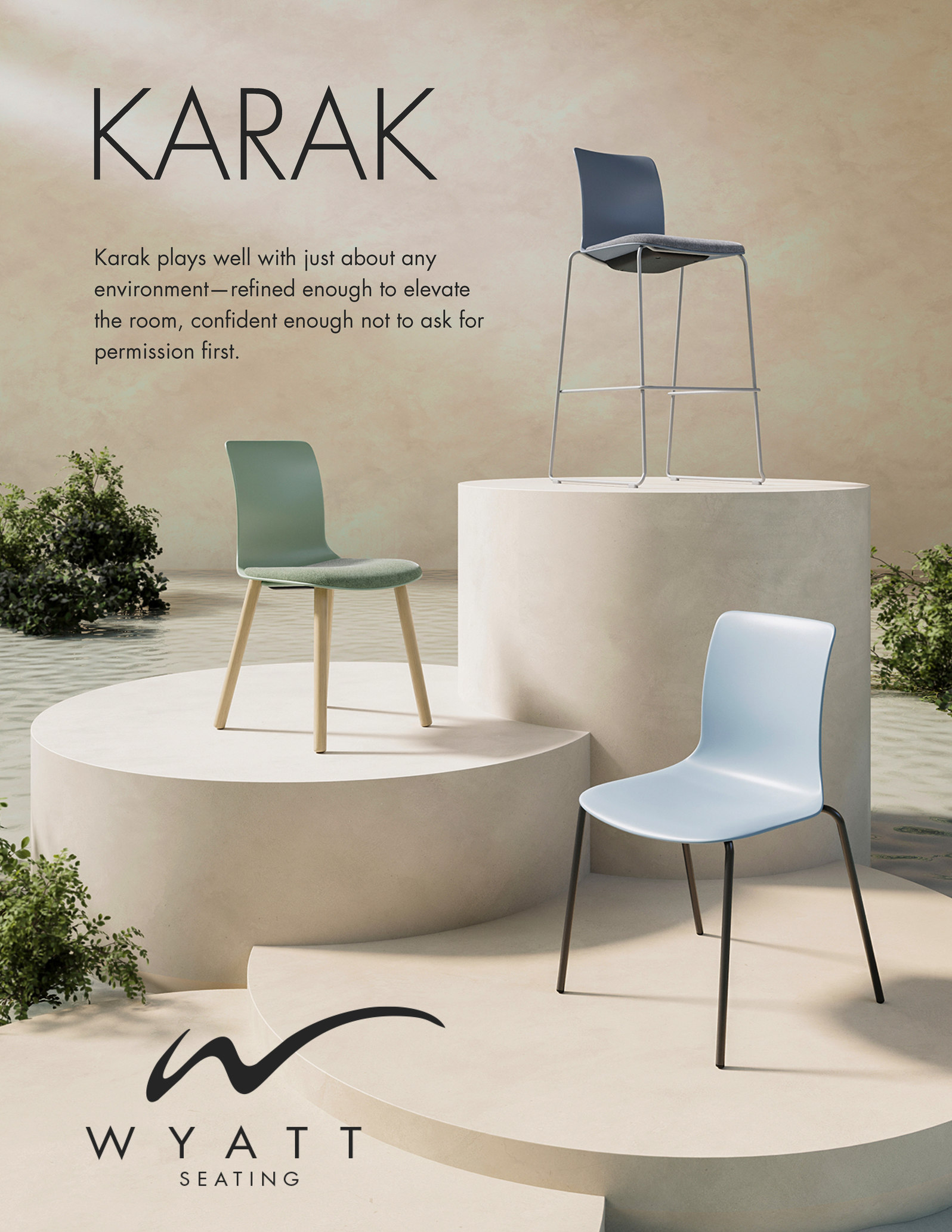
Life is an adventure……and adventures are best experienced with family. At Wyatt, this motto is how we live, how we work, and who we are. Wyatt is a family-owned business that manufactures high quality office seating and ships it to customers all over the country. We believe that everyone deserves a great chair, and our seating line is aggressively positioned to help make that happen.
|
|
|
|
|
|
|
|