In this issue… office markets show selective recovery, with Manhattan leasing hitting its strongest first half since 2013, Denver posting its best absorption in four years, AI demand reshaping major tech hubs, and older offices being removed or converted for housing. Workspace coverage focuses on AI as a workforce expander, intergenerational collaboration, remote-work priorities, wellness-rated coworking, and JLL’s science-based workplace design service. Top stories include Indiana Furniture’s NYC showroom, leadership moves at String and Flokk, Paragon’s acquisition of All Makes, and Gehry’s Icehenge desk auction. Features and trends explore urban sanctuary offices, innovation centers, domestic design influences, and future workplace ecosystems, while product launches span new finishes, tables, flooring, porcelain tile, and furniture collections.
|
| |
|
|
|
By the Numbers
AI-driven demand now dominates tech office leasing, accounting for nearly half of active tech space and showing rapid growth—85% year‑over‑year nationally and up to 179% in AI hubs—fuelled by massive private funding. This demand is highly concentrated, with 74% of enterprise‑tier AI space located in six submarkets such as San Francisco, Silicon Valley, New York, Austin, Northern Virginia and Washington, D.C., where rent absorption is accelerating and vacancy falling, while other markets see little AI benefit, highlighting the need for investors to focus on these corridors rather than rely on broad tech averages.
|
| Read more > |
|
|
|
The cost of living for remote workers varies widely, with essential monthly expenses ranging from $400 in Chennai, India, to $6,221 in New York City, based on a $3,000 salary benchmark; most cities have median essential costs of $1,425, leaving room in the budget, while 16 cities exceed the salary. The most affordable locations are in Asia, and the most expensive are U.S. cities like New York, Boston, and San Francisco, with other high-cost cities including Zurich, Geneva, London, and Sydney.
|
| |
|
|
|
"What Paragon Interiors has created — a culture anchored in human-centered design and forward-thinking strategy — aligns with what we have built and is exactly the kind of organization that will elevate an entire industry while preserving our legacy."
- Amee Zetzman, executive vice president/CFO, All Makes
|
| |
|
|
|
|
Paragon Interiors Doubles in Size with Acquisition of Century-Old All Makes
|
|
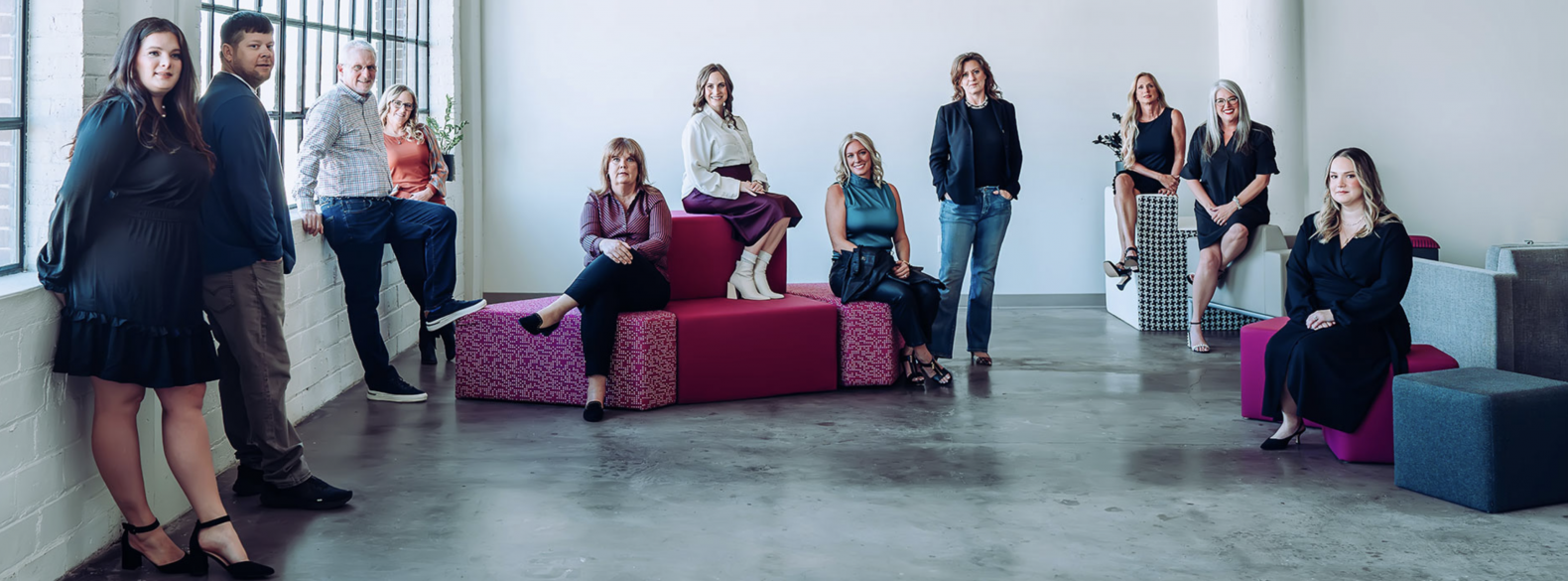
Paragon Interiors is significantly expanding its Midwest footprint with the acquisition of All Makes Office Equipment Co., a move that doubles the Iowa-based dealership’s size, adds five new markets and creates one of the region’s larger commercial interiors organizations.
Financial terms of the transaction were not disclosed.
The deal brings together two long-established contract furnishings companies with complementary geographic coverage and a shared relationship with Allsteel. Following the acquisition, the combined organization will operate across seven markets, including Bettendorf and Cedar Rapids, Iowa, along with Des Moines and the Nebraska markets of Omaha, Lincoln, Kearney and North Platte.
Founded in 1918, Omaha-based All Makes has grown from a typewriter retailer into one of the Midwest’s largest independent commercial furniture dealers, serving more than 6,000 clients throughout Nebraska and Iowa. The company has remained family owned for four generations and built its reputation in corporate, education, healthcare and government markets.
For Paragon Interiors, the acquisition represents more than geographic expansion. The transaction also strengthens its long-standing partnership with Allsteel and broadens client access to brands including Gunlocke, HON and Kimball International through the HNI portfolio.
“All Makes has earned an exceptional reputation through generations of hard work, trusted relationships and dedication to their clients,” said Linda Fickbohm, principal and owner of Paragon Interiors. “We have tremendous respect for what they have created and are proud to invest in our future together, carrying forward the legacy and relationships that have defined All Makes for the last 108 years.”
Mary Abel, principal and owner of Paragon Interiors, emphasized that the acquisition is rooted in cultural alignment rather than organizational change.
“This isn’t about changing who we are — it’s about two organizations coming together to create something even stronger for the future,” Abel said. “We’ve always led with a people-first mindset, and that same desire to help people thrive guided this decision.”
Executives at All Makes described the transaction as a natural fit built around similar values and customer-focused cultures.
“These two organizations were built for each other,” said Jeff Kavich, president and CEO of All Makes. “We share the same Midwestern values — a commitment to excellence, hard work and integrity. Both teams have built our businesses on trusted client relationships and deep loyalty to our people.”
Amee Zetzman, executive vice president and CFO of All Makes, said Paragon’s emphasis on human-centered design and strategic growth made it the right successor for the 108-year-old dealership while preserving its legacy.
The acquisition reflects a broader trend across the contract furnishings industry, where regional dealers continue to pursue consolidation to expand market coverage, strengthen manufacturer relationships and increase scale while maintaining local customer relationships.
Lauren Hession, vice president and general manager of contract business for Allsteel, said the combination creates a stronger regional organization.
“This acquisition is a signal of what’s possible when you invest in the right people and the right markets,” Hession said. “Adding All Makes’ century-long legacy to that foundation makes them an even stronger force across the region.”
With the transaction complete, Paragon Interiors expects to leverage the combined organization’s expanded resources, regional expertise and broader product portfolio to serve clients across the corporate, education, government and healthcare sectors while preserving the local relationships that have long defined both companies.
|
| |
|
|
|
|
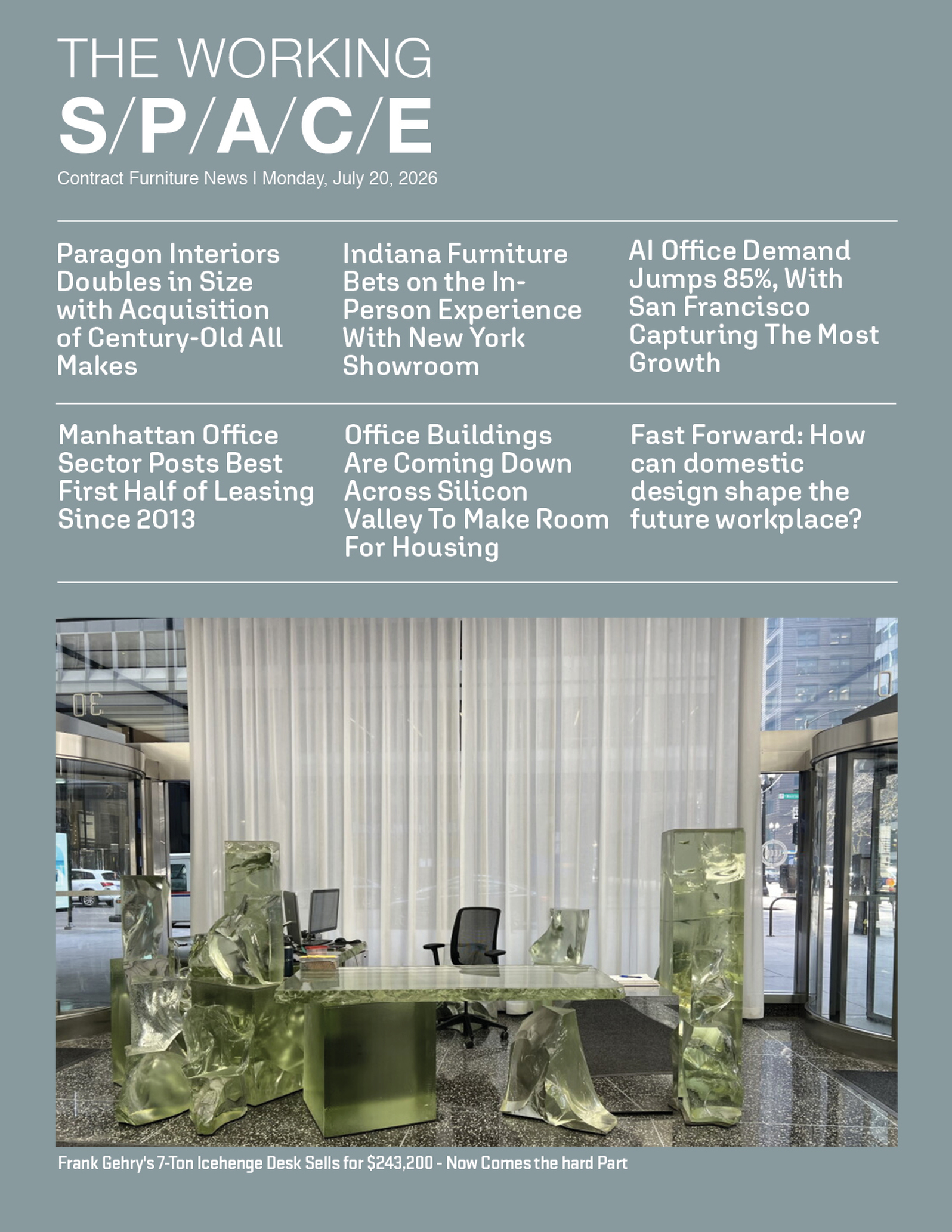
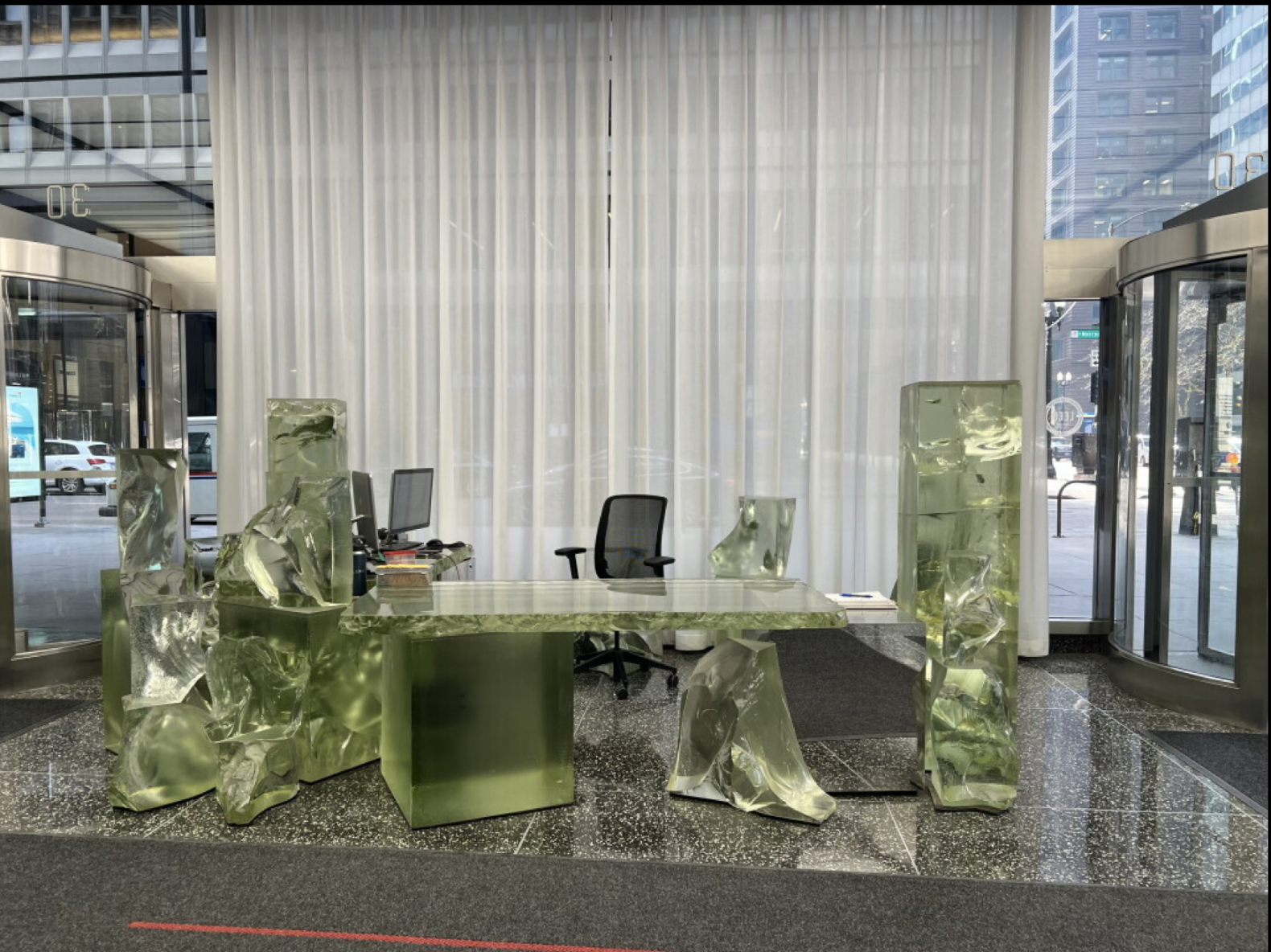
Frank Gehry's 7-Ton Icehenge Desk Sells for $243,200 - Now Comes the hard Part
|
|
Buying a Frank Gehry-designed desk for $243,200 may have been the easy part.
Actually getting it home is another matter.
The late architect’s monumental glass security desk, known as Icehenge, sold Wednesday at auction for $243,200, exceeding its pre-sale estimate of $100,000 to $200,000 and closing the book on one of the most unusual pieces of furniture ever commissioned for an American office building.
The identity of the buyer has not been disclosed.
Created specifically for the lobby of Chicago’s iconic Inland Steel Building, Icehenge is less a desk than an inhabitable sculpture. The 15,000-pound installation—roughly the weight of four fully equipped Honda Accord sedans—is composed of 16 separate pieces of emerald-colored glass, including two massive desktops, structural supports, sculptural glass elements and mirrored storage cabinets. It served as the building’s functioning security desk after being installed in 2012.
Gehry, who died in 2025 at age 96, had admired the Inland Steel Building for decades. Widely regarded as one of Chicago’s finest examples of modernist architecture, the building even counted Gehry as a part owner for a brief period between 2005 and 2007. He later collaborated with California’s John Lewis Glass Studio, now Christison Lewis, to create the one-of-a-kind installation.
Like many of Gehry’s architectural works, Icehenge blurs the line between furniture and sculpture. Jagged, flowing sheets of glass appear to collide in controlled chaos, creating a piece that feels almost alive despite weighing seven-and-a-half tons.
Gehry himself appreciated the unconventional design.
“It does look like an explosion in a glass factory, kind of,” he told architecture critic Blair Kamin in 2013. “If you actually had an explosion at a glass factory, apart from everyone getting killed, it would be pretty exciting visually.”
The sale may have established the desk’s market value, but it also underscores one of the realities of acquiring museum-scale furniture: ownership is only the beginning.
According to the auction terms, the successful bidder must pay to remove and later reinstall portions of the Inland Steel Building’s glass curtain wall simply to extract the desk from the lobby. The removal cannot begin until a replacement security desk is installed later this year, and the buyer must hire a specialized transportation company capable of moving 15,000 pounds of custom architectural glass without turning Gehry’s masterpiece into an expensive pile of shards.
For the contract furnishings industry, Icehenge is a reminder that office furniture can occasionally transcend its commercial purpose. Most security desks are selected for durability, functionality and budget. Gehry’s was designed to stop visitors in their tracks before they even reached the reception area.
Few facility managers are likely to specify a seven-ton glass desk in their next project. But as organizations continue searching for workplaces that create memorable experiences, Icehenge remains an extraordinary example of furniture becoming architecture, art and corporate identity all at once.
And somewhere, a facilities manager is probably breathing a sigh of relief that the replacement desk won’t require removing the front of the building just to bring it inside.
|
| |
|
|
|
|
Indiana Furniture Bets on the In-Person Experience With New York Showroom
|
|
As digital specification tools continue to improve, Indiana Furniture is making the case that some things still need to be experienced in person.
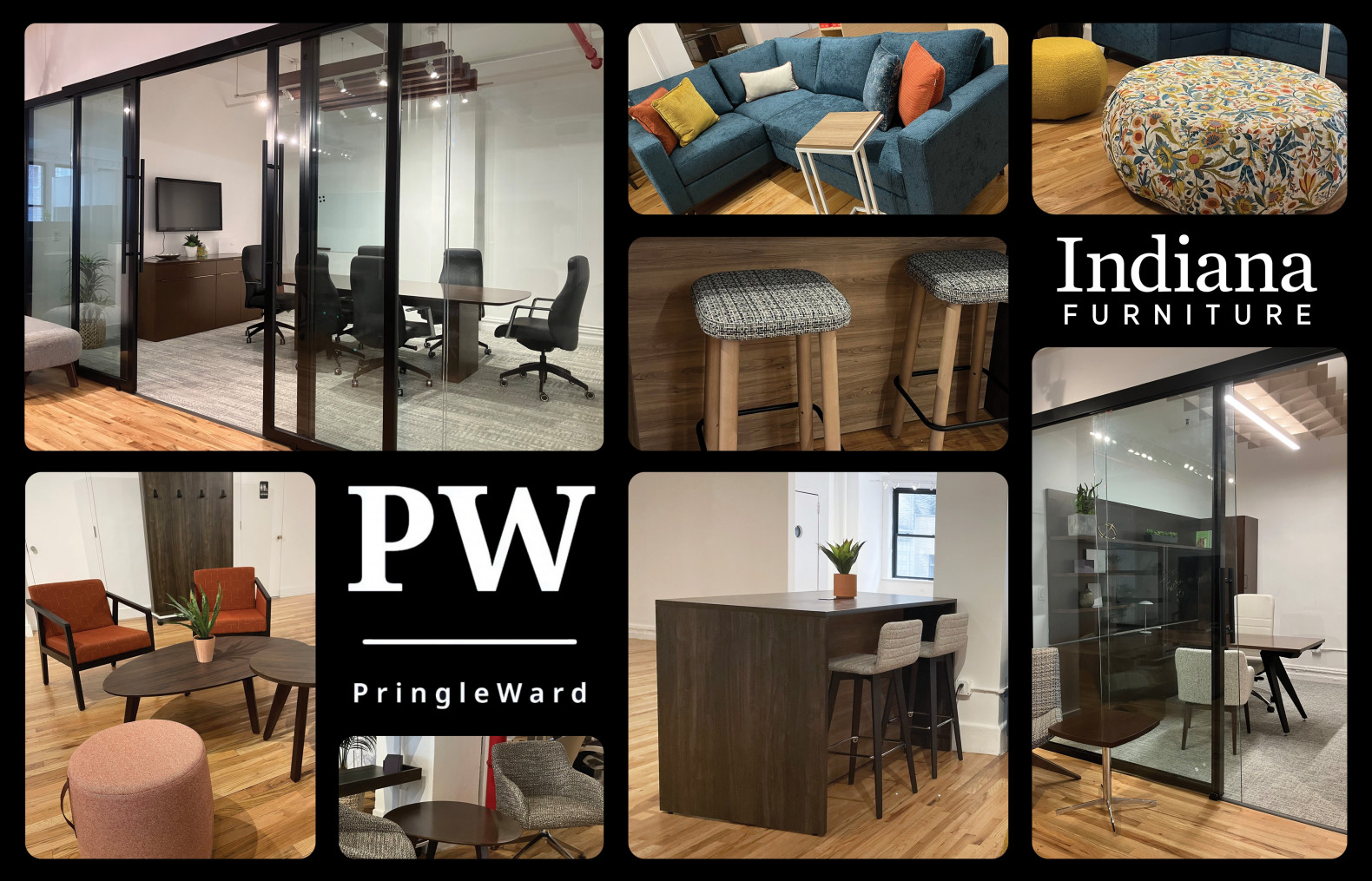
The Jasper, Ind.-based manufacturer is celebrating the early success of its New York City showroom, which opened in March through independent manufacturers’ representative Pringle-Ward. Located in Midtown Manhattan, the 4,500-square-foot space has quickly become a destination for dealers, designers and end users across the New York metropolitan area, including the five boroughs, Long Island, the Lower Hudson Valley and Northern New Jersey.
The showroom is managed by Pringle-Ward Principal Susan Goldschrafe and is designed to showcase how Indiana Furniture products perform in real workplace environments rather than as standalone pieces.
Visitors can explore more than 20 product collections installed across a range of applications, from collaborative lounge settings and touchdown workspaces to executive offices and conference rooms. The space features products including Plush Lounge, Kirby Occasional Tables, Synergy Partitions, Chat Work Tables, Gesso height-adjustable casegoods and Catalyst Conference, providing a full-scale demonstration of today’s hybrid workplace.
For Indiana Furniture, the showroom is about more than displaying product—it is about giving customers confidence in their purchasing decisions.
“A showroom experience provides the opportunity to interact with our solutions in a meaningful way,” said Mike Blessinger, vice president of Indiana Furniture. “While photos and digital tools are valuable, there’s no substitute for seeing a workspace in person, exploring material combinations and experiencing the quality and craftsmanship firsthand. The ability to compare finishes, laminates, textiles and other surface materials helps clients make more informed decisions and move forward with greater confidence.”
The showroom also serves as a demonstration of Indiana Furniture’s growing customization capabilities. One of its more distinctive installations features a kitchenette constructed using the company’s Canvas Casegoods platform, illustrating how products designed for traditional office settings can be adapted for more specialized workplace applications.
According to Goldschrafe, the response from the architecture and design community has exceeded expectations since the showroom opened earlier this year.
“Since opening in March, the response from the dealer and design community has been incredibly positive,” she said. “The showroom gives visitors the opportunity to experience Indiana Furniture solutions in a way that reflects how people work today. Whether they’re planning collaborative spaces, private offices or conference environments, customers can see firsthand how thoughtful design can support productivity, flexibility and employee engagement.”
The investment comes as manufacturers increasingly reconsider the role of physical showrooms in an era dominated by digital specification tools. While virtual design platforms have streamlined product selection, many manufacturers continue to view permanent showrooms as an important part of the specification process, particularly for evaluating materials, finishes and product quality before purchase.
For Indiana Furniture, the New York showroom appears to be reinforcing that strategy, providing a permanent presence in one of the industry’s most influential design markets while giving the Pringle-Ward team a dedicated venue to support dealers and clients throughout the specification process.
|
| |
|
|
|
|
Flokk Names Jason Harmsey Head of US Operations
|
|
Flokk appointed Jason Harmsey as Head of US Operations, leveraging his two decades of leadership in sales, marketing, and product management to accelerate growth in North America, where the region now generates nearly half of the company’s revenue. Harmsey previously drove double‑digit growth at Humanscale and held senior roles at Seating (Pty) Ltd, and will focus on strengthening customer relationships, expanding the product portfolio, and advancing sustainability initiatives.
|
| |
|
|
|
|
String Furniture Appoints Emma Jutrowski to Spearhead North American Growth as the New U.S. Head of Sales
|
|
String Furniture announced Emma Jutrowski as the new U.S. Head of Sales to lead its North American growth, leveraging her extensive experience with Design Within Reach to expand the brand’s commercial presence across residential, contract, and retail markets. The appointment underscores String’s commitment to strengthening partnerships, broadening its reach, and promoting its iconic Scandinavian design heritage while emphasizing sustainability and innovative product offerings.
|
| |
|
|
|
AI office demand has surged 85% year‑over‑year, driven by rapid growth in AI companies that now represent a third of technology leasing needs. The increase is concentrated in key markets—especially San Francisco, which alone accounts for about 5 million square feet of demand—while secondary markets like Seattle and Northern Virginia also see strong gains. AI tenants typically require larger spaces than other tech firms, with many seeking over 50,000 sq ft, and demand is focused in specific neighborhoods rather than entire cities.
|
|  allwork.space allwork.space
|
|
|
|
The Manhattan office market saw record leasing activity in the first half of 2026, with 23.2 million square feet signed— the highest since 2013. The second quarter alone added 10.8 million square feet, up two million year‑over‑year. Demand was led by legal, technology, advertising, media and information firms, which secured nine of the ten largest leases, including a 916,000‑square‑foot deal by Simpson Thacher & Bartlett, a 484,170‑square‑foot renewal by L’Oréal, and significant leases by Cleary Gottlieb, Google, and Versant Media.
|
|  www.globest.com www.globest.com
|
|
|
|
Nearly nine in ten DOT office buildings fell short of the 60% utilization benchmark in 2025, with 89% of the 189 facilities underused, costing hundreds of millions annually. The department is consolidating FAA headquarters but lacks a comprehensive plan for nationwide space reduction. GAO recommends a department‑wide consolidation strategy, including desk‑sharing and reservation systems, to boost occupancy and cut real‑estate expenses.
|
|  allwork.space allwork.space
|
|
|
|
Upzoning across the San Francisco Peninsula is prompting developers to replace aging office buildings with multifamily housing, including affordable and senior units, as cities like Sunnyvale, San Mateo, and Menlo Park ease zoning rules to meet housing targets. Strong apartment demand, low vacancy rates, and rising rents make these redevelopment projects financially attractive, while some properties are also being converted rather than demolished. Legislative incentives and higher‑density zoning further accelerate the shift from office space to residential use.
|
|  allwork.space allwork.space
|
|
|
|
Midwestern office construction remains subdued overall, yet five cities—Chicago, Omaha, Milwaukee, Columbus, and Indianapolis—account for about 11.7% of U.S. office deliveries, with Chicago leading at 371,119 sq ft. Deliveries in these markets have more than doubled since 2025, while new construction nationwide covers only 0.4% of total office inventory. Chicago also holds the largest active pipeline, and other cities show strong growth relative to their existing stock despite a cautious national market.
|
|  allwork.space allwork.space
|
|
|
|
Shrinking office inventory is driving a market recovery by optimizing space, cutting costs, and reallocating resources, leading to higher efficiency and stabilized operations. High‑quality assets now capture a disproportionate share of demand, with trophy and Class A spaces commanding significant rent premiums. Overall leasing remains below pre‑pandemic levels, while investors focus on premium properties, boosting sales volume and attracting more cross‑border and institutional capital.
|
|  www.globest.com www.globest.com
|
|
|
|
Denver’s office market is stabilizing, showing a positive net absorption of about 120,000 SF in Q2, the strongest quarterly gain since early 2022. Despite some tenant downsizing and delayed occupancies, demand for higher‑quality space and limited new supply are supporting the recovery, while vacancy rates remain relatively steady across submarkets. Nationally, office vacancy is improving, with many markets seeing declines.
|
|  www.bisnow.com www.bisnow.com
|
|
|
|
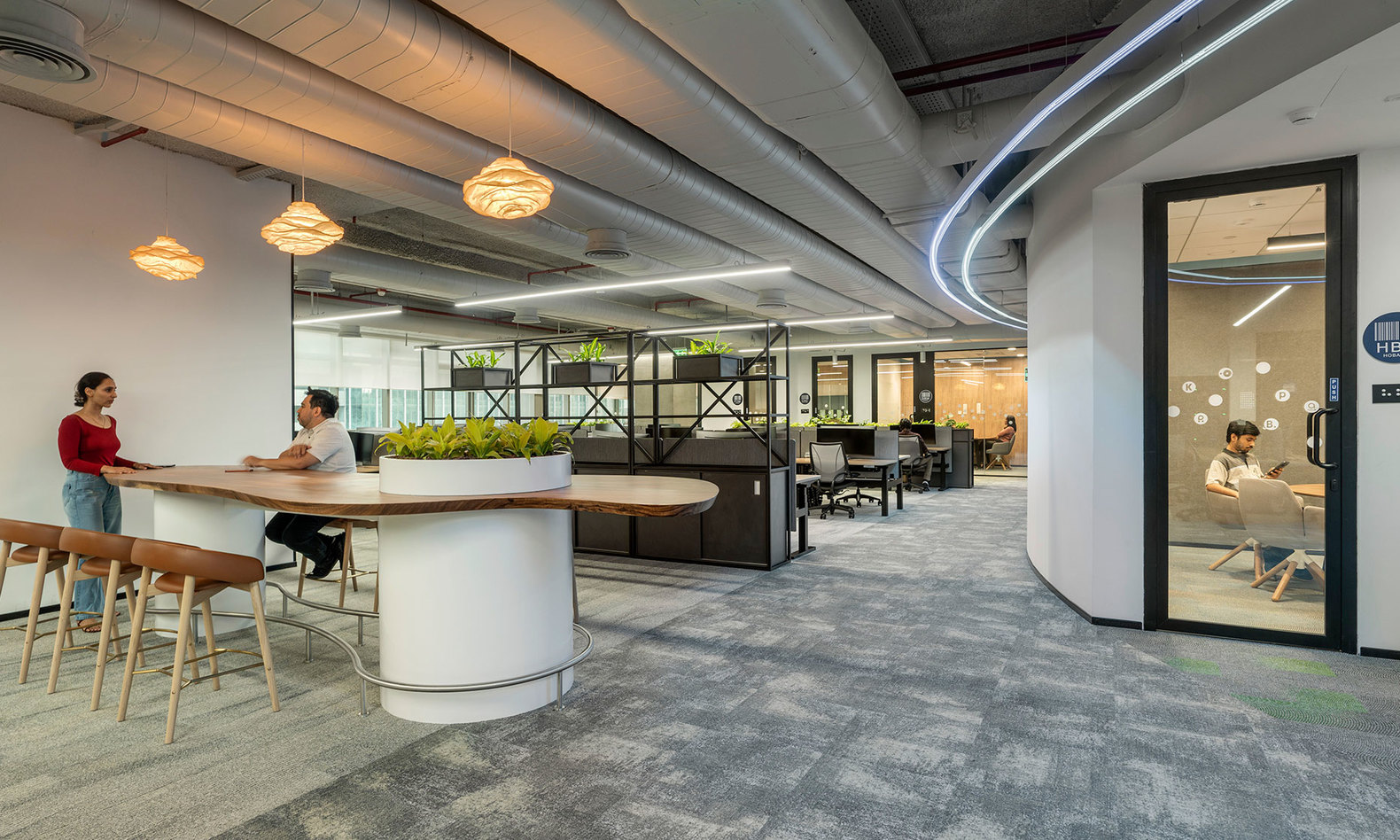
India’s Global Capability Centres are evolving from cost‑focused back‑office hubs into innovation engines, driving high‑value functions like product development, AI, and cybersecurity. To scale this innovation, workplaces must provide diverse, adaptable spaces—such as cafés, project hubs, maker labs, and quiet zones—that enable collaboration, experimentation, and focused work. By offering employees autonomy and varied environments, organisations can embed a culture of discovery and sustain momentum for continuous innovation.
|
|  www.gensler.com www.gensler.com
|
|
|
|
The piece explores how residential design principles—focused on human‑centred use, comfort, and daily routines—can be applied to workplace environments, illustrating this through the creators' own studio, which they designed as a home for their work rather than a traditional office.
|
|  www.mixinteriors.com www.mixinteriors.com
|
|
|
|
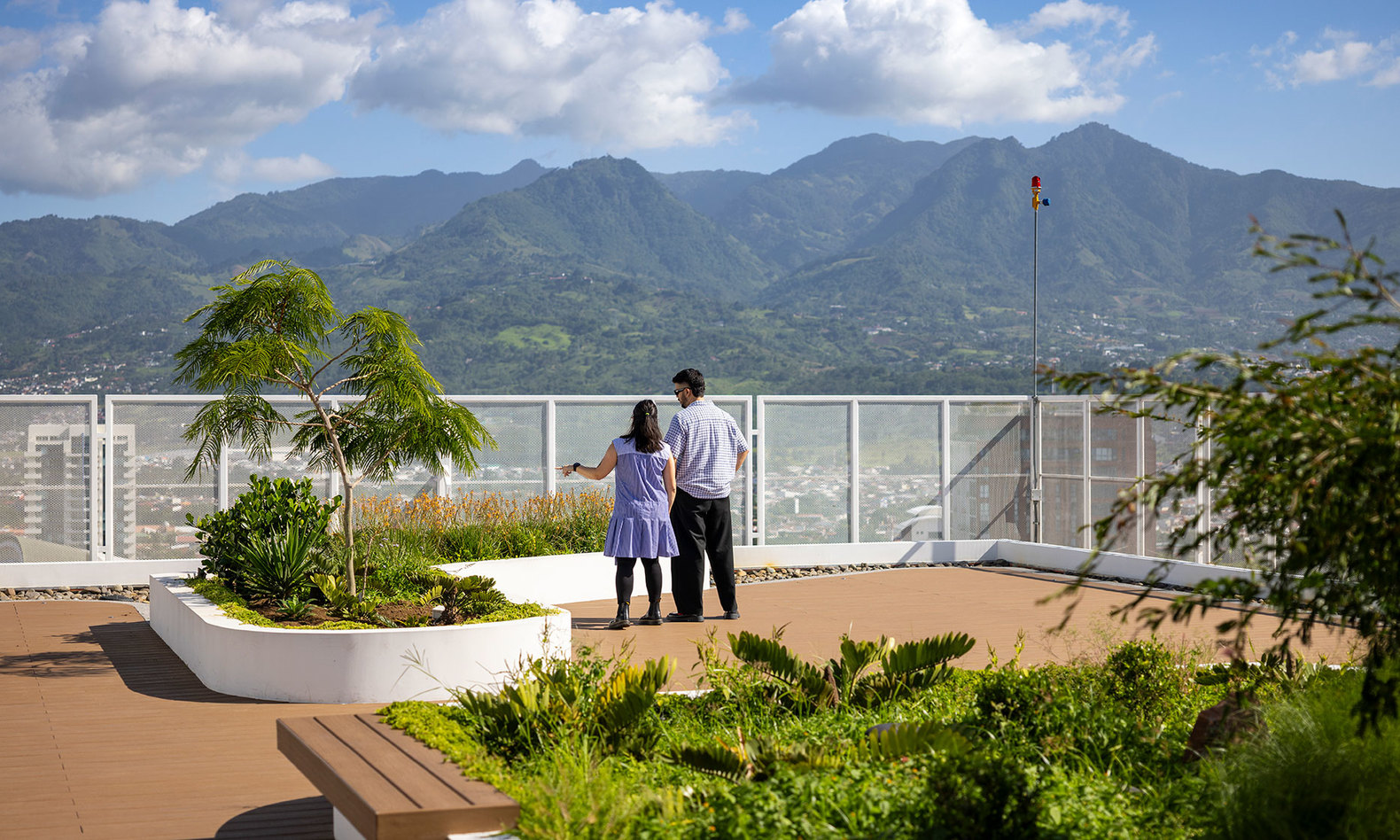
Latin American offices must evolve into urban sanctuaries that counteract the heavy traffic, long commutes, and fragmented city planning common across the region, offering employees wellness‑focused environments with natural light, biophilic design, acoustic control, and spaces for relaxation and social interaction. By treating well‑being as a foundational principle rather than a feature, workplaces can provide stability, balance, and cultural relevance—enhancing employee health, creativity, and engagement while serving as a vital civic anchor in rapidly growing cities.
|
|  www.gensler.com www.gensler.com
|
|
|
|
JLL has launched Social‑Spatial Design, a performance‑focused workplace design service that applies behavioral science and team dynamics to create spaces that boost collaboration, focus, learning, and overall team performance. By observing how teams work and using proprietary tools to diagnose performance gaps, the service translates insights into evidence‑based design decisions on layout, acoustics, and adjacencies, delivering measurable performance improvements within months and positioning workplaces as strategic assets for high‑performing organizations.
|
|  allwork.space allwork.space
|
|
|
|
WeWork aims to achieve WELL Coworking Rating for over 300 of its 600+ global locations within three years, impacting more than 550,000 members. The initiative, developed with IWBI and The Instant Group, will enhance health standards across air, water, lighting, thermal comfort, movement, nourishment, safety, and community. Chief Design Officer Ebbie Wisecarver emphasizes the focus on wellness, and the program seeks to set a benchmark for healthier, more consistent coworking environments worldwide.
|
|  allwork.space allwork.space
|
|
|
|
The FlexJobs survey reveals distinct priorities between women and men in the job market: women place the highest value on remote work, flexible schedules, and work‑life balance, while men prioritize higher compensation. The study of 1,700 U.S. respondents shows that 78% of women consider remote work a key factor versus 70% of men, and 64% of women value schedule flexibility compared to 49% of men; however, salary importance is similar for both groups. Additionally, women report higher workplace stress and greater financial strain than men, with 33% frequently feeling stressed versus 24% of men, and 42% experiencing significant financial pressure compared to 33% of men.
|
|  allwork.space allwork.space
|
|
|
|
Inter‑generational collaboration boosts innovation, trust and business performance, with strong generational synergy making organizations up to twelve times more likely to achieve high trust, innovation, customer satisfaction, growth, adaptability and inclusion. The State of Generations at Work Report, based on 5,700 employees in 17 countries, shows that generational contracts shape expectations, and supporting each generation’s wellbeing priorities dramatically increases synergy. While only 22 % currently experience genuine synergy, organizations that foster it see markedly higher employee endorsement, collaboration across generations, and resilience to AI‑driven changes.
|
|  workplaceinsight.net workplaceinsight.net
|
|
|
|
Senior business leaders expect AI to boost workforce size and redesign jobs rather than cause layoffs, with 60 % anticipating headcount growth and viewing AI as a tool for human‑machine enhancement. While most organizations are still early in AI adoption, many plan to recruit, invest in entry‑level talent, and redesign roles to work alongside AI. Key challenges include skill shortages, cybersecurity, and budget pressures, but improving productivity through advanced technology and AI support remains a top priority.
|
|  workplaceinsight.net workplaceinsight.net
|
|
|
|
The office furniture industry has spent the better part of the last decade debating hybrid work, attendance mandates and whether employees will ever return to the office in meaningful numbers. Kimball International believes the conversation has already moved on.
In its newly released 2026 Workplace Trends Report, Furnishing the Future, the company argues that the workplace is entering another major transition, driven less by hybrid work itself than by artificial intelligence and changing human behavior. The report contends that offices can no longer be designed for stability because the very nature of work is becoming fluid, adaptive and increasingly centered on uniquely human capabilities.
Rather than focusing on furniture categories or workplace amenities, Kimball organizes the report around five “Design Forces” that it believes will shape commercial interiors over the coming years.
The first is Human Sustainability, which may be the report’s strongest theme. As AI assumes more routine cognitive work, Kimball argues that emotional intelligence, ethical judgment, relationship building and contextual thinking become significantly more valuable. In that environment, workplace design shifts from simply accommodating employees to actively improving human performance. Wellness, according to the report, is no longer an employee benefit—it becomes business infrastructure. Offices that support recovery, concentration, belonging and emotional well-being may ultimately outperform those designed primarily around efficiency.
The second force, Slow Connection, reflects growing concern that digital communication has made genuine human interaction increasingly scarce. Kimball suggests the office’s competitive advantage may no longer be providing desks but providing authentic social connection. Informal conversations, rituals, community programming and spaces designed for spontaneous interaction become strategic assets rather than leftover amenities. The report even proposes that future workplaces could eventually treat social connection as part of employee health, echoing recent attention from the World Health Organization to social well-being.
The third trend, Systemic Flexibility, moves well beyond movable furniture. Kimball sees workplaces becoming responsive systems that continuously adapt based on occupancy data, behavioral analytics and changing work patterns. Instead of simply buying flexible products, organizations may increasingly expect environments that evolve over time through ongoing adjustments, modular components and intelligent space management. Manufacturers, meanwhile, may find themselves selling long-term adaptive systems rather than static product collections.
Kimball also introduces Work Unbundled, describing a future in which work is no longer confined to traditional schedules, locations or even single employers. Hybrid work, gig work, asynchronous collaboration and AI-assisted workflows are dissolving many of the assumptions that previously defined office planning. Rather than serving as an everyday destination, offices increasingly become purpose-built environments employees visit to accomplish activities that simply cannot be replicated elsewhere.
The report’s fifth trend, The New Colleague, explores perhaps the most disruptive shift of all: AI becoming an active collaborator rather than merely another software tool. Although the report treats this cautiously, Kimball suggests future workplaces may increasingly be designed around interactions between people and intelligent digital coworkers, requiring entirely new thinking about technology integration, space planning and workflow.
Perhaps the report’s most important takeaway for manufacturers and dealers is philosophical rather than technological. Kimball argues that workplace design can no longer be viewed as creating fixed environments. Instead, designers are increasingly creating conditions where human experiences continuously evolve.
For an industry that has traditionally sold desks, chairs and conference tables, that’s a fairly dramatic repositioning. The future workplace, according to Kimball, isn’t really about furniture anymore. It’s about creating environments that make people better at being human—something AI, at least for now, still can’t manufacture.
|
|  www.kimballinternational.com www.kimballinternational.com
|
|
|
|
The workplace is being reimagined as a living ecosystem that thrives on connection, creativity, and mentorship, emphasizing the need for physical proximity to foster spontaneous collaboration and learning by osmosis. Designers like Suzette Subance Ferrier advocate for flexible, sensory‑responsive spaces—open zones, quiet nooks, adjustable lighting, and modular furniture such as pergolas—that support both innovation and well‑being, while AI tools aid in optimizing space use without replacing the human design touch.
|
|  metropolismag.com metropolismag.com
|
|
|
|
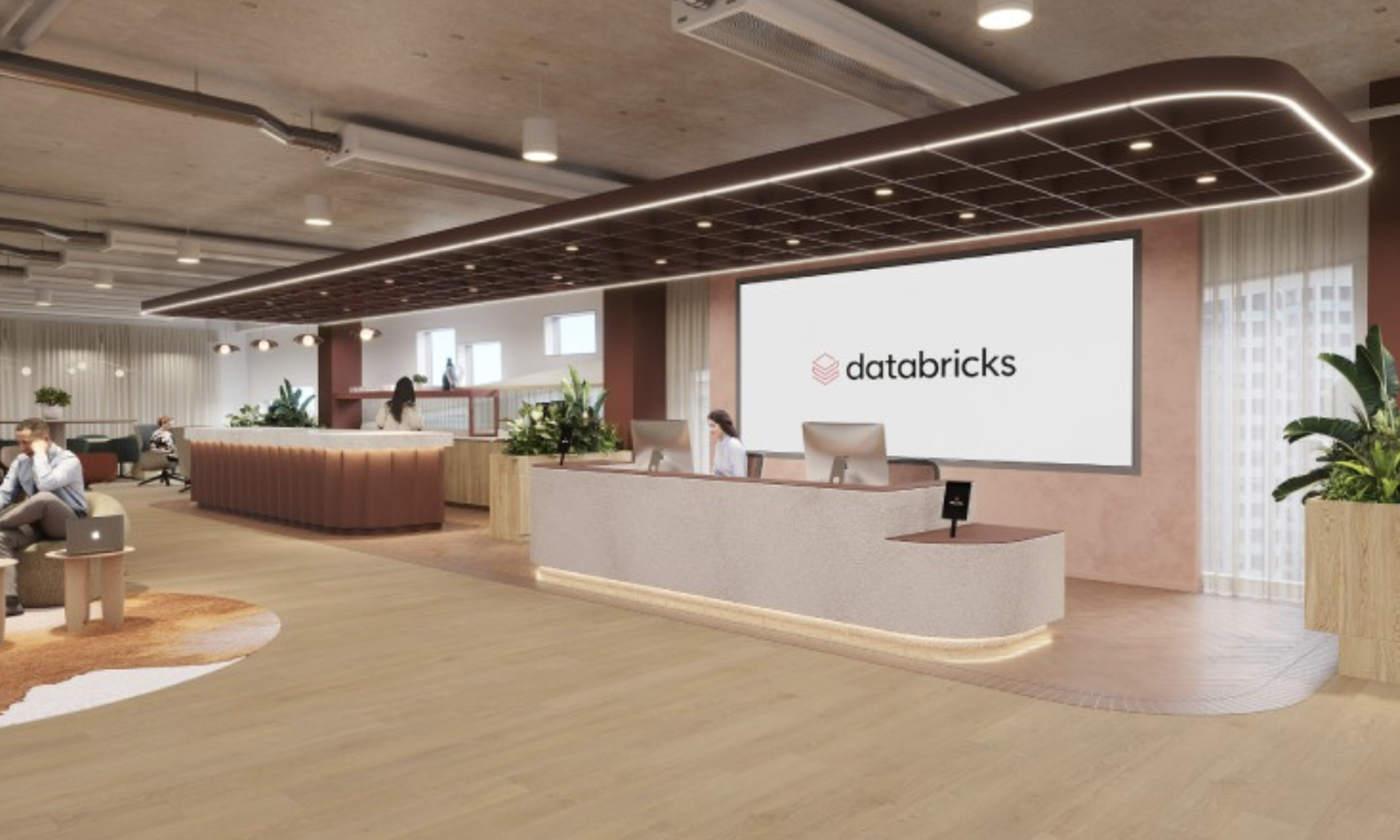
The next‑generation workplace for Databricks in Amsterdam is designed to support rapid growth, deep technical work, and extensive collaboration by offering layered environments that balance deep focus with spontaneous interaction. Flexibility is built into the spatial planning, allowing spaces to adapt quickly to changing team sizes, functions, and client‑facing needs, while distributed wellness and social areas maintain employee wellbeing and culture as the organization scales.
|
|  officeinsight.com officeinsight.com
|
|
|
|
Design should prioritize purposeful shared experiences that foster human connection, whether in workplaces, events, or community spaces. By intentionally creating conditions—such as welcoming gathering spots, communal tables, and technology that bridges distances—designers can encourage meaningful interactions, combat loneliness, and build lasting memories that people recall more for the relationships formed than the physical environment itself.
|
|  officeinsight.com officeinsight.com
|
|
|
|
|
Humanscale Bets the Future of Furniture Is Transparency, Not Just Sustainability
|
|
For years the contract furnishings industry has talked about sustainability in terms of recycled content, carbon footprints and end-of-life recycling. Humanscale now appears to be making a broader argument: the next competitive battleground won’t simply be how furniture is made, but what it’s made from—and whether manufacturers are willing to tell customers.
The company last week paired the launch of its new Re-Freshed refurbishment program with a renewed emphasis on material transparency, just as wellness advocate Food Babe introduced the topic of furniture ingredients to her millions of followers. Taken together, the developments suggest that discussions once confined to architects pursuing LEED points are moving squarely into the consumer wellness conversation.
The issue centers on something most buyers rarely consider. While consumers routinely read ingredient labels on food, cosmetics and household cleaners, office furniture typically arrives with little disclosure about the materials and chemicals inside. Yet workers spend thousands of hours each year sitting in chairs, working at desks and breathing the indoor air influenced by furniture, flooring, finishes and fabrics.
That lack of transparency has become increasingly difficult to defend as major organizations including Google and Harvard have adopted purchasing policies favoring products with Declare labels or Health Product Declarations (HPDs). Architects and designers are also asking more manufacturers to disclose material ingredients as healthy-building standards become more common.
Humanscale has spent years positioning itself ahead of that trend. Although the company represents only a small percentage of the global office furniture market, it has been responsible for a disproportionate share of the industry’s published ingredient labels. It was also among the first major commercial furniture manufacturers to eliminate Living Building Challenge Red List chemicals from its products, remove PFAS and hexavalent chromium from products it designs and manufactures, achieve TRUE Zero Waste certification across its factories, and earn B Corp certification.
CEO Bob King has long framed the issue in simple terms. Critics often argue that furniture isn’t comparable to food because it isn’t consumed. King’s response has been equally direct: “We don’t eat it. But we breathe it.”
That message recently received an unexpected boost from wellness influencer Food Babe, whose newsletter encouraged readers to think about furniture the same way they think about food labels. Rather than focusing solely on what people consume, she argued consumers should also understand the materials surrounding them for eight or more hours each day, highlighting concerns ranging from formaldehyde and volatile organic compounds to PFAS, flame retardants and other chemicals that can affect indoor environments.
The timing coincides with Humanscale’s introduction of Re-Freshed, a second-life program that refurbishes and resells returned Freedom, Liberty and Smart chairs instead of sending them toward disposal. Each chair is inspected, sanitized and rebuilt with replacement components where necessary while retaining its structural frame, allowing the company to significantly reduce material consumption, energy use, greenhouse gas emissions and water usage compared with manufacturing an entirely new chair.
The program also reflects a larger shift toward circular business models within the contract furnishings industry. Rather than following the traditional pattern of manufacture, use and disposal, manufacturers are increasingly looking at ways to extend product life through repair, refurbishment and reuse. While circularity has become a popular industry buzzword, scaling those programs has proven difficult because of logistics, economics and the prevalence of inexpensive “fast furniture.”
Whether ingredient transparency ultimately becomes as commonplace as nutrition labels remains to be seen. But between institutional buyers demanding disclosure, wellness influencers introducing the concept to mainstream audiences, and manufacturers investing in both transparency and refurbishment, the conversation appears to be moving well beyond sustainability checklists. Increasingly, the question may not be whether a chair is ergonomic or recyclable, but whether buyers know exactly what’s in it before they spend the next decade sitting in it.
|
| |
|
|
|
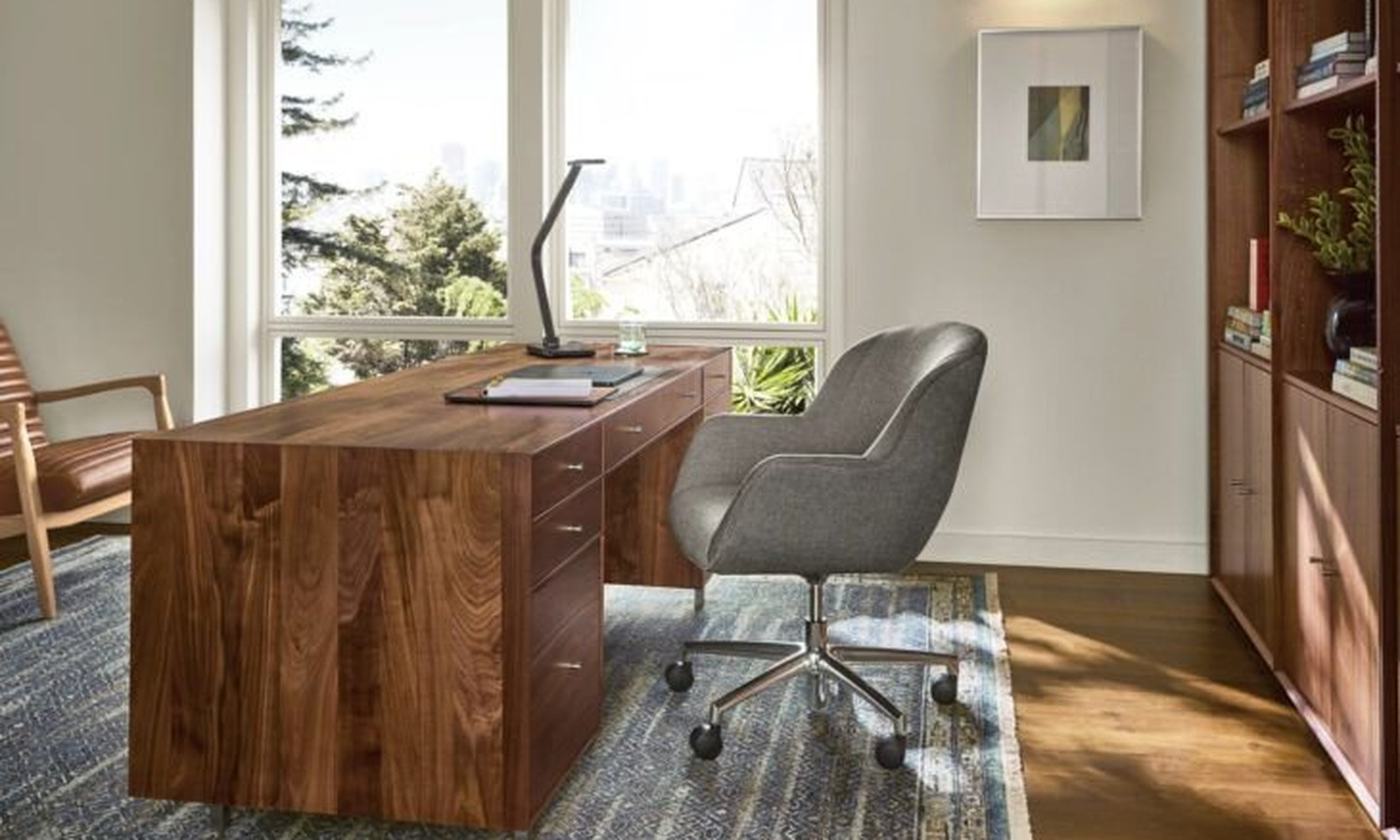
Room & Board for Business introduces a collection of newly designed office furnishings—including the Hudson and Rowan executive desks, Penny office chair, and Coles floating cabinet—crafted in the U.S. with residential comfort, sustainable materials, and functional features such as privacy panels, cord management, and adaptable storage to enhance modern workspaces.
|
|  www.officing.com www.officing.com
|
|
|
|
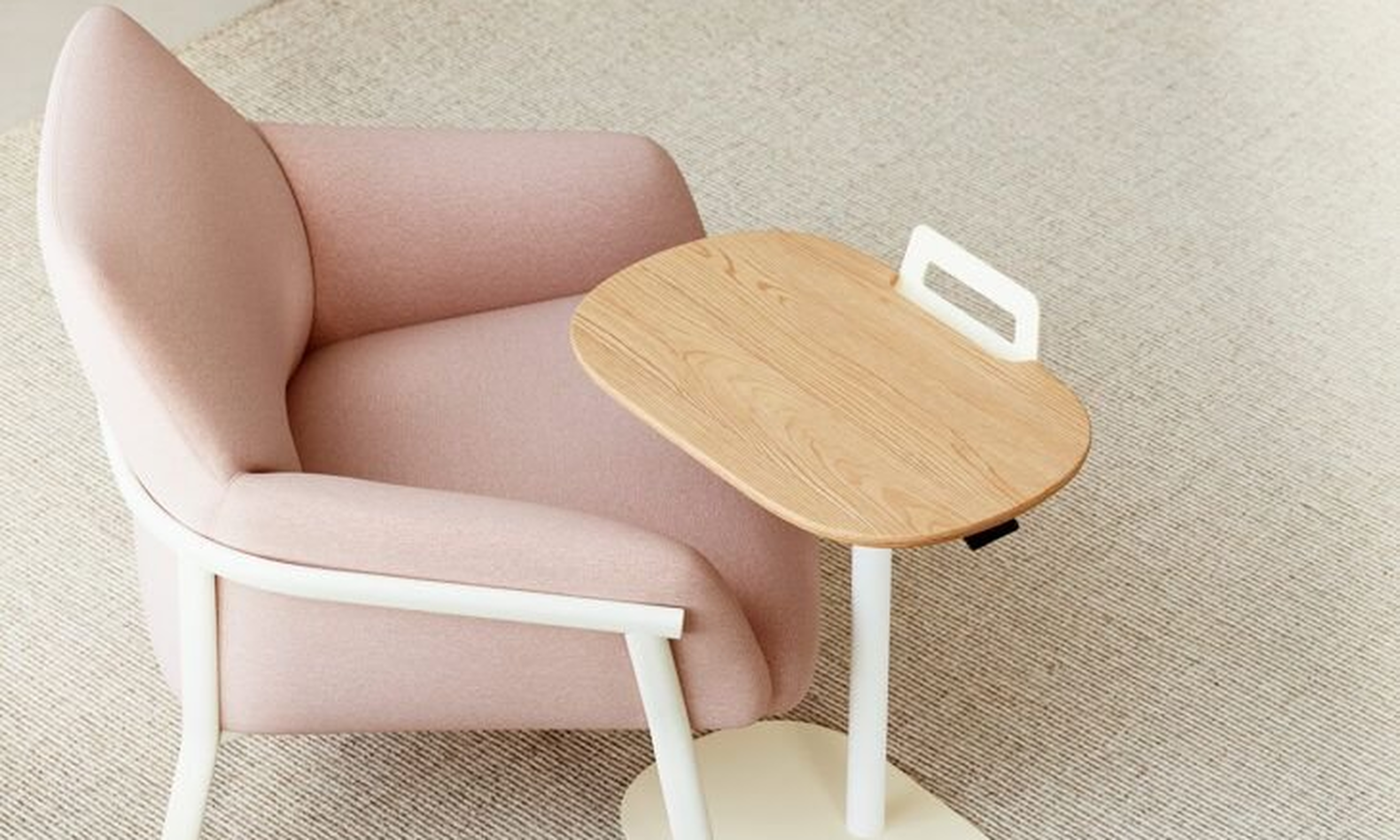
Arcadia’s Keeper collection offers versatile pull‑up tables with adjustable (19″‑31″) or fixed heights, integrated device holders, and various surface materials, designed for flexible workspaces such as lounges, education, and community settings, enhancing productivity and mobility while maintaining a compact footprint.
|
|  www.officing.com www.officing.com
|
|
|
|
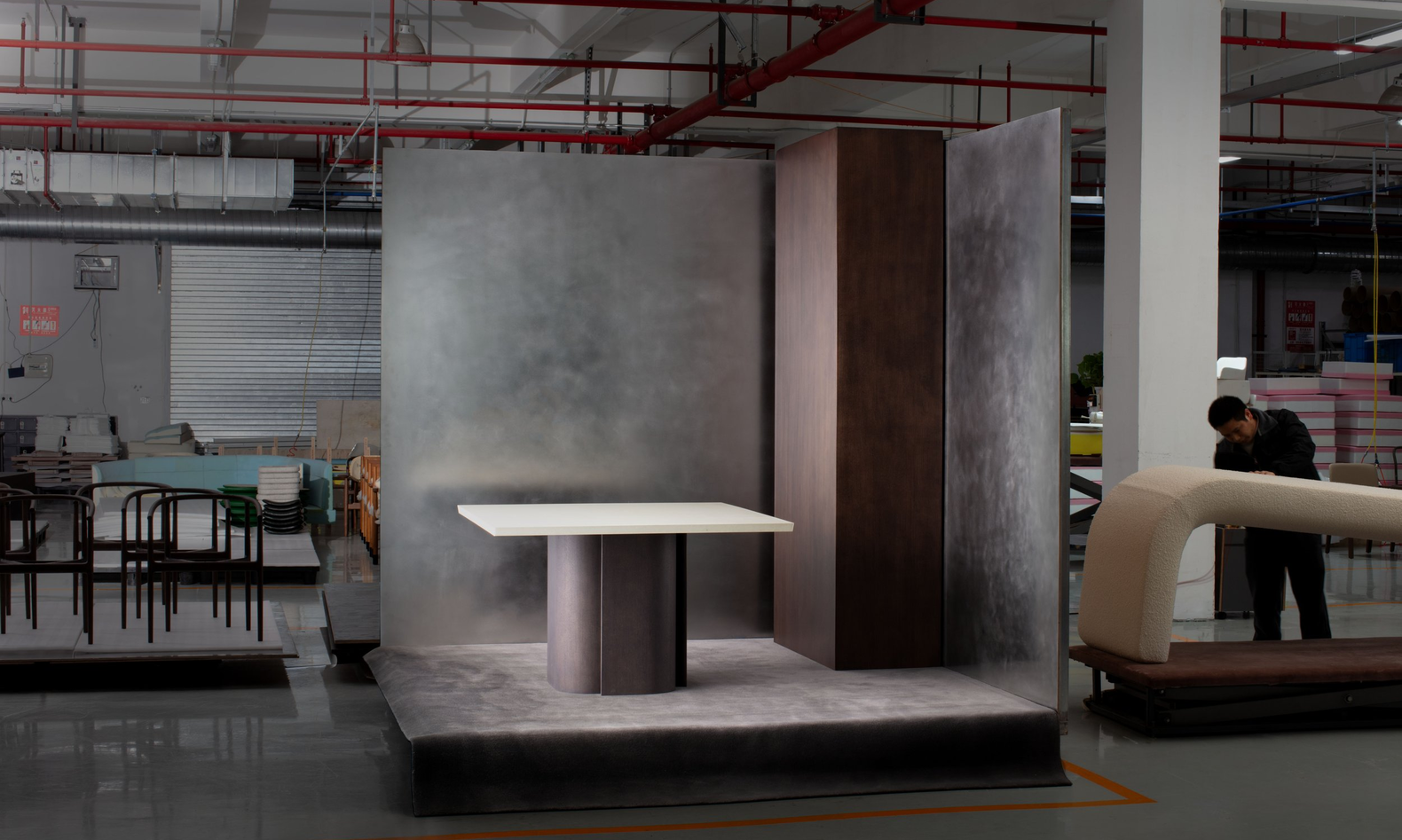
Stellar Works and Australian design studio LAYAN introduce the Arden collection, featuring a dining table that combines a translucent Washi paper tabletop with a solid oak and walnut base, creating a light yet sturdy aesthetic. The design balances architectural form, material contrast, and craftsmanship, aiming to serve as a central gathering piece that blends functionality with timeless hospitality appeal.
|
|  www.officing.com www.officing.com
|
|
|
|
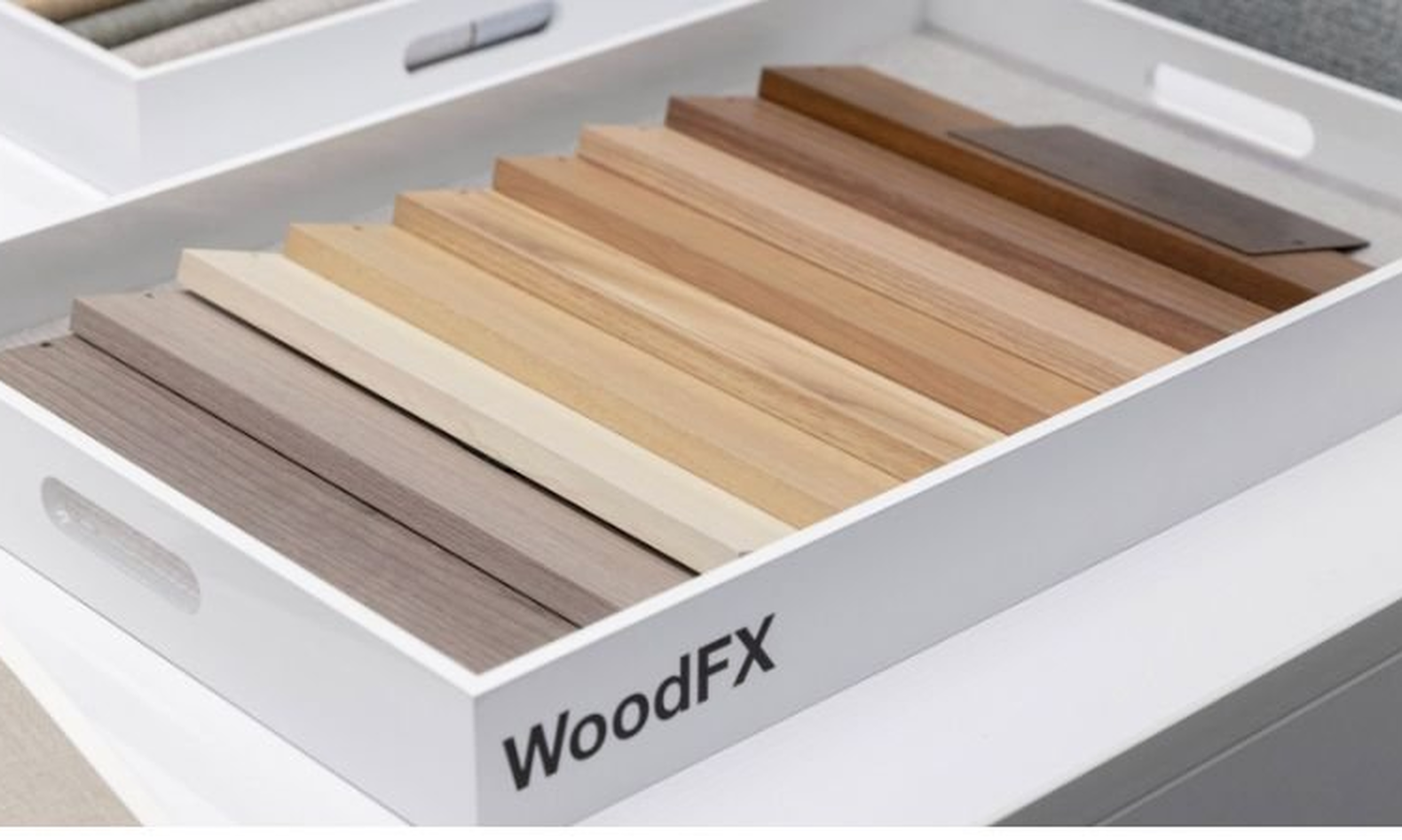
Fellowes Architectural Solutions expands its materials library, adding three new dark-tone premium paints (Bordeaux, Midnight, Dark Bronze) for Titan and Volo wall systems, introducing WoodFX wood‑look trims for Titan, and launching a partnership with Maharam to offer Type II wallcoverings in multiple patterns and colors, all aimed at enhancing design flexibility and durability in commercial interiors.
|
|  www.officing.com www.officing.com
|
|
|
|
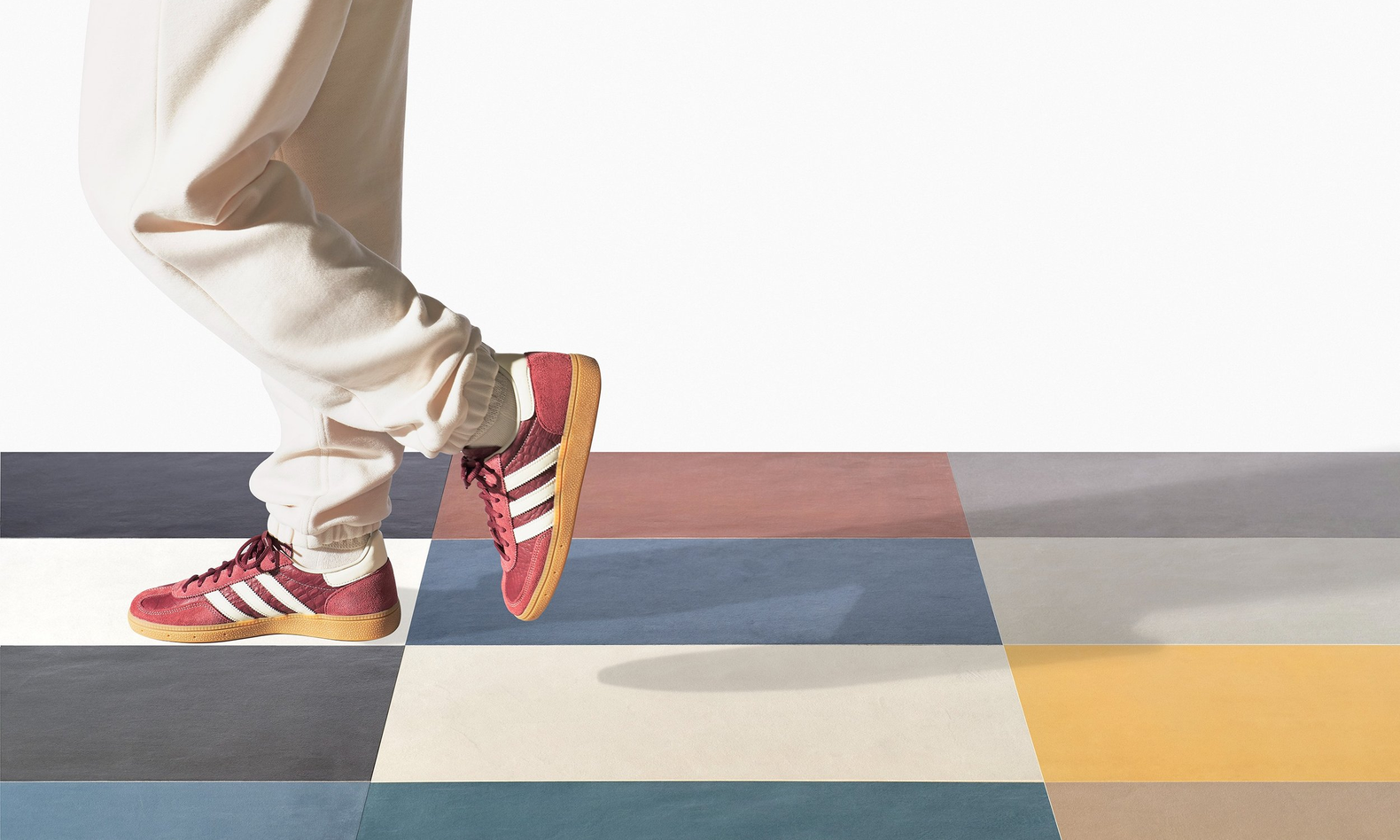
Shaw Contract launches Format + Fragmented, a new porcelain tile collection for commercial interiors featuring 12″ × 24″ concrete‑inspired field tiles and 24″ × 24″ layered terrazzo‑style tiles, available in multiple colorways and equipped with StrideGuard™ Matte Finish for slip resistance. The line emphasizes sustainability through reduced carbon emissions, circular‑economy practices, and supplier diversity, and is suited for education, workplaces, healthcare, government, and other high‑traffic environments.
|
|  www.officing.com www.officing.com
|
|
|
|
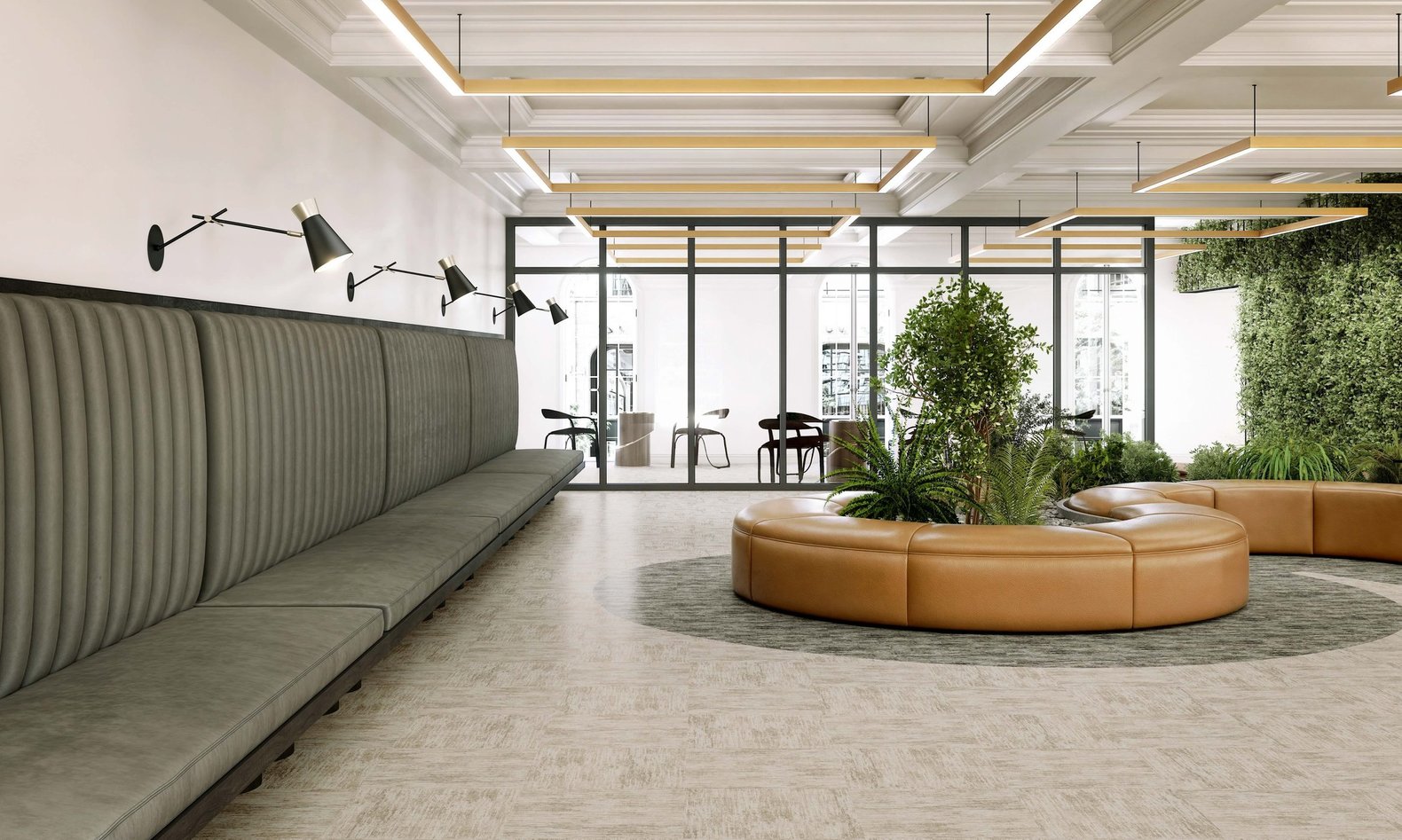
Roppe introduced the PixelArt™ Minimalist Collection, a printed rubber flooring line free of Red List chemicals, featuring 21 colorways, 50 cm digitally printed tiles, and a proprietary DiamondShield Pro coating that eliminates the need for harmful coatings. The product offers carpet‑like aesthetics with rubber’s durability, is certified by GreenGuard Gold, FloorScore®, and NSF/ANSI 332, supports LEED and WELL credits, and is recyclable through Roppe’s IMPACT Program. Targeted for healthcare, education, office, hospitality, and retail spaces, the collection includes coordinated wall base, stair tread, and accessories, and comes with a 20‑year limited commercial warranty.
|
|  www.officing.com www.officing.com
|
|
|
|
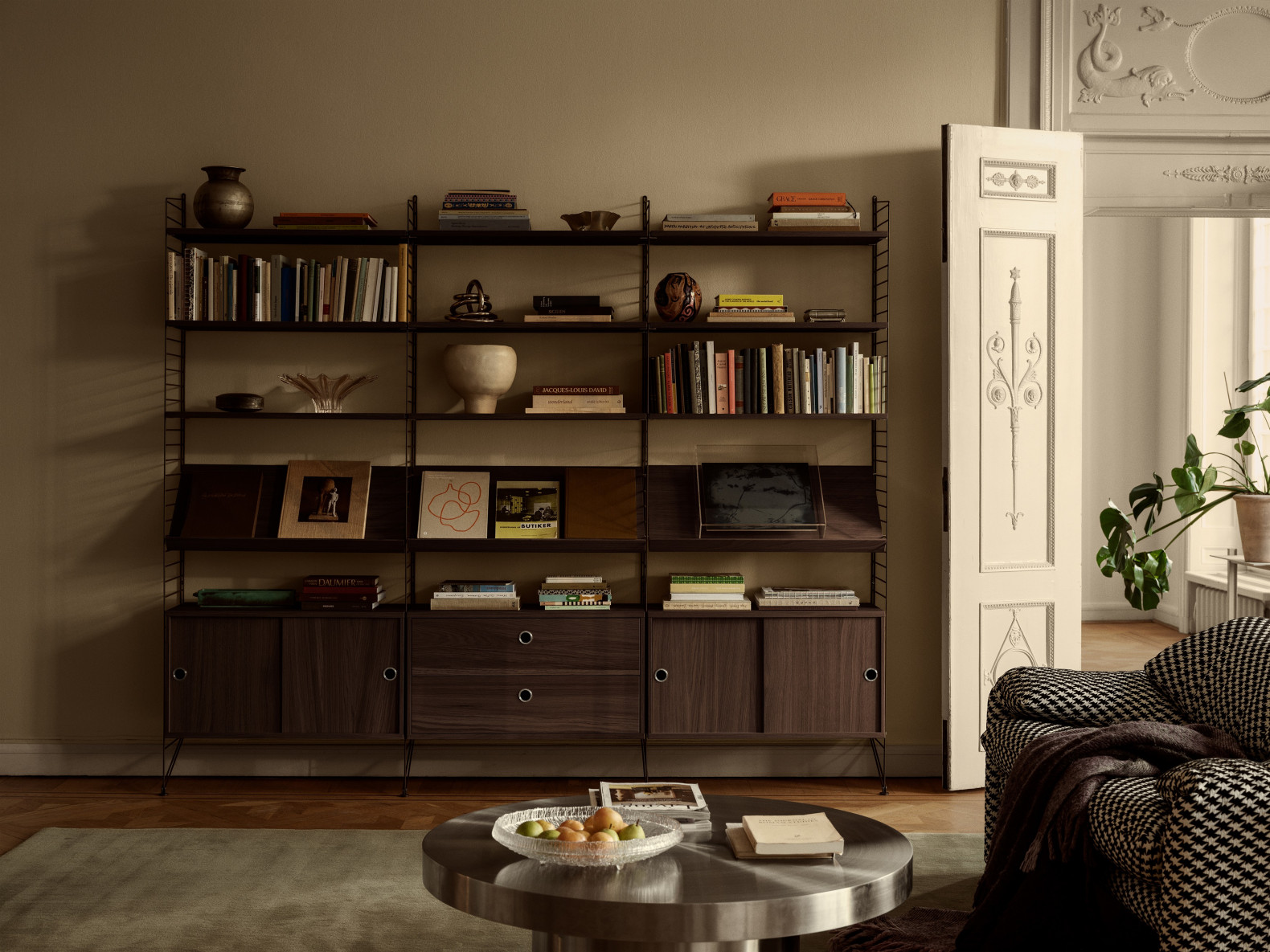
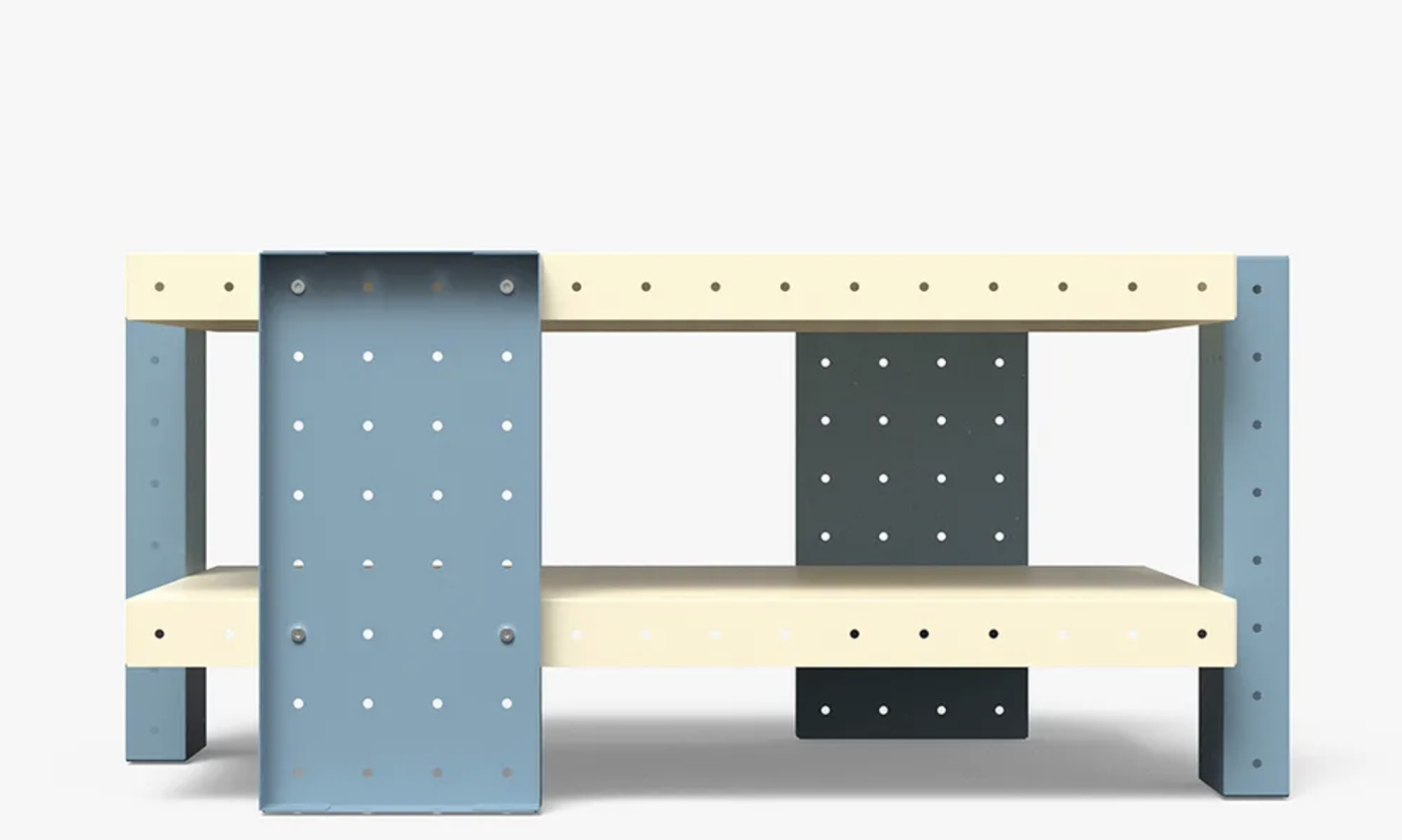
The Vienna-based design studio ante up expands into furniture with the modular brand “up the system,” created by designers Benedikt Stonawski and Hauke Unterburg. The collection emphasizes functional clarity, precise construction, and sustainable resource use, offering adaptable pieces—shelves, consoles, coat racks, side tables, and coffee tables—that can be reconfigured and expanded to meet changing living needs while promoting durability through flexibility. Production is carried out in Austria with regional partners.
|
|  www.stylepark.com www.stylepark.com
|
|
|
|
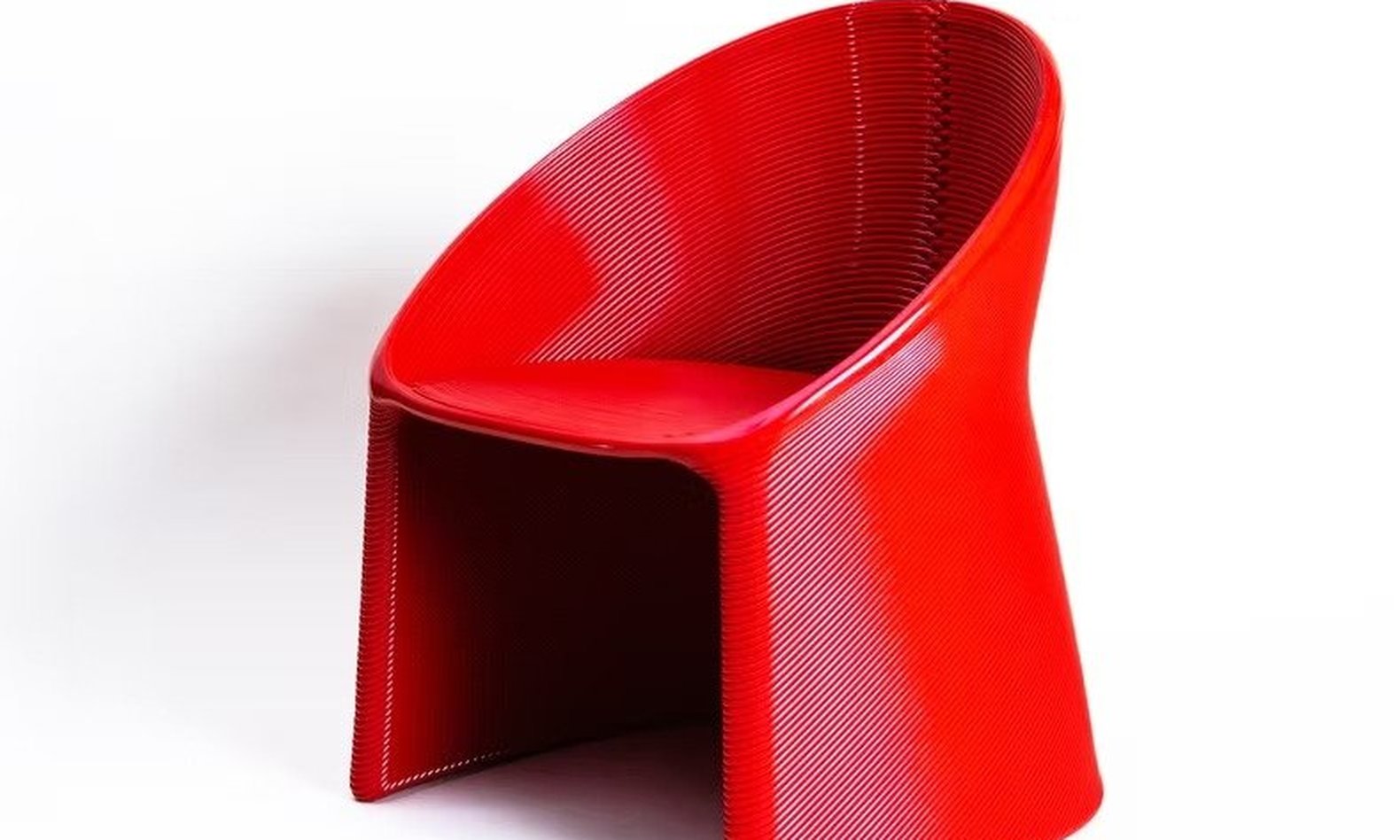
The Echo Chair, a 3D‑printed, continuously formed seat made from recycled PET plastic, was created by ZHA in collaboration with Nagami. It features a sculptural, curving form with four colour options and a ribbed surface, combining parametric design and large‑scale additive manufacturing. Displayed at London Creates, the chair exemplifies sustainable design by transforming waste plastic into a desirable, high‑end furniture piece.
|
|  www.dezeen.com www.dezeen.com
|
|
|
|
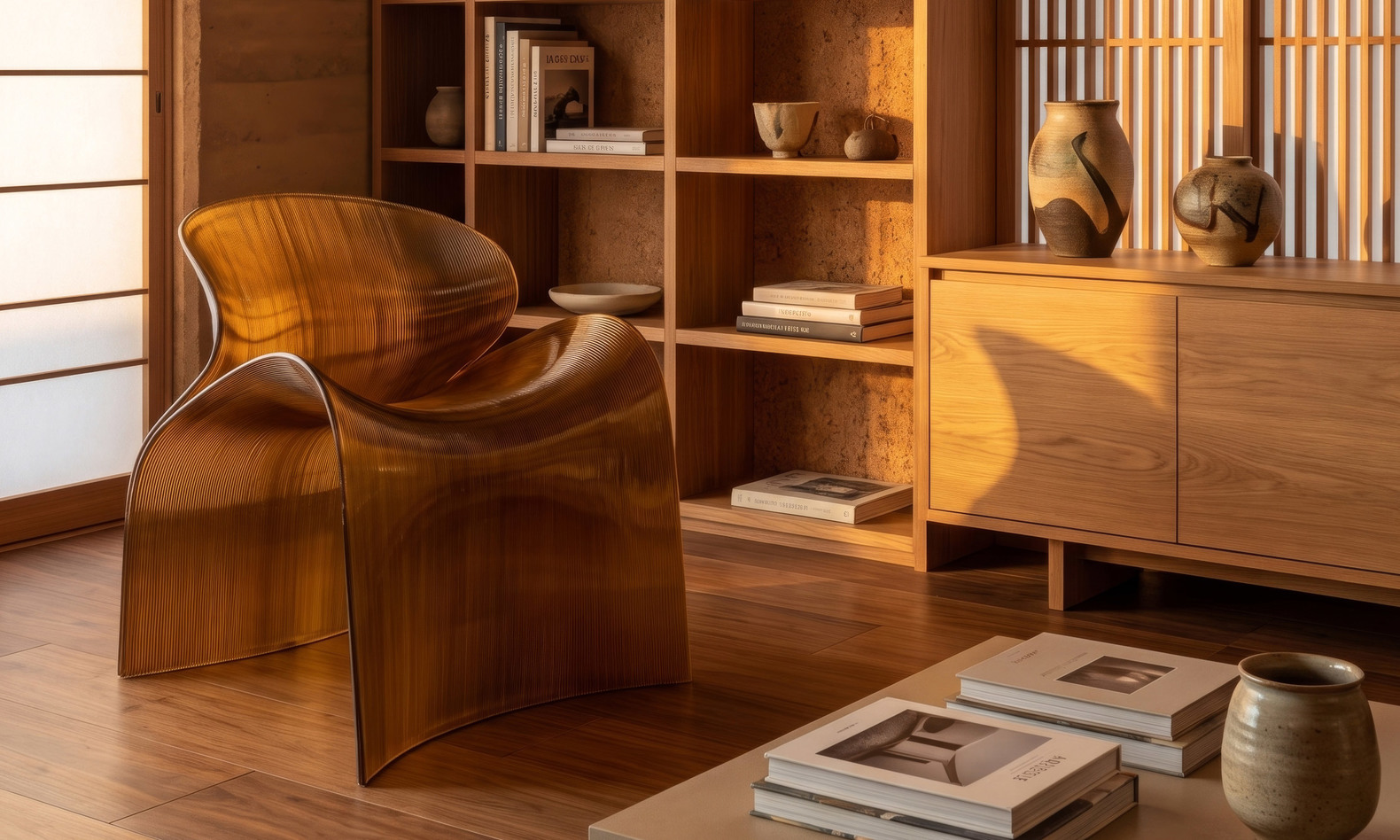
The chair, designed and fabricated by Decibel, is a sustainable, 3D‑printed piece made from Filaflex, a bio‑based, compostable filament that offers strong, stable structures and design freedom through large‑format additive manufacturing. It demonstrates how circular bio‑based materials and robotic printing can create ergonomic, durable furniture without relying on fossil‑based plastics, and the design has earned a SIT Furniture Design Award for its innovative approach.
|
|  www.core77.com www.core77.com
|
|
|
|
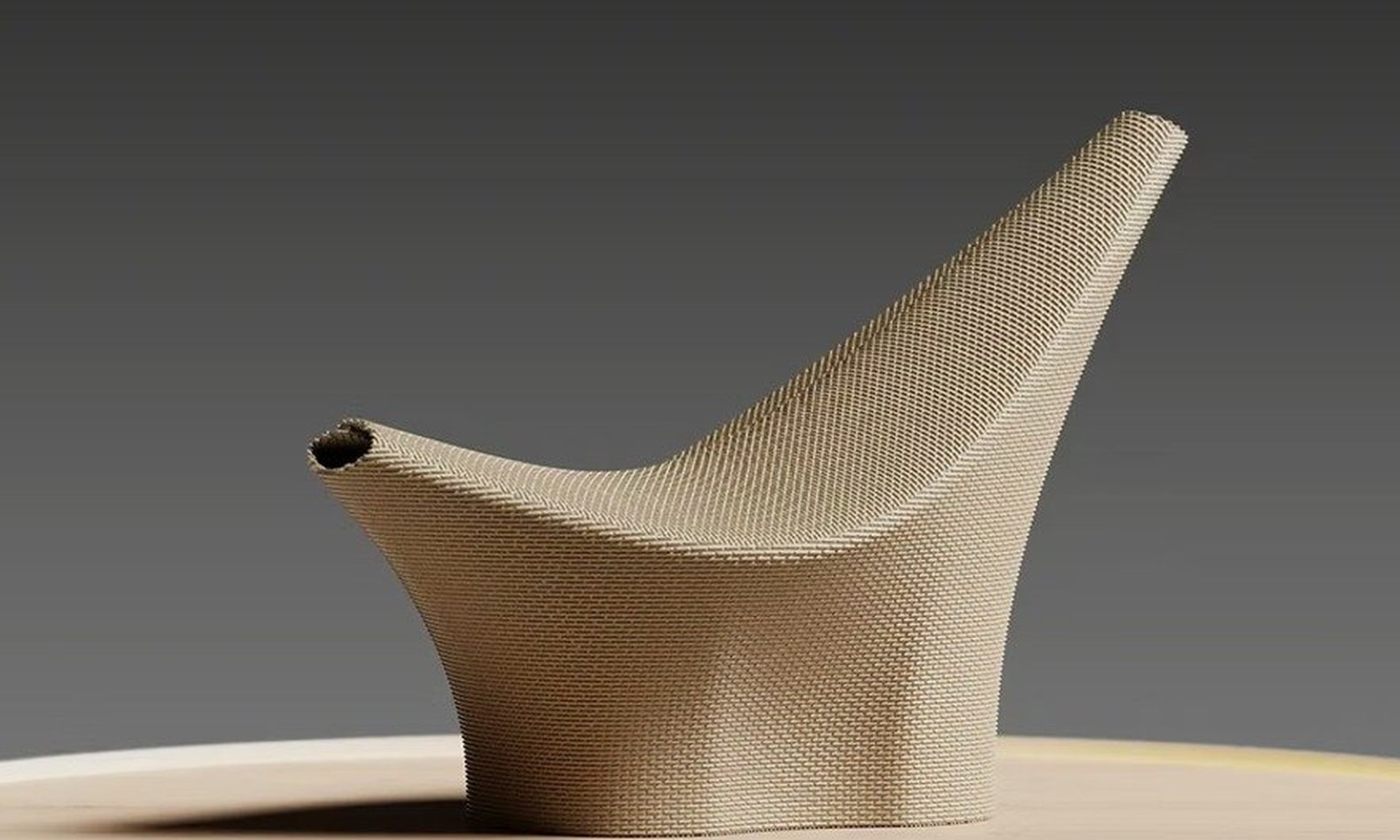
A 3D‑printed WA Stool by Kyoto’s Shinkogeisha blends 1970s Italian design with modern production, showcasing visible layered seams and a solid feel. Made from recycled polycarbonate sourced from automotive headlight lenses, it features limited small‑batch production through Japan’s Isetan department store, combining hand‑finished details with a unique, slightly crouched seating experience.
|
|  www.core77.com www.core77.com
|
|
|
|
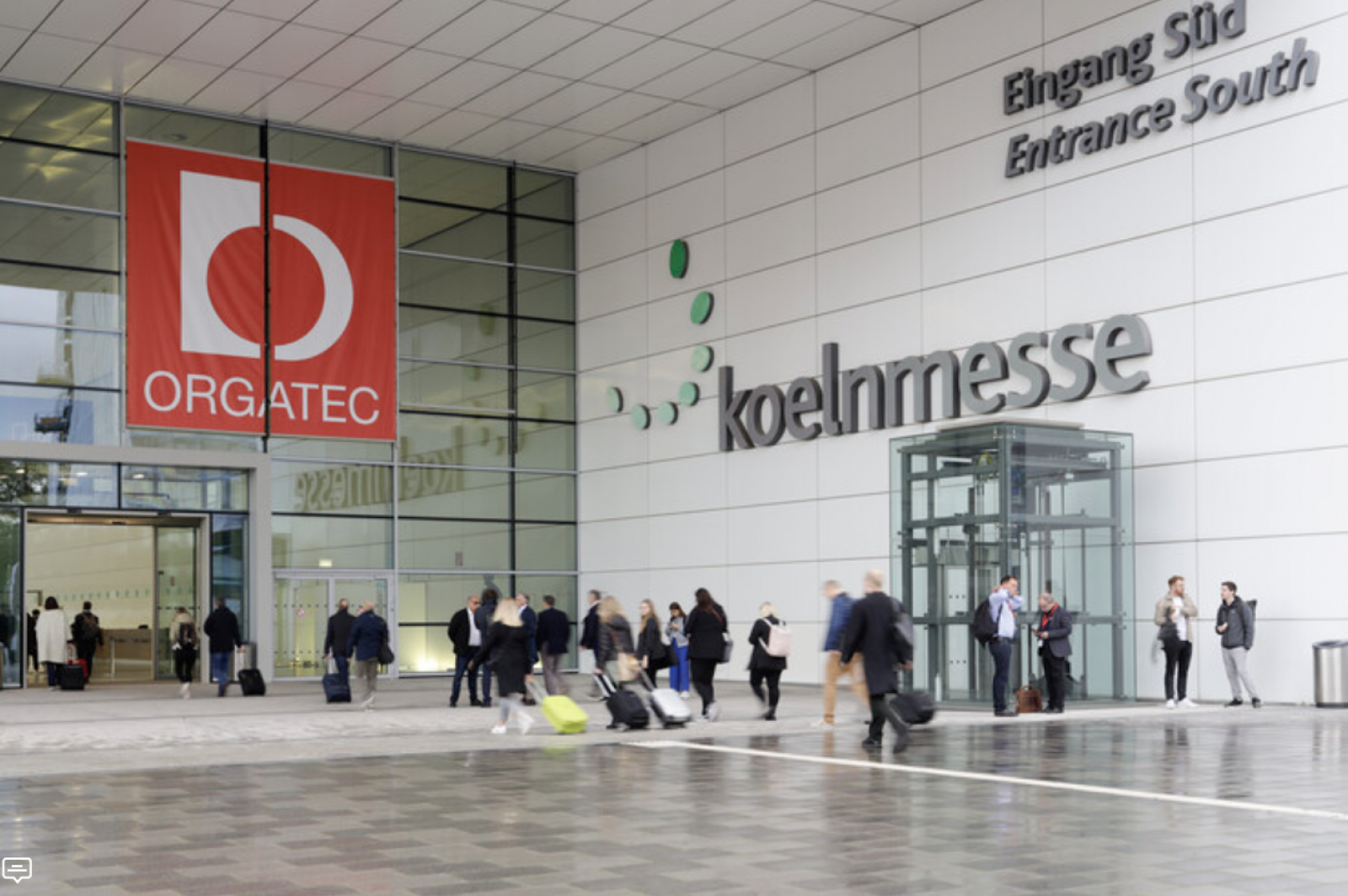
Orgatec 2026
October 27-30, 2026 | Cologne, Germany
ORGATEC is the global industry meeting point for everyone who is rethinking and shaping the worlds of work and contract. Every two years, leading brands, experts, and an international trade audience come together in Cologne. Under the guiding theme "From rooms to relationships: designing spaces in an ever-changing world", the focus is on people – and on how spaces in times of change are redefined.
|
| |
|
|
|
NeoCon 2027 / DesignDays 2027
June 13-16, 2027 | Chicago, IL
NeoCon has served as the world’s leading platform and most important event of the year for the commercial design industry since 1969. A launch pad for innovation—NeoCon offers ideas and introductions that shape the built environment today and into the future. For 2027 NeoCon is officially a 4-day event beginning on Sunday, June 13, 2027.
|
|
|
|
|
|
|
Trends in Commercial Projects
|
|
|
|
|
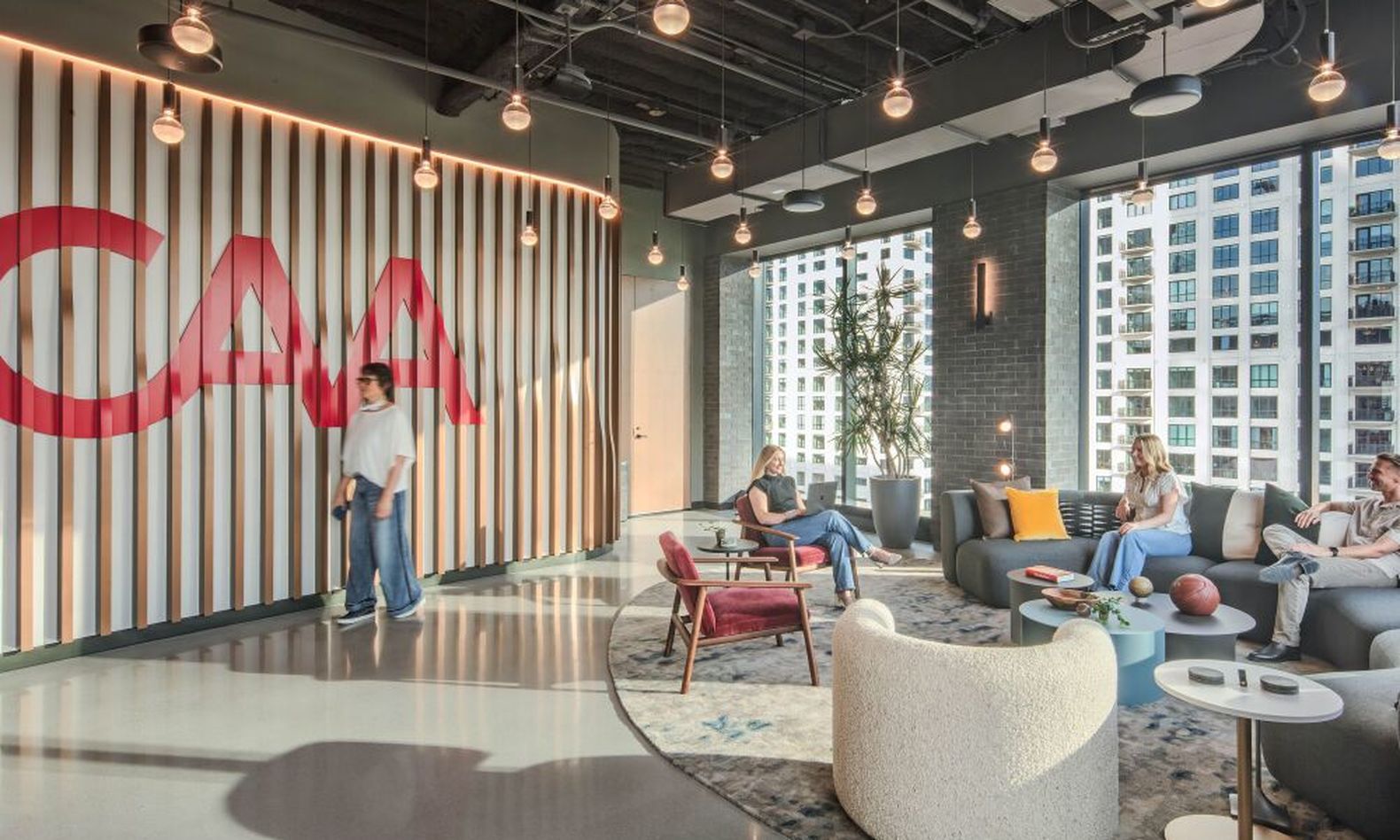
Creative Artists Agency (CAA) has unveiled its new Nashville Yards office, designed by CannonDesign to create an experience‑driven workplace that blends legacy with forward momentum. The space features innovative zones such as hospitality areas for artists and athletes, speakeasies, a game lounge, terraces, creative lounges, and dedicated recording and content‑capture studios, fostering collaboration, connectivity, and inspiration.
|
|  www.cannondesign.com www.cannondesign.com
|
|
|
|
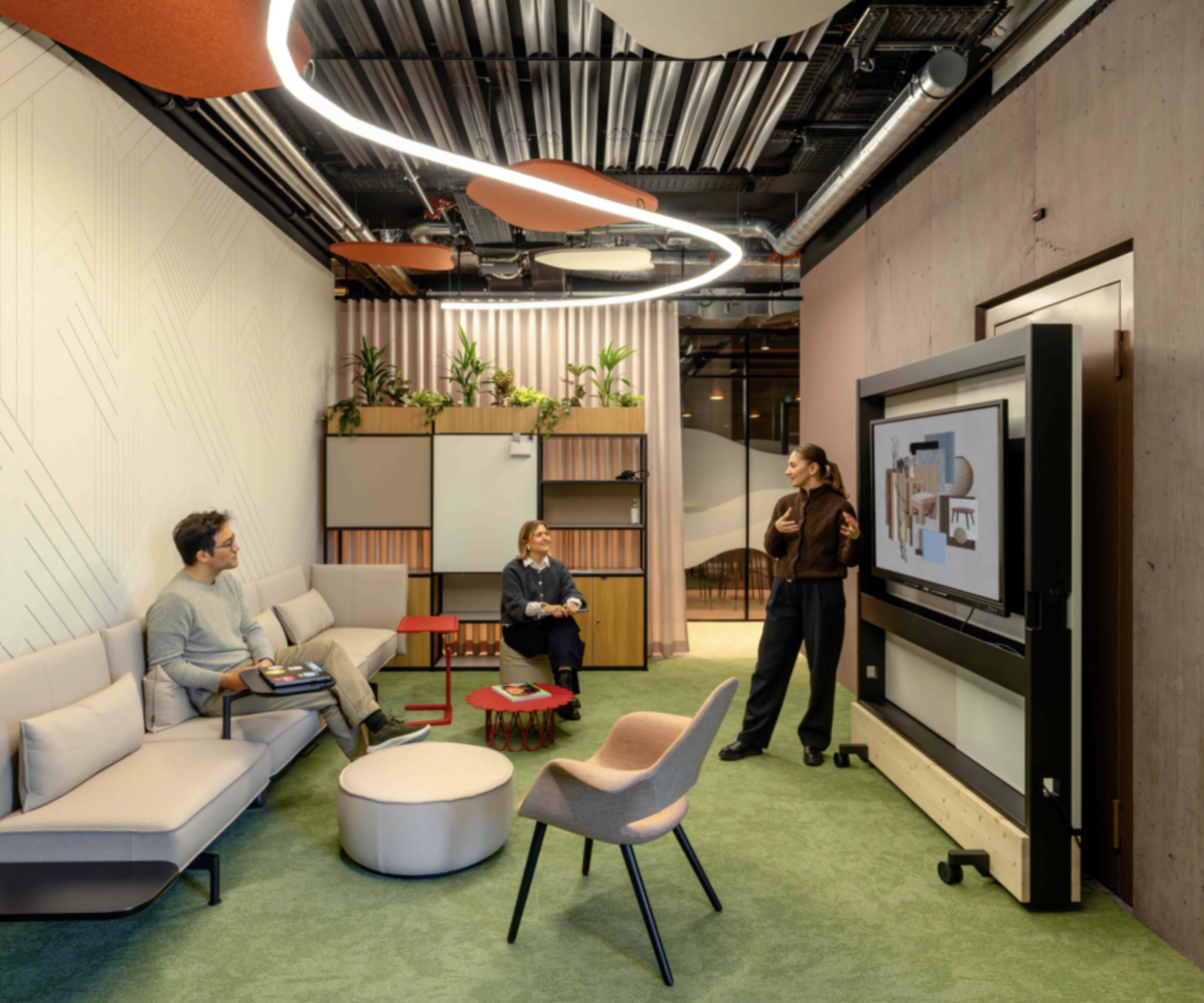
Studio Banana transformed Henkel’s Basel office into a vibrant, multifunctional workplace that blends the brand’s culture with innovative design, featuring flexible work zones, dynamic colour palettes, custom acoustic and lighting solutions, and local Basel references to enhance collaboration, wellbeing, and a sense of belonging.
|
|  officesnapshots.com officesnapshots.com
|
|
|
|
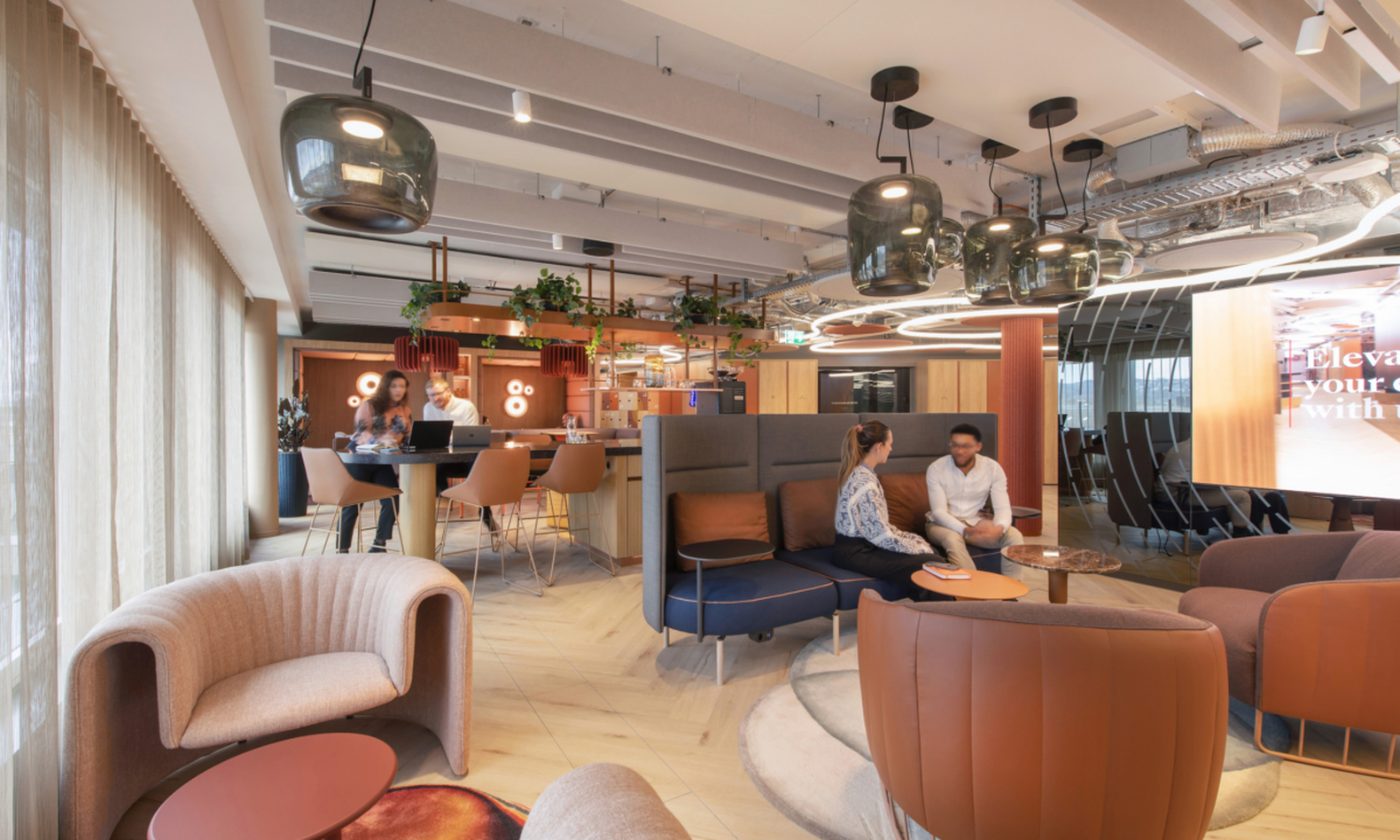
Evolution Design’s new Zurich office for MS Reinsurance translates the insurer’s brand values—trust, collaboration, and a people‑centred approach—into a dynamic workspace across four floors. The design uses a sun‑inspired visual concept with colors, materials, and graphics that convey consistency, reliability, and growth, creating varied environments such as team neighborhoods, quiet focus areas, and informal meeting spaces that support both individual work and collaborative culture.
|
|  officesnapshots.com officesnapshots.com
|
|
|
|
A flexible workspace designed by SODA Studio for Landsec, MYO King’s Cross unites three historic buildings—Printworks, Glasshouse, and the Grade II‑listed Stables—into a cohesive campus featuring adaptable offices, wellness facilities, and event spaces, while preserving heritage elements and incorporating sustainable design collaborations.
|
|  www.onofficemagazine.com www.onofficemagazine.com
|
|
|
|
Zack Davenport, a seasoned product and brand designer now serving as Senior Design Director at Brilliant.org, shares insights into his workspace and routines, highlighting a blend of professional tools like an Epson Ecotank printer, Pomodoro timer, and label maker, alongside personal touches such as a framed Jalen Brunson New Yorker cover and Lego letterpress supplies. He emphasizes the importance of a tidy environment for focus, using a “resetting the room” habit, and relies on his FlipPhone app to reduce screen time, illustrating how his organized, multi‑functional setup supports both his design work and family life.
|
|  workspaces.xyz workspaces.xyz
|
|
|
|
|
Ware Malcomb Names Marian Morioka Director, Interior Architecture & Design in San Francisco Office
|
|
Marian Morioka joins Ware Malcomb as Director of Interior Architecture & Design in San Francisco, bringing over 30 years of experience in corporate, hospitality, and commercial interiors; she will lead the studio’s growth, client satisfaction, and project performance, leveraging her expertise in strategic planning, creative direction, and project delivery.
|
| |
|
|
|
|
Introducing Spaces to Lesro.com
|
|
Lesro has launched a new “Spaces” section on its website to showcase inspirational installations and design ideas across four categories—Healthcare, Education, Corporate, and Common Areas—highlighting featured projects, case studies, and versatile furniture arrangements. The page invites visitors to explore these curated spaces, offering links to each category and encouraging users to draw inspiration for their own design projects.
|
| |
|
|
|
The writer vents frustration about a volatile boss at a MillerKnoll dealership, describing erratic behavior, mixed perceptions from staff and customers, and rumors about the business being for sale. Stephen’s response acknowledges the boss’s quirks, explains how success can create echo chambers, and advises the employee to focus on their own career path—considering whether to stay, buy in, or move on—rather than hoping the boss changes.
|
| |
|
|
|
Open Plan Systems is seeking an accomplished National Sales Director to lead strategic growth across the United States by expanding the company’s dealer network, strengthening key contract relationships, and identifying new market opportunities. This high-impact role is ideal for a proven sales executive with deep contract furniture industry experience, strong partnership-building skills, and the ability to combine strategic vision with hands-on execution to deliver measurable revenue growth.
|
| See Job Opening > |
|
|
|
|
|