In this issue… ergonomic support for students, improving furniture demand, and MillerKnoll’s workplace culture point to cautious industry momentum, while office markets show a split recovery led by AI companies, flexible workspace providers, premium towers, Manhattan leasing strength, and tenant flight to quality. Contractors face rising costs and shrinking backlogs, while DOGE lease savings claims come under scrutiny. Features explore AI’s role in making offices more collaborative, new aesthetics in design, and digital workflows that reduce waste. Workspace stories cover flex-office expansion, workplace well-being, food perks, and posture concerns, while trends spotlight healthcare environments and the persistence of gray interiors. Product coverage highlights new lighting, acoustic, seating, and inclusive furniture solutions from Sabin, Landscape Forms, Unika Vaev, Arcadia, and Hightower.
|
| |
|
|
|
San Francisco’s office market is gaining momentum as AI companies now occupy about 10% of the city’s office space, totaling 8.5 million sq ft, with an additional 2.4 million sq ft slated for 2026. Growth has surged from 23 AI firms in 2022 to roughly 413 today, driven by major players like Anthropic and OpenAI. Demand includes over 2 million sq ft for new space, especially for research and development facilities, prompting a shift of R&D activities from the Peninsula into the city. This influx provides a boost to a market struggling with high vacancy rates, influencing landlords to adapt buildings for larger floor plates, higher power capacity, and flexible, tech‑focused layouts.
|
| Read more > |
|
|
|
U.S. small‑business optimism reached an 11‑month high in July, with the NFIB index climbing to 99.8, while owners’ uncertainty grew due to the Iran war and labor shortages. Hiring plans surged, but 36% of job openings remained unfilled, marking the highest level since June 2025. Labor quality and availability emerged as the top concern, outpacing inflation, which fell to a 14% relevance.
|
| |
|
|
|
“The data center boom masks the depth of this weakness, as there is a lack of momentum in any other segmen.”
- Anirban Basu, ABC Chief Economist, commenting on the current state of new building construction and inflation in building material prices.
|
| |
|
|
|
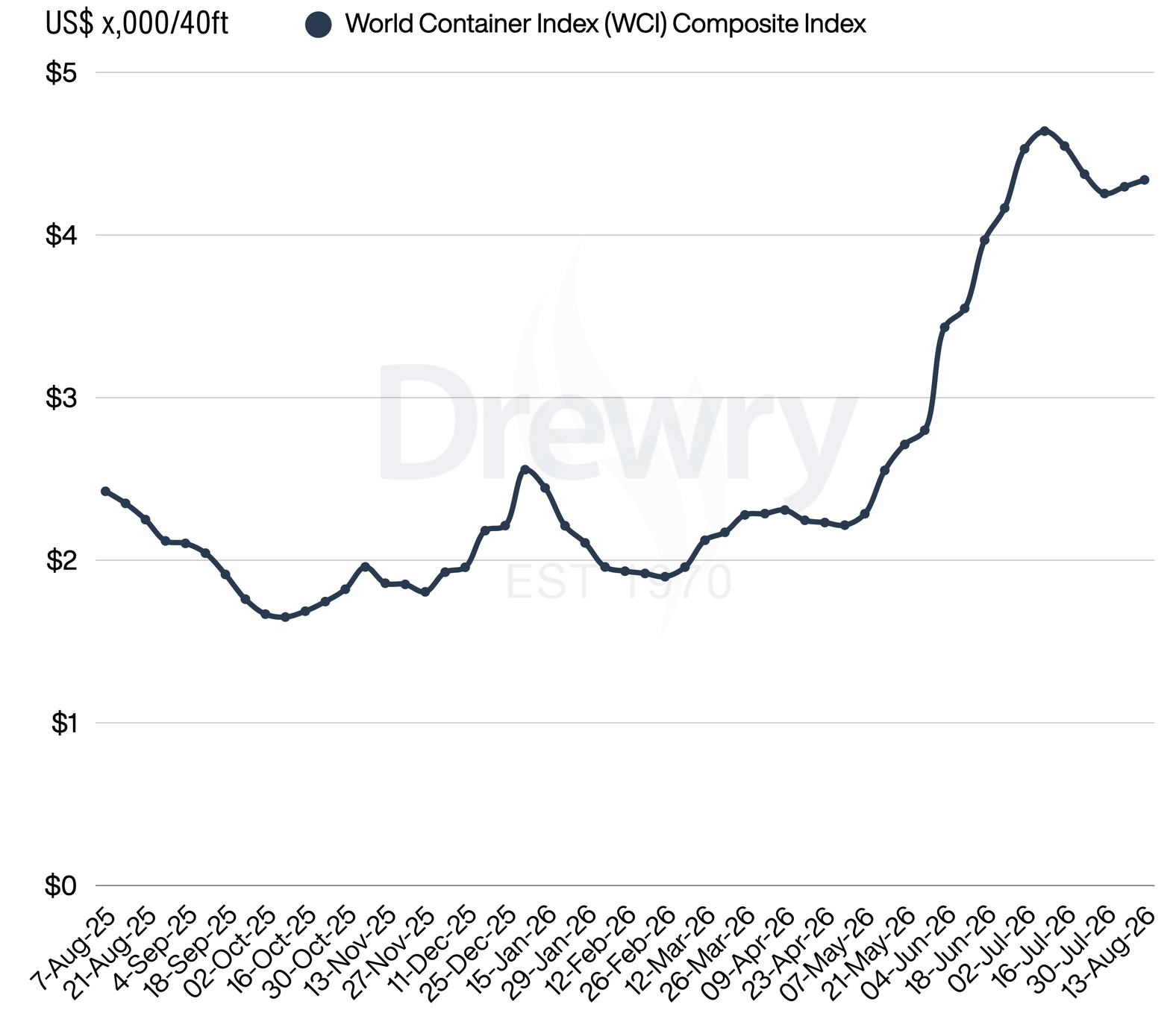
World Container Index - August 13, 2026
|
|
$4,339 per container. WCI rises for the second consecutive week.
|
|
|
|
|
|
The Aeron Used Chair Index
The price of a used Aeron Chair in the SF Bay Area as computed by Craigslist on August 14, 2026 - US $627 (-4.6%) Last week: US $657
The price of a used Aeron Chair in the Chicago Area as computed by Craigslist on August 14, 2026 - US $675 (-3.2%) Last week: US $696
The price of a used Aeron Chair in the Manhattan as computed by Craigslist on August 14, 2026 - US $521 (-0.8%) Last week: US $525
|
| |
|
|
|
Office expansion remained strong in the first half of 2026, driven mainly by flexible workspace providers and AI companies. Flex operators accounted for 78% of their deals involving additional space, while AI firms represented 17% of technology-sector transactions and were responsible for most of the growth in that segment. Expansion made up 58% of the 10 largest deals across 42 markets, with notable activity in San Francisco, Seattle, and London’s West End. In contrast, professional services and legal/financial firms showed more cautious behavior, focusing on renewals or smaller expansions, though some large leases—such as Bank of America’s 2.4 million‑square‑foot deal—still occurred. Overall, demand for prime office space stayed robust, especially among flex operators and AI occupiers.
|
|  allwork.space allwork.space
|
|
|
|
|
MillerKnoll Earns Third Straight Great Place to Work Certification
|
|
MillerKnoll has been certified as a Great Place to Work in the United States for 2026–27, the global design company announced Thursday, extending its streak to three consecutive years.
The certification, awarded by workplace-culture authority Great Place to Work, is based on validated feedback from a representative sample of U.S.-based employees. MillerKnoll said its score has improved in every category since it first received the designation, including credibility, respect, fairness, pride and camaraderie.
MillerKnoll, the parent company of Herman Miller, Knoll, Design Within Reach, HAY and Muuto, among other brands, pointed to a range of programs aimed at building employee connection and leadership development. Those include an annual Global Day of Purpose for community volunteering, employee-led Business Resource Groups and development programs for manufacturing employees and emerging leaders.
The company also highlighted its Watercarrier program, which recognizes workers with at least 20 years of service. More than 2,000 employees have received the designation.
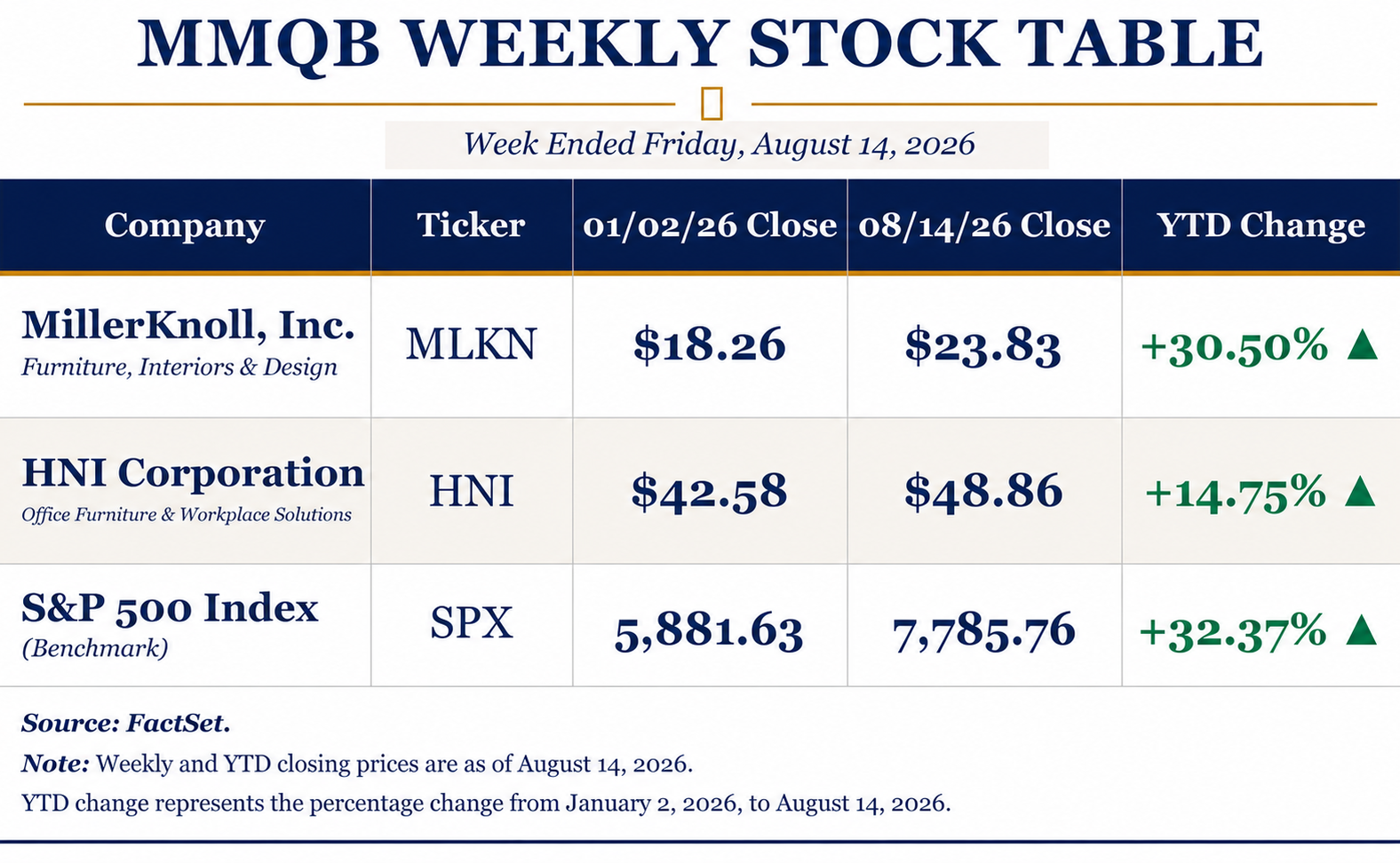
MillerKnoll generated $3.8 billion in net sales in fiscal 2026. The company’s latest certification follows workplace-culture recognition from Forbes, Fortune, Newsweek and TIME.
|
| |
|
|
|
|
Residential Furniture Orders Gain in May, Offering a Cautious Read-Through for Contract
|
|
New orders among participants in Smith Leonard’s residential furniture statistics program rose 13% in May from April and 8% from a year earlier, providing another indication that demand may be finding firmer footing after a mixed start to 2026.
Year-to-date new orders were up 2% from the same period last year. May shipments were flat from April and up 1% year over year, leaving year-to-date shipments flat. Backlogs increased 5% both sequentially and from May 2025.
The results are an encouraging datapoint for furniture investors, but they are specifically about residential furniture—not contract furniture. The two markets operate on different demand drivers: residential demand is more directly tied to consumer confidence, housing turnover, mortgage rates and discretionary spending, while contract demand depends more heavily on corporate office activity, commercial construction and institutional budgets.
Still, improving residential sales can matter for the broader furniture outlook. A sustained pickup in consumer demand often accompanies healthier contract trends, even if the timing and magnitude differ. For now, Smith Leonard’s figures suggest the residential side is improving, but do not establish a comparable recovery in contract furniture.
The broader backdrop remains uneven. The Conference Board’s Consumer Confidence Index fell 1.4 points to 90.8 in July, while its Expectations Index held at 74.7—below the level commonly associated with recession concerns. Existing-home sales fell 2.4% in June from May but rose 2.8% from a year earlier, while new-home sales increased 1.6% sequentially but remained down 5.6% year over year.
Smith Leonard said year-over-year orders have now increased for two straight months, the first such streak since June and July 2025. Tariffs remain a significant uncertainty after new rates took effect in late July, though the firm said recent earnings reports from public furniture companies have generally been positive.
The question heading into the rest of the summer is whether May’s orders growth becomes durable enough to translate into shipments—and whether residential momentum ultimately broadens into the contract market.
|
| |
|
|
|
Finnish office furniture manufacturer reported a net loss of EUR 1 million in the second quarter as revenue dropped 41% year-over-year, missing analyst expectations.
The company’s quarterly revenue reached EUR 14.50 million, falling short of the EUR 18 million consensus estimate from one analyst. The loss per share stood at EUR 0.26, while adjusted EBIT came in at negative EUR 1.60 million.
Martela attributed the weak performance to significantly lower demand in the Nordic region, where customer uncertainty and project postponements reduced order intake.
The company said the market for large office projects remained clearly below the level of the comparison period, with smaller average project sizes further impacting revenue.
The operating result turned negative during the quarter, primarily due to the sharp decline in revenue compared to the same period last year.
For the full year 2026, Martela forecasts revenue between EUR 66 million and EUR 73 million. The company expects its comparable operating result to range from negative EUR 1 million to negative EUR 3 million.
Martela does not anticipate demand in its main markets to strengthen before the end of 2026.
|
|  www.investing.com www.investing.com
|
|
|
|
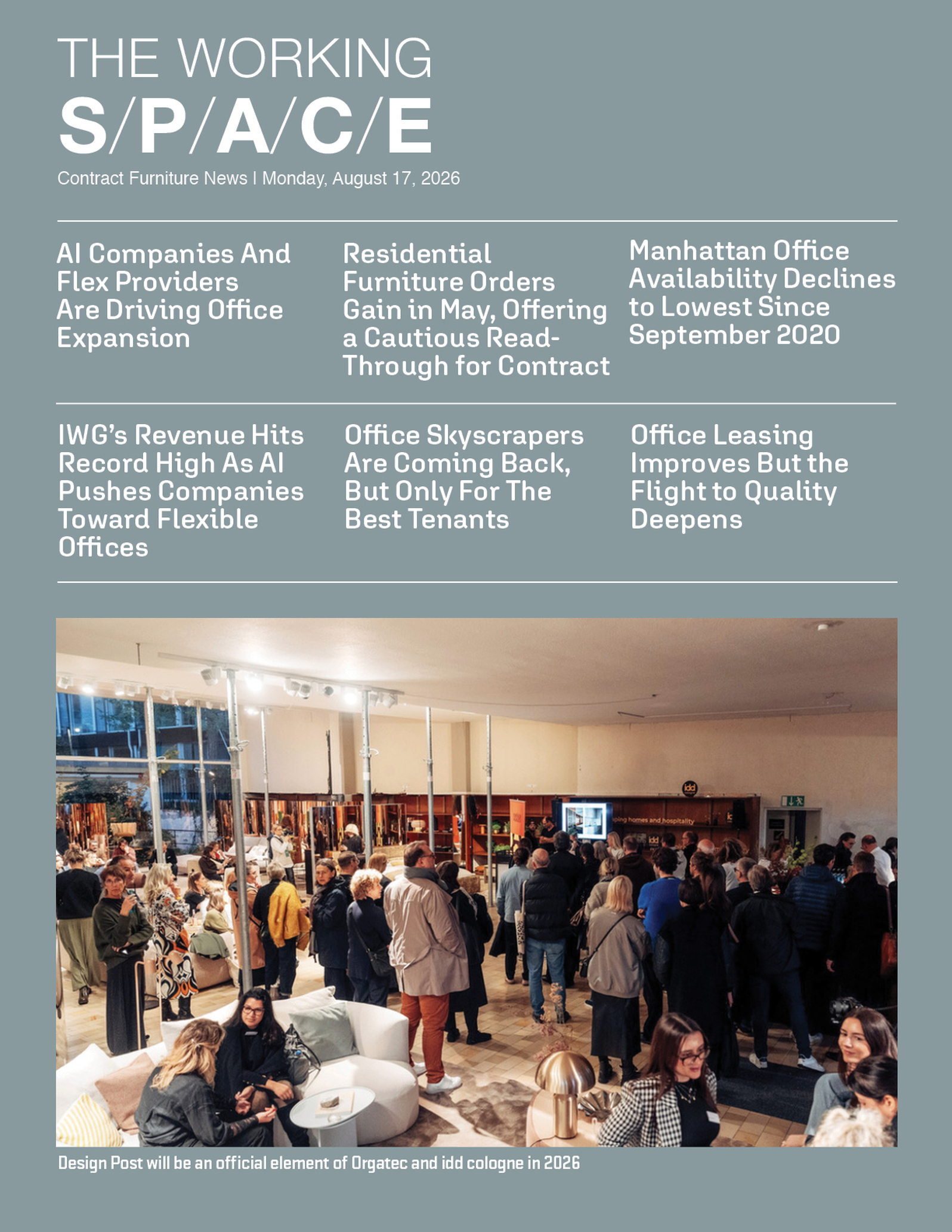
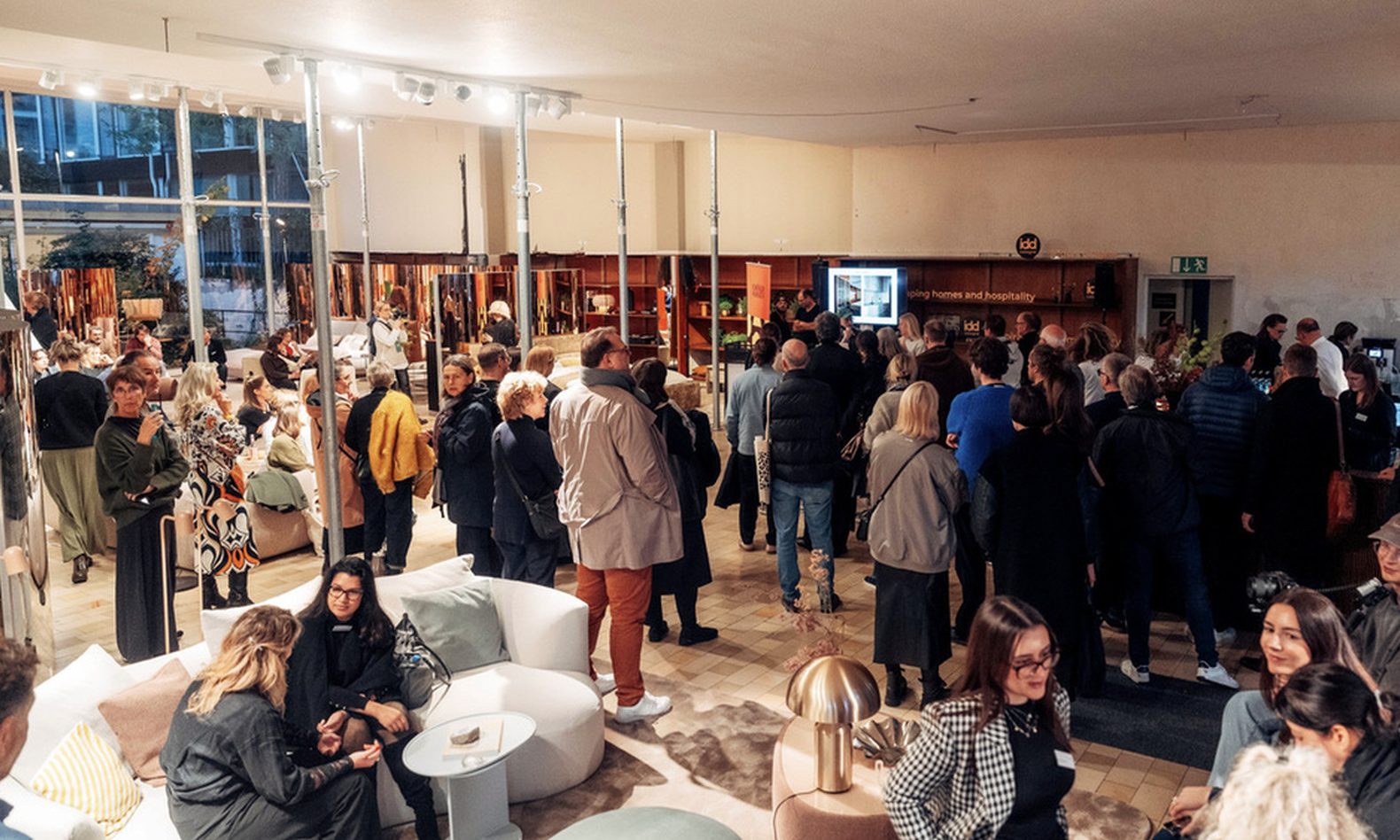
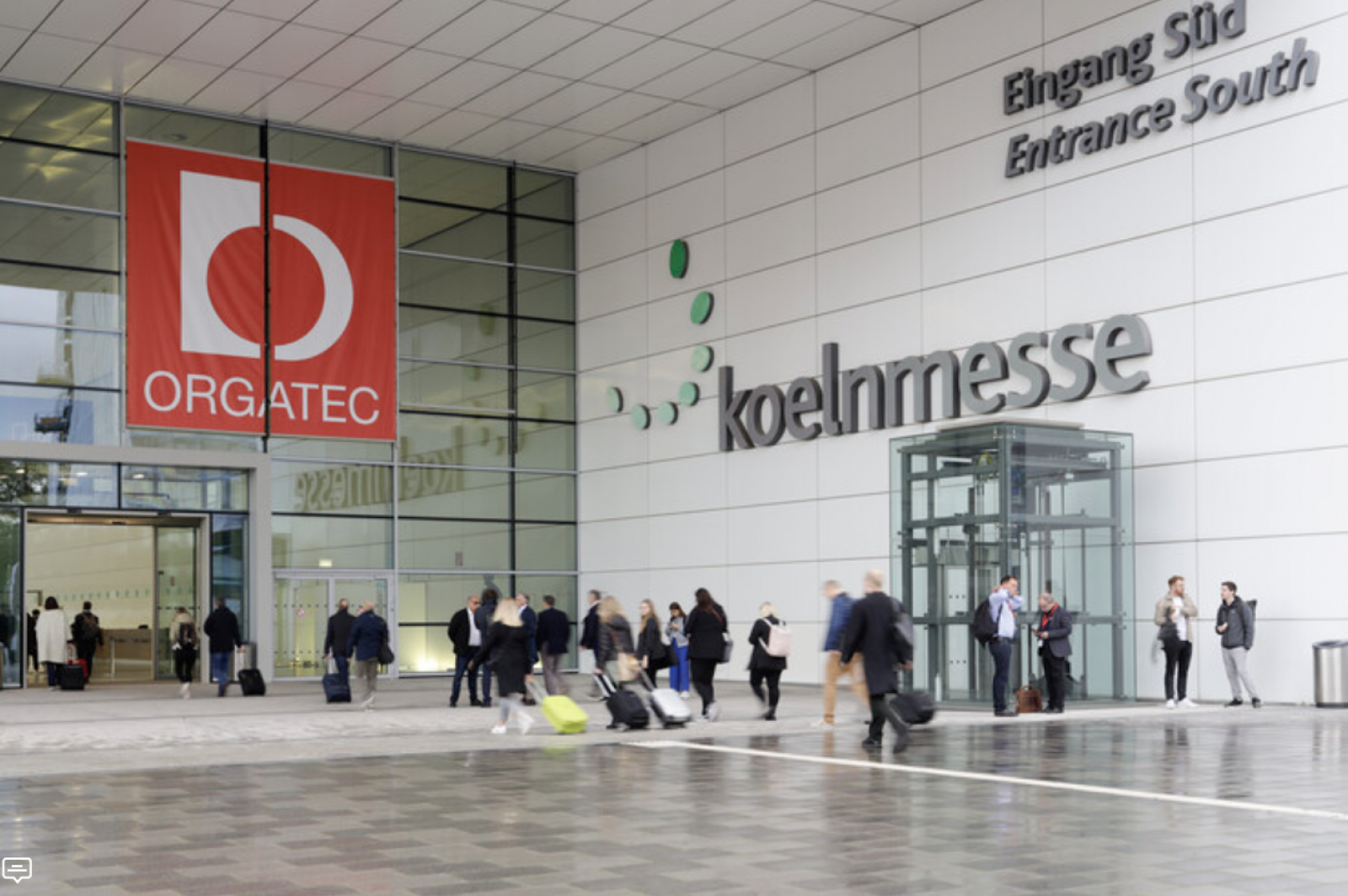
Design Post will become an official element of both ORGATEC and idd cologne in 2026, serving as an additional exhibition location that links modern work, contract solutions, and residential interior design. The partnership expands the interiors week, offering a diverse range of international brands, new networking opportunities, and an urban‑only concept hub. Koelnmesse will take over operation of Design Post on 1 January 2027, integrating it permanently into its trade‑fair architecture.
|
|  www.interiordaily.com www.interiordaily.com
|
|
|
|
IWG added a record 728 locations in H1 2026, boosting managed and franchised sites—now 22% of revenue—and driving an 84% rise in recurring fees. AI‑driven uncertainty is increasing demand for flexible workspace, prompting companies to seek adaptable office solutions. IWG maintains its 2026 adjusted core profit forecast of $585 million to $625 million while expecting lower overhead costs in the second half.
|
|  allwork.space allwork.space
|
|
|
|
Manhattan office vacancy has dropped to its lowest level since September 2020, driven by a surge in leasing activity—signings rose 22.1% month‑over‑month to 3.87 million sf, with Midtown leading at an 80.8% increase. Major leases include Anthropic’s 465,630 sf deal in Midtown South, followed by NBCUniversal Media and Aon. Availability shrank to 66.24 million sf, and sublet space fell to 10.11 million sf, both at multi‑year lows. Average asking rents climbed 5.5% YoY to $79.47 per sf, while total net absorption reached 1.87 million sf.
|
|  www.globest.com www.globest.com
|
|
|
|
Major companies are committing to new office skyscrapers to secure limited high‑quality space in key U.S. markets, driving a modest resurgence in office construction despite overall vacancy and financing challenges; large tenants like Sidley Austin, American Express, Citadel, and Deloitte act as anchors that enable financing and higher rents, while developers must meet strict pre‑leasing and financial requirements, leaving many projects unbuilt.
|
|  allwork.space allwork.space
|
|
|
|
Office leasing is gaining momentum, with national leasing volume up 9.1% YoY and vacancy falling to 19.9%, yet growth is concentrated in high‑quality, newer buildings while older assets face tougher competition. Demand has spread to more markets, but overall leasing remains about 30% below pre‑pandemic levels, and space per employee has declined. Limited new construction and a shift toward better‑located, well‑equipped properties intensify the flight‑to‑quality dynamic, and rising tenant‑improvement costs offset higher rents. Investors should focus on top‑tier assets and markets with favorable lease rollover prospects.
|
|  www.globest.com www.globest.com
|
|
|
|
Construction input prices surged, with material costs up 7.4% year‑over‑year and notable increases in iron, steel, copper wire, and softwood lumber. While crude oil fell 12% in June, its recent rise and higher natural‑gas prices are expected to keep overall costs elevated. At the same time, contractor backlogs contracted sharply, dropping to eight months in July—the steepest decline since early 2022—especially for small‑ and mid‑size firms outside the data‑center niche, whose backlog remains relatively strong. This combination of rising expenses and shrinking project pipelines signals a tightening market for contractors across most sectors.
|
|  www.bisnow.com www.bisnow.com
|
|
|
|
The GAO found that the Department of Government Efficiency vastly overstated its federal lease savings, inflating the figure by about $81 million. Their review showed that many reported lease terminations were rescinded, early‑termination penalties and relocation costs were omitted, and the methodology for calculating savings lacked transparency, resulting in actual savings of only roughly $31.8 million. This discrepancy highlights the risk for investors relying on announced lease exits, as the true financial impact depends on completed terminations and associated costs.
|
|  www.globest.com www.globest.com
|
|
|
|
AI adoption is boosting the relevance of physical workplaces by encouraging collaboration, learning, and social interaction rather than isolation. Workers who regularly use AI spend less time alone, more time on professional development and socialising, and report stronger friendships and team cohesion, while overall office attendance remains stable at about 55 % of working time. The survey highlights the importance of adaptable, well‑designed spaces that support learning, wellbeing, and collaboration, noting common workplace shortcomings such as inadequate meeting areas, ergonomic issues, and a preference for assigned desks over unassigned seating.
|
|  workplaceinsight.net workplaceinsight.net
|
|
|
|
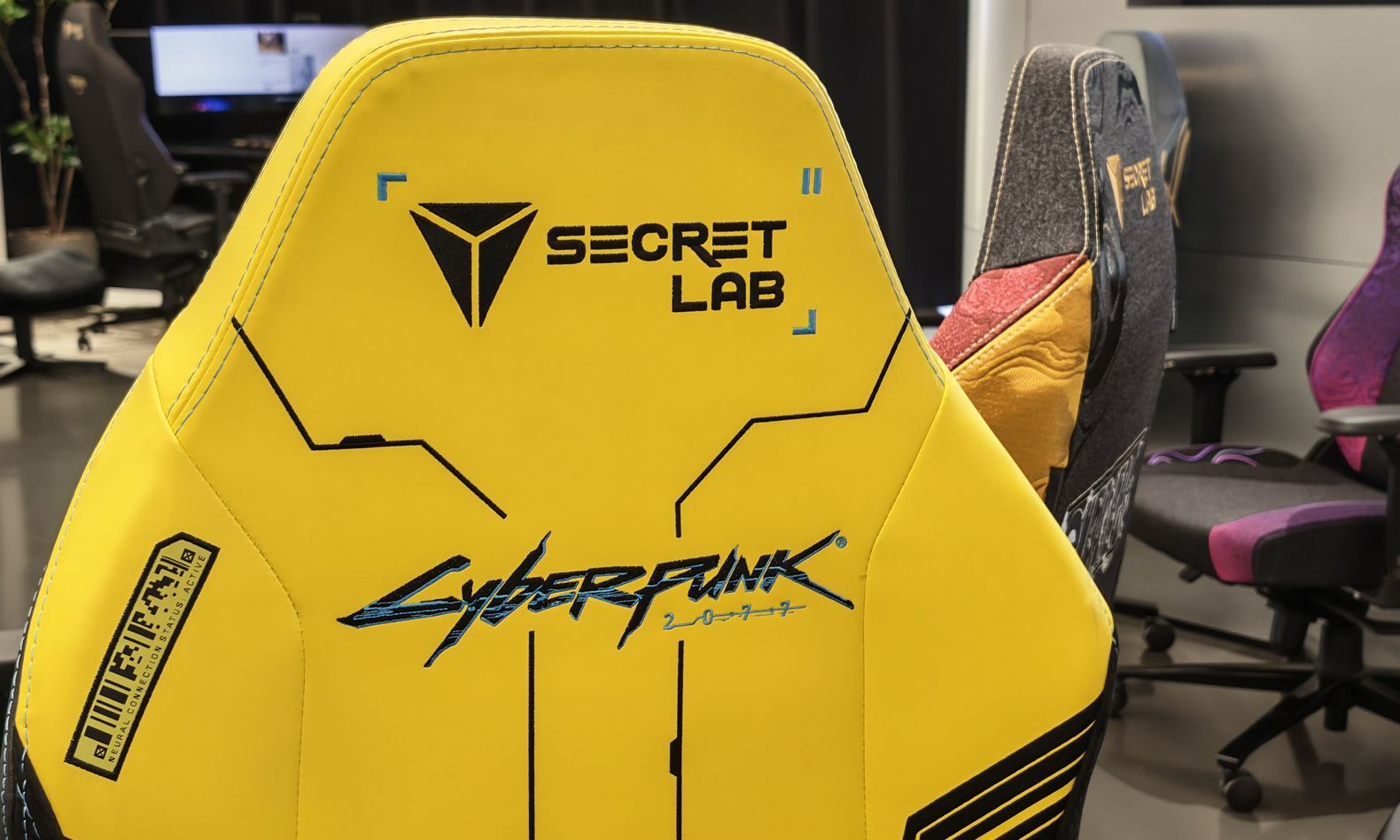
The co‑founder explains that a single Batman‑themed chair sparked a pivotal shift at Secretlab, inspiring a bold new design direction and reinforcing the brand’s commitment to innovative, gamer‑focused furniture, while highlighting how a playful, unconventional idea can drive meaningful change and lead to a refreshed product line that blends comfort, style, and the company’s distinctive personality.
|
|  www.techradar.com www.techradar.com
|
|
|
|
Patrick Collison and Tyler Cowen launched a grant program to fund artists and thinkers who will define a new 21st‑century aesthetic, offering $5 k‑$250 k to 28 recipients across architecture, design, art, technology and research. The initiative seeks to move beyond modernist Bauhaus influences, encouraging diverse approaches—from reviving ornament and traditional craftsmanship to applying scientific data, AI tools and hybrid old‑new technologies—aiming to spark multiple, potentially independent, aesthetic movements that reshape how we experience and create built environments.
|
|  www.fastcompany.com www.fastcompany.com
|
|
|
|
Bitreel’s digital platform streamlines architecture and design workflows by replacing physical samples, printed specifications, and manual data transfers with immersive virtual configurators and AI‑driven product knowledge, cutting waste in time, transportation, and resources. By enabling designers to evaluate materials digitally, generate specification‑ready outputs, and access up‑to‑date product data, the solution supports sustainability goals and more efficient, accurate project delivery.
|
|  metropolismag.com metropolismag.com
|
|
|
|
|
Humanscale calls for healthier study spaces as screen time rises
|
|
Humanscale is urging parents, schools and caregivers to give greater consideration to ergonomics as children and teenagers spend more time studying, creating and socialising on digital devices.
The company says well-designed study spaces can help support posture, movement and long-term wellbeing during key developmental years, when extended periods of sitting and poor screen positioning may contribute to discomfort and unhealthy habits.
“Children are developing movement patterns that will stay with them for decades,” said Caitlin Paul, OTR/L, managing ergonomics consultant at Humanscale. “The environments in which they study today can have a profound impact on their future health.”
Humanscale points to research published in the Journal of Adolescent Health suggesting poor childhood ergonomics can raise the risk of musculoskeletal problems later in life. As young people move from more active learning settings into classrooms and home workspaces, longer periods of sitting, homework and recreational screen use can reinforce habits such as forward-head posture and rounded shoulders, the company said.
Simple changes can make a difference, according to Humanscale: screens positioned at eye level, supported feet, regular movement breaks and furniture that adjusts to the user.
The company highlighted several products designed for modern study environments, including its Freedom Chair for older students, the Active Pony for younger children and the eFloat sit-stand desk. Monitor arms, laptop supports, footrests and task lighting can also help create more adaptable workspaces, it said.
Humanscale recommends movement breaks every 30 to 45 minutes, varied working positions, the 20-20-20 rule to ease eye strain and device-free periods throughout the day.
“Ergonomics isn’t simply about furniture—it’s about creating environments that allow people to move naturally,” Paul said. “When children learn what good posture feels like and have products that support healthy movement rather than restrict it, they’re far more likely to carry those habits into adulthood.”
As technology becomes increasingly central to education and everyday life, the company says investing in healthier study environments can help young people use devices more comfortably while building habits that last beyond the classroom.
|
| |
|
|
|
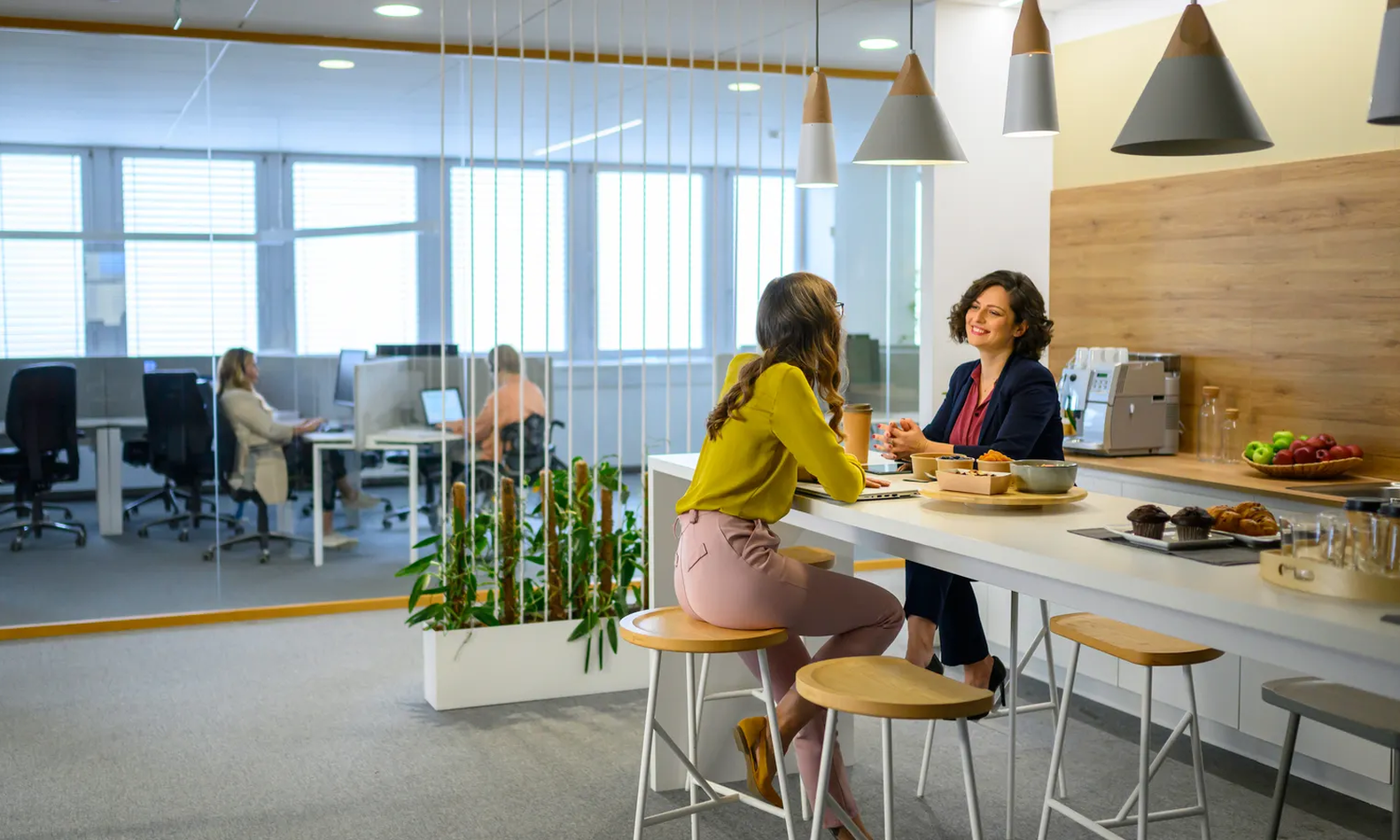
Food perks are a powerful tool for employee retention and engagement, with surveys showing that 66% of workers expect regular meals and many would consider leaving if no incentives are offered. Providing fresh fruit and snacks not only improves health and productivity but also fosters social interaction and community, making the workplace more attractive, especially for younger and hybrid employees.
|
|  www.facilitiesdive.com www.facilitiesdive.com
|
|
|
|
Worker well‑being has shifted from an optional perk to a core infrastructure need as careers lengthen, technology accelerates change, and caregiving responsibilities grow. By 2034, a significant portion of the U.S. workforce will be 55 or older, requiring continuous, locally accessible support throughout the working day to maintain health, capability, and economic resilience.
|
|  www.gensler.com www.gensler.com
|
|
|
|
Hubble, a UK‑based flexible office marketplace owned by Yardi, has soft‑launched in New York and expanded to seven additional U.S. markets, offering over 10,000 office units across 706 buildings. The company aims to list more than 1,500 buildings by the end of 2026 and add ten new U.S. locations, targeting rising office occupancy and the demand for shorter leases. Hubble’s growth is supported by a survey showing 28 % of business leaders want higher office occupancy, and it leverages Yardi’s recent majority control of WeWork and its advisory services for occupiers.
|
|  www.bisnow.com www.bisnow.com
|
|
|
|
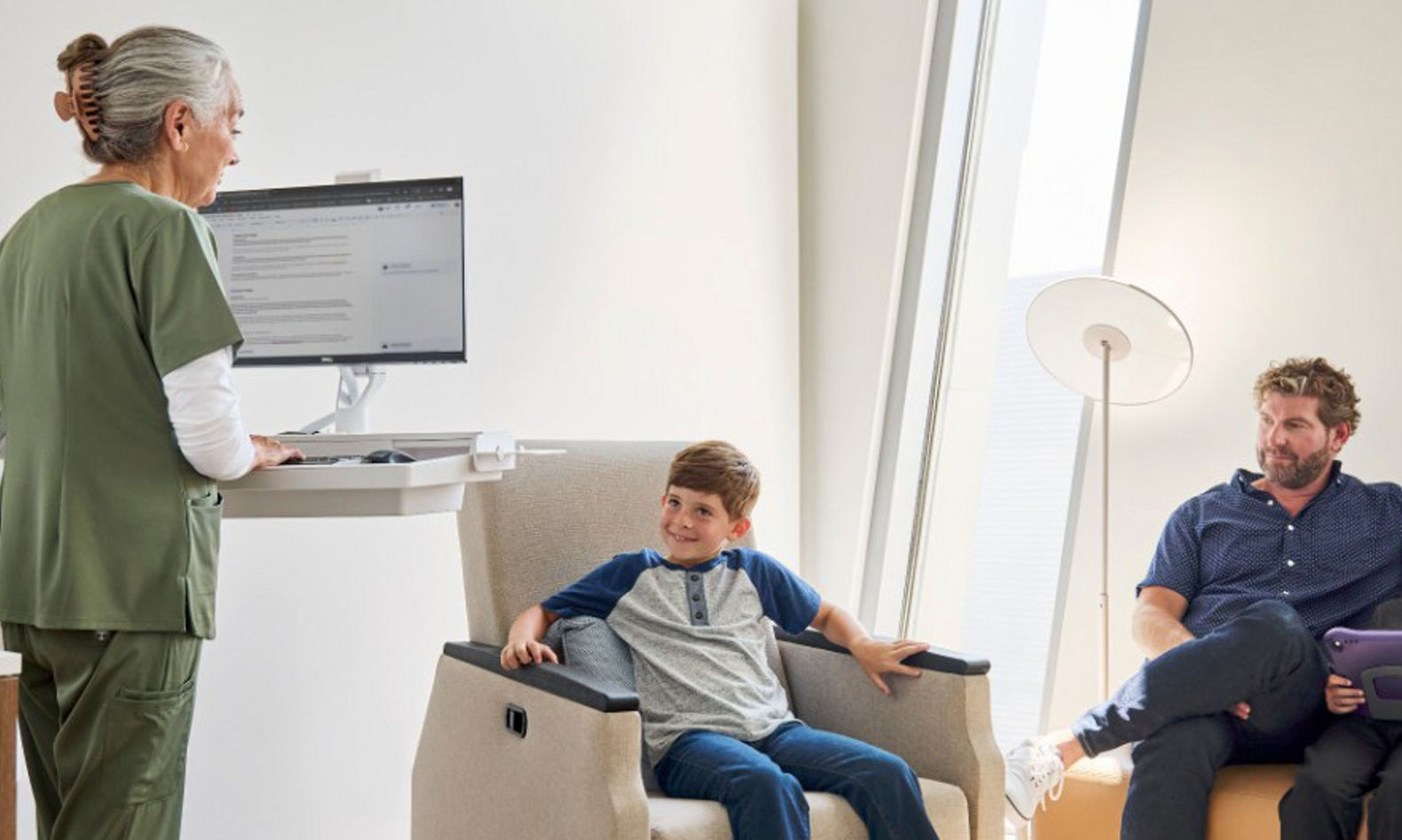
Healthcare environments are evolving to prioritize caregiver well‑being with dedicated sanctuary spaces, adopt modular designs for rapid adaptability, empower data‑informed patients through collaborative, tech‑enabled spaces, expand local outpatient care for greater accessibility, and leverage AI, automation, and analytics to streamline workflows, allowing more time for human connection.
|
|  www.haworth.com www.haworth.com
|
|
|
|
Consumers avoid color out of fear of misuse, leading to a dominant trend of bland gray and neutral tones in homes and products, with only a slight shift toward warmer whites and “greige” emerging as the next color direction.
|
|  www.theatlantic.com www.theatlantic.com
|
|
|
|
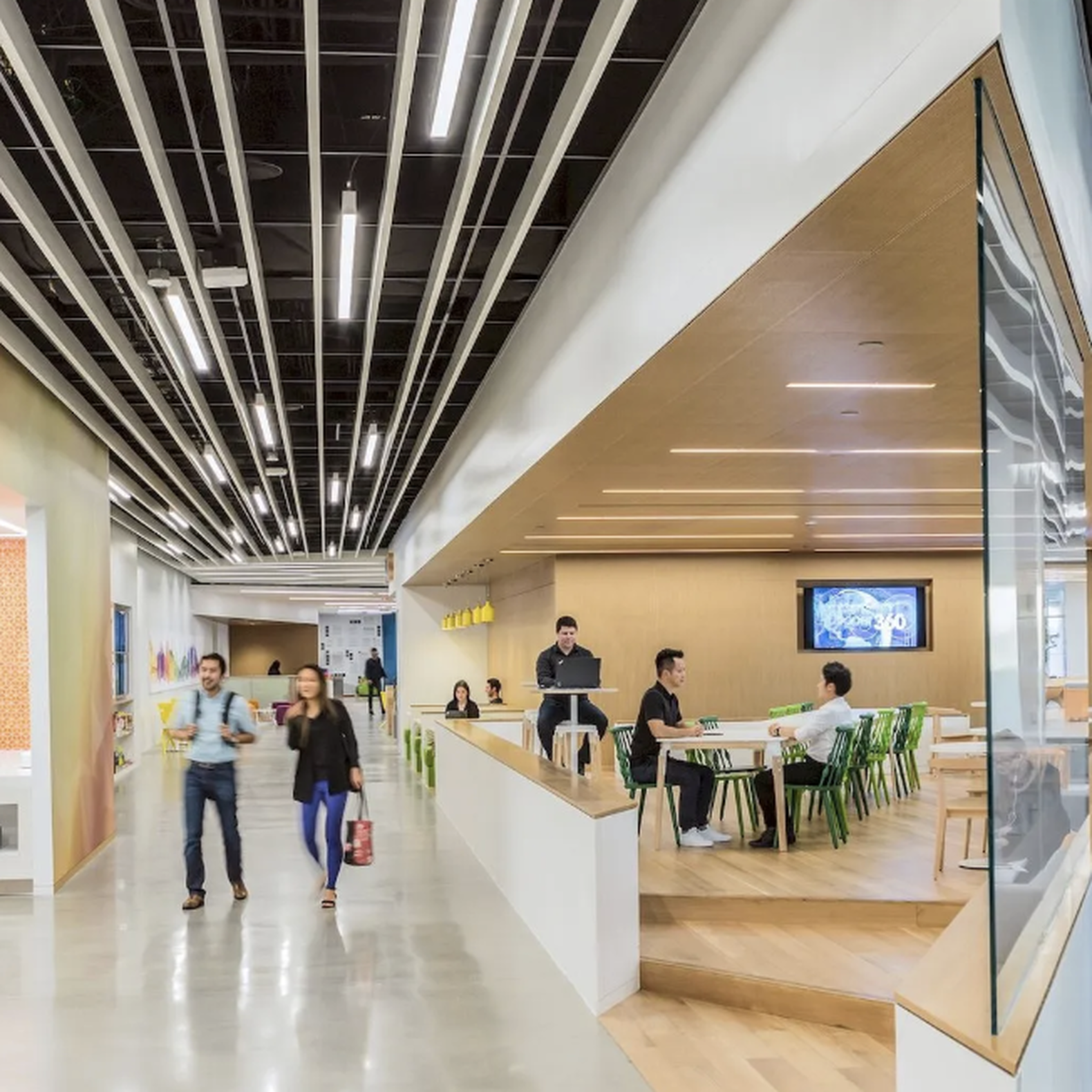
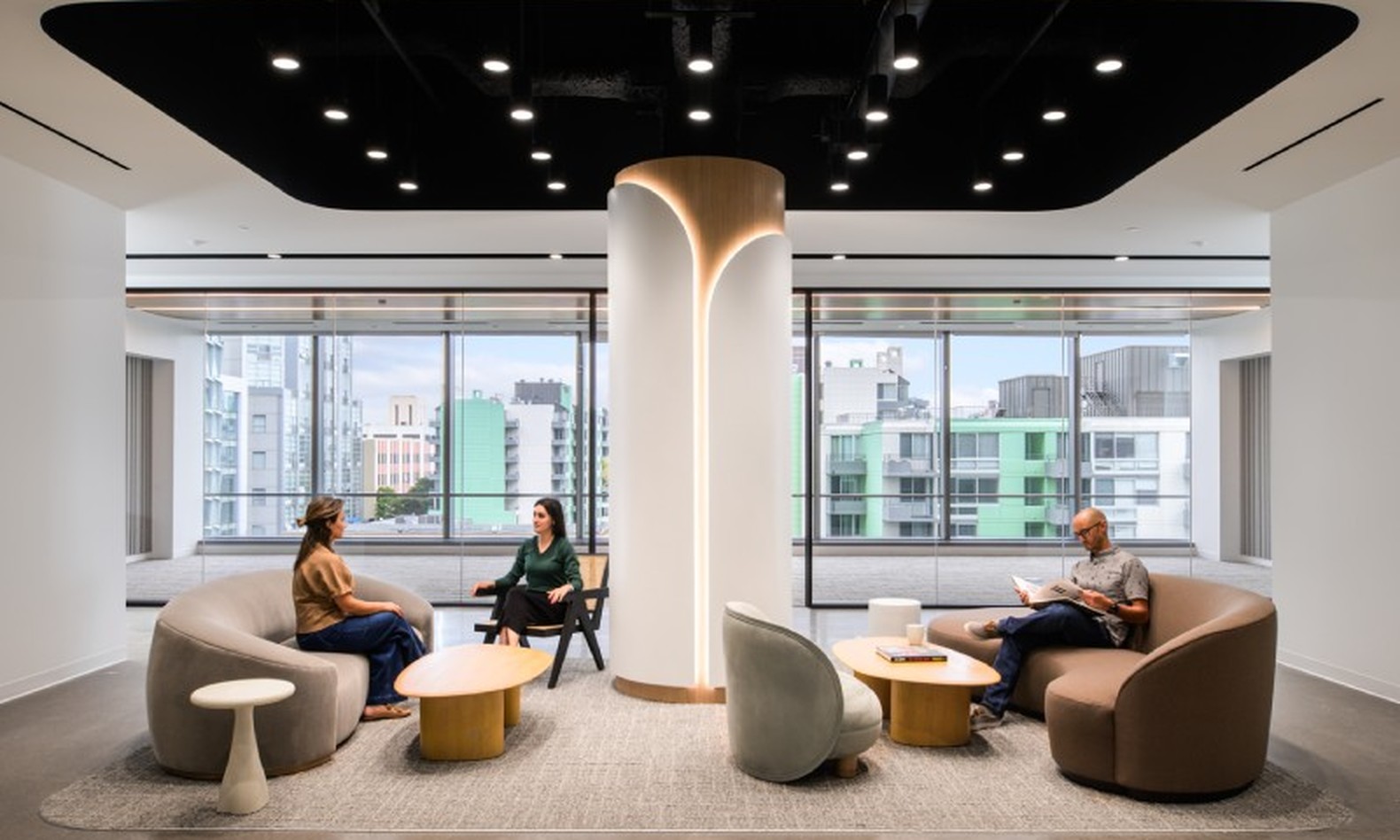
The article explains how modern office design has shifted from standardized, cost‑focused delivery to a design‑led approach that uses amenities, flexibility, and speed as strategic tools to attract tenants. Landlords now provide fully furnished, plug‑and‑play spaces with high‑quality finishes, spec suites, and hospitality‑level services, turning office space into a competitive advantage and enhancing lease value while reducing tenant risk.
|
|  officeinsight.com officeinsight.com
|
|
|
|
Designers influence product specifications but need more than options—they require inspiring stories, clear solutions, and tools that simplify technical specs. Manufacturers should combine strong design appeal with operational excellence, offering compelling narratives, durability, quality, and user‑friendly data to help designers look good and solve client problems efficiently.
|
|  officeinsight.com officeinsight.com
|
|
|
|
Wurkwel Ventures’ “Creating a Better Tomorrow” initiative partnered with Big Shoulders Fund to transform the nonprofit’s new Chicago office using donated office furniture and relocation services, extending the life of assets and delivering community and environmental benefits. The collaboration showcased how coordinated workplace expertise can support nonprofit missions, enhance operational efficiency, and promote sustainable, responsible use of workplace resources.
|
|  www.prlog.org www.prlog.org
|
|
|
|
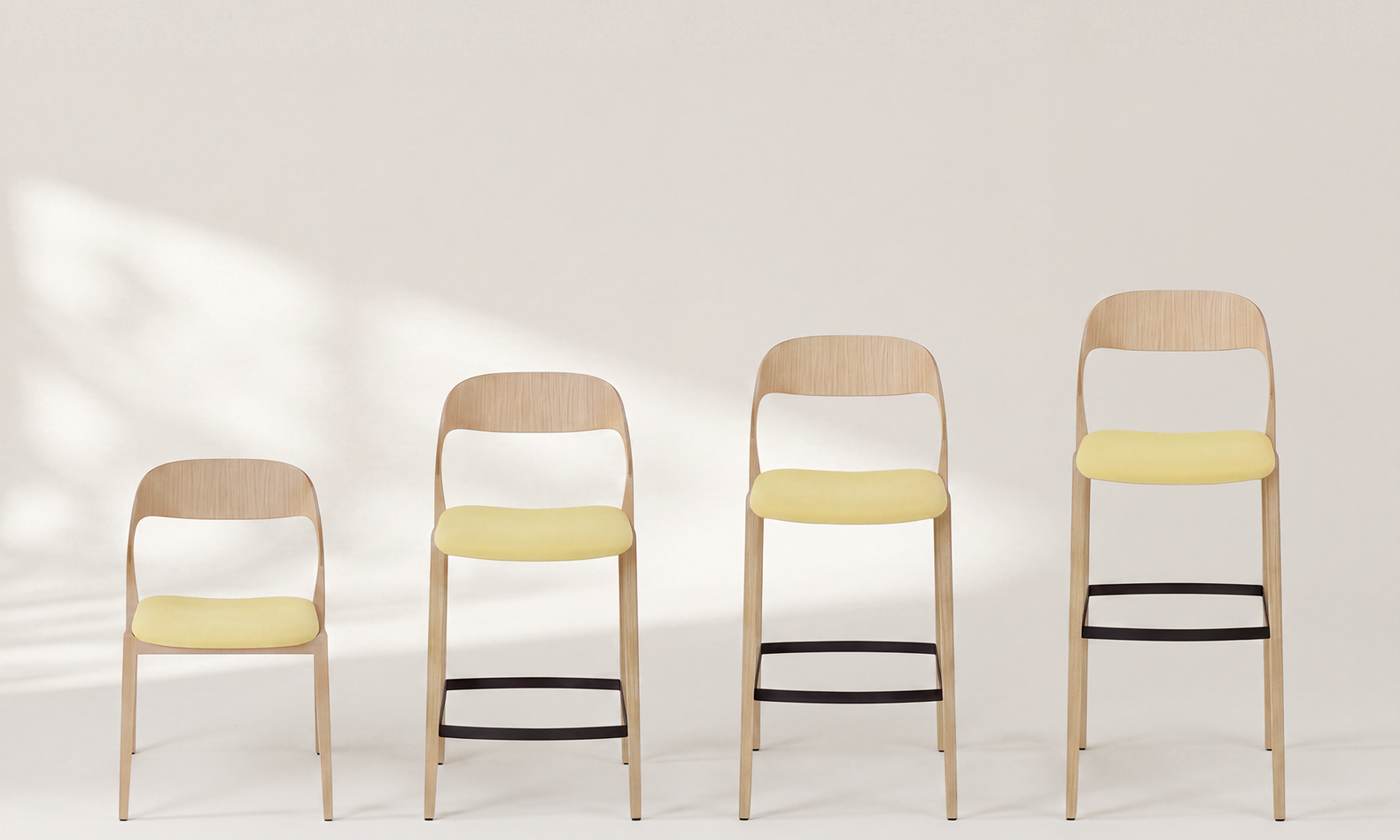
Hightower expands its Mixis Collection with bar, standard counter, and a new 22.5″ ADA‑compatible counter height, maintaining a unified design while adding accessible options. Designed by Mario Ferrarini and produced in‑house, the line retains Italian‑inspired aesthetics, Indoor Advantage Gold certification, a 400‑lb weight rating, and a generously proportioned seat, embodying the company’s Considered Solutions philosophy.
|
|  www.officing.com www.officing.com
|
|
|
|
Arcadia’s Reymi Seating Collection offers guest chairs, lounge seating, and stools with sculpted wood frames, gentle radiused edges, tailored upholstery, and satin stainless‑steel footrings. Designed by longtime collaborator David Dahl, the line balances visual lightness with solid support and is available in counter and bar heights. It suits workplaces, higher‑education campuses, hospitality venues, and healthcare settings, providing refined comfort and design continuity across various environments.
|
|  www.officing.com www.officing.com
|
|
|
|
Unika Vaev has added 23 new acoustic products—including ceiling tiles, wall panels, and hanging screens such as Lily, the Pelle Collection, and Airflake—to its lineup available through HON, giving architects and designers a broader selection for sound absorption, aesthetics, and privacy, with the expanded range now accessible via a single source.
|
|  www.officing.com www.officing.com
|
|
|
|
Landscape Forms, in partnership with Designworks, has launched the Typology Catenary Ring Light—a floating, catenary‑suspended luminaire designed for urban spaces. The innovative suspension allows flexible, visually cohesive installations that enhance public environments, blending artistic presence with functional illumination. The product reflects Landscape Forms’ commitment to design excellence, emotional impact, and technological innovation in outdoor lighting.
|
|  www.officing.com www.officing.com
|
|
|
|
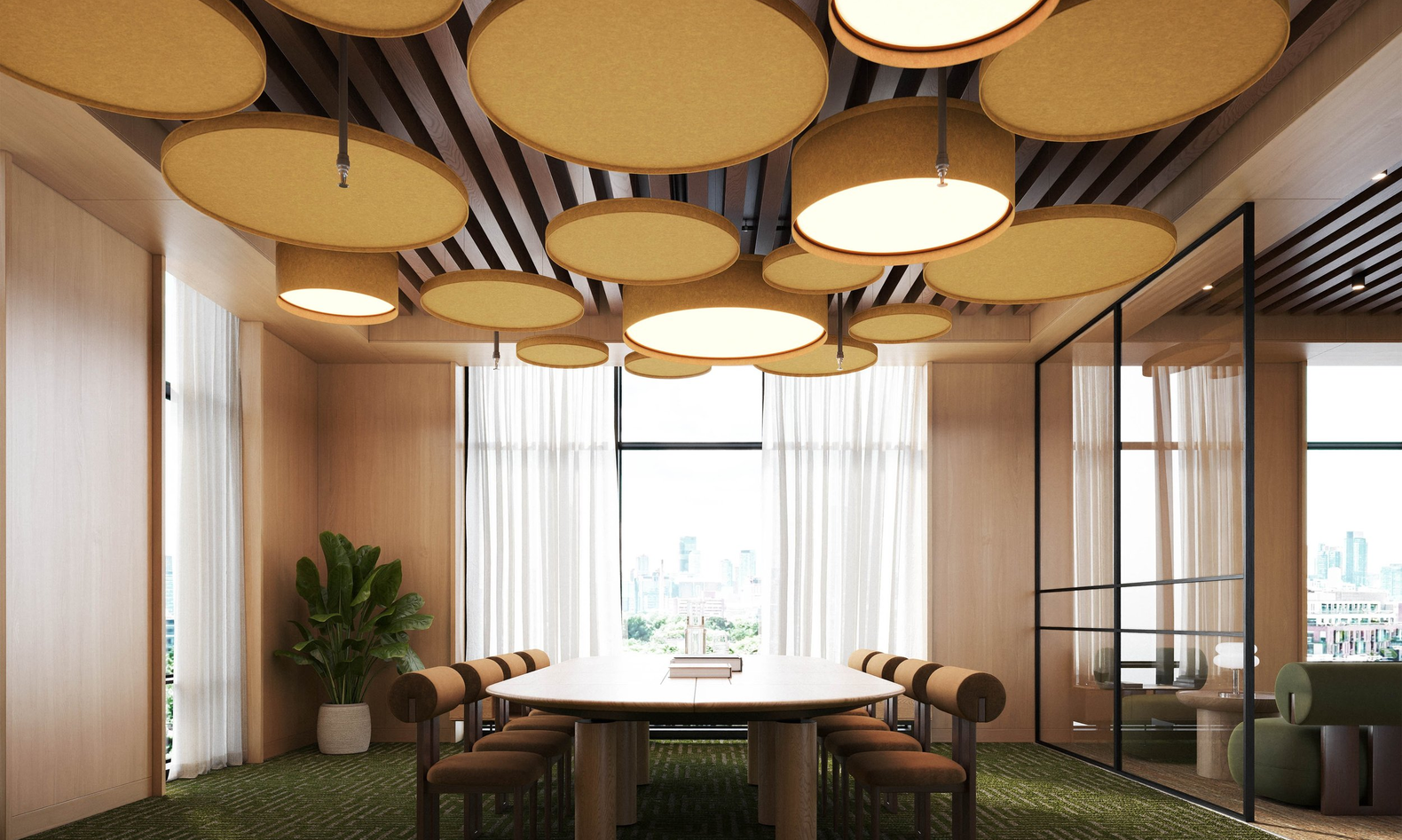
Sabin’s CYLINDER is a fully customizable lighting and acoustic solution for commercial spaces, offering up to 100 inches in height, external light engines, various trim finishes, and color options. Constructed from recycled PET with sewn, adhesive‑free assembly, it can function as a standalone statement piece or integrate into larger ceiling systems, delivering effective lighting, sound control, and aesthetic precision for hospitality, workplace, and other settings.
|
|  www.officing.com www.officing.com
|
|
|
|
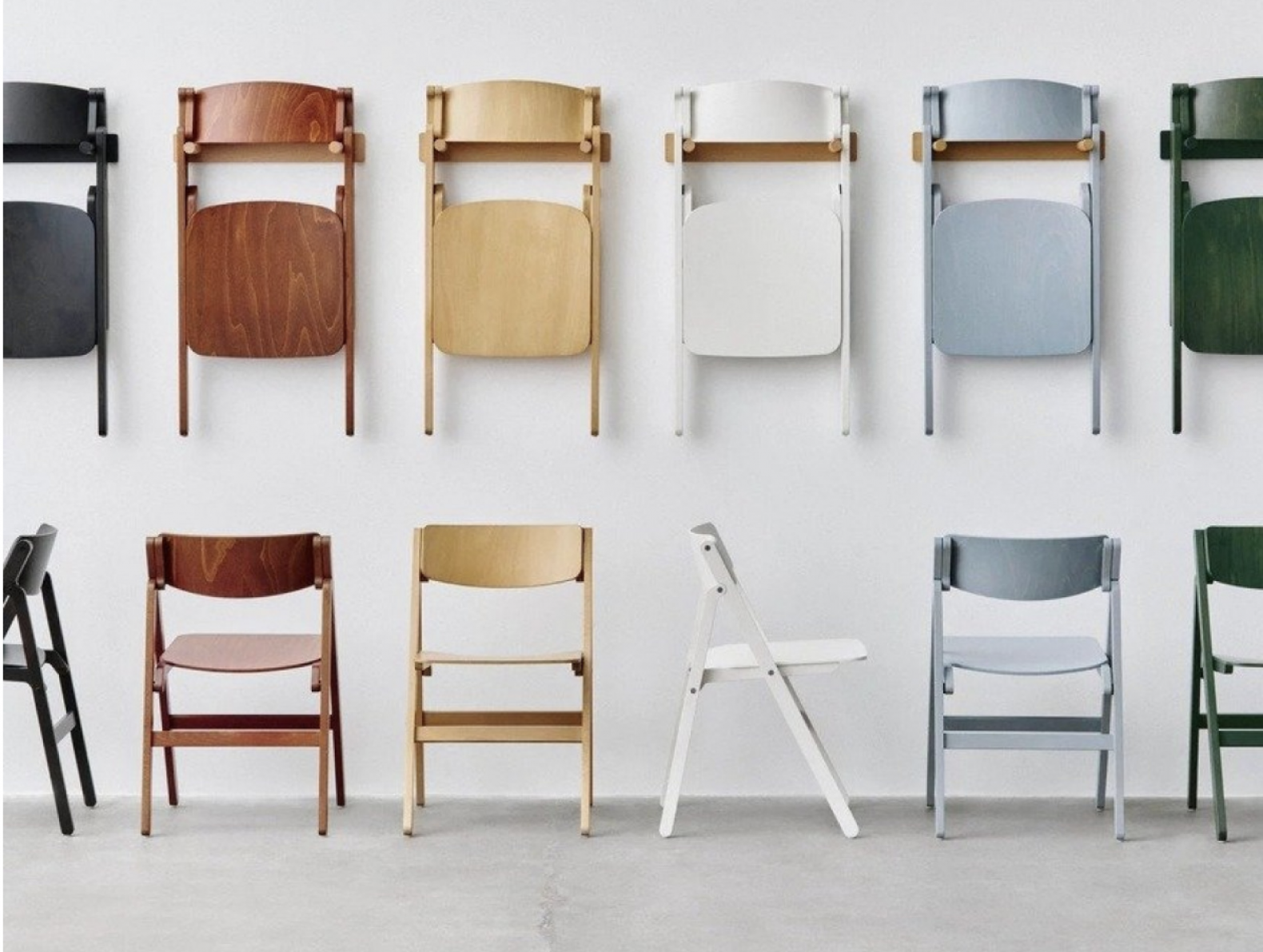
Aiming to redefine folding chairs, Icelandic designer Gudmundur Ludvik created the Backflip for Hay, prioritizing comfort and everyday use over storage constraints. By concealing a novel hinge within the backrest, the chair folds with a single hand while maintaining a calm, simple aesthetic, delivering a comfortable and visually refined seating experience.
|
|  www.core77.com www.core77.com
|
|
|
|
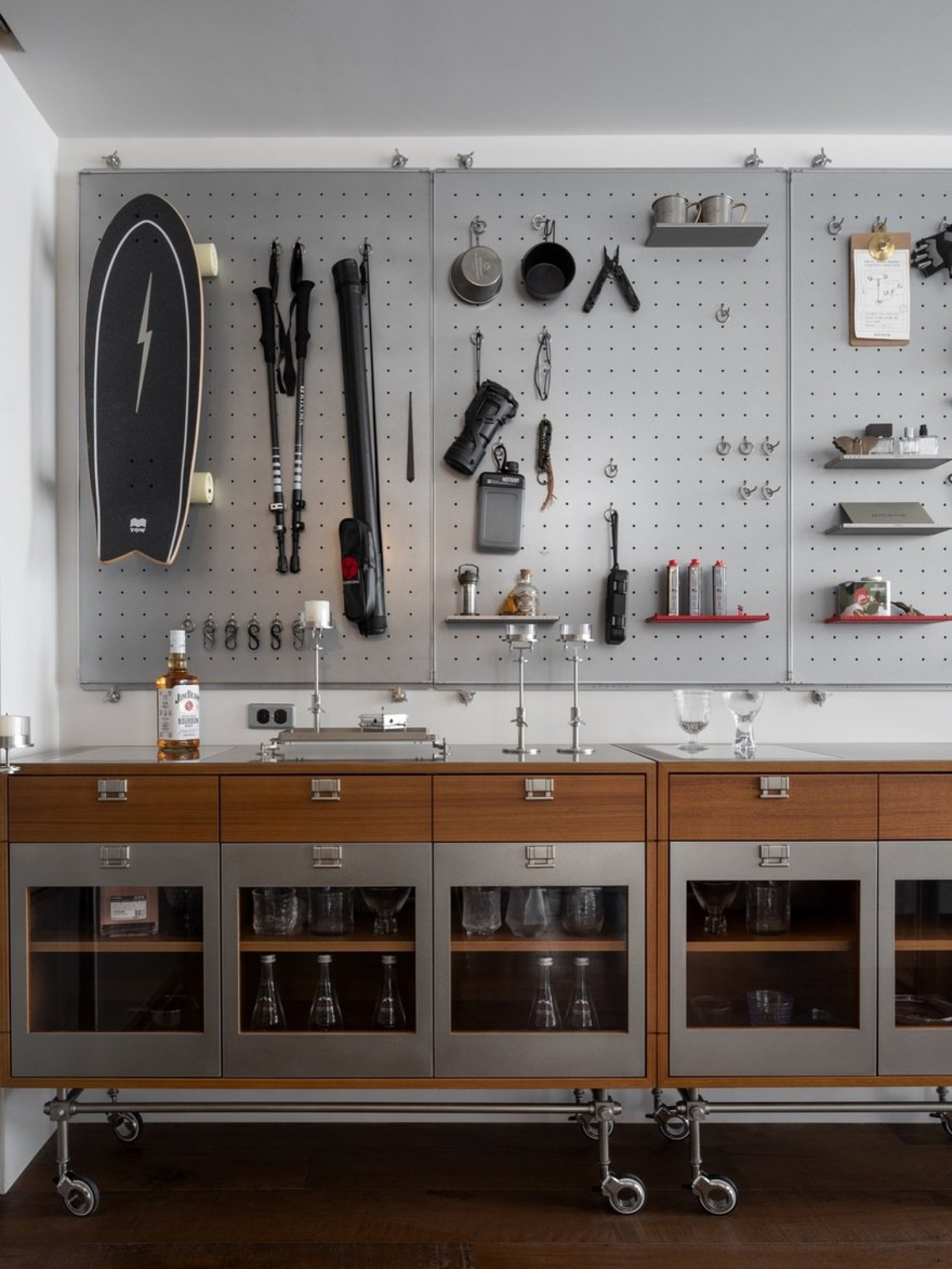
Amona Lab, a new Chinese company, has introduced a distinctive line of modular domestic furniture inspired by laboratory, exam room, industrial kitchen, and garage aesthetics, featuring pegboard-style open storage, floor‑level units on wheels, and a minimalist mix of metal, glass, and wood. Emphasizing intelligence, fun, and tranquility, the brand focuses on movable, combinable, and expandable pieces that avoid traditional furniture forms, aiming to offer a playful, honest design that could intrigue Western markets despite its poetic, culturally nuanced marketing.
|
|  www.core77.com www.core77.com
|
|
|
|
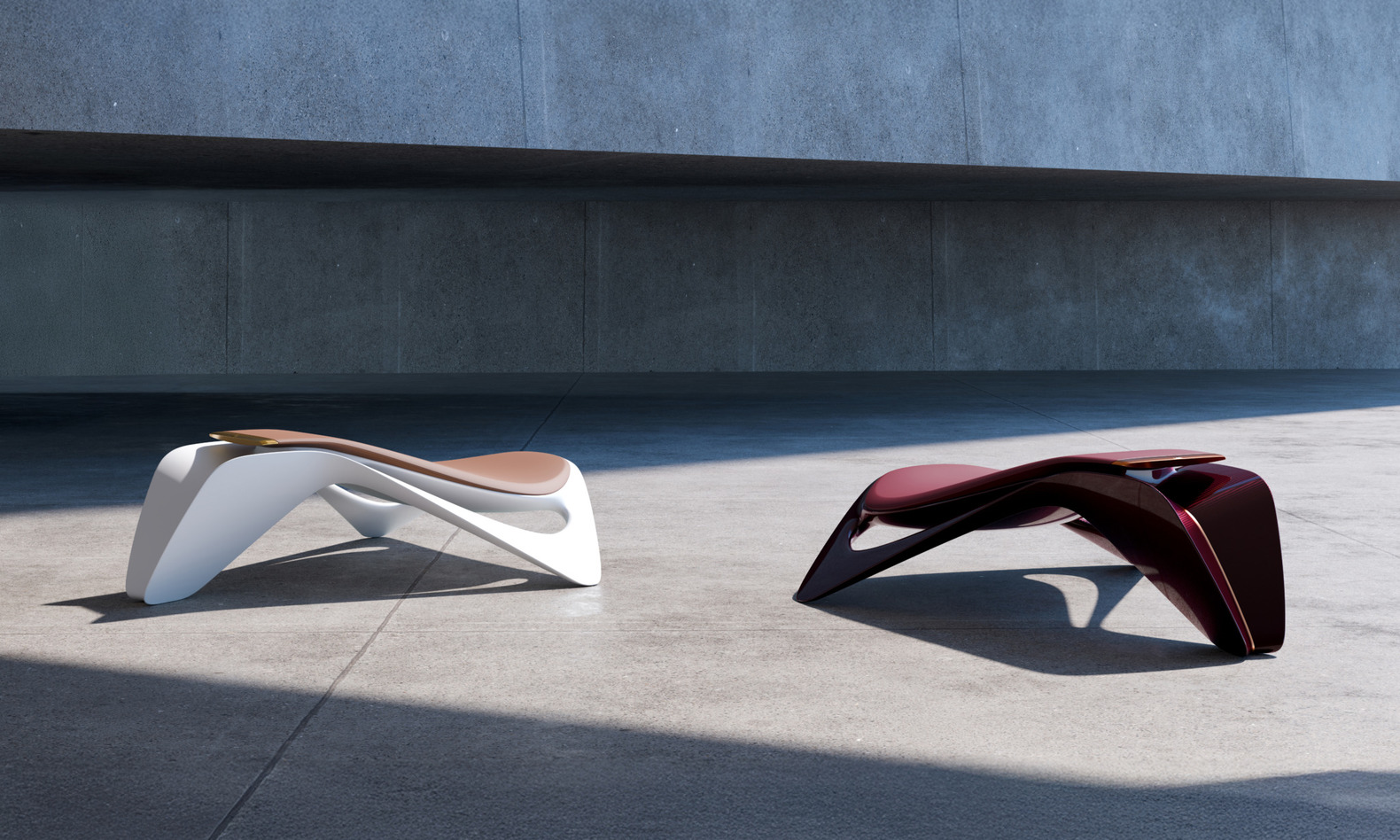
Former McLaren designers João Dias and Patrick Carton apply their high‑speed automotive expertise to create the Ennua Element 01—a limited‑edition, carbon‑fiber‑frame furniture piece blending functional art with precision engineering. Made in the UK with bespoke leather, titanium, aluminum and other metals, each of the 199 numbered items starts around $145,000 and can be customized, embodying supercar‑level proportion, aerodynamics and material rigor in a sculptural seating experience.
|
|  design-milk.com design-milk.com
|
|
|
|
Orgatec 2026
October 27-30, 2026 | Cologne, Germany
ORGATEC is the global industry meeting point for everyone who is rethinking and shaping the worlds of work and contract. Every two years, leading brands, experts, and an international trade audience come together in Cologne. Under the guiding theme "From rooms to relationships: designing spaces in an ever-changing world", the focus is on people – and on how spaces in times of change are redefined.
ORGATEC 2026 is a chance to see how the future of work is taking shape—from hybrid and AI-enabled workplaces to healthier, more flexible, and sustainable commercial spaces. Attendees can explore leading international brands, discover European products and concepts not yet widely available in North America, and gain practical insight through talks, guided tours, and interactive programming. It’s also a valuable setting to meet global manufacturers, architects, designers, and workplace decision-makers in one place.
|
| |
|
|
|
NeoCon 2027 / DesignDays 2027
June 13-16, 2027 | Chicago, IL
NeoCon has served as the world’s leading platform and most important event of the year for the commercial design industry since 1969. A launch pad for innovation—NeoCon offers ideas and introductions that shape the built environment today and into the future. For 2027 NeoCon is officially a 4-day event beginning on Sunday, June 13, 2027.
|
|
|
|
|
|
Work Beyond Walls is a groundbreaking “living workplace” event in the North East (UK), transforming a historic Grade II‑listed venue into an interactive workspace over two days, with over twenty brand partners and a talks program that challenges the industry’s insular dialogue. The accompanying six‑part documentary podcast, produced by Workpattern and hosted by Ian Ellison, captures the event’s development in real time, highlighting its modest early registration, the ambition to foster open conversation, and the unique transparency of documenting the initiative while it’s still unfolding. Work Beyond Walls will be held September 9-10.
|
|  workplaceinsight.net workplaceinsight.net
|
|
|
|
|
Trends in Commercial Projects
|
|
|
|
|
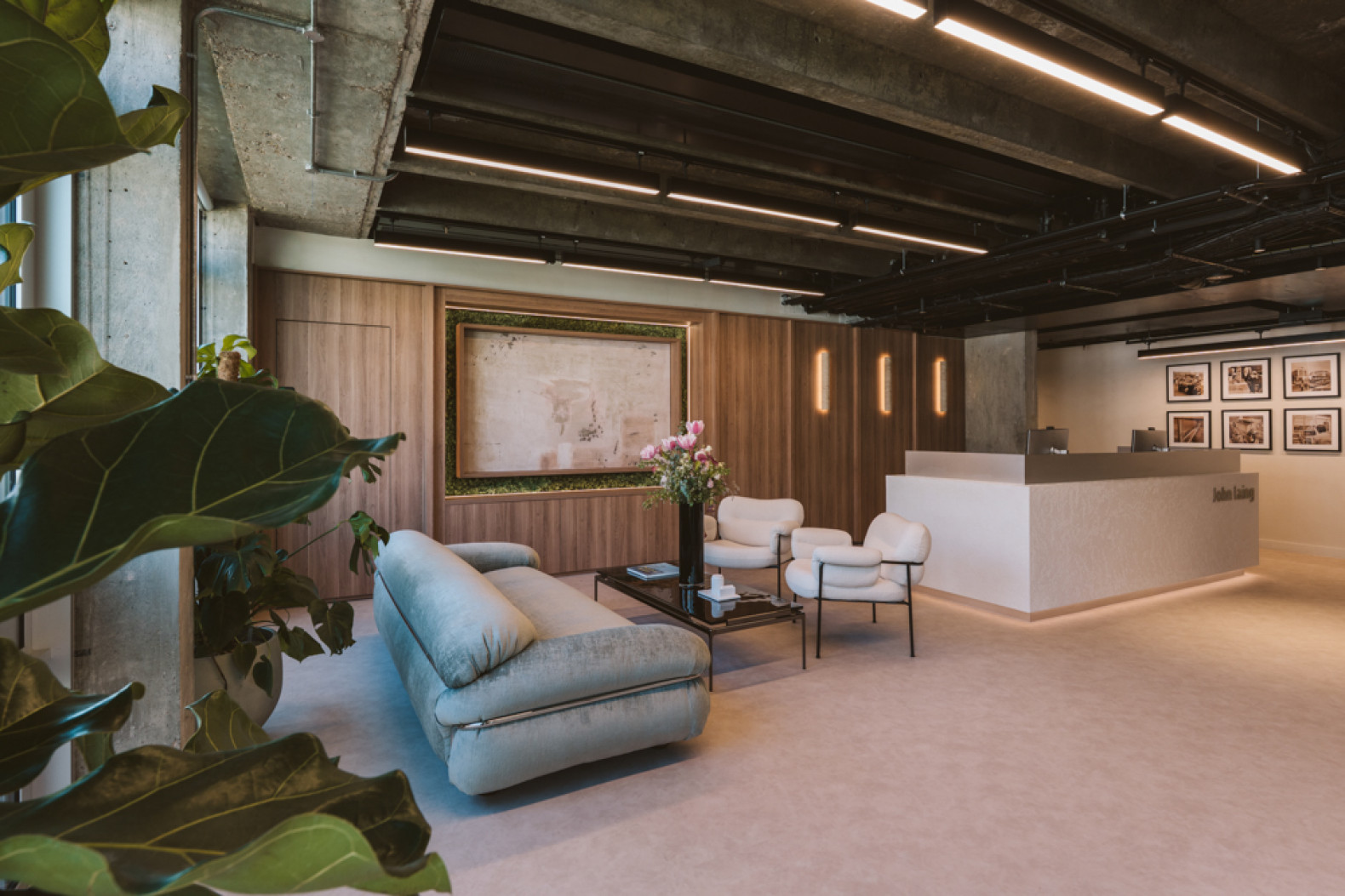
The 1968‑designed Space House, a Brutalist landmark in London, has been restored and expanded by Squire & Partners, adding 255,000 sq ft of flexible workspace, retail, and event areas. John Laing now occupies the building as its headquarters, with interiors softened by timber paneling, plush furnishings, natural materials, and a people‑first design approach from Thirdway. The renovation preserves exposed concrete and services while introducing warm lighting, acoustic seating, and inviting communal spaces such as a café, kitchen, and terrace.
|
|  www.mixinteriors.com www.mixinteriors.com
|
|
|
|
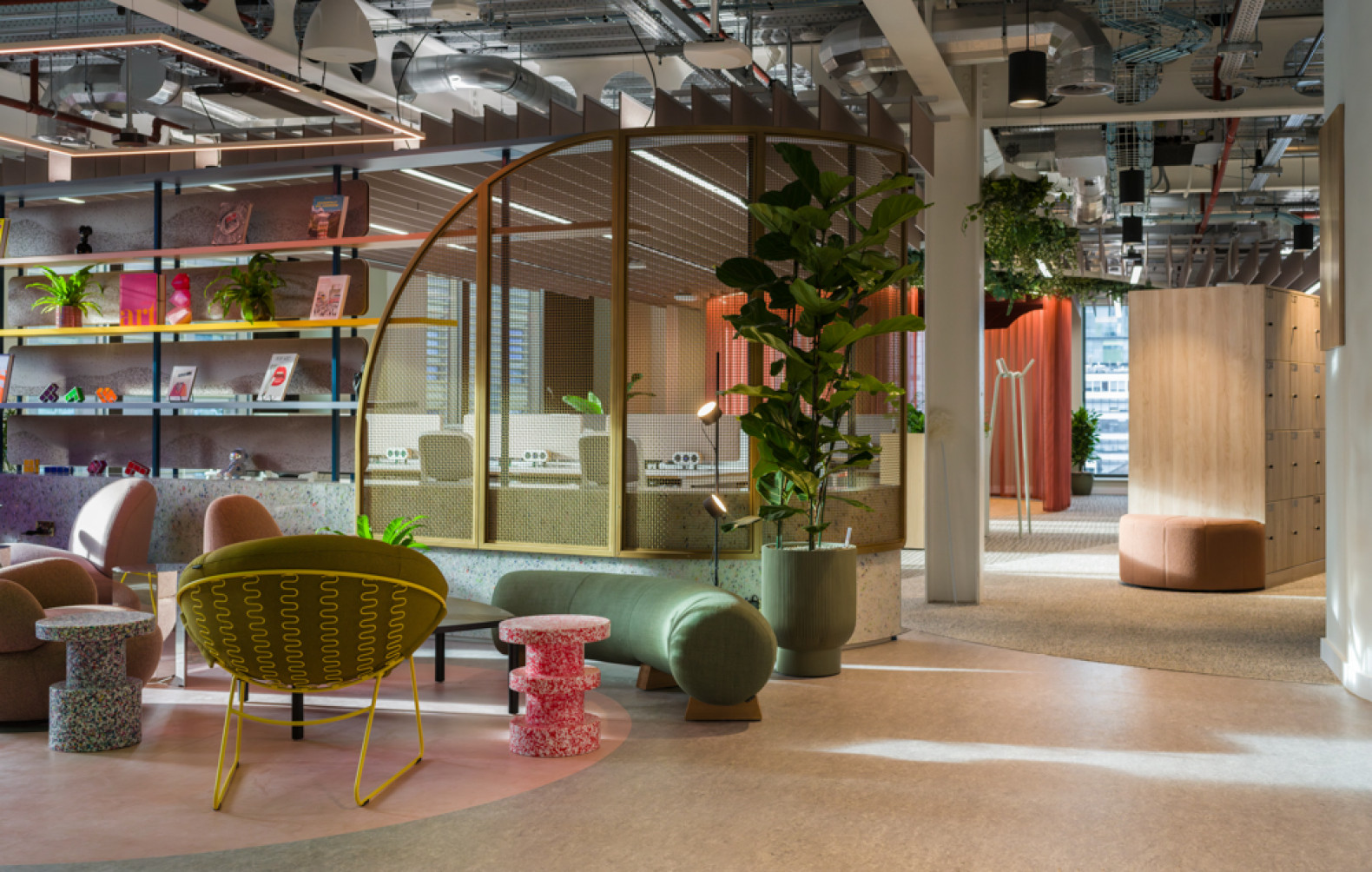
SpaceInvader transformed Virgin Media O2 Manchester’s former headquarters into a vibrant, city‑inspired call centre, redesigning the 50,000 sq ft workspace with bold visuals and distinctive elements like a life‑sized horse lamp, while preserving the brand’s identity and reflecting Manchester’s character.
|
|  www.mixinteriors.com www.mixinteriors.com
|
|
|
|
Ford’s new 2.1 million‑square‑foot headquarters in Dearborn consolidates 6,000 employees (expandable to 12,000) into a light‑filled, smart building that cuts travel time between teams from 30 minutes to six minutes. Designed by Arcadis, Snøhetta and Ghafari, the campus features skylights, flexible work zones, themed courtyards, multiple food pavilions, extensive art installations, and advanced digital infrastructure. The design emphasizes collaboration, adaptability, and a unified brand aesthetic while supporting a $1.2 billion investment and long‑term sustainability.
|
|  officeinsight.com officeinsight.com
|
|
|
|
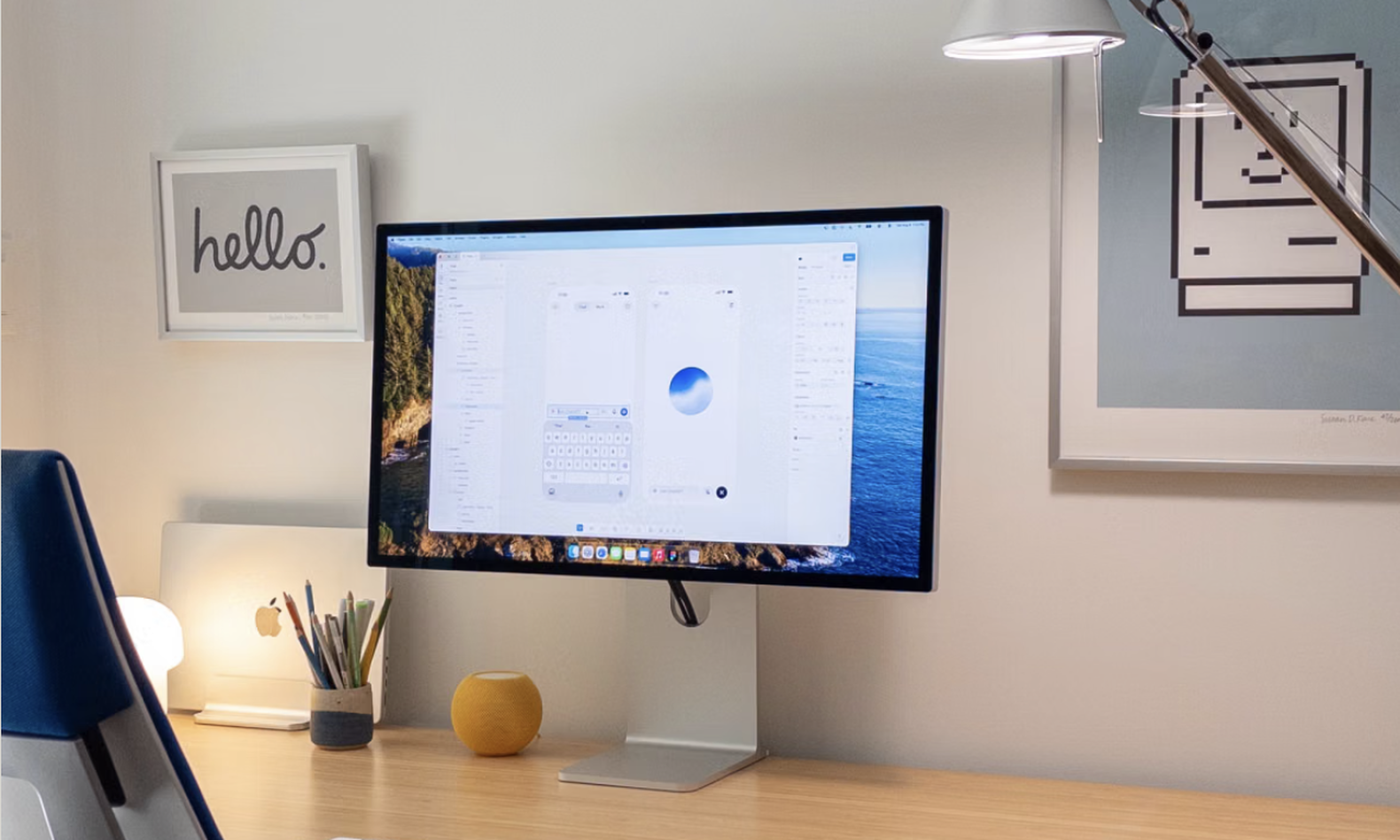
Gavin Nelson, an OpenAI designer working on ChatGPT, shares his updated Bay Area workspace and workflow. After years at Linear and GitHub, he now focuses on in‑person collaboration, keeping his desk minimal with hidden cables, coffee, and a notebook. His process blends sketches, Figma, and AI tools like Codex, allowing rapid iteration from concepts to high‑fidelity prototypes. He notes AI’s expansion of design tools and emphasizes that designers still guide creative direction and decide what’s worth building.
|
|  workspaces.xyz workspaces.xyz
|
|
|
|
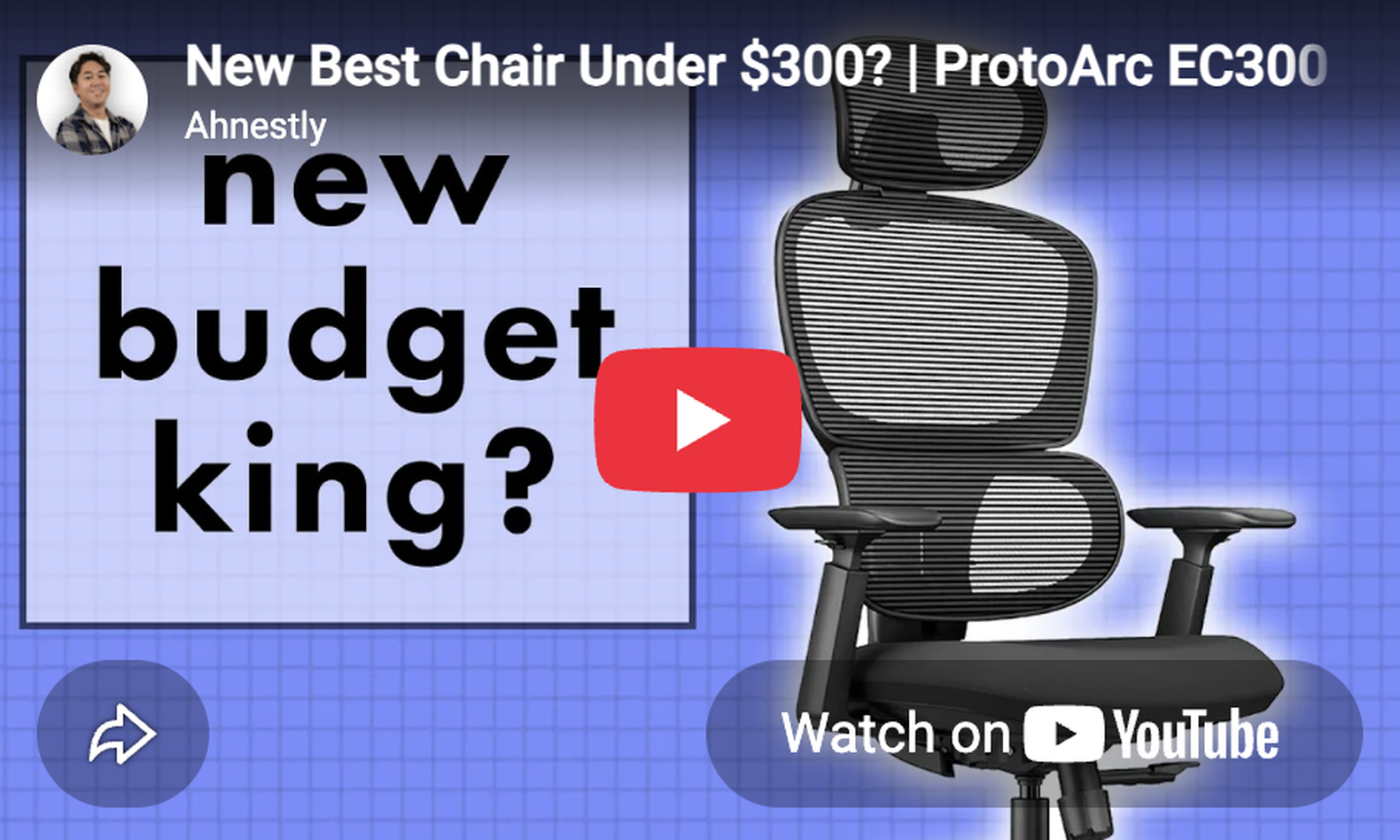
The ProtoArc EC200 chair is arguably the best chair under $200. Is the more expensive ProtoArc EC300 chair better? What about the EC200 Pro?
|
|  www.youtube.com www.youtube.com
|
|
|
|
A look inside Davis Furniture, our people, process, and enduring commitment to purposeful design and American craftsmanship.
|
| |
|
|
|
Innocean USA signed a lease for roughly 101,000 sf at Hackman Capital’s 888 Douglas campus in El Segundo, consolidating its 600 employees into a new U.S. headquarters slated for occupancy after construction completes in 2027. The campus, a repurposed former Northrop Grumman facility, also houses tenants such as L’Oréal US and Beyond Meat, and benefits from growing demand in the El Segundo office market driven by defense‑tech and industrial activity.
|
|  www.bisnow.com www.bisnow.com
|
|
|
|
Greenberg Traurig is relocating its West Palm Beach office to a full floor of the under‑construction 15 CityPlace tower, signing a 25,000 sq ft, 10‑year lease that will house roughly 80 attorneys and staff. The move downsizes from its current 30,000 sq ft space at Phillips Point but allows for future growth. The development, part of a larger $772 M construction loan led by Ares Real Estate and partners, will also host other tenants such as Cleveland Clinic, Solomon Partners, and MSCI, with extensive upgrades planned for the complex. Additional real‑estate transactions in South Florida are detailed, including sales and financing of hotels, auto dealerships, and multifamily properties.
|
|  www.bisnow.com www.bisnow.com
|
|
|
|
Whoop is planning to sign a 107,000 sq ft lease near its One Kenmore Square headquarters, nearly doubling its Boston office footprint, as it expands its workforce, raises $575 M in Series G funding, and prepares for an IPO within 18 months.
|
|  www.bisnow.com www.bisnow.com
|
|
|
|
JLL is in early talks to relocate its global headquarters to Boeing’s former HQ at 100 N. Riverside Plaza in Chicago, considering a smaller space than its current lease at the Aon Center, while also evaluating other options. Competitors like CBRE and Newmark have recently moved to new Chicago locations, and the building’s leasehold interest was recently purchased by Hines and the Stahl Organization.
|
|  www.bisnow.com www.bisnow.com
|
|
|
|
|
Eaton Fine Art Expands Presence in Northeast with Strategic Addition
|
|
Eaton Fine Art has appointed David Fortin as its new sales representative for the Northeast, covering New York, New Jersey, Connecticut, and Pennsylvania, to strengthen relationships with interior designers, ownership groups, and purchasing agents on hospitality and multifamily projects. Fortin brings over a decade of hospitality sales experience and a proven track record with top‑tier suppliers, aligning with Eaton Fine Art’s growth strategy and 33‑year reputation for responsive, collaborative art consulting in the region.
|
| |
|
|
|
|
Artcobell Announces New Representation in Nevada Education Market
|
|
Artcobell partners with Swivel‑Ed Learning Environments, a women‑owned Nevada furniture dealer, to represent its K‑12 learning‑environment furniture line in the state, expanding access to adaptable desks, ergonomic seating, teacher stations, storage and collaborative solutions. The collaboration leverages Swivel‑Ed’s local expertise and Artcobell’s 60‑year manufacturing experience to enhance modern classroom design and service across Nevada.
|
| |
|
|
|
|
Secrets and Shadows Descend on IIDA NY's Color Invasion® 2026
|
|
IIDA NY’s 24th annual Color Invasion® on October 29, 2026 transforms Chelsea Industrial into the Victorian‑inspired “House of Forgotten Whispers,” offering immersive installations, themed cocktails, costumes, and live entertainment for over 1,000 design professionals. The event supports Beyond Bedtime, providing pajamas and books to children in need, and introduces Blueprints for Hope, raising awareness and scholarships for pancreatic cancer. Early‑bird tickets are available until September 9, 2026, with additional donations accepted through Giving Tuesday on December 1, 2026.
|
| |
|
|
|
The session by Kimball International, explored Human Sustainability by examining how evolving expectations, workplace pressures, technology, well‑being, autonomy, and connection reshape the needs people have for their work environments, and applied a foresight methodology to turn these insights into actionable design priorities.
|
|  www.kimballinternational.com www.kimballinternational.com
|
|
|
|
|
Extremis Takes the Showroom on the Road with Tour4Togetherness
|
|
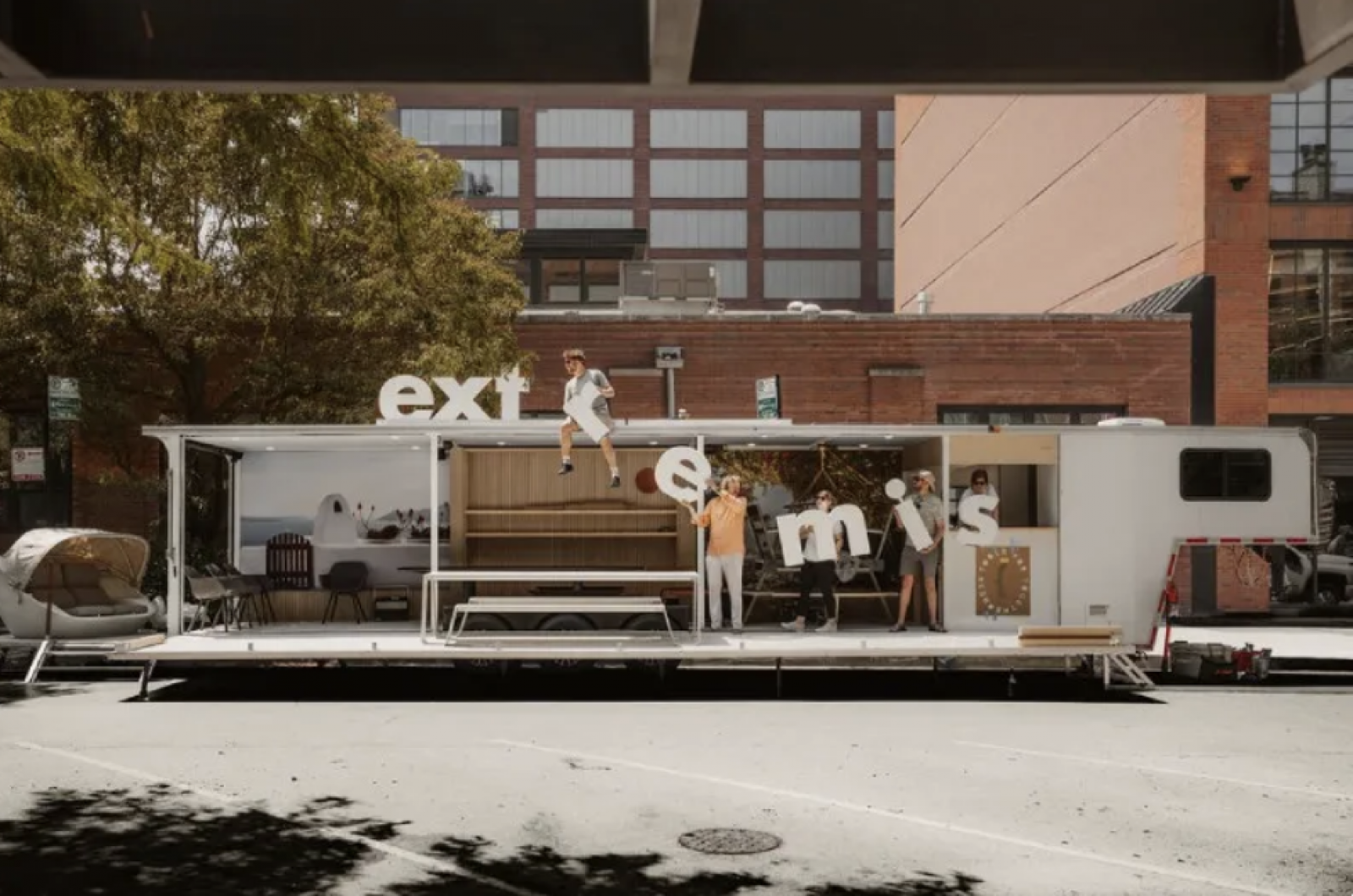
Extremis created a 46‑foot, self‑contained mobile showroom called Tour4Togetherness, equipped with solar power, water systems and amenities, to travel across North America and bring its outdoor furniture directly to architects, designers, dealers and customers. Built on a gooseneck trailer with a large open side door, it can be set up or taken down by one operator in about an hour, allowing multiple daily stops. The initiative aims to showcase product quality and foster personal connections, emphasizing human interaction and “tools for togetherness” while operating off‑grid and supporting a year‑long itinerary across Canada and the United States.
|
| |
|
|
|
|
Portal Warehousing Continues National Expansion with new Locations in North Carolina and Massachusetts
|
|
Portal Warehousing expands nationally with new 70,400‑sq ft small‑warehousing facility near Raleigh, NC, and a flexible workspace inside Boston’s Hudson Building, bringing its portfolio to over 450,000 sq ft across 10 markets. The Raleigh location, repurposed from a former call center, offers units from 140 to 2,500 RSF and shared office space, while the Boston site provides private units from 250 to 2,000 RSF within a 12‑story office tower. Both sites feature logistics amenities, on‑site managers, and flexible lease terms. Additional locations are planned in Medford, MA, and Philadelphia, PA, using management‑agreement models to scale without owning properties.
|
| |
|
|
|
European luxury furniture makers excel in craftsmanship but struggle with American market penetration due to ineffective U.S. marketing. The recommendation is to place American marketing leadership locally, give them authority and budget, and avoid over‑centralizing decisions in Europe, ensuring the brand’s heritage remains while adapting promotion to U.S. consumer preferences.
|
| |
|
|
|
Manage and grow a national network of independent sales representatives across the US and Canada, driving revenue through commercial furniture dealers, architects, designers, and specification firms. Own the full sales cycle—strategy, pipeline management, forecasting, and contract negotiations—while conducting market analysis to spot trends and opportunities. Partner cross-functionally with Product, Marketing, Supply Chain, and Leadership to deliver strong customer solutions, and represent the company through presentations, training, trade shows, and industry events. Requires extensive travel throughout the US and Canada to build relationships and support the rep network in the field.
|
| See Job Opening > |
|
|
|
|
|