In this issue… Virco reports softer sales but resilient margins, Flokk expands through its ergoCentric acquisition, Germany’s furniture market contracts, and Branch recalls ergonomic chairs. Data-center demand surges as U.S. office sales, leasing, and absorption recover unevenly, while global furniture growth favors adaptable, sustainable products. Features examine Hem’s no-discount strategy, heritage retrofits, and experience-led workplaces. We also explore AI’s effects on jobs, expertise, space planning, and office demand; smarter amenities, campus utilization, and meal programs; neuroinclusive microdiversity, portable offices, and flexible ancillary spaces; plus emuamericas’ versatile Darwin collection.
|
| |
|
|
|
|
Monday, September 7, 2026
|
|
|
|
|
U.S. private payrolls grew by 38,000 jobs in August, falling short of the 48,000 jobs forecast, with gains in education, health services, leisure, hospitality, finance, and construction offset by losses in manufacturing, professional services, trade, transportation, utilities, information, and mining. Economists expect the unemployment rate to stay at 4.1% and anticipate a rebound in overall employment, though the ADP report remains a less reliable gauge compared to the upcoming BLS data.
|
| Read more > |
|
|
|
U.S. labor market signals remain mixed: unemployment claims rose slightly while layoffs stayed low, and job‑cut plans increased 58% in August but remain the lowest August level since 2022. Inflation pressures persist, with service input prices hitting a three‑year high, prompting expectations of a possible Fed rate hike by year‑end. Despite strong domestic demand and robust services growth, trade deficits widened, and overall economic growth is modest. Nonfarm payrolls are projected to add 56,000 jobs, keeping the unemployment rate around 4.1%.
|
| |
|
|
|
“By adding ergoCentric to the Flokk group, we significantly strengthen our footprint in Canada and enhance our position in the growing ergonomic task seating segment.”
- Henning Karlsrud, Group CEO of Flokk
|
| |
|
|
|
|
Flokk Bolsters North American Growth with Acquisition of Toronto's ergoCentric
|
|
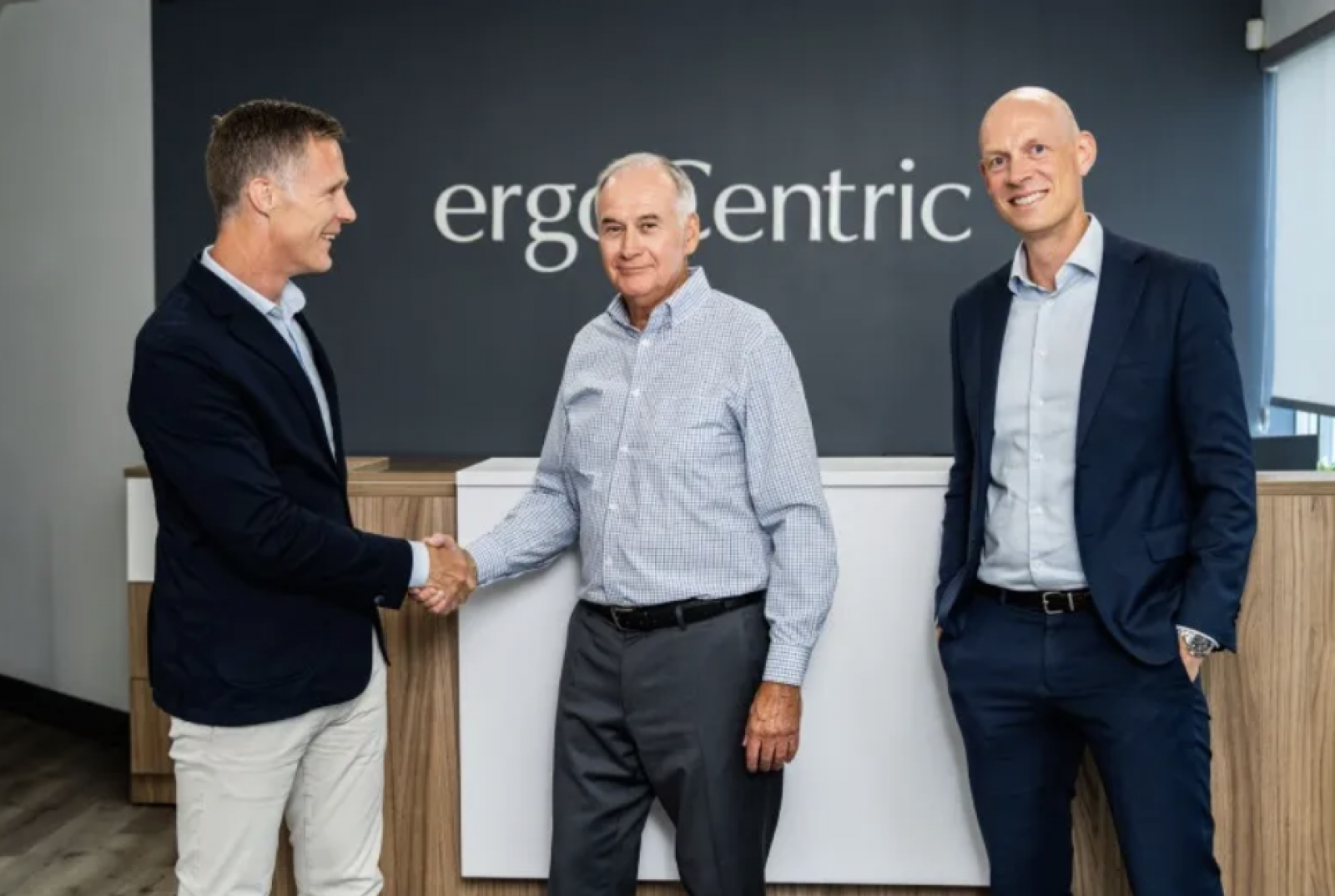
Flokk has added another piece to its North American expansion strategy, acquiring Toronto-based ergonomic seating manufacturer ergoCentric in a deal that pushes the Oslo-based workspace furniture company toward approximately $600 million in annual sales.
The acquisition gives Flokk a stronger foothold in Canada, adding a specialist in ergonomic task seating with nationwide distribution, a Toronto manufacturing facility and approximately 220 employees. ergoCentric, founded in 1990, generated roughly $57.6 million in annual revenue and will remain an independent brand within Flokk’s portfolio.
“By adding ergoCentric to the Flokk group, we significantly strengthen our footprint in Canada and enhance our position in the growing ergonomic task seating segment,” Henning Karlsrud, Flokk’s group CEO, said. “With ergoCentric’s strong market position and distribution, we gain scale in Canada and capabilities that complement our existing brands in North America.”
The deal also builds on Flokk’s earlier acquisition of Spec Furniture, another Toronto-based company. Together, the brands give Flokk a broader commercial and production platform in a Canadian market it sees as strategically connected to the United States.
ergoCentric will keep its existing leadership, sales and distribution organization, and manufacturing operation. Founder and CEO Terry Cassaday will remain through the integration process.
“We already have an established commercial and production relationship with Flokk,” Cassaday said. “Drawing on this experience, I am confident that Flokk will provide an excellent home for ergoCentric and enable us to accelerate our growth and broaden our reach across North America.”
North America has become Flokk’s largest market and a central driver of its growth. Its regional roster now includes 9to5 Seating, Stylex, Via Seating, Spec Furniture and ergoCentric, alongside European brands including HÅG, RH, Giroflex, Offecct, Profim and Malmstolen.
“ergoCentric is our second acquisition in Canada this year,” Karlsrud said. “This is a seating market comparable in size to Germany, with attractive growth prospects and natural commercial ties to the key U.S. markets. Together, our acquisitions in North America have significantly strengthened our market position and growth outlook.”
Flokk now employs about 2,000 people, operates nine production sites across Europe, the United States, Canada and China, and sells products in more than 80 countries. The company says it continues to evaluate acquisition opportunities on both sides of the Atlantic.
“We are actively evaluating several attractive opportunities, both in Europe and North America,” Karlsrud said. “We continue to see significant opportunities to strengthen our position in the region through both organic expansion and strategic acquisitions.”
|
| |
|
|
|
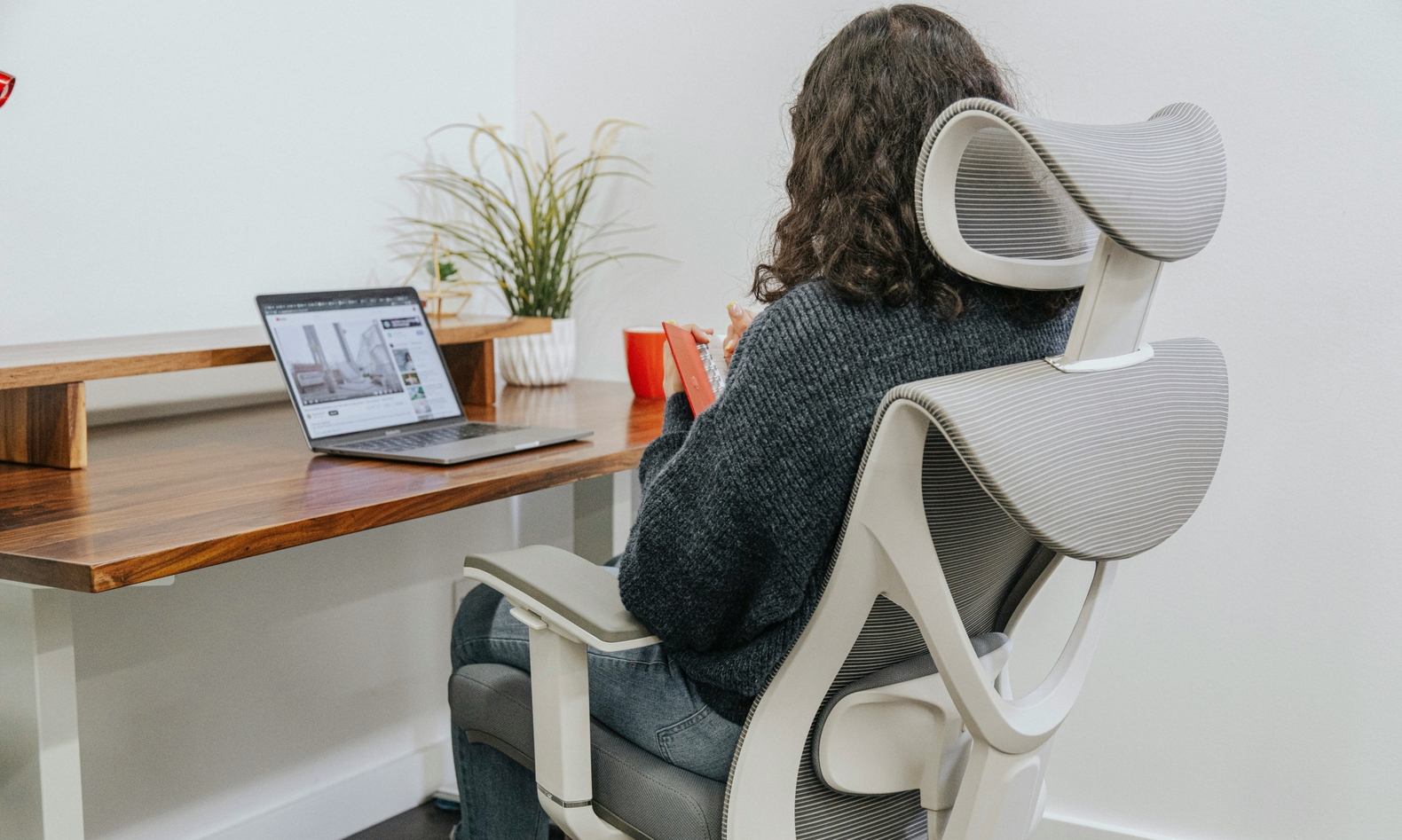
Sixteen thousand Branch ergonomic chairs made between September 10 2025 and April 22 2026 have been recalled because improperly installed backrest anchors can detach, posing a fall hazard. The recall covers 16 SKUs across eight color combos sold online from December 2025 to July 2026 for $320‑$350. A free repair kit with a replacement backrest, bolts and tools is offered; no refunds. Consumers must check the manufacture date label under the seat cushion to determine eligibility, stop using the chair, and request a kit through the company’s recall page. No injuries have been reported, though 11 detachment incidents prompted the recall.
|
|  www.medicaldaily.com www.medicaldaily.com
|
|
|
|
|
Emeco Sues Zara Home, Alleging Copying of Norman Foster Designs
|
|
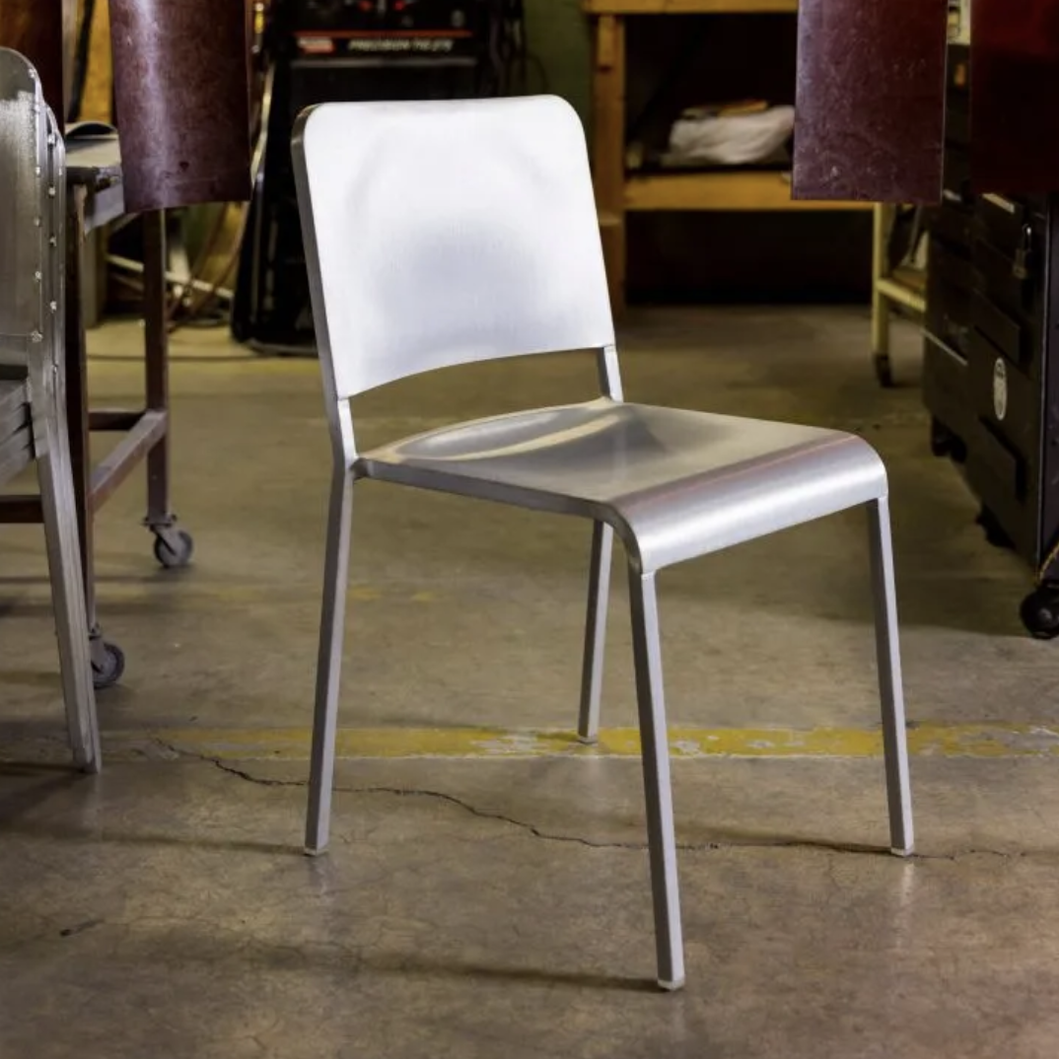
U.S. furniture maker Emeco has filed suit against Zara Home in Germany, accusing the retailer of copying a chair and bar stool created by architect Norman Foster.
The case, filed earlier this year in Hamburg District Court, alleges Zara Home “unlawfully copied the appearance and protected design language” of Emeco’s 20-06 Chair and 20-06 Stool. Emeco is seeking to halt production and sales of Zara Home’s Stainless Steel Structure Chair and Stainless Steel Bar Stool, along with damages.
“We are committed to protecting original design and the integrity of the creative and manufacturing process,” Emeco chairman Gregg Buchbinder said.
Foster designed the 20-06 collection in 2006 as a contemporary update of Emeco’s 1006 Navy Chair, a durable aluminum seat originally developed for the U.S. Navy in 1944. Both Emeco’s pieces and the Zara Home products use metal frames and a seat that curves over the front legs, though their construction differs: Emeco uses square tubing made from 80% recycled aluminum, while Zara Home’s versions are made with round stainless-steel tubes.
Emeco said it sent Zara Home cease-and-desist and damages claims before pursuing the lawsuit, but alleges the retailer declined to stop manufacturing the products. Zara Home declined to comment on the accusation.
Buchbinder framed the dispute as part of a broader challenge for smaller design companies.
“Large retailers often wait until a design has already proven itself in the marketplace before copying it,” he said. “By doing so, they avoid the uncertainty, development costs, and years of market education required to establish an original product.”
“In effect, companies like Emeco become unpaid research and development laboratories for global chains.”
|
| |
|
|
|
|
Virco Posts Profitable Quarter as School Furniture Demand Finds Its Footing
|
|
Virco Mfg. Corporation reported a profitable second quarter despite lower sales, as the school-furniture maker said demand showed early signs of improvement following the approval of new public-school budgets.
The Torrance, California-based company posted second-quarter net sales of $87.5 million for the period ended July 31, down from $92.1 million a year earlier. Operating income fell to $10.5 million from $15.4 million, while net income declined 15.4% to $8.6 million.
Still, Virco maintained a 40.0% gross margin during the quarter, a sign that its U.S.-based manufacturing model continued to support profitability even as school administrators remained cautious with spending.
For the first six months of its fiscal year, sales totaled $118.2 million, down 6.1% from $125.8 million in the prior-year period. Net income fell 46.5% to $5.8 million, and operating income declined to $6.9 million from $15.3 million.
Chairman and CEO Robert Virtue said the company is seeing an advantage in its ability to manufacture and deliver quickly from U.S. facilities as school delivery windows become tighter.
“As the school delivery season becomes more compressed, the response time of our U.S. factories becomes more of a competitive advantage,” Virtue said. “We can provide superior quality, customization, and speed of service, while also operating with virtually no debt.”
Virco said recent demand has improved modestly after schools approved budgets for the July 2026 through June 2027 fiscal year. But management cautioned that the improvement began during a traditionally lower-volume portion of the year and is unlikely to materially change full-year results.
The company is also looking beyond its core school-furniture market, saying domestic manufacturers may be approaching cost parity with overseas competitors in adjacent markets. Virco expects any expansion-related investment to remain within its typical annual capital-expenditure range of $4 million to $6 million.
Virtue said the company’s experienced workforce and domestic production footprint could help it win new customers over time.
“While this current year will prove to be challenging in comparison to our recent years of record financial performance, our foundation is very strong and we’re actively using that strength to gain market share and develop new customers,” he said.
|
| |
|
|
|
Germany's office furniture market fell 5.6% in the first half of 2026, with sales dropping to about €718 million and domestic sales down 8.5%, while exports grew 5% and now represent 23.9% of revenue. Despite the decline, June saw a 7.8% month‑over‑month increase, and the industry is investing in digitalisation, sustainability and future‑ready workplace concepts, looking to events like Orgatec 2026 to boost investment.
|
|  www.interiordaily.com www.interiordaily.com
|
|
|
|
|
For Canadian Office-Furniture Makers, Tariffs Bring a New Kind of Pressure
|
|
The latest U.S.-Canada trade escalation is not just a Washington-and-Ottawa problem. It is a budgeting problem for office projects, a sourcing problem for designers and, increasingly, a survival problem for manufacturers. The new 50% duties on roughly $20 billion in Canadian goods—including furniture (most likely)—have thrown another variable into a commercial-interiors business already dealing with inflation, longer project cycles and wary clients.
That matters because the North American furniture business is not neatly divided by the border. A workstation may be made in Canada with American components; a table may rely on Canadian wood, steel or aluminum; a chair may cross the border more than once before it reaches a jobsite. Canadian office-furniture makers such as Global Furniture Group and Teknion could be caught in that uncertainty, particularly where U.S. sales, Canadian production or cross-border components are central to a project. The question is no longer simply, “What does it cost?” It is, “What will it cost when the purchase order is finally placed?”
Manufacturers are already trying to calm customers while acknowledging that the rules remain unsettled. A spokesperson for Quebec-based Lacasse said, “It’s still an ever-evolving situation, so we are waiting for more precision.” Three H told customers that, while furniture has been identified among affected categories, “based on the tariffs currently in effect, Three H products are not subject to the new 50% Section 338 duties.” That distinction is crucial: country of manufacture alone does not determine the duty. Product classification, origin and the applicable tariff regime all matter.
For designers and dealers, the practical response may be to build contingencies into the specification from the start: a preferred product, a domestic substitute and a second supply-chain option. Tariffs may be paid by the importer, but the designer is often left explaining why a package that fit the budget six months ago no longer does. In a market built on lead times, details and relationships, tariff intelligence is becoming part of the design brief.
|
| |
|
|
|
The global office furniture market is projected to grow at a 7.65% CAGR through 2035, driven by hybrid work, government office optimization, and EU sustainability regulations. Demand is shifting toward flexible, ergonomic, technology‑integrated, and recyclable furniture, with Asia‑Pacific leading revenue growth and North America focusing on renovation and optimization. Modular, durable designs and furniture‑as‑a‑service models are creating new revenue opportunities.
|
|  www.einpresswire.com www.einpresswire.com
|
|
|
|
Office demand in San Francisco has surged to its highest since 2019, with vacancy dropping to around 27‑30%, strong leasing activity driven by tech and AI tenants, net absorption exceeding 1 million sq ft in Q2 and nearly 2.2 million sq ft over the past year, and asking rents rising to $70.31 per sq ft. The market ranks second nationally behind New York, seeing a 161% YoY tech demand increase, while Los Angeles faces higher vacancy and negative absorption, though some sectors show modest gains.
|
|  www.globest.com www.globest.com
|
|
|
|
The U.S. office market is showing signs of recovery despite a fourth consecutive year of white‑collar job losses, with rising workplace attendance and a limited construction pipeline improving fundamentals. Positive national net absorption continued, reaching 40.7 million sq ft in the first half of 2026, while vacancy fell to 15.8% in June, aided by strong performance in markets such as the San Francisco Bay Area, New York City, and Southeast Florida, and modest gains in Sun Belt cities, even as class‑A vacancy remains higher than lower‑grade properties.
|
|  www.globest.com www.globest.com
|
|
|
|
Demand for data center capacity in North America has surged, doubling year‑over‑year and reaching record levels, while construction pipelines have expanded dramatically, now over 12 times larger than in 2021. This growth is shifting development away from traditional hubs like Northern Virginia to frontier markets—particularly Texas, the Midwest, and the Mountain West—driven by abundant power, build‑friendly policies, and low vacancy rates, positioning these regions as the next AI‑focused data center boomtowns.
|
|  www.bisnow.com www.bisnow.com
|
|
|
|
Office sales are showing strong growth in 2026, with a 31% year‑over‑year increase and July sales reaching $7.6 billion, driven by notable deals such as the $300 million sale of Houston’s Williams Tower and a $151 million purchase of an Austin office tower. Sales volume rose sharply in city centers (46%) and suburbs (26%), and the first half of the year was up 14.1% versus 2025, reflecting a broader market rebound supported by declining vacancy rates and AI‑driven leasing activity in major U.S. markets.
|
|  www.bisnow.com www.bisnow.com
|
|
|
|
Boston’s office market is seeing rising in‑person work and a sharp split between buildings that offer a strong, hospitality‑level workplace experience and those relying on modest upgrades. Tenants now prioritize environments that feel welcoming and productive, leading owners to invest heavily in amenities, redesigned lobbies, and community spaces to attract and retain tenants. The shift reflects broader expectations that office spaces compete with homes and hospitality venues, driving a focus on experience‑driven design.
|
|  www.gensler.com www.gensler.com
|
|
|
|
Jocelyn Corrigan’s career in office furniture began with an administrative role in 1998, quickly expanding to sales and account management. After moving to New York in 2002, she led Steelcase’s large showroom and deepened her expertise in sales, dealer relations, and leadership. In 2009 she became senior vice president of sales & marketing at Empire & Co., later advancing to COO, where she focuses on scalable growth, market adaptation, and strategic development. Her success is driven by curiosity, strong relationships, and a willingness to embrace new challenges.
|
|  www.bizjournals.com www.bizjournals.com
|
|
|
|
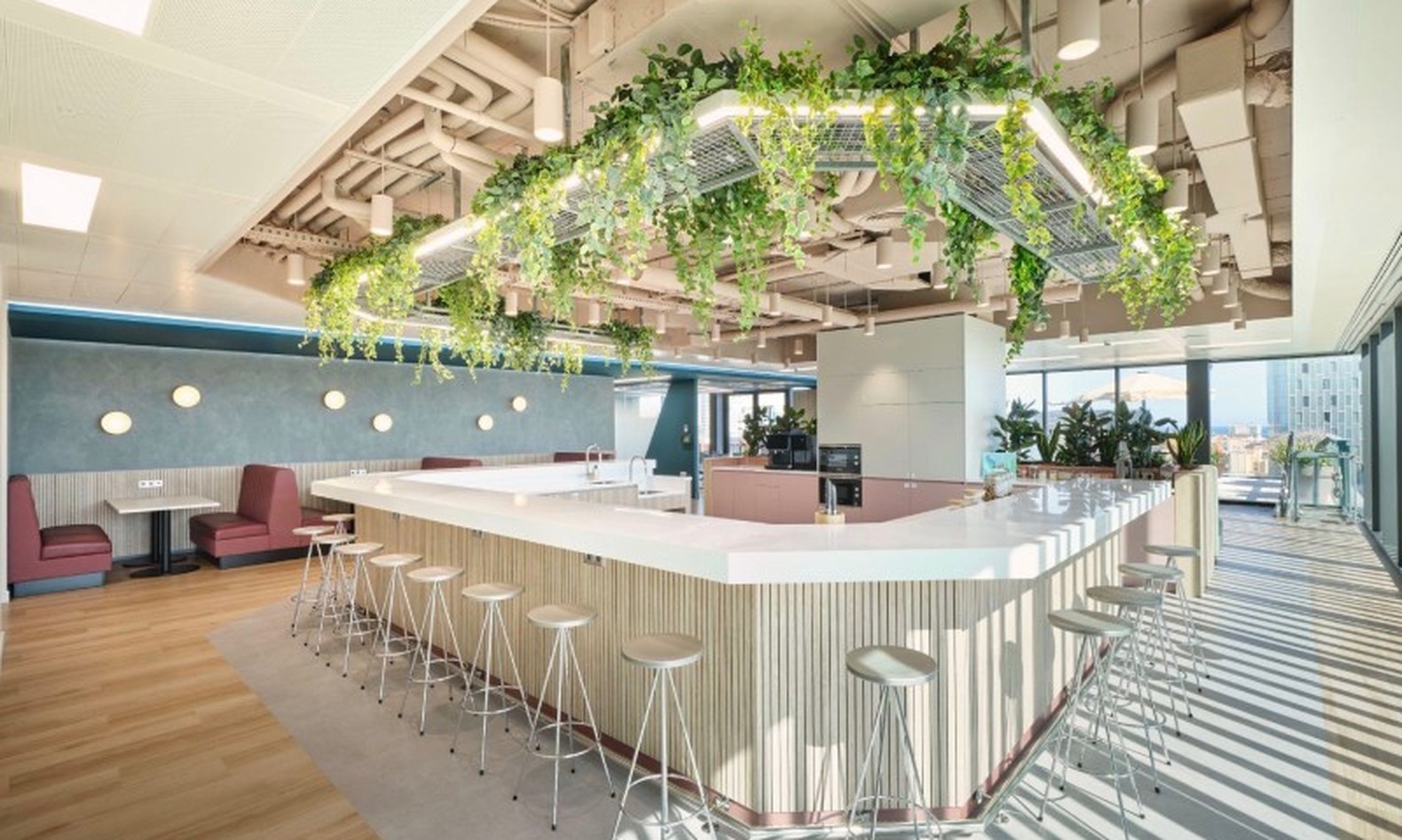
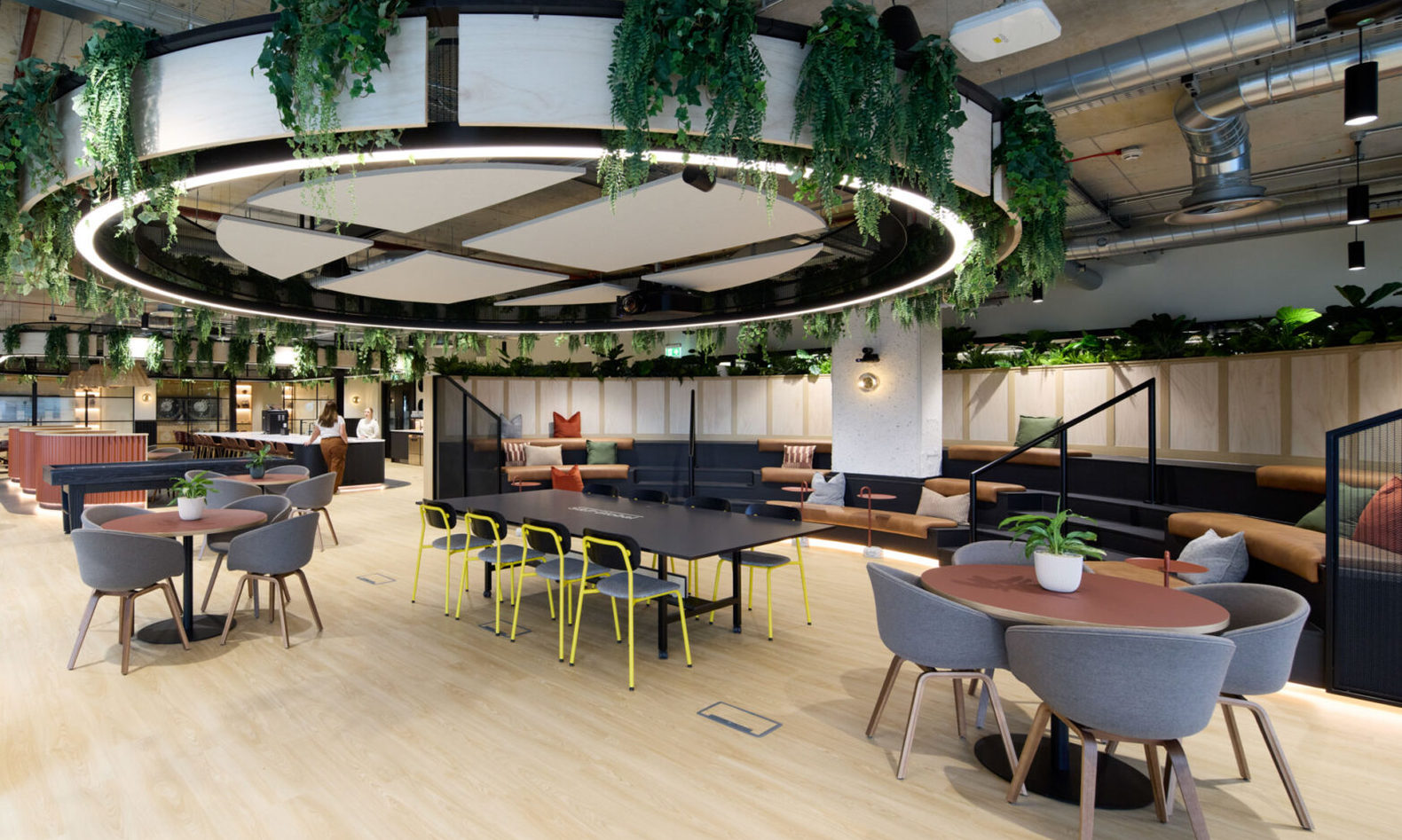
The piece explains how modern offices are shifting from efficiency‑focused spaces to experience‑driven environments that foster collaboration, creativity, wellbeing, and cultural connection. It highlights hybrid work, AI’s impact, and sensory design as drivers of change, showcasing examples such as Thoughtworks’ Barcelona office and Suntory’s headquarters. By integrating hospitality‑style amenities, local identity, and flexible layouts, these workplaces aim to attract employees, support diverse work modes, and strengthen community, positioning experience—rather than mere attendance—as the key measure of office success.
|
|  officeinsight.com officeinsight.com
|
|
|
|
Heritage buildings in London face challenges from red tape and financing, but retrofitting them into modern offices offers unique design advantages, sustainability benefits, and compliance with upcoming energy standards, helping preserve historic spaces while meeting contemporary workplace needs.
|
|  allwork.space allwork.space
|
|
|
|
Petrus Palmér emphasizes Hem’s need to develop its own identity rather than imitate Ikea, focusing on innovation, design integrity, and a distinct brand voice. He explains the decision to eliminate discounts to maintain value and trust with customers and trade partners, noting the shift toward wholesale and B2B sales. Palmér discusses the challenges of competing with a giant like Ikea, the importance of proper attribution, and the balance between influence and scale. He highlights Hem’s growth to about $10 million in revenue, its commitment to high‑quality, thoughtfully designed products, and its role as a platform for emerging designers, while stressing long‑term sustainability over short‑term sales tactics.
|
|  www.fastcompany.com www.fastcompany.com
|
|
|
|
Meal programs are becoming a key lever for workplace operators to boost employee satisfaction and encourage office attendance, with over half of surveyed administrators reporting rising expectations and costs, averaging $425 per eligible employee each month. Companies that manage these benefits deliberately—offering flexible, location‑agnostic options like reimbursements, discounts, and meal credits—see higher program ratings, showing that thoughtful design matters more than sheer spending.
|
|  www.facilitiesdive.com www.facilitiesdive.com
|
|
|
|
AI is reshaping office design by shifting focus from static desks to flexible, AI‑enabled workspaces, prompting companies to favor shorter leases and adaptable spaces. Executives expect headcount growth, but the rise of AI‑driven tasks and wearables will require new acoustic solutions, wellness‑focused environments, and a re‑thinking of space metrics that prioritize people over desks.
|
|  propmodo.com propmodo.com
|
|
|
|
AI-driven job losses are not directly reducing office demand; while tech employment fell 1.5% in 2025‑2026, leasing rebounded due to AI company growth, higher workplace utilization, and limited premium space. The impact varies by role and location, with entry‑level and support functions facing more risk, while senior, revenue‑generating, and specialized teams remain resilient, and markets with diverse economies can better adapt to AI‑related workforce shifts.
|
|  www.globest.com www.globest.com
|
|
|
|
Operators should let data drive decisions on amenities, focusing on what customers already value rather than adding features that sound appealing but lack demand. Growth will come from serving larger corporate clients and secondary markets, while automation and AI can reduce administrative burdens, freeing staff to enhance community and hospitality experiences.
|
|  allwork.space allwork.space
|
|
|
|
Higher education institutions have improved overall space utilization, with daily peak use rising 6‑8 basis points and classroom and office occupancy reaching 47% and 45%, respectively, though they remain below the 70‑85% targets. Significant opportunities exist to save costs by optimizing underused conference rooms and classrooms, which could reduce custodial, HVAC, and lease expenses and avoid new construction costs, while small design interventions have already shown measurable benefits on campuses.
|
|  www.facilitiesdive.com www.facilitiesdive.com
|
|
|
|
The labor market shows a widening gap between official unemployment rates and functional unemployment, with about a quarter of workers classified as functionally unemployed. While the headline jobless rate remains low, indicating near‑full employment to the Federal Reserve, measures that include part‑time and low‑wage workers reveal rising joblessness, especially among women and certain demographic groups. This divergence suggests weakening labor market strength despite favorable headline numbers.
|
|  allwork.space allwork.space
|
|
|
|
Workers increasingly feel nostalgic for pre‑AI workplaces, with 65% of surveyed knowledge workers expressing longing for how work was done before AI’s rise. Many fear AI erodes expertise and purpose: 46% are frustrated that tasks once requiring years of skill can now be performed by anyone using AI, 31% would prefer an AI‑free office, and 23% feel their personal expertise is devalued. Despite this nostalgia, a majority still see AI’s value—67% want more AI use in their organizations, and 69% believe their companies use AI ethically. The findings suggest that companies must balance AI adoption with preserving human ownership, expertise, and meaning in work to maintain employee confidence and satisfaction.
|
|  www.fastcompany.com www.fastcompany.com
|
|
|
|
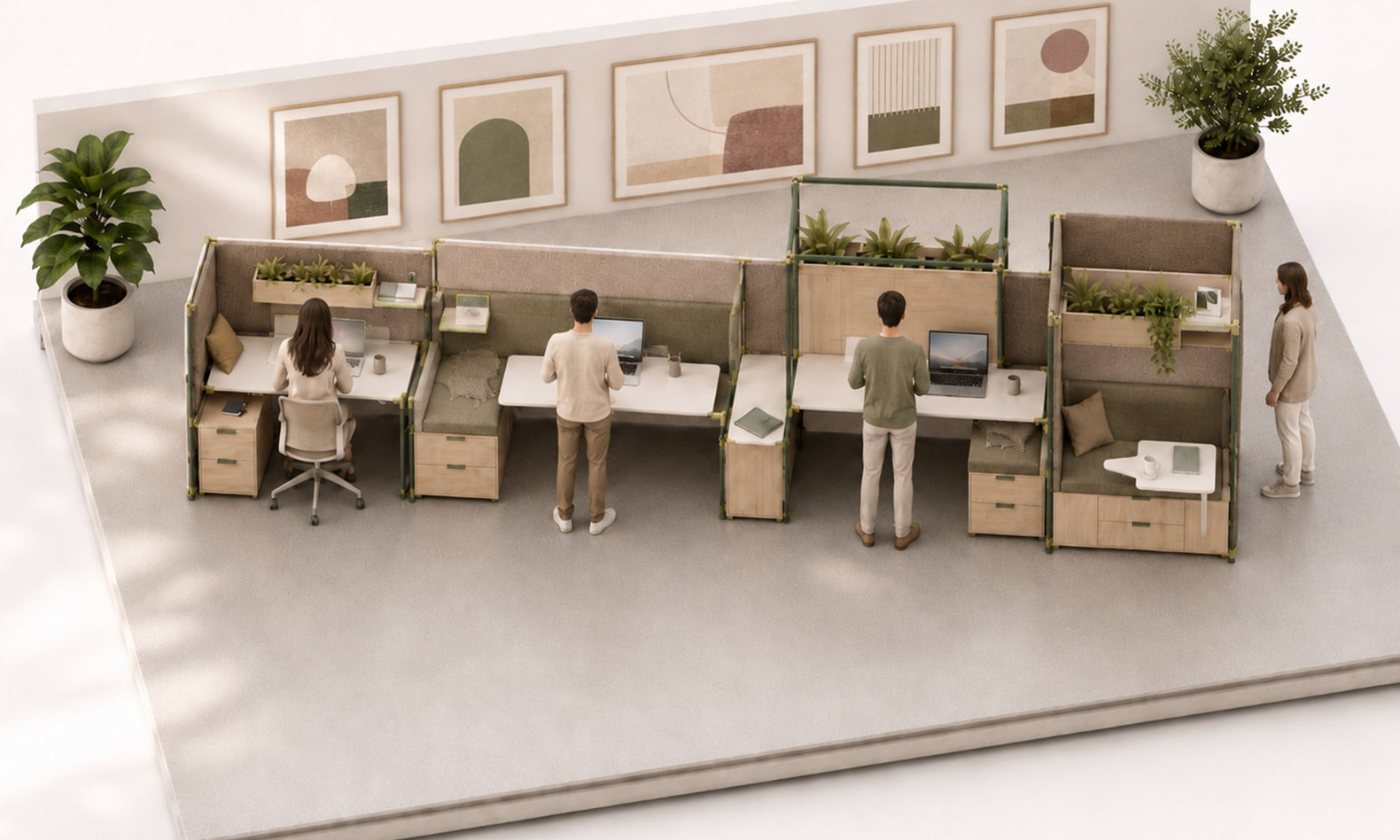
Ancillary spaces are evolving to support diverse employee needs by emphasizing experience-driven environments, connection hubs, and activity‑based work that offer flexible, choice‑based settings for collaboration, focus, and relaxation. Incorporating neuroinclusive design, well‑being features, and sustainable, circular solutions further enhances comfort, health, and environmental impact, creating adaptable spaces that foster community, productivity, and lasting value.
|
|  www.haworth.com www.haworth.com
|
|
|
|
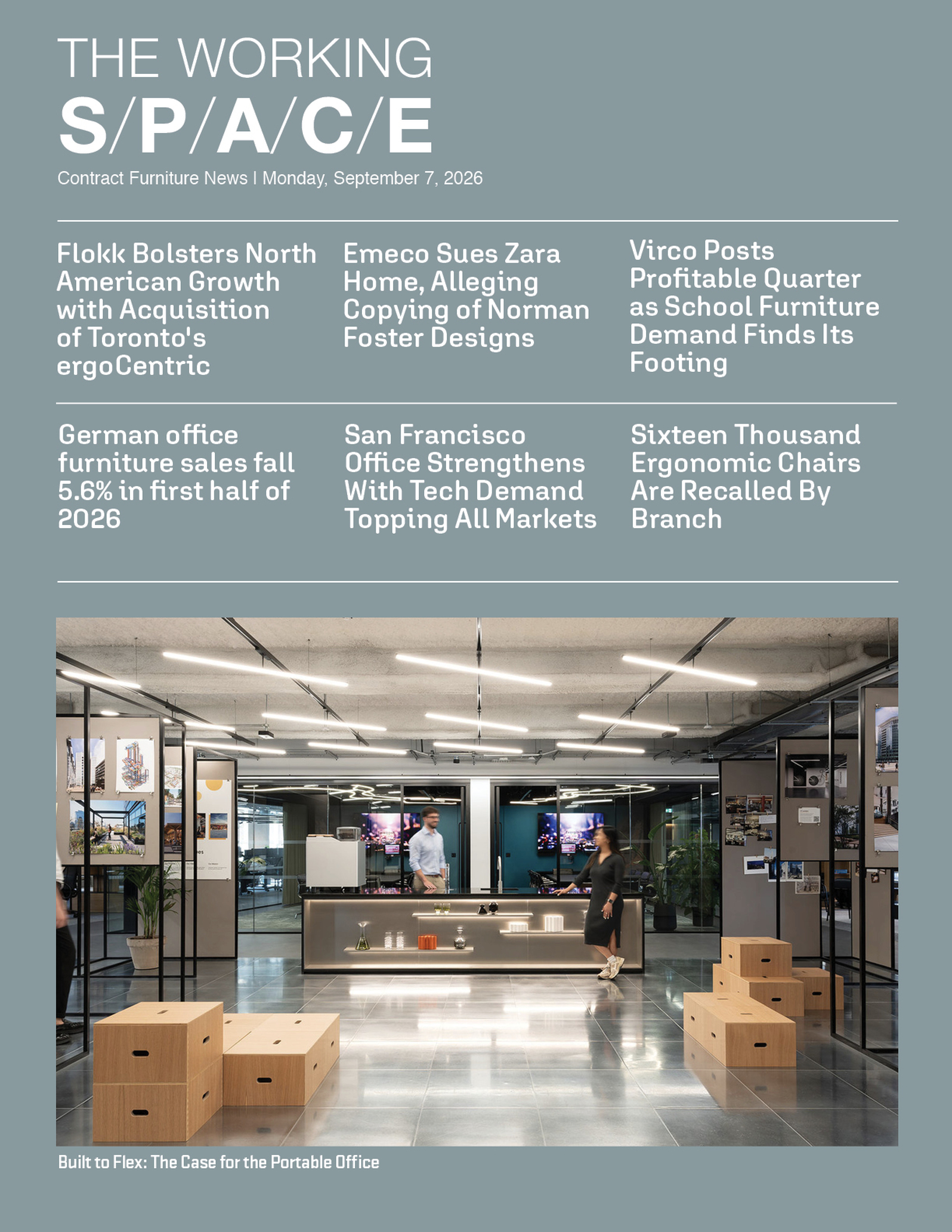
Offices are often built as permanent fixtures despite temporary leases, leading to stranded assets when businesses move. The portable office concept proposes adaptable, modular components—such as demountable partitions, raised flooring, and plug‑and‑play services—that can be disassembled, relocated, and reassembled with minimal waste. This approach treats fit‑out elements as reusable assets, allowing workplaces to evolve with changing lease terms while reducing waste and preserving value.
|
|  www.gensler.com www.gensler.com
|
|
|
|
Workplace microdiversity recognizes that each employee has unique sensory, cognitive, and physical needs that go beyond job roles, influencing how they experience and interact with their environment. The guide highlights shifting demographics, AI-driven automation, and the growing importance of mental health and neurodiversity, urging designers to create adaptable workpoints that support learning, creativity, and well‑being rather than just task efficiency.
|
|  www.gensler.com www.gensler.com
|
|
|
|
Republican attorneys general have accused the Big Four accounting firms of conflicts of interest for supporting corporate climate disclosure, arguing that their dual role undermines independence and may violate state law. The latest letter, led by Nebraska AG Mike Hilgers, focuses on these concerns without citing antitrust issues. The broader GOP campaign aims to pressure organizations to retreat from climate initiatives, using high‑profile letters and subpoenas, though it often stops short of filing charges.
|
|  trellis.net trellis.net
|
|
|
|
Studios worldwide, including JLL Design’s 65 global studios, are adopting the AI floor‑plan generator laiout to automate early‑stage space planning, dramatically cutting test‑fit times—from days to minutes—and enabling designers to evaluate many layout options quickly. This speed boost has freed up designer hours for creative refinement and client interaction, leading to a 50 % reduction in test‑fit time, up to a 93 % cut in production time, and broader adoption across 46 countries and multiple departments, ultimately improving design quality while lowering time and cost.
|
|  www.dezeen.com www.dezeen.com
|
|
|
|
Office Hub has integrated with Spacebring, enabling coworking operators to automatically sync workspace inventory and availability between the two platforms, eliminating manual updates and reducing administrative workload. This live integration improves listing accuracy, speeds up updates, enhances visibility on Office Hub, and provides a smoother experience for both providers and prospective tenants, supporting faster leasing enquiries and overall growth for flexible workspace businesses.
|
|  allwork.space allwork.space
|
|
|
|
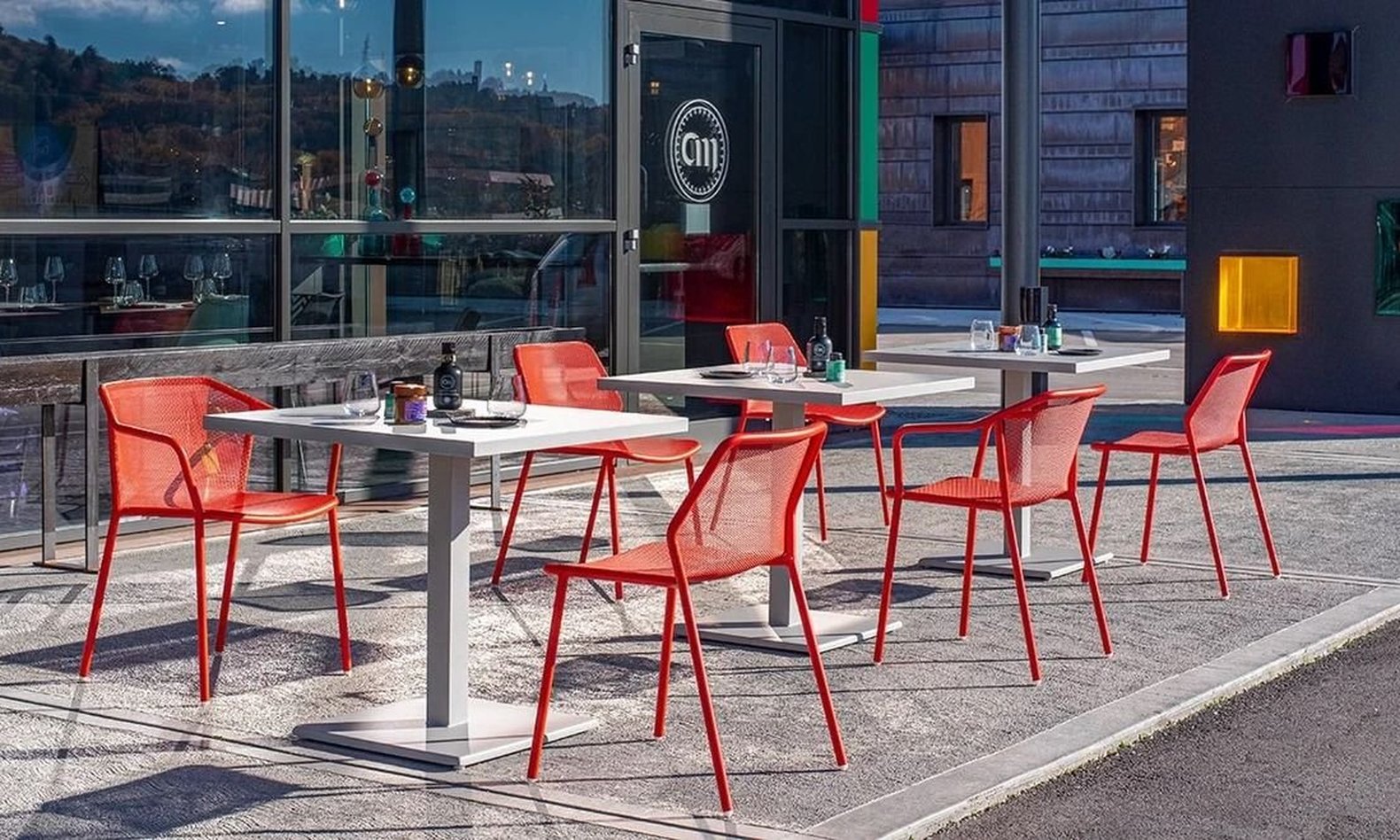
Darwin, a seating and table collection from emuamerics, blends Italian craftsmanship with a metal mesh and geometric design for elegant, warm, and adaptable commercial furniture. Designed by Lucidi/Pevere, the line offers chairs, stools, and tables in various shapes and finishes, suitable for dining, bar, and lounge spaces, and is praised for its “less is more” approach, ergonomic comfort, and flexibility across indoor and outdoor environments.
|
|  www.officing.com www.officing.com
|
|
|
|
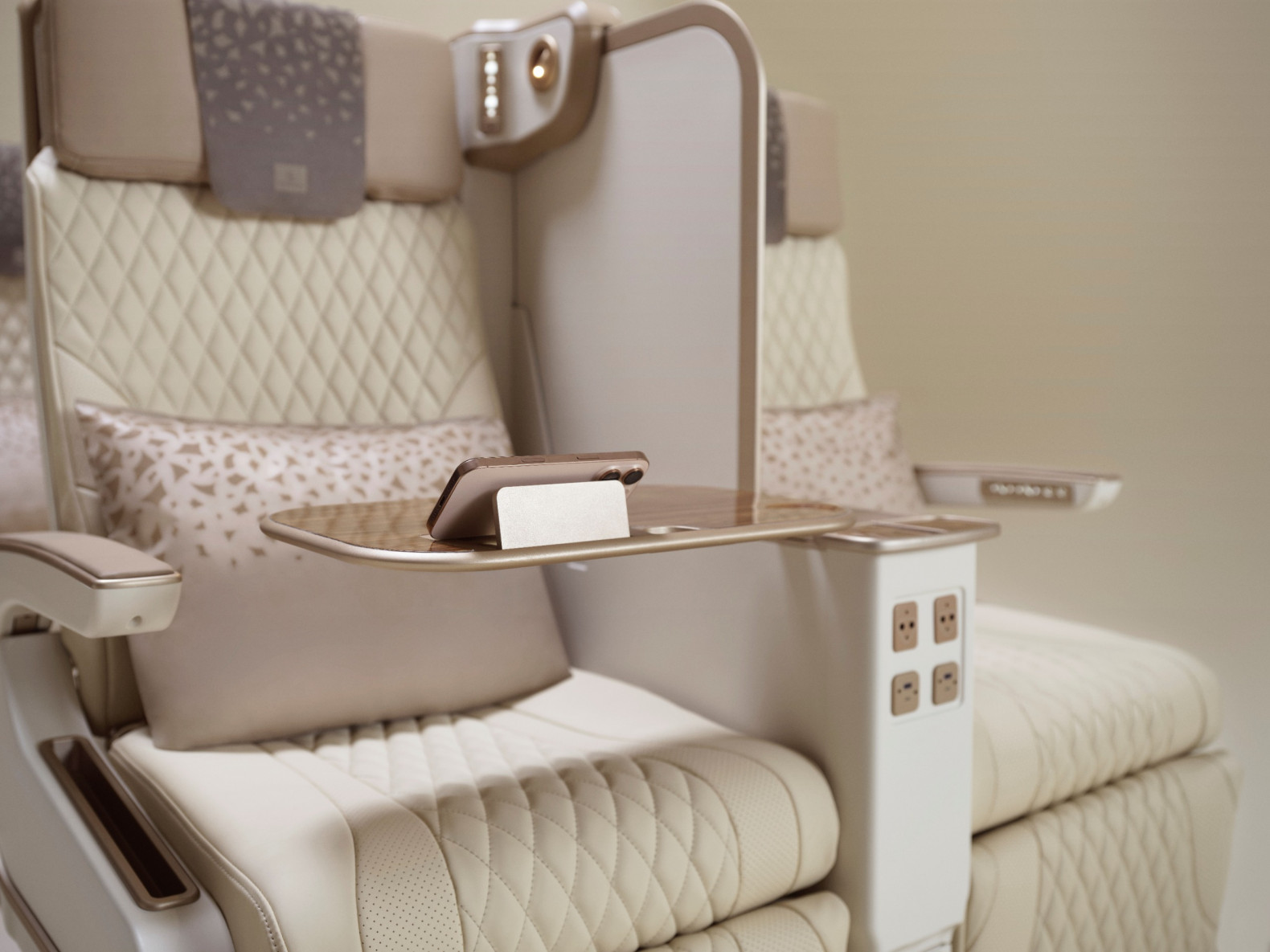
Emirates has introduced an electric Premium Economy seat on its A350 fleet, featuring a 2‑3‑2 layout with 28 seats, adjustable controls, privacy dividers, a 13.3‑inch 4K touchscreen, wireless charging, USB‑C, a footrest, and eco‑friendly amenity kits, earning multiple industry awards.
|
|  www.wallpaper.com www.wallpaper.com
|
|
|
|
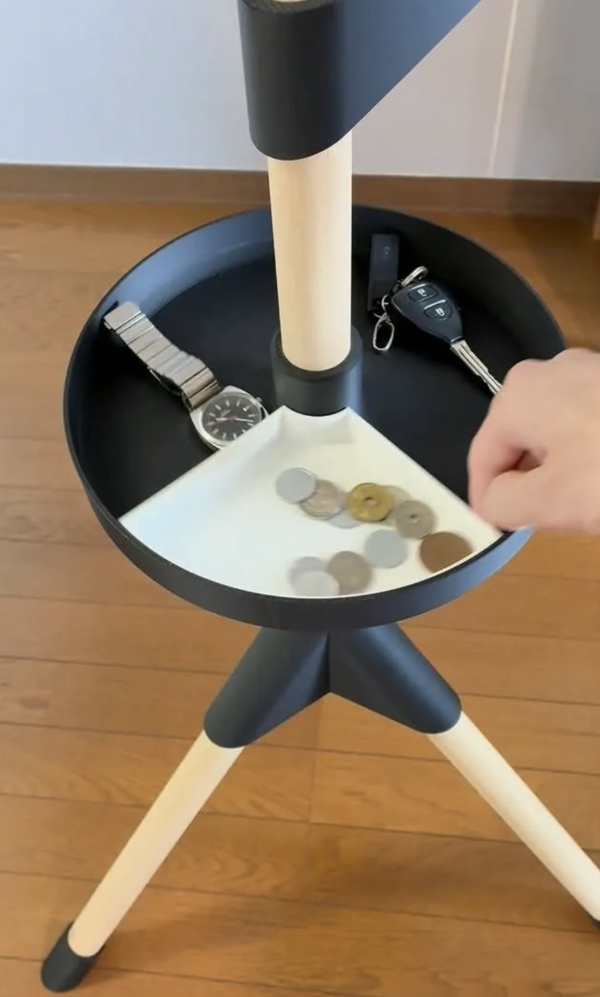
Chois offers 3D‑printed modular components that connect standard dowels to create customizable three‑legged furniture such as side tables, valets, and hanging systems, with various hooks, trays, and accessories available; the components are sold as STL files by designer Nobutsuna Honami.
|
|  www.core77.com www.core77.com
|
|
|
|
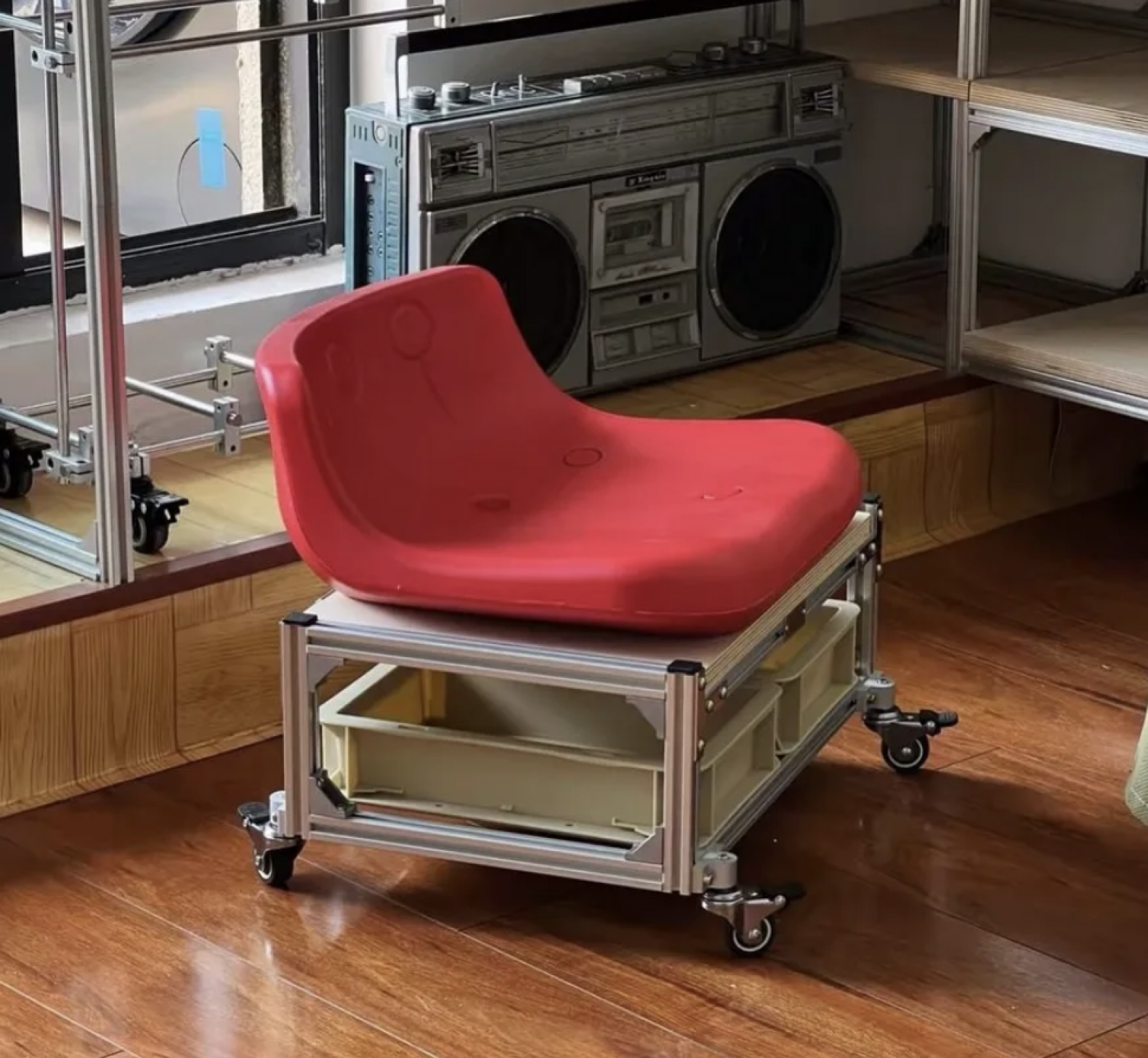
A "turtle stool" combines a molded seat with an aluminum‑extruded crate that includes two storage bins, offering a cozy, low‑profile seating solution that can be easily disassembled and shipped, marketed by the brand Soda Box through Chinese e‑tailers.
|
|  www.core77.com www.core77.com
|
|
|
|
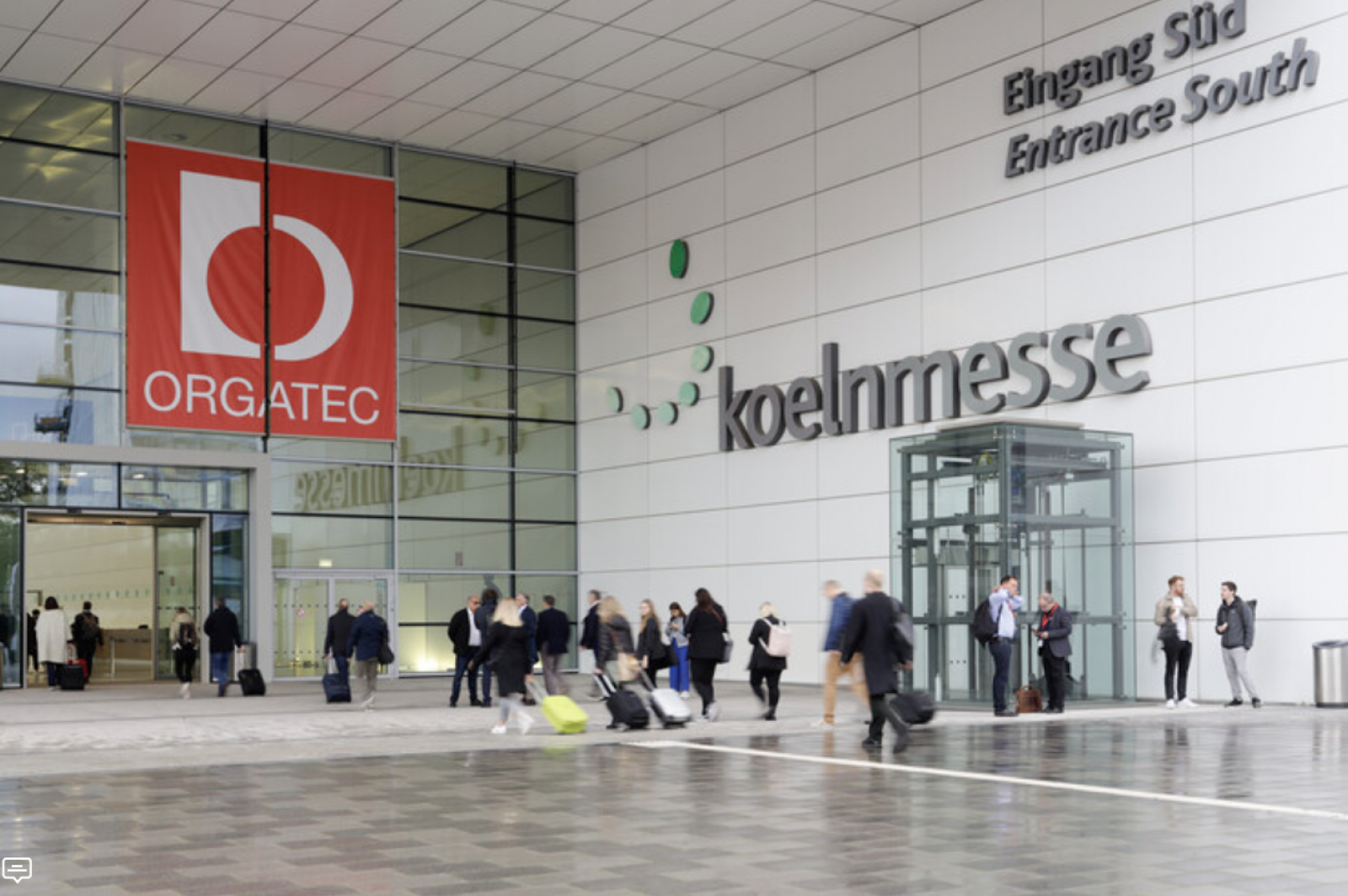
Orgatec 2026
October 27-30, 2026 | Cologne, Germany
ORGATEC is the global industry meeting point for everyone who is rethinking and shaping the worlds of work and contract. Every two years, leading brands, experts, and an international trade audience come together in Cologne. Under the guiding theme "From rooms to relationships: designing spaces in an ever-changing world", the focus is on people – and on how spaces in times of change are redefined.
ORGATEC 2026 is a chance to see how the future of work is taking shape—from hybrid and AI-enabled workplaces to healthier, more flexible, and sustainable commercial spaces. Attendees can explore leading international brands, discover European products and concepts not yet widely available in North America, and gain practical insight through talks, guided tours, and interactive programming. It’s also a valuable setting to meet global manufacturers, architects, designers, and workplace decision-makers in one place.
|
| |
|
|
|
NeoCon 2027 / DesignDays 2027
June 13-16, 2027 | Chicago, IL
NeoCon has served as the world’s leading platform and most important event of the year for the commercial design industry since 1969. A launch pad for innovation—NeoCon offers ideas and introductions that shape the built environment today and into the future. For 2027 NeoCon is officially a 4-day event beginning on Sunday, June 13, 2027.
|
|
|
|
|
|
|
Trends in Commercial Projects
|
|
|
|
|
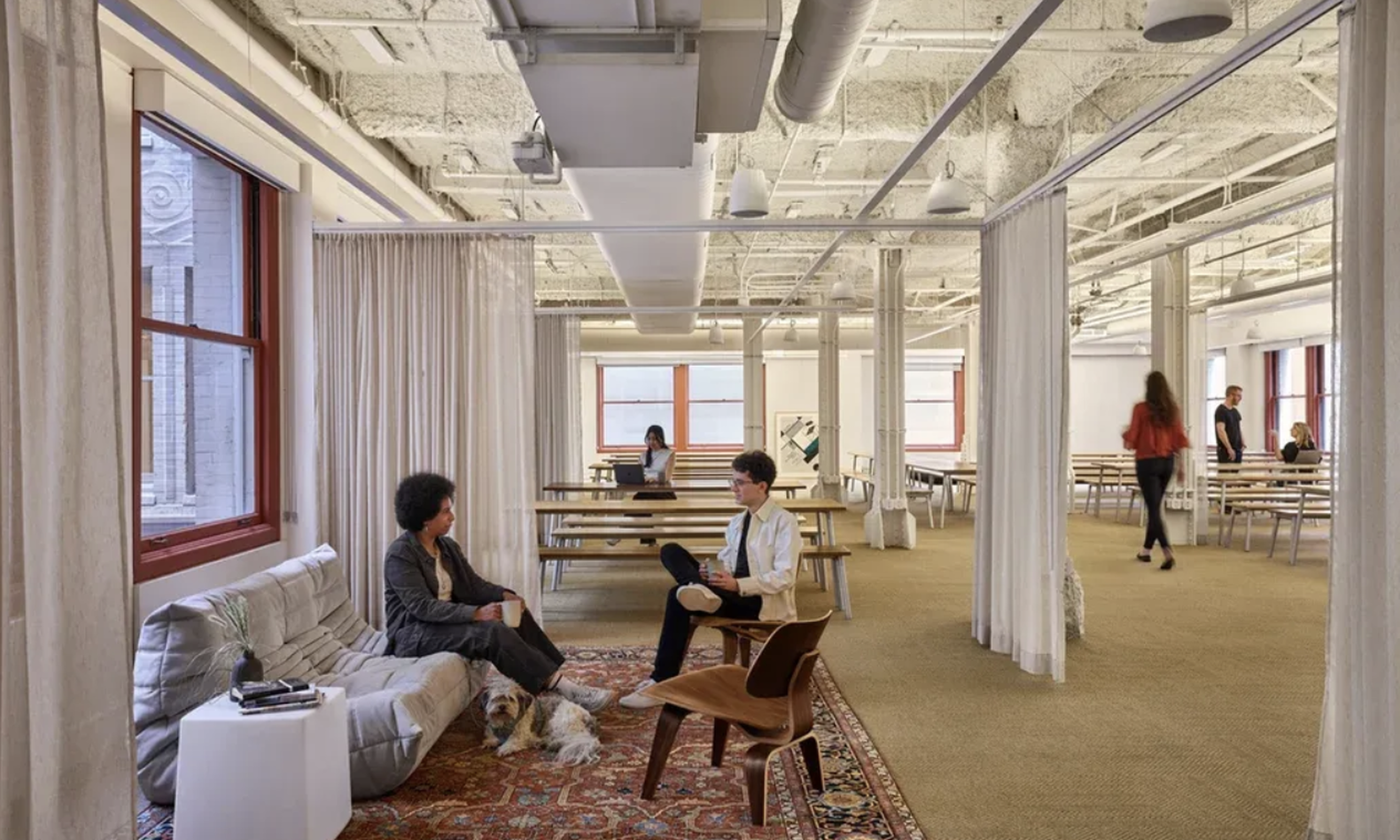
Notion’s new San Francisco headquarters revives a historic 1907 building, blending classic design elements—antique furnishings, preserved marble floors, and vintage details—with modern workspaces. Designed by IA Interior Architects, the 100,000‑sq‑ft office emphasizes timeless aesthetics, flexible environments, and employee well‑being, while reflecting the company’s culture and long‑term vision.
|
|  www.fastcompany.com www.fastcompany.com
|
|
|
|
A Manchester workspace inspired by Alan Turing blends data‑driven design with industrial heritage, featuring modular zones for collaboration, focus, social activity, brainstorming, and meetings, while using sustainable materials, bespoke graphics, and dynamic lighting to reflect the flow of information.
|
|  www.mixinteriors.com www.mixinteriors.com
|
|
|
|
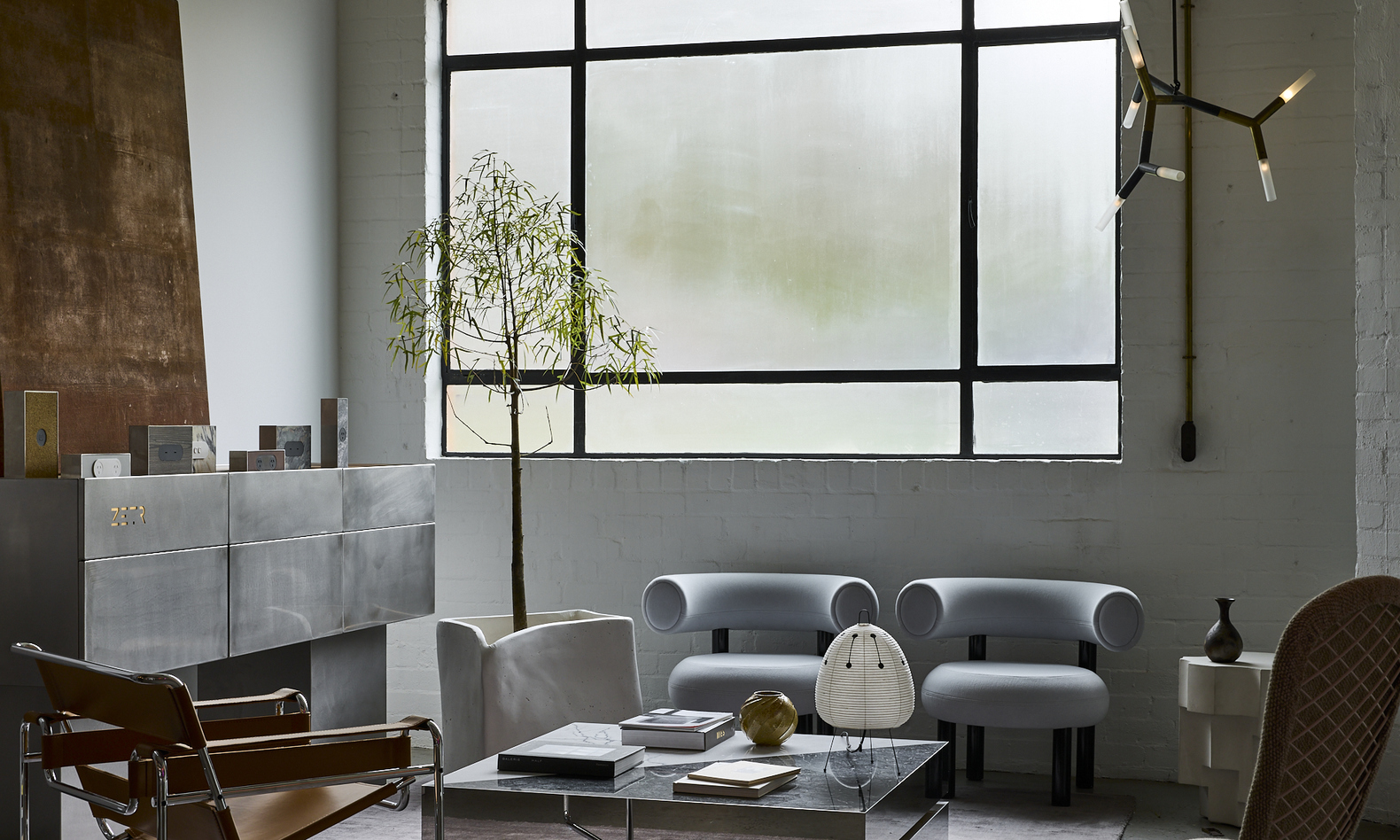
ZETR transformed a 1960s garage in New South Wales into a hybrid headquarters that combines office, showroom, design workshop, and production space. The design retains industrial elements like red brick, concrete, and steel while integrating ZETR’s electrical systems throughout workstations, meeting rooms, and communal areas. Collaborating with a spatial designer and local makers, the team created custom furniture, a reclaimed Herman Miller desk system, and bespoke stone and metal features. The space supports creativity, collaboration, and sustainability, reflecting the brand’s ethos and allowing ongoing testing of materials, technology, and workplace experiences.
|
|  www.onofficemagazine.com www.onofficemagazine.com
|
|
|
|
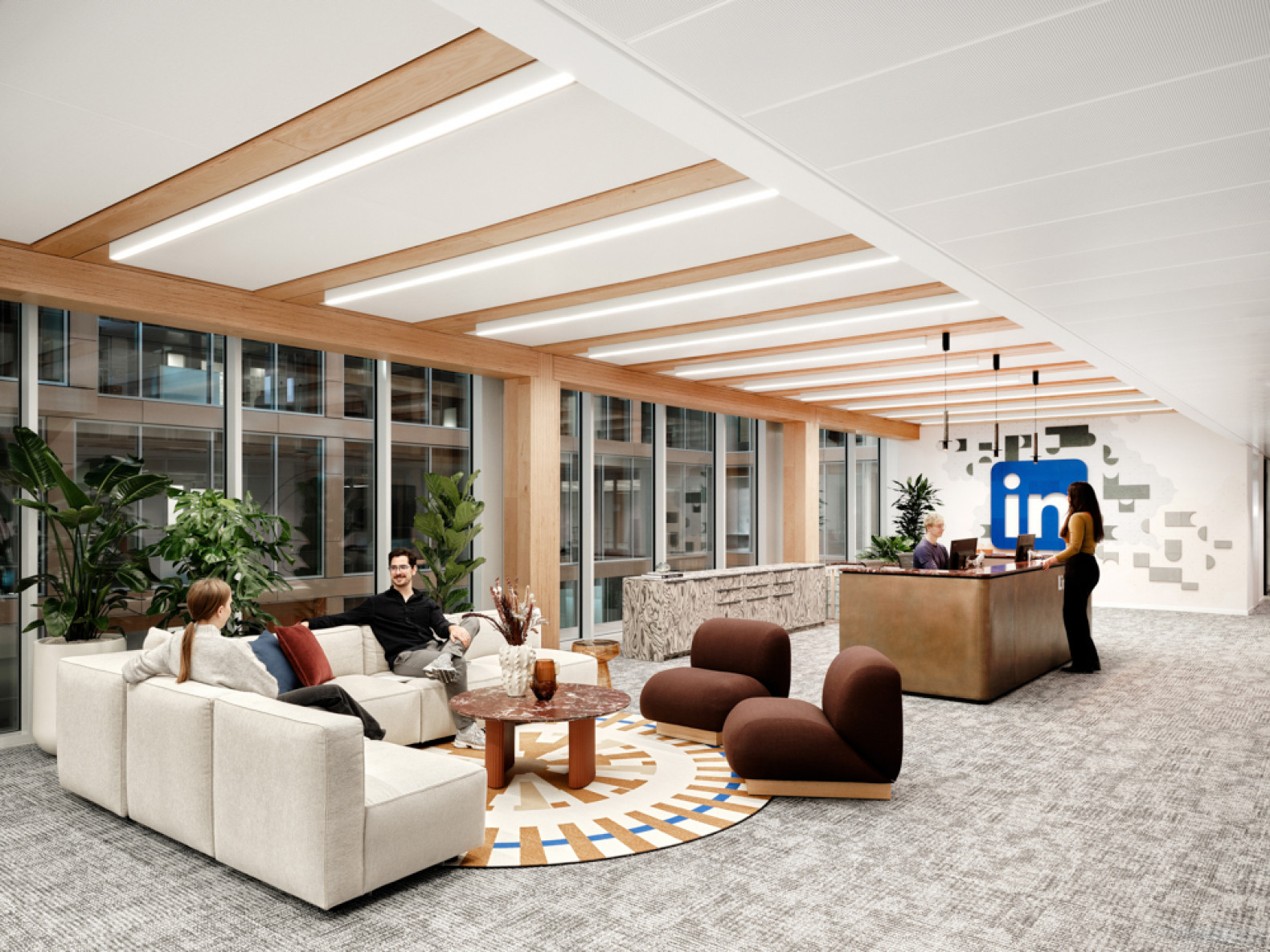
Gensler transformed LinkedIn’s new Munich headquarters into a modern campus that blends the city’s historic charm with cutting‑edge design, featuring a mixed‑use environment, vibrant public spaces, food trucks, cafés, and bike‑friendly pathways within the i8 Building of iCampus Werksviertel.
|
|  www.mixinteriors.com www.mixinteriors.com
|
|
|
|
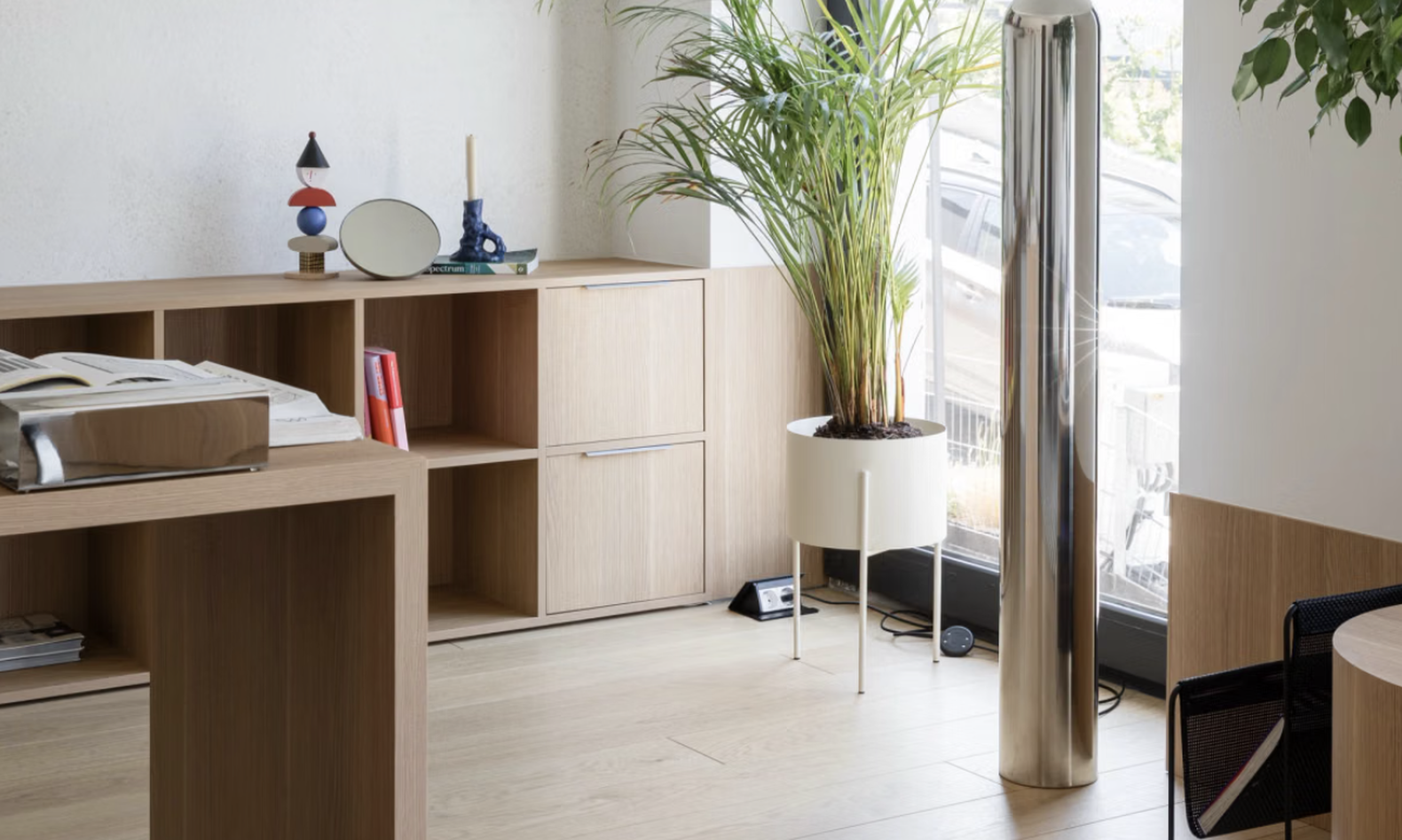
Vadim Carazan, a seasoned brand designer, shares his home office setup in Cluj-Napoca, highlighting a custom oak desk, a 2023 MacBook Pro 16” with M2 Max, an Apple Magic Trackpad, and a collection of design books. He discusses his career journey—from $50 logo contests to building AI design tools—and describes his daily routine, productivity tricks, and favorite low-cost tool (a sketchbook and pencil). The piece also notes his studio ventures, WeGrow and NineDays, and provides links to related workspace tours.
|
|  workspaces.xyz workspaces.xyz
|
|
|
|
I've had 100+ people come test chairs and not a single person knew how to adjust their chair. Give me 12 minutes and I'll delete your back pain.
|
| |
|
|
|
General Atlantic has signed a lease for more than 150,000 sq ft at the upcoming 53‑story Class AA office tower at 625 Madison Avenue, which will become its new global headquarters and anchor the development slated to open in 2029. The firm will occupy five floors, featuring a flagship restaurant, a club, dining spaces, executive boardrooms, terraces, and luxury retail, while the move consolidates its New York team of over 330 professionals within a modern, collaborative environment.
|
|  www.globest.com www.globest.com
|
|
|
|
Lucid Bots, a Charlotte robotics firm with 80 employees, is leasing a new 45,000 SF headquarters at 9013 Perimeter Woods Drive, doubling its current space, to accommodate growth and expand its commercial robot and drone offerings, with the move planned for December after securing $20 M in Series B funding.
|
|  www.bisnow.com www.bisnow.com
|
|
|
|
Burlington is relocating its corporate headquarters to a 441,000 sq ft building at 3151 Market St. in Philadelphia’s University City, purchasing the property for $240 million ($544 per sf). The move will bring 2,000 jobs and $370 million in investment over five years, supported by a $7 million forgivable loan and a job‑creation tax credit from the city. The building, part of Brandywine’s Schuylkill Yards development, was 4% leased at the time of sale, and the transaction is expected to close by the end of September.
|
|  www.bisnow.com www.bisnow.com
|
|
|
|
|
Insidesource Names Alma Lopez Director of Design Strategy for Northern California
|
|
Insidesource is adding a prominent Northern California design voice as it looks to deepen its role in the evolving workplace.
Alma Lopez has joined the workplace solutions provider as director of design strategy for Northern California, the company announced Thursday. In the role, Lopez will lead design strategy for key accounts and expand Insidesource’s relationships within the architecture and design community.
The hire reflects a broader bet on workplace design as a business tool—not simply an aesthetic choice. Insidesource works with corporate, technology, healthcare, education, public-sector and professional-services clients on projects spanning strategy, design, procurement and installation.
“Alma’s blend of creative vision and strategic leadership makes her a fantastic addition to our team,” Insidesource CEO Dave Denny said. “She understands design drives how people work, how brands show up, and how clients realize value.”
Lopez brings 16 years of experience across design, branding and culture. She co-founded ADITIONS, an experiential design studio, and Threads Collective, which promotes Mexican American artists through exhibitions and cultural exchange. Her work has been featured in The New York Times, Architectural Digest, Fast Company and Dezeen.
She is also president-elect of IIDA Northern California, a position that places her at the center of the region’s design conversation as companies continue to rethink the purpose—and the feel—of the office.
“Design has the power to connect people to place, to culture, and to each other,” Lopez said. “Insidesource has built a platform where that thinking can scale across clients, partners, and the broader design community.”
Insidesource is headquartered in San Francisco and operates 11 locations globally, including offices throughout Northern California, the Pacific Northwest, the Northeast, London and Singapore.
|
| |
|
|
|
|
Perkins Eastman Celebrates Top Talent with 2026 Promotions
|
|
Perkins Eastman announced the promotion of 87 staff members for 2026, including seven new Principals, twenty‑one Associate Principals, twenty‑five Senior Associates and thirty‑four Associates, highlighting the firm’s commitment to recognizing talent and advancing its global design practice. The promotions span a wide range of expertise—from architecture and sustainability to research, branding and interior design—demonstrating the firm’s focus on innovative, people‑centered solutions across its twenty‑six studios worldwide.
|
| |
|
|
|
|
Steelcase to Host Gaming GOAT Rodeo Collegiate Esports Competition at Grand Rapids LINCXX
|
|
Steelcase will host the third annual Gaming GOAT Rodeo collegiate esports competition on October 2 at its Learning & Innovation Center in Grand Rapids, featuring eight university teams in a one‑day tournament streamed live on Twitch. The event highlights esports’ growing role in education by showcasing student talent, promoting teamwork and leadership, and encouraging educators and program leaders to explore esports as a tool for student engagement and workforce development.
|
| |
|
|
|
Remote employees are at higher risk of layoffs after acquisitions because they lack visible relationships with decision‑makers, making them easier to cut. To protect their jobs, they should actively build strong connections, demonstrate value beyond metrics, and become known as essential by managers and customers, while managers must focus on true influence rather than activity reports.
|
| |
|
|
|
Manage and grow a national network of independent sales representatives across the US and Canada, driving revenue through commercial furniture dealers, architects, designers, and specification firms. Own the full sales cycle—strategy, pipeline management, forecasting, and contract negotiations—while conducting market analysis to spot trends and opportunities. Partner cross-functionally with Product, Marketing, Supply Chain, and Leadership to deliver strong customer solutions, and represent the company through presentations, training, trade shows, and industry events. Requires extensive travel throughout the US and Canada to build relationships and support the rep network in the field.
|
| See Job Opening > |
|
|
|
|
|