In this issue… office markets show a mixed recovery: demand and rents are rising as construction slows, coworking gains share, and AI boosts demand for workspace while reshaping facilities management and corporate offices. Aging buildings face costly upgrades. Workplace stories explore inclusive design, acoustics, flexible investment, and spaces that support collaboration, human performance, and well-being amid labor shortages and remote-work growth. Product news spans configurable furniture, sustainable acoustic textiles and upholstery, customizable lighting, healthcare seating, and hospitality collections. Other stories cover IKEA’s fast-growing resale marketplace, shifting real-estate investment priorities, and more adaptable workplaces.
|
| |
|
|
|
The U.S. coworking market added 228 locations in Q3 2026, reaching a total of 9,612 spaces and 168.36 million sq ft, though growth slowed for the third quarter. Portland and Jacksonville led local expansion, while Los Angeles remains the largest market by location count. Major brands added 91 locations, with Regus staying the biggest provider; WeWork contracted. Independent operators now represent about 76% of locations. Membership prices held at $219 monthly, day‑pass rates fell 11.8% to $30, and meeting rooms stay at $45 per hour.
|
| Read more > |
|
|
|
AI-driven office demand is soaring, with national AI office requirements up 85% year‑over‑year and 179% in major AI hubs, as companies hire engineers and need large spaces—averaging 37,000 sq ft versus 27,000 sq ft for tech overall. Growth is concentrated in San Francisco, Silicon Valley, and New York, which together hold two‑thirds of AI square footage, while secondary markets like Seattle and Northern Virginia also see rapid expansion, reshaping office market dynamics despite expectations that AI would reduce office space needs.
|
| |
|
|
|
“Post COVID the tech companies were pushing back against the return to the office. Now they are driving the return, a lot of companies are even bringing people in on Saturdays because they know they can’t win this race to innovate if they are remote.”
- Nick Romito, co-founder and CEO of VTS
|
| |
|
|
|
|
Office Recovery Offers Contract Furniture a Reason for Optimism
|
|
Improving leasing activity and demand for better space suggest the industry’s outlook may be brighter than the prolonged office downturn has implied.
The contract furniture industry has spent years waiting for a clearer signal that companies are ready to invest in their offices again. The latest commercial real estate forecasts offer some encouragement: Office demand is improving, desirable space is becoming harder to find, and the market is recovering faster than previously expected.
That does not guarantee a surge in furniture orders. But it strengthens the case that the industry’s future may be less dire than the headlines about empty buildings and shrinking corporate footprints have suggested.
CoStar has raised its forecast for U.S. office net absorption to 20 million square feet in 2026 and 9 million in 2027, up from earlier projections of 13 million and 5 million. It now expects vacancy to finish 2026 at 13.6%, slightly below its previous estimate. Asking rents are projected to grow 2.5% year over year over the next few quarters, accelerating above 3% toward the end of 2027. CoStar’s revised forecast
For furniture manufacturers and dealers, the opportunity lies in what those real estate decisions could set in motion. A company moving into a better building may also reconsider how its workplace functions—and what furniture it needs to support it. Relocations and renovations can create opportunities for seating, meeting areas, collaborative settings and spaces for focused work, even when the tenant takes fewer square feet.
The furniture opportunity therefore extends beyond companies expanding their footprints. It includes companies making a more deliberate investment in the space they keep.
CBRE’s third-quarter figures reinforce the encouraging direction. Leasing reached 63.8 million square feet, up 4% from a year earlier, while net absorption remained positive for the 10th consecutive quarter at 4.9 million square feet. Prime office vacancy fell to 11.9%, down from 14.4% a year earlier, pointing to continued demand for higher-quality buildings. CBRE’s third-quarter report
There is an important qualification: Much of the market’s tightening reflects limited new supply. CBRE reported just 1.5 million square feet of construction completions in the quarter, down 76% from a year earlier. The total space under construction was 20.1 million square feet. Fewer new buildings can help landlords fill existing properties, but they also limit one traditional source of large furniture projects.
That makes the existing workplace especially important. Manufacturers and dealers that help customers renovate, reconfigure and improve occupied space could find opportunities even during a restrained construction cycle. The market may reward the ability to solve specific workplace problems as much as the ability to furnish a new headquarters.
The risks remain real. CoStar cautions that inflation, elevated interest rates and further business cost-cutting could weaken the recovery. AI adoption could also reduce demand for some office-based jobs. Its outlook still assumes historically weak demand growth, with supply constraints helping the market regain balance.
Still, a sustained improvement in leasing gives the contract furniture industry something concrete to build on. These reports measure real estate activity, so they cannot establish when—or how much—furniture spending will follow. They do, however, show businesses continuing to commit to physical workplaces.
For an industry whose prospects depend partly on those commitments, that is a meaningful reason to look ahead with more confidence.
|
| |
|
|
|
|
MillerKnoll Expands 3D Product Configurators to Knoll.com
|
|
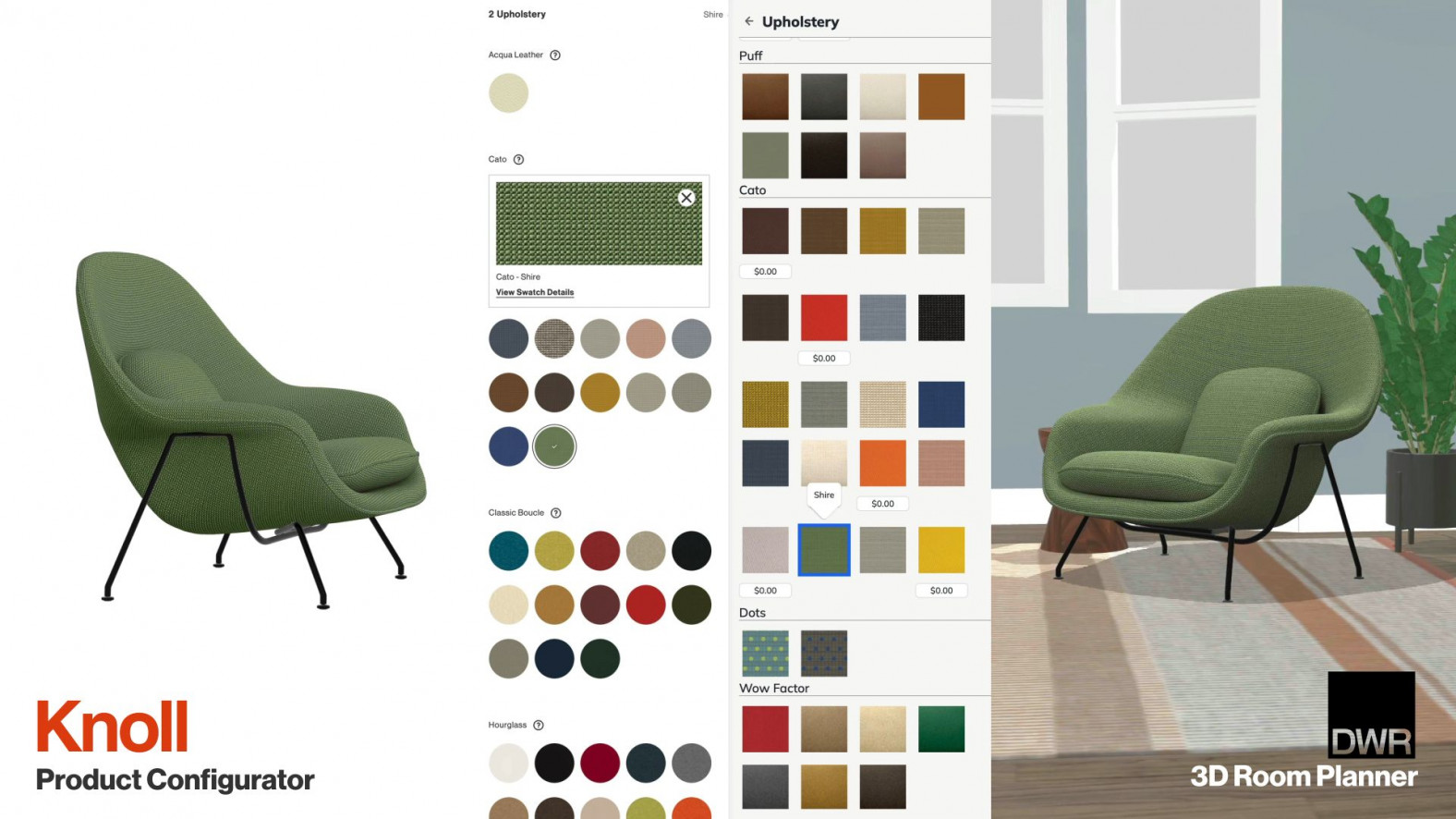
MillerKnoll has launched 3D product configurators on Knoll.com, extending an effort to centralize digital product content across its brands and reduce the work required to bring interactive shopping tools to market.
Developed with technology provider 3D Cloud, the configurators draw from a shared library of product models, materials, finishes and configuration data. The approach allows MillerKnoll to reuse the same digital assets across brands and sales channels while keeping product presentations consistent.
Customers can now configure the Womb Chair and Ottoman, Saarinen Dining Table and Barcelona Chair, among other Knoll designs, on both Knoll.com and Design Within Reach’s website using the same underlying 3D content.
For MillerKnoll, the broader objective is to move away from developing separate digital assets for each website or customer experience. Centrally managed content can support multiple retail and contract applications, reducing duplication and simplifying updates.
“We’re preserving our design legacy in 3D, while looking toward the future of how customers and designers experience our brands,” said Lorna Jean Marcuzzo, senior technology manager, 3D visualization and content at MillerKnoll. “An enterprise 3D content strategy enables us to launch new digital capabilities and experiences faster, maintain consistency across our portfolio, and maximize the value of every digital twin.”
Marcuzzo pointed to the Womb Chair as an example. Its product content and configuration data are managed in one place, helping keep materials, finishes and options aligned across digital touchpoints.
The Knoll rollout builds on earlier work between MillerKnoll and 3D Cloud. The companies previously introduced configurators for Herman Miller, Design Within Reach and Geiger’s North American retail and contract websites, as well as the MillerKnoll Healthcare contract site.
Beck Besecker, CEO and co-founder of 3D Cloud, said MillerKnoll’s centralized team helps the company extend its investment in 3D content across its portfolio.
“Start with accurate product content and data. Make it reusable. Keep product presentation consistent. Then give each brand the flexibility to create the experience its customers need,” Besecker said.
|
| |
|
|
|
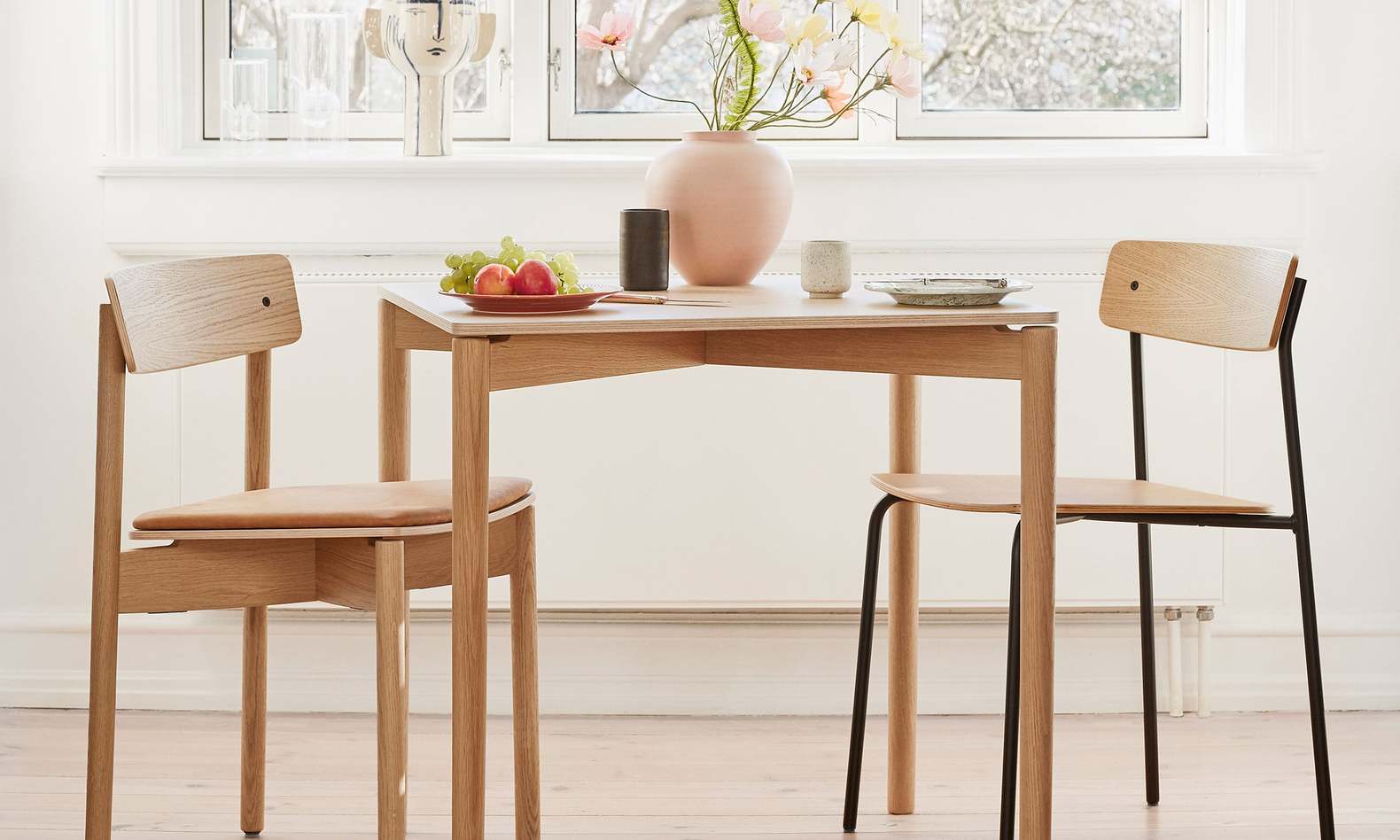
Danish furniture manufacturer Montana has acquired Takt, bringing a roster of prominent designers and a sustainability-focused collection into its higher-end residential business. Takt’s existing products and future introductions will carry the Takt by Montana name, complementing Montana’s colorful modular storage with understated wood furniture. The collection will gain access to Montana’s global network of retail and contract dealers, according to the company.
Takt’s lineup includes Pearson Lloyd’s Cross chair and Anderssen & Voll’s Spoke sofa, with an emphasis on FSC-certified wood, flat-pack shipping and products designed for disassembly and repair. The brand has made environmental measurement central to its development process, assessing products across their life cycles. Montana CEO Joakim Lassen said the acquisition would bring additional materials expertise and environmental experience to the business.
Takt founder Henrik Taudorf Lorensen, a trained physicist and former Lego and Bang & Olufsen executive, will join Montana Furniture’s board. Takt employees will be integrated into Montana’s organization where possible. For Takt, the combination offers an established international distribution platform; for Montana, it broadens the assortment while adding expertise in reducing furniture’s environmental impact.
|
|  www.dezeen.com
|
|
|
|
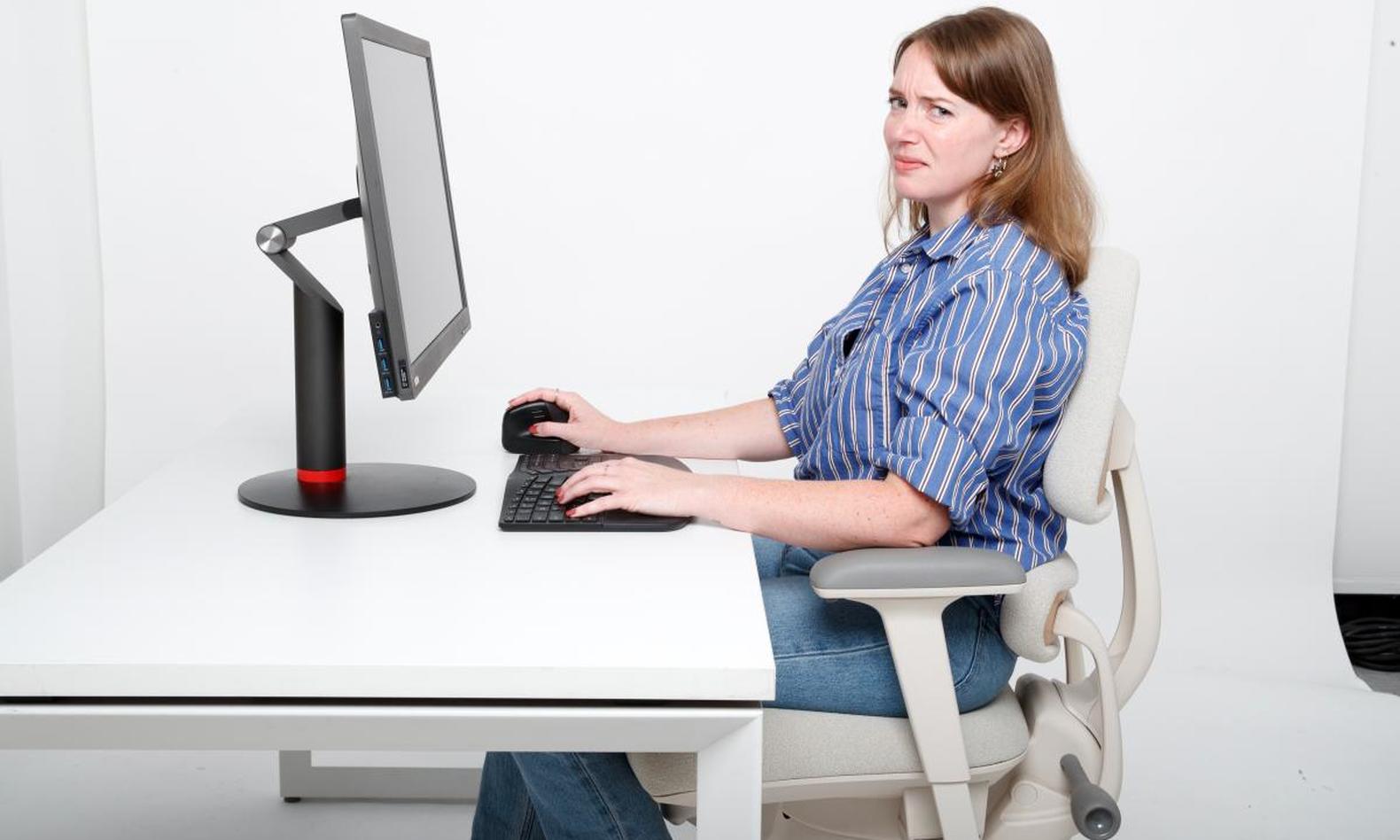
The office furniture industry has spent decades making ergonomics a reason to invest in better seating and workstations. A new research review gives customers a reason to ask a harder question: What health outcomes does that investment actually deliver?
For Herman Miller, Steelcase, Humanscale and other ergonomic seating suppliers, the findings warrant attention. They could bring renewed scrutiny to the evidence behind one of the industry’s most influential selling propositions.
Published October 28, the Cochrane review examined 20 studies involving 2,478 people with work-related arm, neck or shoulder complaints. Researchers found that ergonomic interventions may offer little or no meaningful improvement in pain and probably make little or no difference in disability, recovery or sick leave compared with no treatment or usual care. The principal findings concerned outcomes measured within three months.
That is an uncomfortable finding for an industry selling employers on the connection between workplace investment and employee well-being.
It also requires careful interpretation.
The review examined interventions for people who already had symptoms. It does not establish whether ergonomic furniture prevents injuries in otherwise healthy workers, settle questions about long-term benefits or provide a verdict on any particular manufacturer’s chair. Participants included office workers and people in manufacturing and other occupations. Interventions extended beyond furniture to workplace adaptations and ergonomic education.
Consequently, “throw out the standing desk” would overstate the findings. So would declaring decades of ergonomic research invalid.
The commercial warning is more specific: suppliers should be prepared to substantiate the particular health benefits they attach to their products.
A chair can be comfortable, adjustable and well suited to a task. Demonstrating that it treats an existing musculoskeletal complaint or reduces absenteeism requires evidence addressing those outcomes. Buyers may increasingly insist that suppliers explain that distinction.
Lead author Dr. Poonam Mehta of the University of Technology Sydney said the review suggests that “the case for these interventions is weaker than many people assume.” The university’s account of the findings also urged employers to weigh the cost of interventions against the limited evidence of short-term improvements in pain and sick leave.
For manufacturers and dealers, that could change the purchasing conversation.
A facilities executive may still value fit, comfort, durability and ease of adjustment. A benefits executive asked to help fund a furniture purchase on the expectation of fewer pain complaints or missed workdays may want a different level of proof.
The evidence itself leaves considerable room for further research. Cochrane identified small studies, methodological weaknesses and inconsistent results. Its summary calls for larger, higher-quality studies. Comparisons with other active treatments were highly uncertain, making sweeping claims that exercise definitively outperforms ergonomics difficult to support. Some findings suggested possible benefits, including quality-of-life improvements compared with exercise, but confidence was limited.
Those qualifications matter. Weak evidence of benefit does not establish that every intervention is ineffective. It does, however, make confident promises harder to defend.
The industry’s strongest response would be to examine its claims, explain what existing research actually measures and support better independent trials. Research connecting specific products and workplace programs to clearly defined outcomes would give customers something more useful than a broad assurance that ergonomics is good for them.
For Herman Miller, Steelcase, Humanscale and their competitors, this review could become a test of how convincingly their research supports their marketing.
The next customer question may be simple: Show us what improves—and by how much.
|
|  nypost.com
|
|
|
|
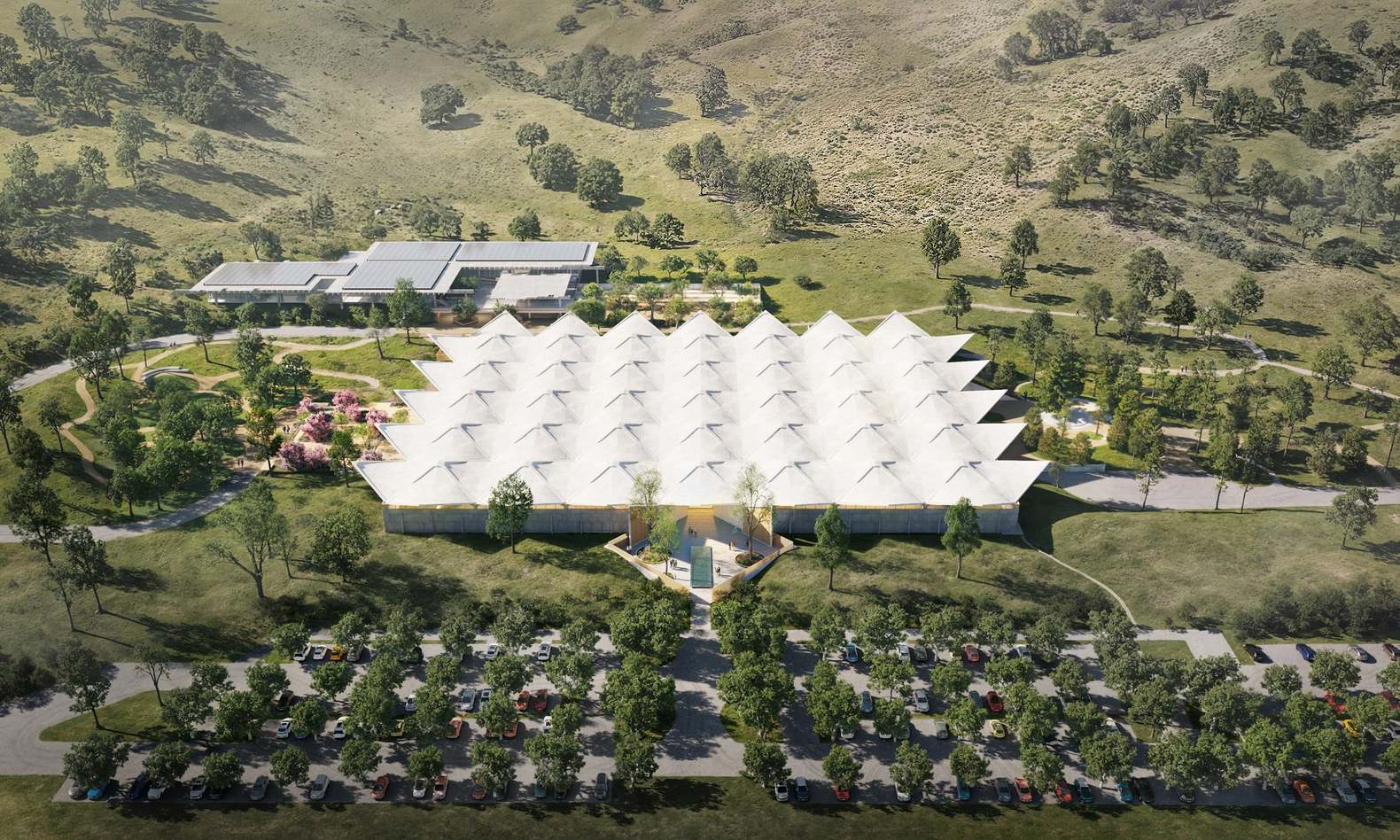
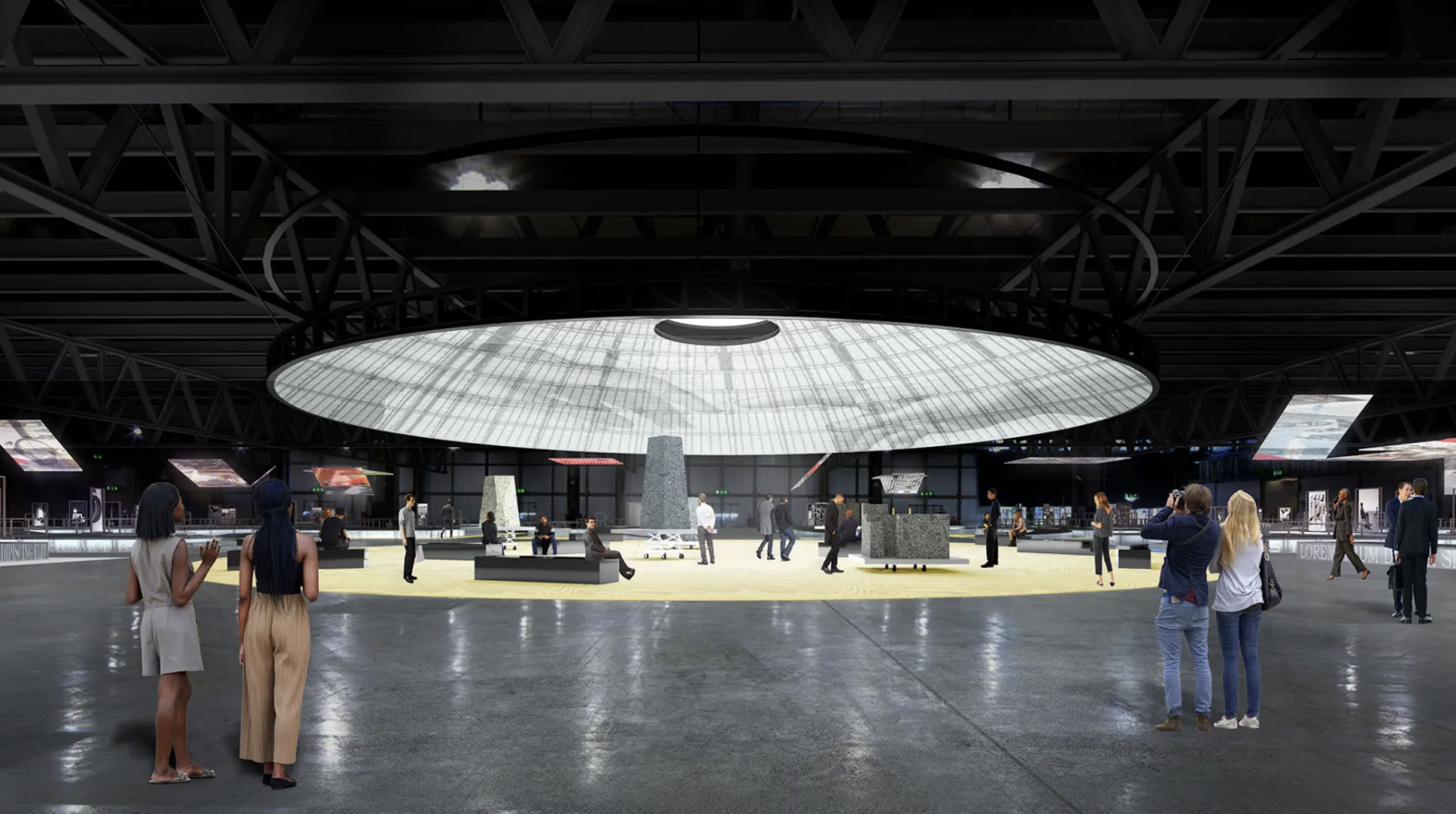
The Eames Institute of Infinite Curiosity unveiled updated master‑plan renders for its California museum, highlighting a 400‑foot Great Hall, a 275‑seat theatre, a Japanese‑inspired garden, and children’s spaces within a repurposed 1960s warehouse and office building on an 88.5‑acre site in Novato. Designed by Herzog & de Meuron, EHDD and landscape architect Field Operations, the project transforms the former Birkenstock campus into a public cultural destination, with groundbreaking slated for 2028 and openings expected by 2030.
|
|  www.dezeen.com
|
|
|
|
AI-driven office demand is soaring, with national AI office requirements up 85% year‑over‑year and 179% in major AI hubs, as companies hire engineers and need large spaces—averaging 37,000 sq ft versus 27,000 sq ft for tech overall. Growth is concentrated in San Francisco, Silicon Valley, and New York, which together hold two‑thirds of AI square footage, while secondary markets like Seattle and Northern Virginia also see rapid expansion, reshaping office market dynamics despite expectations that AI would reduce office space needs.
|
|  propmodo.com
|
|
|
|
U.S. office vacancy fell to 18.2% in Q3 2026, while leasing activity hit its highest level since late 2024, with net absorption of 4.9 million sq ft and annual leasing reaching 244 million sq ft. Asking rents rose 3.1% year over year to $37.95 per sq ft, the fastest growth in a decade. New construction slowed dramatically, with completions down 76% YoY, putting the year on track for the lowest total since 1990. CBRE projects U.S. office investment to increase 10% in 2026, reaching $91.1 billion.
|
|  allwork.space
|
|
|
|
The report shows commercial real‑estate confidence at its highest ever, driven by strong investment appetite but also by fund deadlines. While overall optimism rises, sectors face distinct challenges: data centers lose top rank due to approval hurdles and power costs; San Francisco surges in office rankings thanks to AI‑driven demand; Manhattan’s office market strengthens, whereas Brooklyn and other NYC areas lag. Markets like Dallas‑Fort Worth, Nashville and Raleigh‑Durham gain momentum from tech and defense projects, while Las Vegas drops sharply amid tourism declines. Investors are shifting focus to income growth, better building operations, and infrastructure assets, with AI becoming a major disruptor but its financial impact still uneven.
|
|  www.bisnow.com
|
|
|
|
Weil Gotshal’s abrupt wind‑down leaves over 830,000 sq ft of office space vacant, shaking a market that has relied on law firms as stable, high‑grade tenants. The firm’s extensive lease portfolio across major U.S. cities—ranging from a 390 K sf flagship in New York to sizable holdings in Boston, Dallas, Washington, D.C., and other markets—creates significant risk for landlords who now face large vacancies, potential refinancing challenges, and the need to re‑lease premium space that may not suit typical tech‑sector tenants.
|
|  www.bisnow.com
|
|
|
|
“You vowed to put yourself out of a job; now you expect American taxpayers to pick up the tab to refurnish your own office,” two senators told McMahon.
Education Secretary Linda McMahon wants taxpayers to spend $43,278.64 furnishing her office while she works to shut down the department that houses it. Her staff says the existing furniture is worn and unsuitable for the new space, while the department argues its move to smaller quarters will save millions annually. But those savings hardly erase the breathtaking hypocrisy: students, families and educators are told to accept cuts in the name of fiscal responsibility while the secretary makes room for a new desk, conference table and chairs. Sens. Patty Murray and Tammy Baldwin have demanded she abandon the purchase, challenging the double standard of austerity for education and an office makeover for its leader.
|
|  www.ms.now
|
|
|
|
|
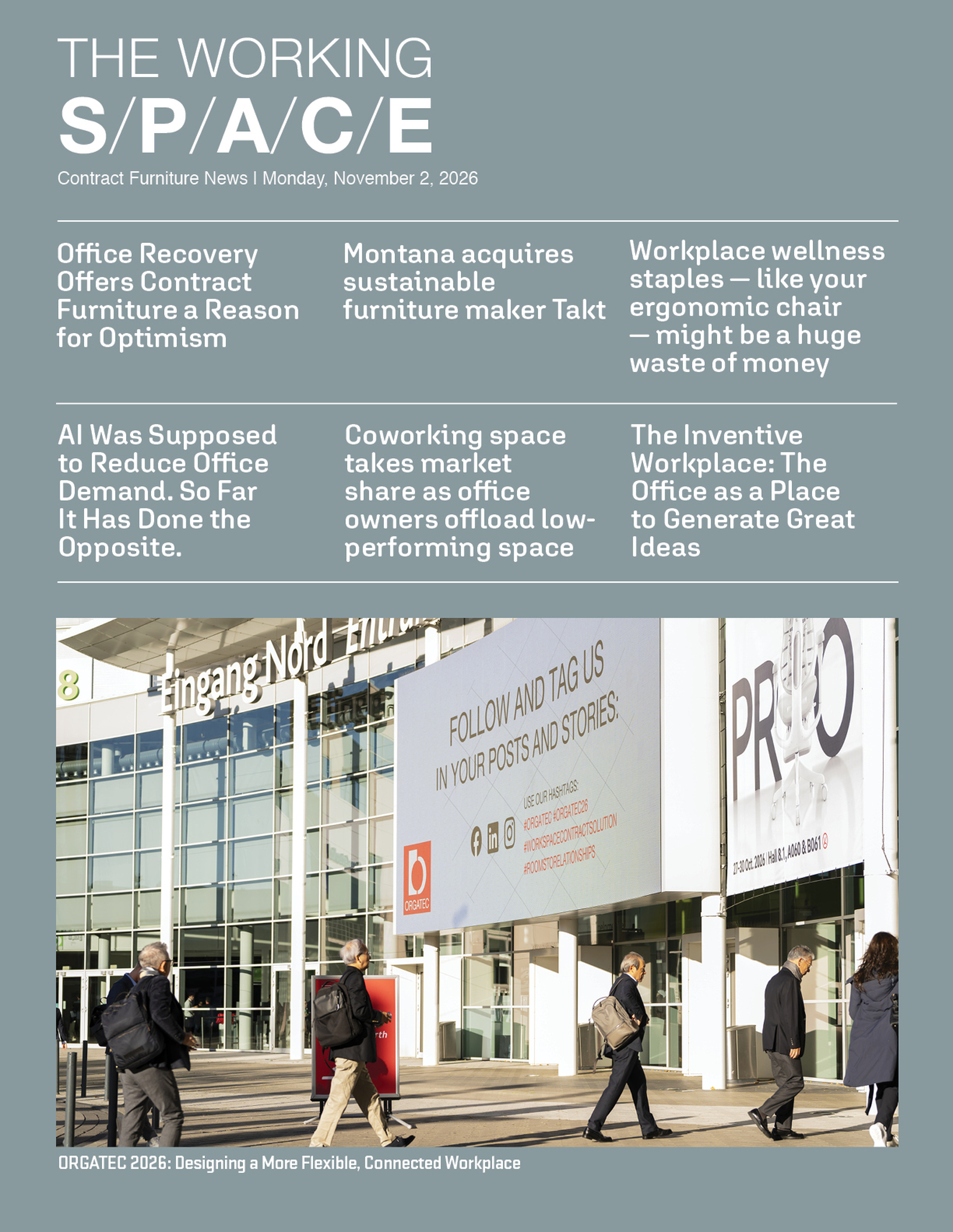
ORGATEC 2026: Designing a More Flexible, Connected Workplace
|
|
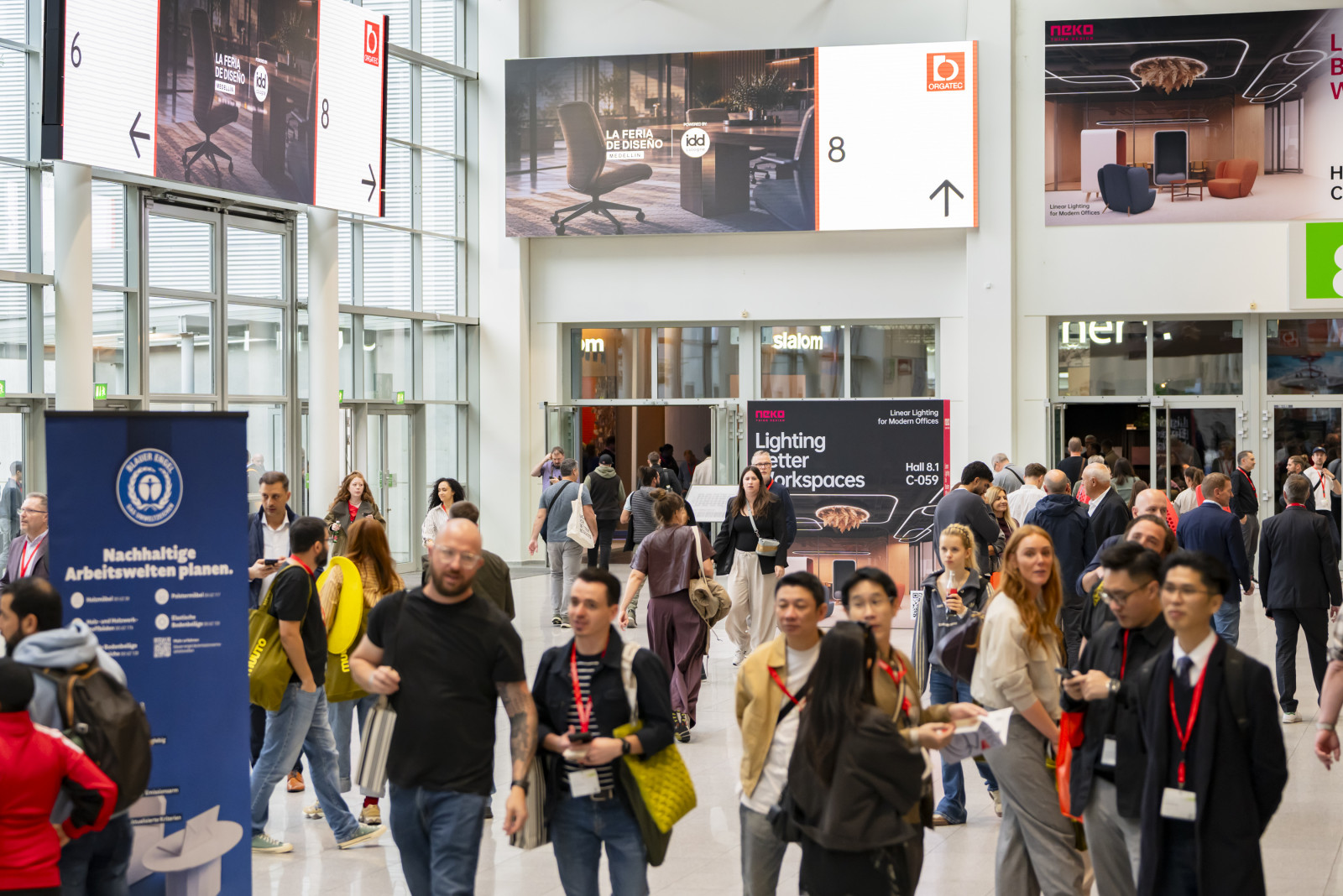
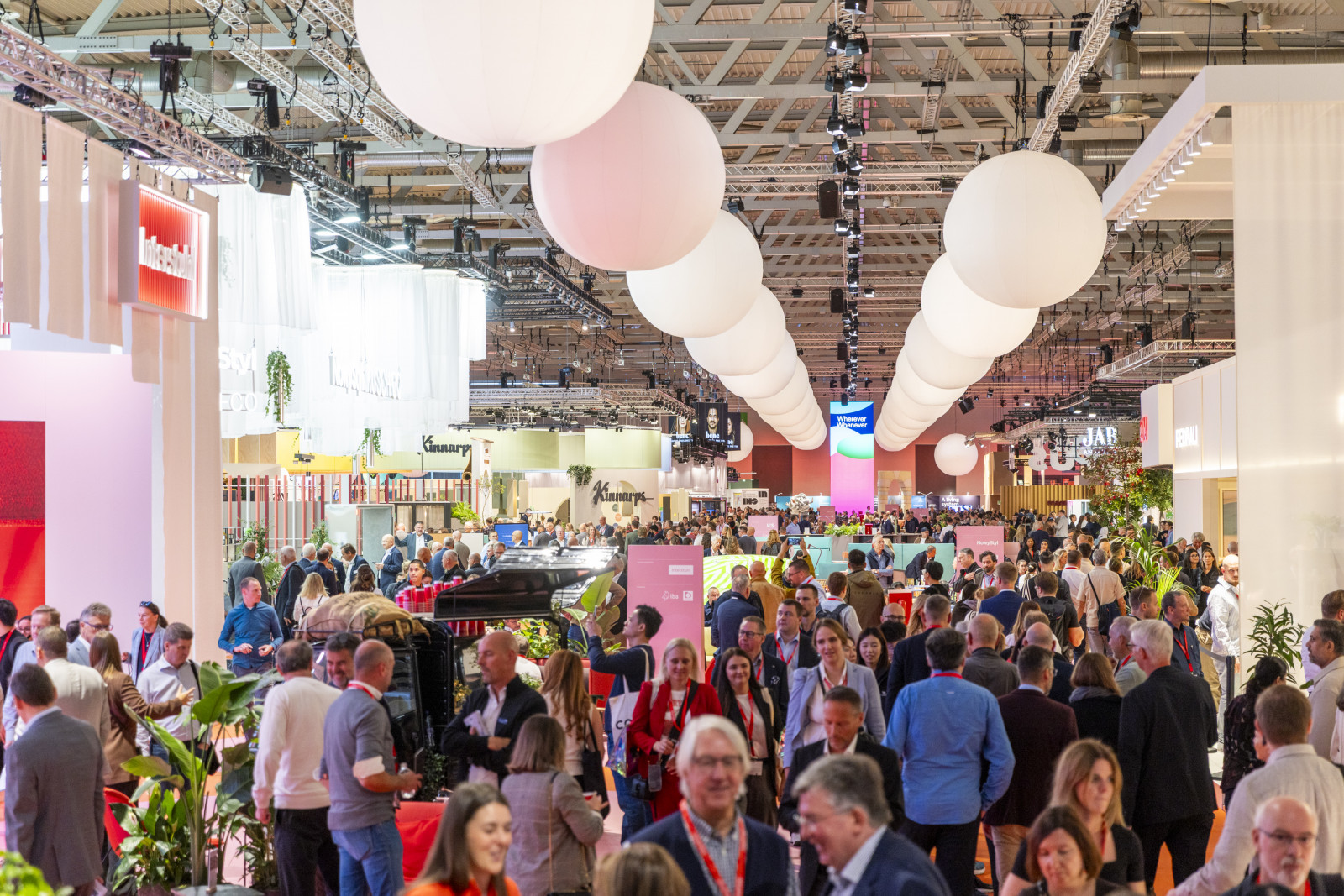
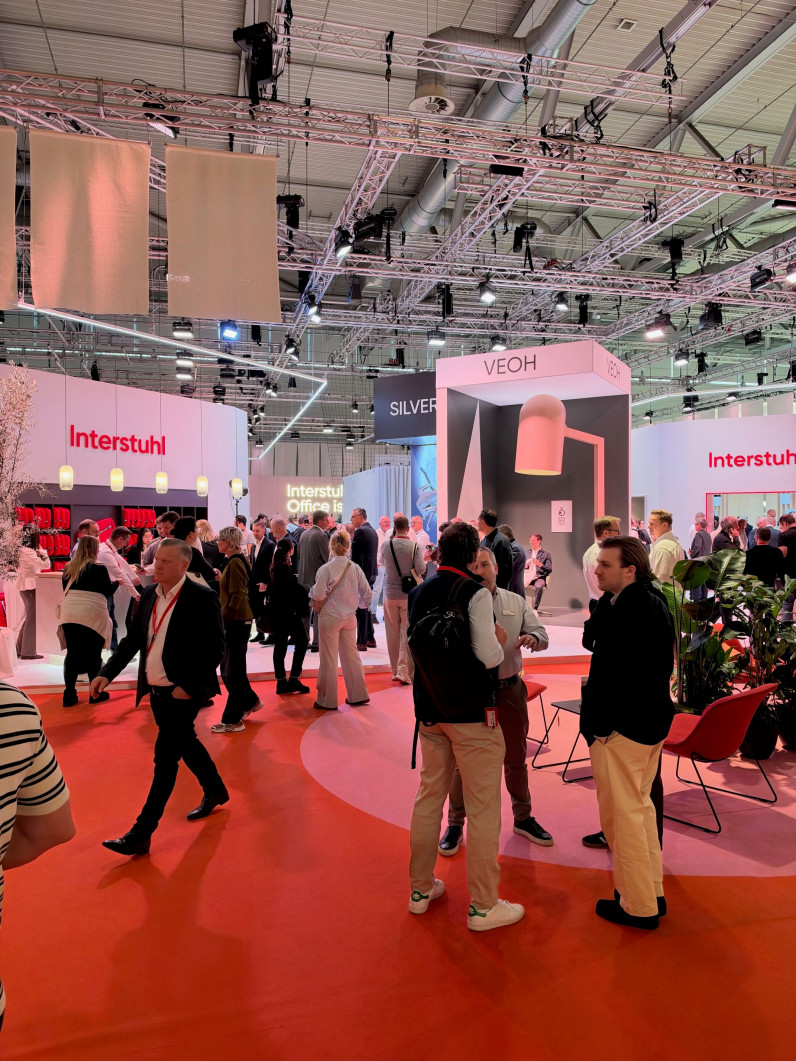
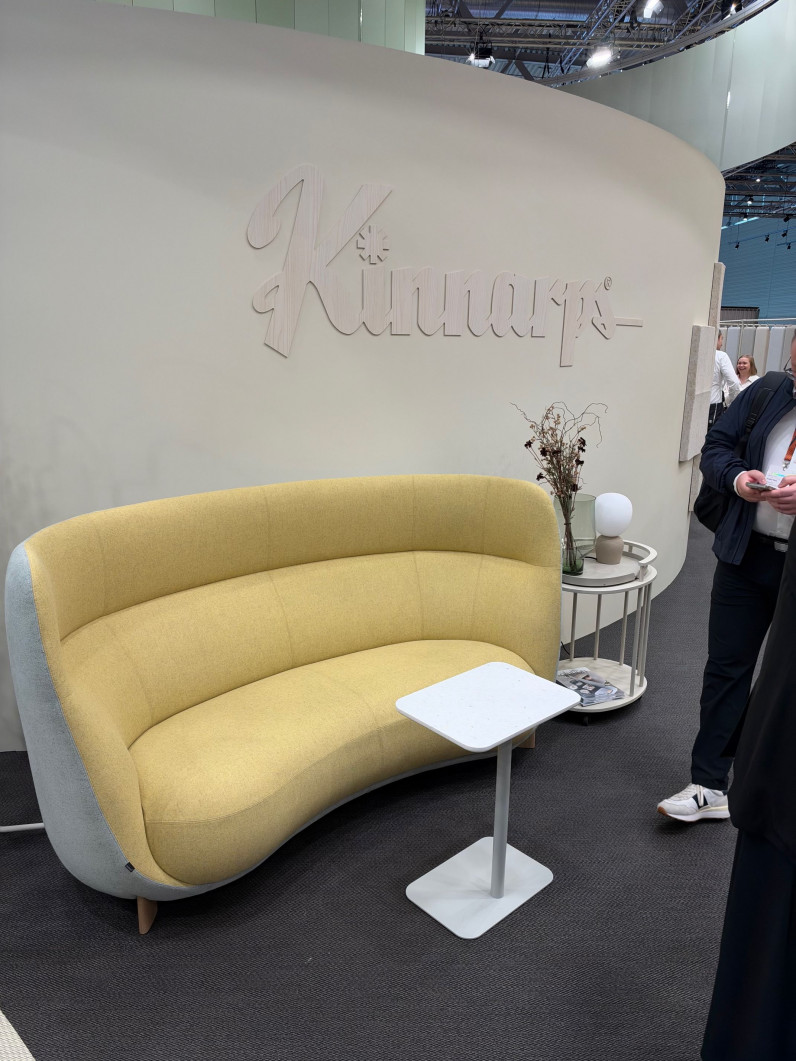
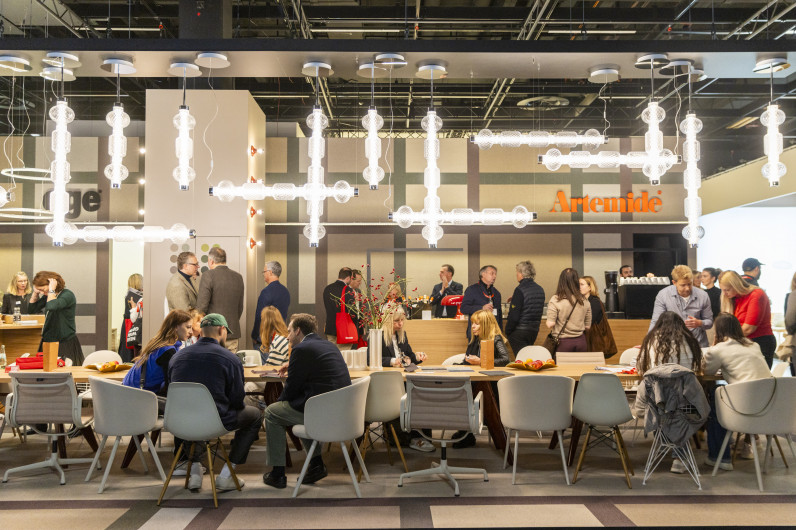
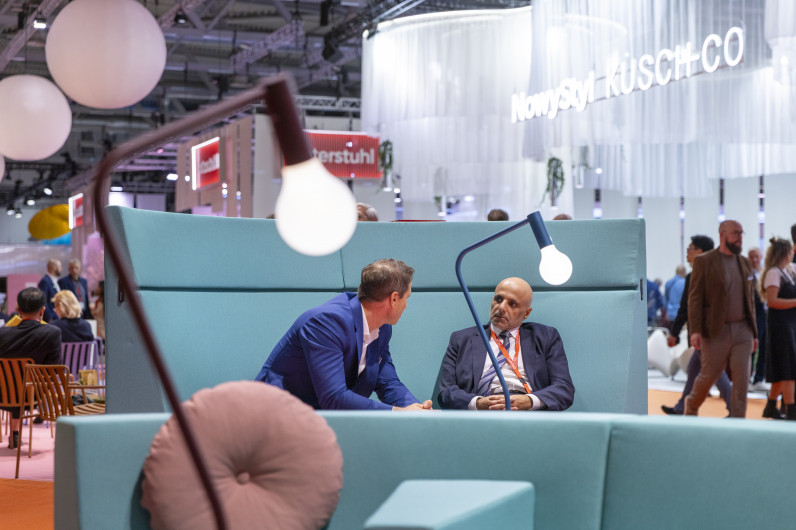
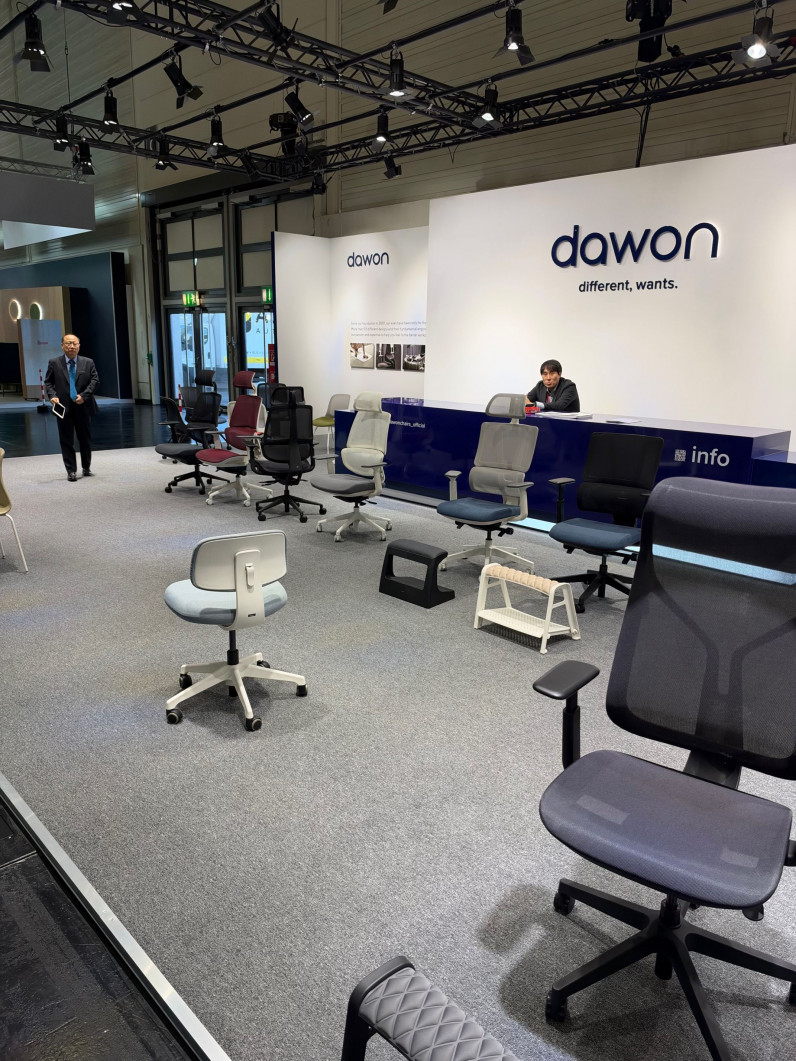
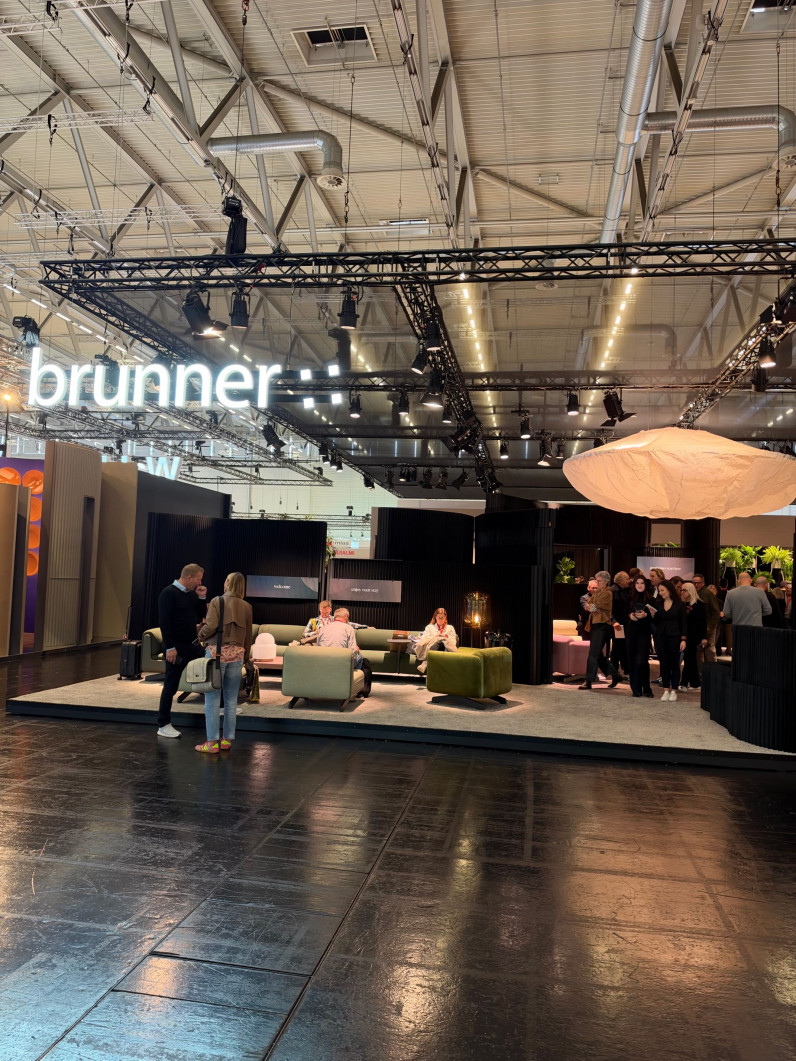
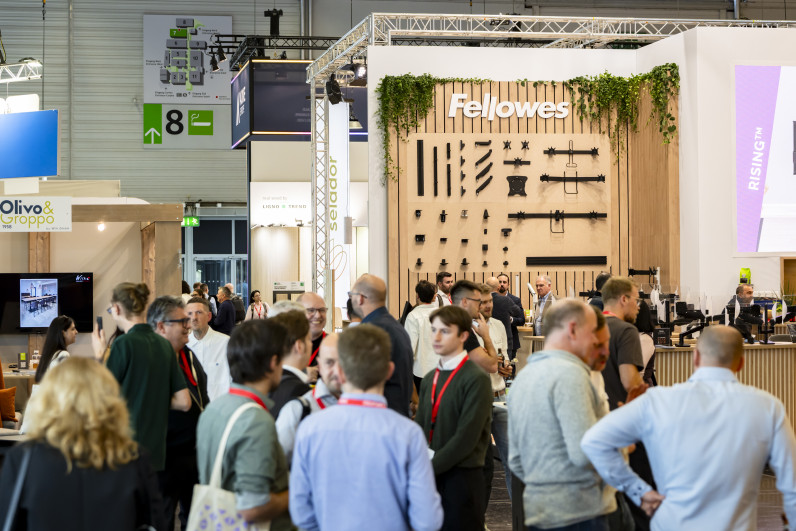
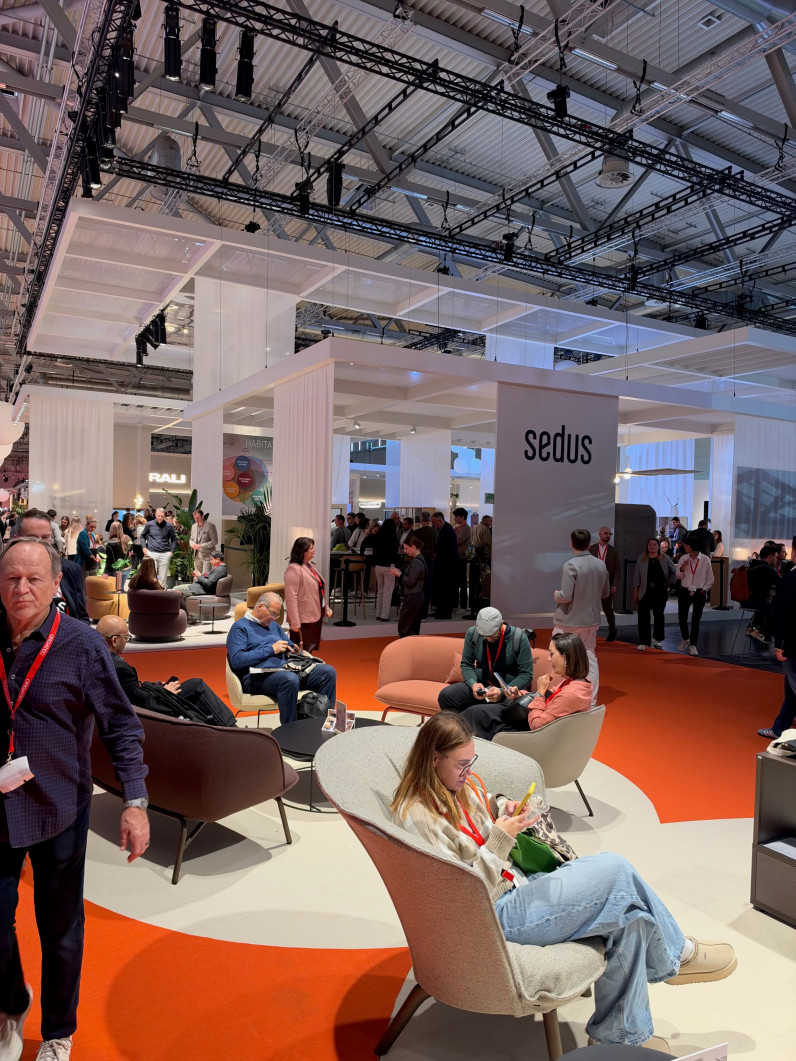
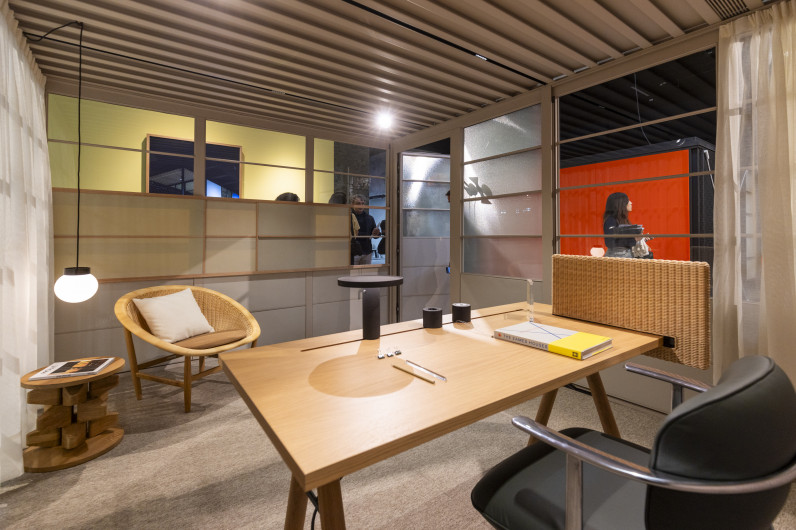
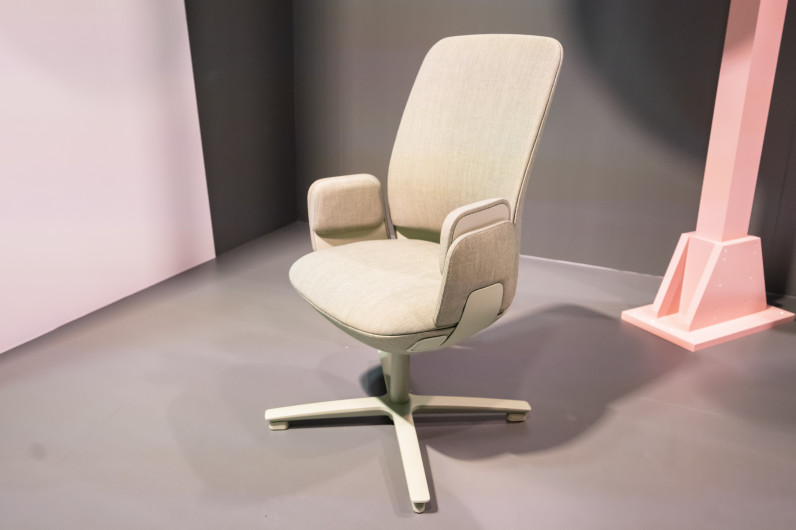
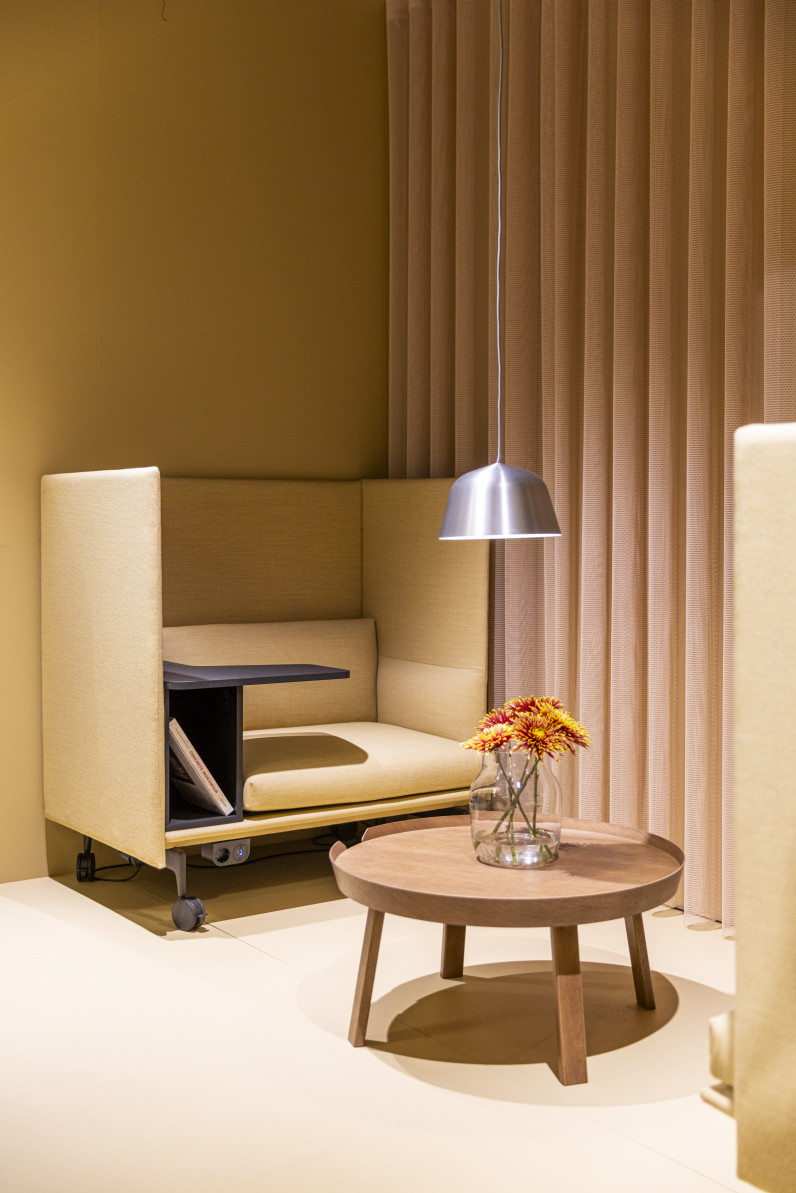
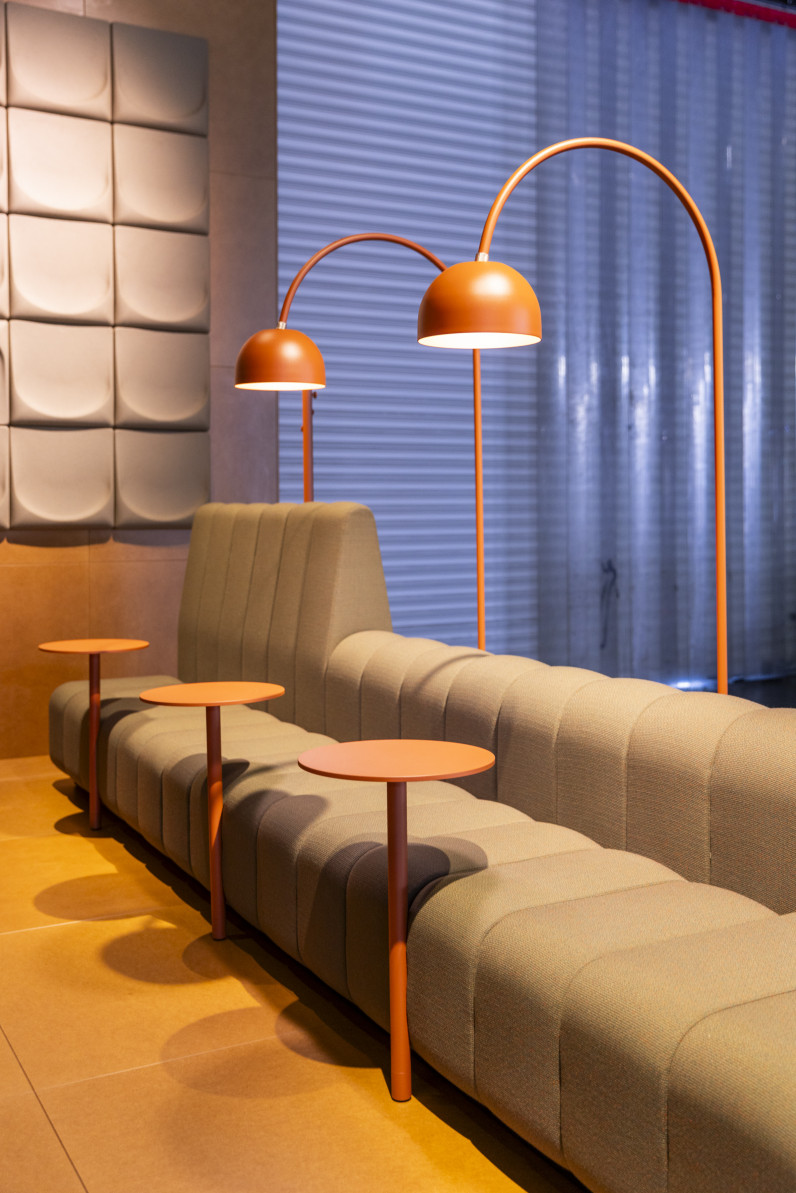
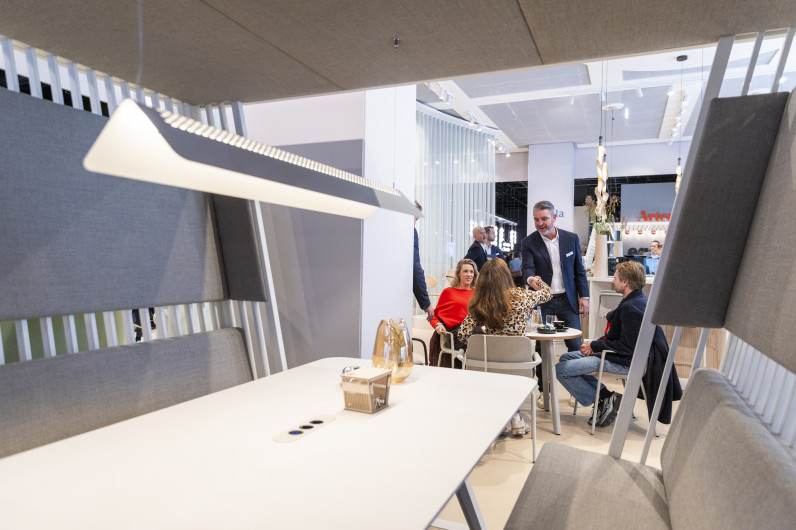
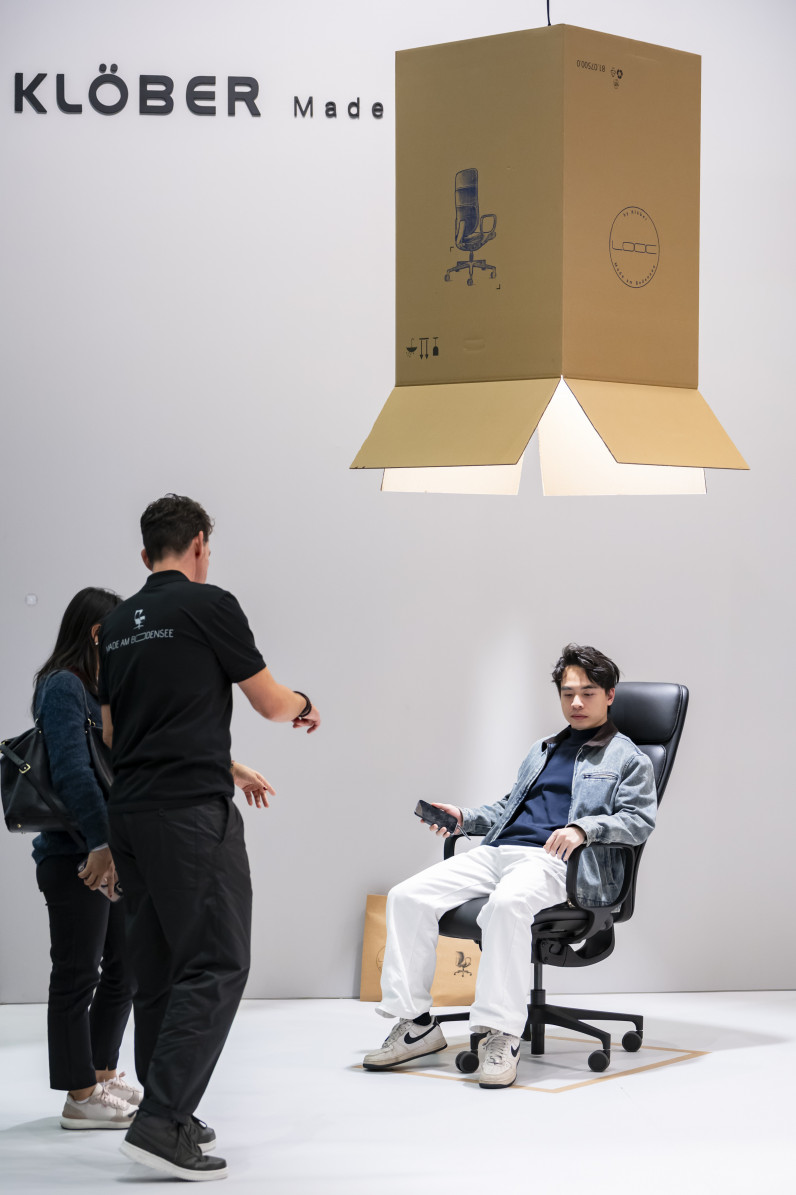
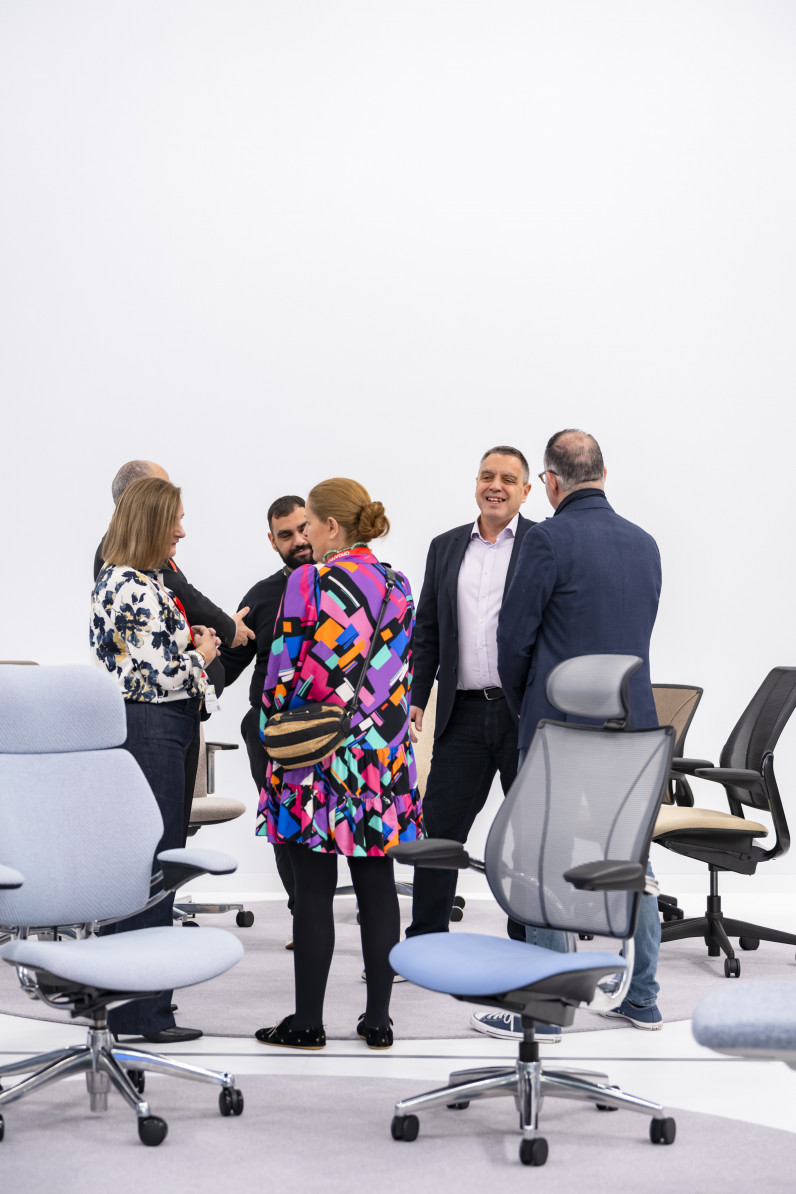
ORGATEC 2026 brought the international design industry to Cologne to explore how furniture, lighting and technology are reshaping the workplace. Across the fair and nearby Design Post Cologne, exhibitors emphasised flexibility, comfort and connection, presenting adaptable spaces for collaboration, focused work and relaxation. Highlights included Ocee & Four’s Bloom sofa collection, Brunner’s lounge seating and sit-stand desks, Actiu’s upgraded Qyos acoustic cabin, and Casala’s modular pavilions and sofas. Together, these introductions reflected a shared ambition to create welcoming workplaces that give people more reasons to come together.
Craftsmanship, intelligent technology and human-centred design also featured prominently. Fenabel showcased sculptural seating inspired by natural forms, while Lapalma paired modular upholstery with folding tables and minimalist aluminium designs. GRAU demonstrated lighting systems suited to evolving office environments, and Sunon explored AI, recycled materials and flexible workspace furniture. A recreation of the Eames Pavilion, presented by Kettal and the Eames Office, connected these developments to an enduring architectural legacy, reinforcing the fair’s focus on making thoughtful, efficient use of space. See more >
|
| |
|
|
|
|
SUNON Brought Circular Design to ORGATEC as U.S. Presence Grew
|
|
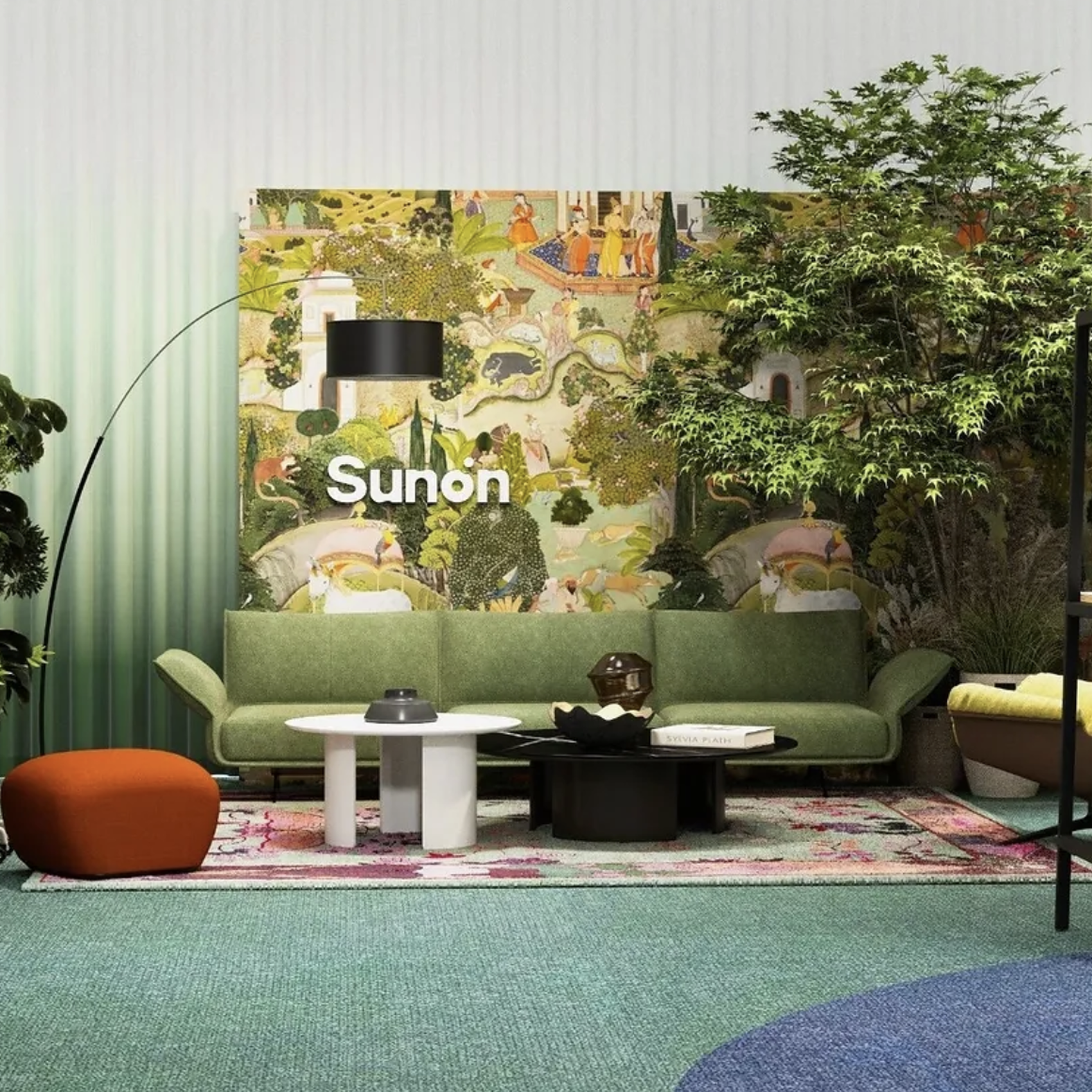
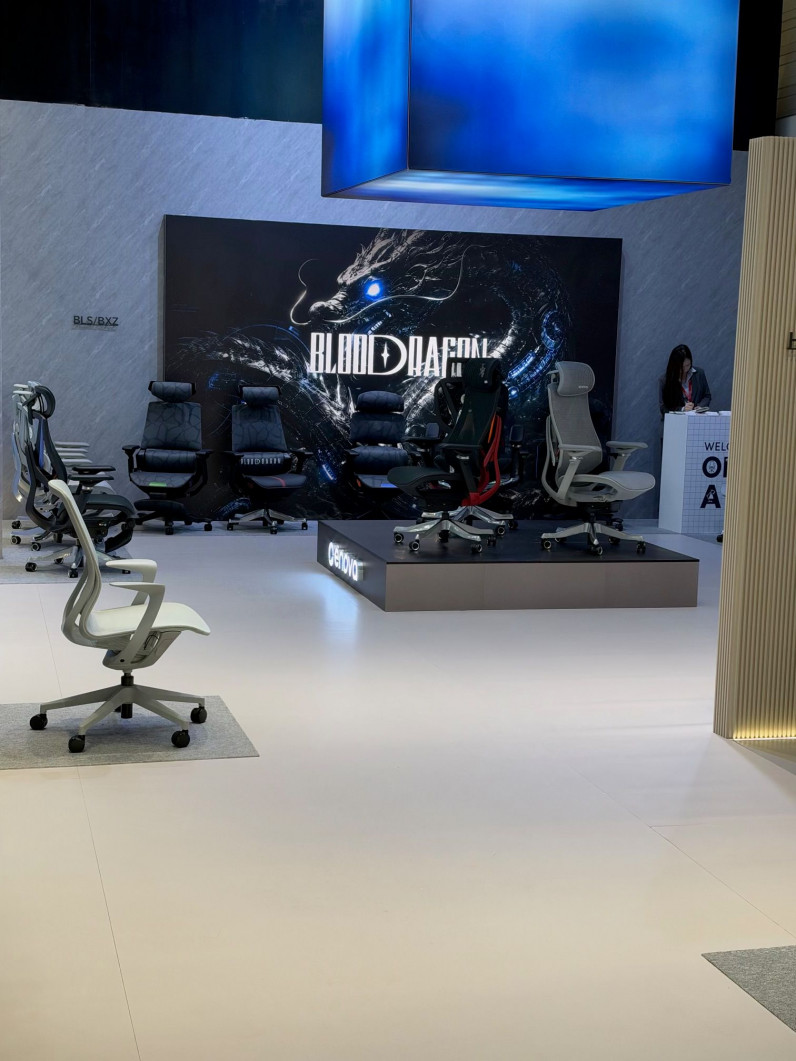
SUNON put recycled materials and adaptable workplaces at the center of its ORGATEC 2026 presentation last week in Cologne, Germany, as the office furniture manufacturer continues to expand its presence in the United States.
At ORGATEC, SUNON’s “@Sunon @AI @Nature” theme connected nature-inspired design, material innovation and the company’s perspective on technology’s role in the workplace. A highlight was a concept chair made from more than 85% recycled materials sourced from discarded furniture. The project demonstrated how used furniture could become a resource for new product development.
SUNON also explored how artificial intelligence could inform workplace environments that supported focus, collaboration and changing work patterns. Its presentation brought together seating, desks, workstations, tables and storage, emphasizing coordinated solutions that combined functionality, flexibility and design.
|
| |
|
|
|
Innovation thrives when ideas move and exchange freely. Designing workplaces for “exchange” – through pooled, sequential, and especially reciprocal interactions – encourages spontaneous insights, diverse collaboration spaces, and reconfigurable environments that boost knowledge sharing. AI amplifies pooled and sequential work, shifting human effort toward reciprocal exchange, making informal, dynamic areas crucial for idea generation. By preserving corridors, stairways, and varied spaces where chance encounters happen, organizations can sustain the creative flow that leads to great ideas.
|
|  www.gensler.com
|
|
|
|
The growing shortage of skilled construction workers is reshaping the built environment, driving firms to adopt modular and prefabricated methods, increase automation, and invest in training and higher wages. This labor gap is influencing design decisions, project timelines, and product development, prompting manufacturers to simplify installation, offer virtual education, and provide digital support tools to mitigate workforce constraints.
|
|  www.fastcompany.com
|
|
|
|
AI is reshaping how major corporations design and use office spaces, prompting a shift from isolated workstations to open, collaborative environments. Companies like Microsoft, Coca‑Cola, Amazon and Citadel are leveraging AI for space planning, productivity gains, and cost reductions, while also facing workforce impacts such as layoffs and voluntary buyouts. The technology drives rapid office leasing, influences job growth, and encourages firms to adopt AI‑enhanced design tools, ultimately aiming to create more integrated, efficient workplaces.
|
|  www.bisnow.com
|
|
|
|
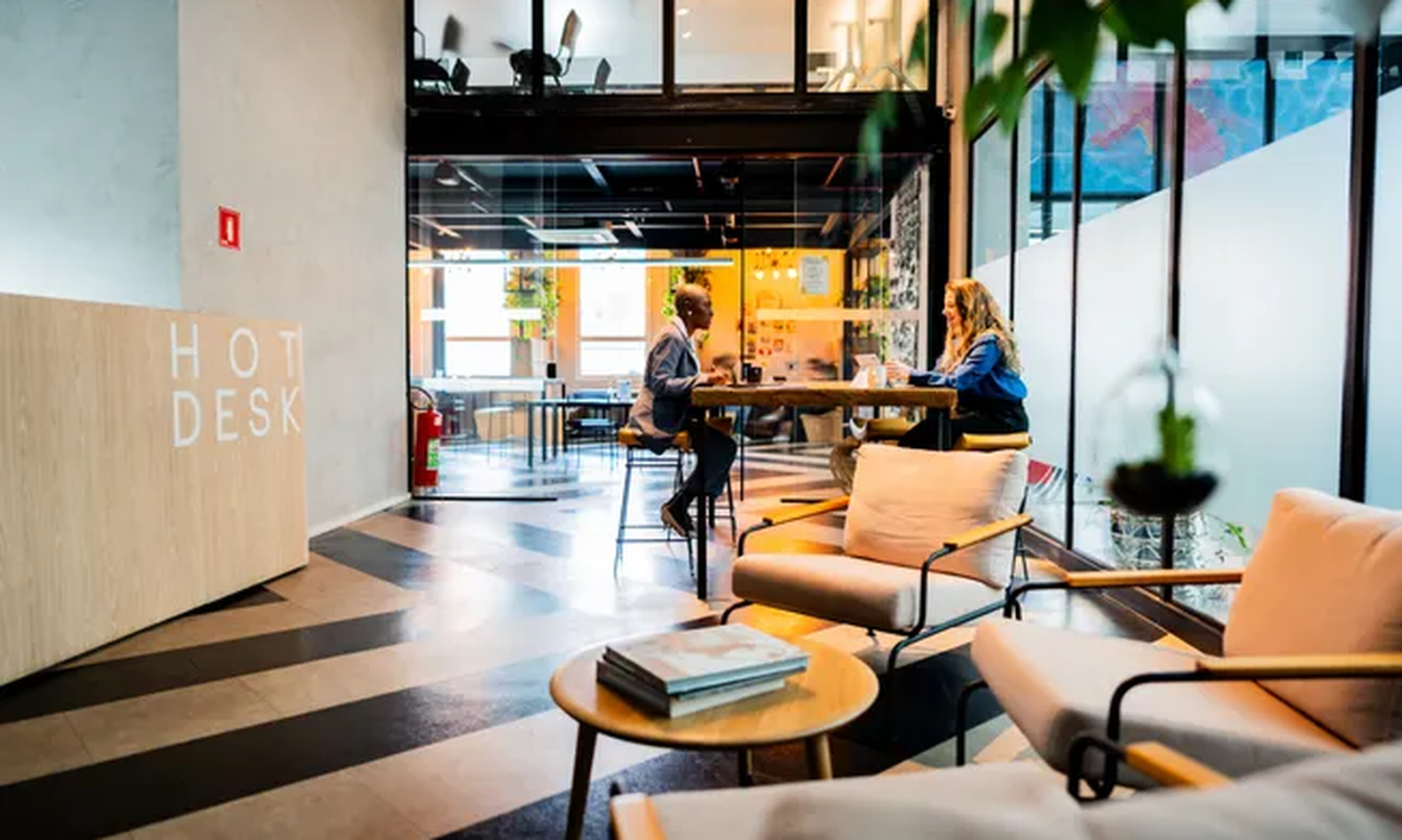
Coworking operators are increasingly capturing office space as owners offload low‑performing buildings, pushing coworking’s share of the U.S. office market up to 2.5% of total stock. Vacancy rates fell to 18.2% in Q3 2026, while asking rents rose 3.1% year‑over‑year, and coworking inventory grew by 2 million sq ft to 168.4 million sq ft, with 9,612 locations, though the average space per location shrank as smaller formats proliferated.
|
|  www.facilitiesdive.com
|
|
|
|
AI adoption in facilities management is rapidly expanding, with 45% of organizations already scaling AI and 86% projected to do so by 2030. Labor shortages and skill gaps pose major challenges, prompting many firms to increase FM budgets and workforce size. The shift toward AI, automation, and robotics is expected to boost productivity, resilience, and strategic value, while external partnerships and data readiness become critical for successful implementation.
|
|  allwork.space
|
|
|
|
FlexJobs’ Q3 2026 Remote Work Index shows a 33% rise in fully remote job postings, marking a third consecutive quarter of growth, with Project Management, Computer & IT, and Sales leading in volume. Operations, Customer Service, and Project Management posted the highest quarterly growth rates, while experienced roles dominate the remote talent pool, and major employers such as Everforth, UnitedHealth Group, and Actalent drive the surge across healthcare and tech sectors.
|
|  allwork.space
|
|
|
|
Businesses thrive by switching to coworking because it replaces fixed lease costs with flexible, all‑inclusive fees, freeing cash for core activities and allowing teams to scale up or down without penalties. The added amenities, professional space, and community connections boost productivity, credibility, and member retention, making coworking a compelling, low‑risk solution for growing companies.
|
|  allwork.space
|
|
|
|
Coworking is gaining a larger share of the U.S. office market by adding space overall while favoring smaller locations, leading to rapid growth in the number of sites. California, especially the Bay Area and Greater Los Angeles, shows the strongest inventory gains, whereas Washington, D.C., and Manhattan experience notable declines in square footage. Despite some market contractions, coworking’s national share rose from 2.3% to 2.5% as traditional office space is decommissioned or converted.
|
|  www.globest.com
|
|
|
|
A recent study of over 1.6 million employee responses reveals that offices often fail to meet the needs of workers with disabilities, health conditions, or neurodivergent profiles, with low satisfaction for noise, lighting, and overall wellbeing. Younger employees report better experiences than older colleagues, while many office investments yield only modest improvements, especially in productivity‑related areas. Noise remains a major issue, with only a small fraction of workplaces achieving high acoustic satisfaction, which is linked to better overall performance. Effective solutions focus on providing quiet rooms, phone booths, and flexible workspaces rather than private offices or headsets. The findings suggest organizations should assess workplace performance before investing and prioritize improvements that address fundamental environmental conditions.
|
|  workplaceinsight.net
|
|
|
|
Workplace investment should shift from isolated refurbishment projects to a continuous, strategic approach that ensures long‑term value, flexibility, and adaptability. By anticipating future organisational changes, technology shifts, and evolving employee expectations, investors and occupiers can design spaces that remain functional and cost‑effective over many years, reducing unnecessary expenditures and supporting sustainable growth.
|
|  workplaceinsight.net
|
|
|
|
The article argues that future buildings must go beyond traditional goals of longevity, efficiency, and amenities to become “Cognitive Commons” that actively enhance human performance. By integrating adaptive materials, responsive technologies, and data‑driven spaces, buildings can support cognition, recovery, and social interaction, turning everyday environments—from lobbies to elevators—into tools that boost thinking, well‑being, and community connections, ultimately making the built environment a source of human capability rather than merely a shelter.
|
|  allwork.space
|
|
|
|
Smart buildings are becoming essential for post‑pandemic office spaces, as tenants now expect intelligent environments that go beyond amenities to actively solve problems and improve experiences. Vickey Li highlighted that AI‑driven features—such as speaking agents, request‑analysis tools, and personalized services—enable buildings to understand each company's needs, enhance trust, and adapt quickly to changing demands, positioning property owners to better serve tenants and stay competitive.
|
|  www.globest.com
|
|
|
|
Intentional workplace soundscapes can boost focus, comfort, and connection, as a global survey of 300+ employees revealed high noise sensitivity and a desire for tailored acoustic environments. Employees prefer varied sound options—silence, music, ambient or biophilic sounds—depending on tasks and personal preferences, and many use headphones to create personal sound zones. Effective sound strategies should complement traditional acoustic design, offering customized sound experiences across different office spaces such as focus booths, wellness rooms, and collaborative areas, thereby turning sound from a distraction into a purposeful element of employee experience.
|
|  www.gensler.com
|
|
|
|
A panel highlighted the importance of neuroinclusive and sensory‑informed design, emphasizing that designers must immerse themselves in the lives of users—patients, caregivers, and staff—to uncover hidden needs and improve everyday experiences. Real‑world observations, such as shadowing nurses or simulating sensory loss, reveal simple yet impactful solutions like better placement of supplies, which can dramatically reduce effort and enhance usability, underscoring that thoughtful, human‑centered design leads to more effective, accessible healthcare environments.
|
|  officeinsight.com
|
|
|
|
AI can help companies advance sustainability by optimizing operations, reducing waste, and assessing nature‑based risks. Real‑world examples include grocery chain Cub using AI‑driven demand forecasting to cut inventory and emissions, Heidelberg Materials lowering fuel costs and emissions with AI‑adjusted process controls, and Unilever employing digital twins to predict bottlenecks and cut waste. Emerging AI methods like Nature Adjusted Economic Valuation also enable firms to evaluate the financial impacts of ecosystem service loss, offering a data‑rich approach to managing resource use and long‑term risk.
|
|  trellis.net
|
|
|
|
The “Session” collection by Doshi Levien and Brunner Group offers 23 modular furniture pieces—armchairs, sofas, ottomans, daybeds, and L‑shaped units—that can be mixed, replaced, repaired, and reupholstered, enabling flexible office configurations that balance hospitality comfort with workplace performance and foster varying levels of intimacy, collaboration, and interaction.
|
|  www.officing.com
|
|
|
|
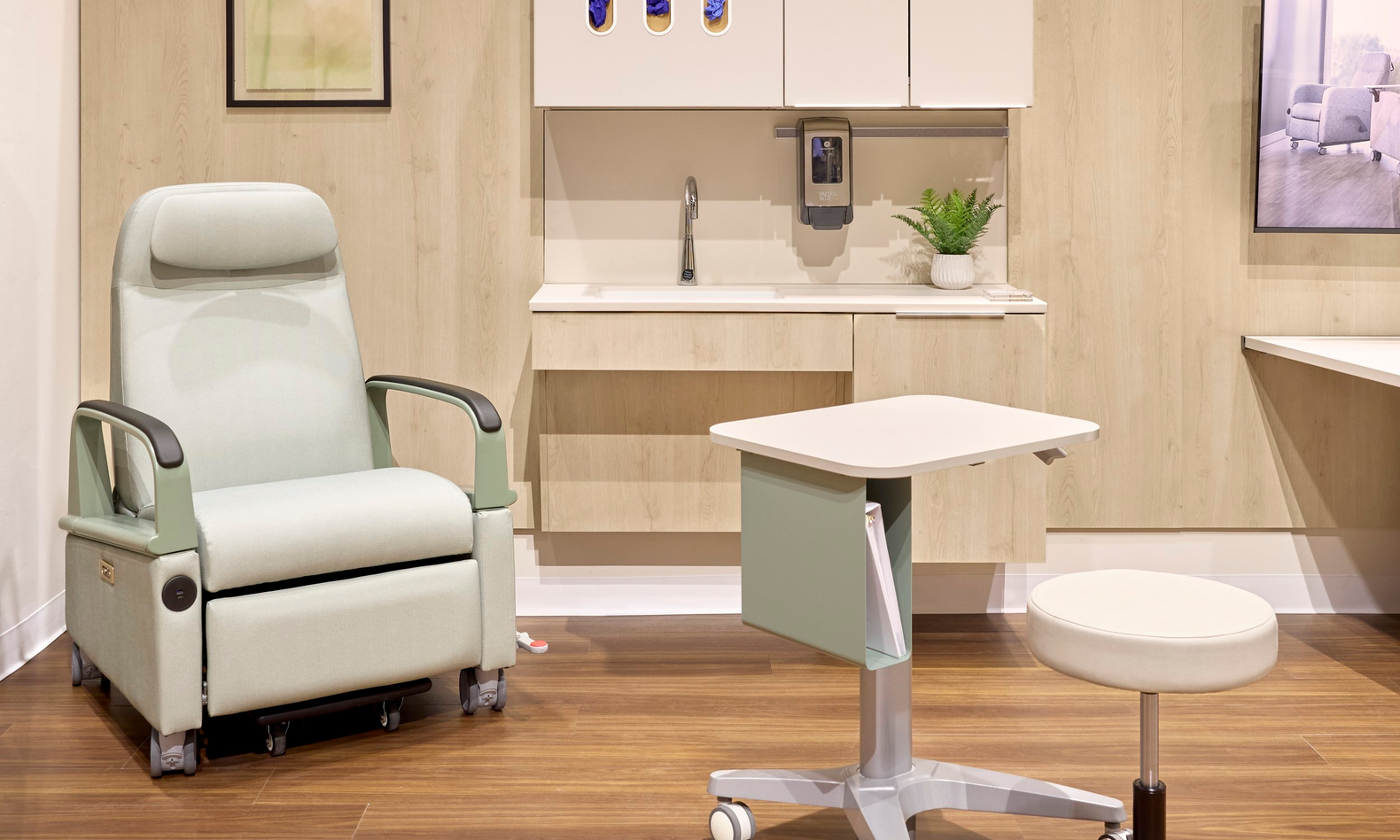
The Havei Recliner Collection, enhanced with an optional power recline feature, was created through extensive research and direct feedback from care teams and facility leaders to deliver healthcare recliners that combine soft, home‑like aesthetics with the durability and performance needed in clinical settings, offering a 3‑position recliner, patient recliner, and glider that improve comfort, efficiency, and well‑being for patients and caregivers.
|
|  www.officing.com
|
|
|
|
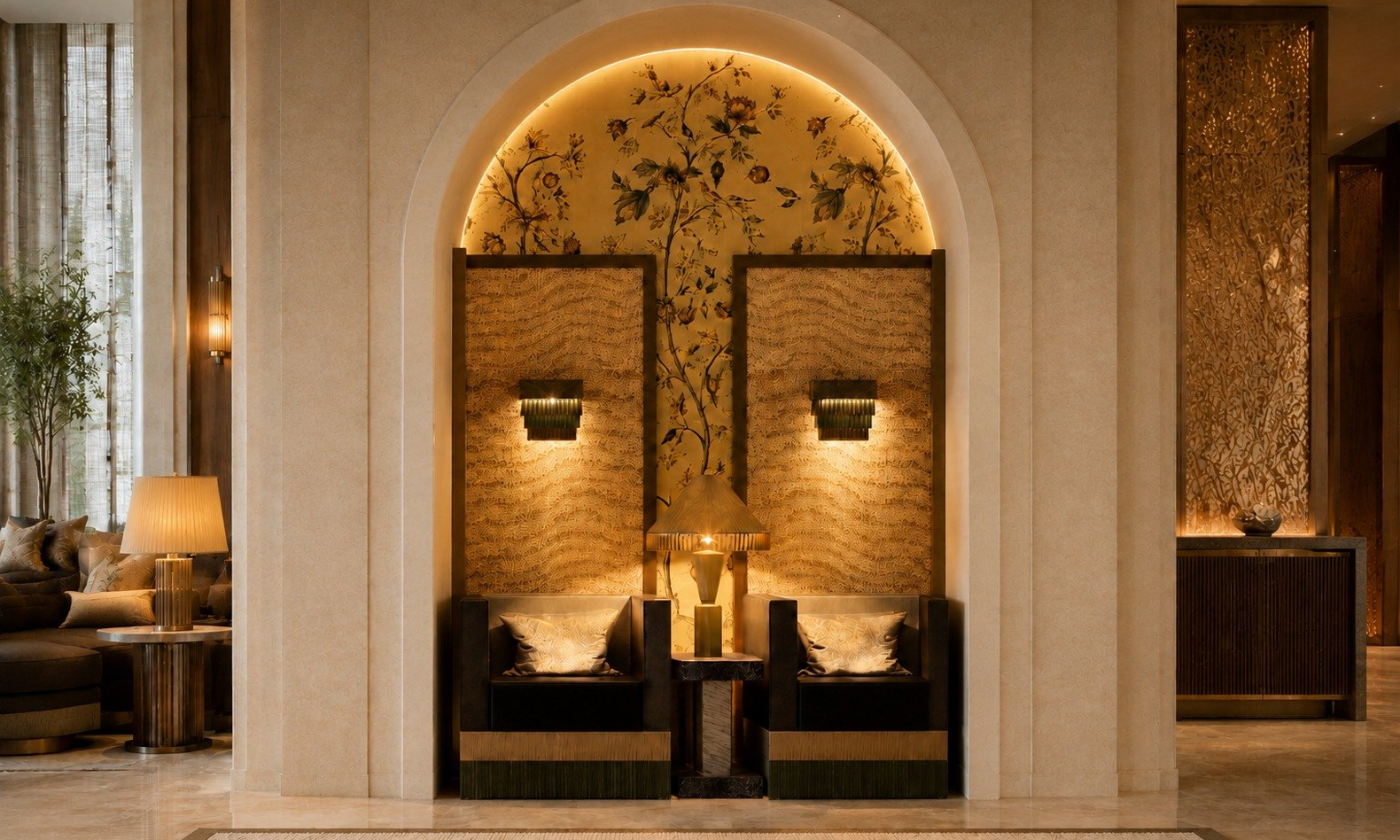
Andaaz Manufacturing will launch its Atelier No. 26 hospitality‑furniture collection at BDNY 2026 on November 8‑9 (Booth #2561), featuring 26 pieces organized into eight destination‑inspired design stories and created in partnership with Stacy Garcia® Design Studio. The collection blends couture‑fashion concepts—silhouettes, patterns, textures, and detailing—into customizable furniture, offering maximal yet adaptable interiors, interactive booth experiences, and bespoke options for designers.
|
|  www.officing.com
|
|
|
|
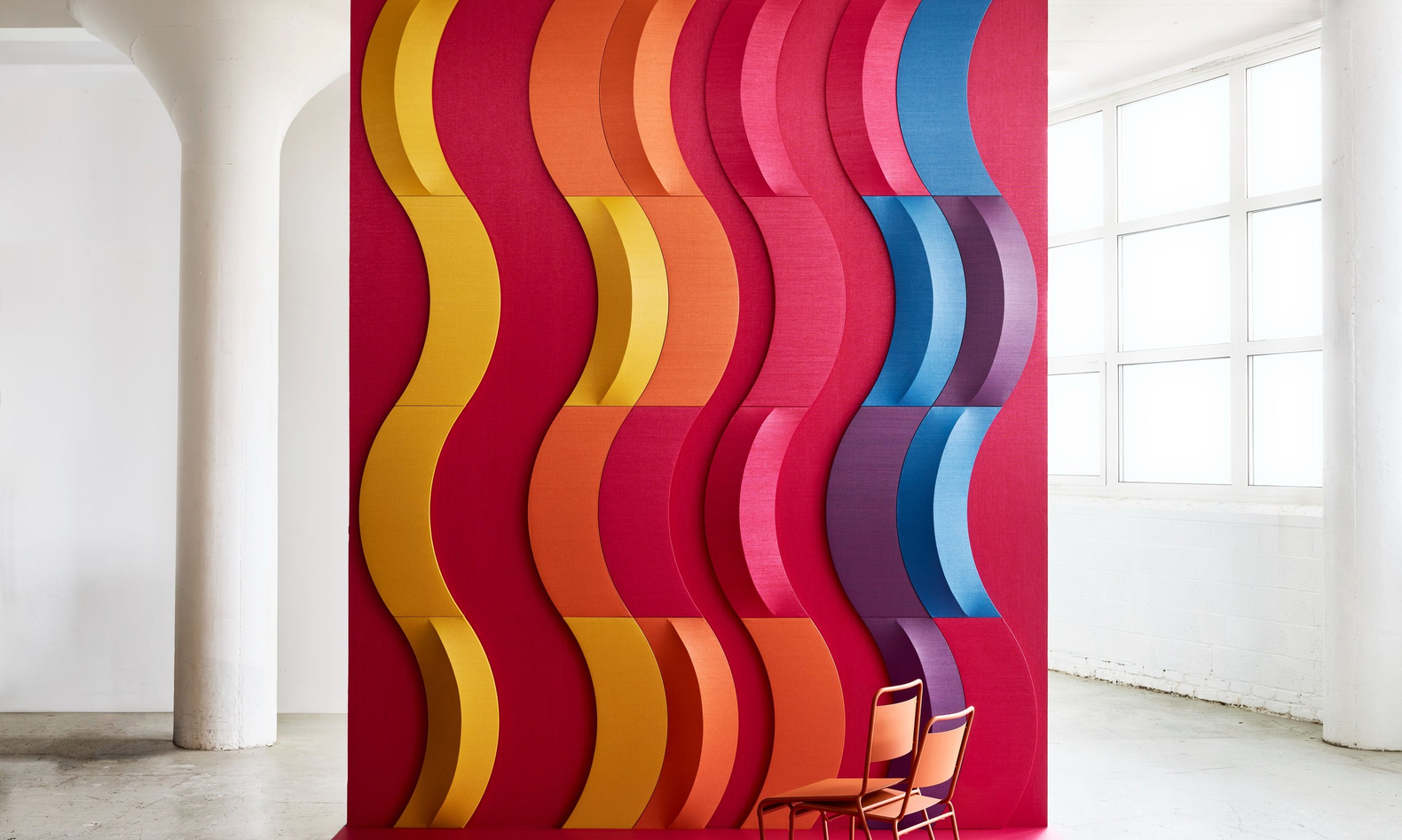
Carnegie Acoustic Solutions launches the TEN Collection, adding four new Xorel Artform acoustic tiles that celebrate a decade of sustainable, sculptural design while expanding shape, scale, and material options for architects and designers. The collection builds on the brand’s PVC‑free, recycled‑content textiles and award‑winning history, offering versatile, fire‑rated, low‑emission panels that combine aesthetics with performance and environmental responsibility.
|
|  www.officing.com
|
|
|
|
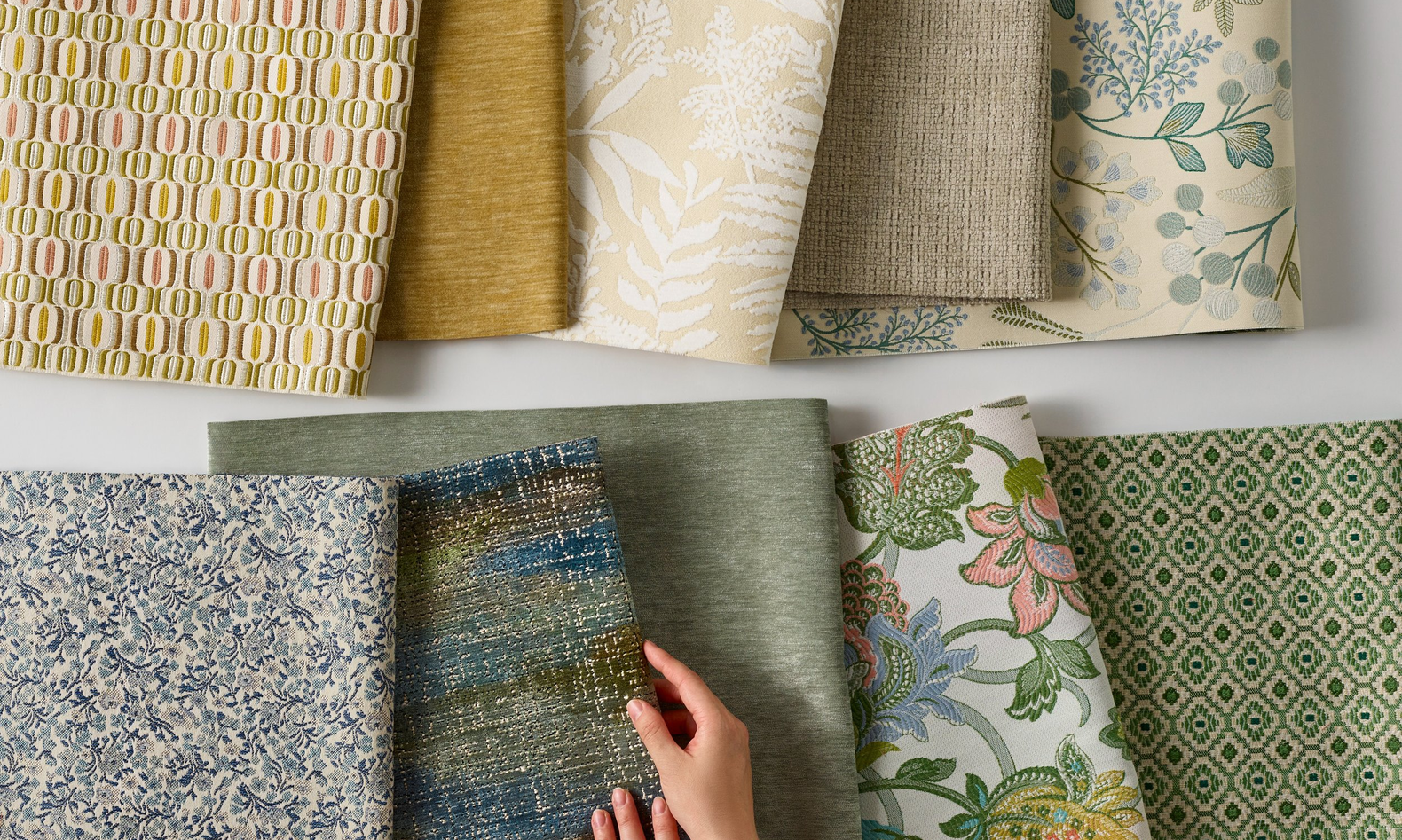
Carnegie expands its sustainable Capsule Collection with five new English‑garden‑inspired patterns—Wren, Pemberley, Watercress, Duchess, and Garnet—offering 25 SKUs that combine aesthetic richness, high durability (50,000‑100,000 rubs) and easy cleaning (bleach‑ or water/solvent‑cleanable). All designs meet LEED, RoHS, REACH and OEKO‑TEX® standards, are PFAS‑free, and are suitable for high‑traffic commercial interiors.
|
|  www.officing.com
|
|
|
|
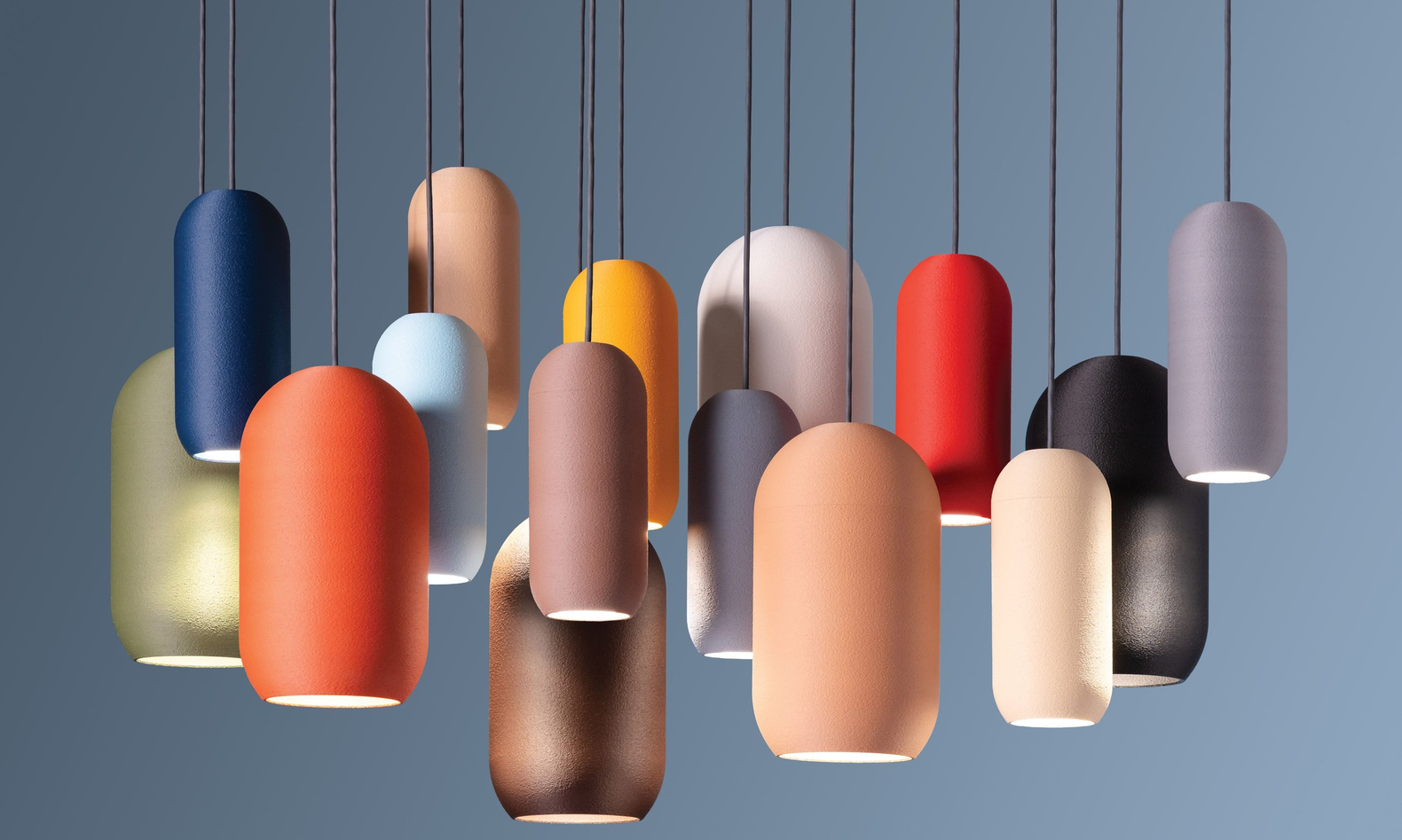
LightArt introduces Radielle, a compact pendant collection offering four geometric silhouettes in multiple sizes and a Candlestick system, available in 15 colors printed in‑house. The fixtures provide high‑performance illumination with 2700‑4000 K color temperatures, 80/90 CRI, dimming options, and optional PoE or emergency battery, all backed by a five‑year warranty. Designed for intimate commercial spaces such as restaurants, hotels, offices, and retail, Radielle combines minimalist form, customizable palette, and flexible mounting to deliver focused, human‑scale lighting.
|
|  www.officing.com
|
|
|
|
Eureka’s Figure pendant luminaire offers designers extensive customization with 13 power‑cable colors, 10 tube and shade finishes, 12 disc options, and a new cork plate finish, allowing tailored moods for bars, microbreweries, cafés, reception areas, and creative offices.
|
|  www.officing.com
|
|
|
|
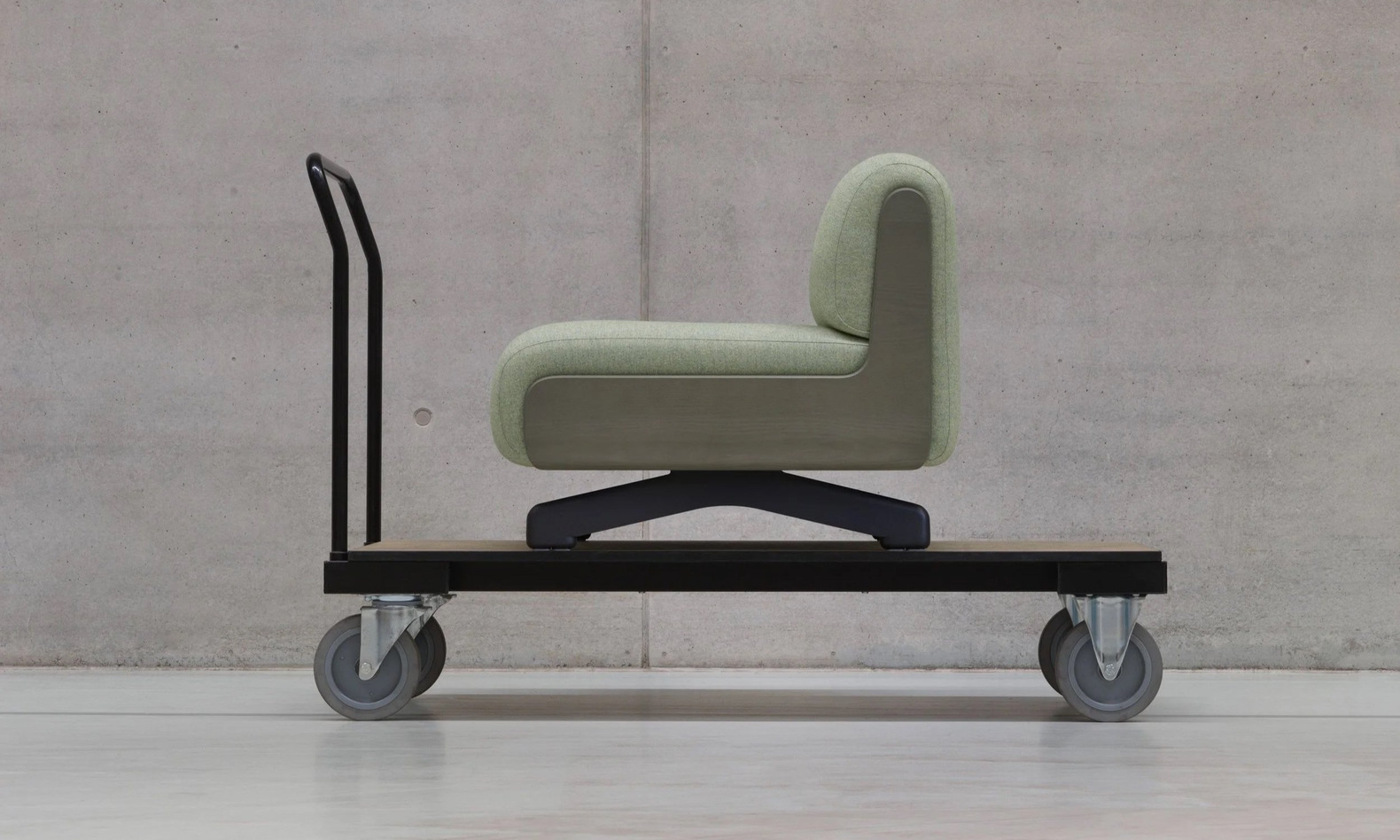
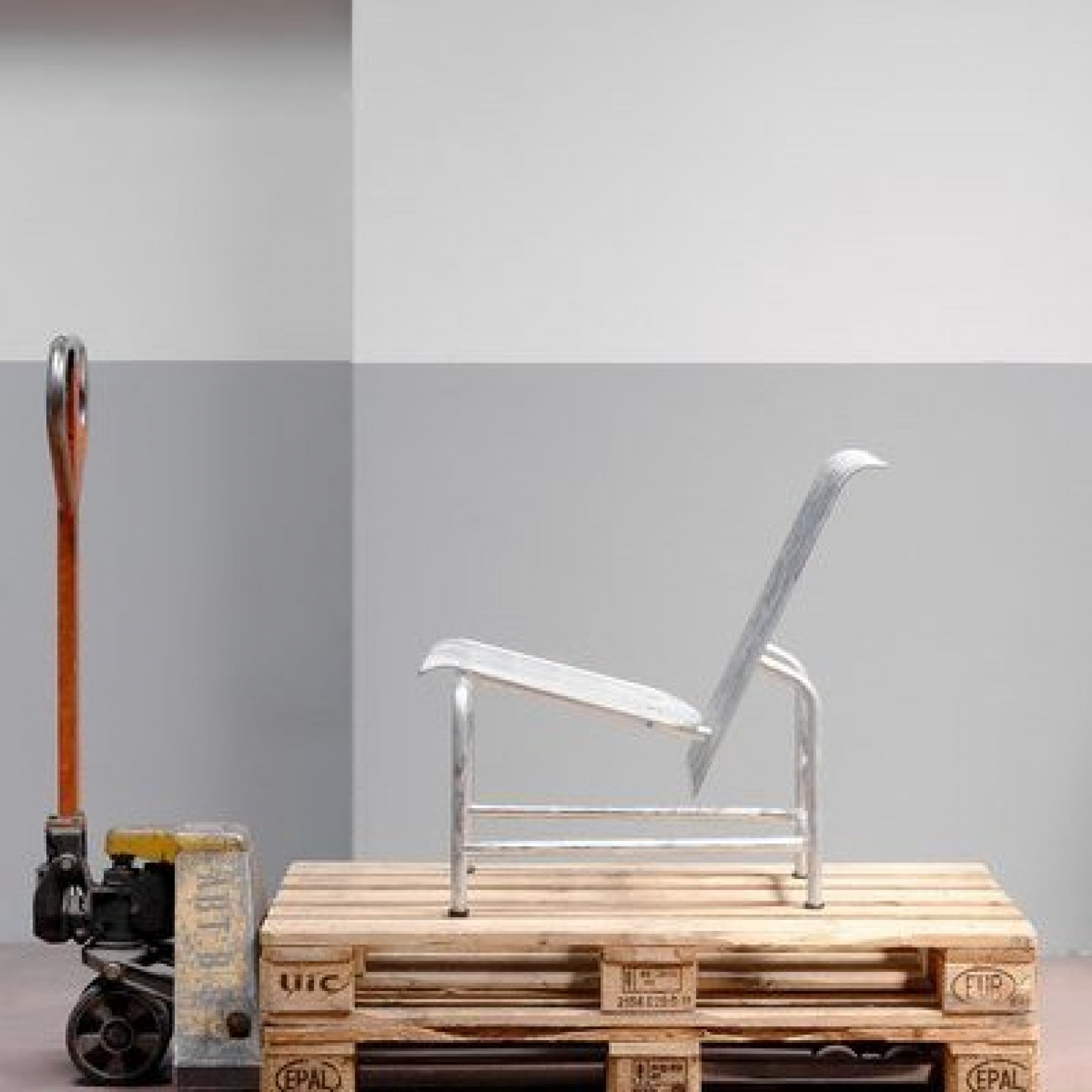
A Swiss industrial designer created a modular patio chair for Embru that features a shopping‑cart‑style grid, offers flexible, repairable components, and will be available in plywood and other finishes, with production slated for the end of the year.
|
|  www.core77.com
|
|
|
|
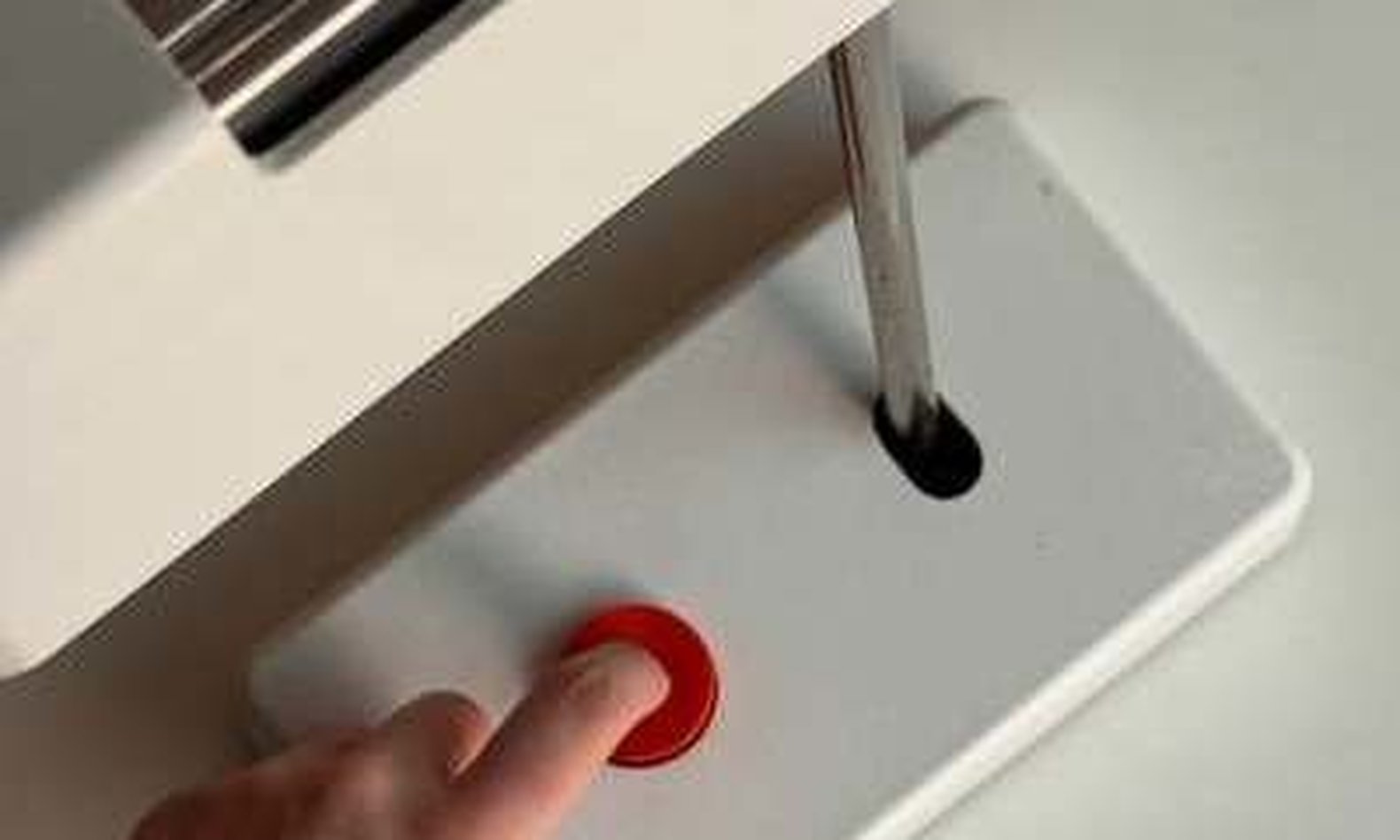
A vintage East German desk lamp by VEB Zweckleuchtenbau, featuring a basic 1970s Communist-era design, is highlighted for its adjustable tilt and simple switch placement. The author suggests that reimagining the lamp with a Ferrari-inspired shade could turn it into a lucrative product, appealing to Ferrari enthusiasts.
|
|  www.core77.com
|
|
|
|
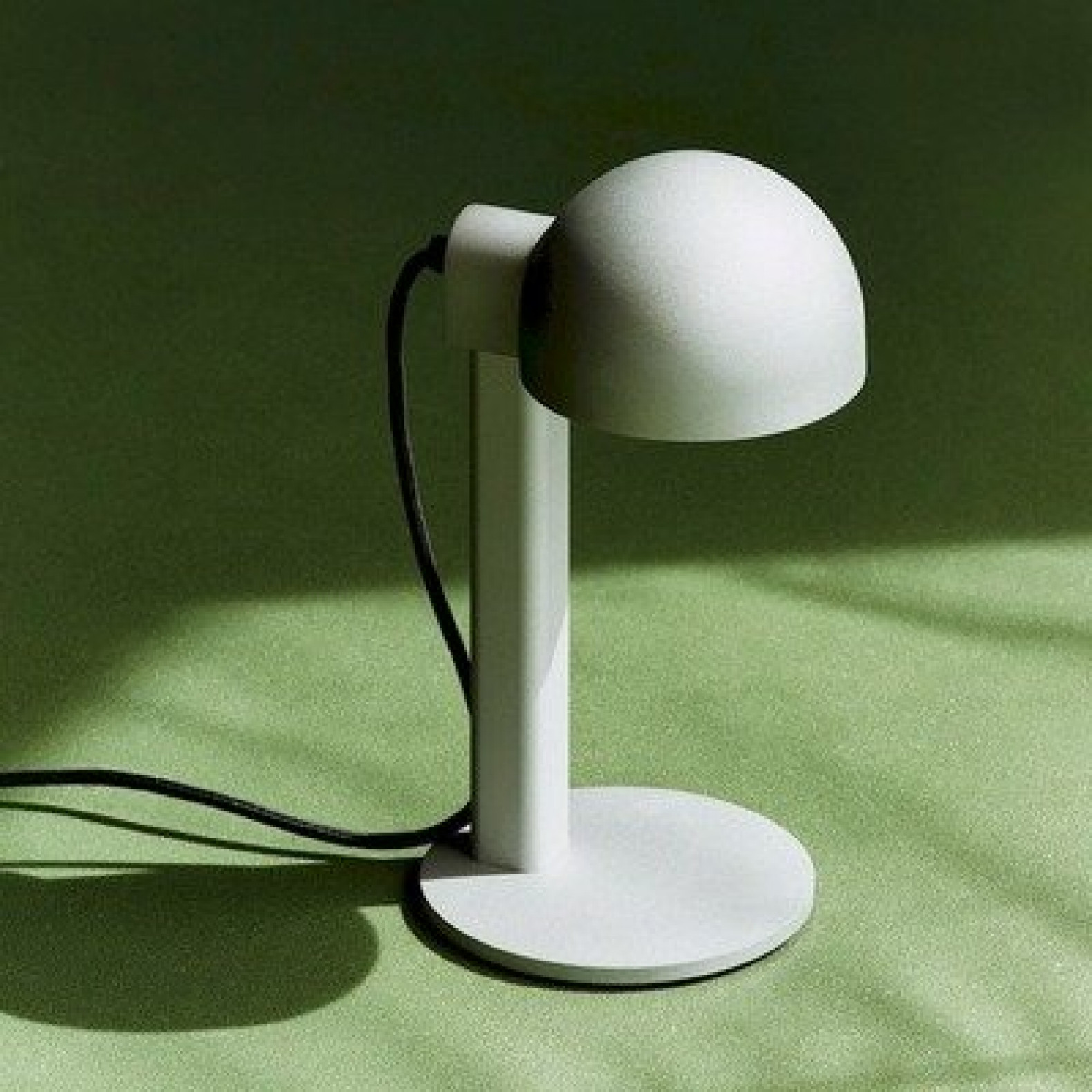
Claire Lavabre’s Posto lamp for HAY is a minimalist table lamp crafted from three raw aluminium parts, assembled with two screws and a bulb fitting. Its design strips the lamp to its essential elements, featuring a calm, graphic presence and industrial aesthetic, with a tactile shot‑blasted finish that reveals subtle marks of its making. The lamp offers focused, comfortable light while maintaining a quietly architectural silhouette.
|
|  www.core77.com
|
|
|
|
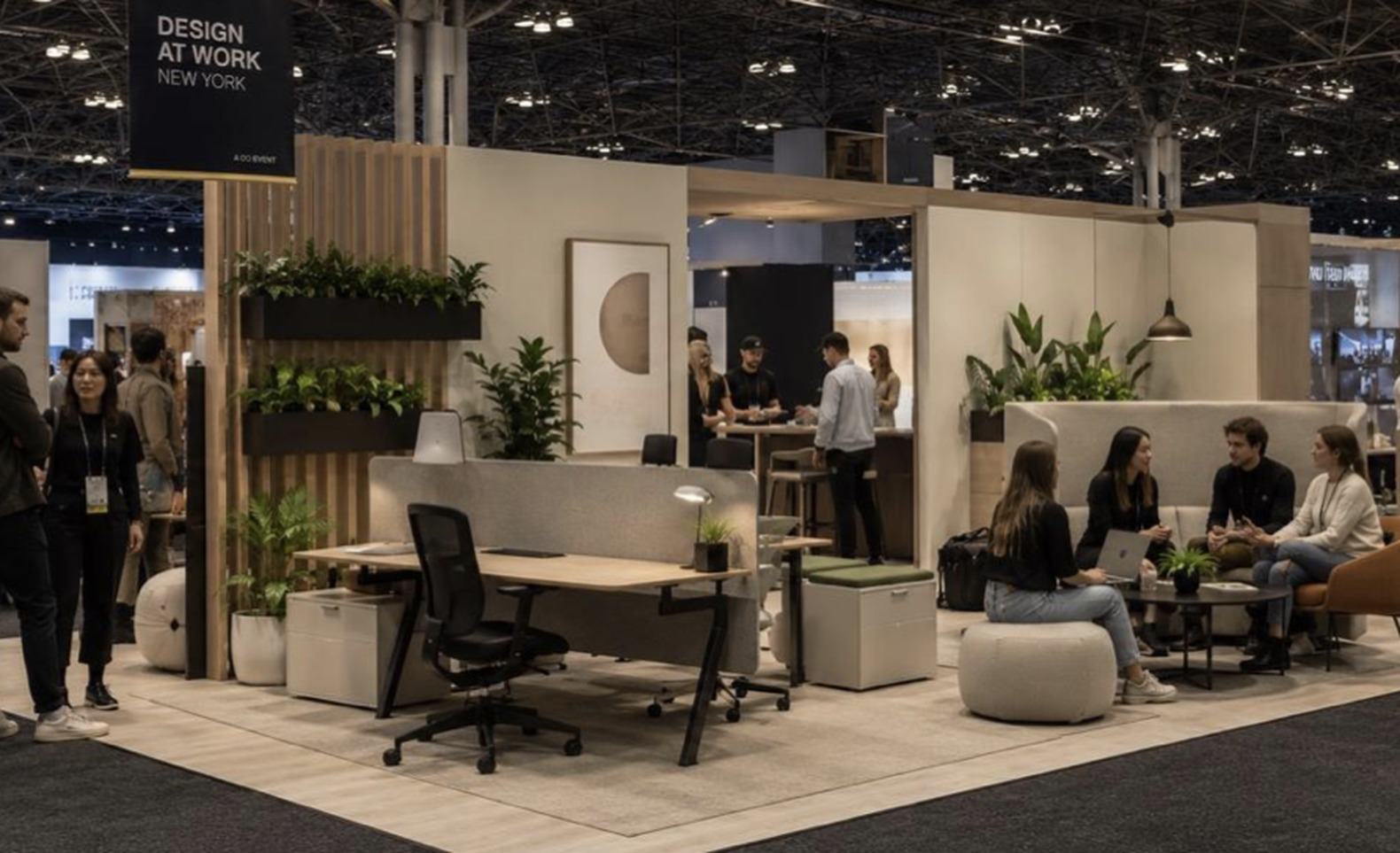
Design at Work New York 2027
March 10-11, 2027 | New York City
Design at Work New York is designed to attract a highly targeted audience of architects, interior designers, workplace strategists, developers, occupiers and commercial decision-makers actively shaping workplace and commercial interior projects.
Learn more >
|
|
|
|
|
|
Salone del Mobile 2027
April 13-18, 2027 | Milan, Italy
Salone del Mobile Milano will take place from 13–18 April 2027 at Fiera Milano Rho, featuring the new Salone Contract platform for large‑scale FF&E projects, expanded international tours, and returns of Euroluce, Salone Raritas, and SaloneSatellite, while targeting a €100 billion market and building on the success of the 2026 edition.
Learn more >
|
|
|
|
|
|
NeoCon 2027 / DesignDays 2027
June 13-16, 2027 | Chicago, IL
NeoCon has served as the world’s leading platform and most important event of the year for the commercial design industry since 1969. A launch pad for innovation—NeoCon offers ideas and introductions that shape the built environment today and into the future. For 2027 NeoCon is officially a 4-day event beginning on Sunday, June 13, 2027.
|
|
|
|
|
|
|
Trends in Commercial Projects
|
|
|
|
|
Gensler’s new TTX headquarters in Charlotte blends the company’s logistics heritage with contemporary workplace design, using rail‑inspired materials, storytelling elements, and biophilic features to create an open, collaborative environment that prioritizes employee wellbeing, flexibility, and sustainable, long‑lasting construction.
|
|  officesnapshots.com
|
|
|
|
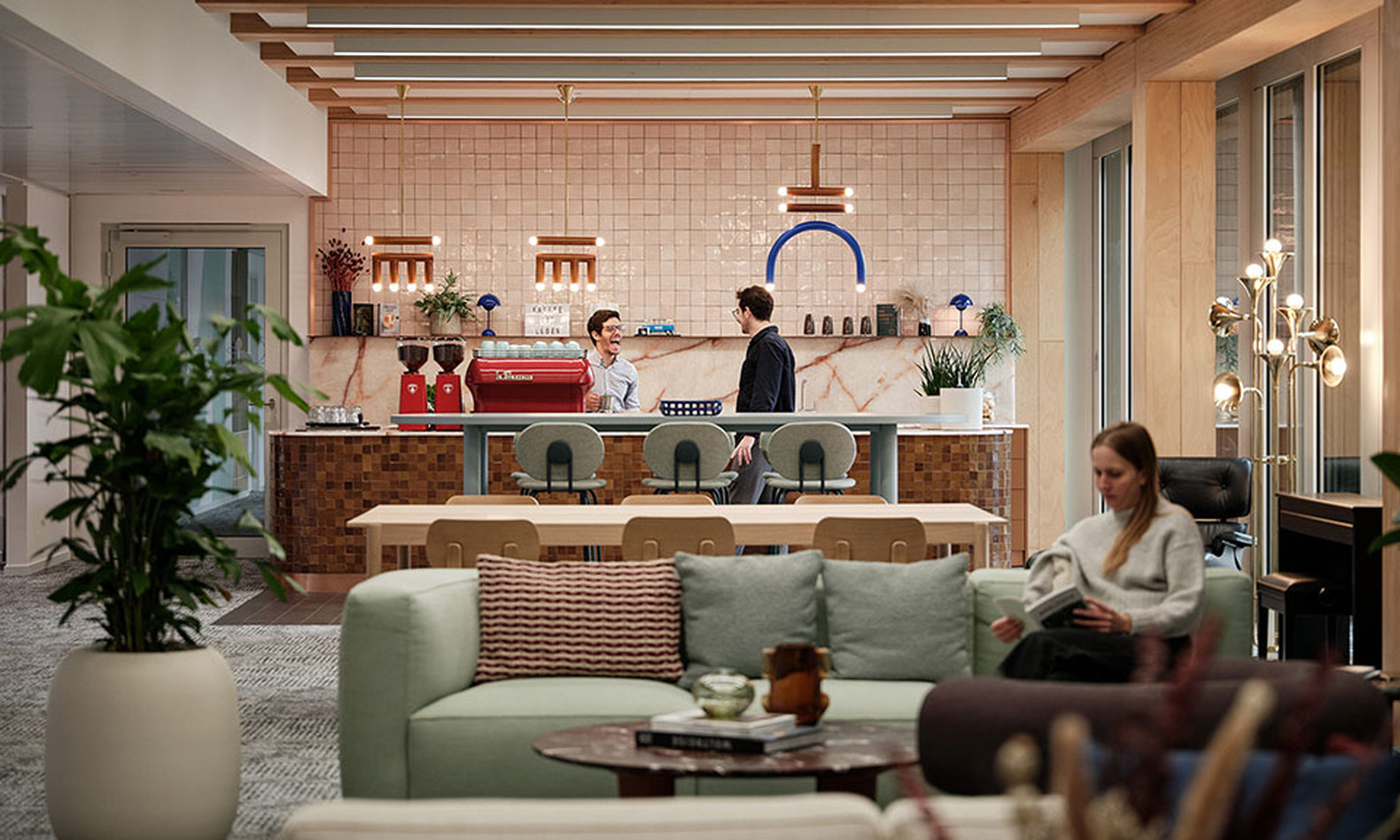
Jolie’s design transforms Bankside’s Print and Ink Buildings into a hospitality‑inspired workplace, blending sensory elements, sustainable materials, and wellbeing‑focused spaces such as a scented reception, eco‑friendly clubroom, and a tranquil Focus Lounge with city views.
|
|  www.mixinteriors.com
|
|
|
|
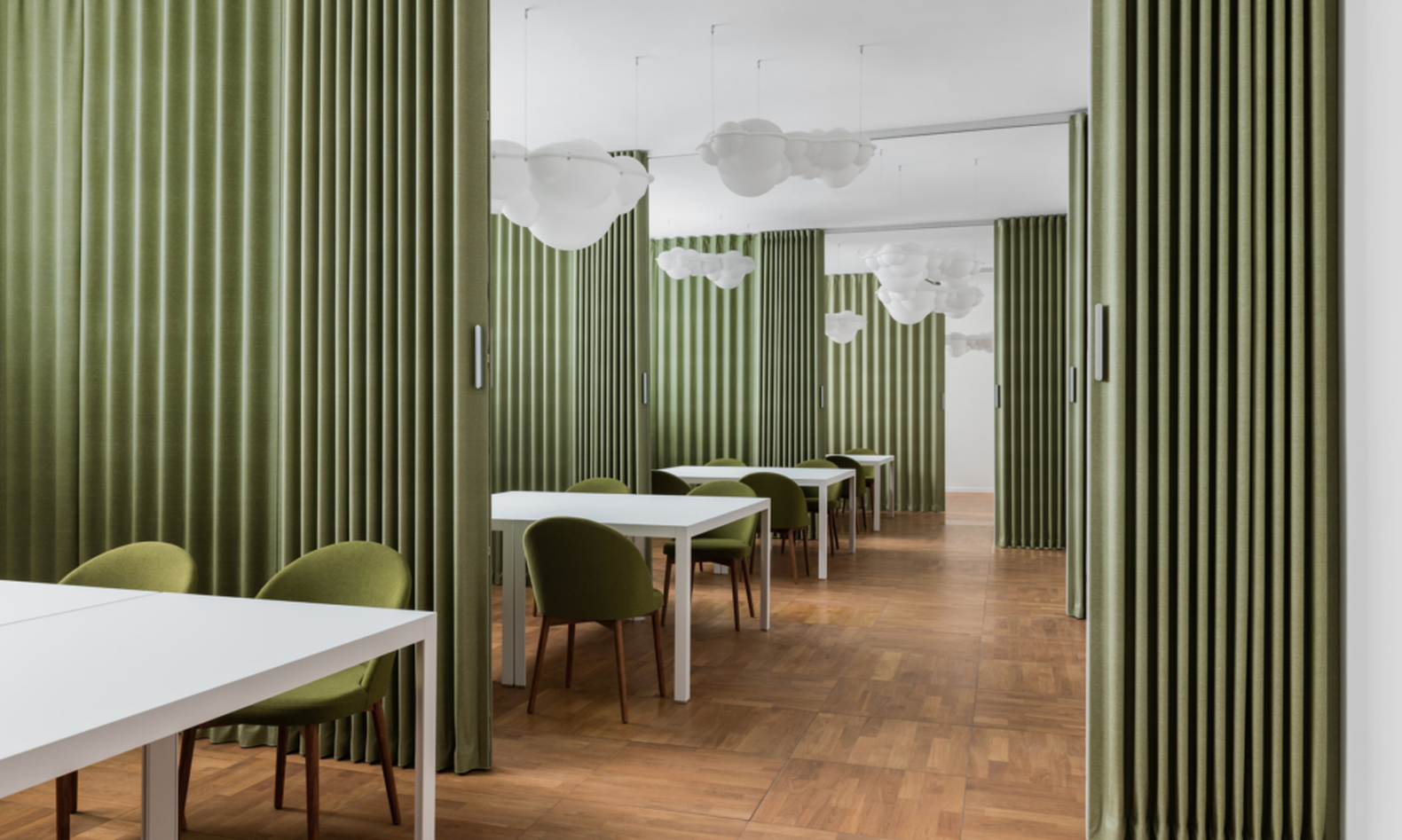
Alberto Straci designed a flexible coworking and office environment for the Italian trade union CISL in Milan, featuring a large main room with movable textile partition walls that can be reconfigured for various uses, alongside smaller private meeting rooms, executive offices, and an archive. The project highlights adaptable space planning, modern design, and collaboration between architect Straci and photographer Matteo Triola, showcasing the innovative use of partition systems to create versatile workspaces.
|
|  officesnapshots.com
|
|
|
|
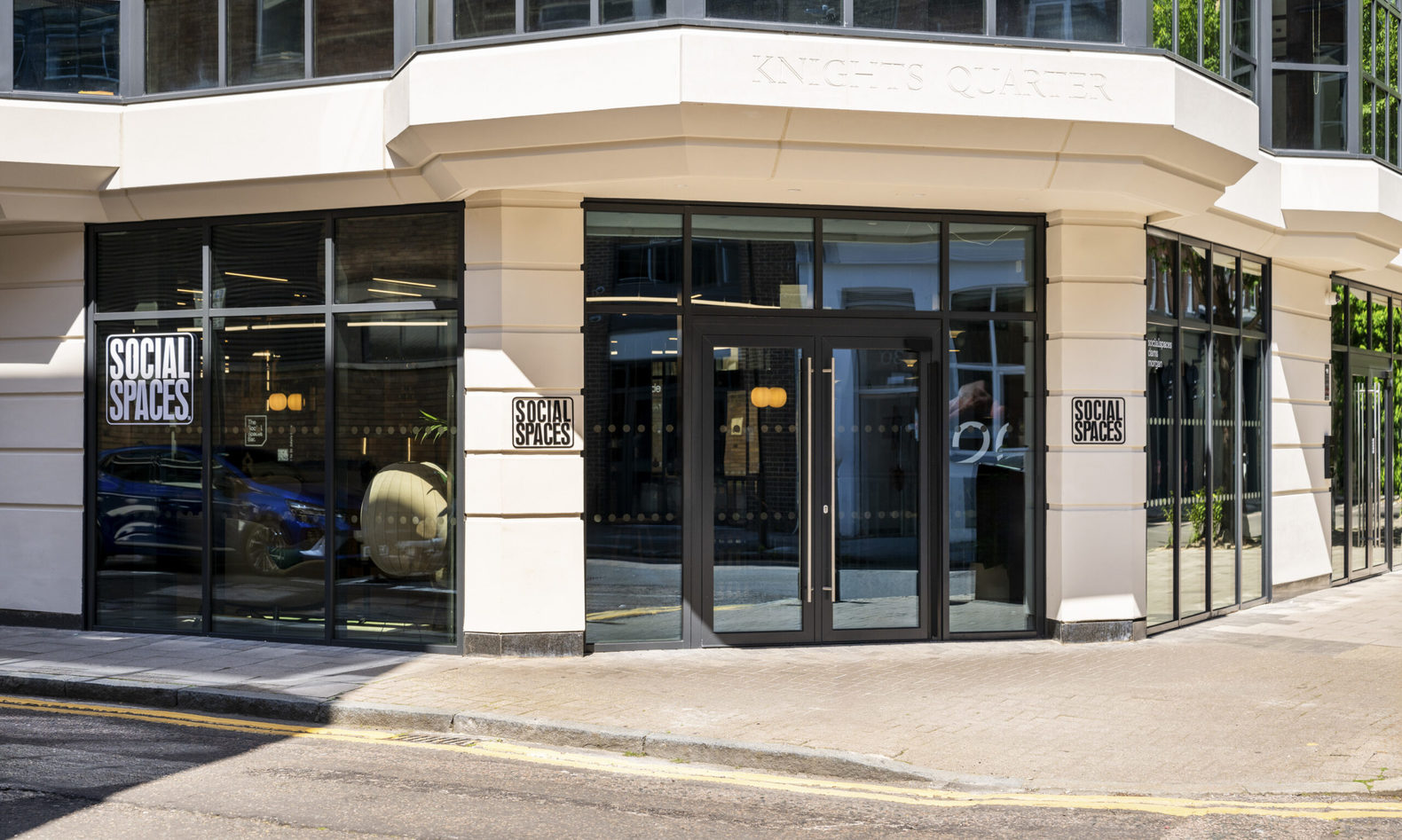
Social Spaces opened a two‑floor London showroom in Clerkenwell that showcases workplace design through interactive zones—collaborative areas, meeting rooms, project displays, and event spaces—demonstrating how furniture shapes modern work environments, supports collaboration, and highlights sustainability and design trends.
|
|  www.onofficemagazine.com
|
|
|
|
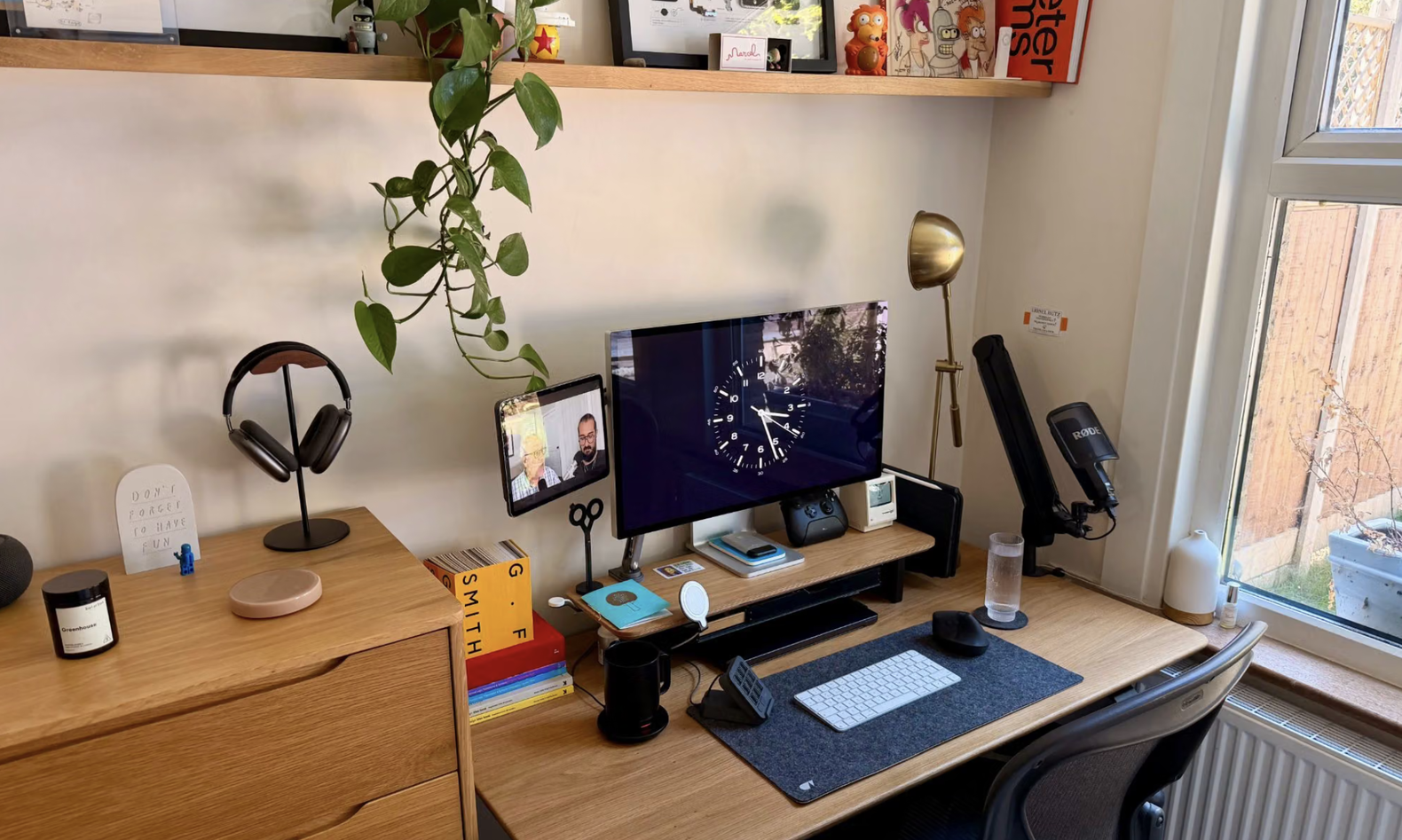
Jonathan Reed, a London‑based graphic designer and app developer, works from a bedroom workspace featuring a light oak standing desk, Apple Studio Display, Logitech MX Creative Console, and various design‑focused accessories. He values art in his environment, uses tools like Adobe, Figma, Claude, Xcode, and TinyStart, and wishes for a larger desk to alleviate the cramped setup.
|
|  workspaces.xyz
|
|
|
|
Ramp expanded its Midtown South office to a total of 460,300 sq ft, adding 175,000 sq ft across six floors. This is the company's third expansion in the building, following a 285,303 sq ft lease earlier in 2026 and a 66,000 sq ft sublease with Microsoft.
|
|  www.globest.com
|
|
|
|
Salesforce will lease a full floor at 1401 New York Ave. NW in downtown D.C. for a new meeting, events, and tech hub, with construction starting late 2026 and opening slated for early 2028; the lease brings Carr Properties’ 211,000‑sq‑ft building to 95% occupancy.
|
|  www.bisnow.com
|
|
|
|
Morningstar has secured three major office leases totaling over 350,000 SF in Chicago, London, and Frankfurt for the third quarter, committing roughly $178 M in future leasing obligations and nearly four decades of combined term length. The company’s Chicago headquarters move to the Thompson Center, a 275,000 SF space with a 17‑year lease, is slated for possession in Q2 2027, while the London and Frankfurt leases cover 75,000 SF and 29,000 SF with 12‑year and 10‑year terms respectively, underscoring a strategic expansion beyond the U.S. market.
|
|  www.bisnow.com
|
|
|
|
|
Studio RYS Founder Robert Y. Sauvageau Retires After Four-Decade Career
|
|
Studio RYS announced the retirement of founding principal Robert Y. Sauvageau after a four‑decade career, transferring ownership and leadership to principals Bhavini Hardev and Lisa A. Haude, making the firm women‑owned and women‑led while reinforcing its integrated hospitality design approach. The transition highlights the firm’s commitment to collaborative, seamless architecture, interior architecture, and interior design services, building on its 1989 founding and recent rebranding, and positions Studio RYS for continued growth under Hardev as CEO and Haude as President.
|
| |
|
|
|
|
Hightower Explores the ‘Science of Human Flourishing’ in New CEU Webinar
|
|
Hightower is hosting a free CEU webinar, “Designing for Delight: The Science of Human Flourishing,” on November 11 (two sessions at 11 a.m. ET/PT). The session explores how neuroscience, psychology, inclusive design, and sustainability inform environments that help people think, move, connect, and belong. Led by Dr. Kibibi Springs, the webinar offers 1.0 IDCEC credit (code CEU‑126763) and a certificate for members of AIA, GBCI, and other organizations. Registration is open, and firms can also arrange in‑person sessions.
|
| |
|
|
|
|
Your Next Star Employee Was at Color Invasion. Were You?
|
|
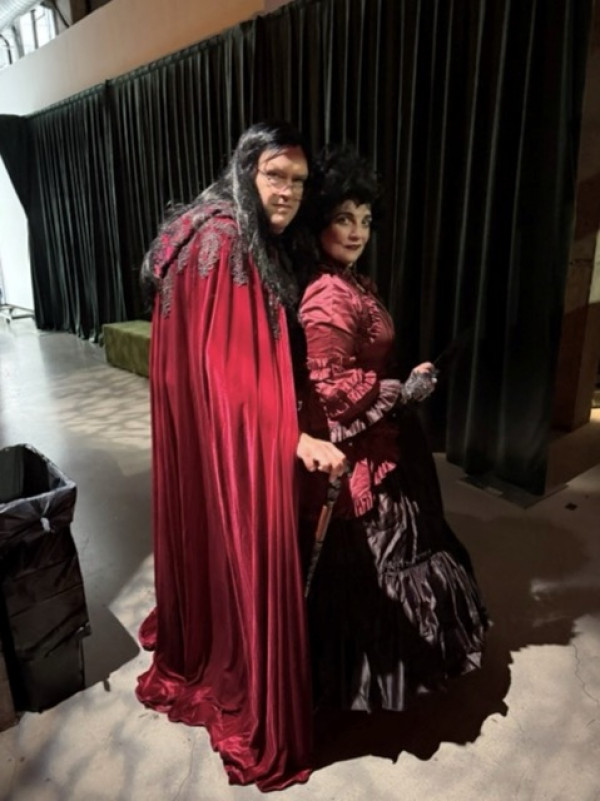
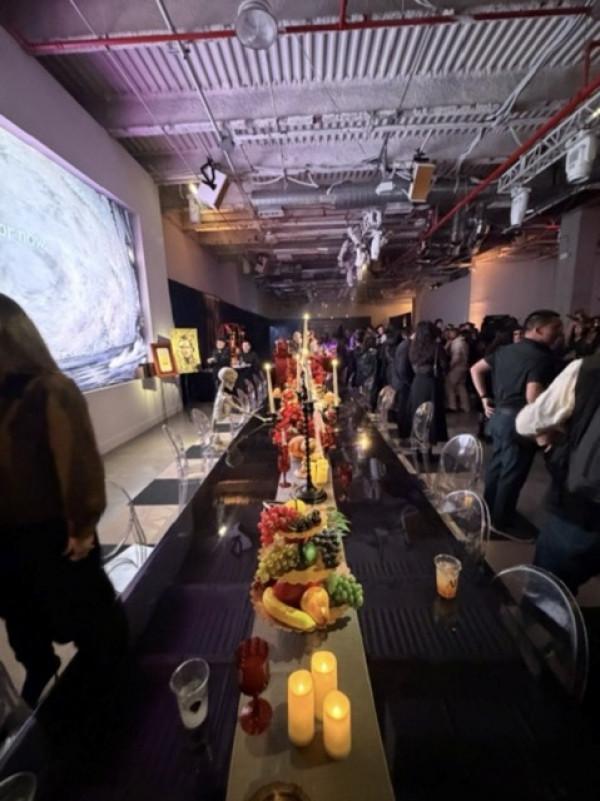
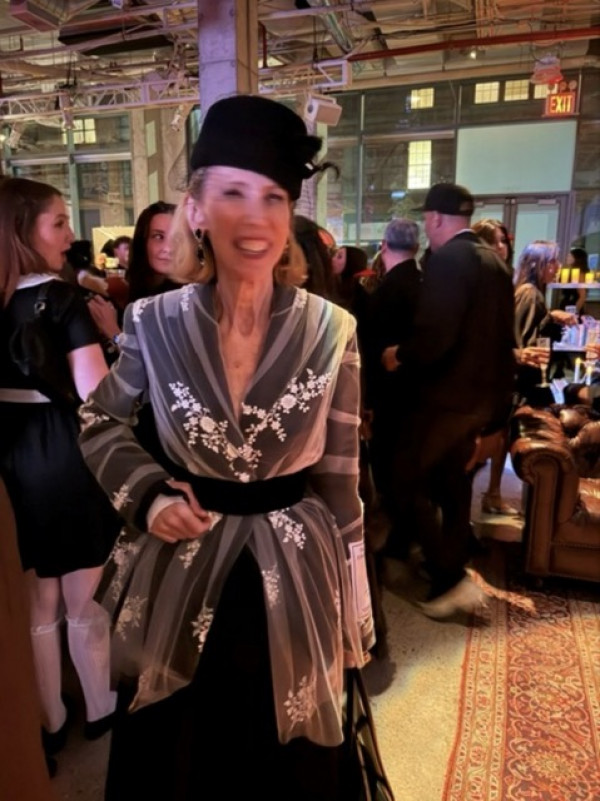
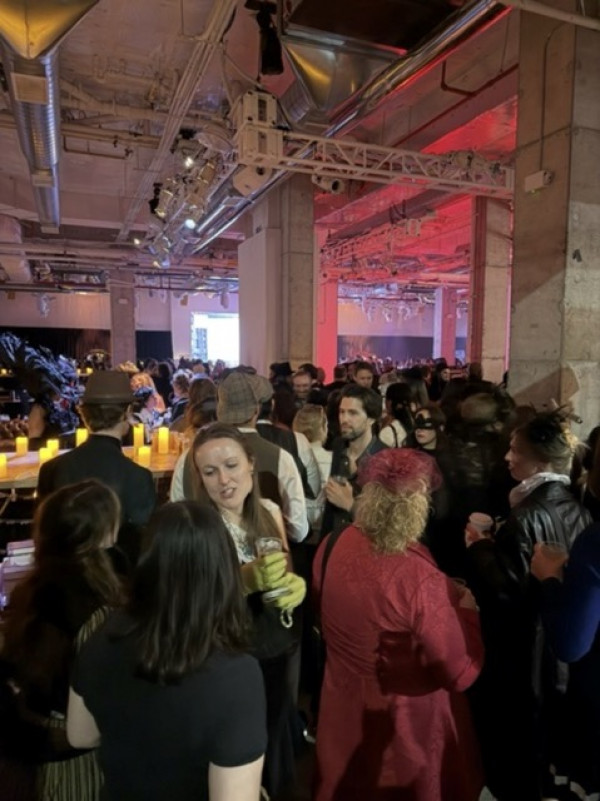
I go to Color Invasion because it is a great party: terrific food, attractive people and costumes that prove what happens when creative professionals skip the online witch’s hat and get to work.
IIDA NY’s annual event, held October 29 at Chelsea Industrial, delivered on all counts. This year’s theme, “The House of Forgotten Whispers,” inspired plenty of Victorian mystery and haunted-house drama. Committee co-chairs Brian Bates and Steven South and their team deserve credit for another memorable evening. Steelcase’s Cair Kennedy gets my vote for best costume. Nobody asked me to judge, but you know I have an opinion.
Color Invasion always brings to mind my friend Selina Thompson, who died far too young. Selina began her career at Knoll before establishing her own rep group. Her personality, reputation and unmistakable North Carolina accent made her unforgettable. She is part of my earliest memories of this event, and I would have loved her commentary on the room.
Among the familiar faces were Steelcase regional vice president Abigail French, whom The Viscusi Group recruited years ago, and Humanscale’s Sheril Kern. I also had the pleasure of meeting Abigail’s grown daughter. Those lasting relationships are among the rewards of my work.
But the next generation caught my attention, too: young designers, manufacturer representatives and dealer salespeople building relationships and making themselves known. I can go to a party without recruiting. Apparently, I cannot go without noticing.
To executives who tell me they cannot find talented salespeople: At your next industry event, talk to someone who does not already work for you. Ask a dealer salesperson about their projects. Ask a designer which representatives make their job easier. Their answers can tell you more than a carefully polished LinkedIn profile.
The evening also supported Beyond Bedtime, formerly Pajama Program, which provides pajamas, books and sleep wellness resources to children facing adversity, and Blueprints for Hope, established in memory of Lance Amato, which shares pancreatic cancer information and recently awarded its first scholarship.
I left having eaten well, seen friends, met promising talent and awarded a costume prize nobody authorized me to give. That is a successful evening.
If you missed it, put next year’s Color Invasion on your calendar. And if you still insist there are no good salespeople out there, come with me. I will make the introductions. The costume is your responsibility.
Stephen Viscusi
|
| |
|
|
|
|
Ask Stephen - HNI Isn’t the Only One with a Checkbook. Ask OFS.
|
|
Stephen advises employees to focus on how an acquisition will impact their work rather than the prestige of the buyer, emphasizing that the true value lies in the resources, support, and growth opportunities the new owner can provide. It recommends asking specific questions about the buyer’s investment plans, product portfolio, and effects on commissions and career prospects, and suggests evaluating whether the acquisition will enhance tools, market access, and professional development before deciding to stay or seek new opportunities.
|
| Read Stephen's Latest Column > |
|
|
|
|
Project Coordinator / Inside Project Manager
|
|
Project Coordinator (PC) position is a full time, on-site role based in Reno, NV. The PC oversees and manages a variety of client-facing and internal projects, ensuring timely and successful execution.
|
| See Job Opening > |
|
|
|
|
Independent Representatives Wanted
|
|
Segis USA has openings in several key markets for Independent Sales Representatives.
We offer excellent commission rates and fulfill orders from our facility in Morristown Tennessee. You will be supplied with a sample program and compelling literature.
|
| See Job Opening > |
|
|
|
|
|