IIn this issue… MillerKnoll reports stronger sales and a back-to-basics operating strategy, while Poltrona Frau advances transparency with Digital Product Passports and Vitra highlights durable airport seating. Office demand remains uneven but active, from record Midtown rents to high-end flexible suites and changing labor trends shaped by remote work, AI, privacy, employee connection, and data security. Design stories focus on quiet, control, inclusive workplaces, adaptable coworking, and material-led thinking, while product launches emphasize sustainable acoustics, modular seating, refined home-office systems, recyclable materials, and hospitality-ready lounge collections.
|
| |
|
|
|
By the Numbers
U.S. factory employment fell to a six‑year low in June despite a rebound in manufacturing activity, as higher operating costs linked to the Middle East conflict and rising raw‑material prices forced many factories to cut jobs. While the flash manufacturing PMI rose to 55.7, the highest since May 2022, and the composite PMI edged up, concerns over inflation and supply‑chain strains kept private‑sector hiring subdued, with S&P Global noting the sharpest decline in manufacturing employment since May 2020.
|
| Read more > |
|
|
|
U.S. long‑term unemployment has risen to a four‑year high, while initial jobless claims fell unexpectedly to 215,000, indicating continued labor market resilience despite seasonal factors and holiday effects. Continuing claims increased to 1.821 million, and the jobless rate held steady at 4.3%, but hiring remains weak, with the median duration of unemployment extending to 11.6 weeks, reflecting challenges for recent graduates and a cautious hiring outlook amid rising costs and AI adoption.
|
| |
|
|
|
"We delivered a strong fourth quarter relative to the expectations we set coming into the period."
- Jeff Stutz, Chief Operating Officer and incoming interim CEO at MillerKnoll
|
| |
|
|
|
|
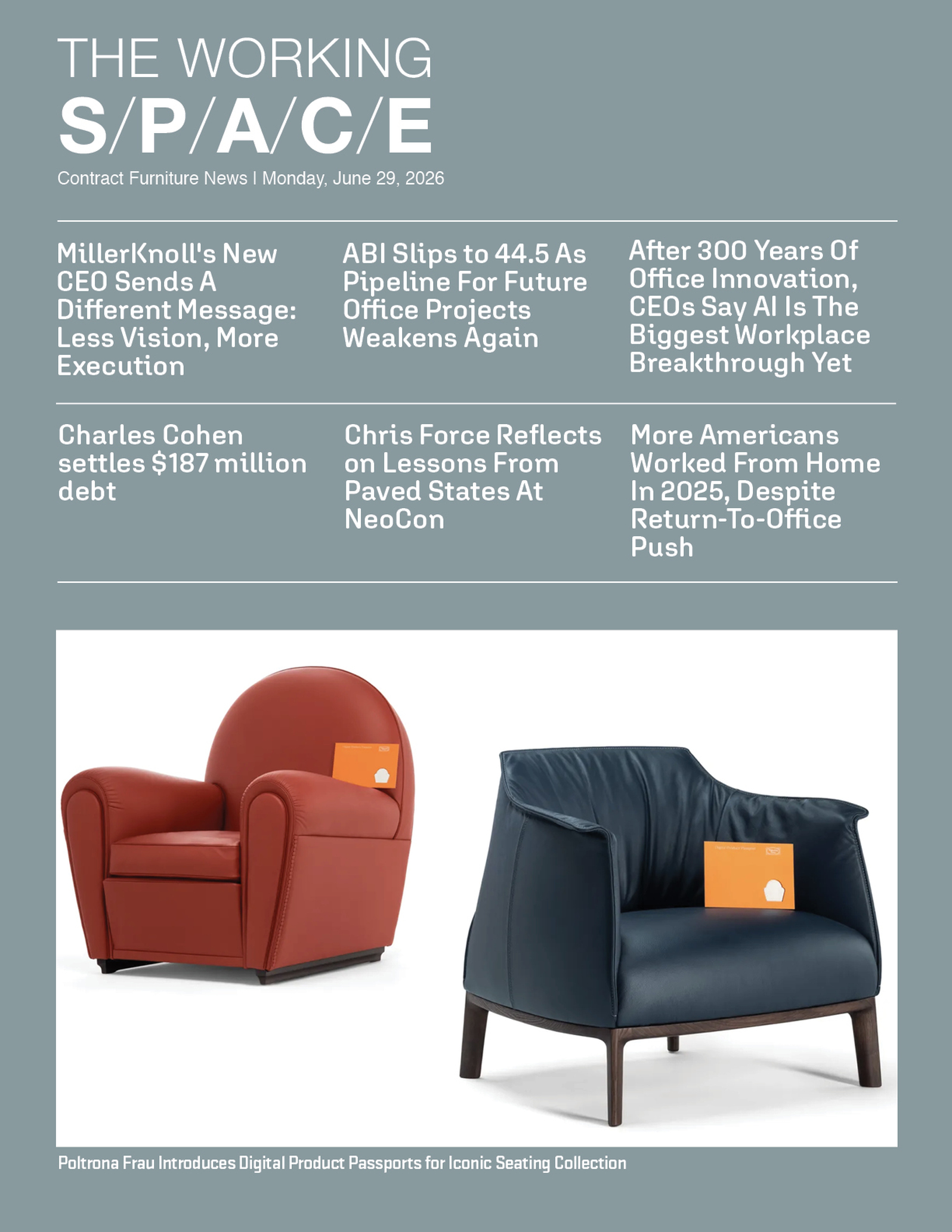
MillerKnoll's New CEO Sends A Different Message: Less Vision, More Execution
|
|
MillerKnoll’s first earnings call following the departure of former CEO Andi Owen felt less like a celebration of a solid quarter and more like a reset. Yes, the company delivered fourth-quarter revenue of just over $1 billion, up 4.4 percent, while adjusted earnings of $0.55 per share topped Wall Street expectations. North American Contract continued to provide stability, retail sales improved modestly, operating cash flow reached $200 million for the year and management reaffirmed plans to continue opening Herman Miller stores. Yet what investors heard was something they had not heard from MillerKnoll in some time: an acknowledgment that simply beating expectations is no longer enough.
Interim CEO Jeff Stutz, a 25-year company veteran who succeeds Andi Owen, repeatedly returned to one phrase throughout the investor call: execution. “Our financial performance is not where we want it to be,” he told investors before outlining three priorities for fiscal 2027—greater operating discipline, tighter cost control and stronger cash generation to reduce debt.
It was a notable departure from the strategic language that characterized much of the Owen era. Rather than discussing transformation, disruption or reinvention, Stutz described a company that already possesses the right businesses but needs sharper focus and better financial discipline.
That change in tone may be more important than the quarterly results themselves. During Owen’s tenure, MillerKnoll invested heavily in integrating the Knoll acquisition, expanding its retail footprint and positioning itself as a broader lifestyle company. Those investments helped diversify revenue, but they also left investors waiting for stronger margins and more consistent earnings growth. Stutz appears to be signaling that the era of ambitious expansion has given way to one of extracting returns from what the company already owns. If you were hoping MilleKnoll would buy your company, look elsewhere.
There are encouraging signs. North America Contract remains healthy despite a reported 10 percent decline in orders that management attributed largely to difficult tariff-related comparisons from a year ago. Company executives said underlying project activity, backlog and customer wins all improved during the quarter, suggesting demand has held together better than the headline order numbers indicate. Retail also continues to perform respectably, with comparable sales rising and Herman Miller stores proving to be productive lead generators for contract customers.
The company’s retail strategy also appears to be evolving into something more financially disciplined. Instead of emphasizing larger flagship locations, MillerKnoll plans to accelerate openings of approximately 1,800-square-foot Herman Miller stores that require significantly less capital and reportedly generate payback in under three years. That reflects a broader philosophy emerging under Stutz: grow, but only where the economics are clearly favorable.
Not everything is moving in the right direction. International Contract remains challenged by weak European markets and macroeconomic uncertainty, while Holly Hunt continues to struggle with leadership, product development and demand. Management acknowledged that recent introductions have failed to resonate and that restructuring efforts remain underway. Those businesses will likely determine whether MillerKnoll can reach the upper end of its fiscal 2027 guidance.
Perhaps the most revealing aspect of the call was what Stutz did not promise. There were no sweeping strategic announcements, no major acquisitions, no dramatic restructuring plans and no claims that the company would reinvent itself. Instead, investors heard a CEO arguing that MillerKnoll’s future depends less on finding the next big idea than on executing the existing one better.
For the commercial interiors industry, that may be the most significant takeaway. MillerKnoll is entering its next chapter not with another vision statement, but with an operational playbook. After several years of transformation, integration and leadership change, the company appears ready to measure success by margins, cash flow and execution rather than ambition alone. Whether that quieter strategy ultimately produces better shareholder returns will become one of the industry’s most closely watched stories over the next year.
|
| |
|
|
|
|
ABI Slips to 44.5 As Pipeline For Future Office Projects Weakens Again
|
|
The pipeline that help feeds the contract furniture industry took another step backward in May.
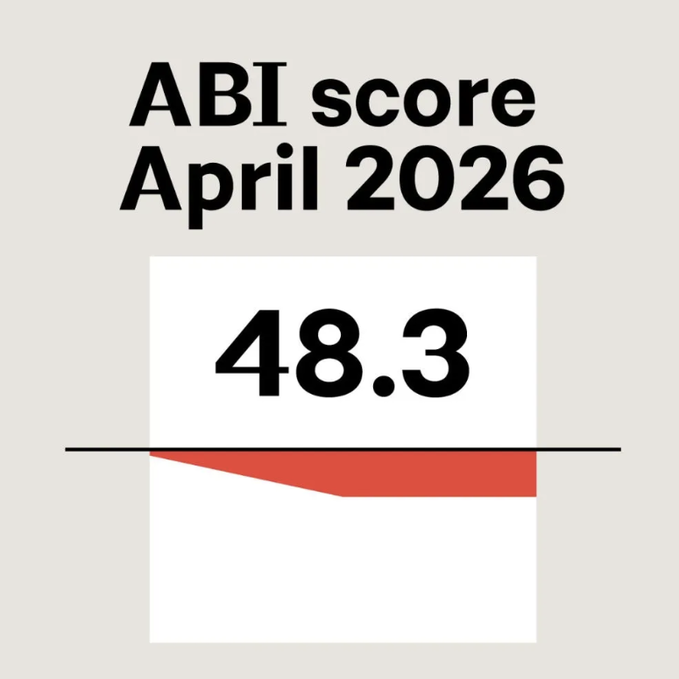
The American Institute of Architects’ Architecture Billings Index (ABI), one of the most closely watched leading indicators for nonresidential construction, fell to 44.5 in May from April’s stronger reading, marking its lowest level since January. Because architectural billings typically lead commercial construction activity by nine to twelve months, the latest reading suggests that manufacturers, dealers and workplace suppliers should expect fewer office projects moving into production during 2027.
While the office furniture industry often focuses on quarterly order trends, the ABI provides an earlier glimpse of what may eventually arrive in dealer pipelines. A score below 50 indicates that more firms are reporting declining billings than increasing billings. At 44.5, May’s reading points to a meaningful slowdown in design activity rather than simply a market that has stalled.
The AIA attributed much of the weakness to economic uncertainty stemming from the conflict in Iran, which has contributed to higher fuel costs, persistent inflation and growing hesitation among clients considering new construction projects. That caution extended beyond current billings. The inquiries index fell below the 50-point threshold for the first time in four months, while newly signed design contracts dropped to their weakest level since January, suggesting that firms are not replacing completed work with new commissions.
Just as concerning is the deterioration in architectural sentiment. One-quarter of firm leaders now expect billings to decline by at least 5% during the third quarter, up from 21% only one quarter earlier. Nearly half expect little change, leaving only 30% anticipating meaningful growth.
Regionally, firms in the South continued to perform better than the rest of the country, although still below expansion levels. Conditions weakened noticeably in the West, while firms across every major practice area—including commercial, institutional and multifamily residential—reported declining billings.
For the contract furnishings industry, the significance extends well beyond architects’ revenue. Every office building, headquarters renovation, tenant improvement and workplace repositioning begins with architectural design work. When those projects slow at the drawing board, furniture specifications, dealership orders and manufacturer production typically soften several quarters later. The ABI has historically served as one of the industry’s most reliable early warning systems, making May’s decline an indicator worth watching even as many manufacturers continue reporting stable backlogs built from projects initiated months or even years ago.
There were a few encouraging signs beneath the surface. Employment remained resilient across the broader economy, architectural staffing levels were generally stable, and several firms reported finally moving long-delayed projects into active design. Even so, the overall picture remains one of caution. Inflation accelerated again in May, the Federal Reserve left interest rates unchanged, and architecture firms increasingly described a market where clients are delaying commitments rather than accelerating investment.
For office furniture manufacturers, dealers and investors, the takeaway is straightforward: today’s ABI reading is less about current shipments than tomorrow’s opportunities. If architectural billings fail to recover over the next several months, the industry’s project pipeline entering 2027 could prove thinner than many companies are currently expecting.
|
| |
|
|
|
For decades, the contract furnishings industry has measured workplace change by the things it could manufacture—systems furniture, ergonomic seating, open plans, collaboration spaces, height-adjustable desks and acoustic solutions. A new report from International Workplace Group (IWG) suggests the next competitive advantage may not be something manufacturers build at all. Instead, it may be the intelligence embedded within the workplace.
In a global survey of CEOs, 36% identified artificial intelligence as the single most influential office innovation in the 300-year history of the modern workplace, edging out laptops and tablets (35%), with video conferencing, wireless connectivity and hybrid work following behind. The report also found that 83% of executives believe recent workplace innovations have improved productivity and collaboration, while 35% said AI has delivered the greatest gains in organizational efficiency. Perhaps most telling, respondents ranked the 2020s—not the era of the personal computer or the internet—as the most transformative decade in office history, reflecting the combined impact of AI, automation and hybrid work.
For the office furniture industry, that finding represents more than another technology trend. It suggests the value proposition of the workplace is shifting away from the physical environment alone and toward what happens inside it. AI may determine how offices are scheduled, occupied, designed, maintained and even reconfigured in real time. Furniture manufacturers, dealers and workplace strategists that continue to think primarily in terms of products rather than intelligent workplaces risk becoming suppliers to a technology-driven ecosystem instead of helping define it. The industry’s challenge over the next decade will not simply be designing better offices—it will be designing offices that make people, and increasingly artificial intelligence, work better together.
|
|  allwork.space allwork.space
|
|
|
|
Charles Cohen has resolved a key chapter in his long-running legal battle with Fortress Investment Group, paying off a $187 million personal guarantee that removes the immediate threat of receivership over several of his landmark real estate holdings, including New York’s Decoration & Design Building and the Pacific Design Center in Los Angeles. While Fortress continues to pursue other claims, the payment preserves Cohen’s control over two properties that have played outsized roles in the contract furnishings industry for decades.
For the commercial interiors business, Cohen’s portfolio extends well beyond real estate. The Decoration & Design Building has long served as one of New York’s premier destinations for luxury contract and residential furnishings, while the Pacific Design Center helped establish Los Angeles as a major West Coast design hub, housing many of the industry’s leading furniture manufacturers, showrooms and design firms. Although questions remain over the D&D Building’s maturing loan and declining occupancy, the settlement removes the immediate uncertainty surrounding two of the industry’s most recognizable design centers.
|
|  businessofhome.com businessofhome.com
|
|
|
|
|
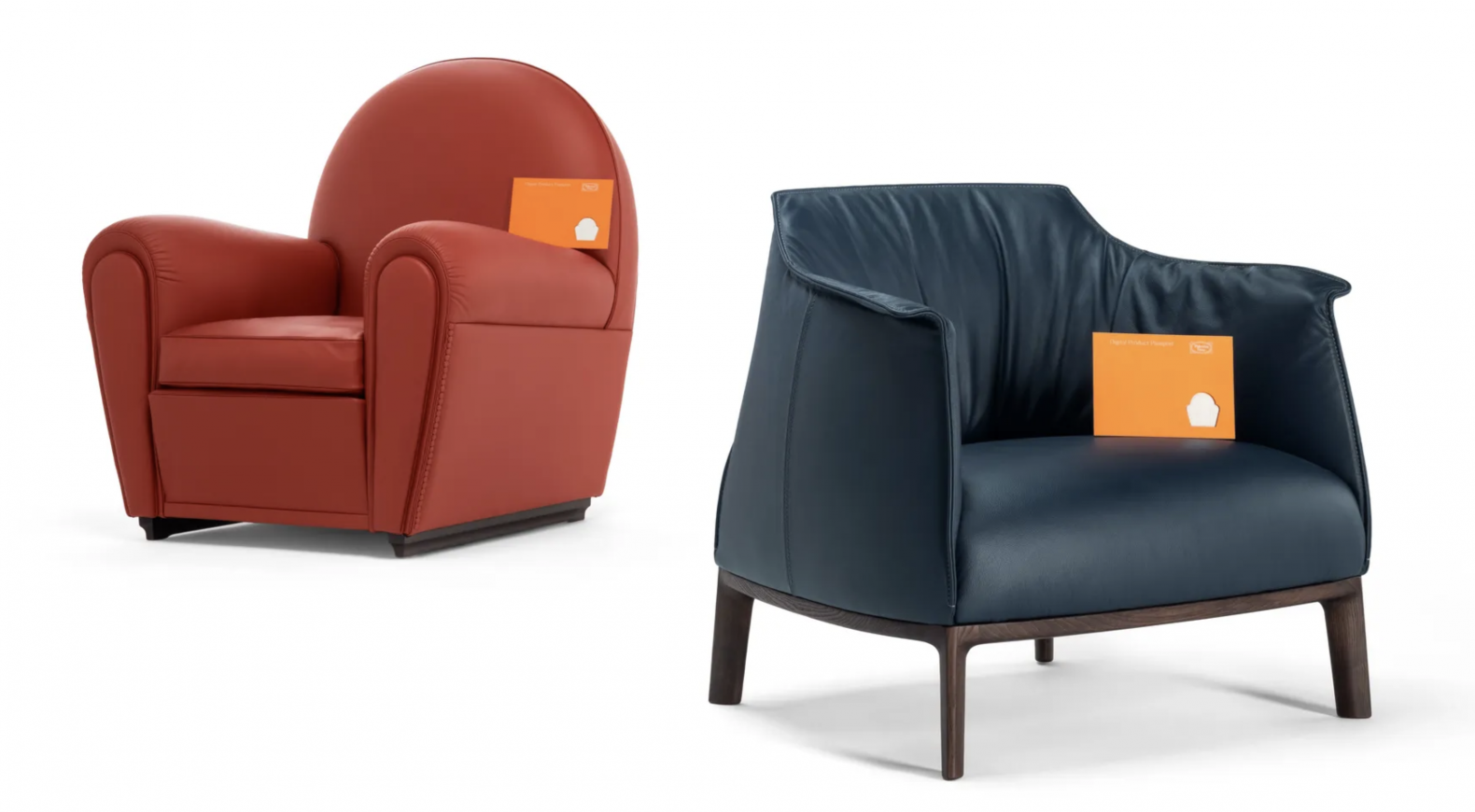
Poltrona Frau Introduces Digital Product Passports for Iconic Seating Collection
|
|
Luxury furnishings manufacturer Poltrona Frau has launched a Digital Product Passport (DPP) program for its iconic Vanity Fair and Archibald seating collections, becoming one of the first furniture manufacturers—and the first within Haworth Lifestyle—to implement the technology ahead of anticipated European regulations. Beginning with orders placed now, customers will receive an NFC-enabled digital certificate providing verified information about each product’s materials, origin, manufacturing process, authenticity and care.
The initiative reflects a broader shift in the furnishings industry toward greater product transparency and lifecycle management. Beyond serving as a certificate of ownership, the Digital Product Passport creates an ongoing connection between the customer and the manufacturer through maintenance information, after-sales services and authenticated product records. Developed with the Aura Blockchain Consortium and technology partner Temera, the platform is expected to expand across Poltrona Frau’s entire product portfolio by 2030, positioning the company ahead of upcoming European Digital Product Passport requirements expected to reach the home furnishings sector later this decade.
|
| |
|
|
|
|
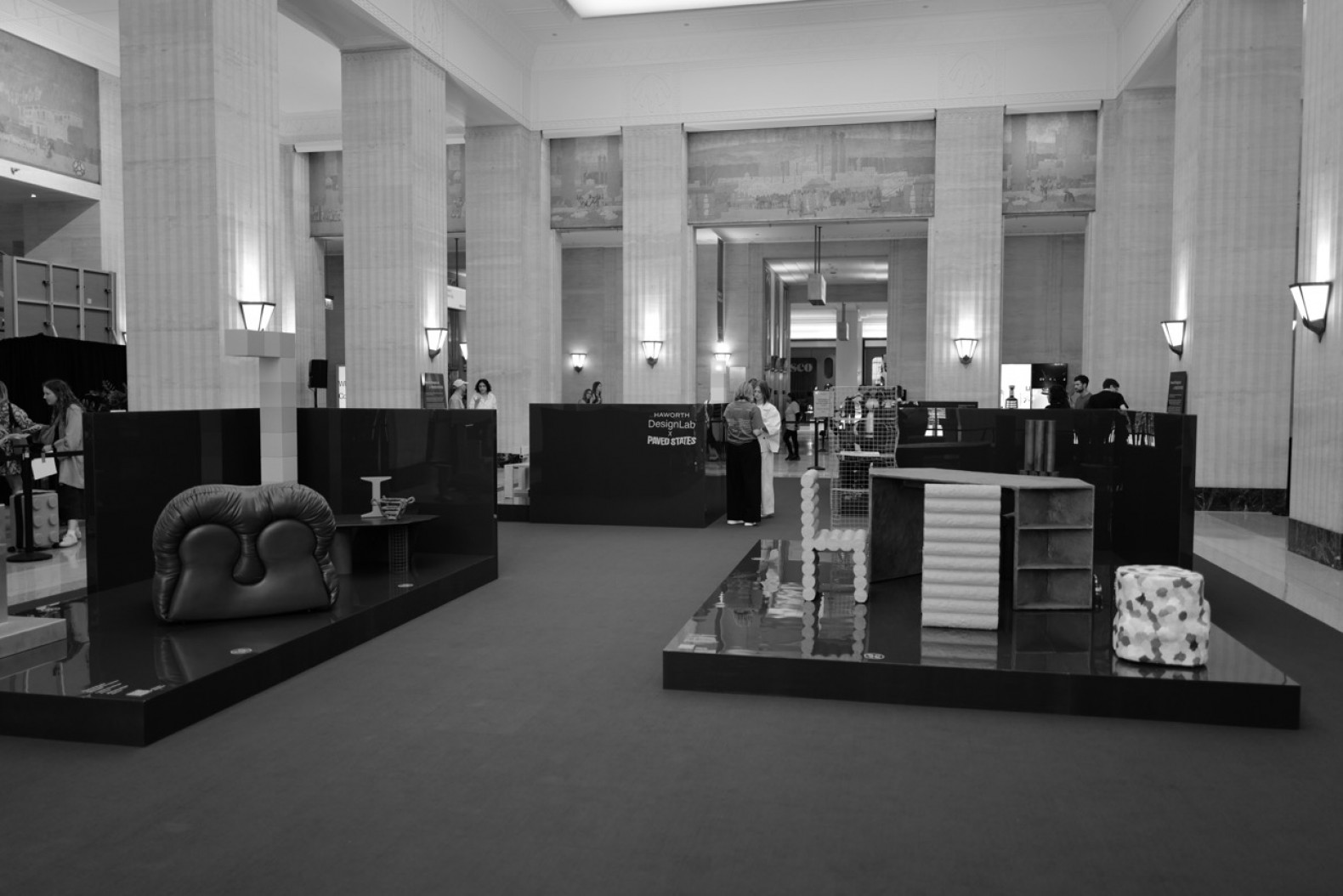
Chris Force Reflects on Lessons From Paved States At NeoCon
|
|
Following the debut of the Paved States exhibition during NeoCon last month, design publisher Chris Force has shared a candid look at what he learned from nine months of collaboration with Haworth and Studio Urquiola. The exhibition, which explored the future of design through installations, discussions and experimental programming rather than product sales, became the backdrop for Force’s observations about the American contract furniture industry.
Force argues that while companies such as Haworth, HNI and MillerKnoll dominate the global workplace market, European manufacturers continue to own the design narrative. He suggests the industry’s greatest opportunity lies not in building better furniture, but in communicating its design story more effectively. His essay also examines strategic focus, the value of creative collaboration and why some of the industry’s most important ideas should exist outside purely commercial objectives. Whether you agree with his conclusions or not, the article provides an insightful behind-the-scenes perspective on one of NeoCon’s more talked-about installations.
|
| Read Chris Force's Article on Substack > |
|
|
|
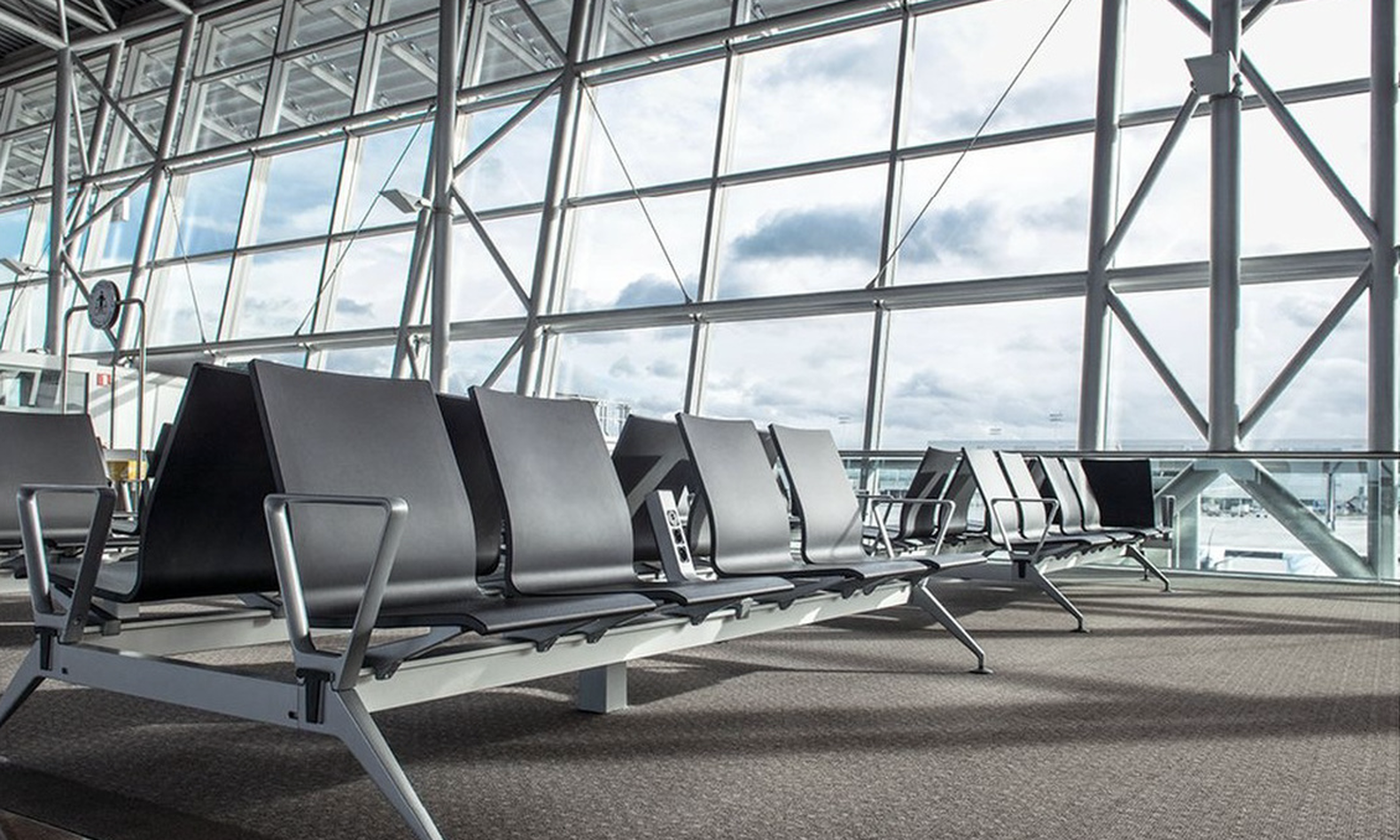
Vitra highlights the long-standing use of its Meda Gate seating system in major international airports, emphasizing its durability, comfort, and low‑maintenance design that has performed reliably for over a decade in high‑traffic hubs such as Hong Kong, Seattle–Tacoma, Munich, and Brussels. Designed by Alberto Meda, the system’s widespread deployment across diverse terminal types showcases Vitra’s commitment to functional, user‑focused public‑space solutions that support efficient passenger environments worldwide.
|
|  www.interiordaily.com www.interiordaily.com
|
|
|
|
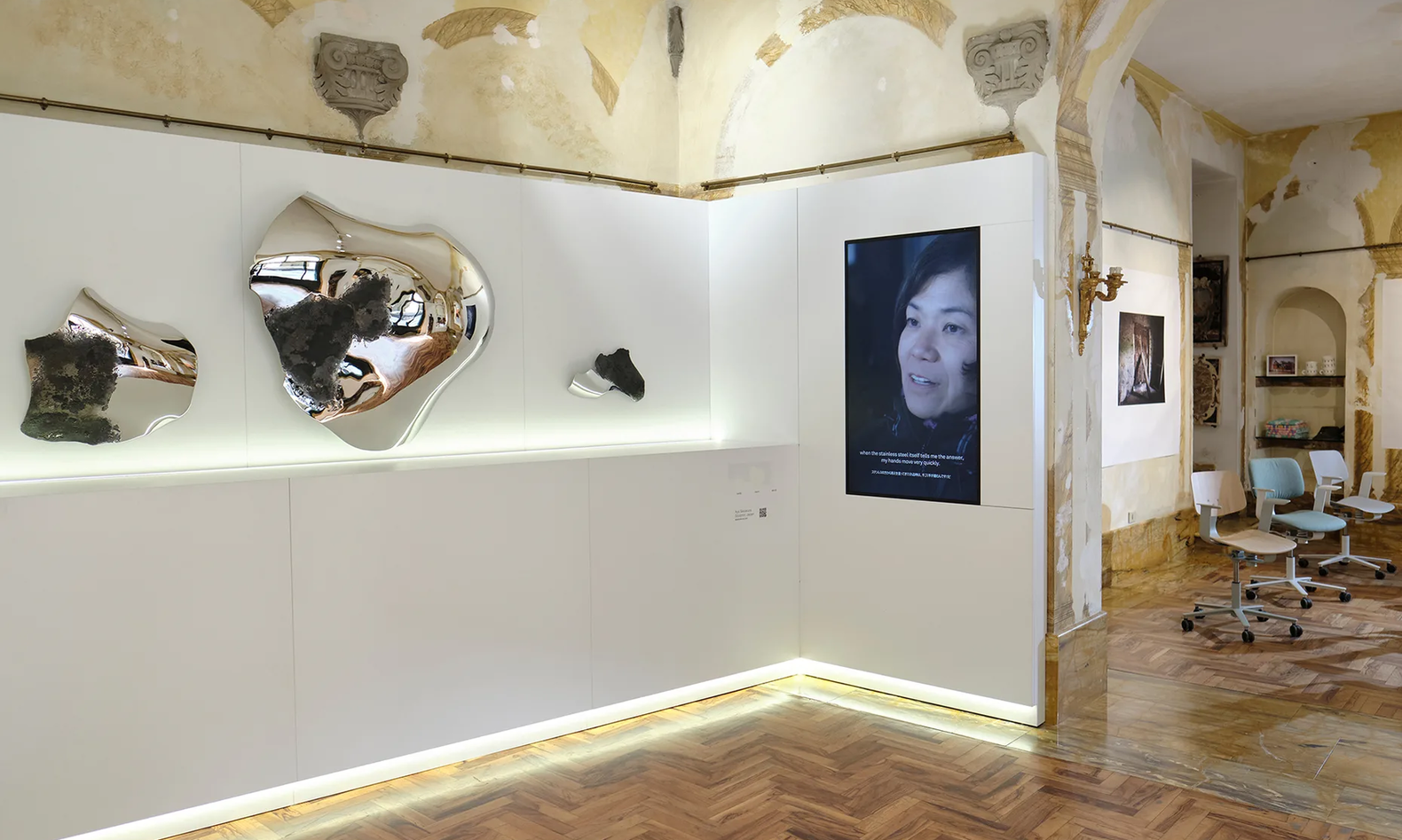
The exhibition “What the Surface Remembers” at Milan Design Week 2026 showcased Wilkhahn’s WiChair as a material‑focused design, juxtaposing an industrial steel version that reveals manufacturing traces with an oxidised version that embodies the passage of time. By collaborating with artists Aya Sasakura and Frank Schinski, the show highlighted steel’s sculptural potential and its capacity to record environmental influences, reinforcing Wilkhahn’s “less is more” philosophy and demonstrating how thoughtful material choices can create durable, adaptable, and aesthetically compelling seating solutions.
|
|  www.stylepark.com www.stylepark.com
|
|
|
|
In 2025, about 34.9% of full‑time U.S. workers (roughly 32.5 million) worked from home at least part of the day, a slight increase from 33.4% in 2024 and well above pre‑pandemic levels. The rise is modest but continues the post‑pandemic trend toward hybrid and remote work, especially among highly educated employees—56.7% of those with advanced degrees worked remotely versus only 19% of high‑school‑educated workers. Despite employer pushes for office attendance, remote work remains common, though the average time spent working from home has declined since its 2021 peak.
|
|  allwork.space allwork.space
|
|
|
|
Office workers increasingly feel disconnected, with 56% wanting closer colleague connections and 39% reporting loneliness, while 60% maintain personal distance to preserve work‑life boundaries. Meetings have become the primary interaction point, yet many miss spontaneous contact that builds trust. Gen Z shows the highest conflict, desiring deeper bonds but often hiding their true selves. Leaders are urged to improve communication, feedback, empathy, and fairness to foster genuine workplace relationships and boost retention and performance.
|
|  allwork.space allwork.space
|
|
|
|
Excelsior by Stark Office Suites offers premium, fully serviced office suites in Manhattan’s prime trophy buildings, targeting established professionals—such as boutique finance firms, lawyers, and solo consultants—who need high‑end private space without a traditional lease. The market for such premium flexible offices is growing rapidly, driven by a shift toward asset‑light strategies, increased demand for quality environments, and the desire for prestigious addresses, leading operators like Stark to provide secure, high‑quality workspaces that bridge the gap between mass‑market coworking and costly long‑term leases.
|
|  propmodo.com propmodo.com
|
|
|
|
Male labor force participation in the U.S. has been steadily declining, falling from 76% in 2006 to 69.5% recently, with historical peaks at 86.4% in 1950. Researchers attribute this drop to factors such as reduced construction jobs after the Great Recession, increased video‑game use, and broader economic shifts, but a new study highlights childhood exposure to weak wages and high unemployment as a key driver: men who grow up seeing limited job prospects develop pessimistic expectations, leading to long‑term lower participation. The research suggests that shaping positive work expectations during formative years could be more effective than later‑life policy interventions in reversing the trend.
|
|  allwork.space allwork.space
|
|
|
|
Meta paused its internal employee activity tracking program, which captured mouse movements, clicks, and keystrokes for AI training, after data security concerns surfaced about unencrypted storage and broad employee access to sensitive information. The pause follows a high‑priority security incident report highlighting exposure of personal tax, medical, and performance data, and the company is investigating the issue while the tool remains active for some users.
|
|  allwork.space allwork.space
|
|
|
|
AI has not yet significantly affected overall U.S. employment or wages, according to a European Central Bank study, which finds that while high‑risk AI substitution jobs fell by about 4% between 2019 and 2025, low‑risk jobs grew by 13%, shifting the employment share from 35% to 33% for high‑risk roles and from 23% to 25% for low‑risk roles, with no major impact on wage growth observed so far.
|
|  allwork.space allwork.space
|
|
|
|
Congressional Democrats are urging the Trump administration to explain when and how the Federal Employee Viewpoint Survey (FEVS) will be reinstated after its 2025 cancellation, emphasizing the survey’s importance for gauging employee engagement, workplace conditions, and morale across the federal workforce. They seek details on the 2026 survey’s timeline, questions, and data collection methods, noting that the absence of the survey leaves a critical feedback gap during a period of significant federal workforce changes.
|
|  allwork.space allwork.space
|
|
|
|
The future coworking space will shift from desk‑centered design to a motion‑first environment where AI helps people move seamlessly between focus, collaboration, and meetings without being anchored to a single desk or screen. Workspaces will be organized around the intent and context of tasks—quiet, teamwork, or hosting—offering the right mix of space, access, and services on demand, while desks remain available but no longer dictate the layout. This approach enables operators to design for fluid movement and outcomes, creating a workplace that matches how people actually work in motion.
|
|  allwork.space allwork.space
|
|
|
|
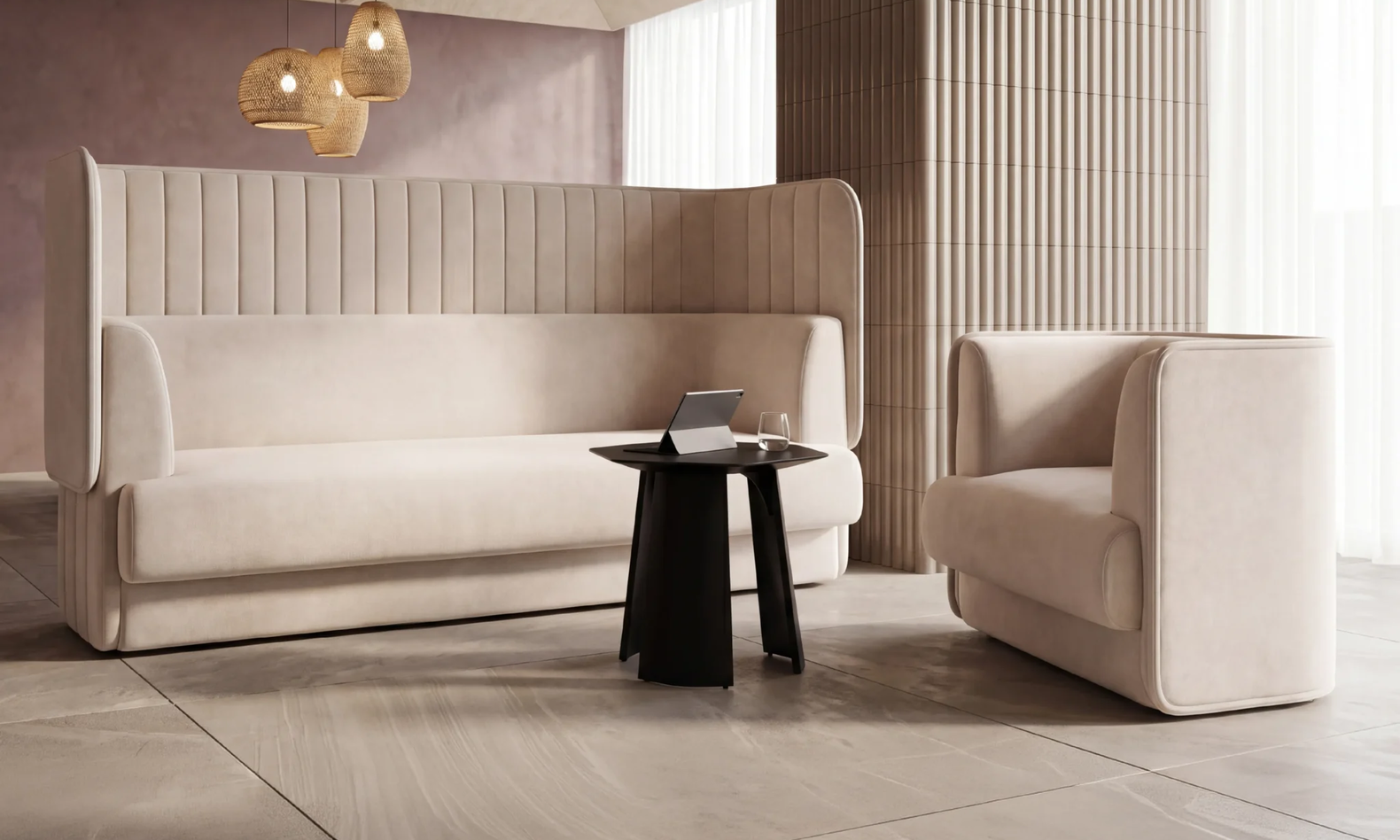
Today’s most interesting products at NeoCon were not desks, task chairs or conference tables. They were the growing collection of pods, privacy booths, acoustic furniture and architectural sound-management systems that acknowledge an uncomfortable truth: the open office never really solved the problem of concentration. After years of chasing collaboration at almost any cost, manufacturers have begun treating privacy as a core workplace amenity rather than a luxury. The latest introductions reflect an office that must simultaneously support video calls, focused work, spontaneous collaboration and the diverse sensory needs of a workforce that increasingly expects the same level of comfort and control they discovered while working from home.
The category has evolved well beyond the telephone booths that first appeared a decade ago. At NeoCon and Design Days, manufacturers showcased everything from fully equipped work pods with integrated lighting, ventilation, power, reservation systems and camera-ready backgrounds to modular meeting rooms that can be assembled, relocated and reconfigured as easily as furniture. Others took a softer approach, introducing high-back lounges, winged sofas and movable seating that functions as “soft architecture,” creating visual and acoustic separation without permanent walls. Companies also demonstrated sophisticated acoustic panels, sculptural ceiling treatments and felt architectural elements that double as design features while reducing noise. The common thread was flexibility. Nearly every solution acknowledged that today’s office must adapt continuously as organizations rethink how space is used, making portable furniture-based solutions increasingly attractive compared to traditional drywall construction.
Perhaps the biggest takeaway from Chicago was that workplace privacy is no longer simply about reducing noise. It has become a broader conversation about wellbeing, neurodiversity and giving employees greater control over their environment. Manufacturers increasingly spoke less about acoustics and more about creating spaces that help people think, recover from overstimulation and choose the setting that best matches the task at hand. In an industry that spent years celebrating openness, that represents a significant philosophical shift. The office of 2026 is not abandoning collaboration. It is finally recognizing that collaboration works best when people also have somewhere quiet to escape it.
|
|  allwork.space allwork.space
|
|
|
|
|
Investors Are Learning Design Alone Is Not Enough
|
|
Companies have spent the past several years pouring money into premium office finishes, hospitality amenities and collaborative layouts in an effort to attract employees back to the workplace. But new research suggests that those investments may fall short if workers do not feel they have meaningful control over the space. Writing recently in The Wall Street Journal, University of Virginia professor and design researcher Leidy Klotz argues that employee “agency”—the ability to adapt and personalize the workplace—is a stronger driver of engagement, productivity and retention than design alone. For landlords and investors, the implication is that the next generation of high-performing office assets may be defined less by how polished they look and more by how easily tenants can reconfigure them.
Klotz contends that offices should function as adaptable tools rather than finished products. Features such as movable furniture, flexible layouts, adjustable lighting and temperature controls, and clear policies that encourage employees to use and reshape spaces all reinforce a sense of ownership. He also argues that involving employees in workplace planning produces stronger outcomes than imposing top-down designs. For commercial real estate owners, the research highlights a growing competitive advantage for buildings that accommodate change through flexible infrastructure and lease terms, allowing tenants to create workplaces that evolve with their workforce rather than remaining locked into a static design.
|
| |
|
|
|
Inclusive design goes beyond compliance, focusing on how physical workplaces affect employee wellbeing, performance, and retention. By addressing daily frictions—such as poor acoustics, lighting, layout, and inflexible furniture—organizations can create environments that support diverse needs, reduce stress, and foster psychological safety, leading to higher engagement and lower turnover. Implementing inclusive design requires collaboration across disciplines, genuine co‑design with users, and moving past tokenistic measures to embed accessibility and flexibility throughout the building fabric.
|
|  www.designinsiderlive.com www.designinsiderlive.com
|
|
|
|
|
Actiu’s NeoCon Debut Draws Strong Interest From U.S. Designers And Dealers
|
|
Spanish contract furniture manufacturer Actiu appears to have accomplished exactly what it set out to do at its first NeoCon, introducing itself to the North American contract furnishings market. The company’s showroom at THE MART remained consistently busy throughout the four-day event, attracting a steady stream of architects, designers, dealers, and end users curious about a manufacturer that, while well established in Europe, is largely new to the U.S. market.
Among the products generating the strongest interest were the Arkitek seating collection, Meetia collaborative furniture, and the Qyos task chair.
Visitors also spent considerable time discussing Actiu’s sustainability credentials, including its B Corp certification and LEED Platinum and WELL Platinum-certified manufacturing facilities, as owners and designers continue to place greater emphasis on verified environmental performance.
MMQB observed that Actiu’s showroom was one of the better-attended first-time exhibitors during NeoCon, with traffic remaining strong from opening through closing. That level of interest suggests the company arrived at an opportune time, as dealers and designers continue searching for differentiated manufacturers that combine contemporary European design with competitive commercial products.
The North American contract furnishings industry has always benefited from new international competitors, and Actiu looks poised to become a welcome addition to the marketplace. With more than five decades of manufacturing experience and distribution in over 90 countries, the company now turns its attention to building dealer relationships and growing its U.S. presence following what appears to have been a successful NeoCon debut.
|
| |
|
|
|
The 2026 NeoCon Talks highlighted five key insights: invisible disabilities affect many people, prompting designers to adopt compassionate, research‑driven approaches; sound and color can work together to enhance wellness through vibrant acoustic installations; inclusive design must address the whole self, integrating sensory, cognitive, and psychological needs; neurodiverse individuals require more than open‑plan spaces, needing environments that feel safe and low‑stimulus; and circular design succeeds only when projects shift from linear to collaborative, early‑stage reuse planning, inventorying existing spaces, and engaging manufacturers in take‑back programs.
|
|  design-milk.com design-milk.com
|
|
|
|
|
Herman Miller introduces Aeron Refurbished
|
|
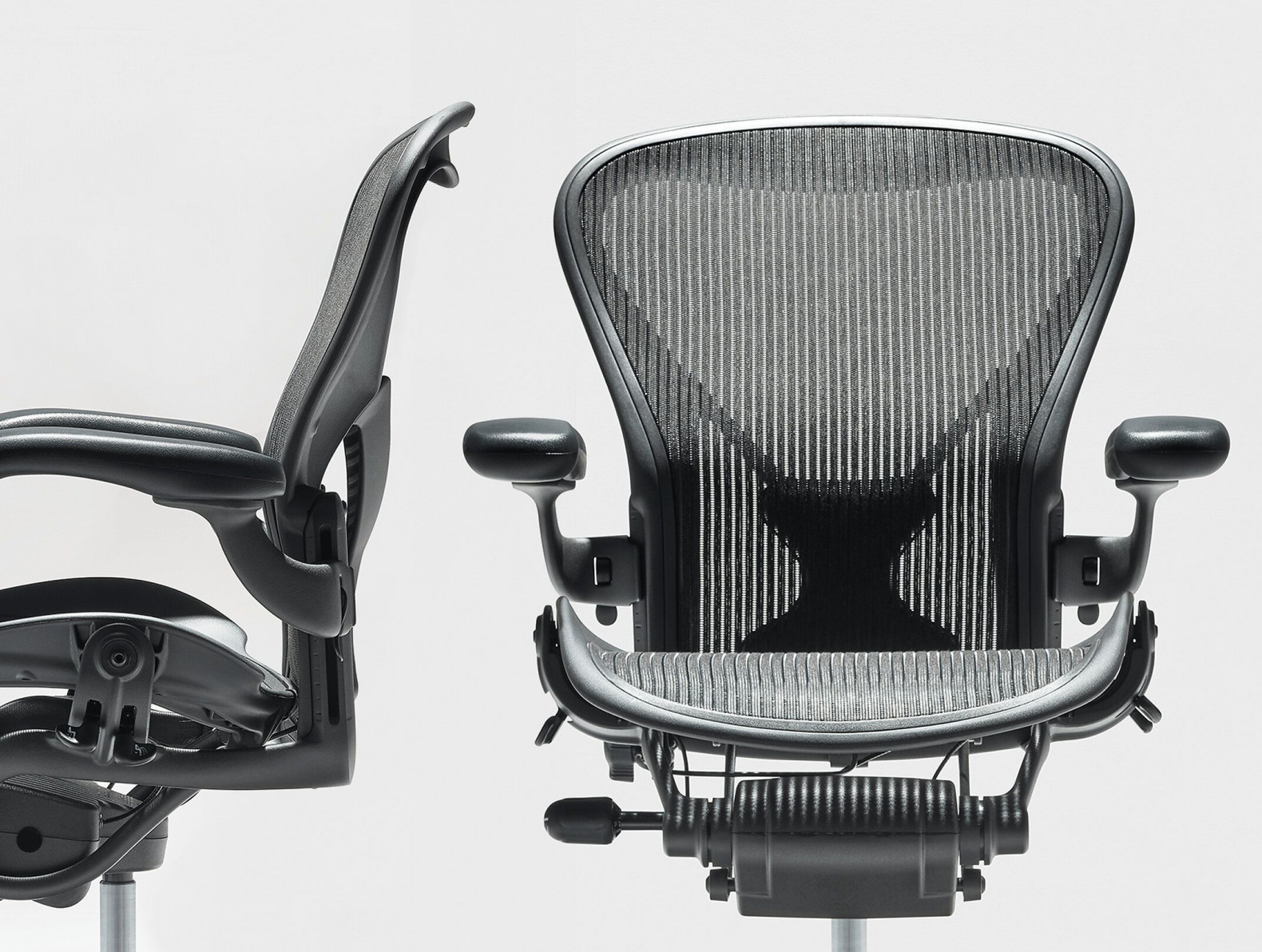
Herman Miller has officially entered the refurbished seating business with the launch of Aeron Refurbished, a program that restores pre-owned Aeron chairs to factory standards before reselling them in the U.S. and Canada. The company says each chair is inspected, cleaned, repaired with original parts where necessary, and backed by a five-year warranty.
The move is being positioned as both a sustainability initiative and a way to make the iconic Aeron more affordable. Herman Miller says the program will source chairs through corporate, government, education, and dealer partners, giving surplus seating a second life instead of sending it to landfills.
While the announcement is significant because it comes directly from the original manufacturer, the concept itself is hardly new. Independent refurbishers have been rebuilding Aeron chairs for decades, and manufacturers including Humanscale have operated factory-backed refurbished seating programs for years. In that sense, Herman Miller is less creating a new market than finally joining one that has already proven there is strong demand for professionally restored premium office seating.
For MillerKnoll, the program also represents another step toward participating in the lucrative secondary furniture market rather than leaving that business entirely to third-party refurbishers and used furniture dealers.
|
| |
|
|
|
|
LINAK’s DF4 Frame Targets the Next Generation of Flexible Workspaces
|
|
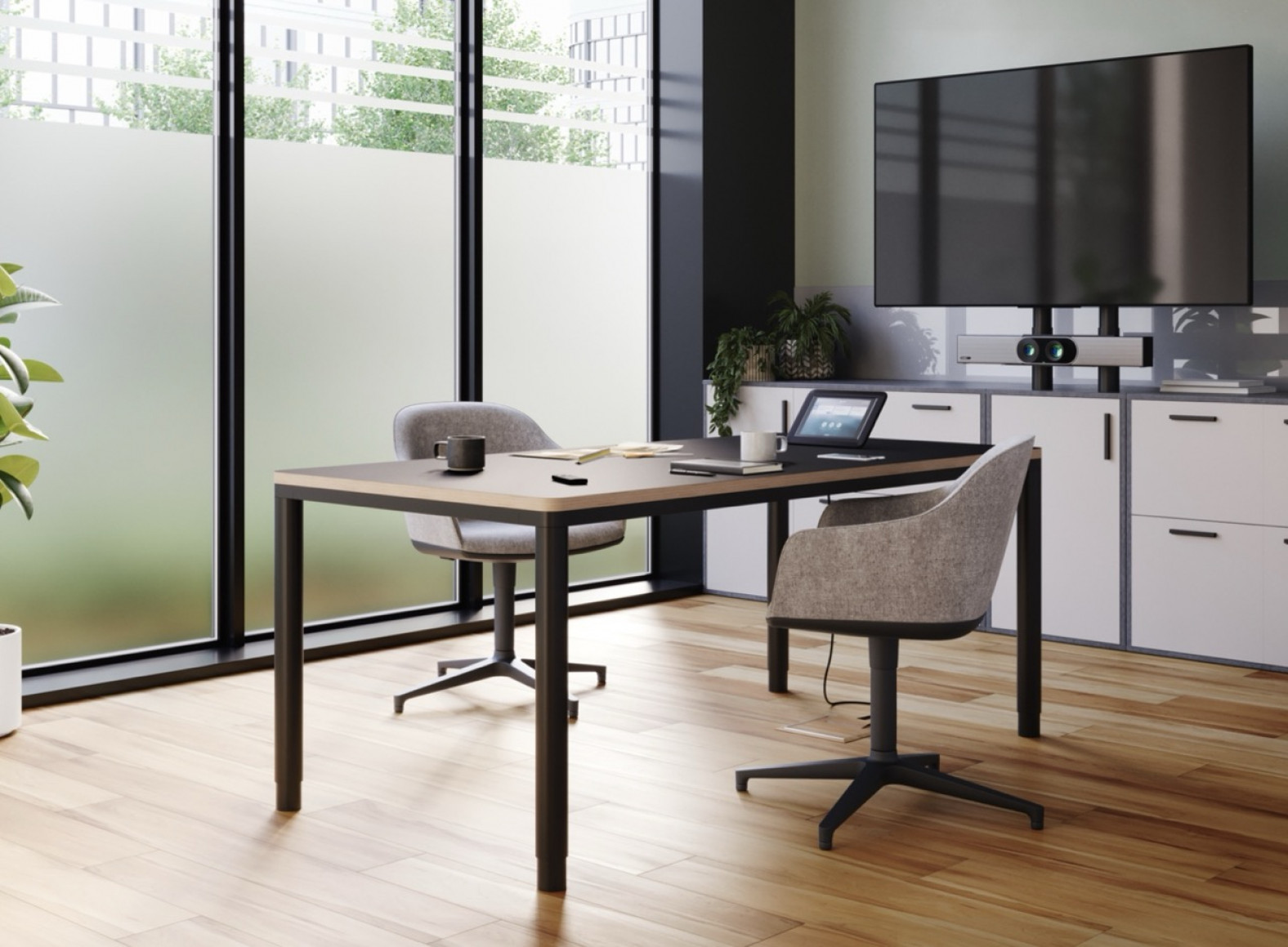
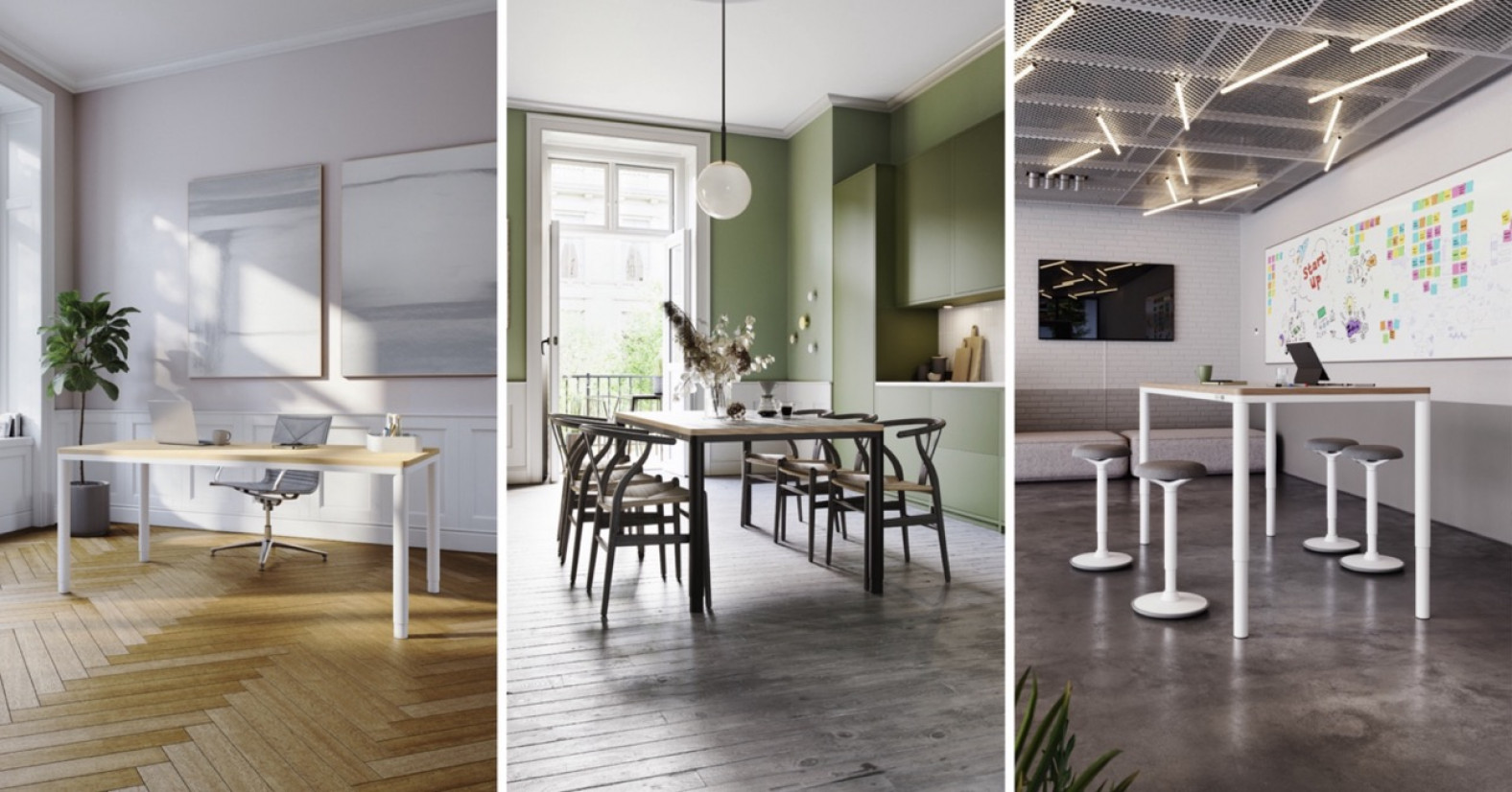
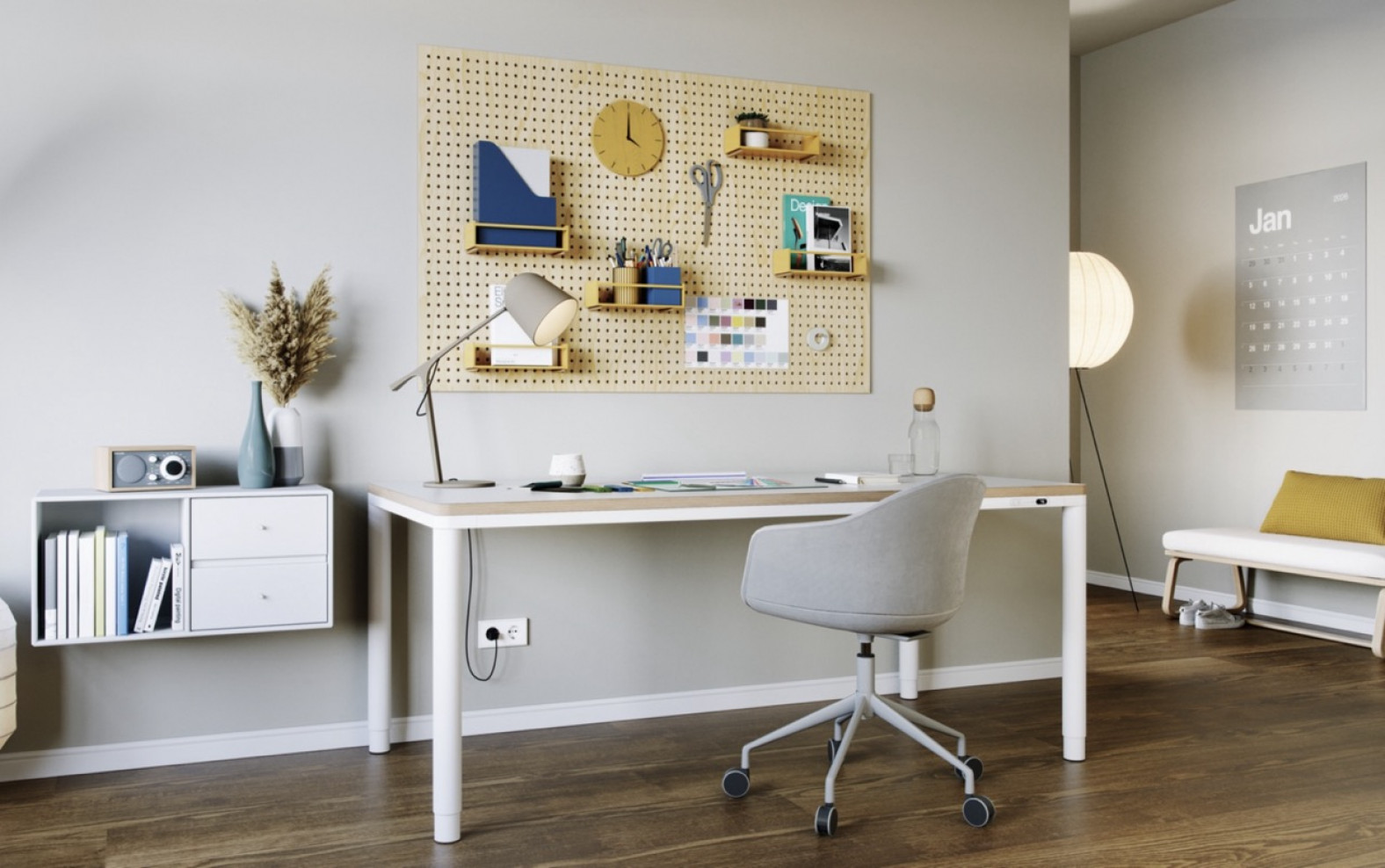
As workplace design continues to blur the lines between corporate offices, collaborative spaces and home environments, furniture manufacturers are looking for products that can adapt just as quickly as the spaces they support. LINAK’s new Desk Frame 4 (DF4) has been developed with that challenge in mind, offering a height-adjustable platform that combines a slim, contemporary profile with commercial-grade performance.
Designed for both workplace and residential applications, the DF4 supports loads of up to 400 pounds while integrating user controls directly into the frame to create a cleaner aesthetic. The system can be specified for everything from individual workstations and conference tables to home office desks and height-adjustable dining tables. LINAK says the frame’s kit-based packaging also reduces shipping volume, helping manufacturers improve logistics while supporting sustainability initiatives.
Rather than simply adding another height-adjustable base to the market, the DF4 reflects a broader shift in furniture design toward adaptable products that can serve multiple functions over their lifetime. For manufacturers and designers, the result is a platform that simplifies production while providing greater design flexibility for workplaces where adaptability has become as important as ergonomics.
|
| |
|
|
|
Arper’s new Cari seating combines a generous, recyclable polypropylene shell with soft, glue‑free upholstery, offering a balanced, comfortable design that suits both work and hospitality environments. Its modular options—varying bases, casters, and glides—allow flexible configurations for meeting rooms, offices, lobbies, and lounges, while its disassemblable construction supports sustainability through easy refurbishment and material recovery.
|
|  www.officing.com www.officing.com
|
|
|
|
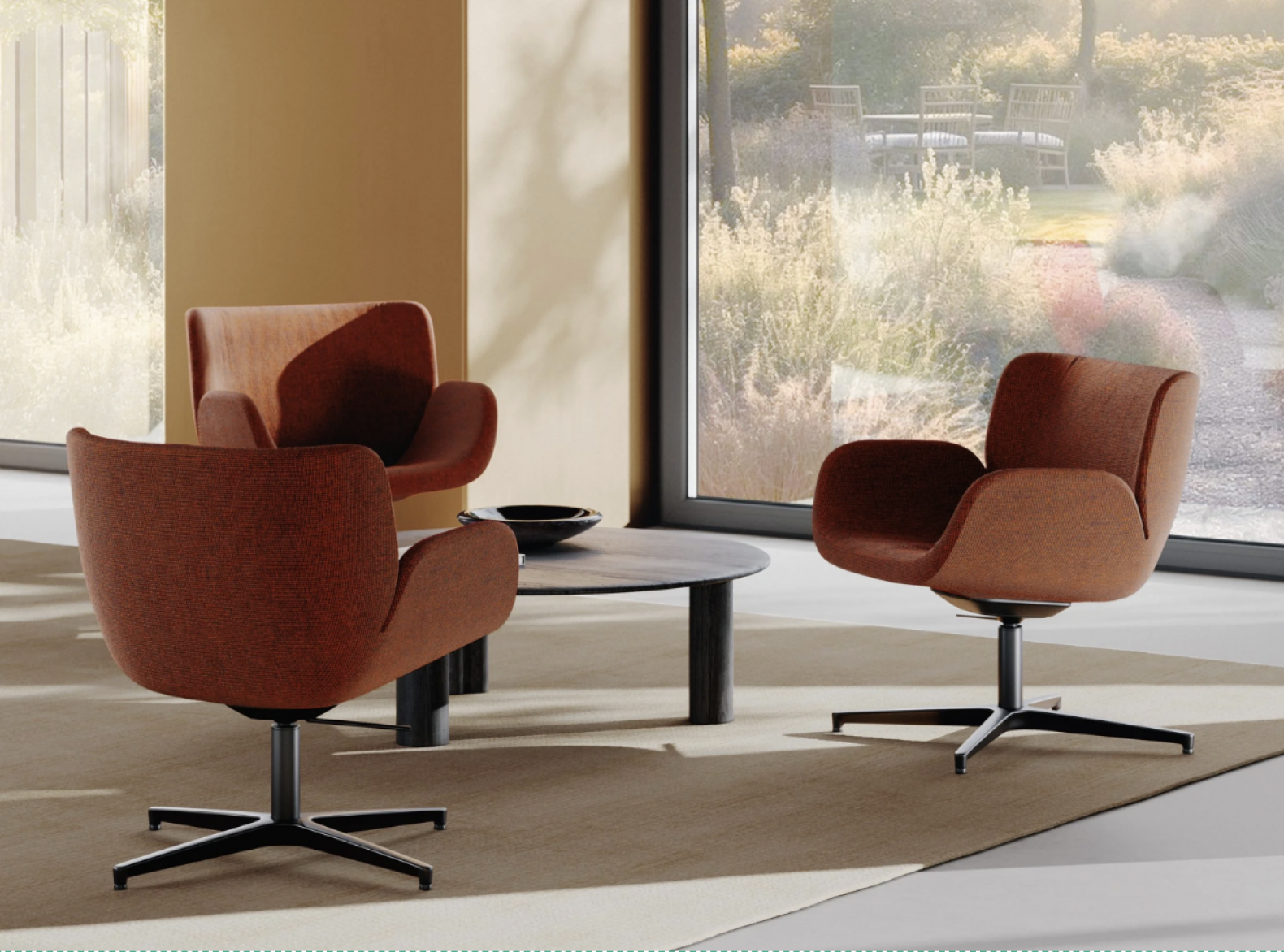
Cosme is a new lounge collection by Mark Grattan for HBF that blends residential comfort with commercial durability, featuring sculptural forms, flange‑welt detailing, and mixed‑material legs. Available in one‑, two‑, three‑seat lounges and an ottoman, it offers replaceable back pillows, contract‑grade textiles, and options in wood veneer, marble, solid surface, or upholstered leather, while meeting BIFMA standards and indoor‑air‑quality certifications for sustainability and longevity.
|
|  www.officing.com www.officing.com
|
|
|
|
Hightower has introduced Stanza Tables, expanding its modular Stanza Collection with three height options (20", 16", 14") that can include optional integrated planters, flat‑pack, tool‑free assembly, and full recyclability. The tables are suitable for indoor and outdoor use, certified Indoor Advantage Gold, Red List‑free, BIFMA compliant, and come with a 10‑year indoor and 2‑year outdoor warranty. They offer over 20 powder‑coat colors, adjustable planter trays for pots up to 9.5" diameter, and are designed to enhance biophilic, flexible interior solutions.
|
|  www.officing.com www.officing.com
|
|
|
|
Ludovica Mascheroni's new home office system, Doge, blends Italian luxury craftsmanship with functional design, featuring natural oak structures, cognac leather accents, and integrated LED lighting to create a balanced, organized workspace. The collection includes a central desk, modular bookshelf, executive chair, and complementary pieces like wall lamps and swivel armchairs, all emphasizing refined aesthetics, ergonomic comfort, and high-quality materials for sophisticated home working environments.
|
|  www.officing.com www.officing.com
|
|
|
|
Spinneybeck launches Søuld Fragments, a modular acoustic wall tile made from recycled Danish eelgrass offcuts, offering a 0.70 noise reduction coefficient, sustainable circular production, and versatile design for hospitality, work, and residential spaces.
|
|  www.officing.com www.officing.com
|
|
|
|
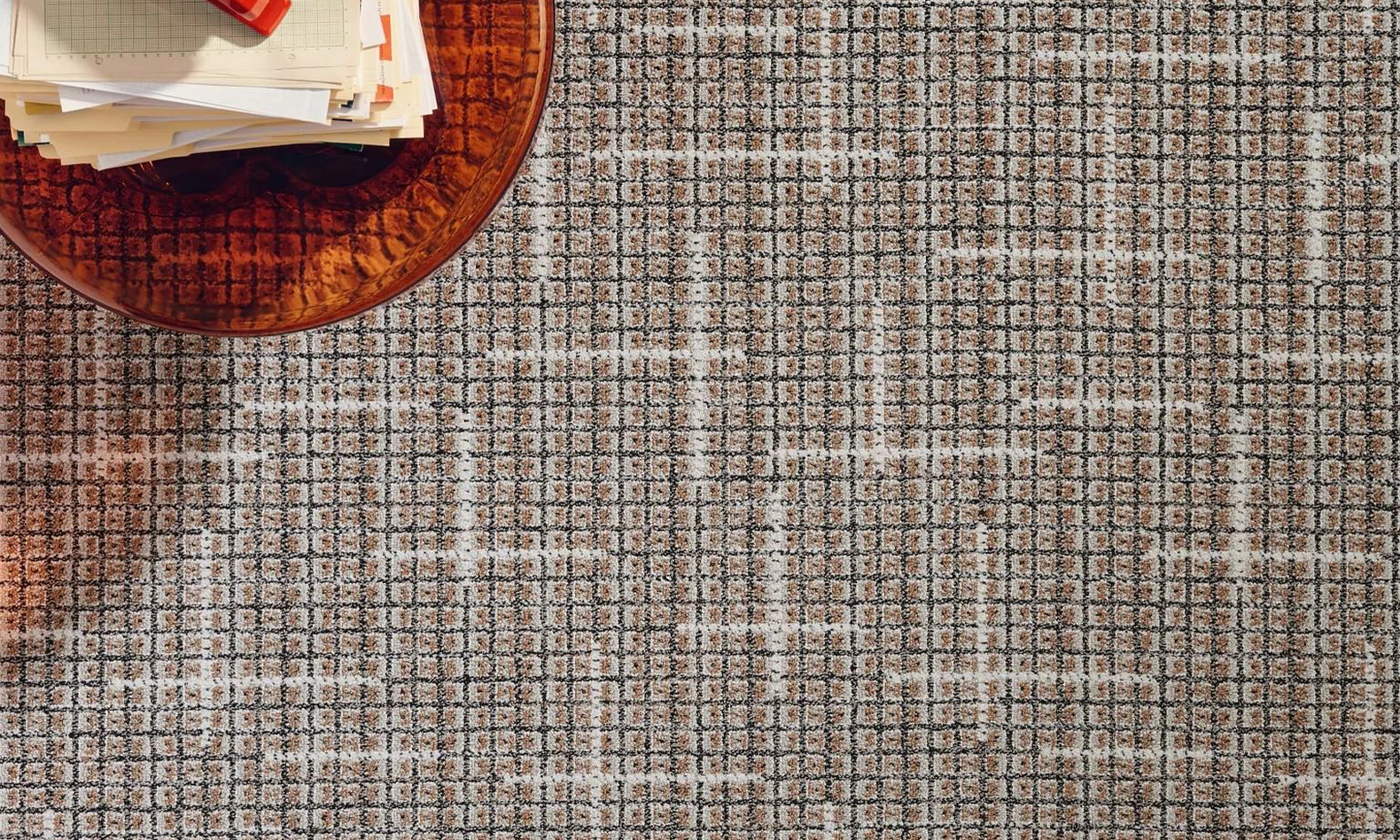
Shaw Contract has launched the Cult Classics collection, featuring 18 × 36 in. carpet tiles and coordinating broadloom available in three styles and twelve colorways, made with solution‑dyed EcoSolution Q® nylon and EcoWorx® BIO backing for carbon‑neutral, Green Label Plus‑certified performance. The line includes modular tiles, seamless broadloom, custom rugs, and upcoming LVT and porcelain options, all backed by a commercial limited lifetime warranty and designed for durable, timeless commercial interiors.
|
|  www.officing.com www.officing.com
|
|
|
|
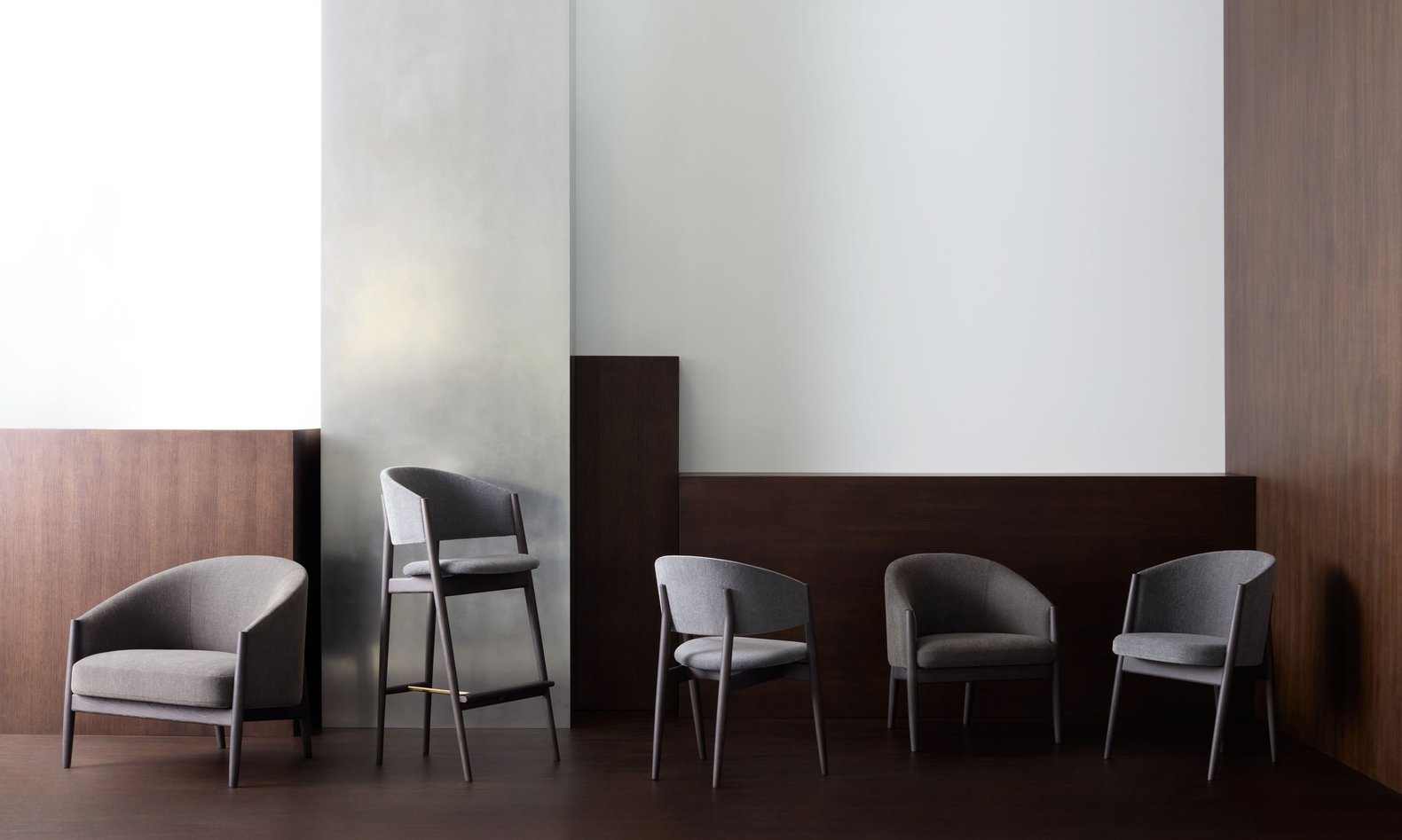
The OUGI collection by Keiji Ashizawa Design introduces a series of dining, lounge, bar, and club seating that emphasizes rhythm, repetition, and spatial awareness, drawing inspiration from the architectural principles and the traditional Japanese folding fan. Designed to work cohesively, the pieces feature tapered wooden legs, soft upholstery, and subtle concave details, offering a blend of warmth and structural elegance suitable for both domestic and hospitality environments.
|
|  www.officing.com www.officing.com
|
|
|
|
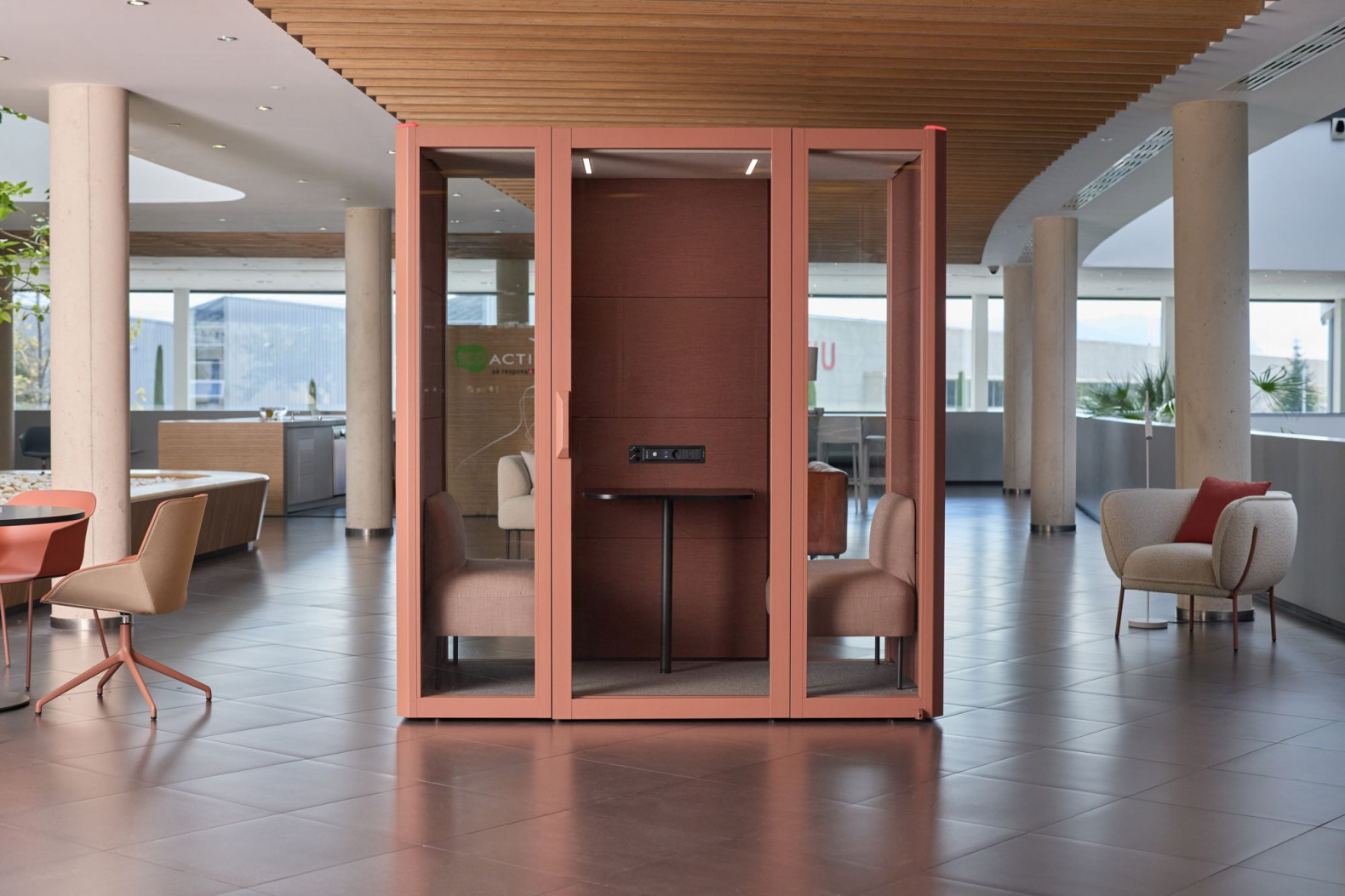
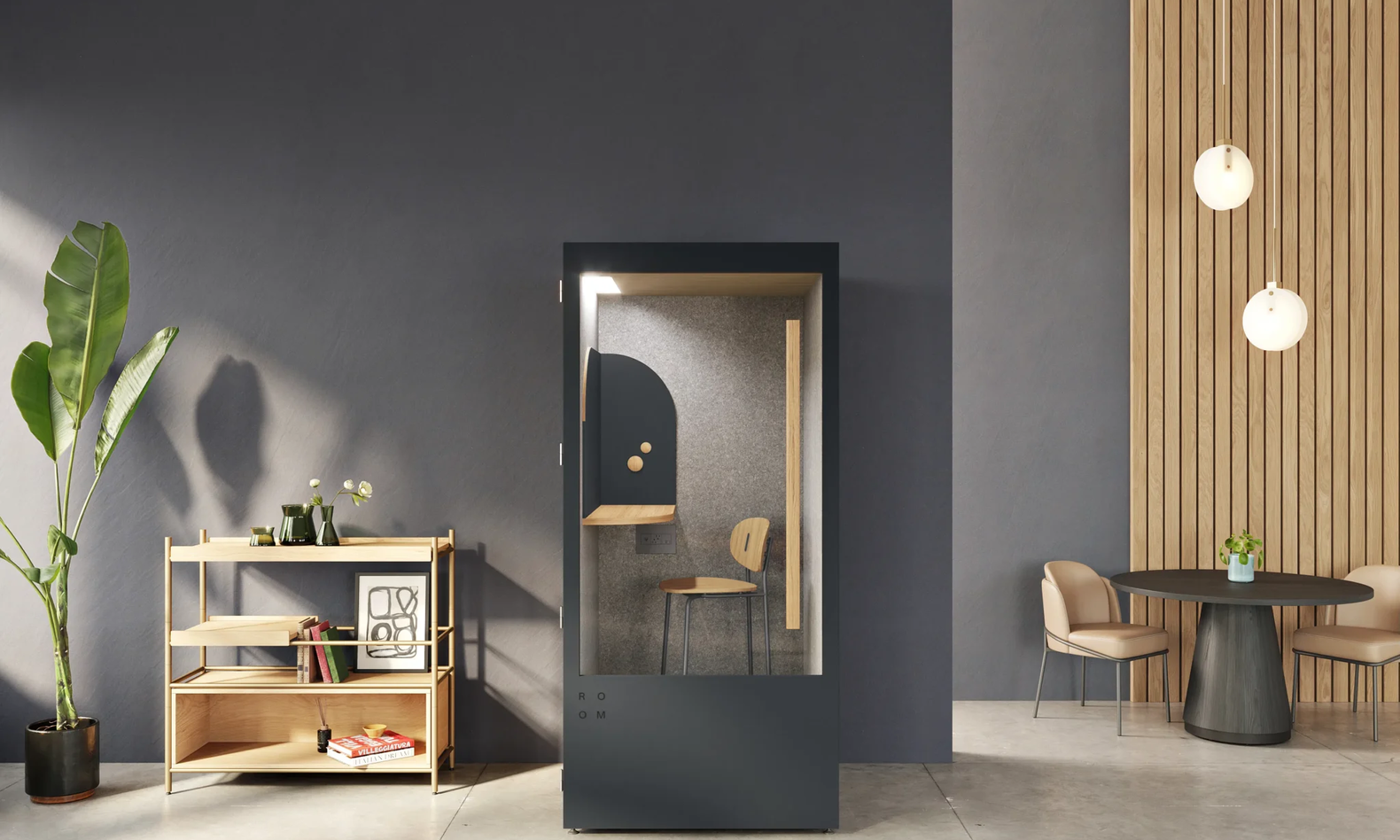
The Phone Booth by ROOM offers a well‑designed, privacy‑focused workspace that excels in acoustic isolation, airflow, video‑call readiness, and durability while maintaining a compact footprint and sustainable materials; its magnetic door, built‑in power and connectivity, and motion‑sensor‑controlled lighting and fans provide a comfortable, energy‑efficient experience. Reviewers highlight its strong adoption likelihood across users, operators, and designers, backed by multiple safety certifications and a five‑year warranty, though it does not achieve total sound silence, and a height‑adjustable desk is suggested as a future improvement.
|
|  allwork.space allwork.space
|
|
|
|
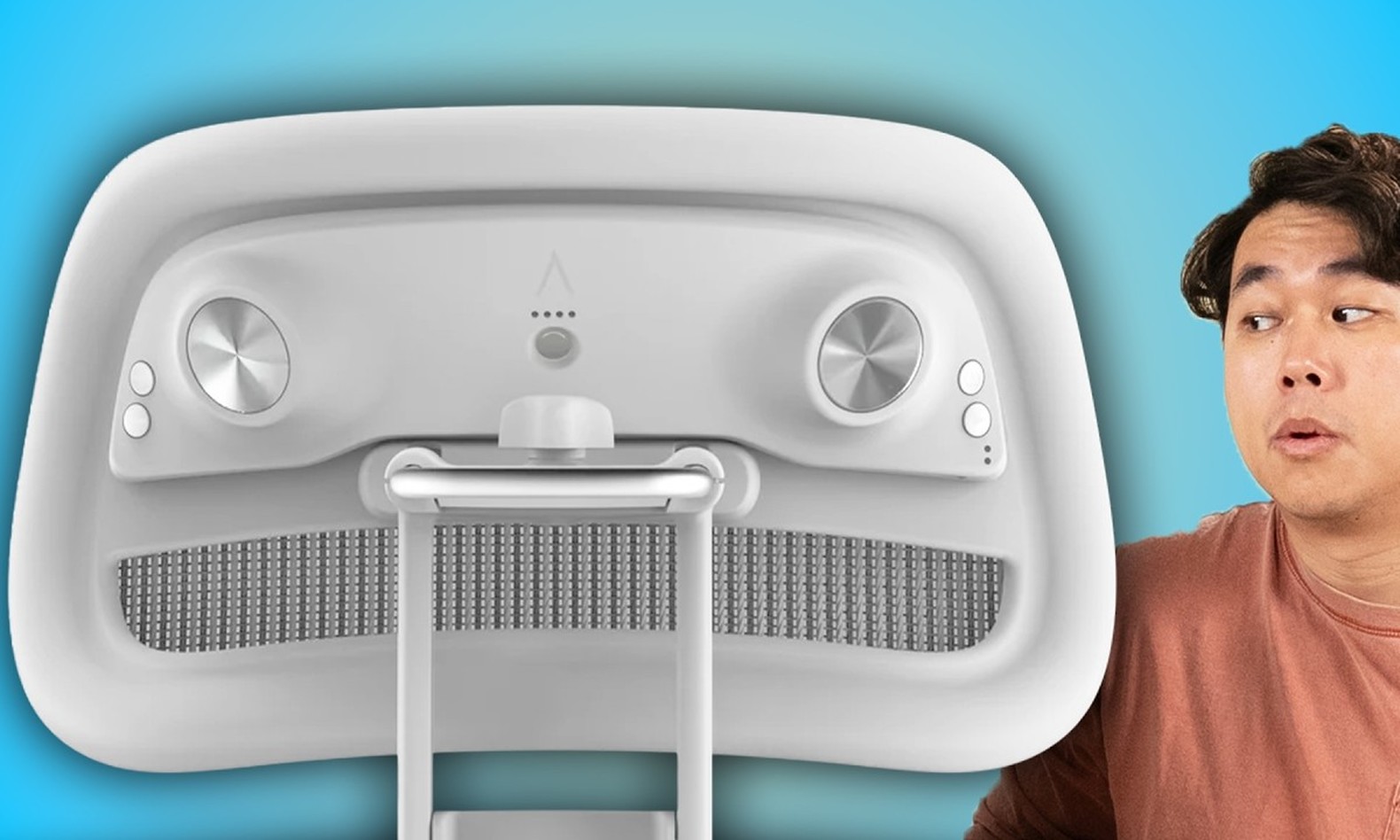
The Herman Miller Aeron is the most popular chair in the world...and this company just made the weirdest accessory for it! Is it any good?
|
|  youtu.be youtu.be
|
|
|
|
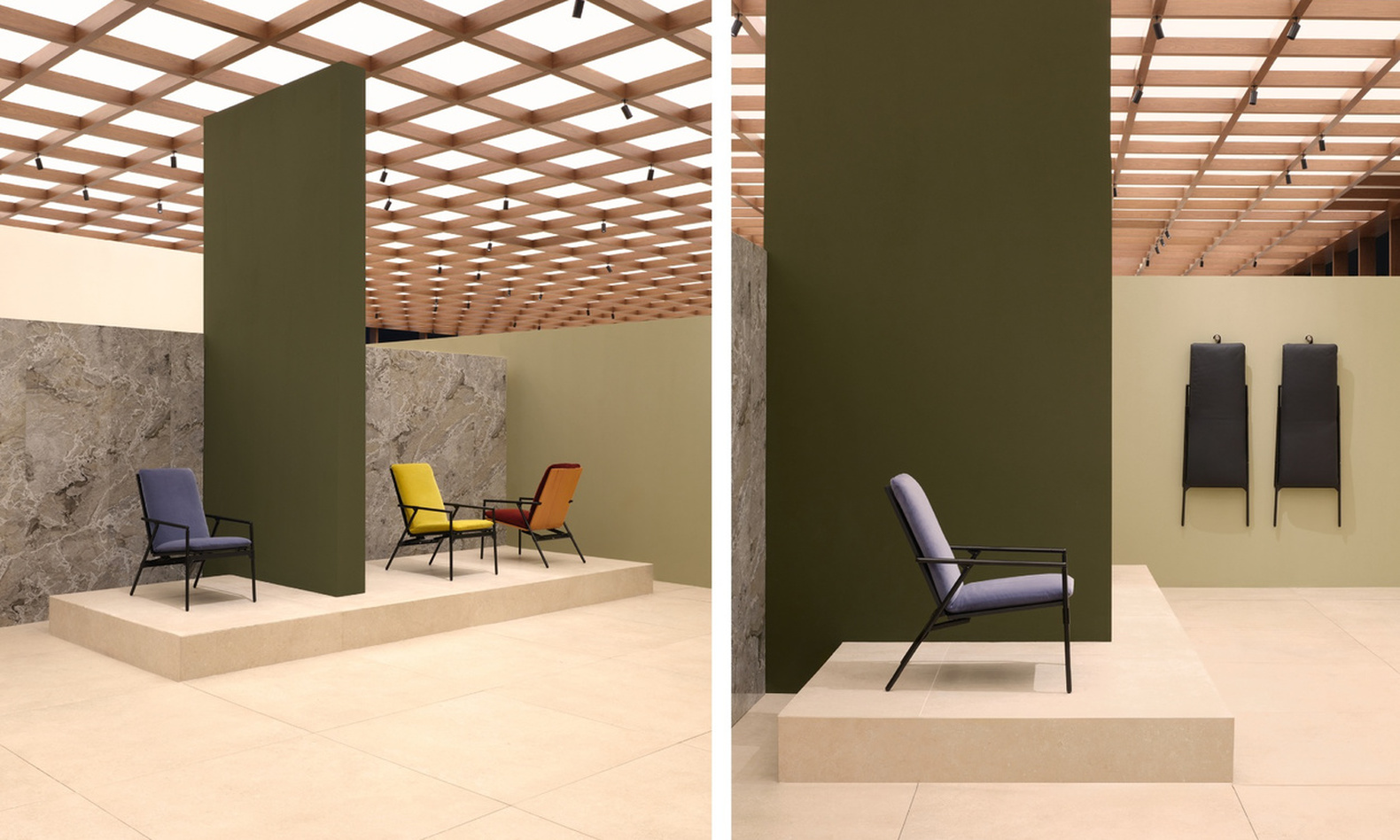
B&B Italia has reissued Richard Sapper’s iconic 1984 Nena armchair, preserving its lightweight, flexible design that can be easily opened, closed, and hung on a wall for space‑saving use, while highlighting the continued relevance of Sapper’s experimental approach to modern interiors.
|
|  www.interiordaily.com www.interiordaily.com
|
|
|
|
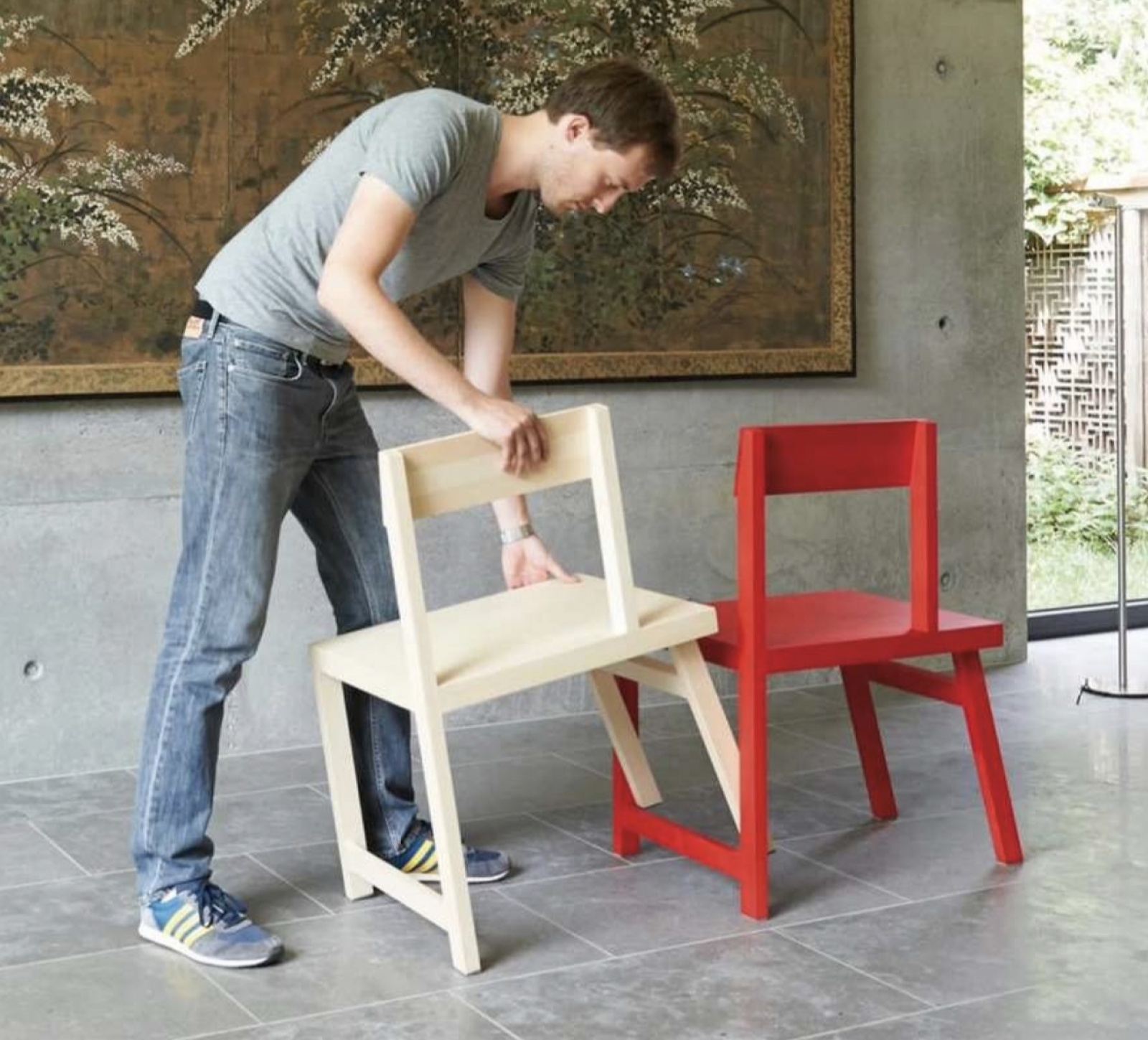
The Spielbein chair concept by Peter Otto Vosding draws inspiration from soccer terminology, featuring an asymmetric design that extends the seating surface toward one side, allowing chairs to connect like a bench while retaining individual backrests. This approach addresses the bulkiness of traditional benches by offering flexible seating arrangements, and the author suggests exploring a stackable version of the design.
|
|  www.core77.com www.core77.com
|
|
|
|
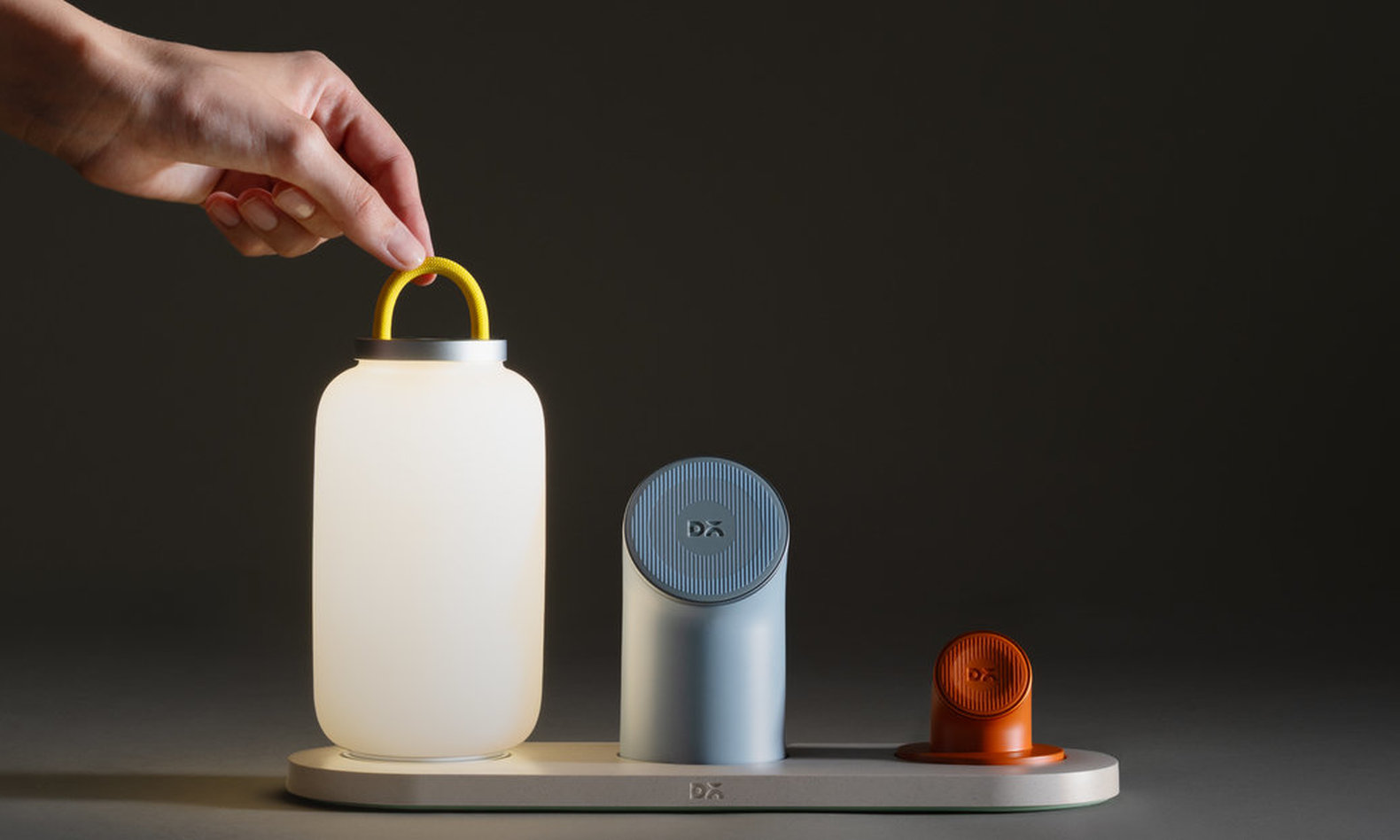
Node & Loft is a modular charging ecosystem created by LAYER for Daily Objects, featuring the Node system with interchangeable wireless charging modules and a portable lamp, plus the Loft desktop charging station with fast USB‑C and mains ports, all designed with sculptural, arched forms and a cohesive visual language.
|
|  www.core77.com www.core77.com
|
|
|
|
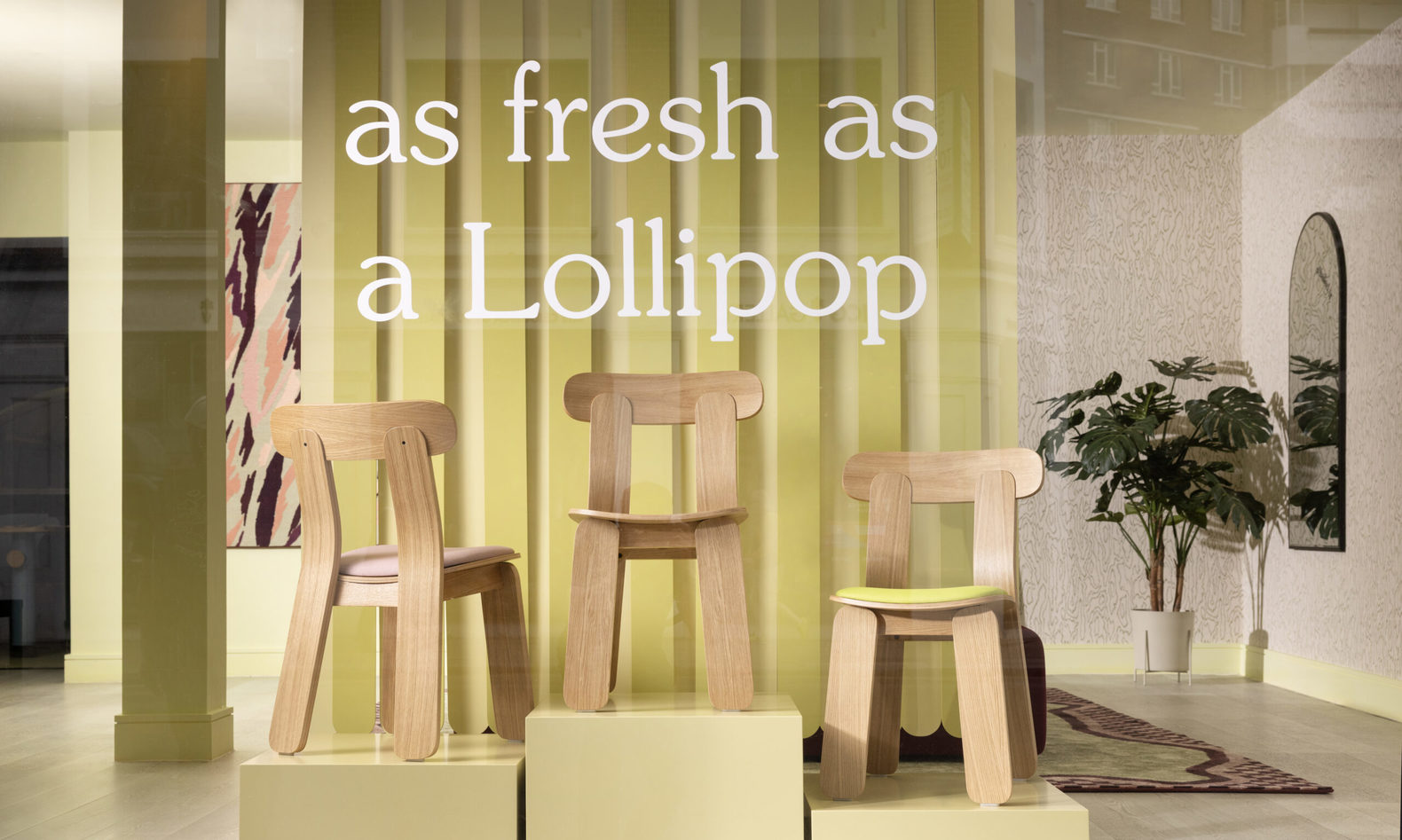
Deadgood’s new “Lollipop” chair, inspired by a lolly stick, blends playful timber design with robust construction and EN 16139 testing, making it suitable for diverse high‑traffic spaces. The brand expands its range with a flexible Folk sofa, the HB Table collaboration, and Wall’s End partitions, all showcased in its refreshed Clerkenwell showroom. Introducing a Design Conformity Furniture Passport, Deadgood provides transparent carbon‑footprint data via QR codes, emphasizing circularity, sustainable sourcing, and durability across its product line.
|
|  www.onofficemagazine.com www.onofficemagazine.com
|
|
|
|
NeoCon 2027 / DesignDays 2027
June 13-16, 2027 | Chicago, IL
NeoCon has served as the world’s leading platform and most important event of the year for the commercial design industry since 1969. A launch pad for innovation—NeoCon offers ideas and introductions that shape the built environment today and into the future. For 2027 NeoCon is officially a 4-day event beginning on Sunday, June 13, 2027.
|
|
|
|
|
|
|
Trends in Commercial Projects
|
|
|
|
|
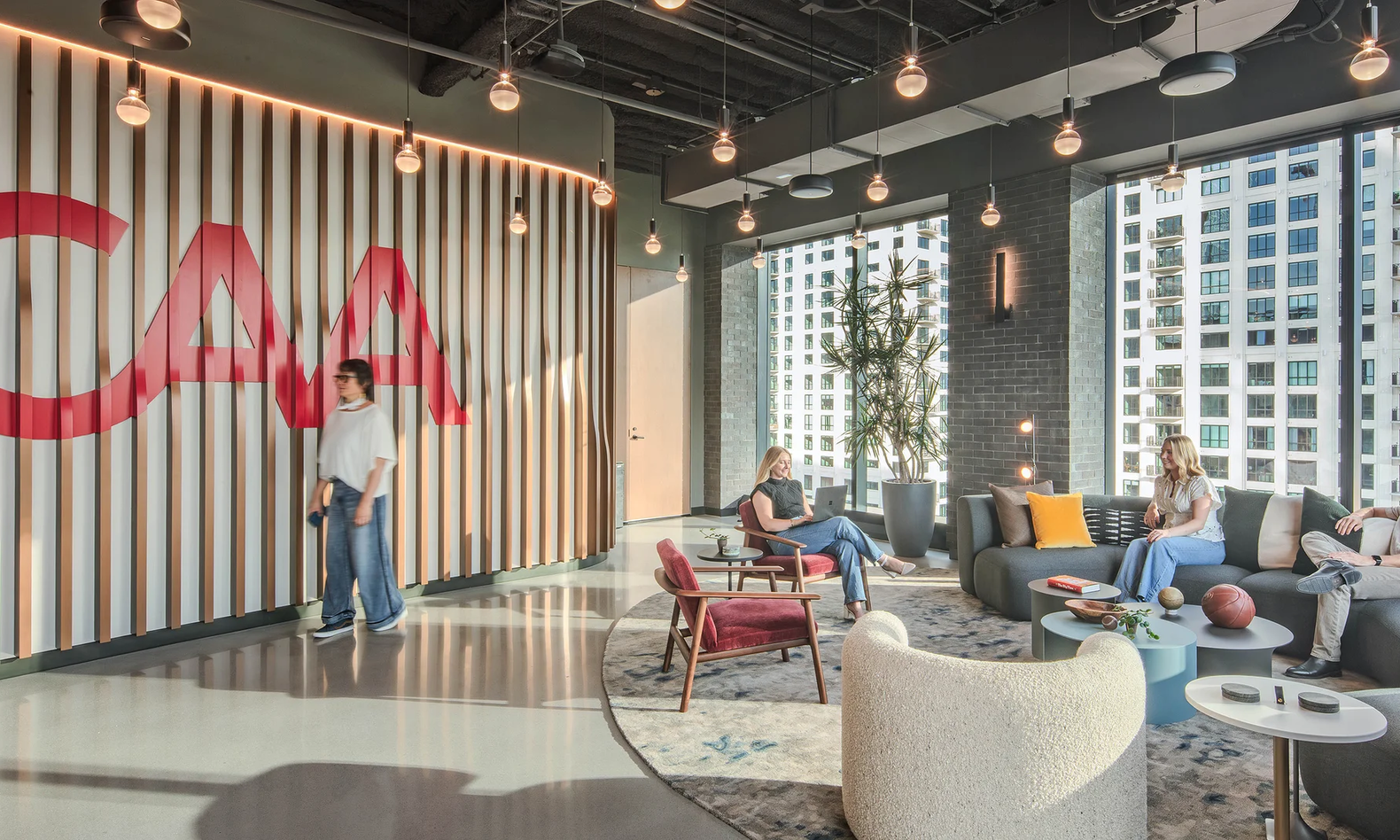
CAA’s new Nashville office, designed with CannonDesign, creates a versatile 75,000‑square‑foot campus for 160 employees and a wide range of clients, offering workspaces, private conference rooms, a music listening lounge, sports bar, wellness rooms, speakeasies, and a central social hub that reflect Nashville’s music and sports culture. The project was divided into about ten micro‑projects, each treated uniquely to form an integrated ecosystem that supports agents, assistants, talent, and visitors while showcasing the city’s heritage.
|
|  www.fastcompany.com www.fastcompany.com
|
|
|
|
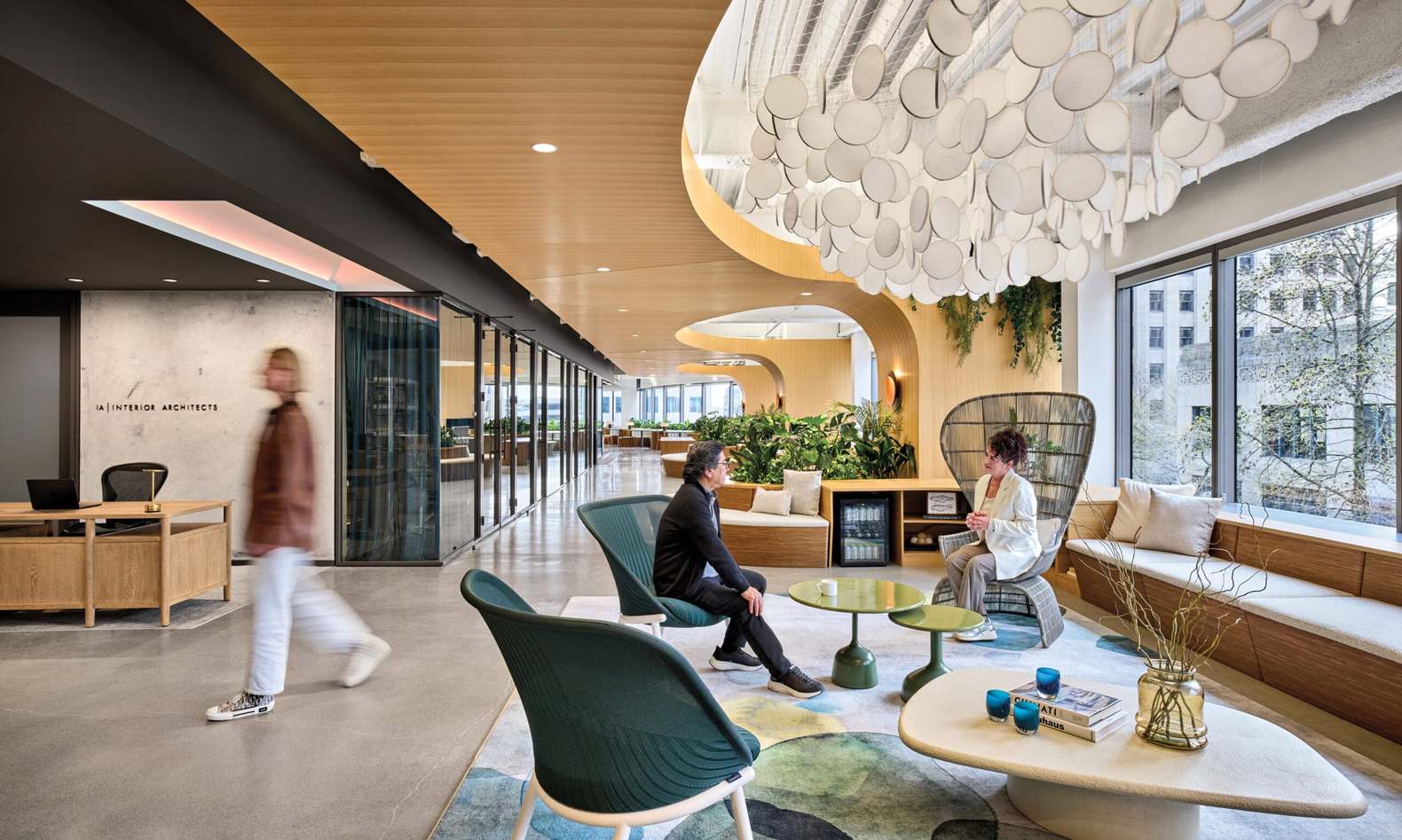
IA’s new Seattle office applies nine Harmonic Principles—especially “Sensory Richness”—to create a human‑centered, biophilic workplace featuring 3D‑printed, bio‑based furniture, reusable elements, and adaptable zones that boost well‑being, flexibility, and sustainability.
|
|  metropolismag.com metropolismag.com
|
|
|
|
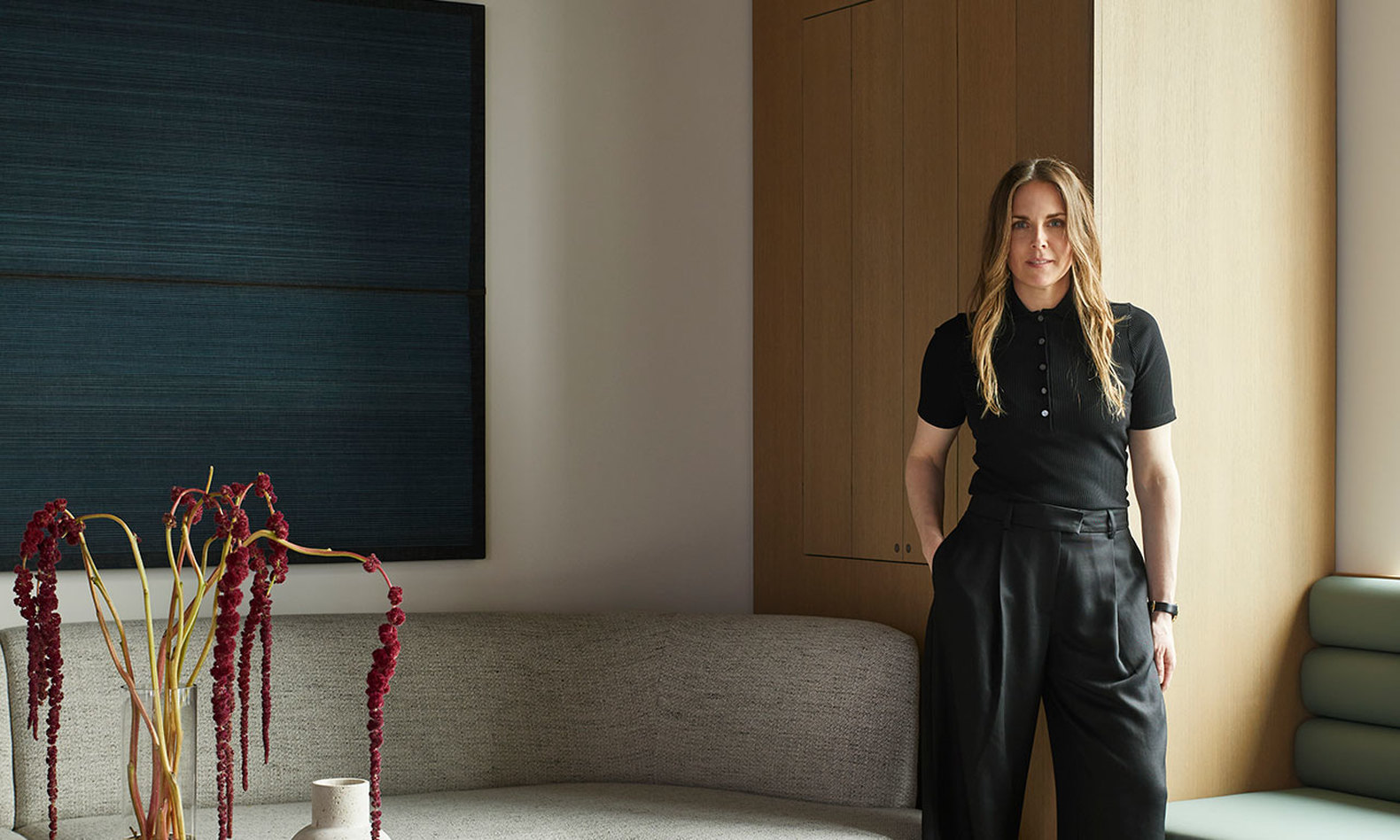
Studio Ha/Wa transformed a 530‑sq ft underused break area in a Toronto law firm into a 685‑sq ft multifunctional lounge that blends residential comfort with commercial durability, featuring distinct zones for coffee, work, meals, and events, a warm oak ceiling, durable materials, and thoughtful styling to create an inviting, adaptable return‑to‑office space.
|
|  design-milk.com design-milk.com
|
|
|
|
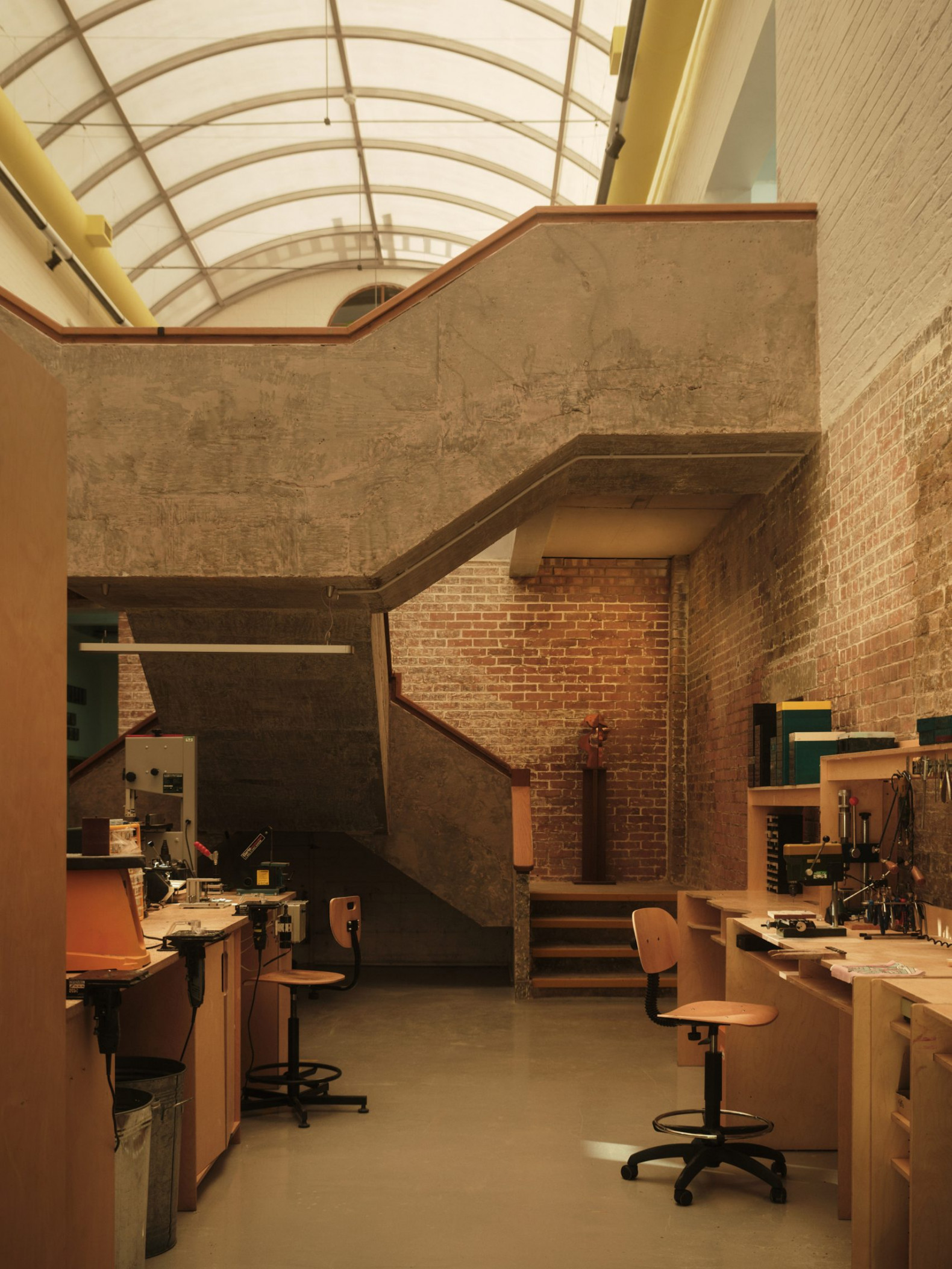
Cubitts has transformed a 140‑year‑old Victorian stable in King’s Cross into its new headquarters, The Yard, integrating design studios, a factory, a training academy, and the only central‑London spectacle‑making workshop. Led by 51 Architecture, the renovation preserves historic brick, cobbled floors, and timber while adding modern features such as a double‑height atrium, mezzanine canteen, optical laboratory, colour‑blocked interiors, and a stainless‑steel kitchen, creating a unified space where frame design, lens glazing, repair, training, and archiving coexist under one roof.
|
|  www.dezeen.com www.dezeen.com
|
|
|
|
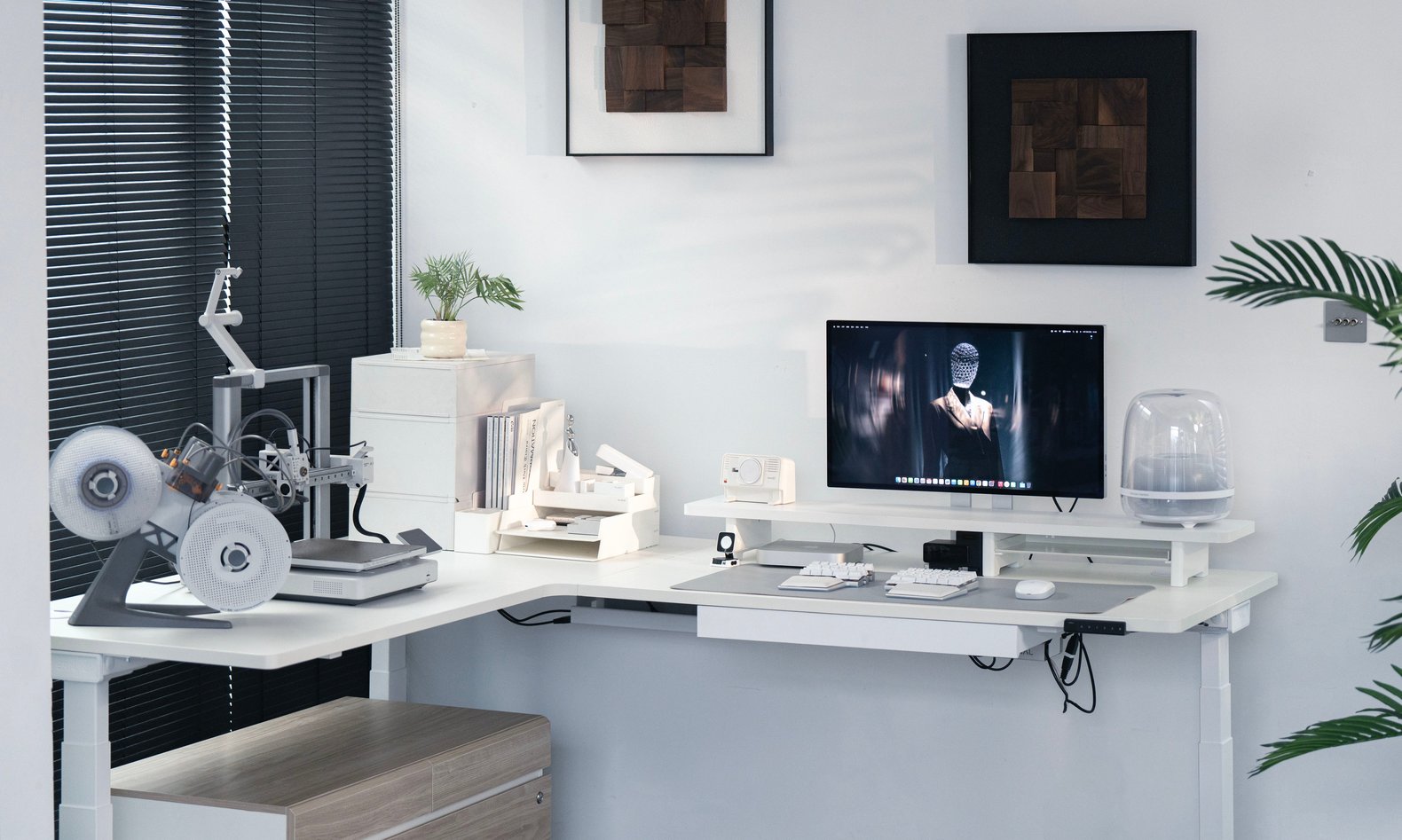
Maxime Heckel, frontend software engineer from France now based in NYC, works at Linear while exploring WebGL, shaders, and graphics programming.
|
|  www.workspaces.xyz www.workspaces.xyz
|
|
|
|
Apple has spent $545.2 million over the past year to acquire multiple office properties in Silicon Valley, boosting its footprint in a high‑demand market. The locations benefit from strong leasing resilience, increased investor confidence, and the appeal of well‑located, high‑performing assets, which continue to outperform broader market trends despite cautious capital deployment.
|
|  www.globest.com www.globest.com
|
|
|
|
|
HLW Appoints Co-Studio Directors to Lead New Jersey Office
|
|
HLW announced the appointment of Christopher Townsend and Erin Vasold as Co‑Studio Directors of its New Jersey office, highlighting their extensive experience and leadership in architecture and design. Their combined expertise will drive business development, mentorship, and growth for the regional practice, reinforcing HLW’s commitment to innovative, client‑focused solutions.
|
| |
|
|
|
|
Nevers Industries Expands National Sales Network with Three New Representative Partnerships
|
|
Nevers Industries announced three new independent sales representative partnerships—Integrity Contract Office in New England, Beall & Co covering Iowa, Missouri, Nebraska, and Kansas, and Wallin Marketing Services in South Texas—to expand its national sales network and enhance local support for its commercial furniture solutions across the United States.
|
| |
|
|
|
|
MillerKnoll Recognized as One of 50 Most Community-Minded Companies in the United States by Points of Light
|
|
MillerKnoll was named a 2026 Civic 50 honoree by Points of Light, recognizing it as one of the nation’s most community‑minded companies for the second year, and also as a Sector Leader in Consumer Discretionary. The award highlights the company’s integrated community‑engagement efforts, including the MillerKnoll Foundation’s support of nonprofits, global volunteer events like Global Day of Purpose, and programs such as WeCare that provide holiday gifts to underserved youth. The recognition underscores MillerKnoll’s commitment to using design and corporate resources to create lasting social impact.
|
| |
|
|
|
|
Unika Vaev Expands Exclusive Wilsonart® Collaboration with Over 300 Digitally Printed Patterns
|
|
Unika Vaev has expanded its exclusive collaboration with Wilsonart®, adding over 300 new digitally printed patterns to its acoustic product line, greatly increasing design options for architects, interior designers, and specifiers seeking high‑performance, visually striking solutions. The expanded collection, building on the successful 2023 launch, is now available on select acoustic wall panels and ceiling tiles, reinforcing Unika Vaev’s commitment to innovative, sustainable acoustic design.
|
| |
|
|
|
|
Sid Meadows Launches CORE Foundations, a New Industry Onboarding Program Designed to Accelerate Success in Contract Interiors
|
|
Sid Meadows launches CORE Foundations, a structured onboarding program for new professionals in contract interiors, offering fourteen concise, podcast‑style modules, practical tools, worksheets, pricing resources, and an optional live office‑hours component. The program aims to accelerate industry fluency, boost confidence, and reduce ramp‑up time, helping newcomers become strategic, engaged contributors faster while improving retention. See more at: www.corefoundations.co
|
| |
|
|
|
The advice stresses that social media criticism of a company’s brand should not dictate personal career decisions; instead, focus on internal factors such as learning opportunities, manager respect, growing responsibilities, fair compensation, and genuine excitement for the work. If these internal indicators remain positive, the noise from external opinions can be ignored, whereas legitimate concerns like poor leadership or misaligned values warrant consideration of new opportunities.
|
| |
|
|
|
|
Senior Sales Executive (Director / VP Level)
|
|
Lacasse is seeking an accomplished senior sales executive to lead growth initiatives across the United States. This strategic leadership role will be responsible for accelerating revenue growth, expanding market presence, and strengthening relationships with our sales partners and key accounts.
|
| See Job Opening > |
|
|
|
Open Plan Systems is seeking an accomplished National Sales Director to lead strategic growth across the United States by expanding the company’s dealer network, strengthening key contract relationships, and identifying new market opportunities. This high-impact role is ideal for a proven sales executive with deep contract furniture industry experience, strong partnership-building skills, and the ability to combine strategic vision with hands-on execution to deliver measurable revenue growth.
|
| See Job Opening > |
|
|
|
|
|