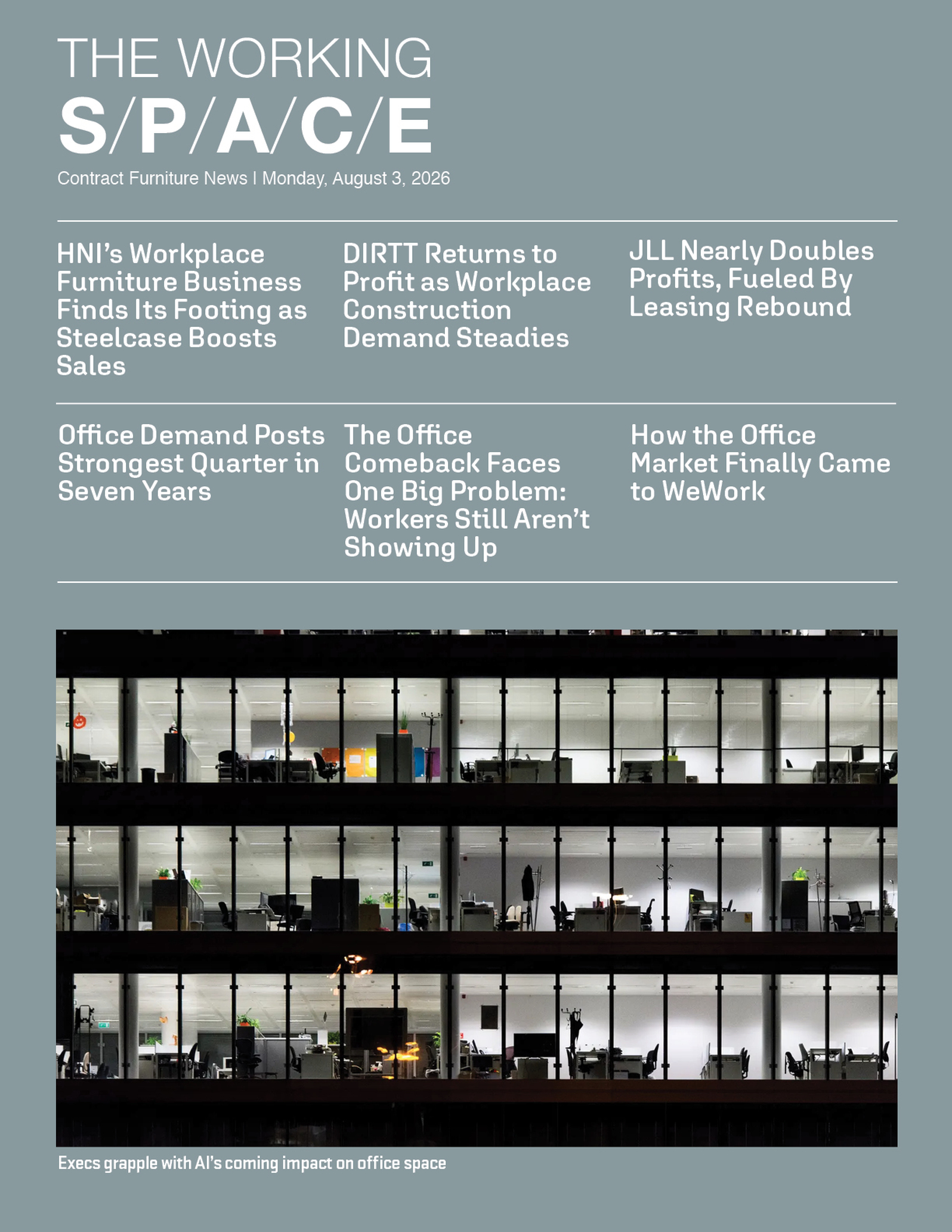
In this issue… strong Q2 results from DIRTT, HNI, JLL, CBRE and others point to a healthier contract and real estate market, with office demand, leasing and prime-space absorption gaining momentum even as rent recovery remains uneven. AI is reshaping workplace planning, pushing companies toward flexible footprints, premium amenities, variable-cost space models and new real estate types, from data centers to quantum facilities. Hybrid work continues to redefine the office around rituals, collaboration, culture and employee experience, while WeWork and coworking markets adapt to larger enterprise needs. Features explore resilient facility management and live-learn-work innovation hubs, while product and design highlights include new seating, textiles, modular lounge systems, carpet collections and sustainable workplace furnishings.
|
| |
|
|
|
By the Numbers
U.S. labor costs rose modestly in the second quarter, with overall wages increasing 0.9% but real wages falling 0.3% after inflation adjustment, while construction sector wages rebounded sharply. Despite strong job gains, wage pressures remained limited, leading policymakers to view labor cost growth as a manageable factor in inflation, even as the broader economy faced mixed signals from stock markets, the dollar, and Treasury yields.
|
| Read more > |
|
|
|
Make more chairs. U.S. employers are set to boost permanent hiring in the second half of 2026, with 66 % planning increases, especially in cities like Denver, Minneapolis and San Francisco, and in high‑demand fields such as technology, healthcare and finance. However, persistent skills shortages—particularly in industry knowledge, software proficiency and leadership—are causing project delays and cancellations, prompting companies to turn to staffing firms for contract talent and other solutions to fill the gaps.
|
| |
|
|
|
"Our second quarter demonstrates the focus of our members, is indicative of an improving demand environment, and supports expectations of stronger 2026 earnings growth."
- Jeff Lorenger, Chairman, President, and Chief Executive Officer of HNI
|
| |
|
|
|
|
HNI’s Workplace Furniture Business Finds Its Footing as Steelcase Boosts Sales
|
|
HNI Corp.’s workplace-furnishings business showed fresh signs of recovery in the second quarter, even as the newly acquired Steelcase reshaped the company’s numbers. Workplace sales rose 157% to $1.32 billion, almost entirely because of Steelcase’s $806.9 million contribution. More tellingly, legacy workplace revenue edged up 0.2% and total segment sales rose 0.6% organically—a modest gain, but a notable reversal from the softer demand that marked the start of the year.
The encouraging number was orders. Workplace orders increased 5% organically, with comparable growth from small- and medium-size customers and the contract-furniture market; Steelcase’s order trends ran slightly ahead of HNI’s legacy business. Management said orders accelerated over the final five weeks of the quarter, reinforcing its expectation that legacy workplace sales will grow at a high-single-digit rate in the third quarter.
Profitability remains the complication. Workplace operating margin fell 510 basis points to 7.7%, pressured by Steelcase purchase accounting, restructuring and acquisition costs. On an adjusted basis, margin declined 240 basis points to 10.7%, though tariff-related benefits and productivity gains helped soften the impact. Still, adjusted workplace operating income more than doubled to $141.4 million, while the legacy workplace business lifted its adjusted margin 290 basis points to 16%.
Companywide, HNI reported $1.47 billion in sales and adjusted earnings of $1.27 a share, up from $1.11 a year earlier. The company expects improving demand, cost actions and the Steelcase integration to fuel stronger second-half earnings growth, with Steelcase synergies ultimately projected to contribute at least $120 million in operating profit.
|
| |
|
|
|
|
DIRTT Returns to Profit as Workplace Construction Demand Steadies
|
|
DIRTT Environmental Solutions returned to profitability in the second quarter as its industrialized-construction business benefited from sharper cost control and improving project activity. Revenue rose 4% to $40.3 million, while net income reached $1.1 million, reversing a $6.6 million loss a year earlier. Adjusted EBITDA swung to $4.7 million from a $2 million loss.
For the contract-furniture and workplace construction market, DIRTT said customer engagement remains active and project planning is moving forward, though decision-making remains measured in some markets. The company is emphasizing tighter opportunity qualification and more disciplined forecasting, saying those changes have improved the quality of its pipeline and visibility into potential project awards.
Margins supplied the quarter’s biggest lift. Gross margin expanded to 34.7%, from 27.8% a year ago, as gross profit increased to $14 million. Lower operating expenses and a steep drop in tariff-related costs—$300,000 versus $2 million last year—also helped drive the improvement, giving DIRTT an adjusted EBITDA margin of 11.8%.
Still, the company trimmed its full-year outlook, now forecasting 2026 revenue of $175 million to $185 million and adjusted EBITDA of $21 million to $25 million. DIRTT cited macroeconomic uncertainty, raw-material and oil-price pressures, tariffs and project timing, while pointing to Construction Services as a growing source of more contractually supported, predictable revenue once projects are awarded.
|
| |
|
|
|
JLL’s net income jumped 92% to $215.6 million in Q2, driven by a 24% rise in leasing revenue and a 19% increase in capital‑markets earnings, while total revenue grew 11% to $6.9 billion. The firm repurchased $110 million of shares, raised its earnings guidance by 14 points, and aims for a revenue mix of 80% recurring and 20% transaction‑related from data‑center services. Despite macro‑economic uncertainty, leasing activity remains strong, with industrial leasing up 49% YoY and office rent growth at 4.3% for prime assets. Competitors such as CBRE, Newmark, and Colliers also reported double‑digit revenue gains.
|
|  www.bisnow.com www.bisnow.com
|
|
|
|
CBRE reported a 16% revenue increase in Q2, driven by strong growth in its infrastructure and data‑center services, which lifted core earnings per share by 30% and boosted EBITDA 34% year‑over‑year to $836 million. The company raised its 2026 EPS guidance to $7.80‑$7.90, highlighted robust cash flow, a $450 million share buyback, and expects continued data‑center revenue growth of about 25% annually for the next five years despite industry headwinds.
|
|  www.bisnow.com www.bisnow.com
|
|
|
|
The U.S. office market saw its strongest Q2 performance in years, with net absorption of 16.9 million sq ft (24.1 million sq ft YTD) and vacancy falling to 18%. All regions posted positive absorption, led by the South and Northeast, while Manhattan led individual markets. Demand growth concentrated in Class A properties, which accounted for 87% of total absorption and saw vacancy drop 30 bps. Overall asking rents rose 2.2% year‑over‑year to $38.03 / sf, with Class A rents at $43.74 / sf. Sublease space continued to shrink, down 18.3% YoY to 153.5 million sq ft, and new office construction hit a record low of 23.4 million sq ft.
|
|  www.globest.com www.globest.com
|
|
|
|
Brooklyn’s coworking space grew 6.2% in Q2 2026, adding 122,600 sq ft, while Manhattan’s inventory fell by over 200,000 sq ft; Brooklyn’s rents rose 6.9% to $39.46 per sq ft, contrasted with Manhattan’s 3.2% increase to just over $72 per sq ft, and Manhattan’s vacancy held steady at 13.1%.
|
|  allwork.space allwork.space
|
|
|
|
Quantum computing is moving from lab demos to dedicated facilities where the building itself becomes part of the machine, requiring ultra‑cold, low‑vibration, and electromagnetically shielded environments to preserve qubit coherence. This new real‑estate sector will support a range of applications—from drug discovery and climate tech to materials, AI, finance, and quantum‑safe security—by providing specialized campuses or compact labs that enable quantum processors to operate reliably, making the infrastructure an active component of future technological breakthroughs.
|
|  allwork.space allwork.space
|
|
|
|
Dallas‑Fort Worth’s office market is shrinking as AI adoption drives companies to downsize footprints while investing in upgraded, amenity‑rich spaces to attract top talent. AI enables smaller firms to compete, prompting a shift toward multitenant buildings, enhanced collaboration areas, and premium amenities such as cafés and fitness centers, with firms willing to pay more per square foot for high‑quality, innovative environments.
|
|  www.bisnow.com www.bisnow.com
|
|
|
|
Live‑learn‑work innovation hubs combine housing, research, and workspaces into a single, continuous environment, fostering 24‑hour collaboration and community. They address declining enrollment, rising costs, and housing shortages by creating flexible, wellness‑focused ecosystems that support hybrid learning, entrepreneurship, and urban vitality, ultimately driving inclusive growth and real‑world impact.
|
|  www.gensler.com www.gensler.com
|
|
|
|
Facility managers are crucial for building resilience, integrating risk management, sustainability, and employee wellbeing into operations. They lead crisis planning, adopt standards like ISO 22301, leverage technology, and address talent shortages, positioning FM as a recession‑proof, strategic function that supports organizational continuity and ESG goals.
|
|  workplaceinsight.net workplaceinsight.net
|
|
|
|
Executives report that AI is reshaping office‑space planning, making long‑term leases less attractive and prompting a shift toward hybrid, capital‑light work environments. Surveys show 60% find space forecasting harder, 73% are less willing to commit to traditional leases, and 99.8% are moving costs from fixed to variable models, with many favoring remote work, closer employee‑centric locations, and decentralized setups. Additionally, only a small fraction of leaders have moved beyond initial AI deployment, while most are still monitoring or analyzing AI’s impact on real estate decisions.
|
|  www.facilitiesdive.com www.facilitiesdive.com
|
|
|
|
WeWork has restructured after bankruptcy to focus on premium office spaces, capitalizing on the market’s shift toward high‑quality, amenitized buildings and the rapid, flexible needs of AI‑driven companies. By offering fast, managed build‑outs and customizable designs for corporate clients—now 70% of its customer base—WeWork leverages its presence in top‑tier locations to meet the demand for quick, brand‑aligned office solutions, positioning itself as a conservative yet growth‑oriented player in a tight, quality‑focused office market.
|
|  propmodo.com propmodo.com
|
|
|
|
Companies are pushing a three‑day office attendance model, yet actual presence averages only 2.9 days per week, showing a gap between expectations and reality. While many firms make only incremental workplace improvements, a minority pursue major transformations, and AI is beginning to shape space planning by driving demand for flexible, high‑quality office environments.
|
|  allwork.space allwork.space
|
|
|
|
Workplace friction from disconnected space‑management tools costs mid‑sized firms up to $9 million annually, with losses of $4,500‑$9,000 per employee. Disjointed systems increase coordination time and reduce productivity, while integrated solutions lower friction to 14% of employees noticing a impact. The report highlights the need for unified technology and better planning to improve office usage and employee well‑being.
|
|  www.facilitiesdive.com www.facilitiesdive.com
|
|
|
|
AI is reshaping real estate by driving industry-specific workforce changes, with some sectors focusing on augmentation and others on automation, leading to varied headcount growth. This shift alters space demand, emphasizing adaptable, talent‑focused portfolios. Investors should seek income growth through AI‑linked opportunities, while occupiers need flexible strategies to match evolving workforce and location needs.
|
|  www.jll.com www.jll.com
|
|
|
|
Hybrid work has shifted the office from a mandatory desk space to a venue for focused work, planned collaboration, and spontaneous informal interactions. Small rituals—like coffee breaks and kitchen encounters—now carry greater social weight, helping employees maintain connections, share context, and foster culture despite fewer shared days. Effective office design supports these moments through reliable, low‑maintenance shared amenities, allowing people to pause, converse, and build relationships organically.
|
|  workplaceinsight.net workplaceinsight.net
|
|
|
|
London leads the UK coworking market with 1,275 spaces, while Dublin dominates Ireland with 129 locations. The report identifies 4,698 total coworking sites across the UK and Ireland, highlighting price variations—Oxford has the highest median monthly membership (£295) and Dublin the highest median day pass (€45). Regus remains the largest operator with 238 locations, followed by Fora, Bruntwood, Workspace Group, and Spaces in the UK, and Pembr and Iconic Offices in Ireland.
|
|  allwork.space allwork.space
|
|
|
|
As work and personal life increasingly overlap online, many employees—especially Gen Z—are creating separate identities and carefully managing what they share to protect their privacy and careers. Rather than rejecting authenticity, this reflects a need for healthy boundaries. The future of work should prioritize employees’ control over how, when, and with whom they share personal information.
|
|  allwork.space allwork.space
|
|
|
|
|
HON Makes the Case for an All-Inclusive Office at Chicago Design Week
|
|
At Chicago Design Week last month, HON made its case for an office that no longer forces employers to choose between form and function. Inside its new flagship showroom at 320 N. Sangamon St., the company presented an “all-inclusive office” built around a simple premise: today’s workplace needs to support wellness, collaboration, flexibility and visual identity at the same time.
The showroom leaned into residential and hospitality cues—communal café areas, a wellness room and soft seating designed to make employees feel less like visitors in a corporate setting. Products including SoCo and the forthcoming Mosaic collection paired that comfort with workplace-ready details such as technology integration, modular layouts and varying levels of privacy. HON’s Preside Table, meanwhile, was positioned as a hybrid-work solution, with a tapered shape intended to improve sightlines for remote participants.
The broader message was that elevated design need not be reserved for premium budgets. HON’s new Brim seating and expanded SoCo upholstery options give designers more ways to build distinctive spaces without sacrificing durability or adaptability. In an era when the office must earn the commute, the winning formula may be less about choosing between style and performance—and more about delivering both.
|
| |
|
|
|
Episode 1 begins in Pebble Beach, California, with 17 Mile Drive, an 8,600-square-foot coastal retreat. In Tucson, Arizona, we explore the Paul and Alice Baker Center for Public Media, a state-of-the-art community hub and broadcast facility. Then travel to St. Louis, Missouri, to discover the Garden Room, a contemporary double-lot addition. In Overland Park, Kansas, SFS Architecture’s new Fire Station No. 41 prioritizes first responder health and renewable energy. Finally, we head to Irving, Texas, to the new State Bank of Texas headquarters, where natural materials combine with mid-century modernism.
|
|  www.youtube.com www.youtube.com
|
|
|
|
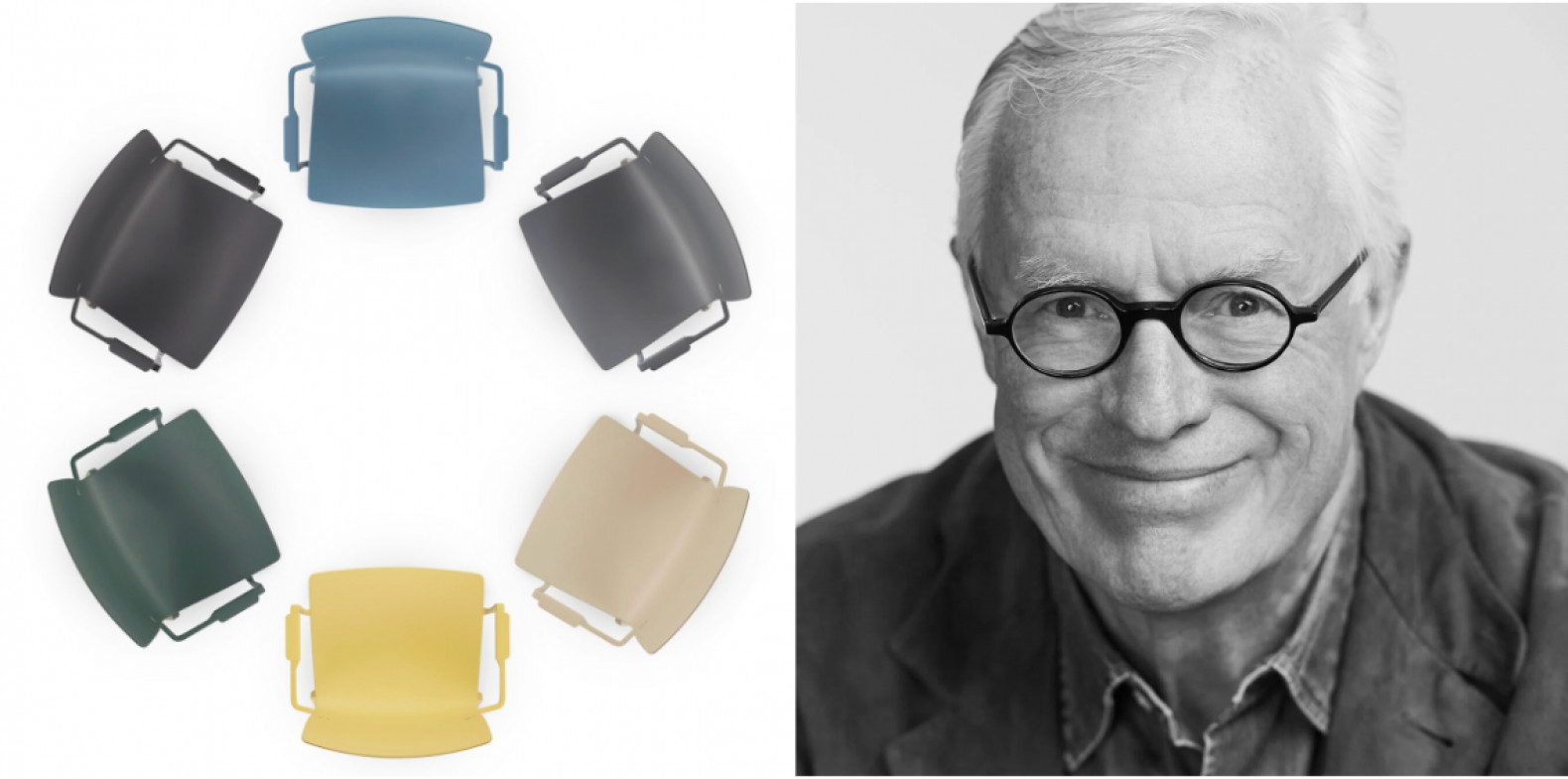
Allseating has launched Gemelli™, a refined single‑shell polypropylene guest chair created with industrial designer Carl Gustav Magnusson. The collection offers six shell colors, multiple frame finishes, optional arms and upholstered pads, and holds BIFMA LEVEL 3 and Indoor Advantage Gold certifications, making it suitable for workplaces, cafés, hospitality, education, and social spaces. Its design features a cufflink‑inspired arm detail and racetrack leg profile, combining sculpted comfort, quiet sophistication, and versatile performance for evolving commercial interiors.
|
|  www.officing.com www.officing.com
|
|
|
|
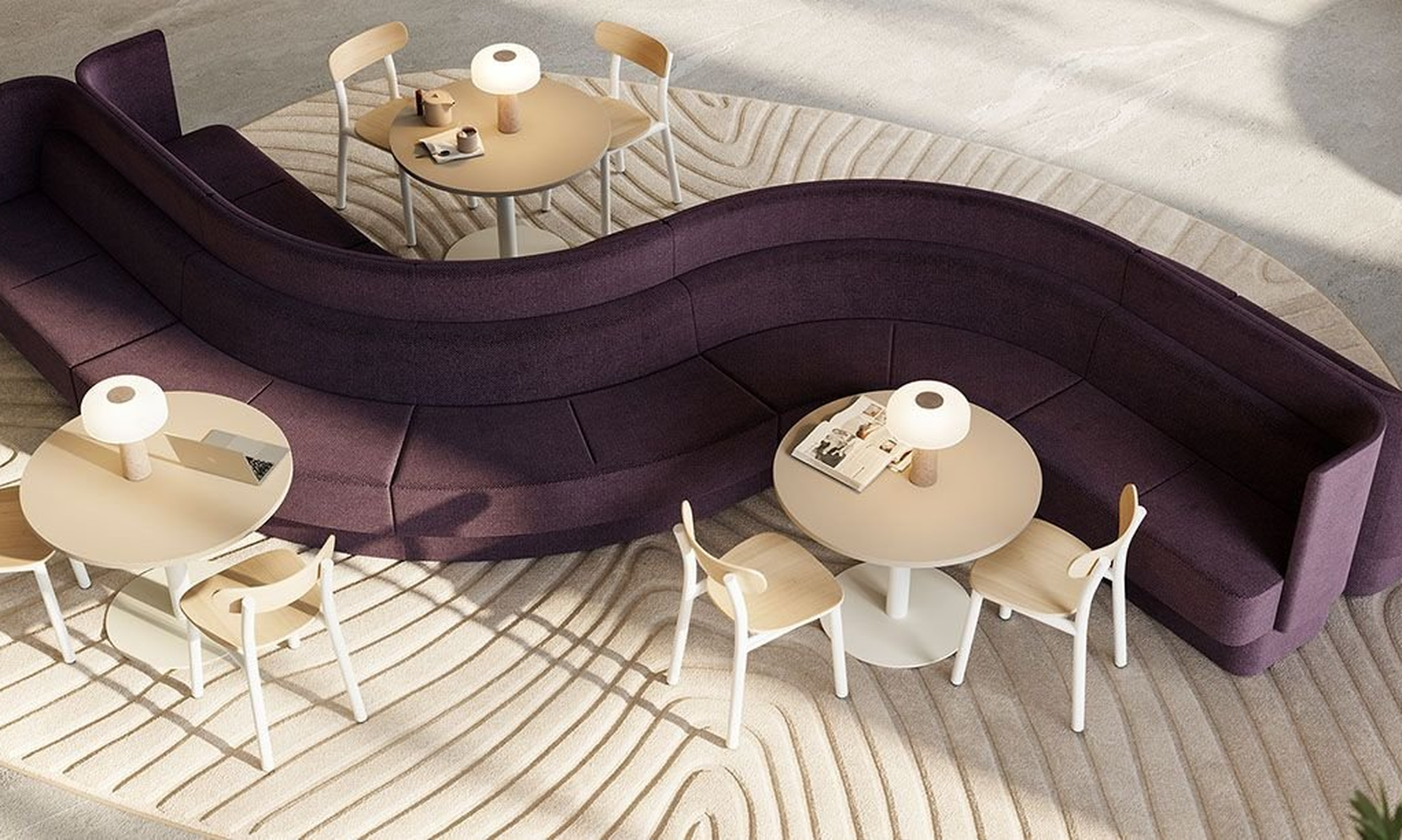
NaughtOne launches the Lotti café chair, a minimalist, circular‑design seat with hidden fixings, recyclable materials and customizable colors, alongside the Pullman Modular Seating system, a flexible, adaptable collection that defines and partitions commercial spaces while promoting sustainability and easy disassembly. Both products are now available through MillerKnoll dealers.
|
|  www.officing.com www.officing.com
|
|
|
|
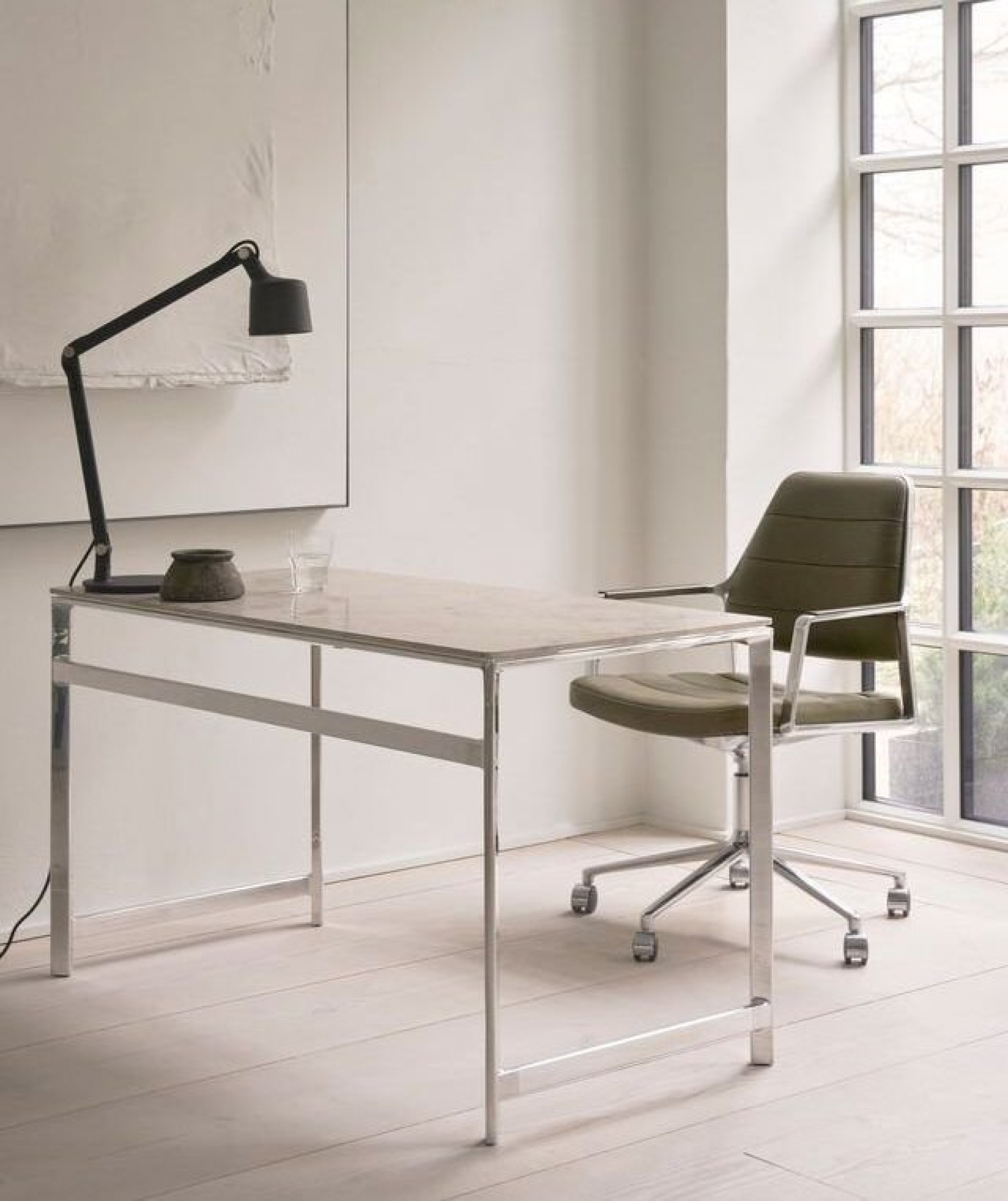
Vipp is expanding its Swivel chair series with two new models—the arm‑less Vipp 454 and the arm‑equipped Vipp 455—offering longer backrests, larger padded seats, and optional height‑adjustable and tilt features for better ergonomics during long work hours. The updated chairs retain the brand’s signature aluminium frame and braided‑belt construction, adding versatile four‑ or five‑leg bases with casters or gliders, and continue Vipp’s tradition of durable, functional design that evolves to meet modern office and boardroom needs.
|
|  www.officing.com www.officing.com
|
|
|
|
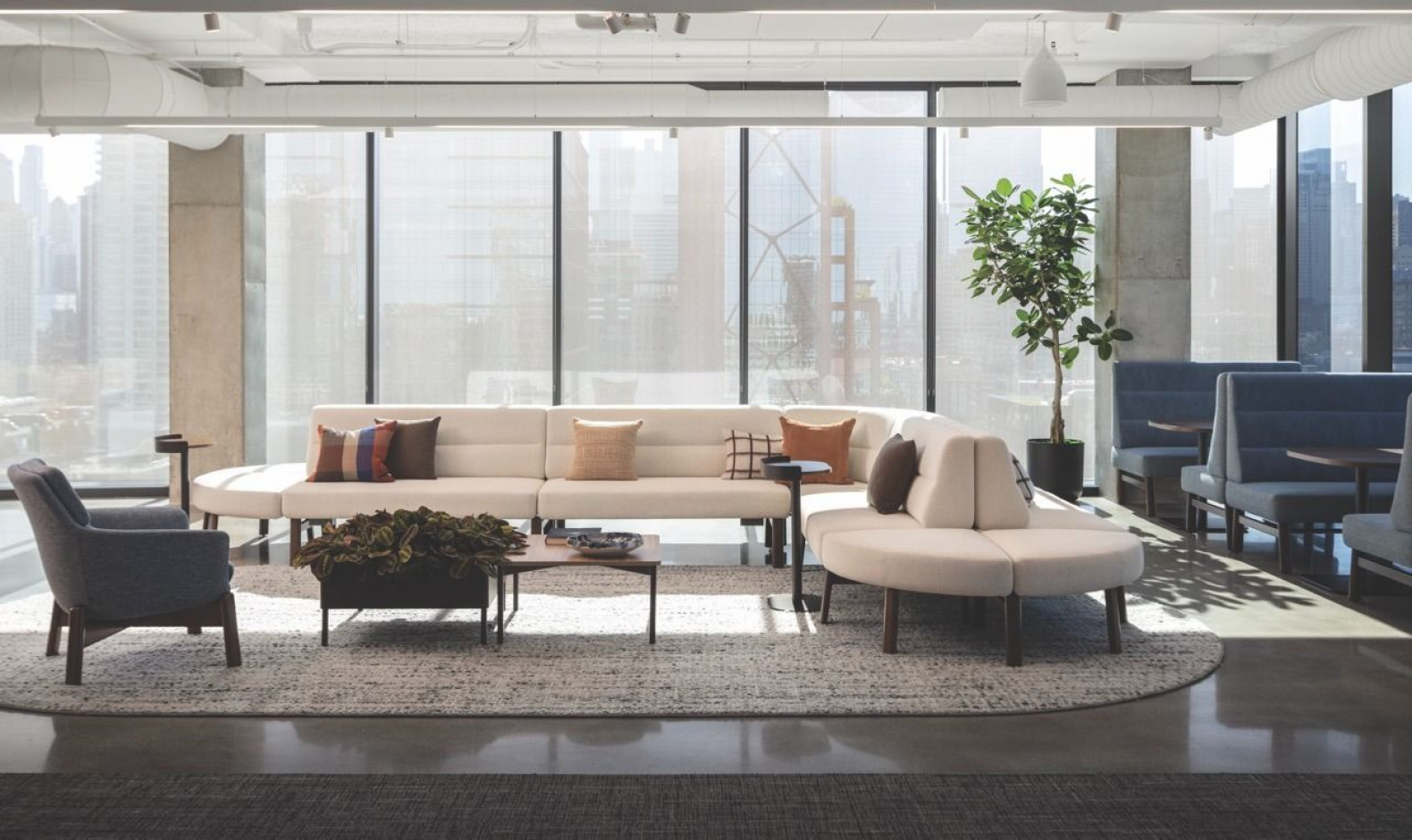
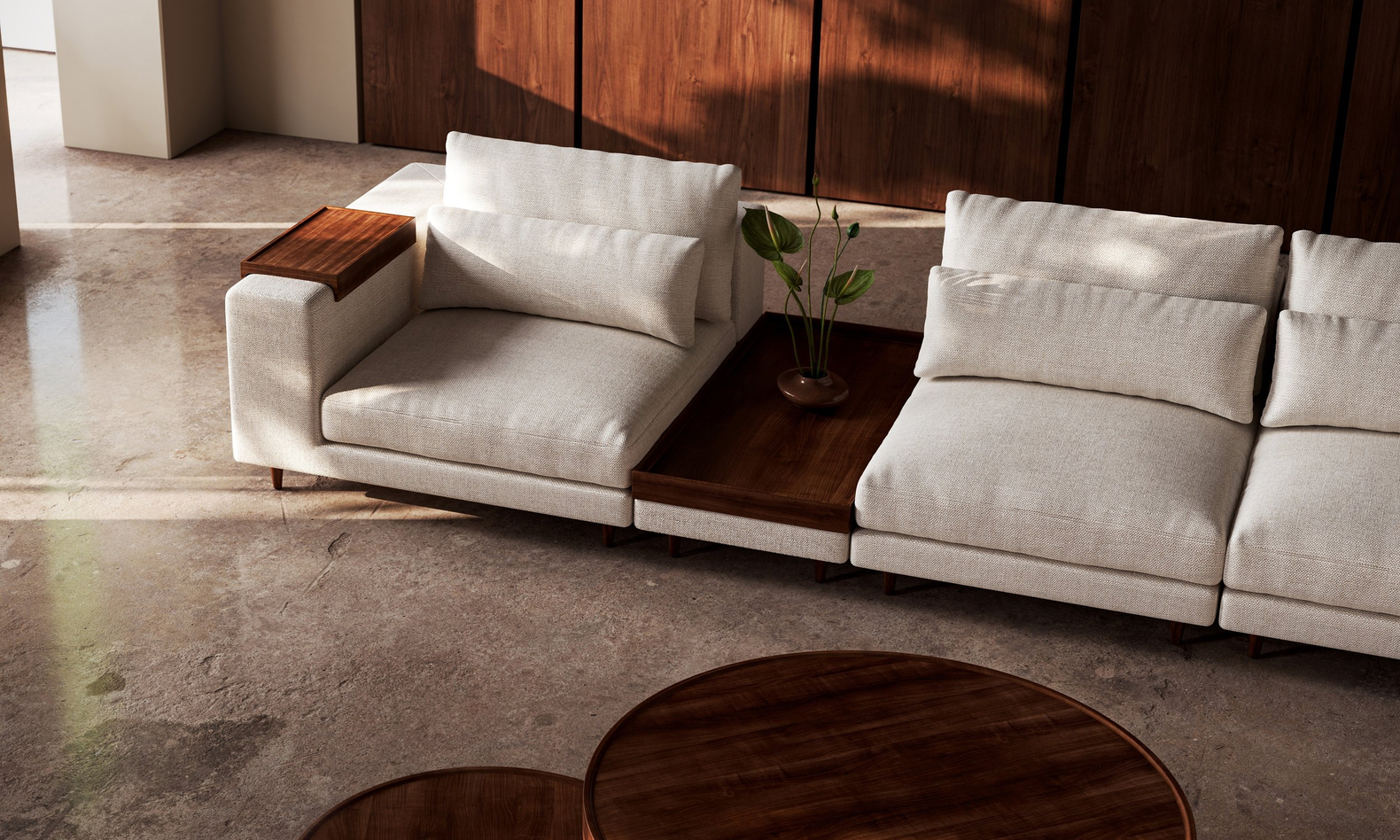
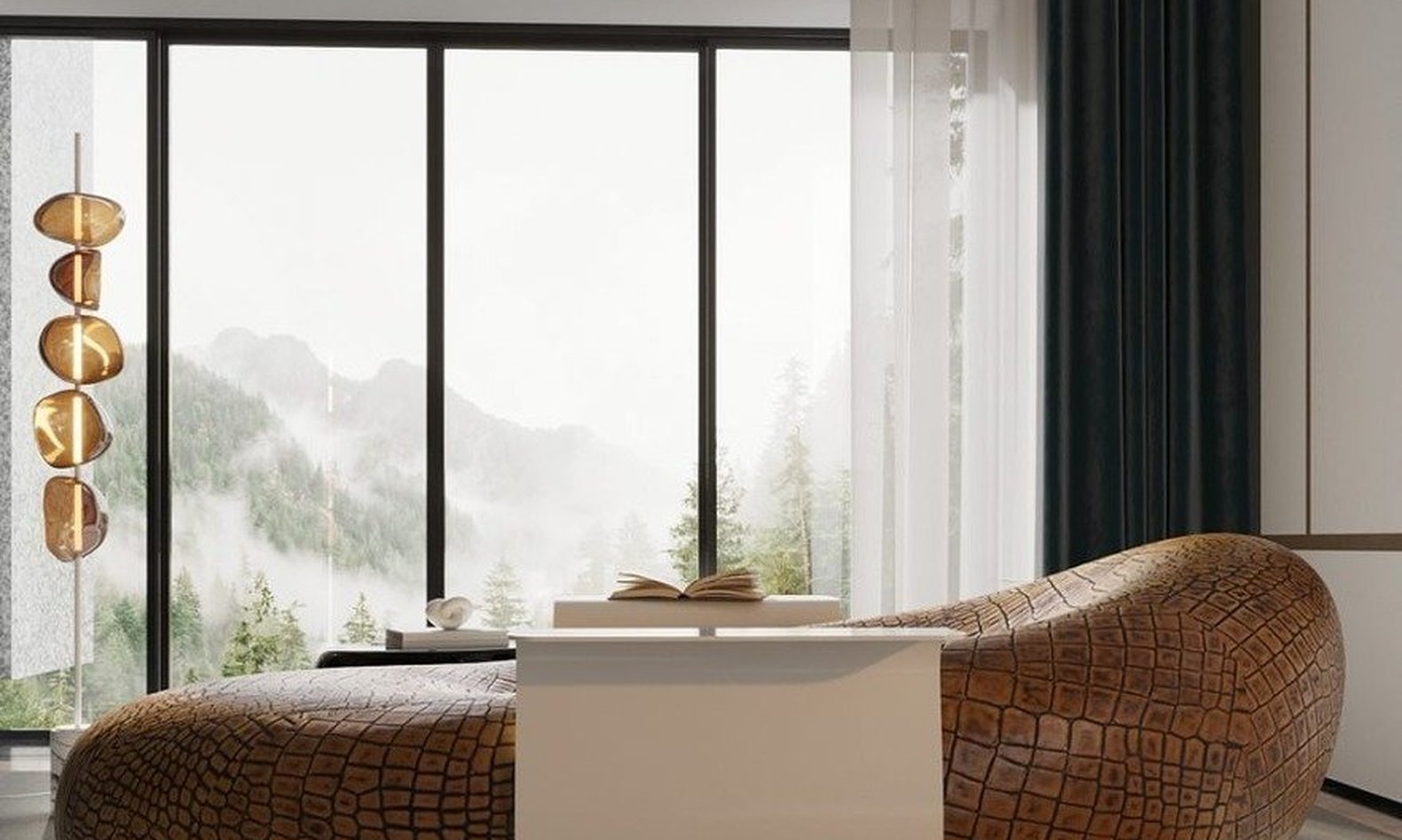
Stellar Works expands Space Copenhagen’s Atelier modular sofa system with five new elements—Center Tray, Armrest Tray, two wooden coffee tables, an Ottoman, and two freestanding stone side tables—integrating seamlessly into the sofa’s flexible structure to enhance functionality, adaptability, and material contrast for lounge and hospitality settings.
|
|  www.officing.com www.officing.com
|
|
|
|
Carnegie launches Mood, a vibrant plush velvet fabric from its Crush collection, offering seven colorways and versatile use for upholstery and drapery. The sustainable material features 50% recycled polyester, is PFAS‑ and PVC‑free, and delivers high performance with a rating of 100,000 double rubs, reflecting Carnegie’s commitment to eco‑friendly, high‑quality textiles.
|
|  www.officing.com www.officing.com
|
|
|
|
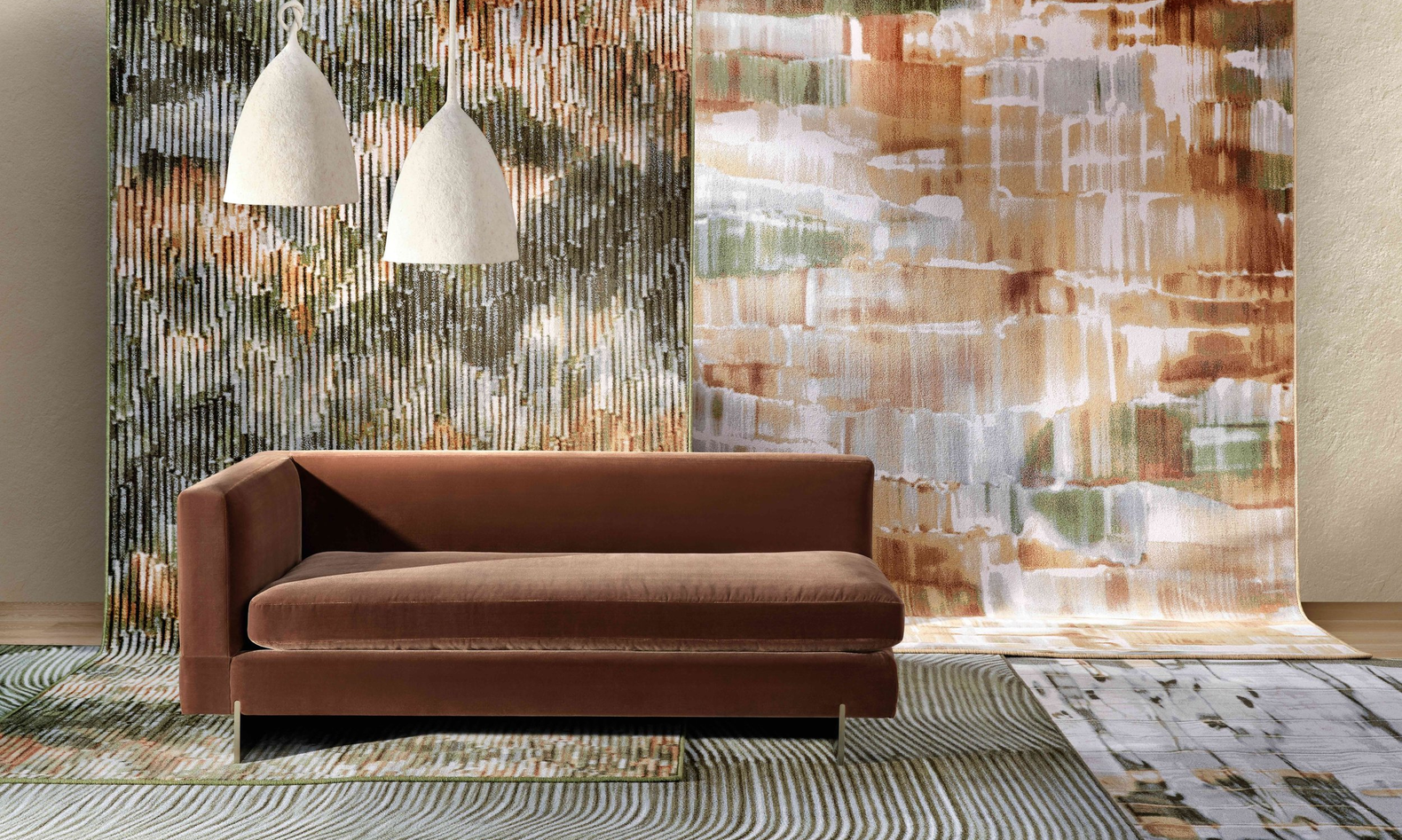
Shaw Contract Hospitality launches Untitled, a fully customizable Axminster carpet collection for hospitality spaces, offering rug and broadloom formats with a wide range of colors, patterns, and textures, backed by a five‑year commercial warranty and supported by a dedicated design studio.
|
|  www.officing.com www.officing.com
|
|
|
|
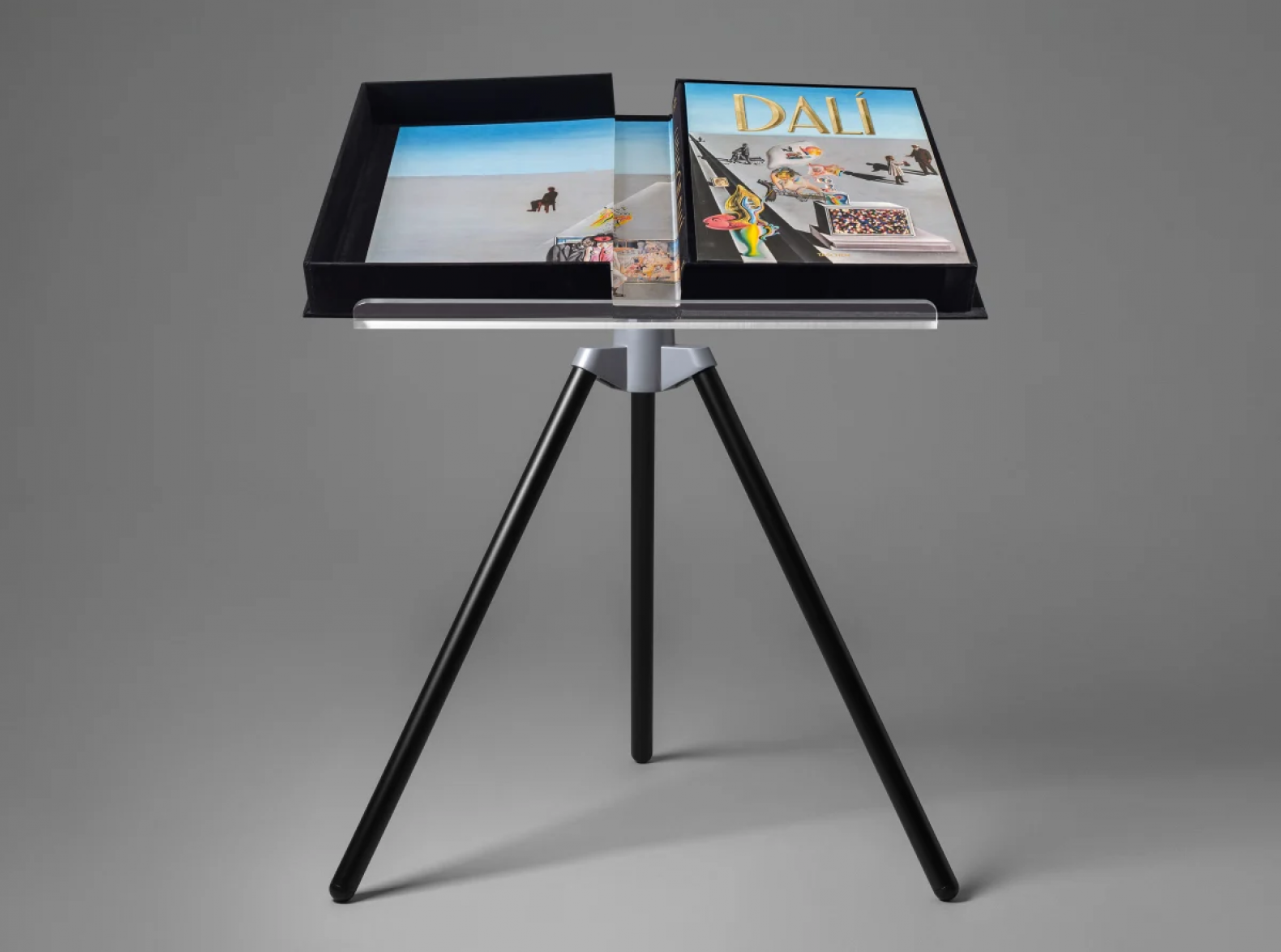
A sleek, adjustable tripod bookstand designed by Marc Newson combines acrylic glass, aluminum, and steel to create a dramatic, functional display piece for TASCHEN Collector’s Editions, reflecting his expertise in material‑driven design and his collaborations with leading luxury brands.
|
|  www.taschen.com www.taschen.com
|
|
|
|
Ikea’s ‘Kompishäng’ collection offers portable, adaptable furniture for renters and frequent movers, featuring fold‑able tables, stackable stools, modular storage, and a wheeled bag, all designed for easy transport and durable everyday use.
|
|  www.wallpaper.com www.wallpaper.com
|
|
|
|
Joint Design Direction (JDD) uses Autodesk Fusion to streamline the design and production of customizable office furniture, enabling rapid prototyping, cloud‑based collaboration, and easy parametric adjustments, which has significantly reduced development time and supported the company’s growth across multiple showrooms.
|
|  www.dezeen.com www.dezeen.com
|
|
|
|
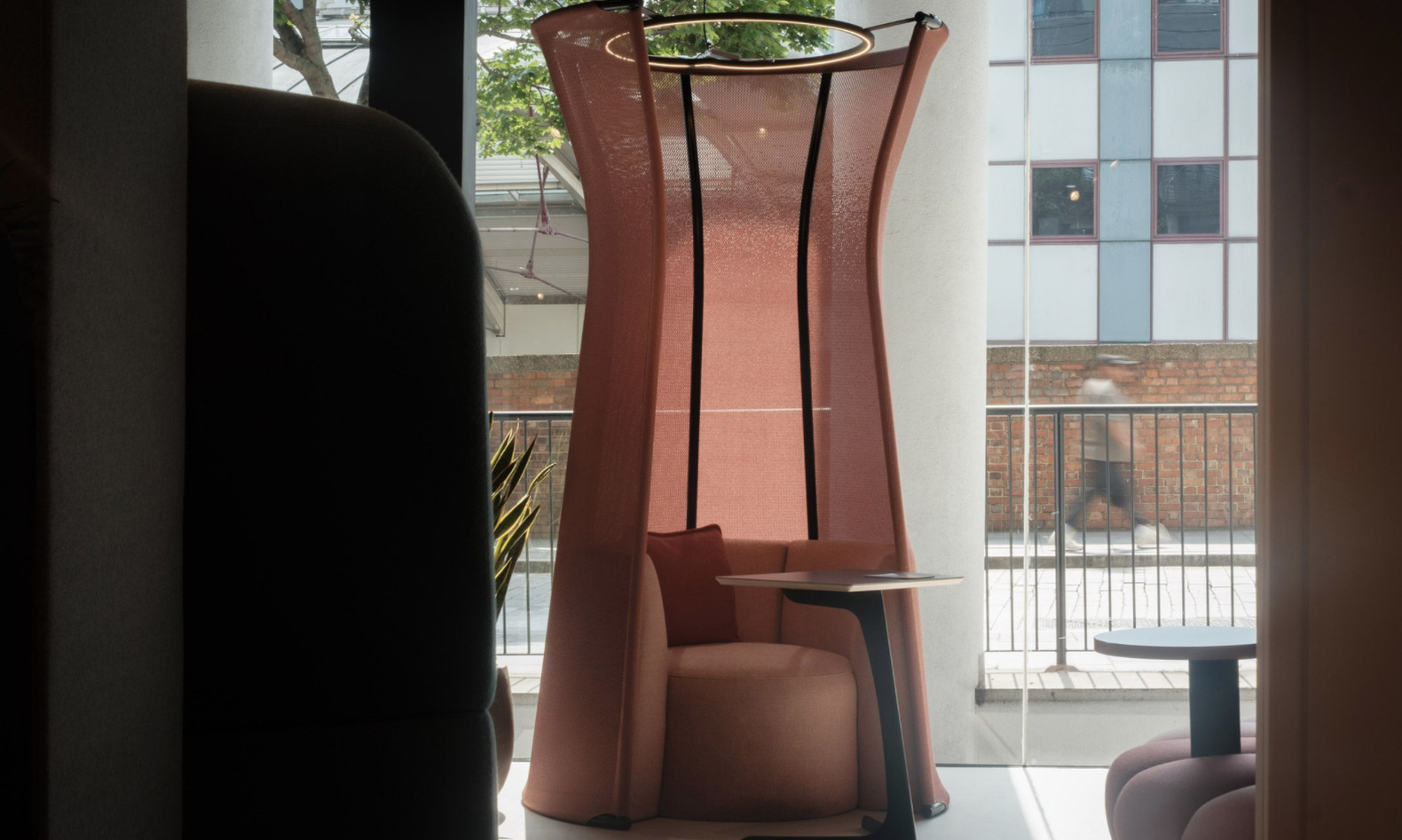
A lounge chair inspired by the seed’s fluid shape, crafted by Mavimatt, features a single metal band encircling a soft, ergonomically designed seat with adaptable foam padding, offering a balanced blend of minimalist luxury and functional comfort.
|
|  www.core77.com www.core77.com
|
|
|
|
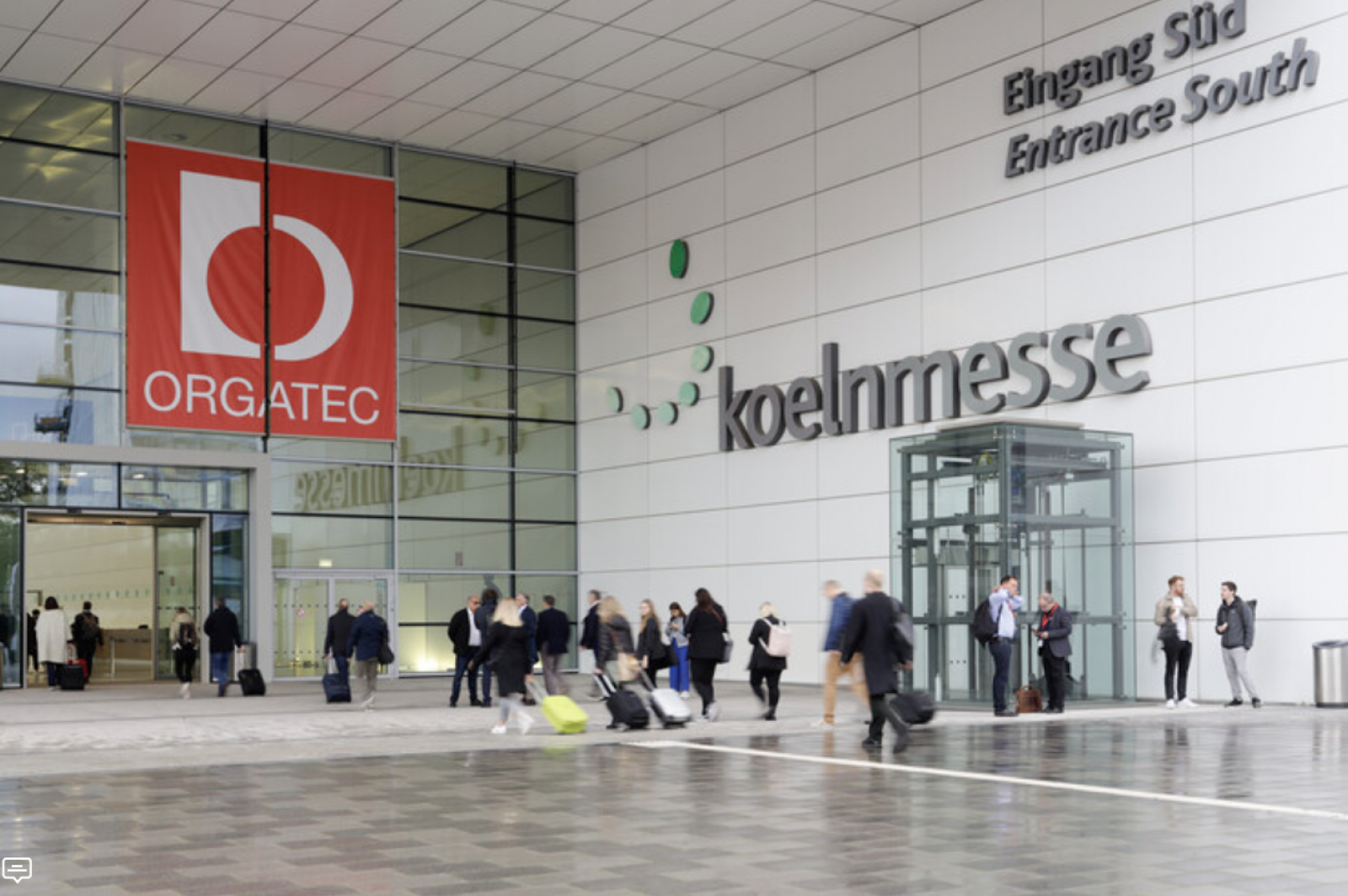
Orgatec 2026
October 27-30, 2026 | Cologne, Germany
ORGATEC is the global industry meeting point for everyone who is rethinking and shaping the worlds of work and contract. Every two years, leading brands, experts, and an international trade audience come together in Cologne. Under the guiding theme "From rooms to relationships: designing spaces in an ever-changing world", the focus is on people – and on how spaces in times of change are redefined.
|
| |
|
|
|
NeoCon 2027 / DesignDays 2027
June 13-16, 2027 | Chicago, IL
NeoCon has served as the world’s leading platform and most important event of the year for the commercial design industry since 1969. A launch pad for innovation—NeoCon offers ideas and introductions that shape the built environment today and into the future. For 2027 NeoCon is officially a 4-day event beginning on Sunday, June 13, 2027.
|
|
|
|
|
|
|
Trends in Commercial Projects
|
|
|
|
|
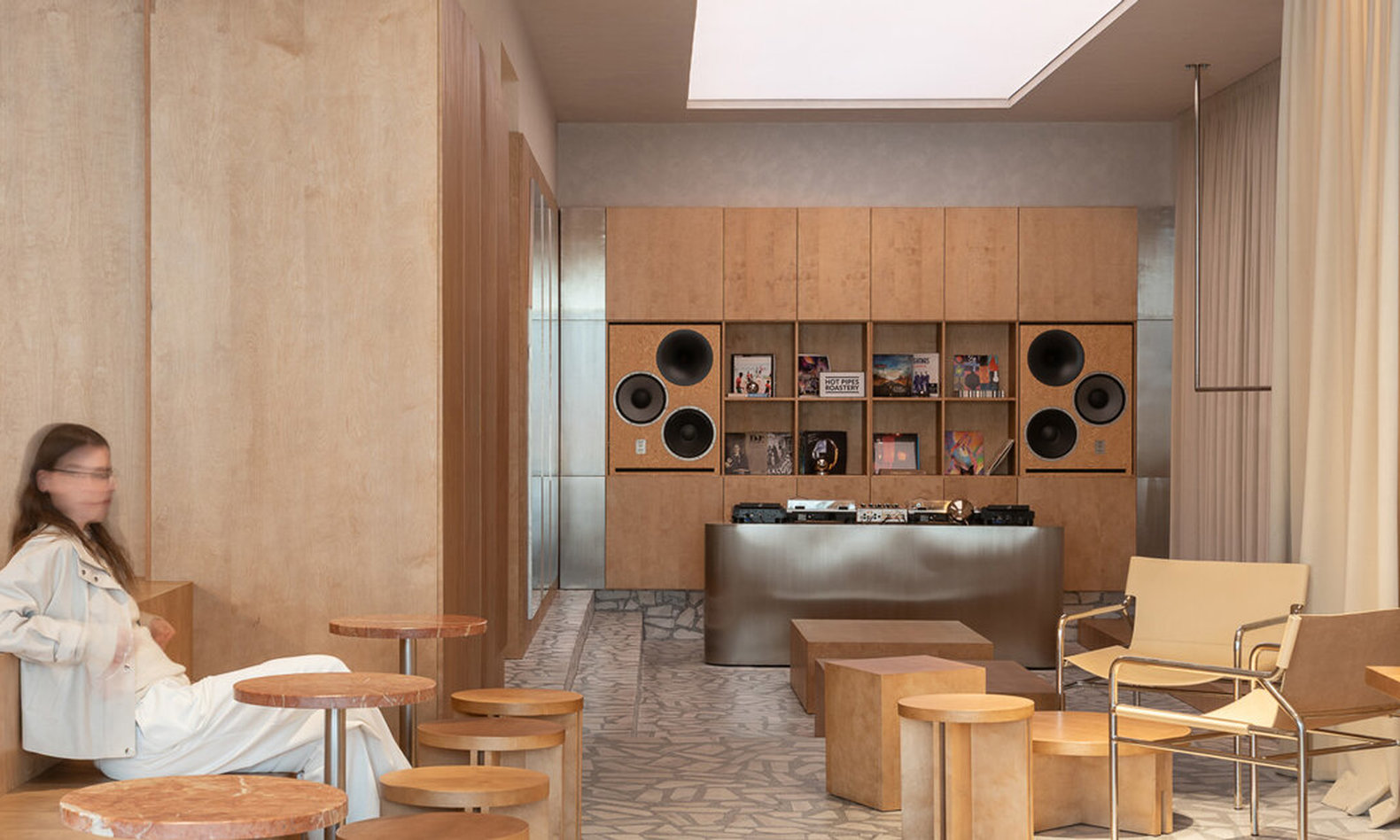
Ukyo X transforms a historic storefront in Cluj‑Napoca into a flexible cultural hub that blends a café, listening bar, and co‑working space, featuring modular furniture, a communal table, restored mosaic flooring, and a design that fluidly shifts from daytime coffee to evening music events.
|
|  www.designboom.com www.designboom.com
|
|
|
|
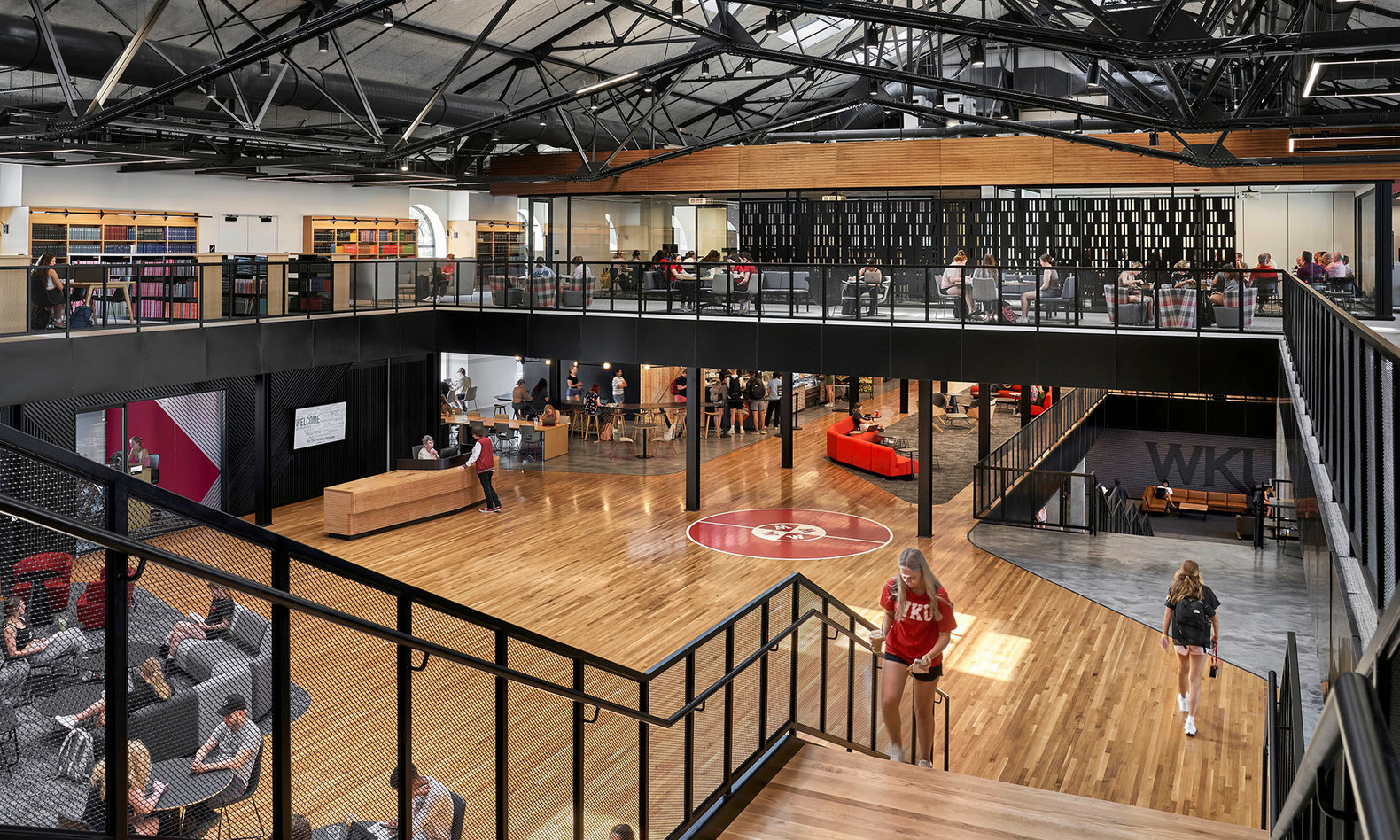
Colleges can modernize learning environments and preserve campus identity by adaptively reusing existing buildings, turning underused spaces into flexible, collaborative hubs that support sustainable growth, reduce costs, and meet evolving student expectations.
|
|  www.gensler.com www.gensler.com
|
|
|
|
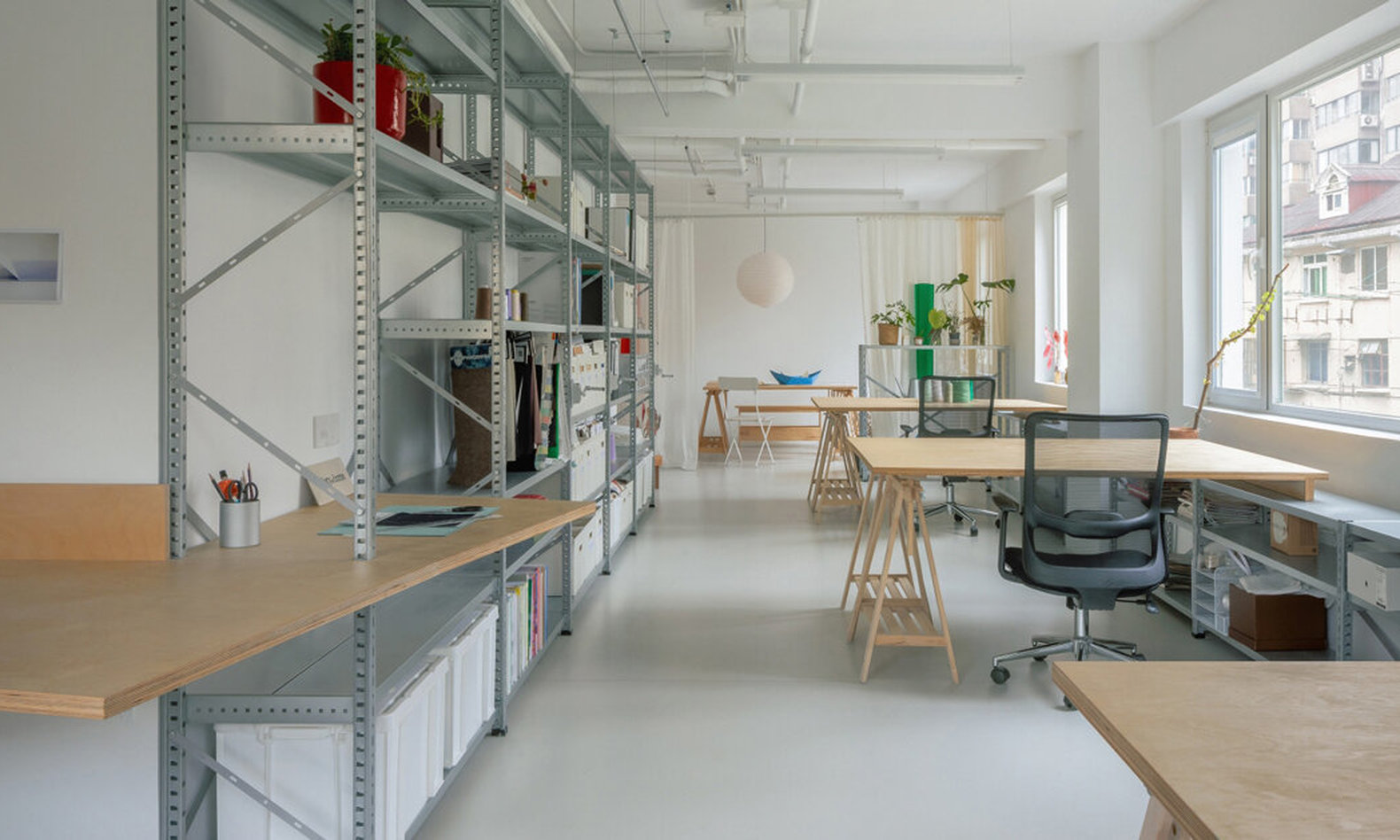
Atelier Siyu’s pop‑up transforms a narrow Shanghai lane house by using a curved curtain and a reconfigurable modular furniture system to create flexible zones for work, exhibition, storage and retail, while preserving and highlighting the existing timber roof, aged steel‑framed windows, and courtyard, extending a three‑day installation into a lasting spatial framework.
|
|  www.designboom.com www.designboom.com
|
|
|
|
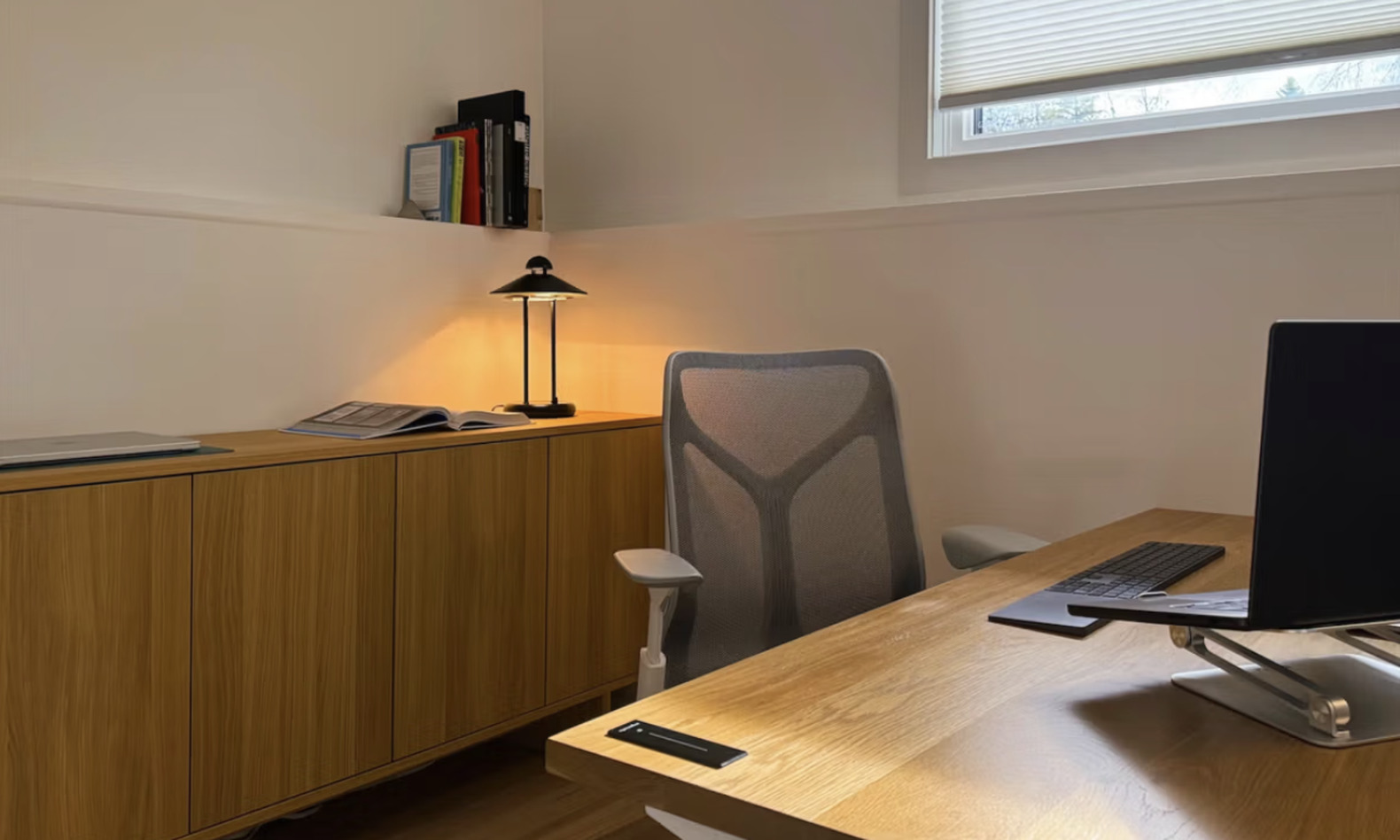
Grace Walker, a designer and creative director at Spellbook, shares insights into her workspace setup, recent additions like a new sideboard, changes made for a baby‑friendly environment, and her routines and productivity tricks. She discusses her creative process, inspiration from historical references, custom halftone shaders in Figma, and the future role of AI assistants in her design workflow.
|
|  workspaces.xyz workspaces.xyz
|
|
|
|
Dhanani Private Equity Group is relocating its headquarters to the former Texas Instruments 165,000‑square‑foot, 7‑acre campus in Sugar Land, Texas, after purchasing the property in a deal financed by a $27.5 million promissory note. The firm will occupy 30,000 sq ft on the ground floor and convert the upper floors into 40 office suites, with 25 already under contract, aiming to complete the move by mid‑2027 to accommodate its growth from 20 to 100 employees.
|
|  www.bisnow.com www.bisnow.com
|
|
|
|
|
Jasper Group Honors the Life and Legacy of Ashley Sendelweck
|
|
Jasper Group mourns the loss of Ashley Sendelweck, Vice President of Marketing, a beloved colleague, leader, and friend whose creativity, humility, and heart made a lasting impact. Over 17 years, Ashley helped shape Jasper Group into an industry-leading brand while building an exceptional team and fostering meaningful relationships. Known for her optimism, generosity, and unwavering belief in others, she found her greatest joy in helping people succeed. Her passion for Jasper Group, its people, and its future will remain part of the culture she helped create. Ashley’s legacy will live on in the way she inspired us all to “Love What You Do.” Our thoughts and prayers are with her family, friends, and everyone fortunate enough to have known her.
|
| |
|
|
|
|
Office Revolution Announces Strategic Partnership with Haworth, Marking the Next Chapter in 25 Years
|
|
Office Revolution announced a strategic partnership with Haworth, enhancing its ability to deliver broader solutions, deeper expertise, and stronger resources while maintaining its trusted, personalized service built over 25 years. The collaboration expands offerings across commercial spaces, provides access to Haworth’s research and technology, and supports Office Revolution’s continued growth and commitment to helping clients create thriving work environments.
|
| |
|
|
|
|
Bentley Joins Ecomedes Platform, Launching Dedicated Sustainability Portal for Architects and Designers
|
|
Bentley has launched a free, dedicated sustainability portal on the Ecomedes platform, giving architects, designers, dealers, and project teams instant access to comprehensive environmental performance data, certifications, EPDs, circularity programs, and credit‑level analyses for its entire product catalog, reinforcing its long‑standing commitment to transparency and sustainable manufacturing.
|
| |
|
|
|
|
Lesro Welcomes New Rep, Pringle-Ward Associates
|
|
Lesro has appointed Pringle‑Ward Associates as its new manufacturer representative for the New York Metro area, covering the five boroughs, Long Island, lower Hudson Valley, and northern New Jersey; the partnership aims to leverage Pringle‑Ward’s experience in furniture and architectural solutions across commercial, education, healthcare, and hospitality markets.
|
| |
|
|
|
The core advice is to ask sales candidates for five architects or designers whose personal cell numbers they have and could contact immediately, revealing genuine relationships rather than name‑dropping. Genuine candidates will provide specific contacts, stories, and recent interactions, showing real trust and access, while bluffers will stumble. This question helps identify true relationship capital and assess credibility, which is crucial for hiring effective A&D salespeople.
|
| |
|
|
|
Manage and grow a national network of independent sales representatives across the US and Canada, driving revenue through commercial furniture dealers, architects, designers, and specification firms. Own the full sales cycle—strategy, pipeline management, forecasting, and contract negotiations—while conducting market analysis to spot trends and opportunities. Partner cross-functionally with Product, Marketing, Supply Chain, and Leadership to deliver strong customer solutions, and represent the company through presentations, training, trade shows, and industry events. Requires extensive travel throughout the US and Canada to build relationships and support the rep network in the field.
|
| See Job Opening > |
|
|
|
Open Plan Systems is seeking an accomplished National Sales Director to lead strategic growth across the United States by expanding the company’s dealer network, strengthening key contract relationships, and identifying new market opportunities. This high-impact role is ideal for a proven sales executive with deep contract furniture industry experience, strong partnership-building skills, and the ability to combine strategic vision with hands-on execution to deliver measurable revenue growth.
|
| See Job Opening > |
|
|
|
|
|