In this issue… a major platform merger (My Resource Library + Avanto) promises an end-to-end, AI-enabled ecosystem for commercial interiors; tariff and logistics uncertainty ripples through design/home furnishings as companies restructure; Office-market pressures show up in sharply repriced European assets, big ownership changes like Louis Poulsen’s return to Danish control, and a bifurcated U.S. leasing picture where AI-heavy growth cities boom while vacancies persist elsewhere. Workplace shifts include rising demand for certified acoustic pods, new thinking on monetizing surplus space, and how AI is reshaping how offices support hybrid work and human creativity. Design and work-life coverage spans furniture as culture/engagement infrastructure, four-day-week implications for space planning, and revived SOM archive pieces. Products spotlight new workplace and outdoor solutions—from HALCON/Fogarty Finger’s VESPER, Blu Dot’s contract upholstery program, Vitra’s adaptive Bascule lounge chair, to custom glass display systems and Corradi’s bioclimatic pergola.
|
| |
|
|
|
By the Numbers
The latest Furniture Insights® report shows a mixed U.S. furniture market: orders have stabilized with a 1% month‑on‑month rise, shipments are up 6% month‑on‑month but still down year‑to‑date, and backlogs fell slightly. Consumer confidence weakened, while payroll grew 8% month‑on‑month. Housing activity is uneven, with modest home‑sale gains offset by regional declines and a 6.2% drop in new single‑family sales. GDP growth was revised up to 1.6% annualised in Q1 2026, driven by government spending, exports, and investment, despite softer consumer spending. The sector faces fragile equilibrium amid geopolitical tensions, inflation pressures, and a subdued housing market.
|
| Read more > |
|
|
|
Manhattan office leasing surged, with May activity up 17.3% to 4.24 million sq ft, putting the market on track for its best annual pace in 26 years. Major deals included Simpson Thacher & Bartlett’s 916,000‑sq‑ft lease at 570 Fifth Avenue, Google’s 410,556‑sq‑ft renewal at 315 Hudson Street, and Versant’s 249,054‑sq‑ft transaction at 229 West 43rd Street. Year‑to‑date leasing reached 19.63 million sq ft, roughly a 10% increase over the same period last year.
|
| |
|
|
|
“We had a trove of really interesting designs that emerged in this very fertile mid-century period where furniture systems were emerging to meet post-war needs and new production methods.”
- Julia Murphy, SOM partner, on putting some early SOM furniture designs back into production with Teknion
|
| |
|
|
|
|
MRL and Avanto Merge, Betting the Industry Wants One Platform Instead of Twenty
|
|
The commercial interiors industry has never suffered from a lack of technology. It has suffered from a lack of technology that actually talks to other technology.
In what could become one of the more significant platform plays the industry has seen in years, My Resource Library (MRL) and Avanto have merged to form MRL, powered by Avanto, combining MRL’s well-established product discovery and manufacturer network with Avanto’s AI-driven operational and workflow management tools.
For years, MRL has been one of the industry’s primary destinations for designers, dealers, manufacturers and reps looking for product information, inspiration and connections. Avanto, meanwhile, has focused on the less glamorous—but arguably more important—side of the business: project execution, workflow automation, margin protection and operational intelligence through its Avanto and Strata platforms.
The goal is ambitious. The combined company says it intends to create a connected ecosystem that follows a project from initial product discovery and specification through ordering, execution and financial management. If successful, it would address one of the industry’s longest-running frustrations: the disconnect between the front-end design process and the back-end operational machinery required to actually deliver a project.
“MRL was built on the trust of the industry’s most respected brands and professionals,” said Jeff Carlson, president of MRL. “Joining forces with Avanto means we can finally close the loop between inspiration and execution and deliver something the industry has never had before: true end-to-end visibility.”
Avanto President Matt Danyliw described the merger as more than a simple combination of two companies.
“Avanto was built to eliminate the operational chaos that costs dealers and manufacturers time and margin every single day,” he said. “Together with MRL and Agentic Dream, we now have the reach, the relationships and the technology to reshape how this industry works.”
That’s a lofty promise in an industry where many software platforms have arrived claiming to be the single source of truth, only to discover that dealers, manufacturers, reps, designers and installers all have different definitions of what that truth should look like.
Still, the merger brings together a sizable collection of industry assets, including My Resource Library, Avanto, Strata, the MRL Media App, Delve Magazine, the Delve event series and the North American Independent Rep Council.
The timing is notable. As artificial intelligence continues to dominate conversations throughout the contract furnishings sector, many companies are still trying to determine whether AI will be a genuine productivity tool or simply the latest buzzword attached to existing software. Avanto CIO Leo Vargas believes the industry is ready for something more substantial.
“The commercial interiors industry has been waiting for someone to take AI seriously—not as a buzzword, but as a genuine force multiplier for the people doing the work,” Vargas said.
Whether the combined platform becomes the industry’s operating system remains to be seen. But at a time when most firms are juggling multiple software subscriptions, disconnected databases and enough passwords to fill a spreadsheet, the idea of reducing fragmentation may be one of the few technology promises everyone can agree sounds appealing.
|
| |
|
|
|
|
Louis Poulsen Returns Home in $541 Million Deal
|
|
One of Scandinavia’s most iconic design brands is heading back home.
Italian-owned Flos B&B Italia Group has agreed to sell Danish lighting manufacturer Louis Poulsen to Danish investment company Chr. Augustinus Fabrikker in a transaction valued at approximately €470 million ($541 million). The deal, expected to close later this year pending regulatory approval, returns the 152-year-old lighting company to Danish ownership after eight years under Italian control.
For most people outside the design industry, Louis Poulsen is best known for timeless fixtures such as the PH series, AJ lamps, Panthella and Koglen collections. For architects and designers, the company represents one of the foundational names in Scandinavian lighting design and a brand whose products continue to appear in projects around the world decades after their introduction.
The sale also represents a successful exit for Flos B&B Italia Group and its owners, Investindustrial and Carlyle. Louis Poulsen enters the transaction in strong financial shape, reporting 2025 revenue of approximately $145 million and EBITDA of $43 million, good for an impressive 30% margin. Revenue increased 8% during the year while earnings grew 12%, continuing a growth trajectory fueled by expansion in North America, Japan and direct-to-consumer channels.
Founded in 1874, Louis Poulsen has changed hands several times over the past quarter century, moving from Danish industrial ownership to Italian control and private equity stewardship before arriving at its latest destination. The company’s history mirrors the broader evolution of the premium design sector, where iconic brands increasingly become part of global investment portfolios.
This transaction feels a bit different.
The buyer, Chr. Augustinus Fabrikker, is not a traditional private equity firm looking for a quick exit. The Copenhagen-based investment company serves as the commercial arm of the Augustinus Foundation and has a reputation for taking long-term positions in Danish businesses. Its portfolio includes investments across multiple industries, and it has previous experience with Danish design companies, including furniture manufacturer Fritz Hansen.
For Louis Poulsen, the move trades financial ownership measured in fund cycles for ownership measured in generations. That’s likely to be welcomed by many within Denmark’s design community, which has watched some of its most recognizable brands move into foreign ownership over the years.
The transaction also provides Flos B&B Italia Group with additional financial flexibility as it continues to focus on brands including Flos, B&B Italia, Audo, Lumens and Arclinea.
|
| |
|
|
|
Sedus Pushes Beyond Furniture as Revenue Slips Slightly in Challenging Market
The European office furniture market remains under pressure, but Germany-based Sedus Stoll Group is continuing to broaden its ambitions beyond desks and chairs.
The company reported 2025 revenue of approximately €216 million (about $249 million USD), a slight decline from the previous year, as economic challenges continued to weigh on office furniture manufacturers across Europe. Even so, Sedus said its performance exceeded that of much of the broader industry, underscoring a strategy increasingly focused on workplace consulting and planning services alongside traditional furniture offerings.
“We are increasingly evolving from a furniture manufacturer into a holistic workplace partner,” said Daniel Kittner, Speaker of the Management Board of the Sedus Stoll Group.
That evolution is becoming more visible through the company’s three-brand structure. Sedus, seating specialist Klöber and workplace consulting firm S³ Advice are being positioned as complementary businesses designed to address everything from furniture specification to workplace strategy. The approach reflects a growing trend among major manufacturers seeking to capture a larger share of workplace transformation projects rather than compete solely on product sales.
Kittner said the company used the difficult market environment to expand strategically important business segments and strengthen its market position despite softer demand across Europe.
The strategy will be on full display at Orgatec 2026, where Sedus plans one of its largest coordinated presentations to date. Sedus will showcase its new “Habitats by Sedus” trend concept in Hall 6.1, while S³ Advice will be integrated into the exhibit. Klöber will simultaneously launch a new product innovation through both a dedicated stand in Hall 8.1 and its showroom at Design Post Cologne.
For an industry still grappling with hybrid work, fluctuating office demand and uncertain economic conditions, Sedus appears to be making a calculated bet that customers increasingly need workplace expertise rather than simply furniture. With nearly a quarter-billion dollars in annual revenue and a growing emphasis on consulting and strategy, the company is positioning itself for a future where the conversation starts with workplace planning and ends with product selection—not the other way around.
TWS perspective: There is also an interesting lesson here for American contract furniture manufacturers, most of whom continue to treat consulting as an afterthought rather than a business opportunity. While European companies such as Sedus are building workplace strategy, planning and advisory services into their core offerings, the U.S. industry largely remains focused on selling products through dealers and A&D channels. Ironically, one of the pioneers of workplace consulting was an American company. In the 1940s and 1950s, Knoll’s legendary Planning Unit, led by Florence Knoll, worked directly with corporate clients on everything from workplace research and space planning to organizational needs and interior architecture. The group became so influential that it helped define the modern office itself, creating comprehensive workplace solutions long before anyone coined terms like “workplace strategy” or “change management.” Somewhere along the way, much of the American industry forgot that history. Today, manufacturers spend millions developing new chairs and pods while leaving consulting revenue—and the client relationships that come with it—to architects, workplace strategists and management consultants. Sedus’ latest results suggest there may be another way.
|
| |
|
|
|
Furniture M&A Market Heats Up as Buyers Look Past Economic Headwinds
If you spend enough time walking the halls of the Merchandise Mart or the showrooms of Fulton Market, you might come away believing the furnishings industry is cautiously treading water. According to investment banking firm Stump & Company, however, the mergers and acquisitions market is telling a very different story.
Despite ongoing concerns about inflation, tariffs, geopolitical uncertainty, housing market weakness and the seemingly endless debate over artificial intelligence, furniture industry dealmaking has accelerated significantly in 2026. Stump & Company says buyers continue to pursue acquisitions aggressively, driven by a combination of available capital, demographic shifts among business owners and confidence in the long-term prospects of the North American market.
“The public markets remain at all-time highs and home prices continue to create substantial paper wealth for affluent consumers,” the firm noted. That dynamic has created a split market where higher-end manufacturers, dealers and suppliers continue to perform relatively well while value-oriented and promotional segments face mounting competitive pressure.
Among the most notable transactions this year was the sale of La-Z-Boy’s casegoods businesses, Kincaid and American Drew, to Magnussen Home and Banner House Brands. The transaction closed in late May, with Stump representing La-Z-Boy in the deal. The firm also advised on the sale of Viridien, a North Carolina-based outdoor furniture retailer, to Watson’s, one of the country’s largest outdoor furniture chains.
A third transaction involving a hospitality upholstery manufacturer with significant production operations in Mississippi has closed but remains undisclosed pending a future announcement.
Beyond completed deals, Stump says its pipeline remains active across multiple segments, including contract furniture, healthcare furnishings, hospitality, upholstery manufacturing, Mexican casegoods production and outdoor furniture. The firm expects several major industry announcements during the second half of the year.
The reasons behind the surge are varied. Strong companies are using acquisitions to expand market share and enter new categories, while international buyers continue to view the United States as the world’s most attractive long-term furniture market. At the same time, many baby boomer owners are reaching retirement age and looking for exit opportunities. Unfortunately, not every transaction is driven by growth. Economic pressures, tariffs and sluggish demand have also pushed some struggling companies toward the sale process as a means of survival.
Perhaps most importantly, the way furniture is bought and sold continues to evolve. Independent retailers continue to disappear, interior designers are gaining influence, and e-commerce channels keep expanding. For many buyers, acquisitions offer a faster route into emerging channels than building new capabilities from scratch.
The result is an M&A environment that appears considerably healthier than many operating companies might suggest. While furniture sales may not be booming everywhere, the market for buying and selling furniture companies certainly is. If Stump’s forecast proves accurate, the second half of 2026 could bring some of the biggest deal announcements the industry has seen since HNI's acquisition of Steelcase.
|
| |
|
|
|
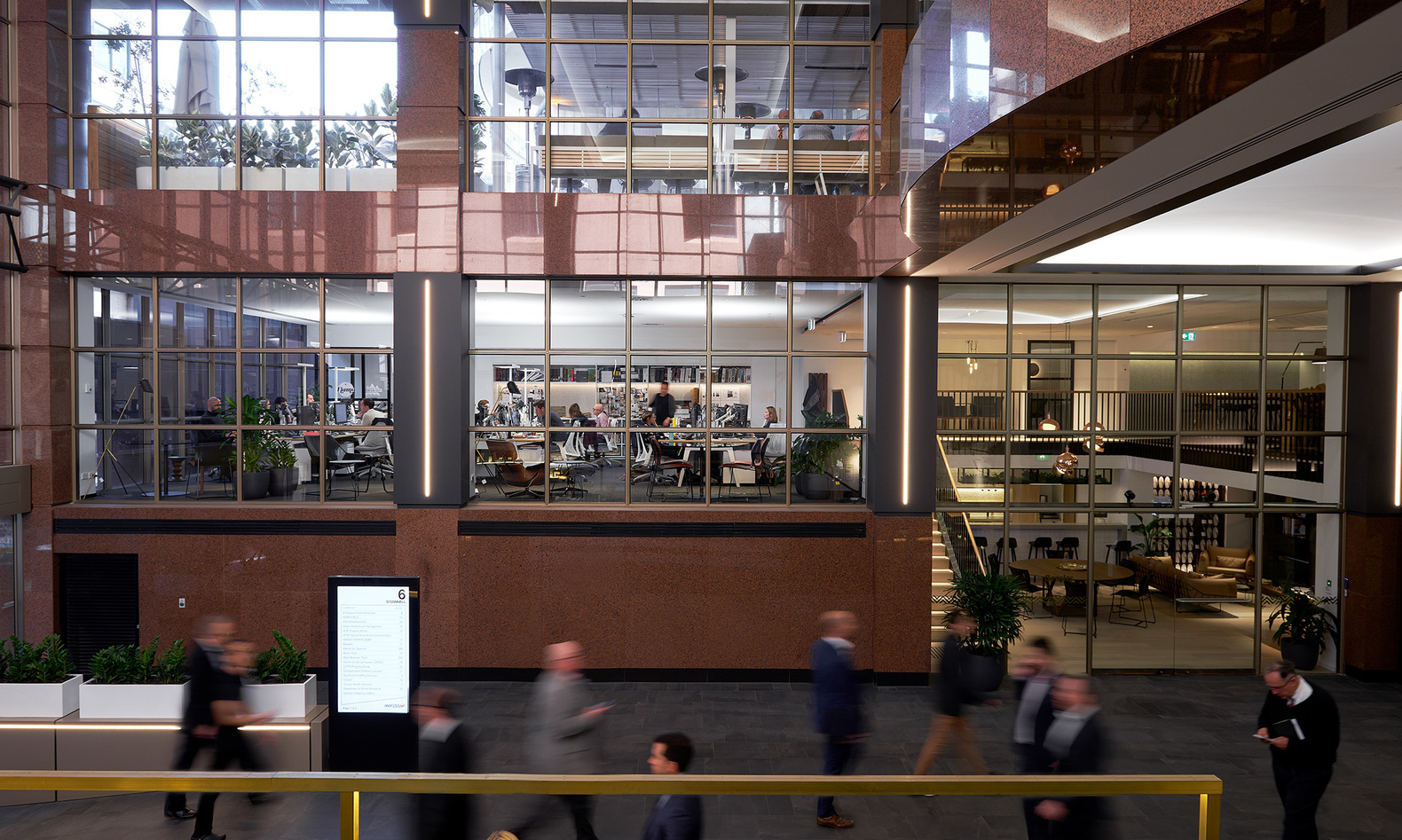
Tech firms are driving a surge in high‑quality office leasing while simultaneously cutting large numbers of jobs, creating a paradox of increased demand for premium space amid widespread layoffs. AI adoption is reshaping office use, concentrating growth in markets like San Francisco, Silicon Valley, and Manhattan, while many regions face persistent vacancy. Companies are signing leases ahead of need to secure top locations, but the overall office surplus may lead to conversions or demolitions. The tension between AI‑driven efficiency gains and the cost of computing power fuels ongoing workforce reductions and strategic real‑estate decisions.
|
|  www.bisnow.com www.bisnow.com
|
|
|
|
The design industry faces heightened uncertainty as President Trump proposes new import tariffs—12.5% on goods from China, Brazil, South Korea, the UK and others, and 10% on the EU, Canada, and Mexico—while global shipping costs rise 23% and logistics challenges persist. Simultaneously, major players are restructuring: Pace Gallery plans a 30% reduction in its artist roster and 50 layoffs, CB2 launches a 65‑piece home collection with Todd Snyder, and several companies announce acquisitions or closures, reflecting broader economic pressures across the home furnishings and design sectors.
|
|  www.interiordaily.com www.interiordaily.com
|
|
|
|
NII showcased several new collections at Salone del Mobile, emphasizing its “ingenious design” philosophy that blends functionality, comfort, and inspiring form to support modern, flexible workplaces. The brand highlighted innovative pieces such as the stackable HAKUSAN chair, the adaptable BIWA lounge task chair, and the versatile ALLROUND stool, each designed to foster creativity, collaboration, and dynamic interaction while offering high-quality craftsmanship and customizable options.
|
|  www.onofficemagazine.com www.onofficemagazine.com
|
|
|
|
Surplus office space often remains underused because organizations treat it as an afterthought rather than a revenue‑generating asset, leading to fragmented responsibility, poor operations, and missed income opportunities. Specialist workspace operators can unlock value by handling pricing, compliance, maintenance, and tenant experience professionally, ensuring spaces meet modern expectations, regulatory standards like MEES, and deliver sustainable, low‑involvement returns for landlords.
|
|  allwork.space allwork.space
|
|
|
|
The 2026 FIFA World Cup will create a sharp contrast in coworking access, with urban stadiums in cities like Atlanta, Houston, Philadelphia, and Seattle offering dozens of nearby flexible workspaces, while suburban venues in Dallas, Miami, Los Angeles, Boston, New York/New Jersey, and San Francisco provide only a handful. This disparity forces remote workers and employers to plan ahead for productive travel, as many will need to rely on downtown coworking options and separate commuting to matches.
|
|  allwork.space allwork.space
|
|
|
|
AI is rapidly reshaping Australian workplaces, acting as a “digital coworker” that automates tasks and accelerates decision‑making, which pressures organisations to address time, trust, talent, and technology gaps. While AI boosts efficiency, it highlights existing challenges such as fragmented data, rigid policies, and the need to preserve human creativity and critical thinking. Successful companies will redesign physical spaces to support adaptable, hybrid work, fostering learning, collaboration, and reflection, ensuring AI enhances rather than replaces uniquely human capabilities.
|
|  www.gensler.com www.gensler.com
|
|
|
|
Open offices, once promoted for collaboration, have become noisy environments that hinder focused work, leading employees to seek quiet spaces elsewhere. Studies show low satisfaction with open-plan layouts, significant productivity drops due to noise, and a strong demand for private, acoustic pods. Effective solutions include modular privacy pods that offer certified sound reduction, proper ventilation, quick lead times, and ADA accessibility, allowing flexible, quiet workspaces without costly construction.
|
|  allwork.space allwork.space
|
|
|
|
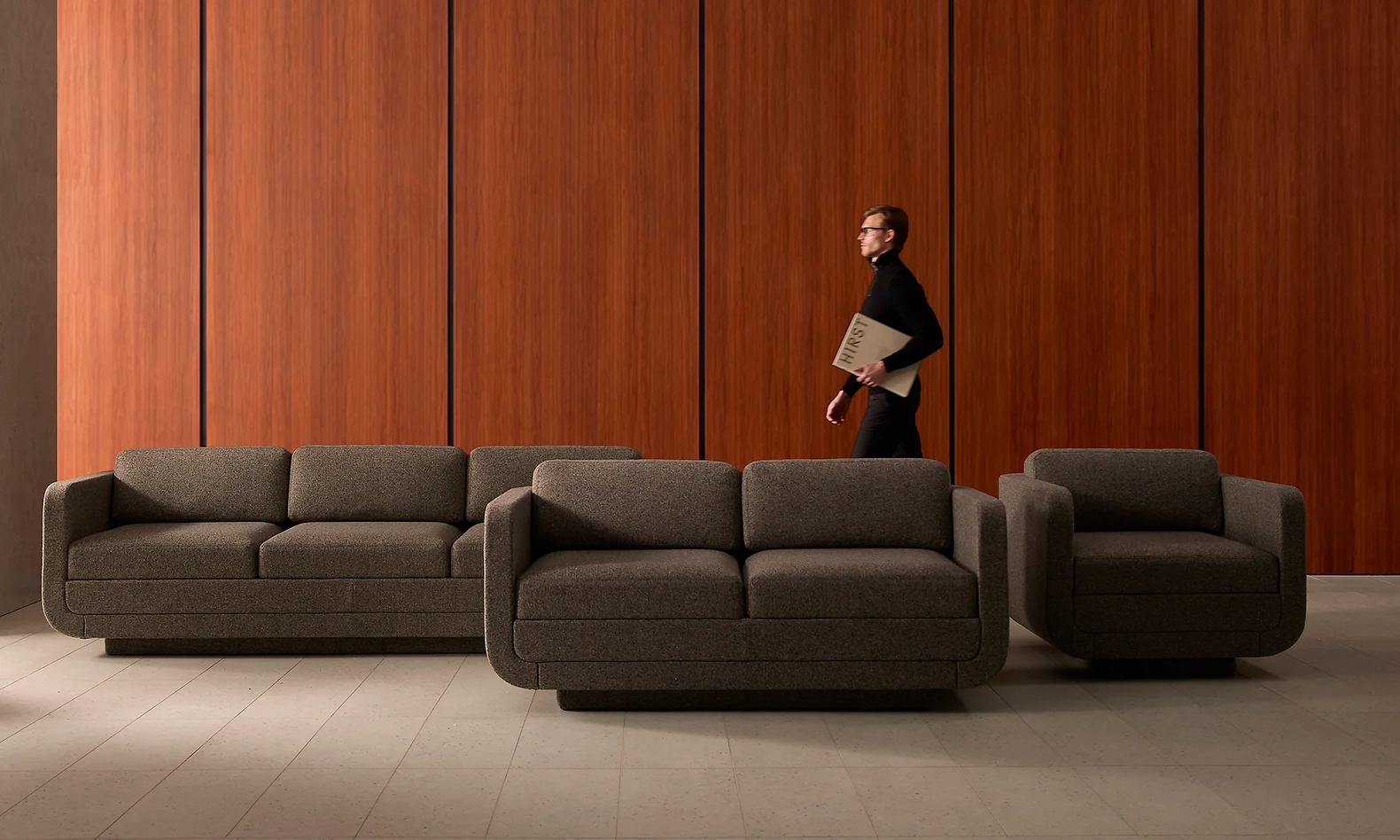
Skidmore, Owings & Merrill (SOM) is reviving rare, never‑commercialized mid‑century furniture from its archives by partnering with Teknion’s IkonStudio to produce limited‑edition pieces, including a late‑1950s IBM sofa and easy chair and a 1970s tubular chrome table‑chair set originally designed for Halston. The collaboration selects a handful of timeless designs, updates them with modern, non‑toxic materials and ergonomic improvements, and makes them available for mass production, showcasing SOM’s holistic design legacy while meeting contemporary user needs.
|
|  www.fastcompany.com www.fastcompany.com
|
|
|
|
Optimizing both work and home environments involves decluttering, establishing simple organization systems, and using appropriate tools to boost productivity and reduce stress. Consistent, small habits—like daily tidying, dedicated spaces for specific activities, and regular maintenance—create clearer thinking, smoother workflows, and a more restful living space. Continuous improvement through routine checks and adjustments ensures these spaces remain supportive of personal and professional goals.
|
|  workplaceinsight.net workplaceinsight.net
|
|
|
|
The shift toward a four‑day, 32‑hour workweek, driven by AI‑enabled productivity gains, is prompting a fundamental redesign of office spaces. Traditional fixed‑desk layouts are giving way to flexible zones that support high‑impact collaboration, deep focus, and restorative breaks. Incorporating dynamic booking systems, acoustically controlled environments, and varied lighting improves human performance and well‑being. Reduced occupancy also lowers energy use, linking shorter weeks to climate benefits. Leaders must balance increased work intensity with human energy limits, creating adaptable workplaces that align with evolving schedules and sustainability goals.
|
|  allwork.space allwork.space
|
|
|
|
Furniture is becoming a strategic priority in workplaces, shaping employee experience, culture, and flexibility. By offering varied settings—private focus areas, collaborative zones, lounges, and adaptable layouts—companies create environments that support different work modes and enhance engagement. Integrating hospitality‑style amenities and modular, reusable solutions helps attract talent, reinforce brand identity, and allow spaces to evolve with organizational changes, ultimately turning offices into destinations where people want to spend time.
|
|  allwork.space allwork.space
|
|
|
|
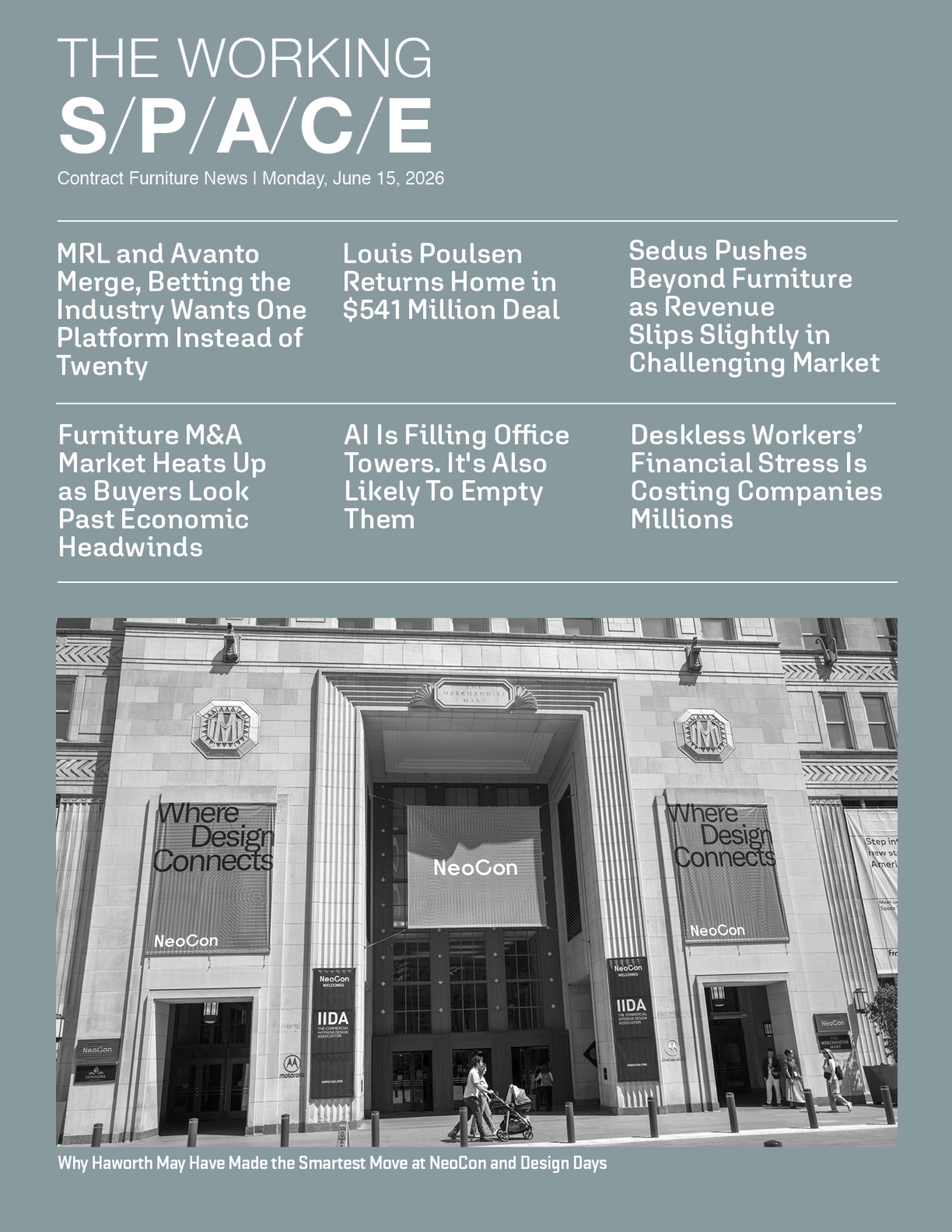
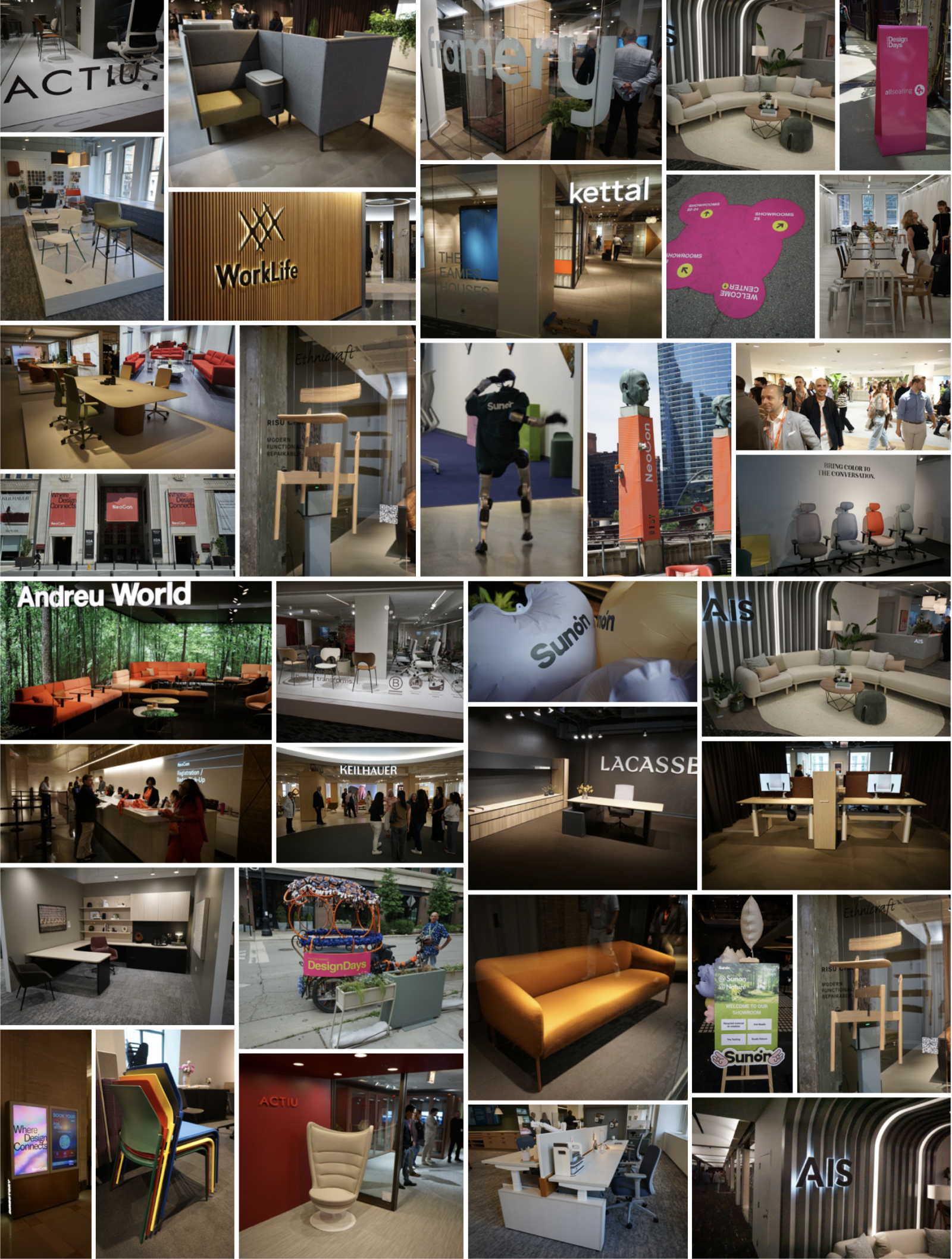
Why Haworth May Have Made the Smartest Move at NeoCon and Design Days
After spending a week going back and forth between The Mart and Fulton Market, I came home with an opinion I did not expect to have.
By Stephen Viscusi, Editor-at-Large
I arrived in Chicago on Saturday afternoon expecting to spend most of the week thinking about Design Days, Fulton Market, and the manufacturers that have steadily migrated west from The Mart. By the time I boarded my flight home to New York, however, I found myself thinking much more about Haworth and wondering whether it may have quietly placed itself in one of the strongest positions in the industry.
Like many people attending both NeoCon and Design Days, I spent the week moving back and forth between The Mart and Fulton Market. I rode the shuttle buses, called the Ubers, sat in traffic, got caught in the rain, searched for showroom entrances, looked for bathrooms, looked for coffee, and more than once found myself looking for a map that did not seem to exist. By Wednesday afternoon, I had developed a new appreciation for comfortable shoes and a growing suspicion that nobody had fully thought through what it means to ask thousands of people to attend two major events simultaneously while expecting them to move efficiently between the two.
Before anyone writes me an angry email, I realize NeoCon and Design Days are technically not two trade shows. One is a trade show and the other is a collection of permanent showrooms hosting events. I understand the distinction. Nevertheless, if you were a dealer, architect, designer, specifier, end user, recruiter, journalist, consultant, or anyone else attempting to visit both locations, they certainly felt like two separate trade shows. If you spent the entire week inside your own showroom, whether at The Mart or in Fulton Market, you probably had a very different experience than your customers. Most manufacturers stayed put while their customers were the ones navigating transportation, weather, schedules, traffic, and geography that came with attending both events.
As someone who spends the year speaking with manufacturers, dealers, architects, designers, recruiters, candidates, and CEOs through my work at The Viscusi Group, I tend to look at these events a little differently. I am not standing in one showroom waiting for visitors. I am constantly moving, which means I often experience the show exactly the way customers do. That perspective led me to a conclusion I certainly did not expect when the week began.
The more time I spent moving between The Mart and Fulton Market, the more I found myself wondering whether Haworth may have quietly become one of the biggest winners in Chicago.
I completely understand why MillerKnoll is in Fulton Market. I understand why Steelcase is there. I understand why Global is there. I understand why Teknion is there. I understand why HNI and its family of brands, including Allsteel and HON, are there. Those companies have spent decades building market-leading brands, dealer networks, customer relationships, and market influence. Their customers know where they are, their dealers know where they are, and their architects know where they are. Quite frankly, some of those companies could relocate halfway to Milwaukee and people would still find them because that is what happens when a company spends decades becoming a destination rather than trying to become one.
What surprised me was not seeing those companies in Fulton Market. What surprised me was how much I found myself thinking about the company that was not there.
While many of its largest competitors headed west, Haworth remained firmly planted in The Mart. Every time I returned from Fulton Market, I was reminded of something easy to overlook. The Mart is still convenient. The Mart is still efficient. The Mart is still where discovery happens. You can walk multiple floors, ride a few elevators, run into people you know, meet people you did not expect to see, and discover companies that were never on your schedule. That experience remains one of NeoCon's greatest strengths, and I am not sure it can ever be fully replicated in a neighborhood spread across multiple buildings.
Fulton Market rewards destination traffic. The Mart rewards discovery. Those are not the same thing.
As I walked through Fulton Market neighborhood, I occasionally found myself approaching a building because of the logo on the outside rather than the company inside. Some of the architecture was spectacular. Some of the signage was enormous. Some of the investments were clearly substantial. Yet more than once I found myself wondering whether certain manufacturers might actually benefit more from being discovered than from being searched for. There is no criticism intended in that observation because every company must make its own strategic decisions.
Nevertheless, one of NeoCon's greatest strengths has always been accidental introductions. A designer gets off an elevator and discovers a company. A dealer wanders into a showroom unexpectedly. An architect finds a product they did not know existed. Countless manufacturers built their businesses that way, and The Mart still creates those opportunities every day.
That thought kept bringing me back to Haworth. Whether intentional or not, Haworth now occupies a position many marketers would envy. Every attendee walking through The Mart sees Haworth. Every visitor encounters Haworth. Residential and contract. Every conversation about which major manufacturers remain committed to NeoCon eventually circles back to Haworth, while many of its largest competitors are competing with one another for attention across multiple buildings in Fulton Market.
If my theory is correct, Haworth may have quietly put itself in one of the strongest positions in the industry. The real question is whether The Mart is smart enough to keep it there, because if it is not, my entire theory goes out the window.
The irony is that I arrived in Chicago expecting to spend the week talking about the manufacturers that moved. I left Chicago wondering whether the bigger story might ultimately be the one big manufacturer that stayed and whether The Mart fully appreciates how important that has become.
|
| |
|
|
|
|
DARRAN wins NeoCon's Business Impact Award for the Limousine Collection and takes home an Innovation Award for Roam Agility Lounge
|
|
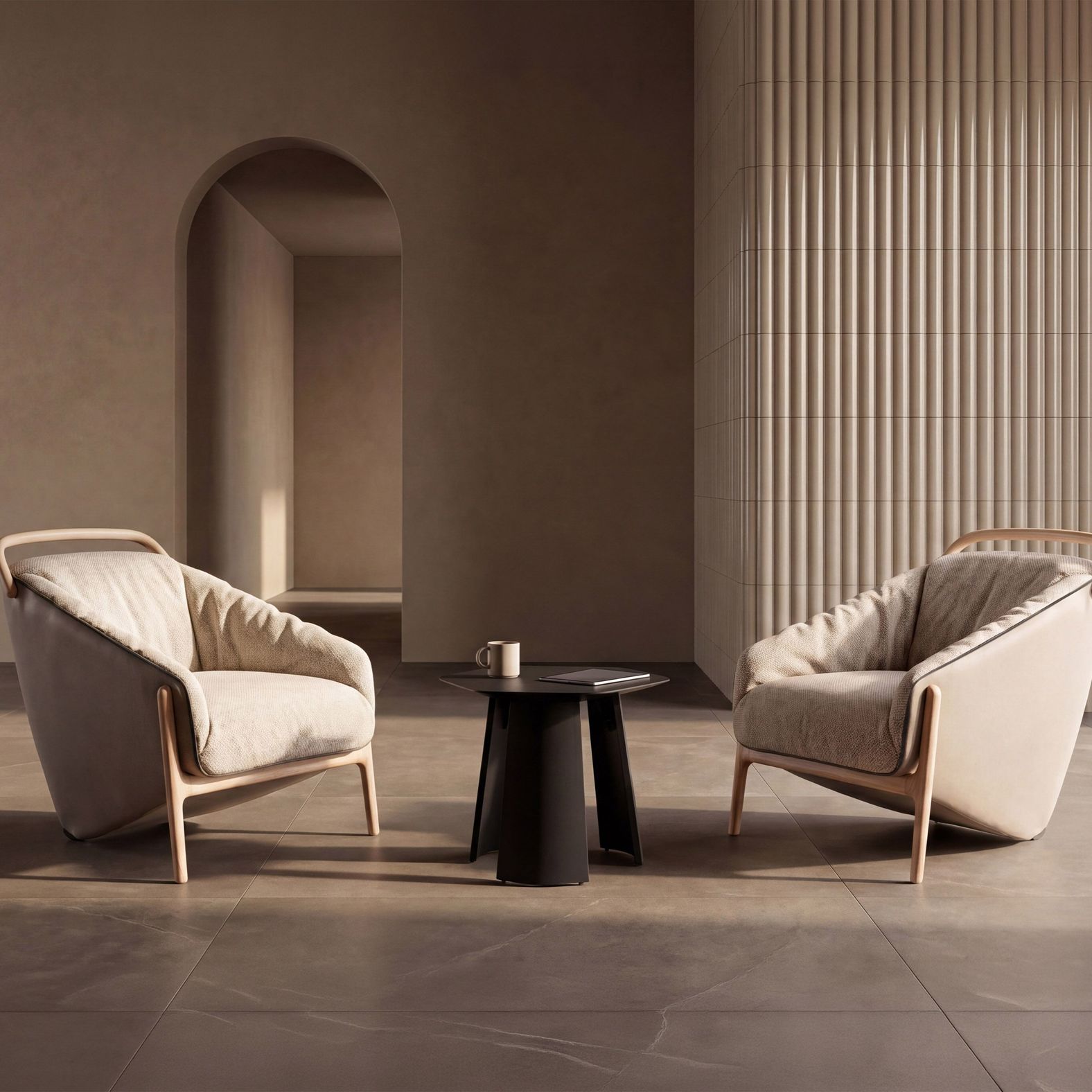
DARRAN Furniture earned two prestigious NeoCon awards in June 2026: the Business Impact Award for its Limousine lounge collection, which features a motorized lift providing on‑demand acoustic and visual privacy, and the Innovation Award for its Roam agility lounge chair (bottom photo), designed with discreet, adaptable mechanisms and residential‑style comfort to meet the evolving needs of modern workplaces. Both products showcase DARRAN’s commitment to sustainable, high‑quality craftsmanship, user‑centered design, and lasting value across corporate, hospitality, and educational environments.
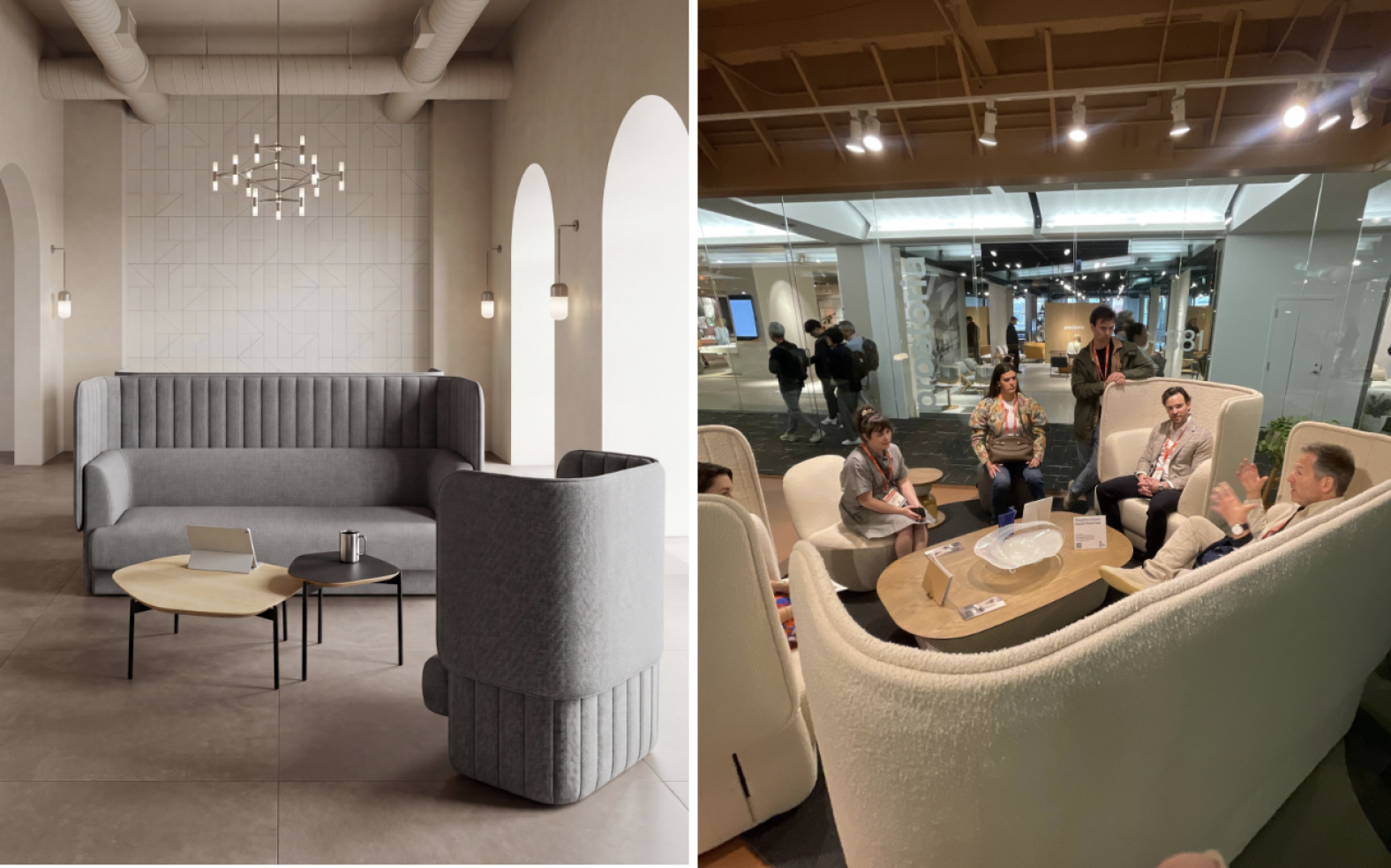
Designed by Brad Ascalon, Limousine appears at first glance to be a refined lounge seating collection with elegant proportions and distinctive vertical ribbing. Hidden beneath its tailored exterior, however, is an integrated motorized privacy screen that rises on demand, creating an acoustic and visual refuge for users who need a temporary escape from workplace distractions.
“I am so proud to announce that our new Limousine seating collection for DARRAN Furniture was awarded the NeoCon Business Impact Award for 2026,” said Ascalon. “I’m grateful to the amazing team at DARRAN for believing in a crazy idea and taking it through an incredible design and engineering journey.”
The collection was recognized for its ability to give users greater control over their work environment while maintaining an inviting, collaborative aesthetic. By combining sophisticated craftsmanship with adaptable privacy, Limousine is designed for corporate offices, hospitality settings, and educational environments where flexibility and user autonomy are increasingly valued.
|
| |
|
|
|
|
HBF TEXTILES Paint By Numbers Collection Sweeps Awards Season with Three Standout Prizes at NeoCon 2026
|
|
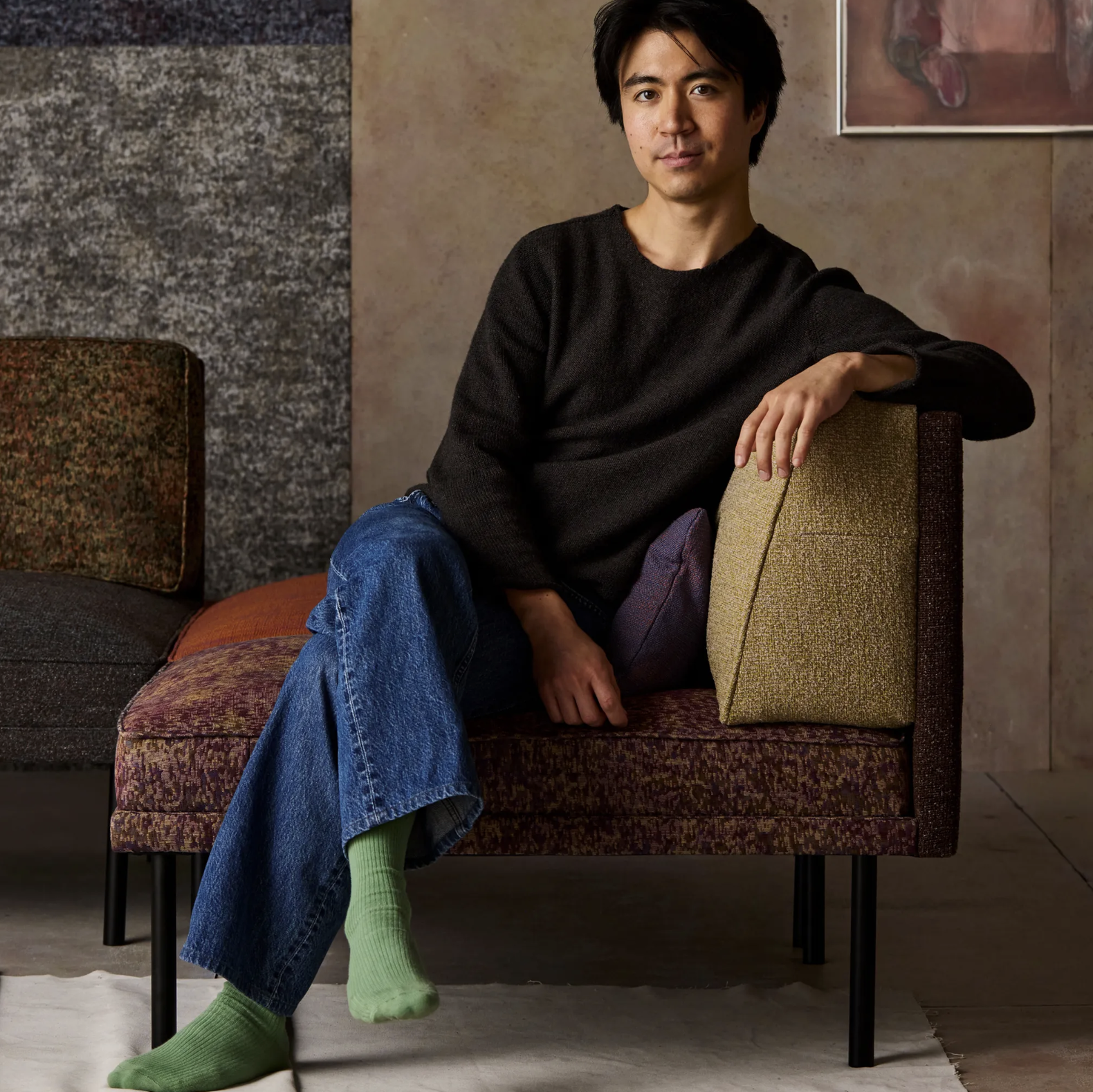
Liam Lee’s Paint By Numbers collection for HBF Textiles earned three major awards at NeoCon 2026, including the Best of NeoCon Silver Award in Upholstery, Interior Design Magazine’s HiP Award, and a MetropolisLikes Award. The collection features four patterns—Magic Eye, Pointillist, Gridwork, and Impasto—offering vibrant, art‑inspired colors and textures for upholstery and wrapped panels. It combines innovative materials, with Pointillist and Magic Eye being bleach‑cleanable and Gridwork and Magic Eye containing high percentages of post‑consumer recycled polyester. The entire line is Indoor Advantage™ Gold certified and free of PFAS, flame retardants, and antimicrobials.
|
| |
|
|
|
|
Designtex Celebrates Two Industry Awards at Design Days 2026
|
|
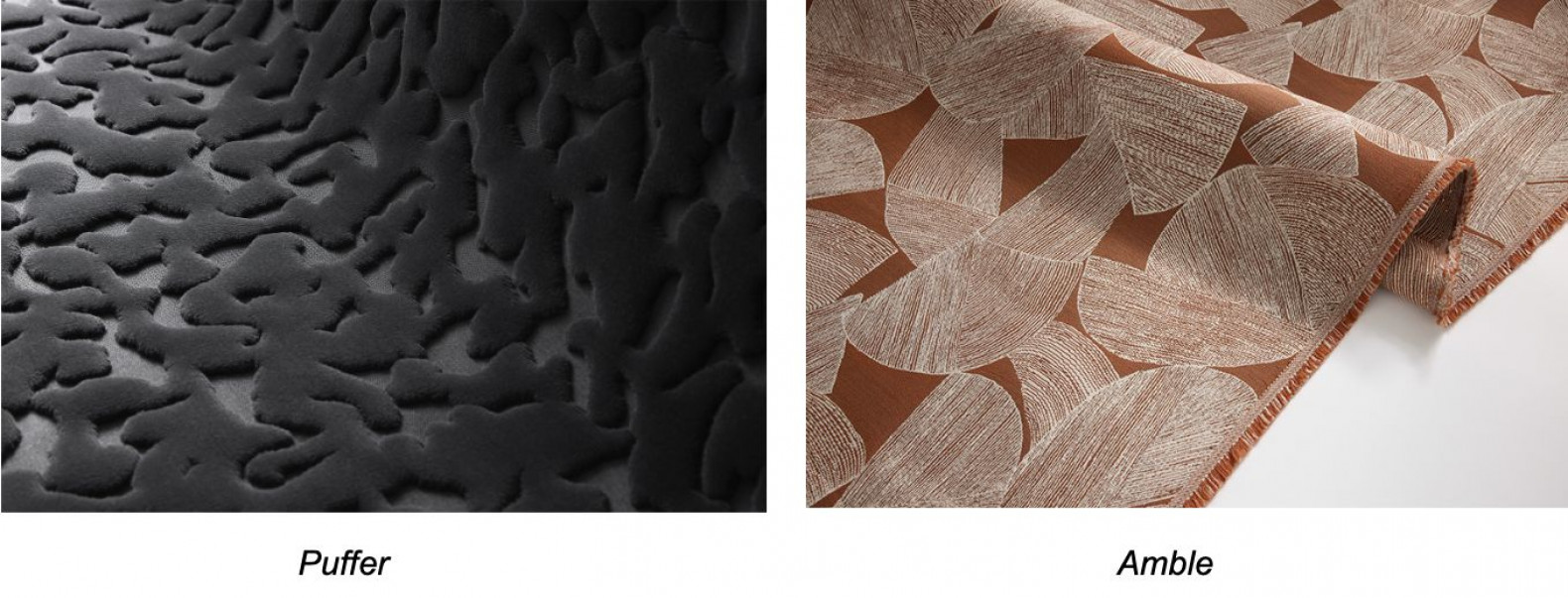
Designtex earned two awards at Design Days 2026: the METROPOLIS Likes Award for its Puffer textile, a tactile, recycled‑polyester velvet with a moss‑inspired pattern, and the HiP Award for its Amble textile, a soft, nature‑inspired geometric fabric suitable for indoor and outdoor use. Both products showcase the brand’s focus on material innovation, sustainability, and high‑performance design.
|
| |
|
|
|
|
Eureka Lighting Wins Best of the Best Red Dot Award for Segment
|
|
Eureka Lighting’s Segment luminaire family earned the prestigious Red Dot “Best of the Best” award for 2026, marking the company’s second top‑tier win after Tangram‑Trace in 2023 and bringing its total to 27 Red Dot Awards since 2015. The slim, linear pendant, available in multiple lengths, outputs, and 16 color options, is highlighted for its ultra‑sleek, minimalist design that enhances boardrooms, lobbies, and hospitality spaces, while other Eureka collections such as Tulip, Jarry, and Orelia also received Red Dot recognition this year.
|
| |
|
|
|
|
Luminis Wins Two Red Dot Awards
|
|
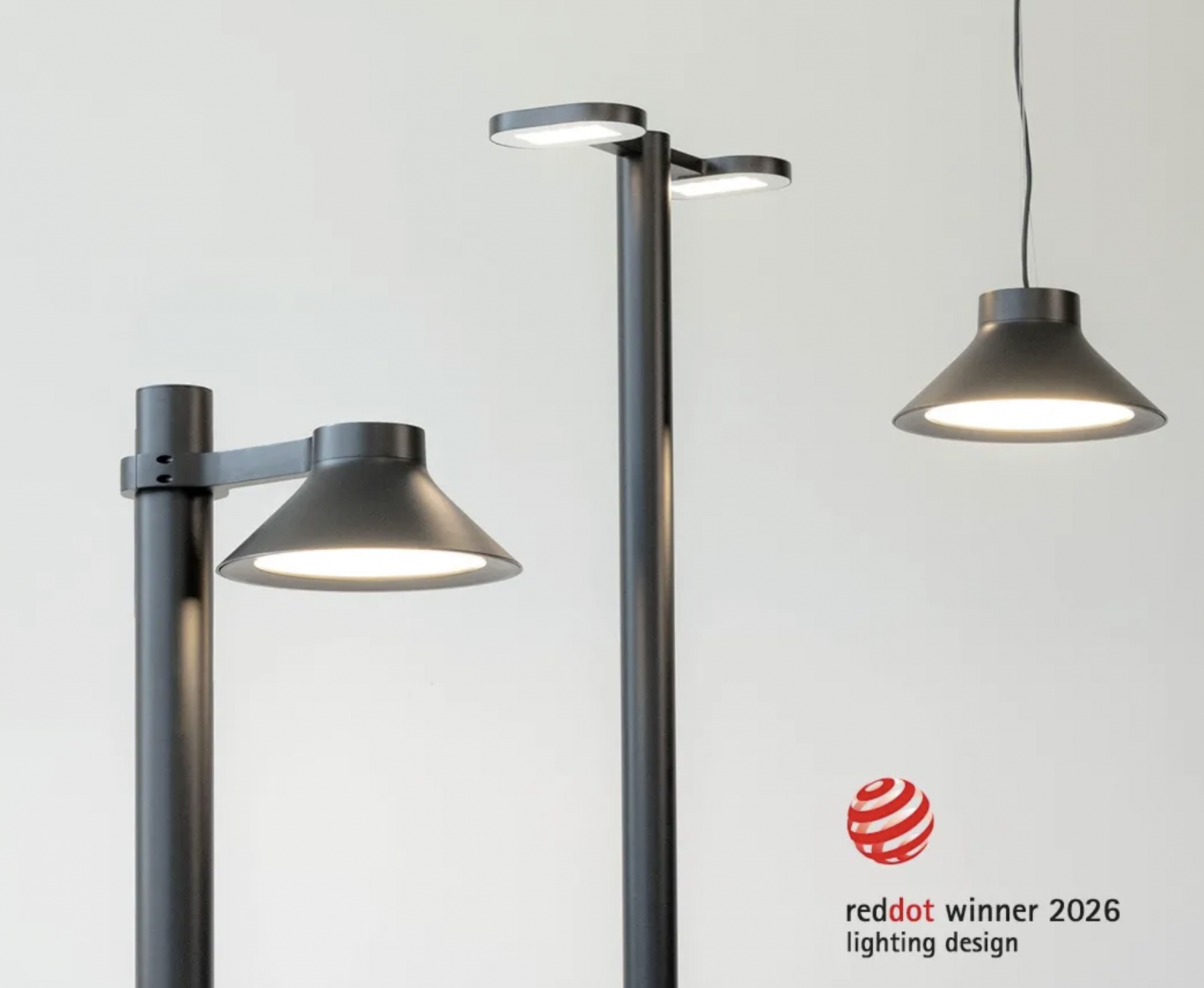
Luminis announced that its Ellington and Trilo lighting families have each earned a Red Dot Design Award for Product Design. Ellington combines retro and modern aesthetics with glare‑reducing optics and dark‑sky friendliness for indoor and outdoor use. Trilo offers a lightweight, pole‑mounted exterior luminaire featuring a recyclable aluminum pole that is 21 % lighter and smaller than standard models. Both products will be featured in the Red Dot Design Yearbook and highlighted at the award ceremony on July 7 in Essen, Germany.
|
| |
|
|
|
|
Closed-Loop Manufacturing Process Expands at Haworth
|
|
Haworth is extending its closed-loop manufacturing system to performance seating, adding the Soji chair and expanding recycled black‑plastic use across all ergonomic seating by the end of 2026. The initiative builds on a 2025 launch that recycled plastics in the Fern chair, partnering with Royal Technologies and PADNOS. This fully circular process turns manufacturing waste and reclaimed chair material into new products, cutting waste, raw material consumption, and energy use while supporting Haworth’s sustainable, people‑focused design ethos.
|
| |
|
|
|
Commercial property owners are increasingly constrained in their green initiatives by physical building limits, local regulations, tenant demands, and grid reliance on fossil fuels, despite earlier progress driven by energy‑efficiency measures and sustainability incentives. As regulations like New York’s Local Law 97 force emissions cuts, owners face trade‑offs such as sacrificing floor space for retrofits, limited renewable power availability, and shifting policy incentives, making further reductions difficult and threatening financial returns if sustainability goals are not met.
|
|  www.bisnow.com www.bisnow.com
|
|
|
|
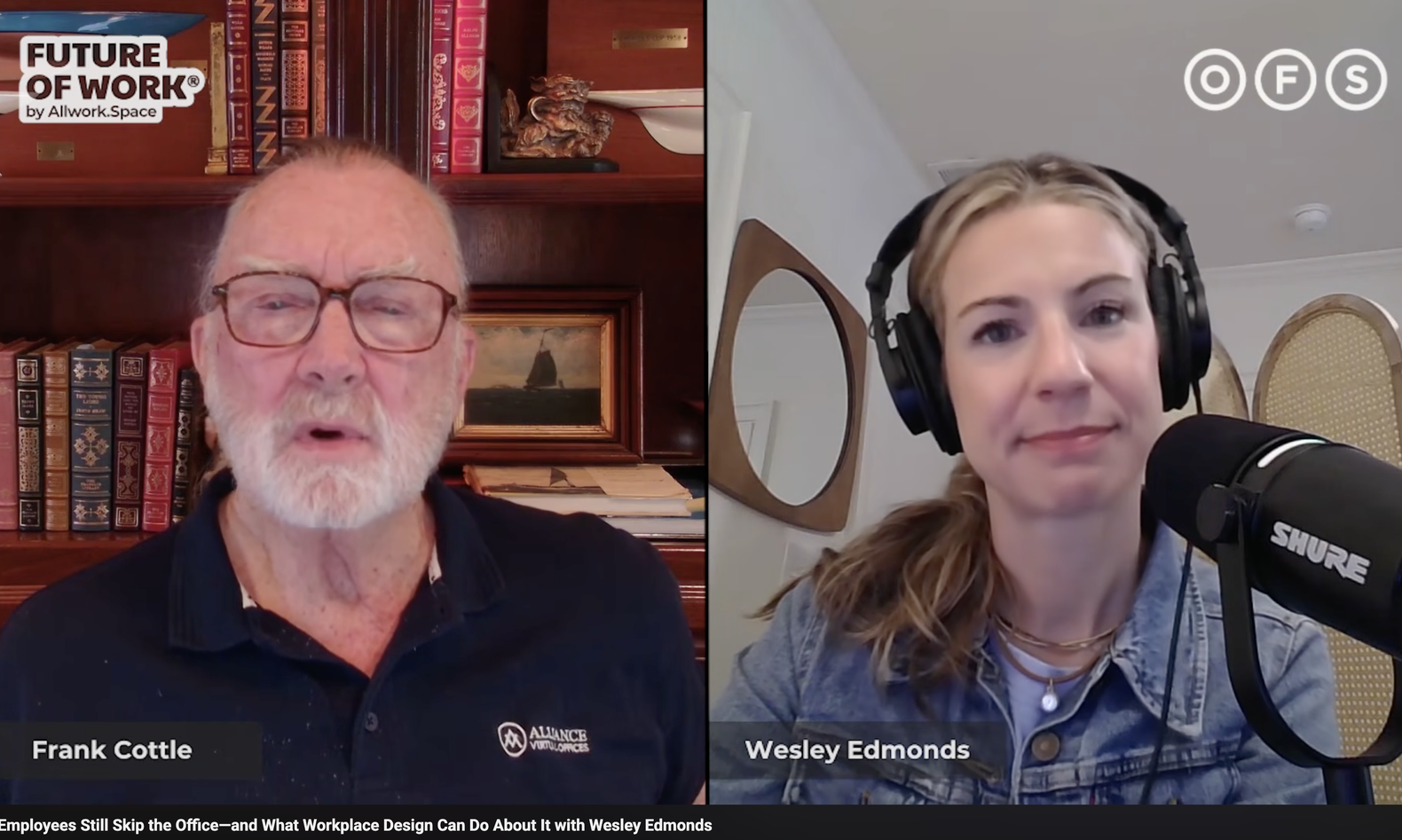
Hybrid work is no longer an experiment and has now become the standard operating model for much of the workforce. In this episode of The Future of Work® Podcast, Frank Cottle spoke with Wesley Edmonds, Director of Workplace at OFS, to explore how organizations can create workplaces that employees genuinely want to use.
|
|  www.youtube.com www.youtube.com
|
|
|
|
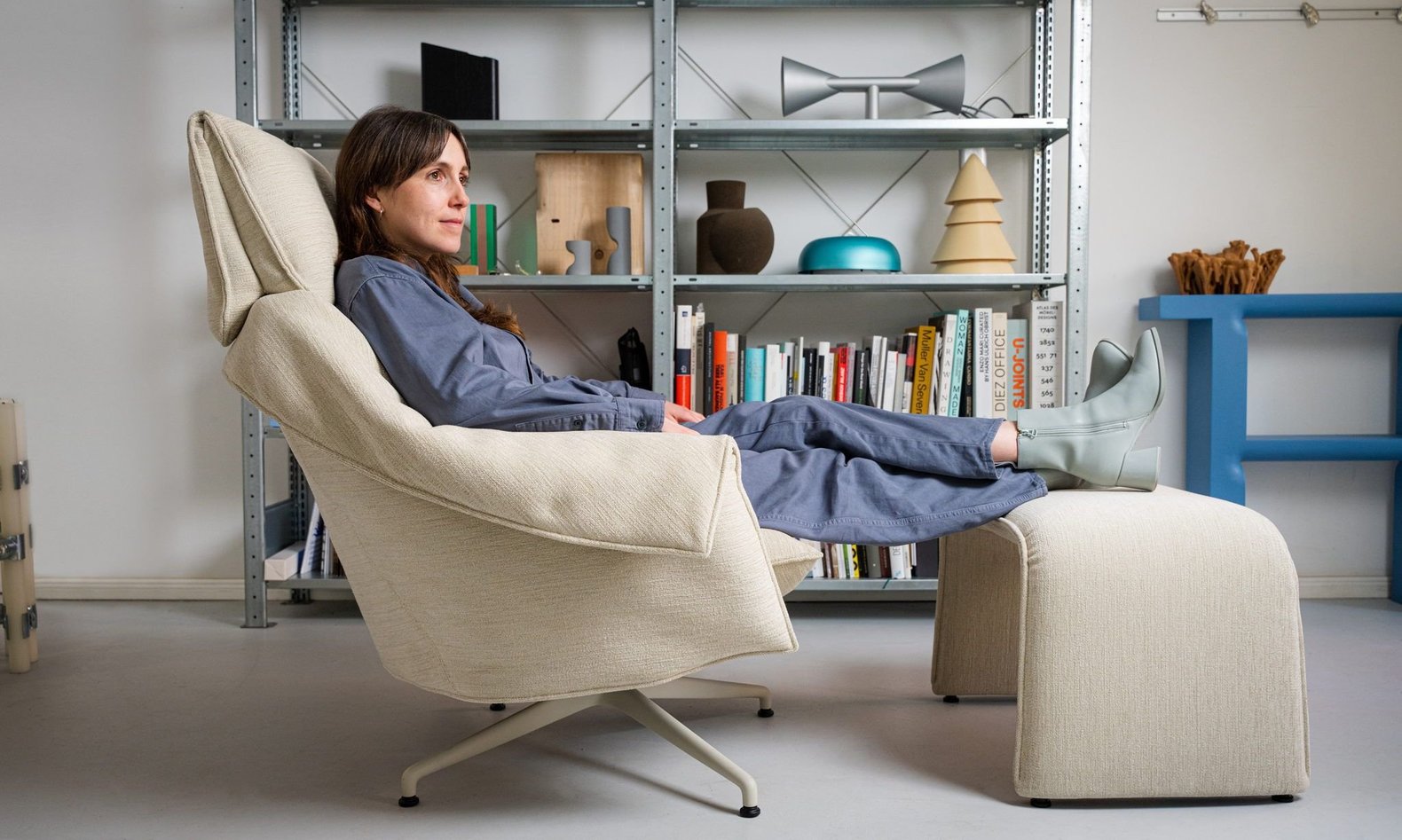
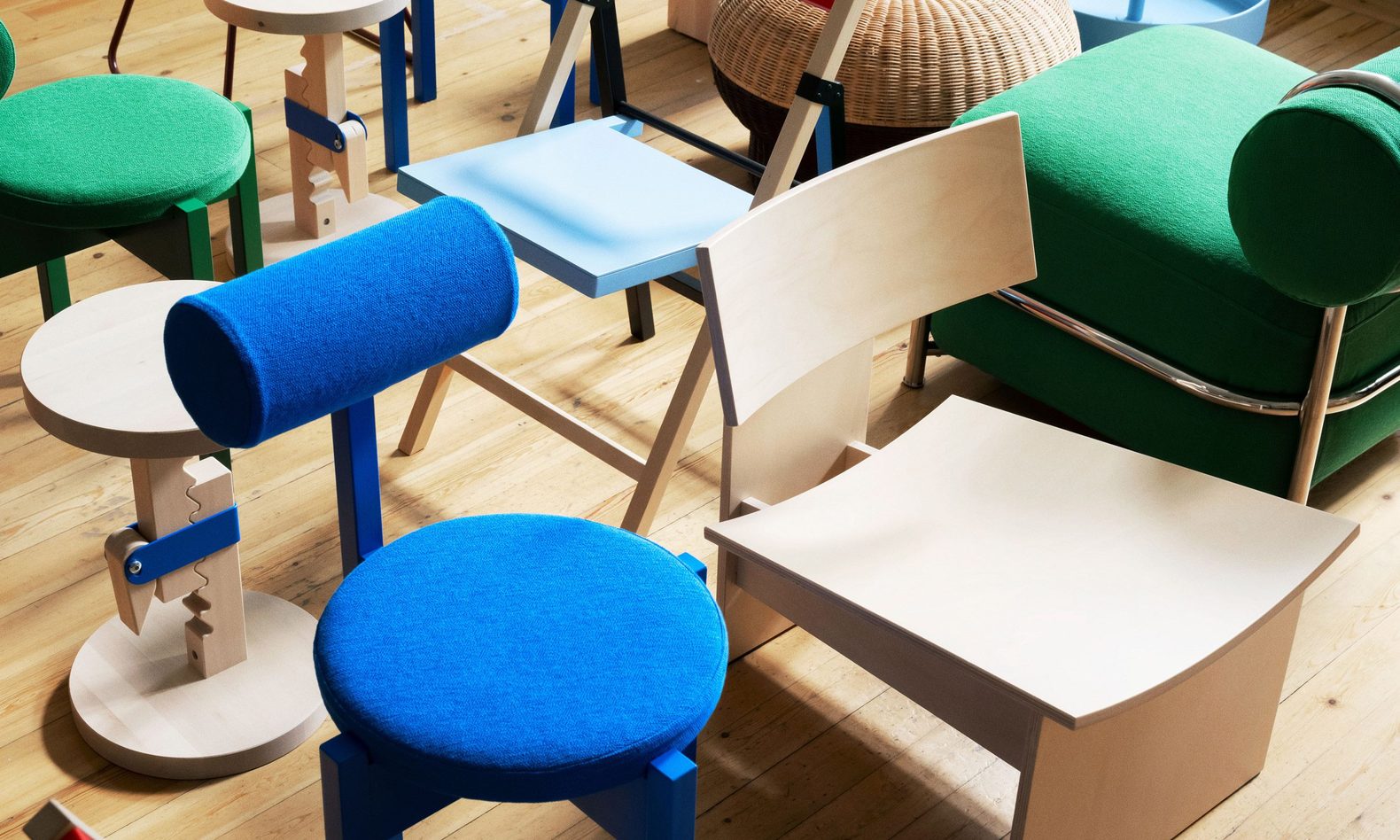
Bascule is a lounge chair co‑designed by Vitra and Studio Œ that features an innovative weight‑responsive mechanism, recyclable materials, removable fabric covers, and interchangeable bases, offering versatile comfort for both home and office settings.
|
|  www.officing.com www.officing.com
|
|
|
|
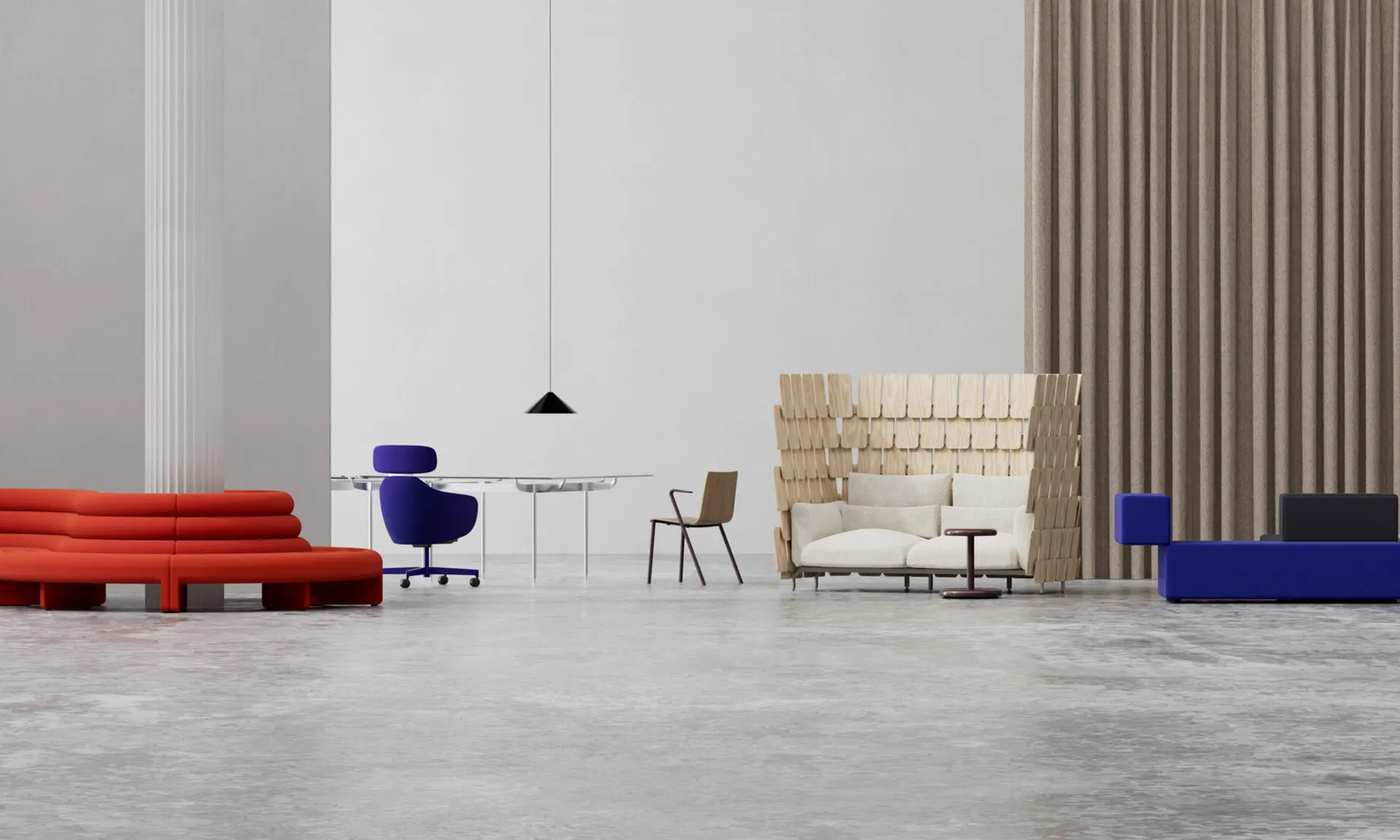
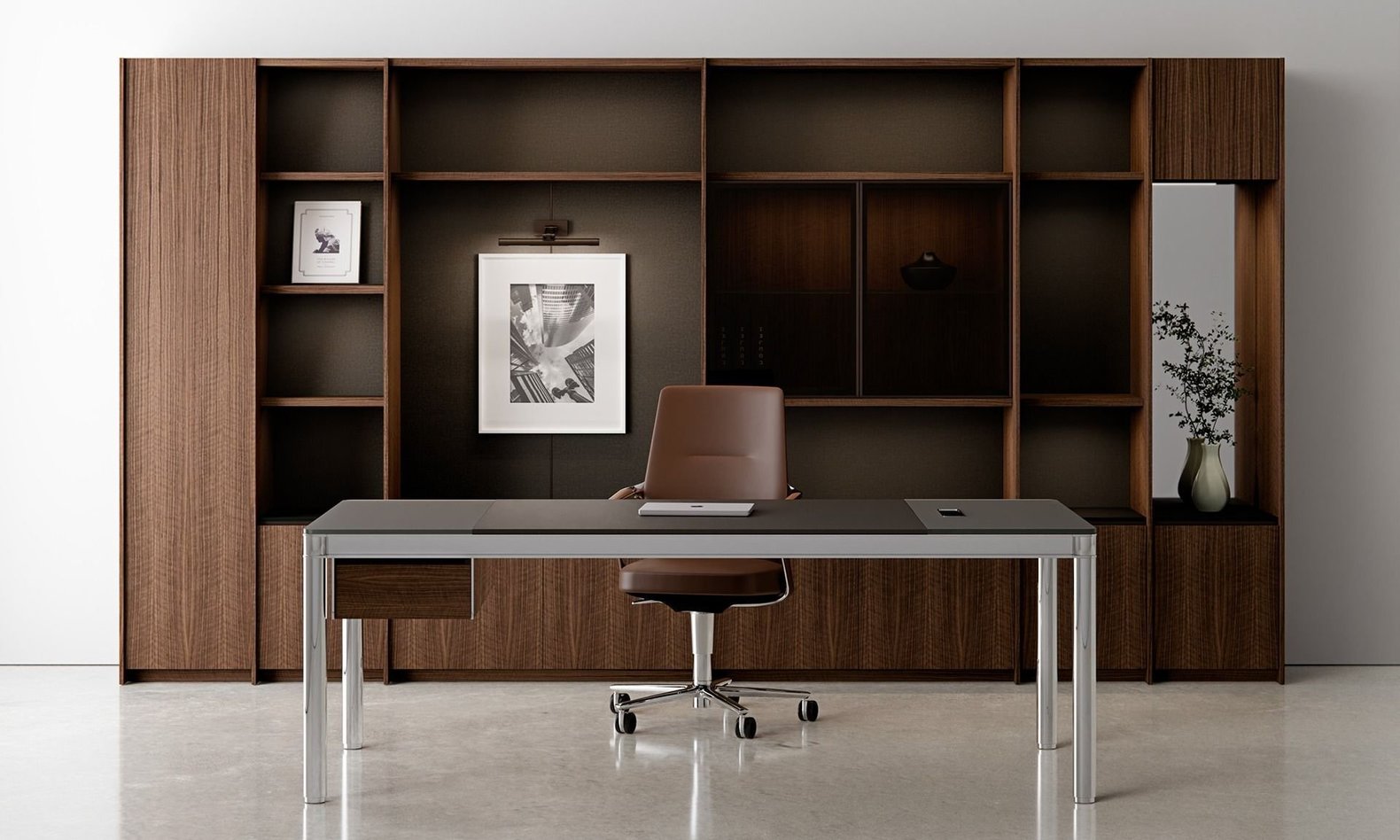
HALCON and Fogarty Finger have launched VESPER, a refined workplace furniture collection featuring height‑adjustable desks, modular storage, integrated lighting and premium materials such as stone, wood and metal. Designed for private offices yet adaptable to open‑plan and conference spaces, the line emphasizes architectural precision, minimalism and timeless craftsmanship, drawing inspiration from Scandinavian and Bauhaus ideals. The collection becomes available for order now.
|
|  www.officing.com www.officing.com
|
|
|
|
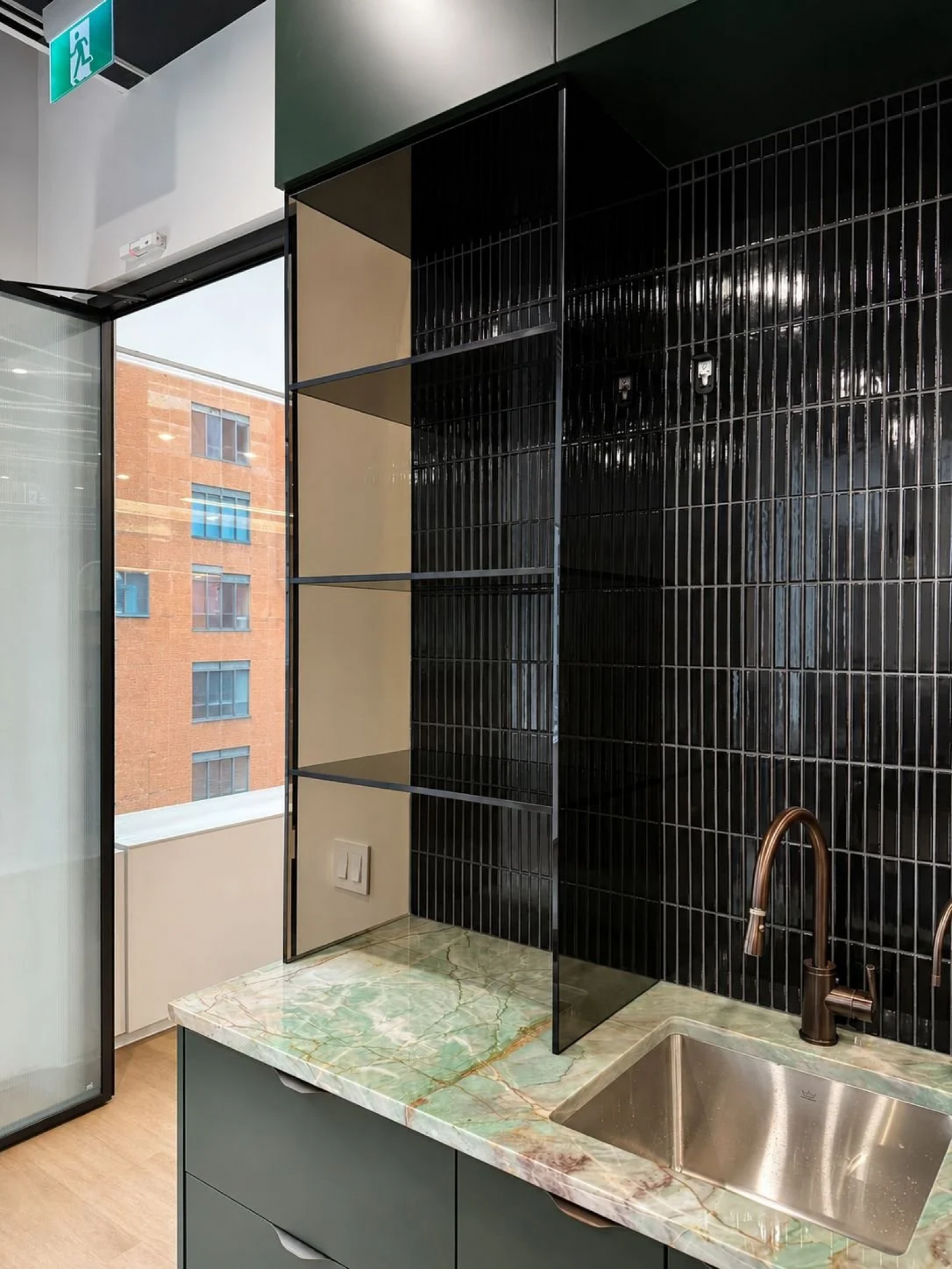
Custom glass display systems designed for modern workplaces and hospitality spaces, featuring precision UV‑bonded construction, fully bespoke dimensions, integrated LED lighting, adjustable shelving, low‑iron glass, and lockable options, all fabricated in North America and shipped across the U.S. and Canada for seamless integration with millwork and interior architecture.
|
|  www.officing.com www.officing.com
|
|
|
|
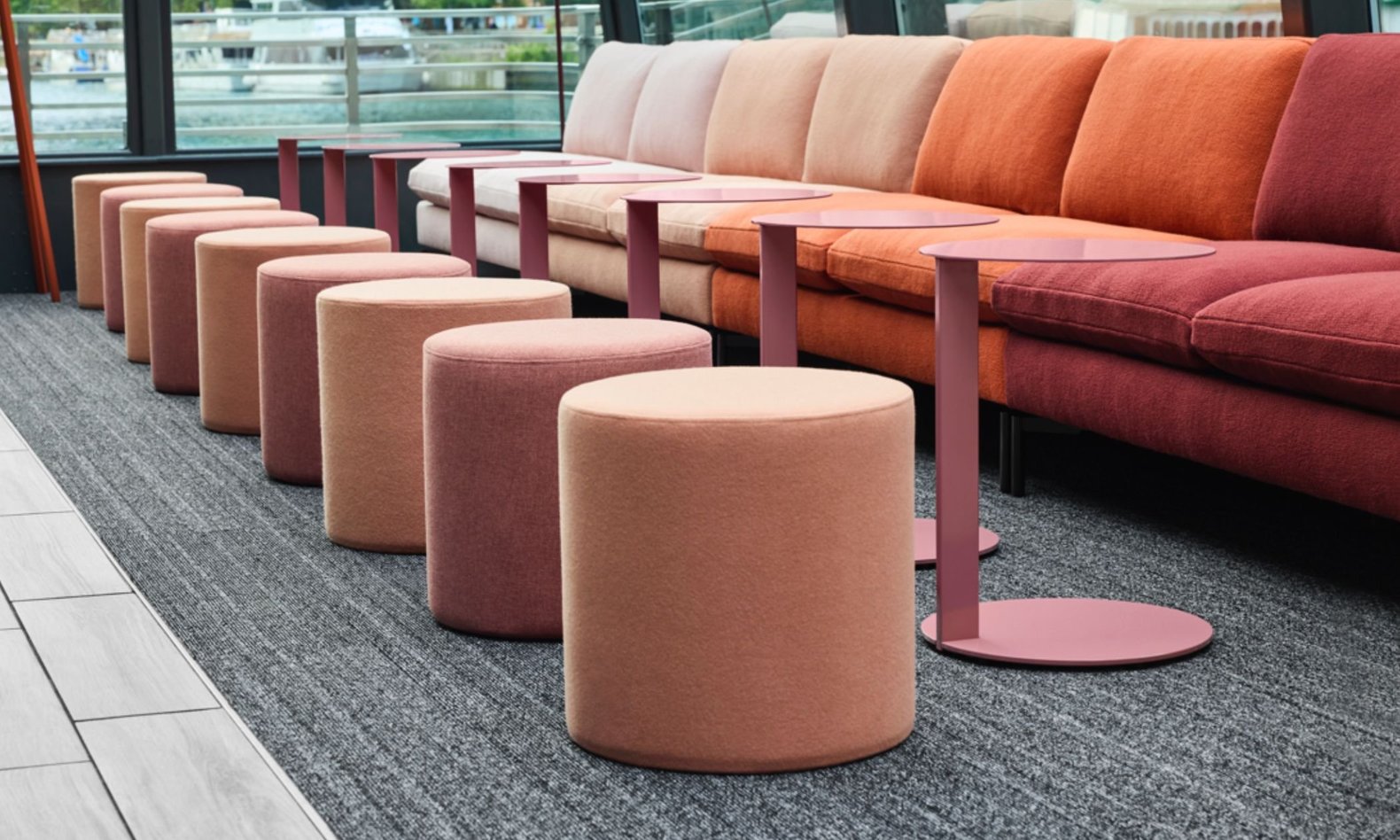
Blu Dot launches Graded‑In, a contract‑focused upholstery program offering pre‑approved Maharam and Kvadrat textiles, simplified pricing, predictable lead times, and extensive color and material options to streamline specification for architects, designers, dealers, and procurement teams.
|
|  www.officing.com www.officing.com
|
|
|
|
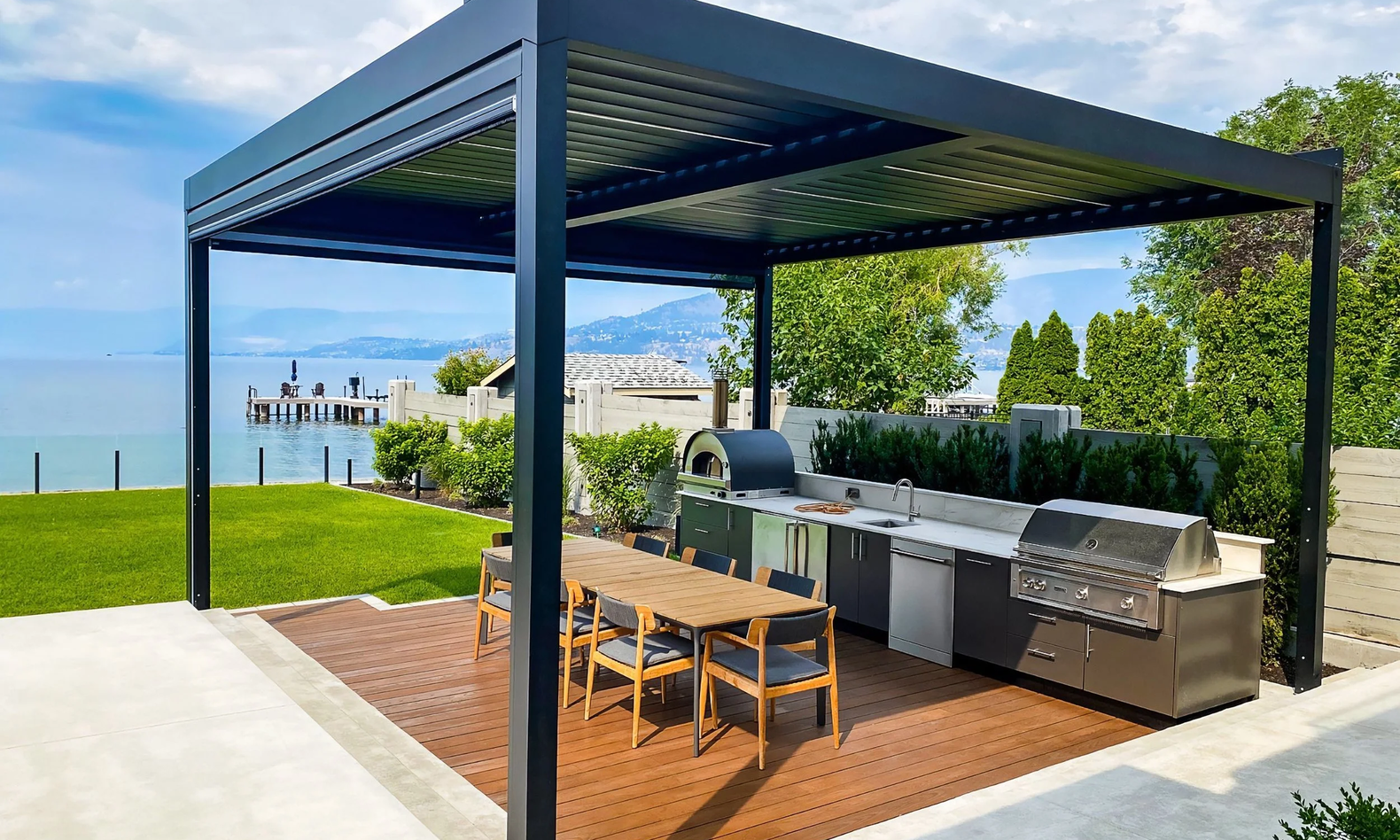
Corradi’s Alba pergola is a motor‑driven, bioclimatic aluminum system that offers customizable shade, ventilation, and waterproofing for residential and commercial outdoor spaces; it features rotating blades up to 150°, wind resistance up to 75 mph, integrated drainage, optional solar screens and lighting, and can be installed freestanding, wall‑mounted, or as a pillar‑free Liberty version, with a range of colors and sizes to suit various designs.
|
|  www.officing.com www.officing.com
|
|
|
|
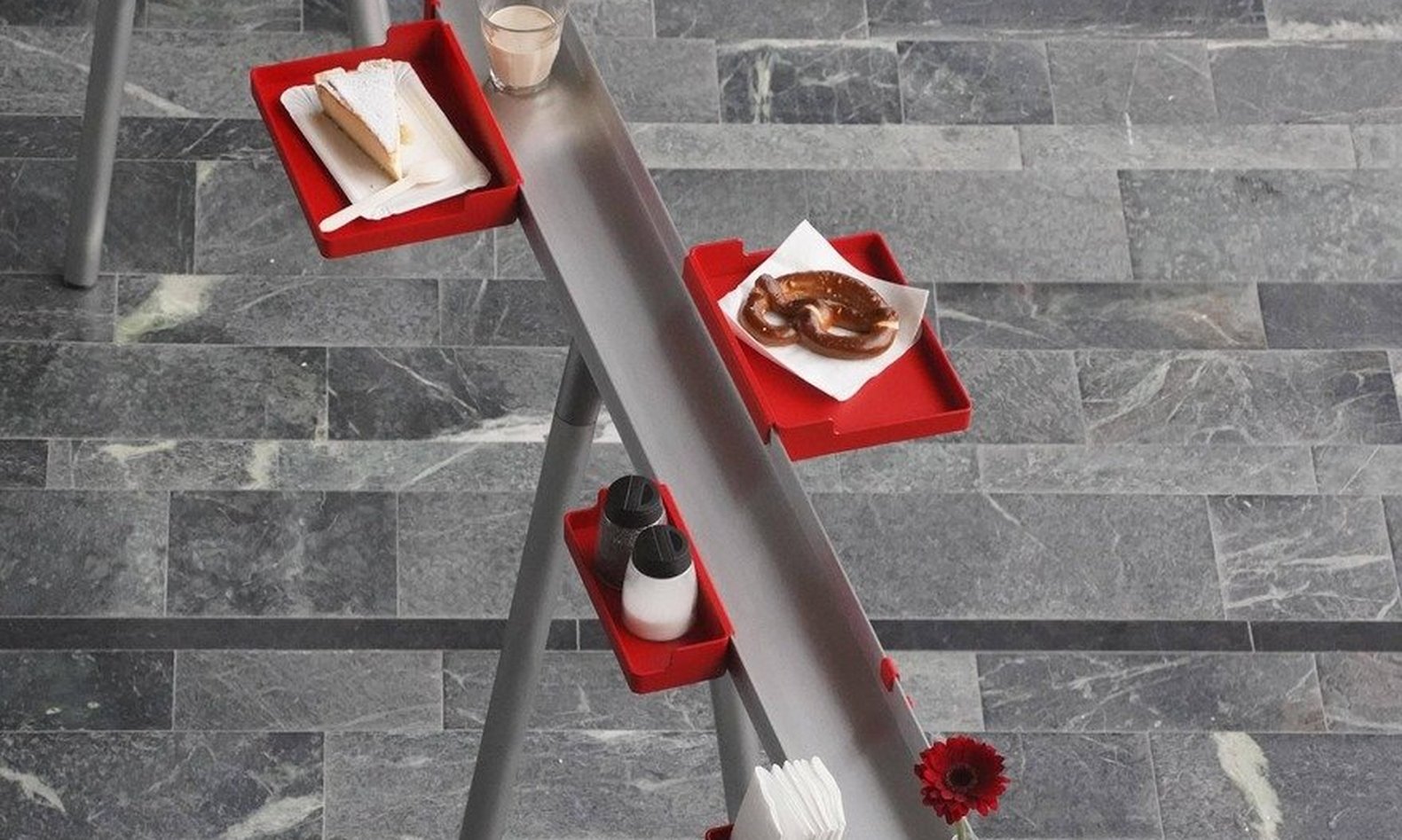
Fengfan Yang reimagines the table with “Hang On,” a modular system that simplifies table architecture, offers customizable add‑ons, and enables quick assembly, disassembly, space‑saving, and sustainable public‑furniture solutions for venues such as restaurants, festivals, airports, and more.
|
|  www.core77.com www.core77.com
|
|
|
|
A Corkboard for Your Monitor introduces “Contour,” a slim cork accessory designed by Budapest-based industrial designer Adam Miklosi to attach behind an iMac screen, providing a subtle visual and acoustic buffer that helps users stay focused without isolating them. Produced through the B2B manufacturer Corkway, the product aims to replace traditional sticky notes by offering a more stable, distraction‑reducing surface while maintaining a clean, minimalist aesthetic.
|
|  www.core77.com www.core77.com
|
|
|
|
The Magnetically-Mated Concert Chair, designed by Canadian industrial designer Jamie Wolfond, features side magnets that create a visual circle when chairs are placed together, turning individual pieces into a unified object. Launched at Copenhagen’s 3 Days of Design, the chair’s innovative half‑round profile and a yet‑explained system for uneven floors aim to offer both aesthetic appeal and functional versatility for gatherings and performances.
|
|  www.core77.com www.core77.com
|
|
|
|
IKEA’s new PS collection demonstrates that affordable design can still be innovative, playful, and high‑quality, challenging the broader design world to prioritize democratic design principles. By leveraging its massive scale, flat‑pack efficiency, and data‑driven insights, IKEA offers a range of functional, aesthetically adventurous products— from hidden‑storage coffee tables to multifunctional lamps— at prices that remain accessible even during a cost‑of‑living crisis, proving that affordability need not compromise joy, sustainability, or emotional value.
|
|  www.dezeen.com www.dezeen.com
|
|
|
|
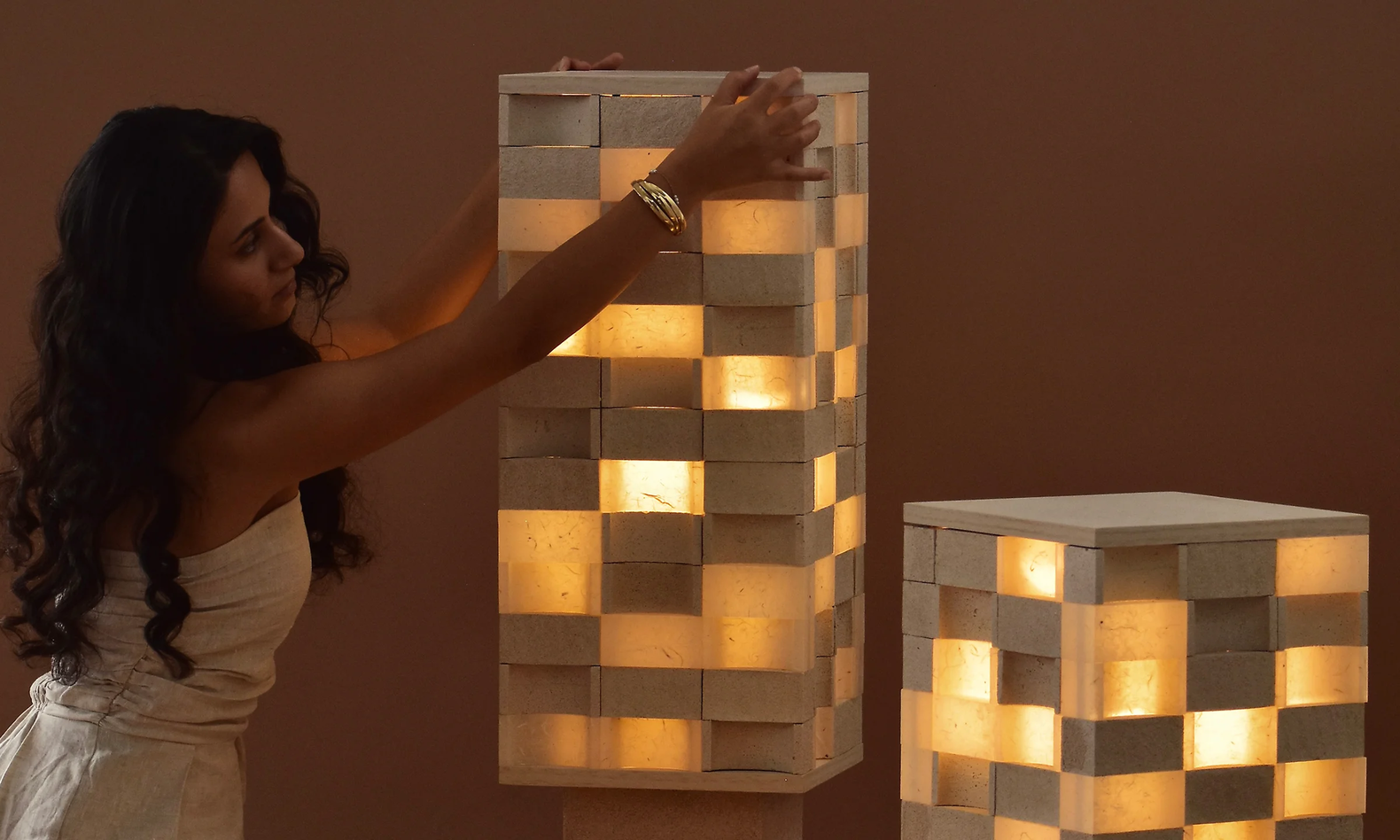
The lamp, designed by Australian designer Joanne Odisho, is built from a sustainable eggshell composite created by crushing and processing discarded eggshells into a fine powder mixed with a biopolymer, resulting in a neutral‑colored, aerated‑ceramic‑like material. This innovative, modular lamp combines the eggshell shade with Unryu mulberry paper diffusers and plywood components, offering three sizes and exemplifying circular design by turning food waste into functional, stylish lighting.
|
|  www.fastcompany.com www.fastcompany.com
|
|
|
|
NeoCon 2027 / DesignDays 2027
June 14-16, 2027 (NeoCon Preview Day June 13, 2027) | Chicago, IL
NeoCon has served as the world’s leading platform and most important event of the year for the commercial design industry since 1969. A launch pad for innovation—NeoCon offers ideas and introductions that shape the built environment today and into the future. For 2027 NeoCon is holding a special preview day on Sunday, June 13th, from 12-4 PM. All NeoCon attendees and exhibitors are invited to visit on Sunday.
|
|
|
|
|
|
|
Trends in Commercial Projects
|
|
|
|
|
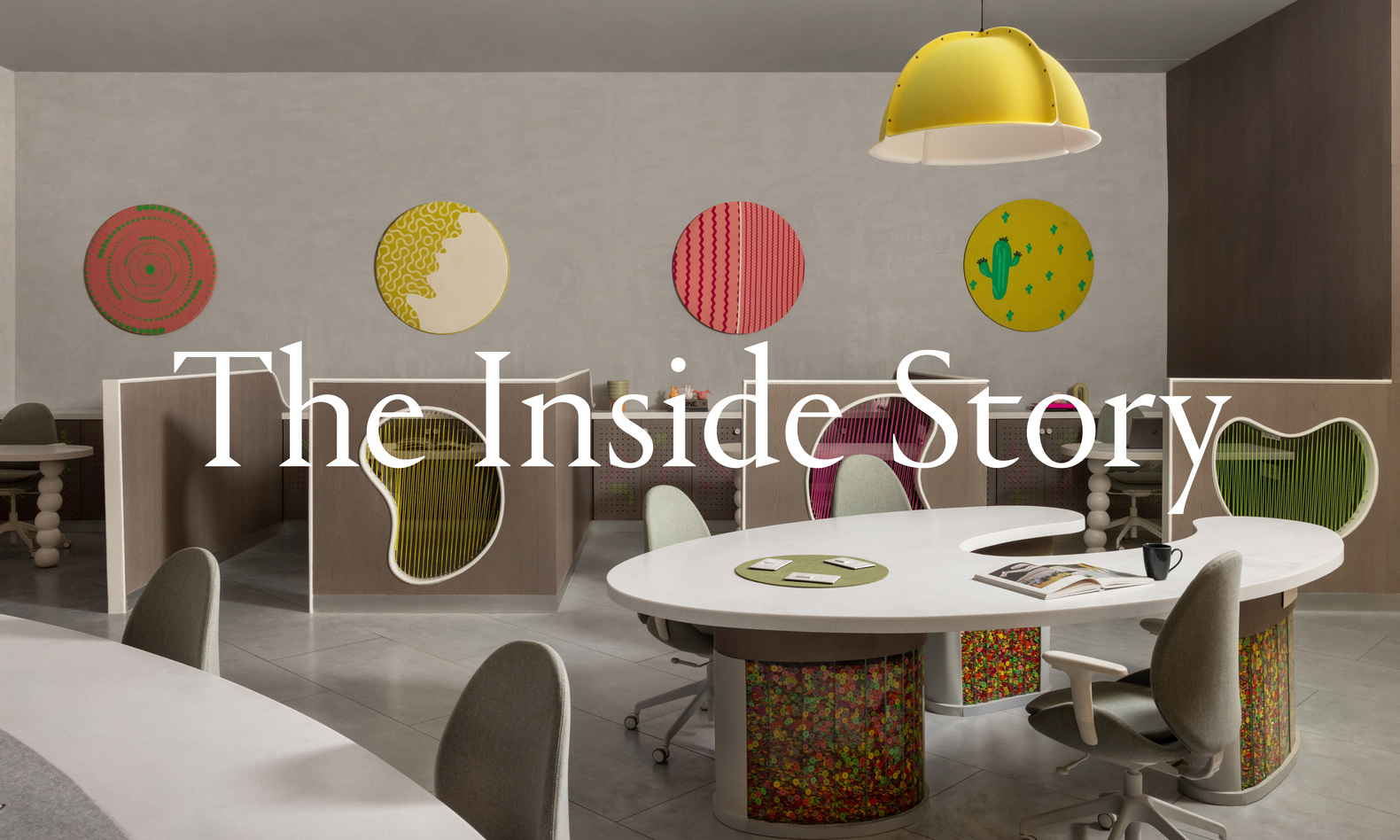
A vibrant Kolkata office for children's clothing brand Doreme transforms a 3,600 sq ft former warehouse into a giant sewing kit, featuring oversized buttons, neon laces, cross‑stitch patterns, and a lime‑green canopy ceiling. Designer Pooja Bihani uses curved workstations, oval meeting areas, and fabric‑filled partitions to create a whimsical yet sophisticated space that blends playful colors with neutral tones, fostering creativity and wellbeing.
|
|  www.wallpaper.com www.wallpaper.com
|
|
|
|
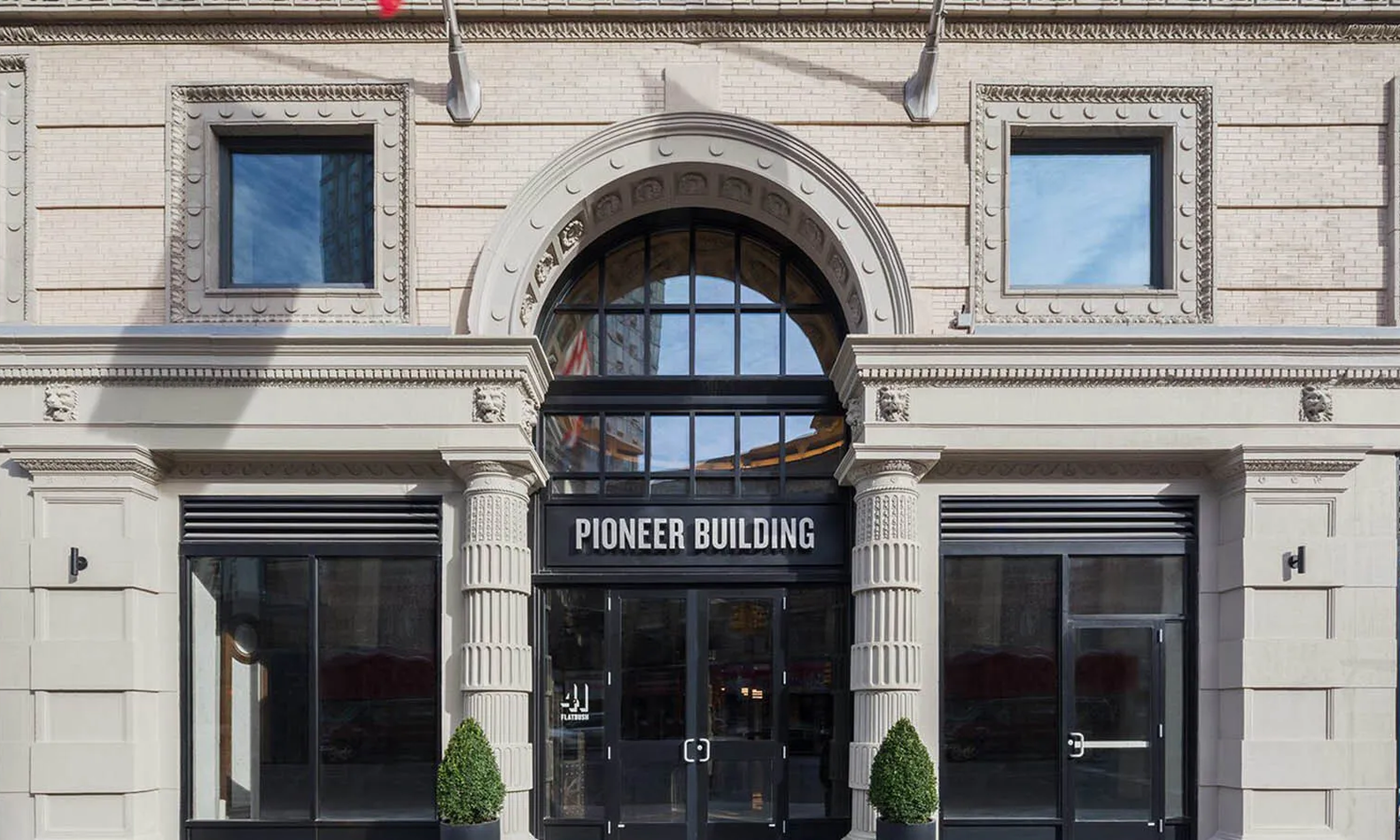
Jay Suites is launching its first Brooklyn location, a 30,000‑square‑foot flexible workspace on the historic Pioneer Building at 41 Flatbush Avenue. The space offers 65 customizable private offices, four meeting rooms, sound‑proof phone booths, a reimagined kitchen/lounge, co‑working areas, a new reception, and an upcoming rooftop deck with skyline views. Situated near Barclays Center and major subway lines, the venue provides easy access to transportation, dining, and cultural amenities. The development aims to bring Jay Suites’ hospitality‑focused office experience to Brooklyn, reflecting the borough’s creative energy while offering premium, full‑service amenities for businesses seeking a local, high‑design workspace.
|
|  allwork.space allwork.space
|
|
|
|
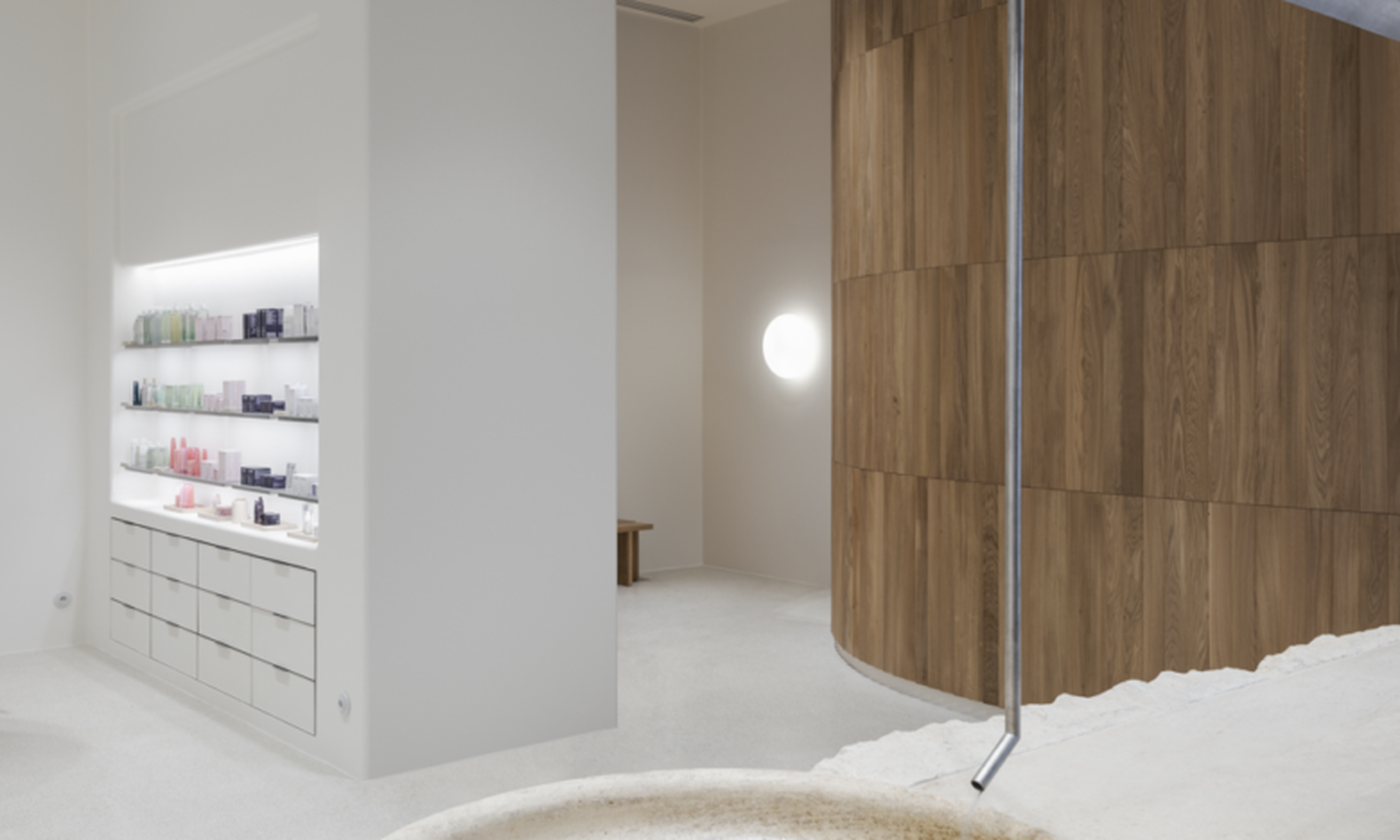
Caudalie’s new Paris headquarters in the Marais blends two historic mansions and a 19th‑century industrial building into a 5,000 m² workplace that emphasizes natural materials, light, and wellbeing. Designed by ciguë with Mars Architectes, the space features oak, Frontenac stone, and stainless‑steel interiors, open‑plan offices, a spa with seven treatment rooms, the brand’s first yoga studio, and a 630 m² event area, fostering collaboration, flexible work, and public engagement.
|
|  www.mixinteriors.com www.mixinteriors.com
|
|
|
|
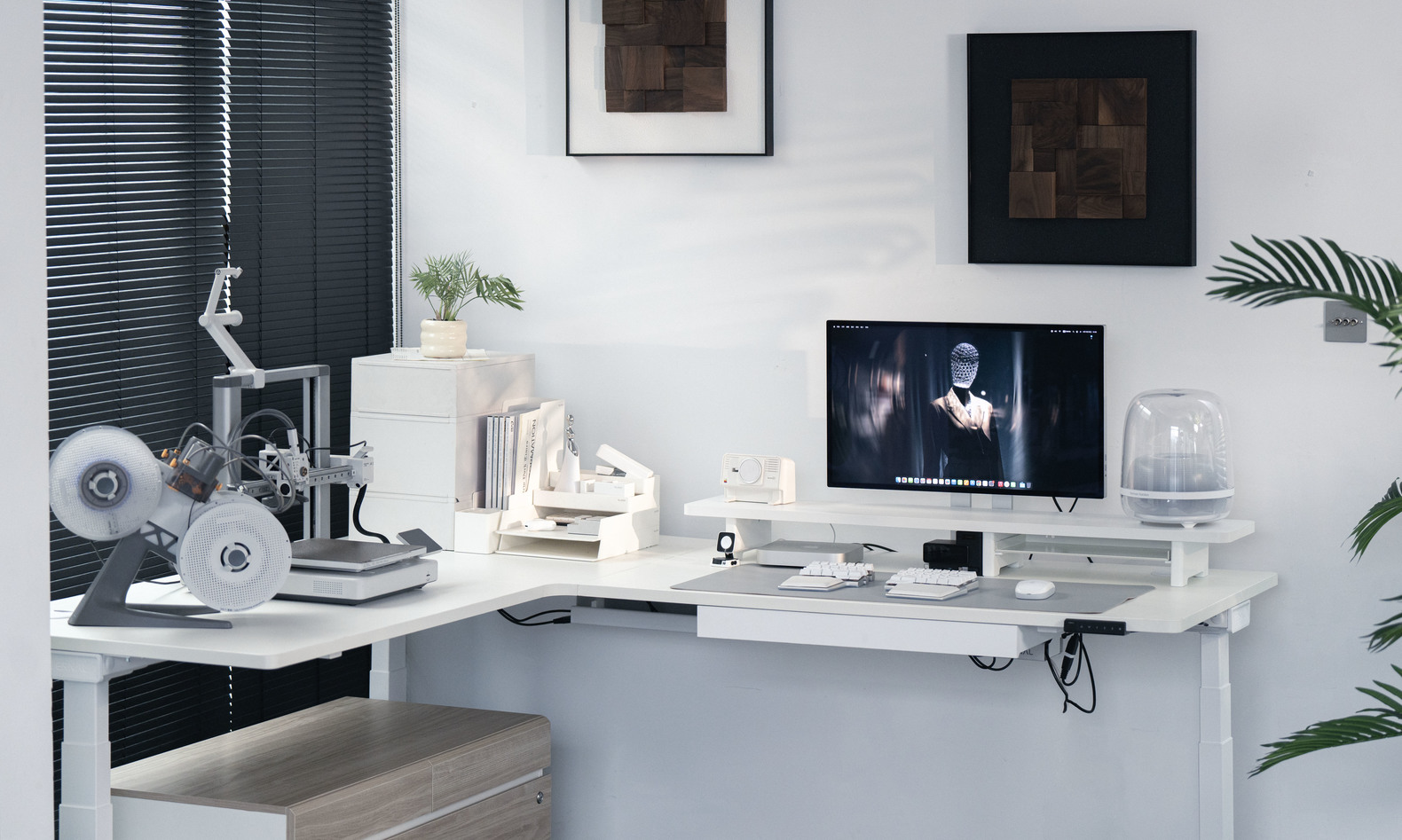
Tech creator and product designer Tiancheng Luo showcases his workspace, highlighting a new L‑shaped standing desk, Apple Studio Display, Mac Mini, Lofree Touch Mouse, Harman Kardon speaker, Bambu Lab 3D printer, and ergonomic keyboard; he discusses recent additions, desired improvements, morning routine, productivity tricks, and favorite tools like ChatGPT.
|
|  www.workspaces.xyz www.workspaces.xyz
|
|
|
|
Altana AI and Veeva have each signed long‑term leases for a combined 125,000 sq ft at Vornado’s PENN 2 building, bringing the property’s occupancy to about 90 % and adding to recent high‑profile leases that have reshaped the Manhattan tower.
|
|  www.globest.com www.globest.com
|
|
|
|
eBay secured a 28,000 SF lease at 122 Fifth Ave., completing the building’s full occupancy; the landlord’s recent $100 M redevelopment added a plug‑and‑play space, while other tech tenants such as Microsoft and Chime already occupy the tower. Recent market activity includes major leases, sales, and financing deals across Manhattan, highlighting strong demand from technology and AI companies.
|
|  www.bisnow.com www.bisnow.com
|
|
|
|
|
Facility Concepts Welcomes Industry Veteran John Strachan as National Sales Manager
|
|
Facility Concepts, Inc. (FCi) has named industry veteran John Strachan as National Sales Manager, where he will support the company’s independent representative groups, dealer partners, and the architecture and design community nationwide.
Strachan joins FCi from JANUS et Cie, where he served as a Contract Site Specialist working with dealers, specifiers, and end users across key markets. His background also includes roles with Great Lakes Architectural Products, Rottmann Collier Architects, and RJE Business Interiors.
“John’s extensive experience in the contract furnishings industry, combined with his strong relationships across the dealer, design, and end-user communities, makes him an excellent fit for FCi,” said CEO Ken Weaver.
Based in Indianapolis, Strachan will lead FCi’s national sales efforts as the company continues to grow its presence in public spaces, healthcare, education, transportation, and other commercial markets.
“I’m thrilled to join Facility Concepts at such an exciting time,” Strachan said. “I look forward to working closely with our independent representative groups, dealers, and the A&D community to continue building relationships and driving growth across the country.”
|
| |
|
|
|
|
Design Exchange Unites Voices from Broadway, the Art World, Publishing, Beauty, and Beyond
|
|
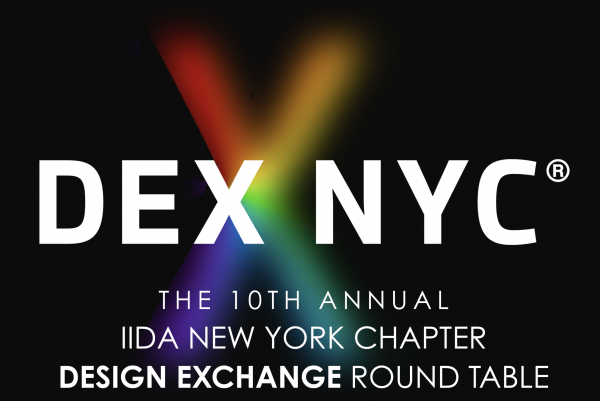
Design Exchange celebrates its 10th anniversary with a lounge‑style event on June 25 at Blu Dot in New York, bringing together speakers from Broadway, the art world, publishing, beauty, and performance to foster cross‑disciplinary dialogue, networking, and community engagement. The lineup includes notable creators such as art director Brooke Adler, designer‑turned‑Broadway performer Mitch Dean, artist Allison Eden, talent agent Michael Goddard, community manager Noah Kennedy, author‑therapist Kyleigh Leddy, Dia Art Foundation COO Rachel Pivnick, and dancer‑curator Elizabeth Yilmaz, offering insights into design, creativity, and collaboration for the interior design community.
|
| |
|
|
|
The VP of Sales laments repeated bad hires despite thorough interview, assessment, and reference processes, noting that even extensive evaluation often fails to predict performance, especially in sales. He emphasizes that hiring is a collective effort, making accountability difficult, and recommends stronger, direct reference checks—including conversations with unofficial references—to surface concerns early. He also advises recognizing and addressing hiring failures quickly, learning from them, and adjusting processes, while acknowledging that no method can completely eliminate risk.
|
|  contract.careers contract.careers
|
|
|
|
|
Market Development Representative (Southeast Region)
|
|
BRC is seeking a Market Development Representative (Southeast Region) to drive growth within a strategic alliance partner dealer channel, with an initial focus in the Orlando, FL market. This role focuses on building strong dealer relationships, identifying and developing opportunities, and supporting projects from early specification through order completion. Acting as a direct extension of BRC in the market, the MDR will partner with dealer sales and design teams to increase engagement, expand scope within active projects, and capture competitive opportunities, while ensuring a high level of responsiveness and execution throughout the sales process.
|
| See Job Opening > |
|
|
|
|
District Sales Manager - Atlanta
|
|
OFS is seeking a District Sales manager to join our team in the Georgia area. As a District Sales Manager, your responsibilities would include business development, promotion, support, and training activities targeted towards designated Dealerships, A & D Firms and End Users in the Georgia market.
|
| See Job Opening > |
|
|
|
|
|