In this issue… BIFMA launches its search for a new CEO as Deirdre Jimenez prepares to retire, while Scandinavian Spaces expands its digital specification tools. Office markets show strong legal-sector leasing, tighter availability in Brooklyn and Europe, rising prime rents, and new tariff pressures. Installnet advances circular furniture reuse, and Tayco earns major quality and environmental certifications. Designer Holly Christian discusses sensory, collaborative design. Hybrid-work coverage explores top cities, IWG’s rapid growth, the cost of being “always on,” and better learning metrics. Architects’ untapped data could transform AI design tools, while workplace strategies focus on coworking, Gen Z, brain health, home offices, and healthcare staff. New products span translucent materials, guest seating, educational furniture, textiles, storage, and acoustic glass walls.
|
| |
|
|
|
The U.S. labor market appears healthier than its headline 4.1% unemployment rate suggests, but a broader “functional unemployment” measure by the Ludwig Institute shows 24.9% of workers are either unemployed, involuntarily part‑time, or earning less than $26,000, indicating deeper weakness. Additional signs of slowdown include employers cutting 23,000 jobs in July and wage growth lagging inflation, with wages rising only 3.2% against a 3.4% CPI increase, which could dampen consumer spending and pressure the economy.
|
| Read more > |
|
|
|
Law firms have signed a record amount of office space, leasing 12.2 million sq ft in the first half of 2026—a 17% year‑over‑year increase—driven mainly by expansions from major firms in New York, Washington, D.C., and Chicago. This surge contributes to a positive net absorption of 14.3 million sq ft over the past year and reflects broader economic strength, with corporate profits up 9.1% and consumer‑driven GDP growth of 1.5% in Q2. Law‑firm revenues rose about 12.4% in the first half of the year, further fueling demand for space.
|
| |
|
|
|
“Her experience as both an architect and interior designer influenced her vision. She brought a fresh perspective to the association and helped to position our industry not simply as manufacturing, but as a design driven sector that shapes the future of work and the built environment. We thank Deirdre for her insights and commitment to the industry.”
- Brian Krenke, KI President & CEO and BIFMA Board Chair on the upcoming departure of Deirdre Jimenez as BIFMA President and CEO
|
| |
|
|
|
|
BIFMA CEO Deirdre Jimenez to Retire Later This Fiscal Year
|
|
The Business and Institutional Furniture Manufacturers Association announced Aug. 25 that President and CEO Deirdre Jimenez plans to retire later this fiscal year, setting in motion a search for the trade group’s next leader.
Jimenez’s departure will conclude a tenure during which BIFMA expanded member engagement, introduced and modernized industry standards, developed education programs and elevated its 360 Leadership Conference. A specific transition timeline will be determined after the association selects her successor.
“It’s been an honor to lead BIFMA and serve the members and the industry through initiatives designed to elevate the association, expand its impact, and broaden its reach,” Jimenez said. “I am proud of what we have accomplished together and confident that BIFMA is well-positioned to continue advancing the industry and delivering value to its members.”
BIFMA, the North American nonprofit trade association for commercial furniture manufacturers, said Jimenez helped guide the industry through a period of major challenges while broadening the group’s influence in the marketplace.
Brian Krenke, president and CEO of KI and chair of BIFMA’s board, credited Jimenez with bringing a design-focused perspective to the organization.
“Her experience as both an architect and interior designer influenced her vision,” Krenke said. “She helped to position our industry not simply as manufacturing, but as a design-driven sector that shapes the future of work and the built environment.”
The board has formed a selection committee and retained Vetted Solutions, an executive-search firm specializing in associations and nonprofit organizations, to lead the search. BIFMA said it remains focused on maintaining continuity in its strategic priorities and member service throughout the transition.
Founded in 1973, BIFMA develops standards related to safety, ergonomics, health, sustainability and performance in commercial furniture. The association also provides market data, certification and product registries, education, government relations and industry-development programs.
|
| |
|
|
|
|
Haworth Renews Midtown Manhattan Showroom Lease, Reaffirming NYC Commitment
|
|
Haworth has renewed its 30,365-square-foot office and showroom lease at 125 Park Ave. for another 10 years, extending its commitment to New York City as Manhattan’s office market regains momentum.
The renewal keeps Haworth at the 25-story Pershing Square Building, directly across from Grand Central Terminal. The property is owned by SL Green Realty, and is nearly fully leased, according to CoStar.
The long-term deal is a vote of confidence in Midtown’s role as a place where office-furniture brands can meet architects, designers and corporate clients in person. For Haworth, maintaining a large showroom presence puts the company close to the decision-makers shaping workplace renovations and new office build-outs in the city.
The timing is favorable for office manufacturers serving the New York market. Manhattan leasing totaled 22.8 million square feet in the first half of 2026—the strongest first-half leasing period since 2002, according to Colliers. Availability fell to 13%, while average asking rents rose to $78.03 per square foot.
That rebound does not automatically translate into furniture orders, but it creates a more supportive backdrop for manufacturers: new leases, renewals and workplace upgrades typically require tenants to rethink layouts, furnishings and amenities. Haworth’s 10-year renewal signals that it expects New York to remain an important market for that work.
|
| |
|
|
|
|
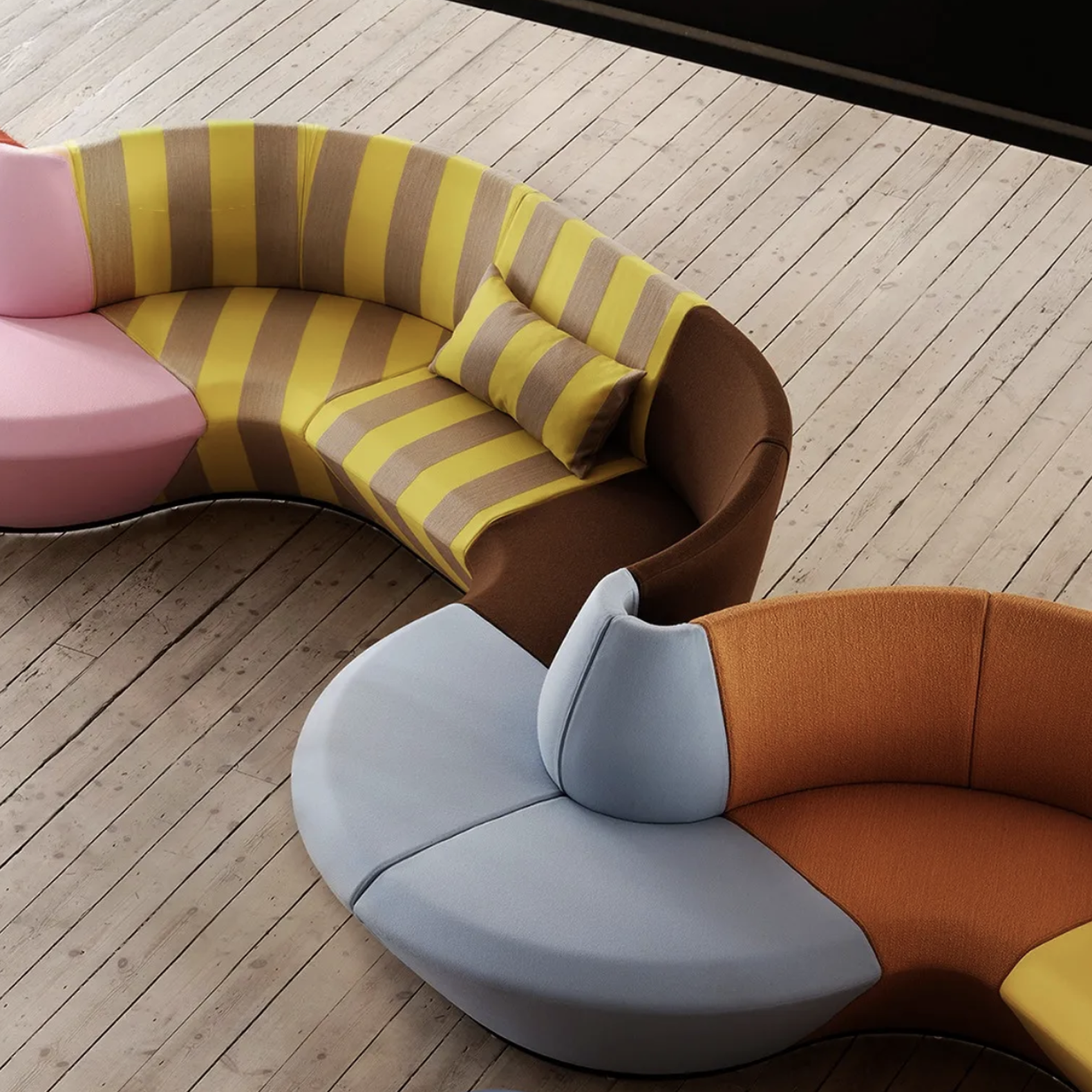
Scandinavian Spaces Joins Configura Marketplace to Streamline Furniture Specification
|
|
Scandinavian Spaces has made its workplace-furniture collection available through Configura’s commercial interiors marketplace, aiming to give architects, designers and specifiers a simpler way to configure and specify products within the tools they already use.
The addition is part of the company’s effort to make Scandinavian design more accessible to the North American market—and to remove friction from the digital side of the design process.
“Great design deserves great tools,” Thomas Jonsson, co-founder of Scandinavian Spaces, said in a statement. “Our goal is to make the specification process as intuitive and effortless as possible, giving designers more time to focus on the creative side of work and spend less time managing the details.”
The Configura marketplace integration complements Scandinavian Spaces’ existing CET extension and a growing set of online resources available through its website. Those tools include product photography, 2D and 3D files, finish details, modular planners, sustainability certifications and other specification materials.
Together, the company says, the resources are designed to create a centralized toolkit for designers from initial inspiration through planning, specification and project completion.
For Scandinavian Spaces, the move is another way of extending its design philosophy beyond the furniture itself: Less time searching, more time creating.
|
| |
|
|
|
|
Installnet Says Its Circular Decommissioning Program Has Kept 60 Million Pounds of Office Furniture Out of Landfills
|
|
The Maryland-based commercial furniture company says its Ecoserv program is turning office cleanouts into a way to cut costs, reduce waste and support local nonprofits.
When companies renovate, relocate or shrink their office footprints, the furniture left behind often becomes a costly problem—one that ends in a landfill.
Installnet says it has found another path.
The Bowie, Md.-based commercial furniture solutions company announced Tuesday that its Ecoserv circular decommissioning program has diverted more than 60 million pounds of office furniture and equipment from landfills since launching in 2012.
The milestone arrives as Installnet marks its 30th anniversary and as businesses across North America continue to rethink what happens to desks, chairs, workstations and technology after a workplace project wraps.
“We saw how much usable furniture was going to landfills and believed there had to be a better way,” Dale Ewing, Installnet’s founder and CEO, said in a statement.
Ecoserv evaluates surplus office assets for donation, resale, relocation or recycling before considering waste-to-energy disposal as a last option. Rather than accepting only items with obvious resale value, Installnet says it assumes responsibility for all assets removed from a project site, regardless of condition or material type.
That matters because the volume is enormous. The U.S. Environmental Protection Agency estimates that roughly 17 billion pounds of office assets are sent to landfills in the United States each year.
Over the past 12 months, Installnet says it completed 263 Ecoserv decommissioning projects across North America, diverting more than 3.2 million pounds of furniture and equipment. The company also donated assets to 164 nonprofit and community organizations.
For organizations receiving those donations, the impact can be immediate.
“The donated furniture has significantly improved our administrative spaces, giving our volunteers a more functional and comfortable place to work together,” John Krebs V, fire chief of the Lineboro Maryland Volunteer Fire Department, said in a statement. “These upgrades strengthen our ability to collaborate, train and stay organized so we can better serve our community.”
Installnet provides customers with project-level reporting that details how removed assets were handled and calculates landfill-diversion rates using EPA data. The company positions the work as both an environmental initiative and a practical business decision: reducing disposal expenses, recovering value from usable assets and documenting community impact.
“Sustainability is not retreating,” Ewing said. “It is evolving. Companies are talking about it in more practical terms and focusing on what it can deliver, from greater efficiency and cost savings to smarter use of resources.”
For businesses confronting an office overhaul, the question is no longer simply how quickly they can clear a space. It is whether the furniture they leave behind becomes waste—or gets a second life.
|
| |
|
|
|
|
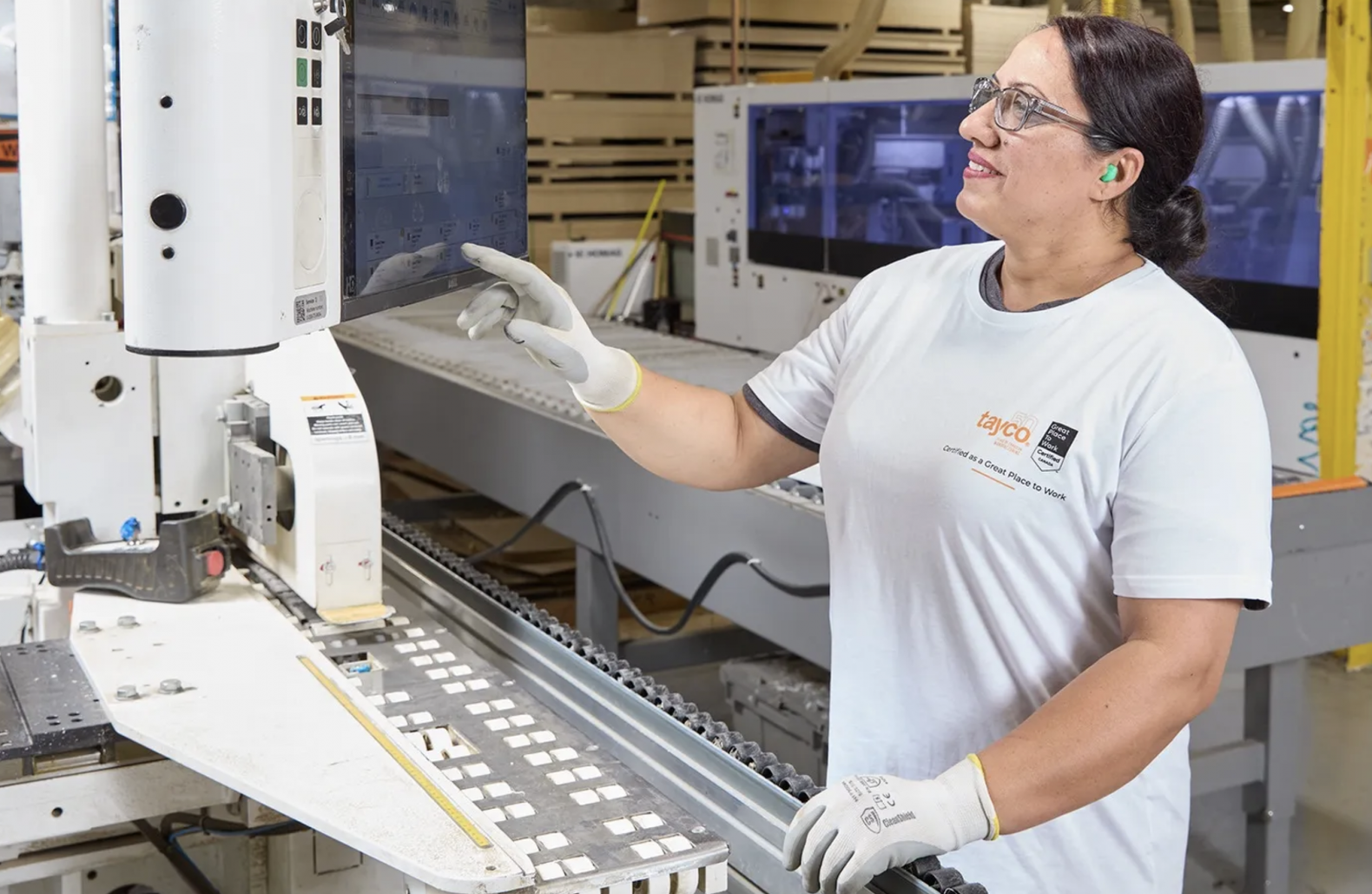
Tayco Marks 50th Year With Dual ISO Milestone
|
|
Tayco, the Canadian workplace-furnishings manufacturer founded in 1976, announced Thursday that it has earned ISO 14001 Environmental Management System certification for the first time and recertified its ISO 9001 Quality Management System. The dual achievement arrives during Tayco’s 50th anniversary year and reinforces its focus on quality, environmental responsibility and continuous improvement.
ISO 9001 sets internationally recognized standards for quality management, while ISO 14001 establishes a framework for measuring and improving environmental performance. Tayco President Bill Melnik said the certifications reflect organization-wide work to uphold product standards, improve operations and reduce environmental impact as the company expands its North American presence.
For Tayco, the certifications are part of an ongoing process, not a finish line. “ISO 9001 and ISO 14001 give us internationally recognized frameworks to hold ourselves accountable, continually improve and continue delivering for our customers, employees and communities,” Melnik said.
|
| |
|
|
|
Brooklyn's office market saw a strong Q2 with leasing activity more than doubling to 379,000 sq ft, signings up 61 % above the five‑year average, and availability dropping to a decade low of 17.2 %. Large nonprofit leases, especially by Brooklyn Defender Services, drove the surge, while asking rents fell 12 % to $47.61 per sq ft. Positive absorption of 673,000 sq ft and the removal of obsolete space contributed to the market’s strength despite rent declines.
|
|  www.globest.com www.globest.com
|
|
|
|
European office markets face a widening gap between available space and the quality companies demand, with prime rents rising 3.7% year‑to‑date while new‑build supply hits a decade low, keeping vacancy low in prime CBDs but stable overall at 9.4%. Technology firms now account for 22% of take‑up, and cities like Dublin, London’s West End, Berlin and Munich see strong leasing activity, though some markets such as Paris experience higher vacancy. The shortage of high‑quality space is pushing refurbishment, with payback periods halving, and prime rents have outpaced secondary rents dramatically, especially in London where prime rents are up 49% since 2019.
|
|  allwork.space allwork.space
|
|
|
|
President Donald Trump imposed new 50% tariffs on Canadian construction inputs such as cement, plywood, and machinery, adding to existing tariffs on aluminum, steel, and lumber. These measures raise material costs—overall construction prices are up 7.4% year‑over‑year, with copper, steel, and softwood lumber seeing double‑digit increases—creating uncertainty for developers and potentially slowing construction starts. Industry experts warn that the tariffs heighten cost uncertainty, especially for projects planned months in advance, and could trigger retaliatory measures from Canada, further disrupting cross‑border supply chains.
|
|  www.bisnow.com www.bisnow.com
|
|
|
|
Holly Christian, a North Carolina interior designer at Perkins&Will, shares how her Appalachian upbringing, love of art and nature, and a shift from “design” to “creativity” shape her work. She emphasizes sensory‑rich, user‑focused interiors, embraces constraints as creative data, and mentors emerging talent. Current projects include a large law‑firm office and a Charlotte Ballet expansion, while her personal passions—parenting, cooking, travel, and reading—inform her design perspective.
|
|  perkinswill.com perkinswill.com
|
|
|
|
Mumbai tops India’s presence in IWG’s 2026 Work From Anywhere Index with a score of 77, surpassing London and Miami. The city excels in transportation costs, flexible workspace availability, climate, and accommodation, though it lags in broadband quality, local events, and happiness. Bangkok leads the global ranking with 106.5 points, followed by Tokyo and Barcelona. India's flexible workspace market is growing, with a maturity score of 100 and an expected rise to over 100 million sq ft of flexible office space in 2026.
|
|  allwork.space allwork.space
|
|
|
|
Hybrid working offers flexibility but blurs boundaries, leading many employees to handle work tasks after hours, which research shows reduces next‑day performance and increases mental fatigue and alienation. Organizations can mitigate these effects by treating the right to disconnect as a performance issue, setting clear communication norms, and designing jobs that consider role complexity and individual resilience, thereby supporting sustained productivity without sacrificing flexibility.
|
|  workplaceinsight.net workplaceinsight.net
|
|
|
|
Atlanta tops the ranking as the best U.S. city for hybrid workers, thanks to its high density of coworking spaces, affordable memberships, and strong hybrid‑work ecosystem; the Midwest dominates the overall top ten, while other regions showcase cities with favorable commuting, housing, broadband, and job opportunities that support flexible work arrangements.
|
|  allwork.space allwork.space
|
|
|
|
International Workplace Group (IWG) accelerated its global expansion in the first half of 2026, signing 728 new flexible‑workspace locations—a 47% increase over the same period last year—and opened 425 sites, boosting H1 revenue to $2.4 billion, up 11%. The growth was driven largely by a capital‑light partnership model, with 95% of new signings using managed or franchised arrangements, and the U.S. contributed the most new deals, while acquisitions such as the Wojo deal added 186 locations, bringing the total global footprint to over 6,000 locations and 358,000 rooms.
|
|  allwork.space allwork.space
|
|
|
|
Learning dashboards that show high completion rates can give a false sense of confidence because they only prove attendance, not understanding or ability to apply knowledge. Effective measurement should combine completion with low‑stakes checks, delayed recall, application evidence, and confidence ratings to reveal real capability gaps and guide targeted support, while transparently reporting uncertainty and missing data.
|
|  workplaceinsight.net workplaceinsight.net
|
|
|
|
Architecture firms hold vast, untapped project data—digital drawings, 3D models, and sketches—that could power AI, yet frontier AI labs lack access. Firms are building internal AI capabilities by hiring specialists, creating custom tools, and training models on their own portfolios, while companies like Autodesk develop neural CAD models trained on extensive CAD datasets. This shift highlights that competitive advantage will stem from how architecture firms integrate deep domain data with AI, rather than merely accessing advanced AI models.
|
|  www.fastcompany.com www.fastcompany.com
|
|
|
|
|
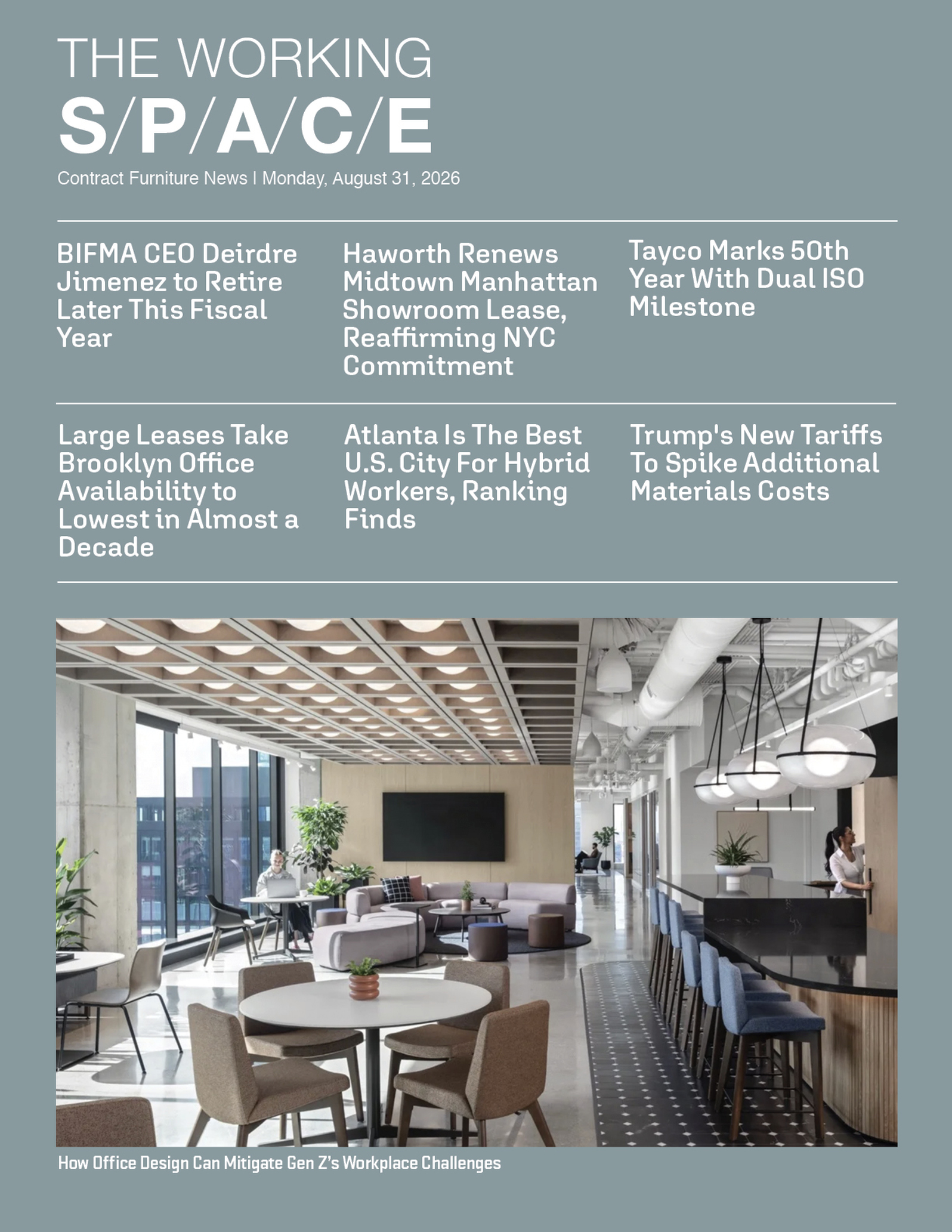
How Office Design Can Mitigate Gen Z’s Workplace Challenges
|
|
The Office Isn’t Dead. Gen Z Just Wants It to Work Better.
As employers wrestle with a new generation’s expectations, office design is emerging as one practical way to make in-person work feel worth the commute.
The youngest workers in the office are generating plenty of hand-wringing—and some uncomfortable statistics.
As many as 60% of businesses say they have fired recent college graduates within months of hiring them, citing a lack of motivation, unprofessionalism and disorganization. Another survey found that 84% of Gen Z workers reported watching TV or movies while working in 2025.
But the easy conclusion—that iGen employees simply want to stay home—isn’t quite right.
Gallup research shows that just 23% of remote-capable Gen Z employees would prefer to work fully remotely. The bigger challenge for companies, then, may not be convincing younger employees to come into the office. It may be creating workplaces that offer something more useful than a desk, a fluorescent light and a reason to count down to 5 p.m.
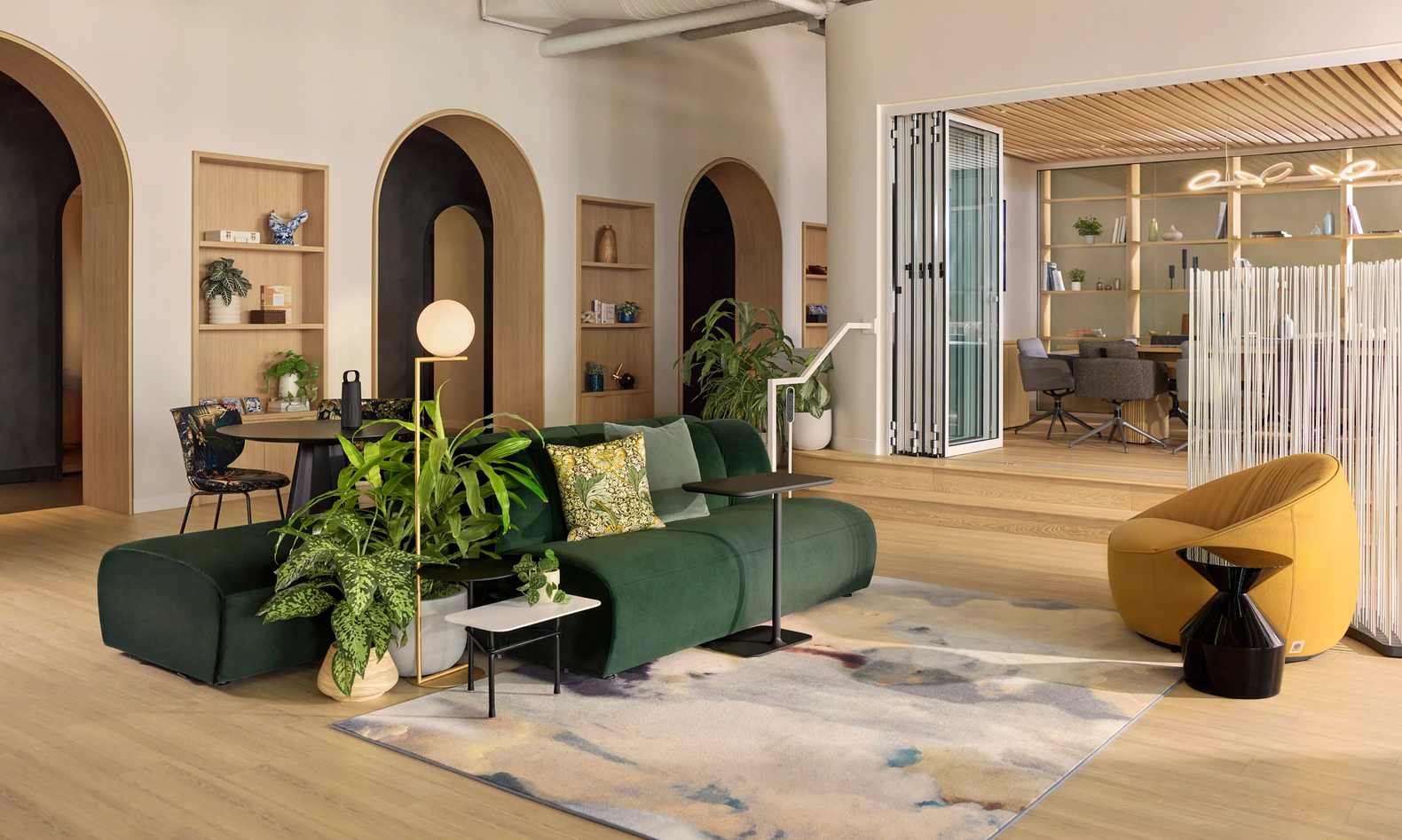
That is the premise behind The HON Company’s Chicago Flagship showroom, where the office-furniture manufacturer is presenting a more amenity-forward approach to the workplace. With eight decades in office design, HON is betting that comfort, choice and connection can help close the gap between what veteran employees expect from an office and what newer workers need to thrive in one.
For Gen Z, that starts with well-being.
Recent Gallup data has highlighted a decline in well-being among younger adults, and HON’s showroom responds with spaces intended to support moments outside the standard workday routine. A design-forward café includes restaurant-inspired bench seating and laptop-friendly sofas, turning a traditional break area into a livelier communal hub. Nearby, a dedicated wellness room is equipped with yoga mats, sound-controlled acoustics and cooling amenities for employees looking to reset, decompress or simply get a few quiet minutes away from the noise.
It is a small change in concept, but a meaningful one in practice: an office designed less like a place employees are required to occupy and more like one they might actually choose to use.
Connection is the other half of the equation.
Studies have found that more than 60% of Gen Z experiences social anxiety, which can complicate everything from collaboration to speaking up in meetings. HON’s answer is a neighborhood-style workplace, one that mixes open lounge areas for socializing with private breakout corners and quieter nooks for focused work.
The idea is not to force every employee into the same work pattern. It is to give them options—collaborative when the moment calls for it, solitary when concentration matters—and let that autonomy build confidence over time.
Those neighborhood lounges take cues from residential and hospitality design, where comfort has long been treated as a feature rather than an afterthought. Tech-integrated furnishings such as HON’s SoCo™ and Mosaic, scheduled for release in November 2026, are designed to help communal spaces feel more welcoming and functional.
The modern office may never be a perfect solution to every generational tension. But if companies want younger employees to show up, engage and stay, the workplace itself has to hold up its end of the bargain.
|
| |
|
|
|
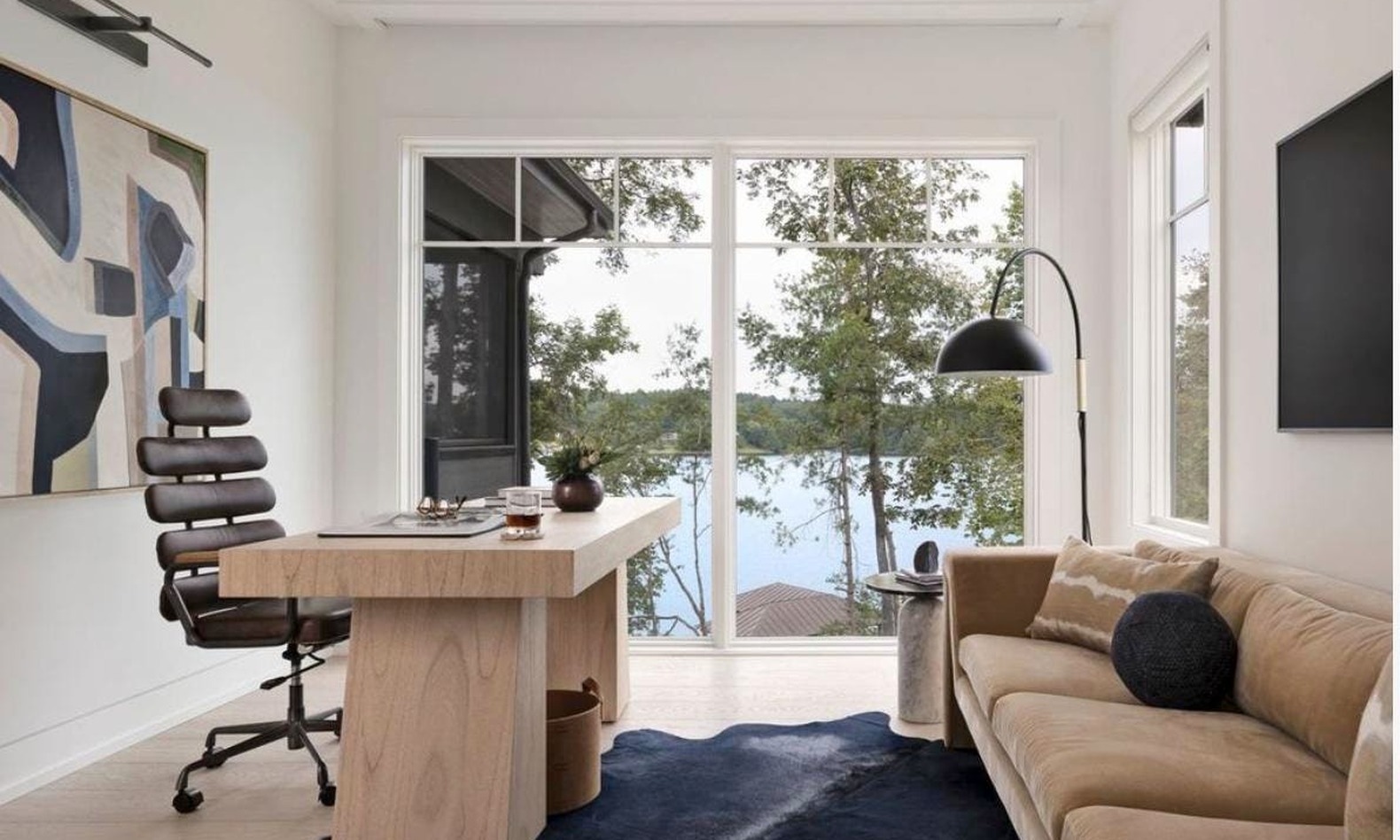
WFH office design trends emphasize creating personalized, functional workspaces that blend comfort, productivity, and style. Homeowners are prioritizing dedicated rooms with thoughtful color palettes, architectural details, layered textures, and ergonomic furniture, while also considering resale value and technology integration. The article highlights expert insights on using warm, grounded hues, custom millwork, natural light, and multifunctional elements to craft inspiring environments that reflect individual personality and enhance daily work experiences.
|
|  www.forbes.com www.forbes.com
|
|
|
|
The piece explores how workplaces typically require six distinct worksettings to accommodate the main activities people perform in an office. It argues that, despite the temptation to create numerous specialized zones, focusing on six core types can meet most organizational needs efficiently. The author reflects on past experiences with overly complex worksetting lists, emphasizes the value of practical experience over excessive theory, and encourages readers to identify the six essential functions in their own environments.
|
|  www.mixinteriors.com www.mixinteriors.com
|
|
|
|
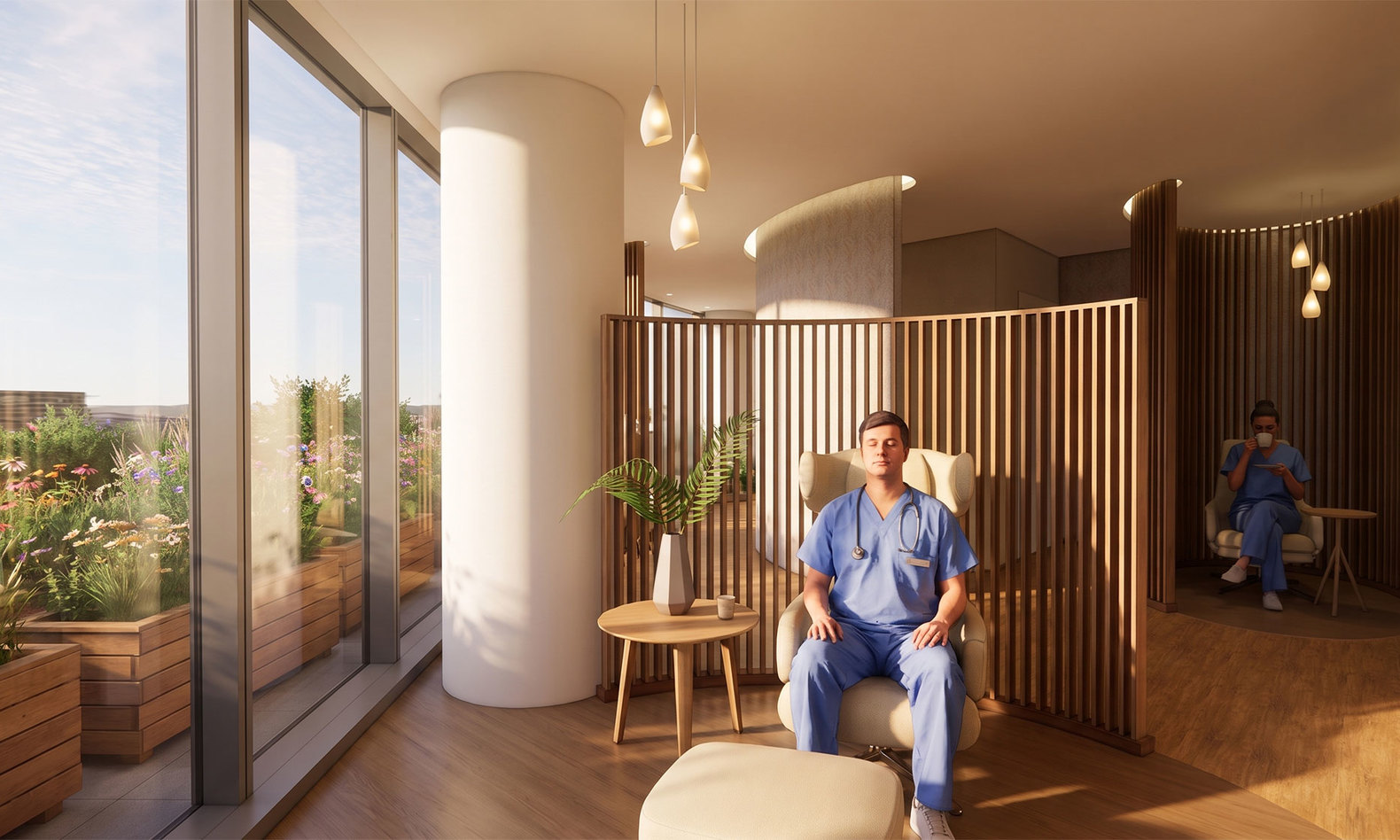
Hospital staff require amenities such as food halls, cafés, social and quiet focus areas, rest spaces, and outdoor workspaces positioned close to patient care zones, along with specialized spaces for grief, spiritual practice, sleep, and lactation; proximity, privacy, and operational support are critical for these facilities to be functional during short, unpredictable breaks.
|
|  www.gensler.com www.gensler.com
|
|
|
|
Designing workspaces that support brain health involves creating environments that reduce mental strain and enhance cognitive performance. Key strategies include providing visual privacy to improve focus, offering tools for cognitive offloading such as whiteboards and collaborative surfaces, encouraging movement through flexible furniture, and creating spaces for connection and recovery with quiet lounges and natural elements. These approaches help protect attention, lower cognitive load, and promote wellbeing, enabling people to think, create, and work more effectively.
|
|  www.onofficemagazine.com www.onofficemagazine.com
|
|
|
|
Hybrid work creates operational challenges such as unpredictable occupancy, poor booking visibility, fragmented technologies, employee isolation, and underutilized office space. Coworking spaces address these issues by offering on‑demand workspace access, real‑time booking, integrated management software, community engagement, and scalable, lease‑free solutions, while technology like Yardi Kube enhances security, resource management, and self‑service experiences for both members and operators.
|
|  allwork.space allwork.space
|
|
|
|
|
Allsteel Elevates Office Materiality with Zero-Waste Knit Innovation
|
|
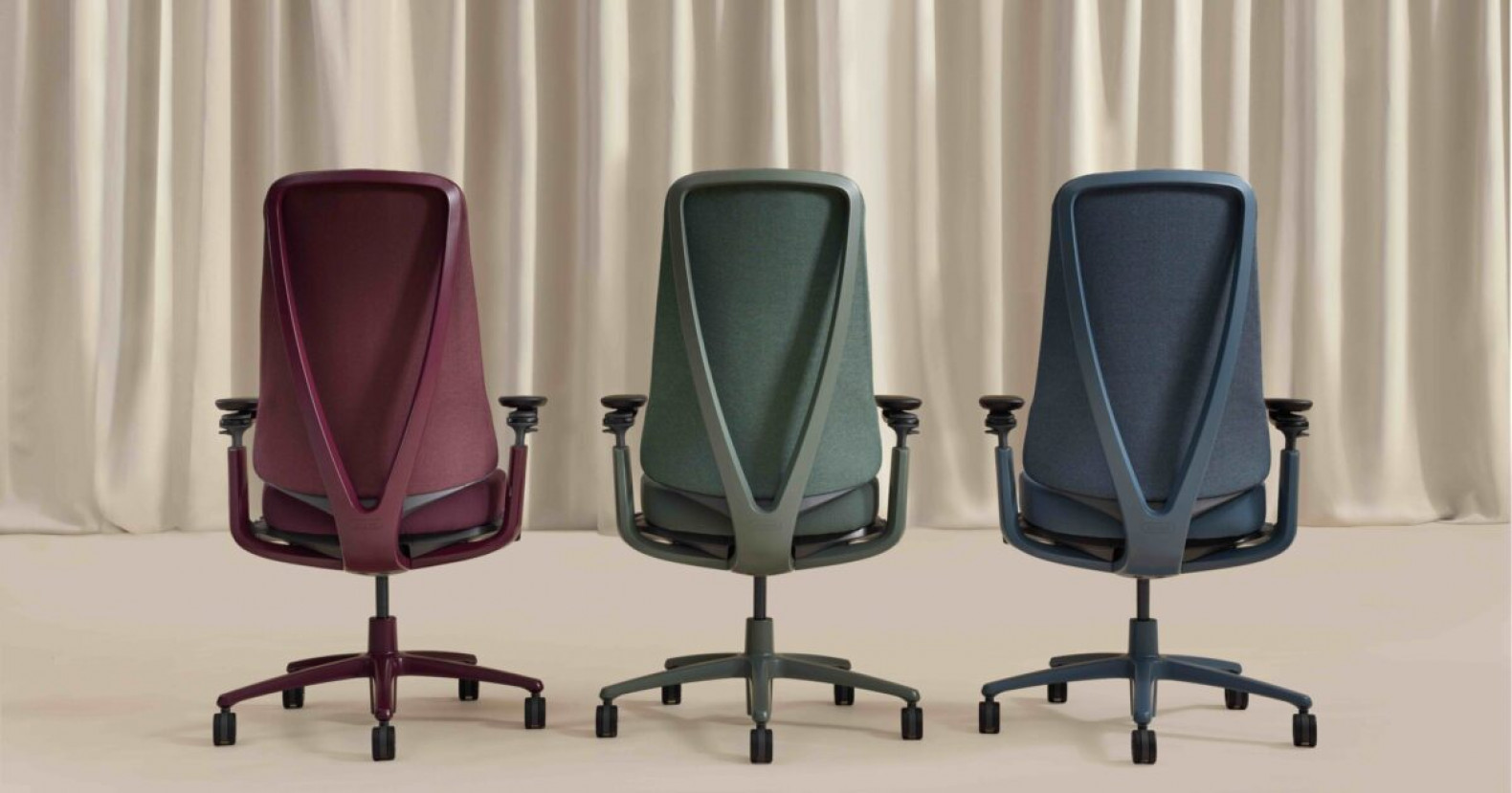
Allsteel’s new Levra™ task chair, created with ITO Design, features a patented frameless back made from precision‑knit, zero‑waste material that is 100 % recycled and includes upcycled marine‑litter yarn. The chair combines high recycled content, third‑party sustainability certifications (SCS Indoor Advantage Gold, BIFMA LEVEL® 3, Red List‑approved Declare Label) and carbon‑neutral production, while delivering intuitive ergonomic support, lightweight visual appeal, and adaptable comfort for modern, fluid work environments.
|
| |
|
|
|
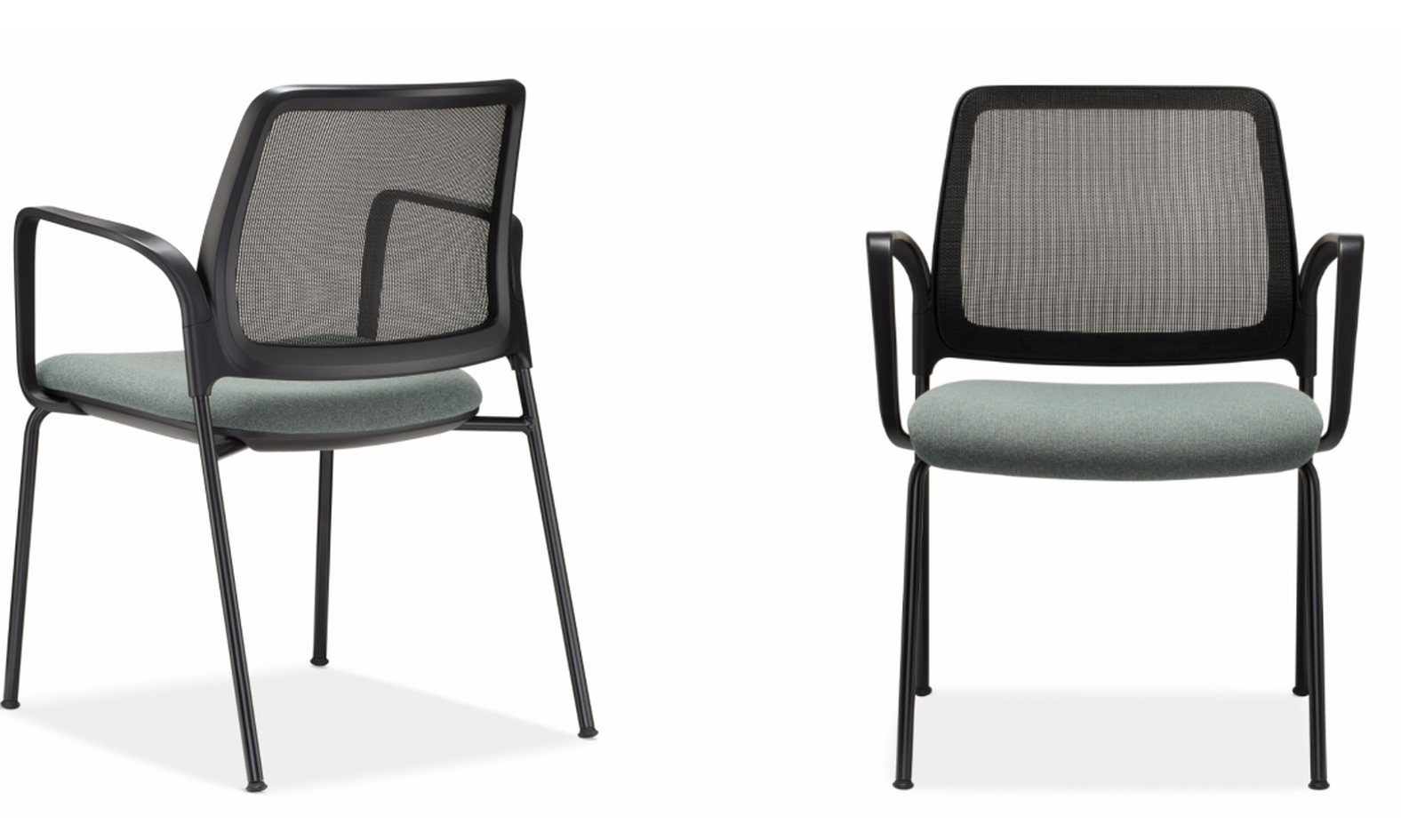
Allseating launches the L1® Guest Chair, an ergonomic, versatile seating solution for shared commercial spaces such as waiting areas, reception zones, and educational or healthcare environments. The chair offers soft edges, generous cushioning, optional arms, and customizable mesh backs in 32 colors with four patterns, plus frame finishes in matte black or matte birch. Designed to extend the L1 collection’s design language beyond workstations, it provides visual continuity, durability, and easy cleaning for high‑use areas. To learn more about L1 guest and Allseating, visit allseating.allseating.com.
|
|  www.officing.com www.officing.com
|
|
|
|
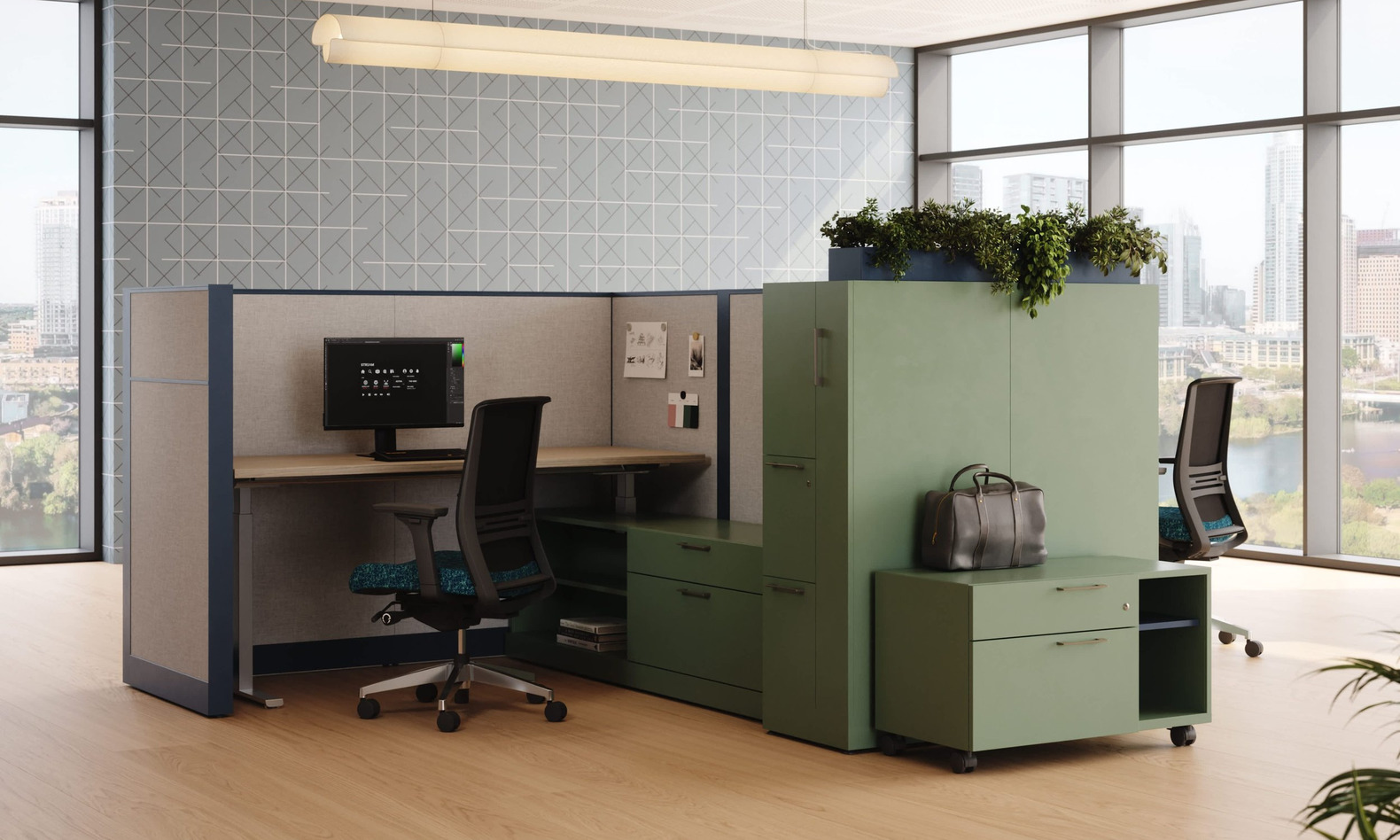
Kimball International launches four new metal storage collections—Footprint 2.0, WaveWorks 2.0, Lunor, and Universal Storage—offering flexible, durable, and value‑focused solutions for workplaces, education, and healthcare environments, with customizable options and a focus on productivity and long‑term value.
|
|  www.officing.com www.officing.com
|
|
|
|
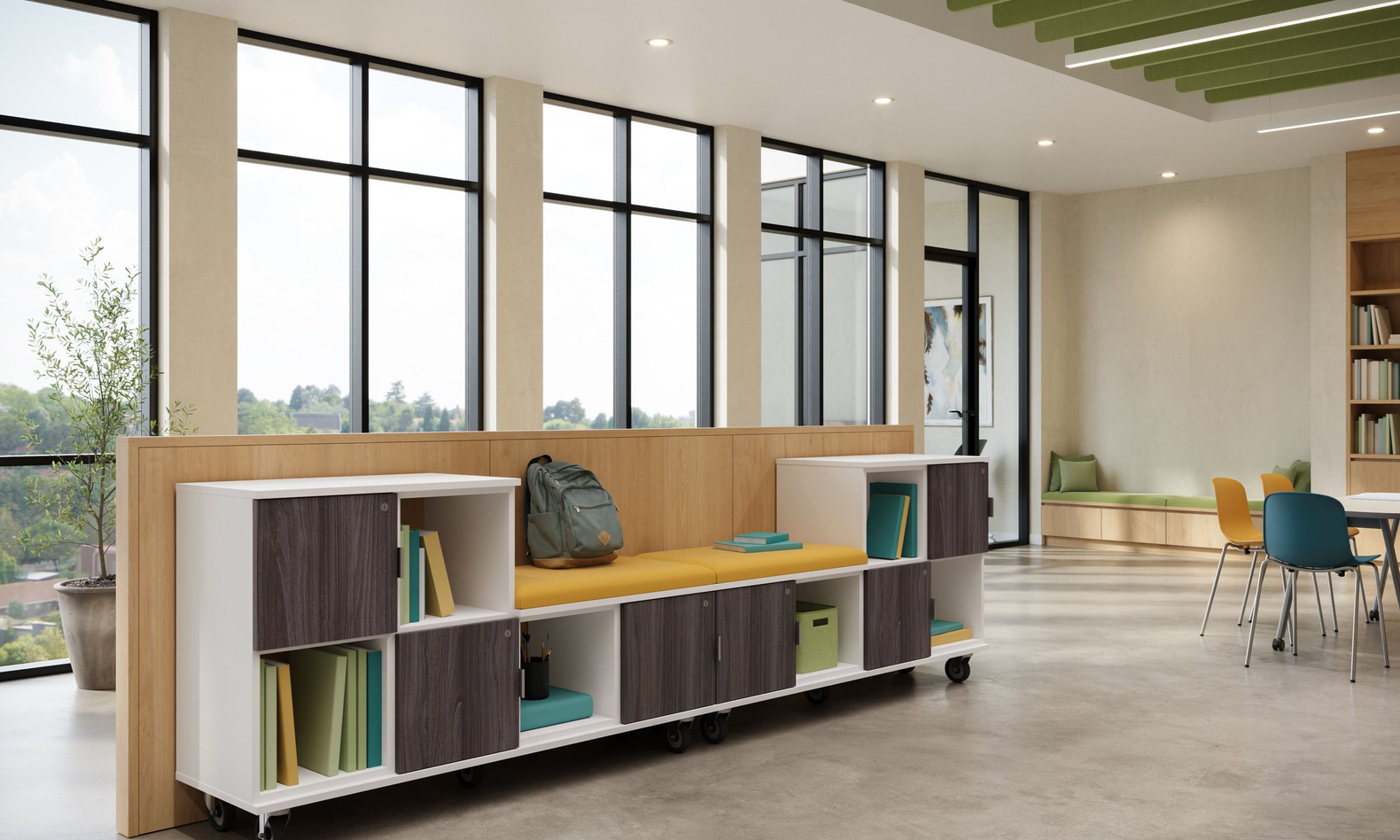
DeskMakers launched its Education Collection, featuring the modular Orbit storage system and the ERA Teacher’s Desk, both designed for flexible, durable classroom use and certified GREENGUARD Gold; the line is available now through dealers, with additional teacher‑desk models slated for future release.
|
|  www.officing.com www.officing.com
|
|
|
|
Blu Dot’s Fall 2026 collection introduces seven new designs—including storage‑focused Nightcap, open‑shelf Forum, clutter‑hiding Session, tall mirror Mojo, organic Driftgood, comfortable swivel chair Oft, and leather‑accented Farrier—while expanding existing lines with new configurations, materials, and a fresh palette of colors and fabrics for both residential and commercial spaces.
|
|  www.officing.com www.officing.com
|
|
|
|
Pearlescent is a new decorative textile interlayer for 3form’s Varia resin, offering a soft, pearl‑like shimmer that shifts color with light. Available in six standard hues and customizable with additional color films, it can be applied to walls, ceilings, partitions, doors, and reception areas across various commercial interiors. The material supports sustainability certifications such as LEED, Living Building Challenge, and WELL, and comes in gauges from 1/8 inch to 1 inch with panel sizes up to 48 × 120 inches.
|
|  www.officing.com www.officing.com
|
|
|
|
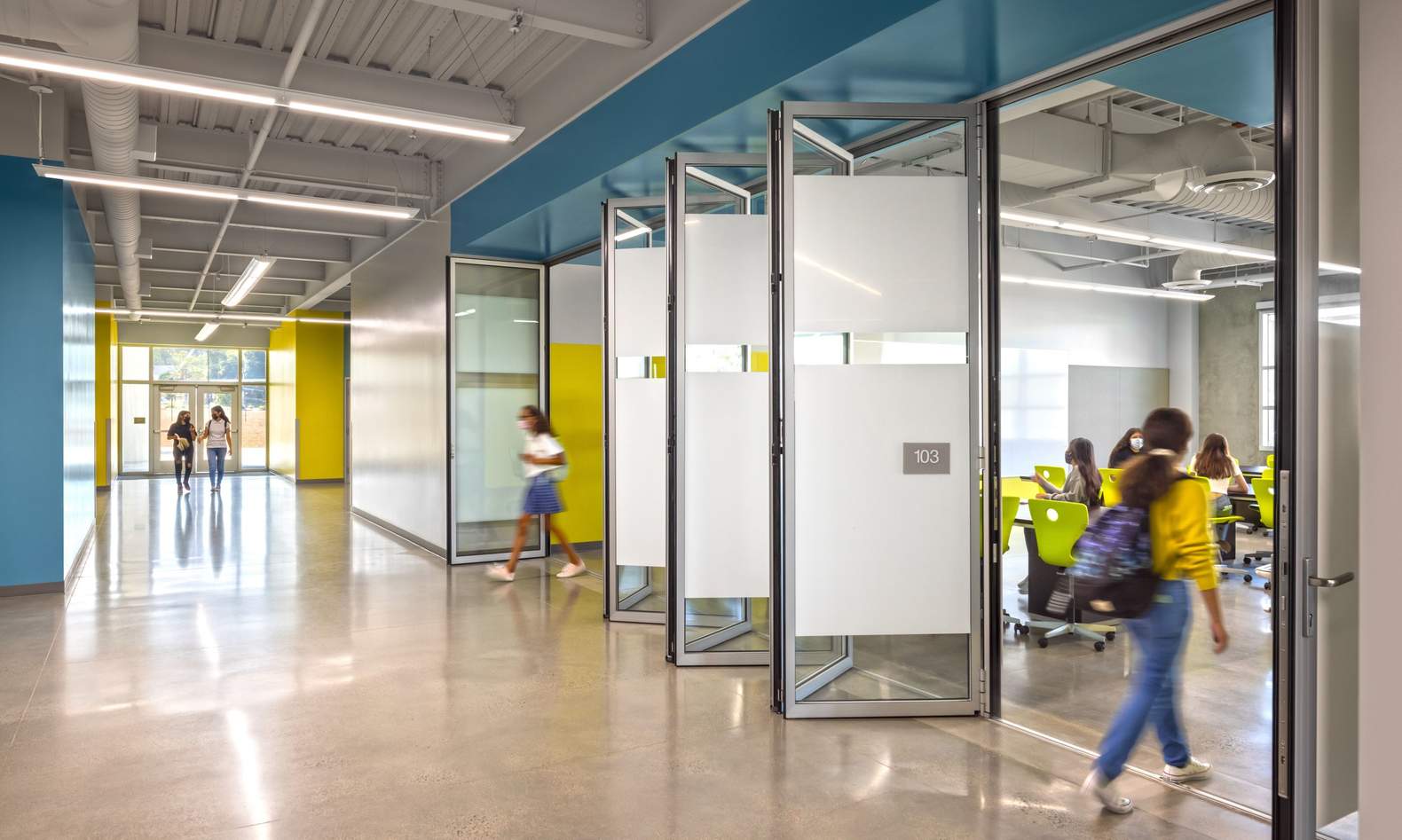
NanaWall introduces the NW Acoustical 545 and 645 folding glass wall systems, offering interior acoustic privacy with STC ratings up to 45, thin wood or aluminum frames, flexible stacking, ADA‑compliant sills, swing‑door options, and floor‑supported durability for transparent, durable, and adaptable interior spaces.
|
|  www.officing.com www.officing.com
|
|
|
|
HBF Textiles releases the third edition of The Designer Edit, titled “Cultivated: Stewardship through Design,” featuring four chapters—Origins, Alchemy, Resonance, and Legacy—that showcase new and existing textile patterns paired with materials and objects from Davis Furniture and creative director Joseph Namyst, emphasizing enduring design, craftsmanship, and the lasting value of thoughtfully curated textiles.
|
|  www.officing.com www.officing.com
|
|
|
|
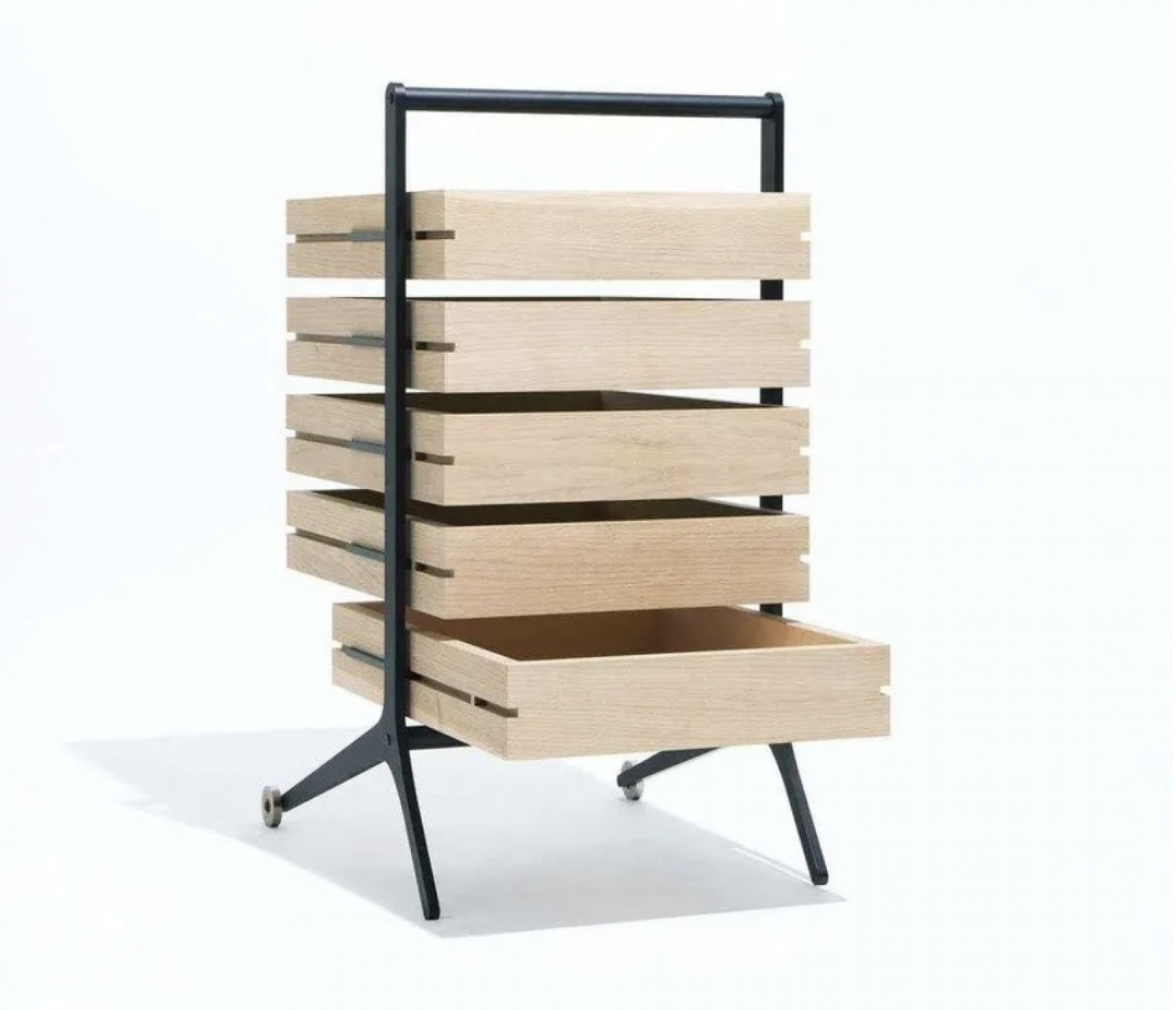
Keiji Ashizawa combines his metalworking expertise with architectural design to create two experimental mobile drawer concepts, Bon Drawer and Slybox, featuring minimal steel frames, wheel‑and‑handle mobility, and versatile drawer configurations, though neither reached production.
|
|  www.core77.com www.core77.com
|
|
|
|
Eight contemporary chair designs showcase diverse approaches to seating in 2026, ranging from ergonomic office solutions like Blink by Teknot and the high‑backed Penny, to sustainably crafted pieces such as Rex made from recycled ECONYL and the Eames Molded Plastic Dining Chair using 99 % post‑industrial recycled plastic. The collection also includes refreshed classics like the MB1 Lounge Chair, vibrant reinterpretations like the Blink shell, and versatile options like the stackable Gemelli. Materials span regenerated nylon, hardwood, polymer, leather, and recycled plastics, emphasizing comfort, adaptability, and environmental responsibility across home, work, and hospitality settings.
|
|  design-milk.com design-milk.com
|
|
|
|
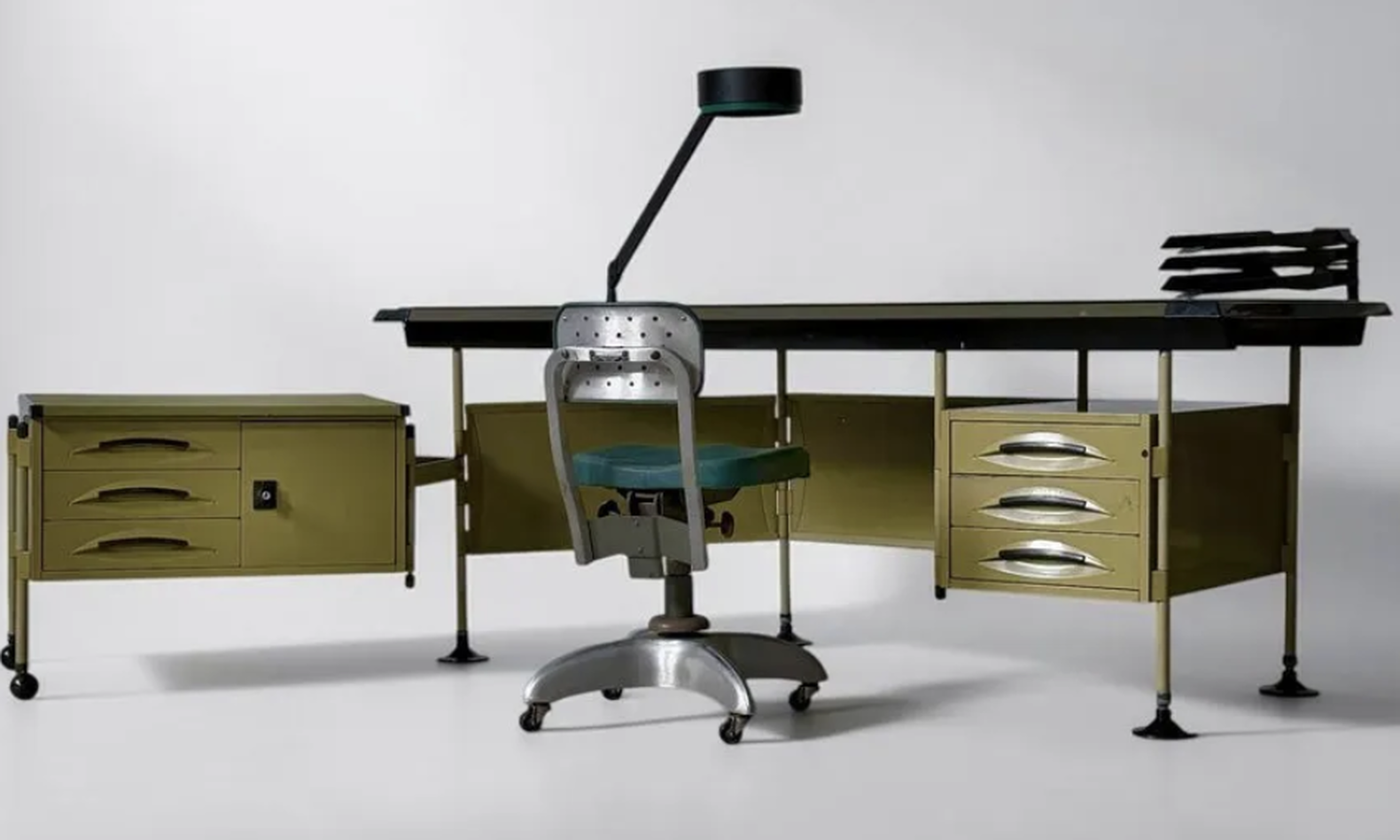
The Spazio Executive Desk, designed by BBPR for Olivetti in 1959, features a lightweight steel construction with a floating surface and an integrated pivoting typewriter table, distinguishing it from the bulky wooden desks of its era; its durable design remains sought after today, often selling for mid- to high‑four‑figure prices on the secondary market. See our MMQB buying advice on this desk below.
|
|  www.core77.com www.core77.com
|
|
|
|
|
New Design Nerds Anonymous Episode Explores What Leaders Get Wrong About Gen Z
|
|
The episode revisits a conversation from Oprah’s podcast, bringing together designer Amanda Schneider and generational researcher Jean Twenge to examine how Gen Z approaches work. It highlights workplace tensions such as burnout, loyalty, communication, and AI‑driven change, and suggests leaders rethink assumptions about resilience, feedback, and professional expectations for this generation.
|
| Listen Now > |
|
|
|
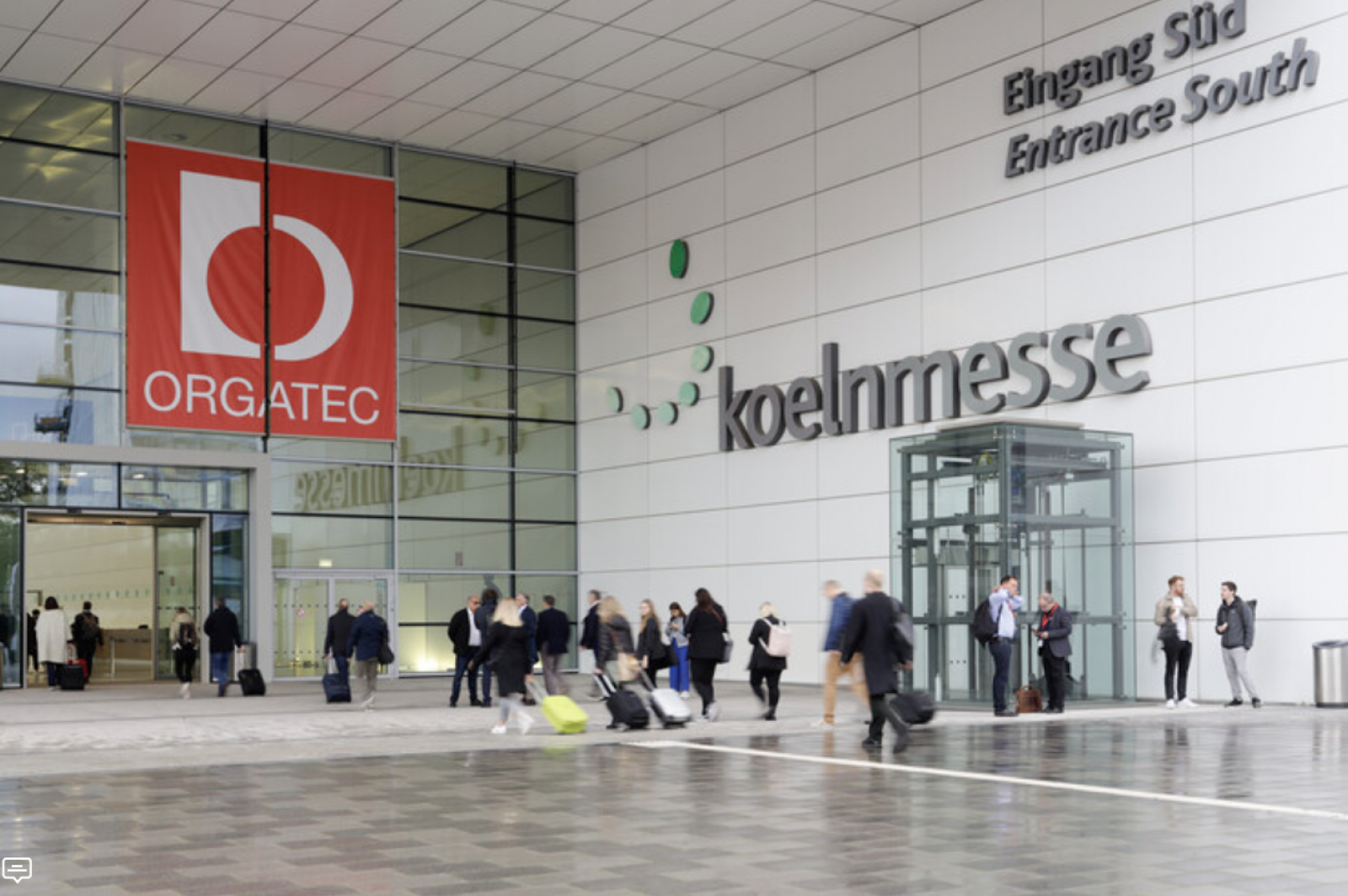
Orgatec 2026
October 27-30, 2026 | Cologne, Germany
ORGATEC is the global industry meeting point for everyone who is rethinking and shaping the worlds of work and contract. Every two years, leading brands, experts, and an international trade audience come together in Cologne. Under the guiding theme "From rooms to relationships: designing spaces in an ever-changing world", the focus is on people – and on how spaces in times of change are redefined.
ORGATEC 2026 is a chance to see how the future of work is taking shape—from hybrid and AI-enabled workplaces to healthier, more flexible, and sustainable commercial spaces. Attendees can explore leading international brands, discover European products and concepts not yet widely available in North America, and gain practical insight through talks, guided tours, and interactive programming. It’s also a valuable setting to meet global manufacturers, architects, designers, and workplace decision-makers in one place.
|
| |
|
|
|
NeoCon 2027 / DesignDays 2027
June 13-16, 2027 | Chicago, IL
NeoCon has served as the world’s leading platform and most important event of the year for the commercial design industry since 1969. A launch pad for innovation—NeoCon offers ideas and introductions that shape the built environment today and into the future. For 2027 NeoCon is officially a 4-day event beginning on Sunday, June 13, 2027.
|
|
|
|
|
|
|
Trends in Commercial Projects
|
|
|
|
|
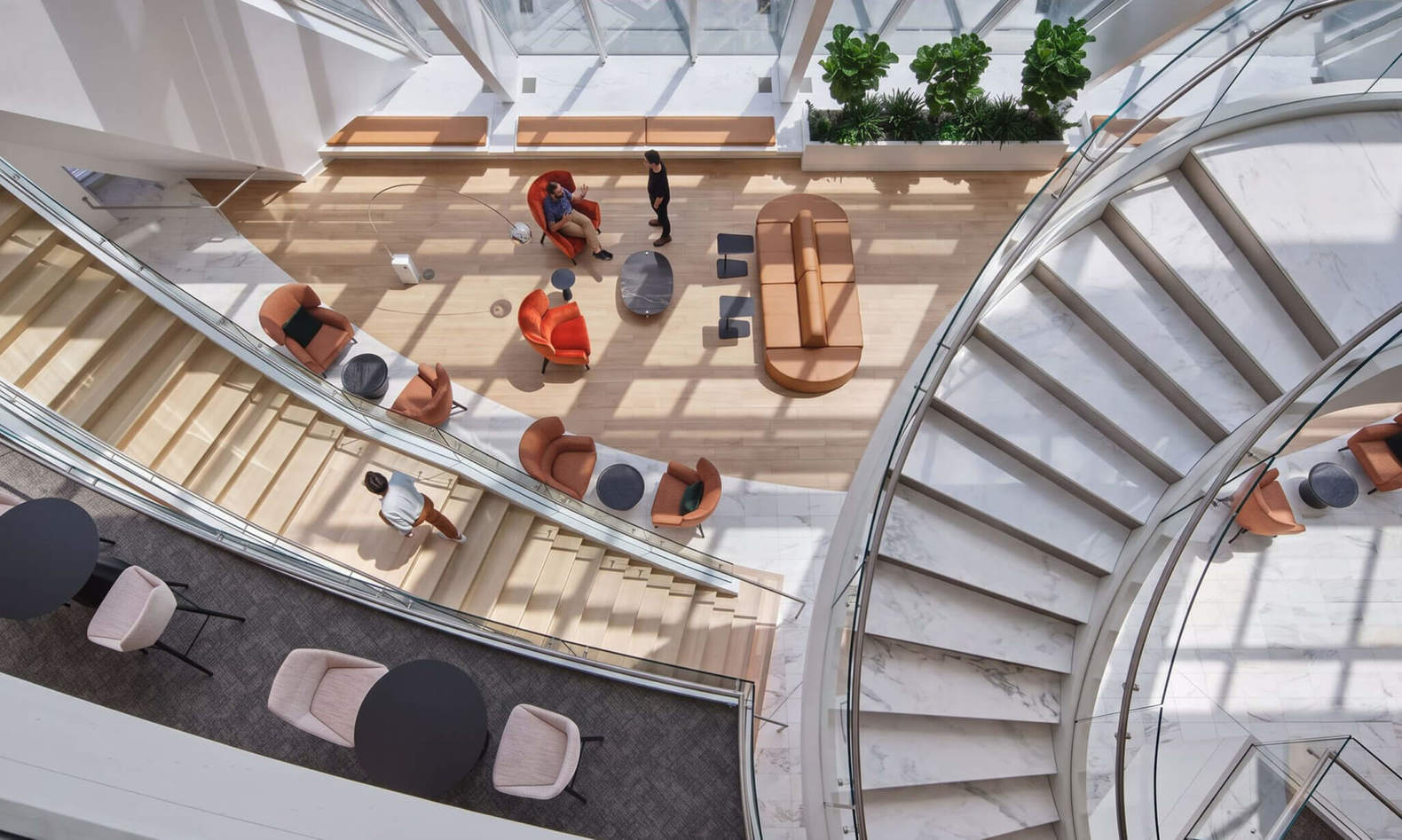
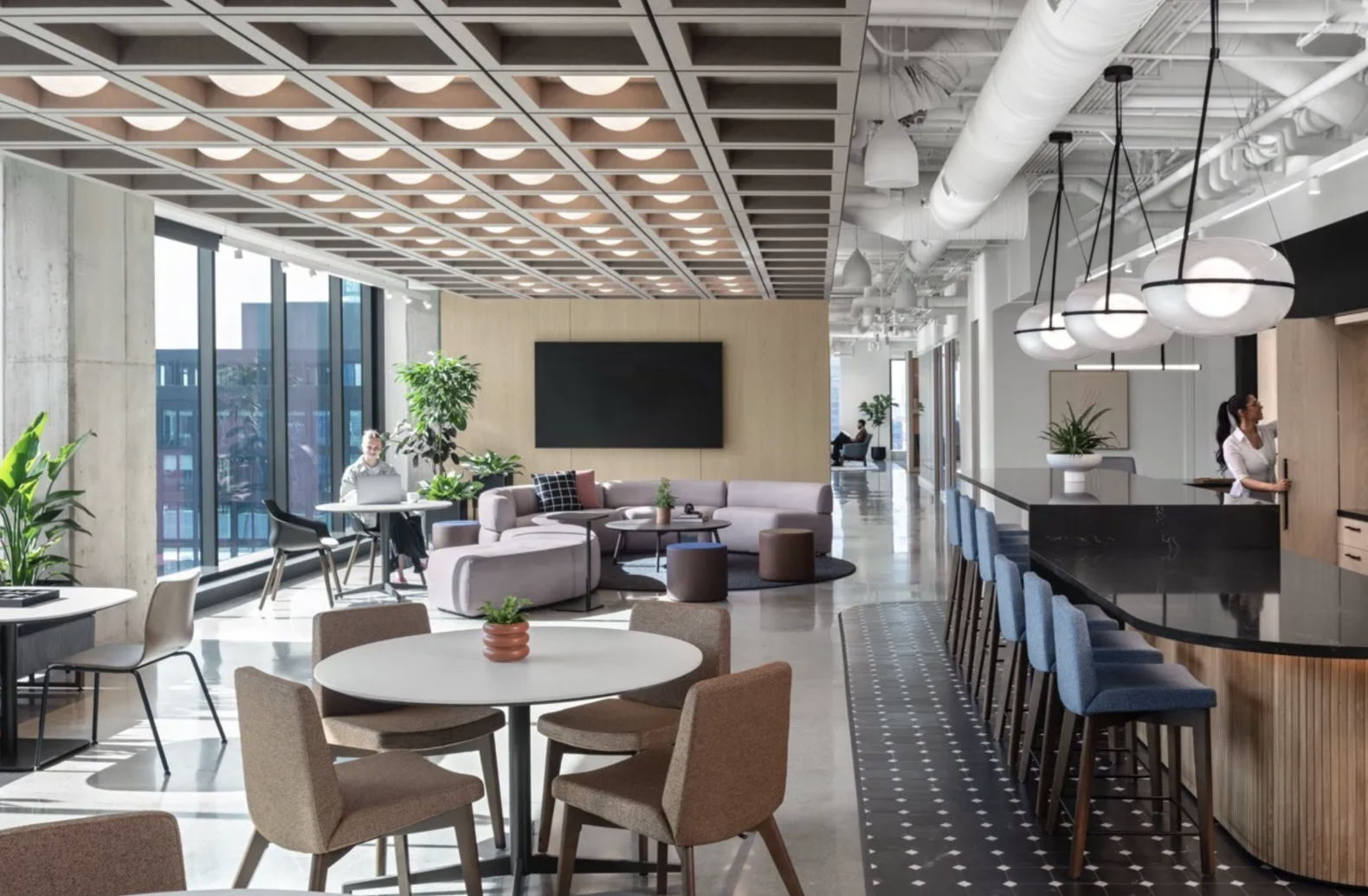
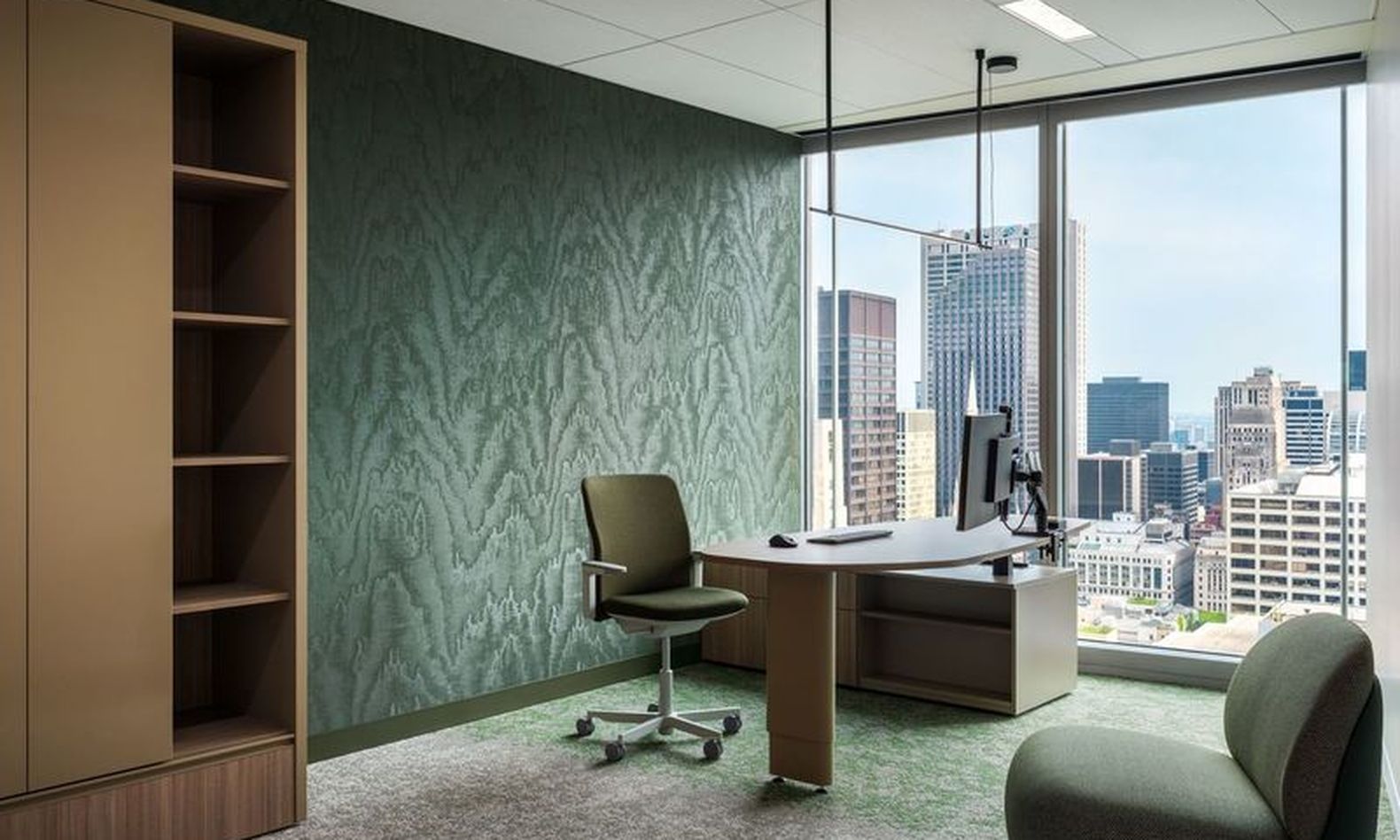
Roar, a Dubai‑based interior design studio, completed its first North American project—a law‑firm office at 300 North LaSalle in Chicago—by creating a connected, campus‑like environment through a central staircase and varied office layouts that respect the building’s window rhythm. The design balances privacy, acoustics, and status with flexible spaces for focus, collaboration, and retreat, incorporating Chicago’s cultural identity via color palettes, material choices, and views of the river. A standout café offers both open vistas and secluded pods, supporting diverse work preferences and promoting an agile, human‑scaled workplace.
|
|  www.onofficemagazine.com www.onofficemagazine.com
|
|
|
|
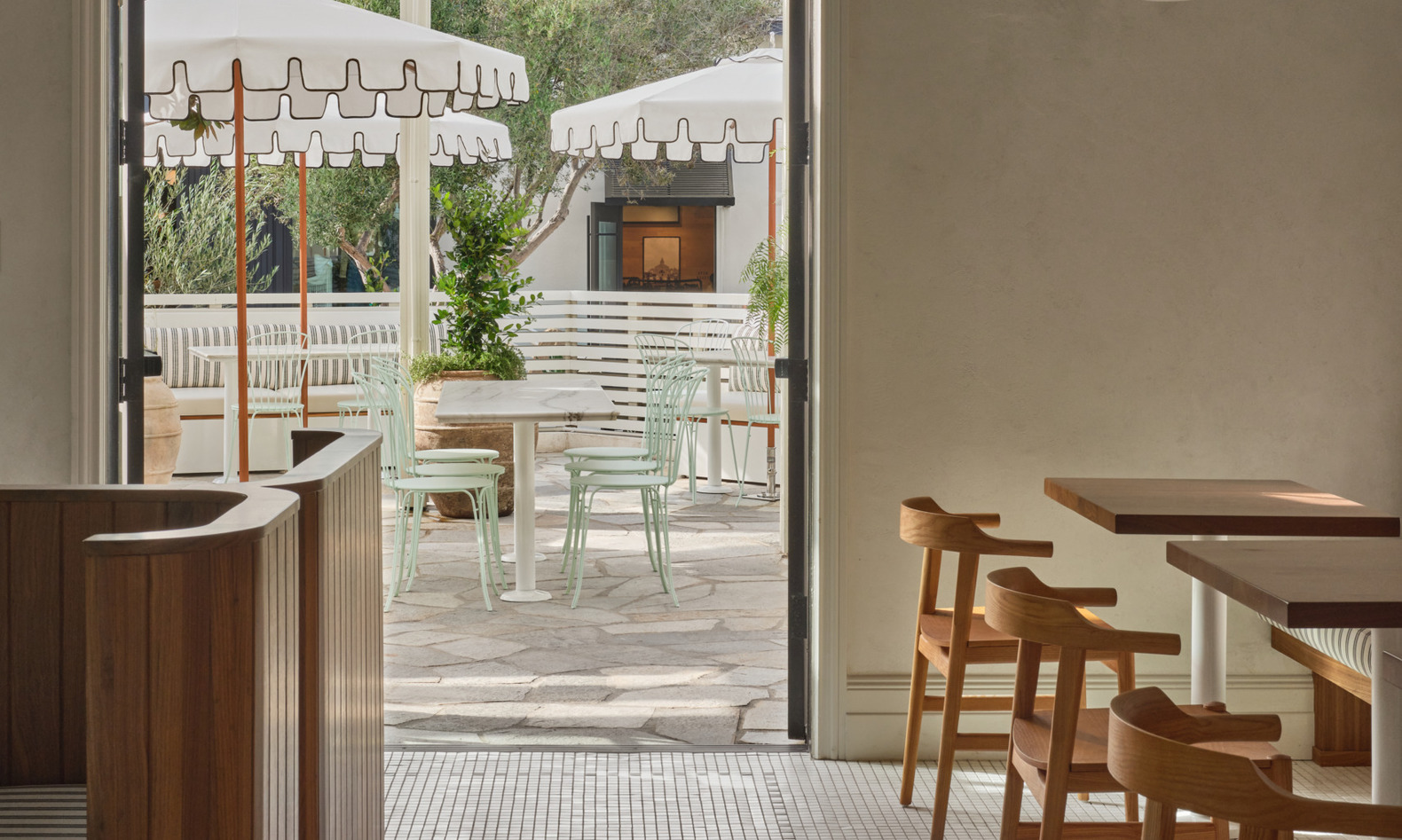
Goop Kitchen is opening its first dedicated dine‑in restaurant in Del Mar, California, a 92‑seat venue that marks a shift from its delivery‑focused model and introduces new menu items such as a salad pizza and specialty drinks. Designed with marble, walnut millwork, and indoor‑outdoor seating, the space reflects the brand’s aesthetic while expanding Goop Kitchen’s presence in Southern California, with plans for additional locations in La Jolla and downtown San Diego.
|
|  design-milk.com design-milk.com
|
|
|
|
EQ Bank’s Montreal office, designed by Inside Studio, combines flexible, collaborative spaces with wellness areas, featuring vibrant brand‑colored ceilings, bold carpet accents, and a layout that maximizes daylight and views while preserving existing concrete flooring. The design integrates an 18‑person boardroom, breakout zones, a central kitchen, and a dedicated wellness room, using acoustic baffles with LED lighting and whimsical globe pendants to create a functional, memorable workplace.
|
|  officesnapshots.com officesnapshots.com
|
|
|
|
Rachel How, a self‑taught designer and YouTuber, now leads video at Mobbin where she grew the channel from 200 to over 30,000 subscribers in six months. She shares a portable, lightweight workspace featuring a MacBook Pro M4 Pro, a rolling IKEA desk, and essential accessories, emphasizing simple tools like a blank notebook. Her workflow starts with title and thumbnail design in Figma, followed by research, scripting, filming, and editing, with AI tools like Claude and Cursor speeding up app development. She stresses the importance of canvas‑first design, uses Figma for storyboarding, and balances full‑time work with side projects by aligning tasks with her energy levels.
|
|  workspaces.xyz workspaces.xyz
|
|
|
|
|
Havas Health Signs 254K SF Expansion at HQ Near Grand Central Terminal
|
|
Havas Health is expanding its Midtown Manhattan headquarters at 200 Madison Avenue by adding 64,657 sq ft to its existing 189,461 sq ft, bringing the total footprint to 254,118 sq ft across five floors with a lease through at least 2041. The expansion highlights the building’s amenity‑rich environment, including a new 11,000‑sq‑ft amenity center, and reflects strong office leasing activity in Manhattan, where July signings surged 22.1 % to 3.87 million sq ft.
|
| |
|
|
|
|
Ted Moudis Associates Celebrates 25 Years of Workplace Design Leadership in Chicago
|
|
Ted Moudis Associates celebrates the 25th anniversary of its Chicago office, highlighting a quarter‑century of delivering integrated workplace strategy, architecture, and interior design that supports growth, culture, and long‑term success for clients across diverse sectors. The firm emphasizes its collaborative, client‑centered approach, combining strategic insight with forward‑thinking design to create flexible, experience‑driven environments that attract talent, reinforce culture, and position organizations for future challenges.
|
| |
|
|
|
|
Solomon Coyle Earns 2026 Brandon Hall Group Silver HCM Excellence Award for Its Sales Leadership Program
|
|
Solomon Coyle’s 12‑week, cohort‑based Sales Leadership Program earned the 2026 Brandon Hall Group Silver HCM Excellence Award for its blended learning approach, real‑world skill building, and measurable impact, helping commercial interiors sales leaders improve competency by an average of 15 % and develop actionable strategies for growth.
|
| |
|
|
|
AI will reshape the furnishings industry by handling product discovery, comparison, and visualization, but it won’t replace salespeople. Instead, AI should serve as a tool that equips sales professionals with better information, preparation, and extra time to focus on relationship‑based activities such as sample discussions, on‑site consultations, and problem‑solving—tasks that remain essential for closing deals and maintaining customer trust.
|
| |
|
|
|
Manage and grow a national network of independent sales representatives across the US and Canada, driving revenue through commercial furniture dealers, architects, designers, and specification firms. Own the full sales cycle—strategy, pipeline management, forecasting, and contract negotiations—while conducting market analysis to spot trends and opportunities. Partner cross-functionally with Product, Marketing, Supply Chain, and Leadership to deliver strong customer solutions, and represent the company through presentations, training, trade shows, and industry events. Requires extensive travel throughout the US and Canada to build relationships and support the rep network in the field.
|
| See Job Opening > |
|
|
|
|
|