The Setting: The SoS Role
|
|
|
|
|
Georgia's Secretary of State wears several hats — business licensing, securities regulation, professional credentialing — but make no mistake: the primary job, and the one that matters most in this race, is running elections.
The SoS is Georgia's chief elections officer. That means overseeing voter registration, certifying voting equipment, setting administrative policy for 159 counties, managing the voter rolls, and certifying election results. It's a policy role, an administrative role, and a leadership role all at once.
What makes the job unusually complex: the SoS doesn't run elections directly — counties do. The SoS sets the framework; Georgia's 159 counties execute it. Leadership in this office is influence, partnership, and accountability, not direct control.
The record of the past eight years is mixed. SB 202 was a genuine achievement. Voter ID requirements held up in court and didn't suppress legitimate votes. But trust remains fractured, transparency has been inconsistent, and Fulton County remains a festering wound — the FBI raid, the BRE intransigence, the ongoing court battles, the pattern of resistance to legitimate oversight that has not been resolved.
That's the job description against which we'll evaluate the candidates.
|
|
|
|
|
Scene 1: Meet the Candidates
|
|
|
|
|
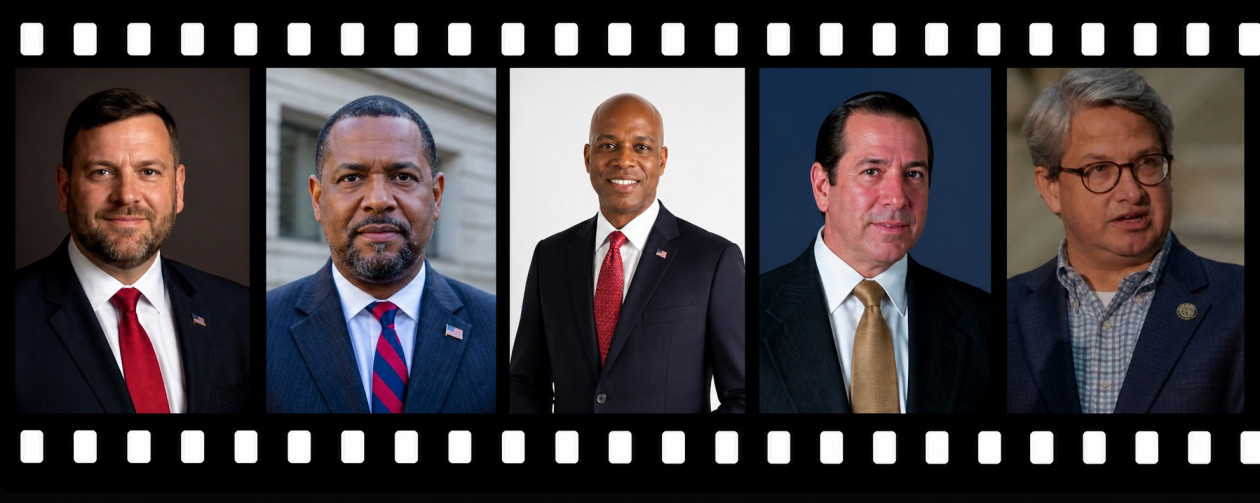
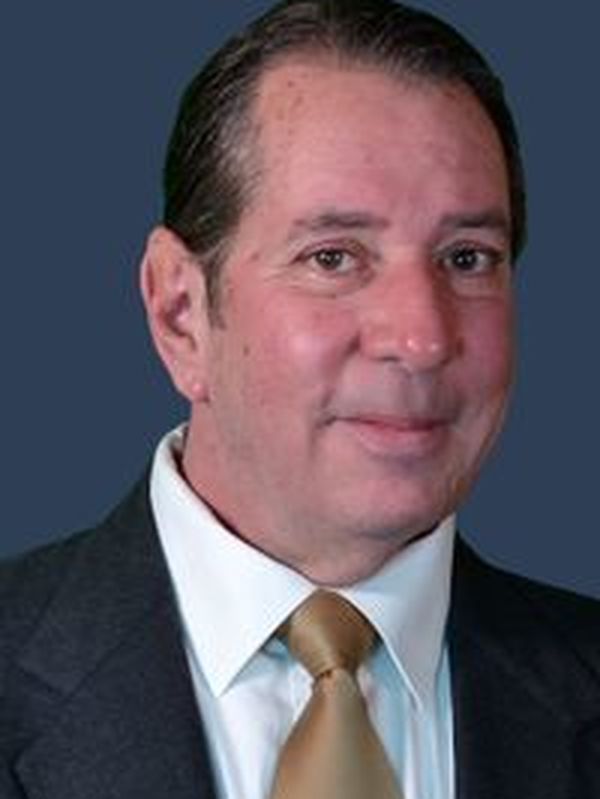
Tim Fleming — State Representative; former Deputy Secretary of State and Kemp Chief of Staff
|
|
|
|
|
|
|
Tim Fleming is a lifelong Newton County resident, small business owner, and current State Representative for Georgia's 114th district. He previously served as a Newton County Commissioner, Deputy Secretary of State, and Chief of Staff to Governor Kemp. He also managed Kemp's 2018 gubernatorial campaign and chaired the Blue Ribbon Study Committee on Election Procedures — the body whose recommendations, including QR code replacement, were not enacted in the 2026 legislative session.
|
|
|
|
|
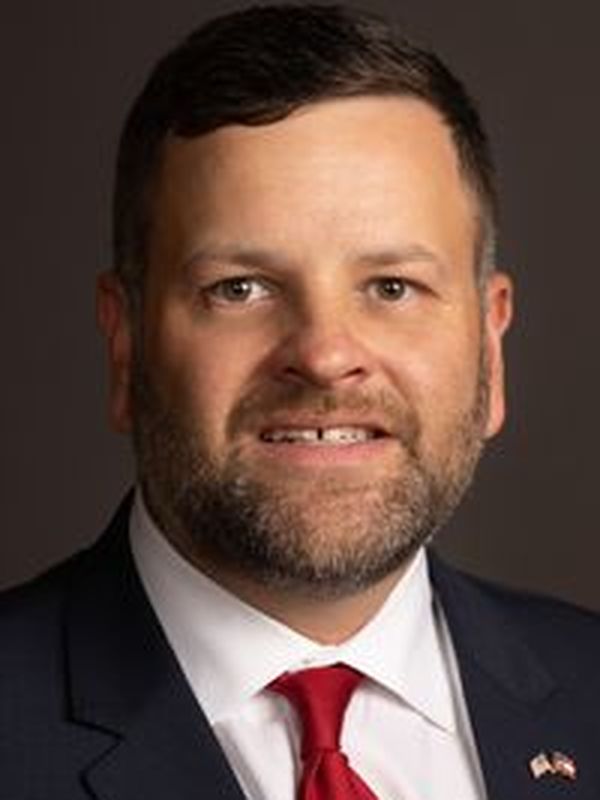
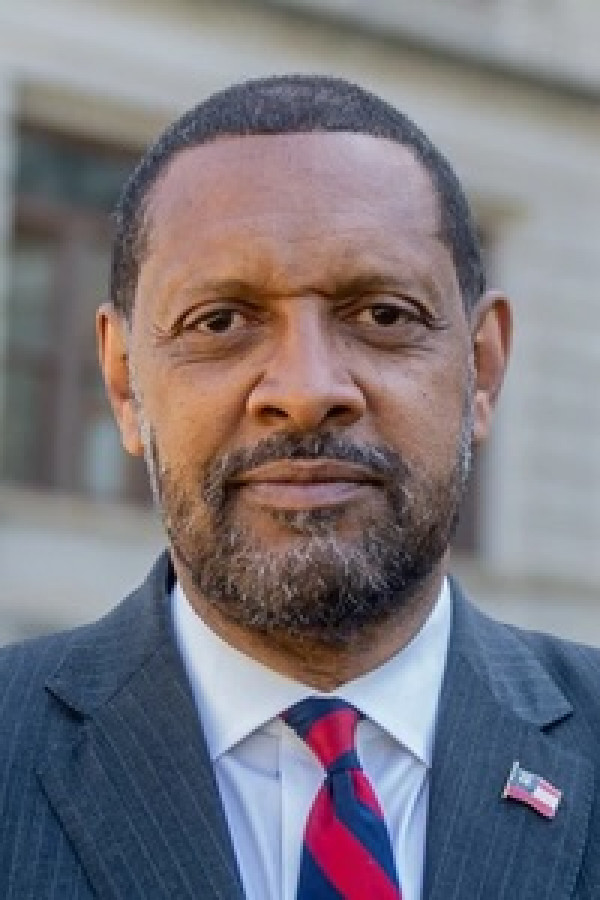
Vernon Jones — Former DeKalb County CEO; former State Representative
|
|
|
|
|
Vernon Jones served 12 years in the Georgia House of Representatives and 8 years as DeKalb County CEO. He switched parties in 2021 and has since become a prominent supporter of Donald Trump in Georgia politics, including speaking at the 2020 Republican National Convention. He campaigned for Governor and for Congress in 2022.
|
|
|
|
|
|
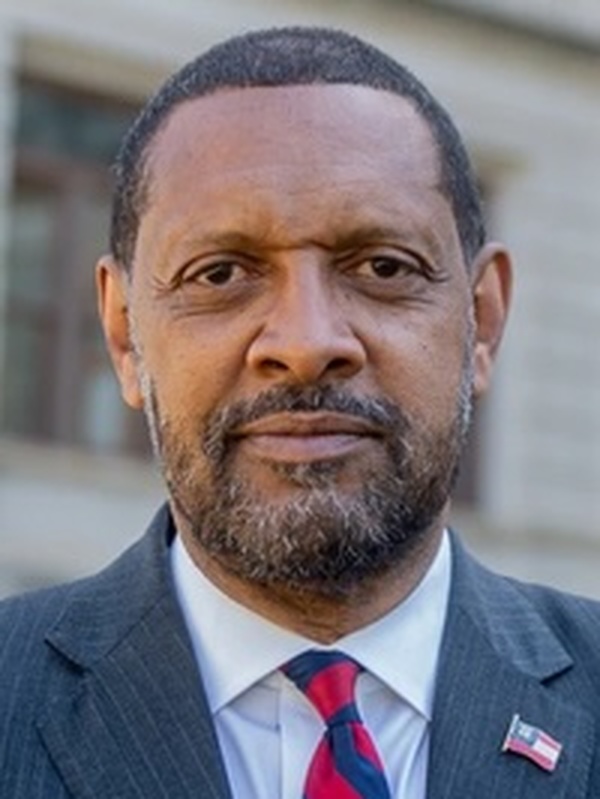
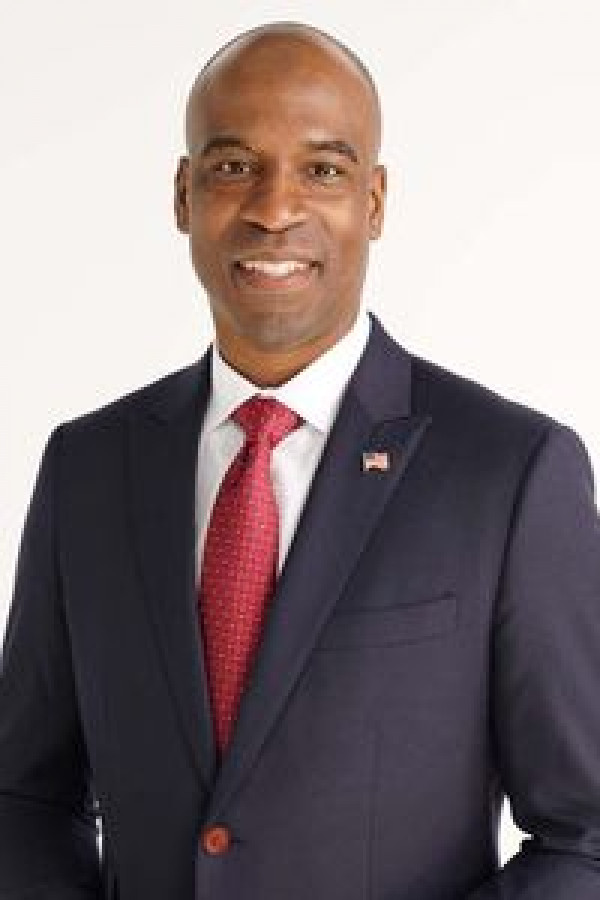
Kelvin King — Air Force veteran and Atlanta business owner; 2022 U.S. Senate candidate
|
|
|
|
|
|
|
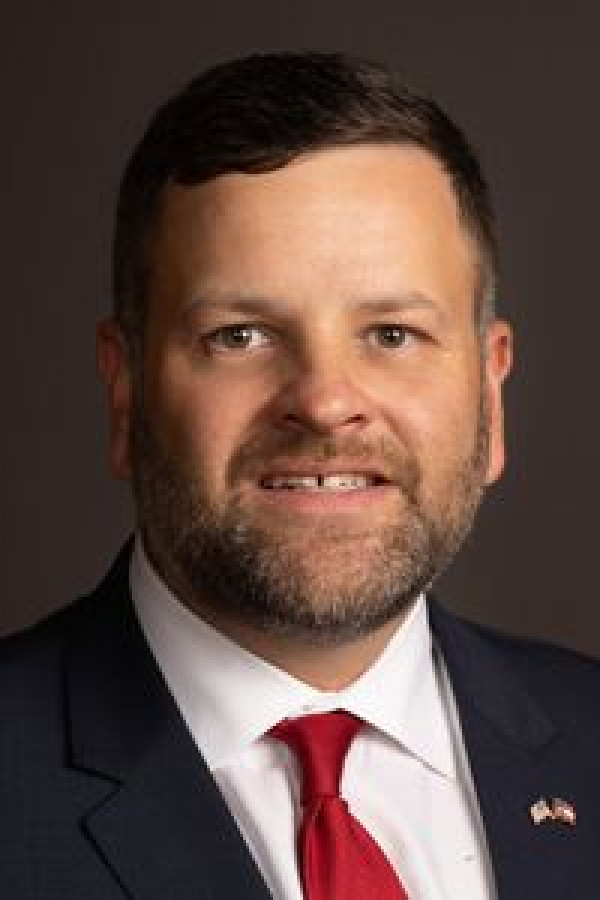
Kelvin King is a U.S. Air Force veteran, University of Georgia graduate, and owner of Osprey Management, an Atlanta-based construction firm twice named among the fastest-growing businesses in Georgia by the Atlanta Business Chronicle. He ran unsuccessfully for U.S. Senate in 2022, losing the GOP primary to Herschel Walker. His wife, Janelle King, serves on the Georgia State Election Board.
|
|
|
|
|
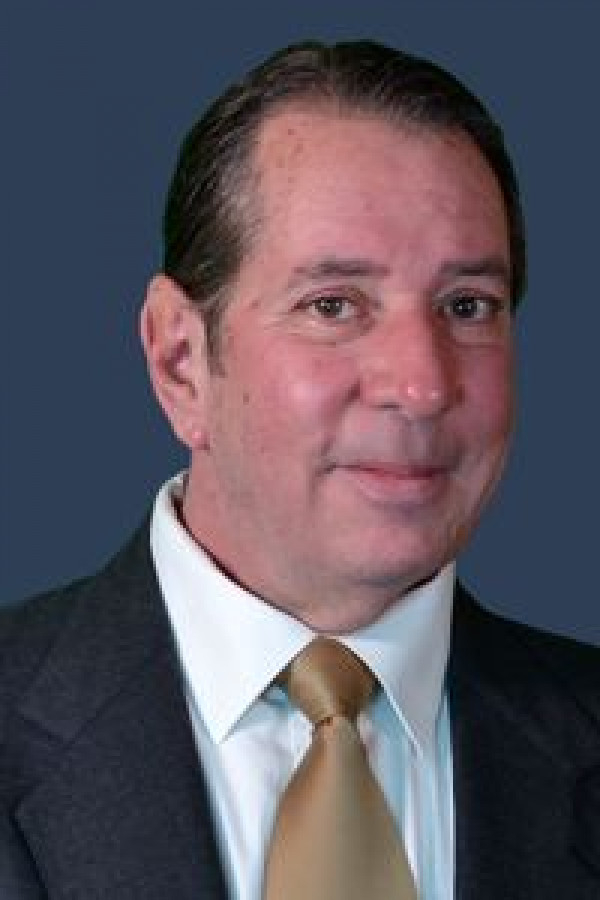
Ted Metz — Navy veteran; former Libertarian Party chair and 2022 Secretary of State candidate
|
|
|
|
|
Ted Metz is a Navy veteran, retired insurance and finance professional, and former chair of the Georgia Libertarian Party. He ran as the Libertarian nominee for Governor in 2018 and for Secretary of State in 2022. He has been an active election integrity advocate for over fourteen years, testifying repeatedly at legislative committee hearings and filing legal challenges to Georgia's election system.
|
|
|
|
|
|
Gabriel Sterling — Chief Operating Officer, Georgia Secretary of State’s office (2018–2026)
|
|
|
|
|
|
|
Gabriel Sterling served eight years as Chief Operating Officer in the Georgia Secretary of State's office under Brad Raffensperger, overseeing the rollout of the state's current Dominion voting system ahead of the 2020 election. A Sandy Springs City Council alumnus and University of Georgia graduate, he became widely known in December 2020 when he delivered a televised rebuke of threats against Georgia election workers.
|
|
|
|
|
Scene 2: First Impressions —
Their Campaign Websites
|
|
|
|
|
Before the debate stage, before the questionnaire, before any of the pressure of a live exchange, every candidate had the chance to put their best foot forward in a setting they fully controlled: their own campaign website. What they chose to put there — or not — offers a clean look at how each candidate chose to present themselves — what they emphasize, and what they leave out.
I visited all five. Here’s what I found, in alphabetical order.
|
|
|
|
|
Seven bullet-point slogans. "Strengthen election integrity." "Deport illegals attempting to vote." No specifics behind any of them.
|
|
|
|
|
More structured than Sterling or Fleming — three named policy positions: citizen verification, strengthened photo ID, and curtailed absentee voting. Directional but thin on mechanics.
|
|
|
|
|
The most substantively prepared website in the field. Specific legal argument for terminating the Dominion contract, citing Georgia code. Detailed voter roll maintenance philosophy. Securities oversight awareness. Reads like someone who has actually studied the job.
|
|
|
|
|
Detailed and ideologically consistent. Supports imprisonment for "election shenanigans." 14 years of documented advocacy to eliminate all electronic voting systems.
|
|
|
|
|
Three words: "Conservative. Ready. Real." A donate button and a mailing address. No policy content whatsoever.
|
|
|
|
|
Taken together, the websites vary widely — from high-level messaging to detailed policy arguments — offering an early signal of how each candidate approaches the role.
|
|
|
|
|
Scene 3: See Them in Action —
The April 28 Debate
|
|
|
|
|
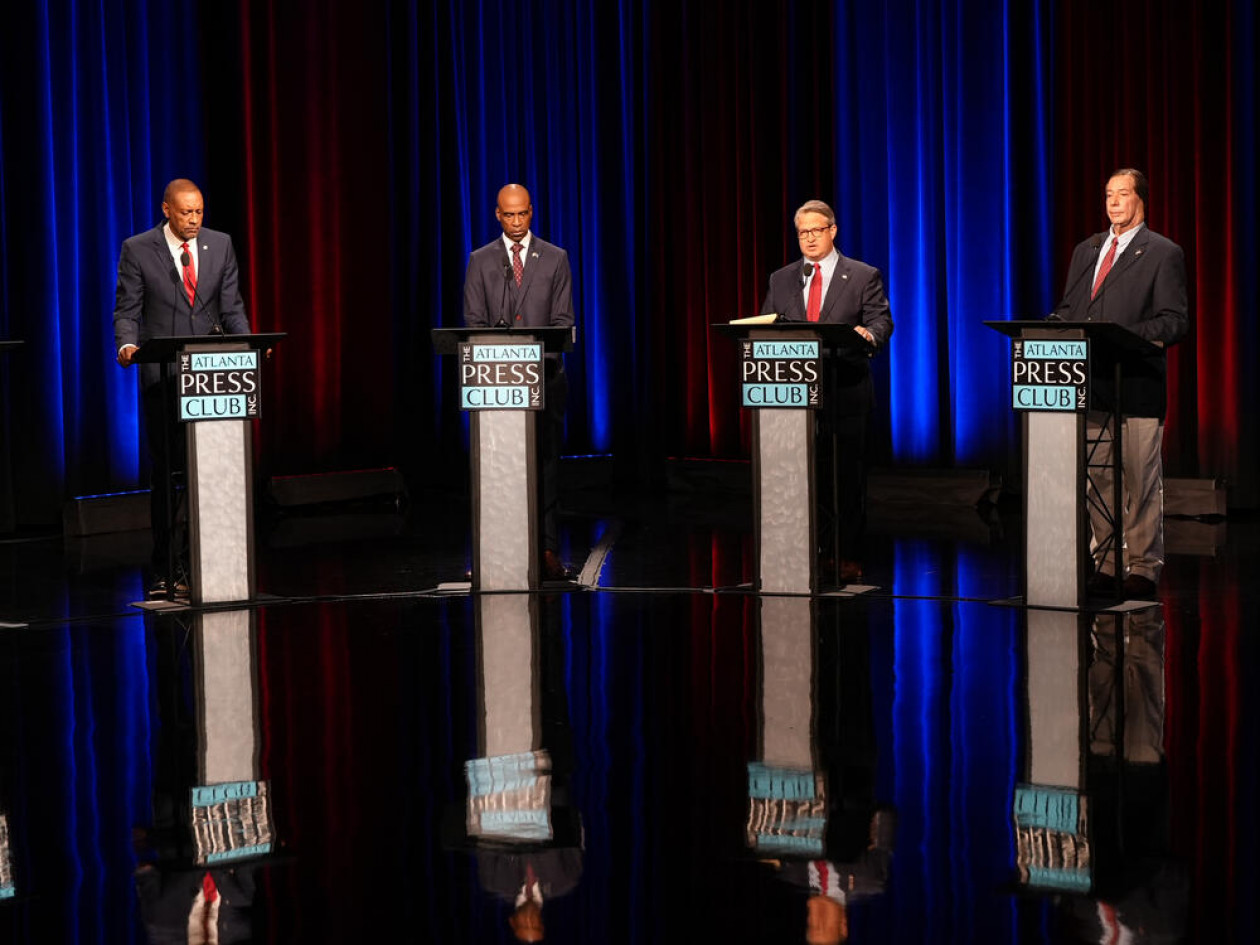
On April 28, four of the five candidates met for the Atlanta Press Club / GPB Republican primary debate. Tim Fleming did not attend. As the candidate with prior experience inside the SoS office as Deputy Secretary of State, his absence left voters without a direct opportunity to see how he would present that experience in a live setting.
|
|
|
|
|
What follows is what stood out, candidate by candidate, in alphabetical order.
|
|
|
|
|
Tim Fleming did not attend. The reasons haven't been publicly explained, but the most plausible read is that he's running as the establishment frontrunner — backed by Kemp's network, with the deepest resume in the field — and didn't see upside in sharing a stage with four challengers who would have made him their target. I understand the political logic. But Fleming is the candidate with prior experience inside the SoS office as Deputy Secretary of State, and skipping the only debate of the primary leaves voters guessing about what he'd actually do with that experience. The empty podium was its own statement.
|
|
|
|
|
Vernon Jones brought energy and presence. He can carry a message and command a room — those instincts are real. But the substance was thin. His debate strategy leaned heavily on attacking Kelvin King personally rather than making his own case for the office, which raised questions about both focus and temperament. "Paper ballots" as a platform is a direction, not a plan, and when pressed he showed no awareness of the cost, timeline, or legislative requirements involved.
|
|
|
|
|
Kelvin King was the most interesting candidate on the stage. He was more operationally grounded than his outsider positioning suggests — the only candidate to articulate a specific voting system proposal with a coherent rationale: hand-marked paper ballots, machine-tabulated, with a manual count required before certification. He engaged Sterling directly on what the new state law actually requires, citing specific language. When the conflict-of-interest question about his wife came up, his answer — "attorneys cleared it" — was a legal answer, not a leadership one, and that's a gap he'll need to close. But on substance, King carried himself as someone who has actually studied the job, not just decided he wants it.
|
|
|
|
|
Ted Metz knows the procedural details better than anyone in the field. Fourteen years of testifying at legislative hearings shows. He was the only debate candidate who specifically mentioned securities oversight and the office's broader regulatory responsibilities — a small thing, but a tell about how seriously he's thought about the full scope of the role. The problem is that detail without direction isn't leadership. His closing statement read like a consulting punch list. And his proposal to devolve election authority to Georgia's 159 counties is philosophically consistent with his Libertarian roots but operationally dangerous — it would make the Fulton County problem exponentially worse, not better.
|
|
|
|
|
Gabriel Sterling stands apart on operational knowledge, and that gap is real. He has answers — specific, technical, lawyer-tested — that no one else on the stage could match. But two things raised a red flag. First, his repeated insistence that Georgia runs "the best election system in the nation" is not a strategic mindset; it's a defensive posture. Trust is a core deliverable of any election system, and trust in Georgia's elections remains demonstrably uneven. A leader who cannot acknowledge what needs to improve cannot lead improvement. Second, on Fulton County, Sterling pointed to monitors and SB 202 as the response — fair enough — but then dismissed continuing concerns as belonging to "a small segment of Georgians." For the readers of this newsletter, that small segment is us!
|
|
|
|
|
So what does it all add up to?
|
|
|
|
|
The honest finding first: no candidate in this field is fully ready to lead. Leading the SoS office requires both deep operational competence and a clear strategic vision for where Georgia's election system needs to go.
Sterling has the competence. King is reaching for the vision. Metz knows the procedural details. Jones brings energy. Fleming has the resume. But none of them has demonstrated both halves of the job.
The most telling moment of the debate confirmed it: not one candidate benchmarked Georgia against another state or an external standard. Every candidate argued entirely from inside Georgia's own frame of reference. The closest anyone came was Sterling — whose benchmark was that Georgia is already the best election system in the nation. That's not benchmarking. That's a defensive crouch. World-class systems benchmark themselves against external standards and look for what they can learn. This field, collectively, did not.
So with that as backdrop, here's how each candidate's profile comes into focus.
|
|
|
|
|
|
|
Strengths:
- Direct experience as Deputy Secretary of State
- Senior roles in state government, including Chief of Staff to Governor Kemp
- Established relationships across the legislature and executive branch
|
|
|
Cautions:
- Skipped the only debate of the primary
- No policy substance on his website
- No clear answer for why the Blue Ribbon recommendations failed
|
|
|
|
|
|
|
Strengths:
- Real executive experience as DeKalb County CEO
- Political instinct and stage presence
- Aggressive on election integrity
|
|
|
Cautions:
- Thin on operational specifics
- Attacked King personally instead of making his own case
- Multiple unsuccessful campaigns and party-switching history
|
|
|
|
|
|
|
Strengths:
- The most substantively prepared platform in the field
- Specific voting system proposal with coherent rationale
- Reform energy backed by real operational study
|
|
|
Cautions:
- Wife serves on the State Election Board, an unresolved conflict
- Vision is directional but light on timeline and legislative pathway
- Stakeholder relationships with legislature and counties unproven
|
|
|
|
|
|
|
Strengths:
- Fourteen years of documented election integrity advocacy
- Substantive grasp of the office's full scope, including securities oversight
- Coherent and consistent voting system reform position
|
|
|
Cautions:
- Sees every tree with precision but struggles to describe the forest
- Devolving authority to 159 counties would worsen Fulton, not fix it
- Has never won an elected office
|
|
|
|
|
|
|
Strengths:
- Eight years running the SoS office at the executive level
- Unmatched institutional knowledge and federal compliance fluency
- Track record defending Georgia's election laws in court
|
|
|
Cautions:
- "Best in the nation" framing is a defensive posture, not a vision
- Treats Fulton County as a closed chapter, not an open wound
- Close alignment with Raffensperger raises independence questions
|
|
|
|
|
Five candidates, five different ways to think about the choice
|
|
|
|
|
Fleming — If you value the establishment frontrunner with the deepest insider resume
Brings direct experience inside the SoS office and Kemp-network relationships across state government. His decision to skip the only primary debate leaves voters guessing about how he would use that experience.
Jones — If you prioritize political presence and a fighter on election integrity
Brings real executive experience as DeKalb CEO and strong instincts on stage. Operational and policy specifics remain thin.
King — If you want a reformer who has actually studied the job
The most substantively prepared platform in the field, with a specific voting system proposal and coherent rationale. The conflict-of-interest question about his wife's SEB role hangs over him.
Metz — If you prioritize long-term advocacy and procedural depth
Fourteen years of documented engagement with Georgia's election system. His proposal to devolve authority to 159 counties would make the Fulton problem worse, not better.
Sterling — If you want continuity and the most experienced hand in the field
Eight years running the SoS office and unmatched operational knowledge. Treats Fulton as a closed chapter and Georgia's system as already the best — strong on defense, less clear on vision.
The choice is yours. Whichever bet you make, make it. This seat must stay Republican. Early voting is underway. Election Day is May 19. Your vote matters.
|
|
|
|
|
|
|