In this issue… HNI and DIRTT report stronger quarterly results, Vivo acquires Vari, and office sales rise, even as large tenants struggle to find premium space. We explore declining job satisfaction, AI’s effect on work, and the growing role of flexible offices. Plus, see how remote work is reshaping homes, why office design is getting more colorful, and what’s new in furniture, flooring, and textiles.
|
| |
|
|
|
Prime office occupier costs rose sharply in Q3 2026, with a global year‑over‑year increase of 4.7% across 47 cities. New York led North America with a 4.9% quarterly rise and 13.7% annual growth, while Mumbai topped the global list with a 7.6% quarterly jump and 21% annual increase, driven by strong demand and low vacancy. Europe saw modest gains, notably in Prague and Warsaw where fit‑out expenses and limited supply pushed rents higher, though both markets remain below the broader EMEA average.
|
| Read more > |
|
|
|
U.S. worker productivity surged 3.6% annualized in the third quarter, outpacing forecasts and raising output per hour, while unit labor costs fell 0.7%—the first decline since early 2025—helping ease inflation concerns. This strong performance, combined with modest wage growth, gives the Federal Reserve flexibility as it maintains interest rates amid ongoing geopolitical pressures.
|
| |
|
|
|
"The strength of our growth strategies and ability to stay focused on our profit levers, despite ongoing macroeconomic uncertainty, was evident in our third quarter results. We expect strong profit growth again in the fourth quarter, driven by the Steelcase acquisition, operational productivity gains and organic revenue growth."
- Jeff Lorenger, Chairman, President, and Chief Executive Officer, HNI
|
| |
|
|
|
|
HNI’s Profits Climb as Office Demand Improves and Steelcase Savings Build
|
|
HNI has become a much larger company through its acquisition of Steelcase. Its third-quarter results offered something more useful to the office furniture industry: evidence that the underlying business is growing again.
Legacy Workplace Furnishings sales rose 5.9 percent, with volume returning to growth. Orders across the workplace segment increased 6 percent, led by contract customers. Cost controls and productivity improvements helped turn that modest demand improvement into substantially stronger earnings.
The distinction matters. Buying Steelcase explains most of HNI’s 133 percent increase in consolidated sales. It does not explain the improvement in profitability at the businesses HNI already owned.
The Muscatine, Iowa-based company reported sales of $1.59 billion for the quarter ended Oct. 3, compared with $683.8 million a year earlier. Net income increased to $90 million from $41.2 million. Diluted earnings per share rose 39.8 percent to $1.23, while adjusted earnings increased 47.3 percent to $1.62.
HNI said earnings exceeded its internal expectations even though volume growth was slightly below plan. Expense management, productivity, favorable pricing relative to costs and the timing of investments supplied the difference.
“Volume growth returned in both segments in the third quarter,” said Jeff Lorenger, chairman, president and chief executive officer.
For furniture manufacturers and dealers looking for signs of a broader recovery, the workplace results were encouraging, though uneven.
Legacy Workplace Furnishings sales reached $547.3 million, with approximately 2 percent volume growth, according to management’s earnings-call discussion. Contract customers outperformed small and medium-sized businesses. Steelcase’s order growth was stronger than that of HNI’s legacy workplace operations, and segment orders continued to increase during the most recent five-week period.
Lorenger pointed to improving office leasing activity, return-to-office trends and a growing pipeline of potential projects. Bid quotes, customer visits, requests for proposals and design requests were all encouraging, management said.
There is still distance between an active sales pipeline and furniture leaving a factory. Executives reported delays on some large projects, partly because of labor constraints, along with softer demand in education and state and local government.
The clearest improvement was in the profitability of HNI’s legacy workplace business. Adjusted operating margin reached a third-quarter record of 16.2 percent, up from 12.3 percent a year earlier. Adjusted operating profit increased 39.6 percent to $88.6 million.
Including Steelcase, workplace sales reached $1.42 billion and adjusted operating profit rose 162 percent to $166.6 million. The combined segment’s adjusted margin, however, declined to 11.7 percent from 12.3 percent.
That leaves HNI with two different assignments: sustain the gains in its legacy operations and improve the profitability of the much larger business it has acquired.
Management said Steelcase integration savings are arriving ahead of plan. HNI raised its target for annual operating-profit synergies to at least $130 million from $120 million and now expects to reach the original target by the end of the fourth year.
Early progress has come from reducing public-company costs and administrative expenses. Procurement, logistics and manufacturing changes are expected to supply more of the future savings.
Those projections cover Steelcase’s Americas operations and exclude potential revenue benefits. For dealers, that second opportunity deserves attention. HNI said it has begun pursuing an initiative to expand sales of its open-line brands through its dealer networks. The savings targets are quantified; the additional sales opportunity remains to be demonstrated.
Steelcase contributed to third-quarter earnings, but HNI now expects the acquisition to be neutral to full-year 2026 earnings per share. International weakness and inflation are absorbing the expected contribution.
Management identified higher steel and diesel costs as sources of pressure and expects pricing actions to restore price-cost neutrality in 2027. Faster integration savings are welcome, but some of that progress is being spent keeping up with costs.
HNI’s Residential Building Products segment also grew despite a difficult housing market. Sales increased 4.8 percent to $175 million, while operating profit rose 15.6 percent to $34.7 million. Double-digit sales growth in remodel-retrofit more than offset weakness in new construction. Segment orders increased 4 percent.
For the fourth quarter, HNI expects legacy workplace sales to grow at a low-single-digit rate. An extra week in the prior-year quarter creates an approximately three-percentage-point sales comparison headwind. Residential Building Products sales are expected to be roughly flat.
The company maintained its forecast for full-year adjusted earnings-per-share growth of 20 to 25 percent and expects another double-digit increase in 2027. Steelcase savings, manufacturing changes and productivity improvements underpin that outlook, while tariff refunds and certain tax benefits helping 2026 will not recur.
HNI is showing that it can produce substantial profit growth from a relatively modest sales recovery. For the wider furniture industry, the more consequential test is whether improving orders become sustained volume growth. The third quarter supplied evidence of that turn. It has yet to establish its strength
|
| |
|
|
|
|
DIRTT’s Sales and Margins Improve, Adding to Signs of a Better Workplace Market
|
|
HNI’s stronger third-quarter results offered encouragement that workplace demand is improving. DIRTT has now supplied another piece of evidence, with higher sales, better margins and a return to profitability. The recovery still comes with a familiar condition: customers have to turn their project plans into actual orders.
The Calgary-based manufacturer of prefabricated interior construction systems reported third-quarter revenue of $44.7 million, up 19 percent from $37.7 million a year earlier. Revenue for the first nine months increased 8 percent to $127.5 million. All figures are in U.S. dollars unless otherwise noted.
The improvement extended beyond sales. Gross profit rose to $15.7 million from $11.5 million, while gross margin expanded to 35.1 percent from 30.4 percent. Adjusted EBITDA, a non-GAAP measure, increased to $6.5 million, or 14.6 percent of revenue, from $1.2 million, or 3.1 percent, a year earlier.
Those figures provide a more useful reading of the quarter than the headline net income of $17.1 million, compared with a $3.5 million loss last year. DIRTT recognized a $13.1 million deferred tax asset related to losses at its U.S. business, accounting for much of that swing.
The operating improvement was substantial. The tax accounting made it look considerably larger.
DIRTT’s results follow the improvement described in our earlier HNI story, where legacy workplace sales increased 5.9 percent, volume returned to growth and workplace orders rose 6 percent. Both companies are showing that firmer demand, combined with tighter operations, can produce meaningful profit gains. Their results offer encouragement across different parts of the workplace supply chain, although neither establishes that a broad recovery has arrived. HNI’s third-quarter results also pointed to productivity and favorable pricing relative to costs as important contributors.
At DIRTT, lower tariff costs supplied part of the improvement. Tariffs and mitigation expenses fell to $300,000 from $1.9 million a year earlier. Higher volume also helped margins, while rising material costs worked in the other direction. The company introduced a 1 percent aluminum surcharge on orders placed after March 18.
Lower staffing-related expenses in sales and marketing and operations support contributed to the earnings improvement. Reorganization costs also declined sharply, to $300,000 from $2.6 million.
Chief Executive Officer Benjamin Urban said the market backdrop had become more constructive than a year earlier, with active customer engagement and better alignment around project schedules. Customer decisions nevertheless remain slow in some markets.
That qualification matters because DIRTT maintained its full-year outlook while saying it now expects results near the bottom of both ranges: revenue of $175 million to $185 million and adjusted EBITDA of $21 million to $25 million.
Reaching even the low end requires approximately $47.5 million in fourth-quarter revenue and $8.3 million in adjusted EBITDA, based on reported nine-month results. Both would exceed the third quarter’s performance. The stronger operating model still has work to do before year-end.
Management is also tightening its definition of a sales opportunity. DIRTT’s 12-month forward pipeline stood at approximately $290 million across more than 1,600 opportunities on Oct. 1. The company attributed the pipeline’s lower value to more rigorous qualification and better reporting, describing the moderation as temporary.
A smaller, more credible pipeline can be useful. Its value will ultimately be measured by how reliably it becomes revenue.
Construction Services is becoming a larger part of that effort. Service revenue increased to $3.2 million from $1 million in the quarter and reached $6.2 million through nine months. Management says contractual arrangements following awards can improve visibility into revenue timing. As the business grows, execution and margins will determine how valuable that predictability becomes.
DIRTT ended September with $19.3 million in cash and total liquidity of $27.7 million, down from $32.1 million at year-end. After the quarter, it amended its C$25 million revolving credit facility, which matures in November 2029.
For workplace manufacturers and dealers, the encouraging development is that DIRTT and HNI are reporting actual sales improvement alongside stronger earnings. The remaining question is how consistently that demand will arrive. DIRTT’s third quarter showed progress; its year-end expectations suggest management is still allowing for customers to take their time.
|
| |
|
|
|
|
VIVO Acquires Vari, Adding a Broader Office Furniture Business and a New CEO
|
|
Former competitors come together as Vari’s founder shifts his attention to VariSpace. The opportunity extends beyond standing desks; the details of how the businesses will work together remain thin.
Vari built its name by putting a standing desk on top of somebody else’s desk. Its ambitions eventually grew to furnishing the office around it. Now VIVO has acquired the business, bringing two familiar competitors in workplace ergonomics under the same ownership.
Financial terms were not disclosed. Aaron Anliker, previously VIVO’s chief strategy officer, has been named CEO of Vari. Co-founder and outgoing CEO Jason McCann will remain chief executive of VariSpace, the furnished office business, according to the acquisition report supplied by Furniture Today.
The companies describe the combination as an opportunity to expand their offerings and share resources while preserving each brand’s strengths. For office furniture competitors, the more consequential question is how VIVO will use Vari’s broader commercial furniture platform alongside its own established ergonomics business.
There is a plausible fit. There is also considerable overlap.
VIVO’s history is rooted in selling affordable ergonomic equipment online. The company traces its beginnings to an e-commerce business started in 2002 and says it entered the office market in 2012 with a dual monitor mount. It subsequently expanded into desk converters and electric height-adjustable desks. Its stated proposition has been to make ergonomic products accessible to everyday buyers.
Vari arrived from a different starting point. Its original desktop converter reached the market in 2013, with an official introduction at NeoCon that June. The product sat on an existing desk, arrived assembled and allowed the user to alternate between sitting and standing without replacing the underlying furniture. It was a straightforward answer to a problem customers could understand immediately.
The company’s subsequent expansion explains why this transaction deserves attention beyond the home office category. In February 2020, VariDesk became Vari, announcing that its assortment had grown to more than 200 products, including seating, storage, lighting and movable walls. Dropping “desk” from the name reflected an effort to win more of the workplace furnishing budget.
That expansion was still on the agenda this year. In an April 2026 interview, McCann said Vari expected to bring more than 100 new products to market during 2026. That was a statement of plans, rather than confirmation of completed launches, but it indicates that VIVO is acquiring a business already pursuing a substantial product program.
VIVO founder and CEO Chance Knapp said the combination would allow the brands to share expertise, capabilities and resources. McCann pointed to alignment in business approach, culture, innovation and entrepreneurship. Anliker’s assignment is to turn those compatible intentions into a stronger furniture business.
For commercial customers, that could mean a wider selection supported by shared capabilities. Execution will depend on how the owner positions overlapping products, maintains service and gives buyers a clear reason to choose each brand. A larger assortment can help win an order. It can also require more explanation.
McCann’s continuing role at VariSpace preserves his involvement in another expression of the Vari concept: supplying the workplace itself. VariSpace currently markets furnished office properties in Coppell and Southlake, Texas, with layouts that can adapt as tenants’ requirements change. The leadership announcement alone does not establish whether VIVO acquired any ownership interest in those properties.
Stump & Co. represented Vari in the transaction.
For the office furniture industry, the development is a combination of two businesses that approached workplace ergonomics through accessible products and direct customer relationships. VIVO now has an opportunity to connect that foundation to a broader commercial furnishing offer.
The test will be whether shared ownership makes the brands easier to buy from—and more difficult to compete with.
|
| |
|
|
|
|
Interface Reports Third Quarter 2026 Results
|
|
Interface reported Q3 2026 results with net sales of $366.7 million, a modest 0.6% increase, and GAAP earnings per share of $0.67, down 14.1%, while adjusted earnings per share rose 11.5% to $0.68, reflecting the strength of its diversified portfolio and the One Interface strategy. The company reaffirmed full‑year earnings guidance, adjusted its net‑sales outlook slightly lower due to softer European conditions, and provided FY 2026 guidance for sales, profit margins, SG&A, and capital expenditures, emphasizing continued focus on margin expansion, cost discipline, and sustainability goals.
|
| |
|
|
|
|
MillerKnoll Gives Stutz the Job. Now Comes the Earnings Test.
|
|
MillerKnoll’s decision to make Jeff Stutz its permanent CEO gives investors a clearer name to hold accountable for the turnaround. It does not, by itself, make the turnaround more likely. Appointed October 21 after serving as interim chief since June, the former CFO and COO brings familiarity with the business and its financial constraints. The investment story is continuity, with the expectation that somebody who knows where the costs sit can finally get more earnings out of the portfolio.
That puts the emphasis on factory and footprint decisions, pricing, tariff mitigation and the allocation of capital across North America Contract, International Contract and Global Retail. Stutz’s addition to the board places him directly inside those investment decisions as well. His experience should help with execution. It cannot supply the orders, and softer North American demand leaves less room for restructuring savings to disappoint.
The forecasts underpinning the investment case require considerable improvement: annual revenue growth of about 4.1%, profit margins rising from 2.6% to 4.2%, and earnings reaching roughly $181 million by 2029, compared with a starting point of about $98 million. Those are assumptions, not results. They require MillerKnoll to extract more profit from sales while protecting demand—a delicate assignment when pricing must also absorb tariff pressure.
The attraction is understandable. Better margins across a portfolio of established design brands could produce stronger earnings and cash generation without requiring spectacular sales growth. But debt makes the cash portion of that argument particularly important. Stutz’s appointment removes uncertainty over who will run MillerKnoll. Investors still need evidence that the operating plan can generate enough cash to strengthen the balance sheet while funding the business. A permanent CEO is a governance decision. The investment case will be settled in the numbers.
|
| |
|
|
|
Room & Board for Business is marking 20 years since its 2006 launch, having grown from a single hotel order to serving more than 60,000 companies. It provides thoughtfully designed, durable furniture and tailored support for workplace, hospitality, and other commercial spaces, building on long-standing client and manufacturing partnerships.
The business emphasizes American craftsmanship, sustainability, and lasting design: more than 90% of its furniture and decor is made in the United States, and its initiatives include responsibly sourced wood and the Urban Wood Project. Its established collections, including Parsons, Linear, Classic, and Woodwind, continue to serve evolving commercial needs with project support and flexible delivery options.
|
| |
|
|
|
Large office tenants face limited options for sizable, high‑quality spaces, with only a small fraction of buildings offering 50,000+ sq ft blocks in Class A properties within top‑rent submarkets. While overall office vacancy is around 22%, suitable large blocks are scarce—3.6% overall and even lower in key markets like Manhattan and Los Angeles. This scarcity intensifies competition among landlords, emphasizing building quality, location, and financial strength as critical factors for attracting tenants.
|
|  globest.com
|
|
|
|
U.S. commercial real estate is expected to remain resilient after the 2026 midterm elections, with economic growth, improving property fundamentals, and limited new construction supporting rents and occupancy. Political and geopolitical uncertainty may affect inflation, interest rates, and borrowing costs, while demand for AI and cloud computing continues to drive data center growth.
|
|  allwork.space
|
|
|
|
The midterm elections delivered a clear rebuke to the data‑center industry, with Democrats winning key races and a wave of ballot measures restricting new development across more than 40 jurisdictions. As a result, the sector now faces tighter regulatory scrutiny, moratoriums, and higher permitting hurdles, especially in major markets like Texas, Ohio, and Georgia, putting billions of dollars of planned capacity at risk and signaling a tougher landscape for future AI‑driven data‑center expansion.
|
|  www.bisnow.com
|
|
|
|
Here's a good office furniture customer - IWG’s third‑quarter results showed a 12% year‑over‑year increase in systemwide revenue to $1.26 billion, driven by expansion beyond 5,000 centers and strong growth in managed and franchised locations, which saw a 27% rise to $287 million and a 72% jump in recurring management‑fee revenue. The company added 324 new centers, maintains a target of up to 1,000 openings annually through 2027, and leveraged technology, automation, and AI to boost efficiency, supporting continued revenue growth without raising its cost base.
|
|  allwork.space
|
|
|
|
Download and read the latest Orgatec Show Report form JSA Consultancy Services
|
| |
|
|
|
|
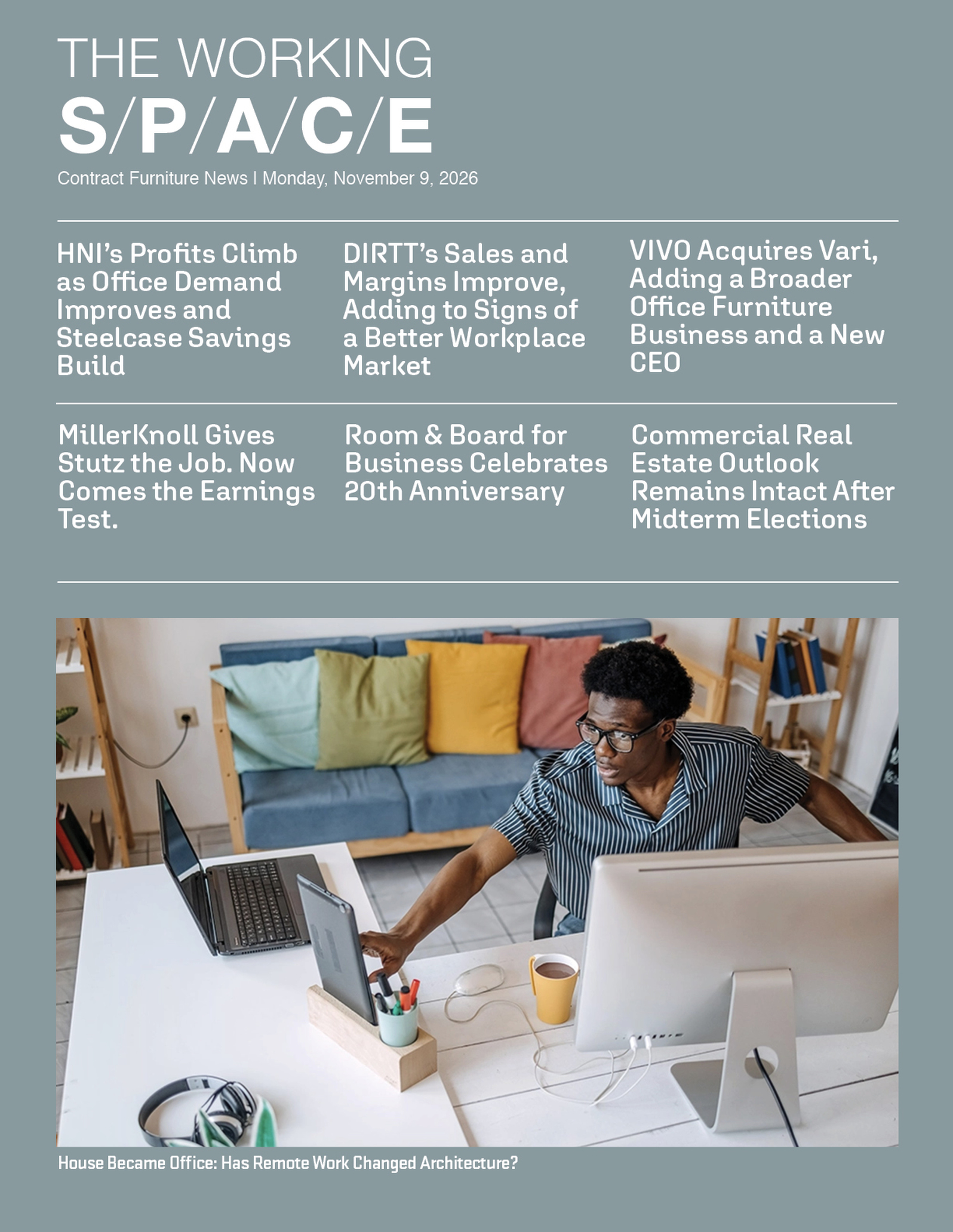
Remote work has reshaped residential architecture by turning homes into spaces that must accommodate professional duties alongside everyday living. Traditional room functions are now fluid, with dining tables, bedrooms, and living areas serving as workstations, creating challenges in privacy, acoustic control, daylight management, and spatial stability. The shift highlights unequal access to suitable work environments, especially in smaller or shared apartments, and calls for architectural solutions that integrate adaptable rooms, acoustic separation, flexible lighting, and built-in infrastructure rather than relying solely on furniture. Designers are urged to create homes that support multiple activities without compromising domestic comfort, emphasizing privacy, flexibility, and the balance between work and personal life.
|
|  parametric-architecture.com
|
|
|
|
EDspaces showcased the importance of designing educational environments that support diverse learner needs, emphasizing neurodiversity, student well‑being, educator wellness, flexible learning spaces, and evidence‑based technology integration. The event highlighted innovative products like the Muzo JuiceBot and 3D‑printed furniture, demonstrated how collaborative design across professions can improve learning outcomes, and underscored the shift toward adaptable, inclusive spaces that enhance both student and teacher experiences.
|
|  officeinsight.com
|
|
|
|
AI is increasingly handling both enjoyable and disliked tasks, with many employees delegating moderate to significant portions of their preferred work to AI, especially in teams where AI is deeply integrated. While AI simplifies specialized tasks and aids non‑experts, expertise remains crucial, and most workers prefer humans to lead decisions that require judgment, particularly high‑risk and priority‑setting choices.
|
|  allwork.space
|
|
|
|
Gen Z workers prefer spending about 3.4 days per week in the office, more than Millennials and other generations, while still valuing work‑life balance. They place high importance on reliable Wi‑Fi, public transit access, and nearby fitness facilities such as gyms and Pilates studios, with many enduring long commutes of 41 minutes or more. Employers should therefore prioritize office locations with strong transportation links and wellness amenities to meet Gen Z’s expectations for collaboration, social interaction, and career development.
|
|  allwork.space
|
|
|
|
Corporate real estate teams are beginning to integrate flexible workspace into their planning, recognizing it as a cost‑effective, agile alternative to long‑term leases. CEOs and CFOs seek data‑driven decisions on space needs, locations, and costs, while new platforms allow simultaneous management of leases and flexible agreements. This shift creates growth opportunities for coworking operators, who can now receive clearer, larger corporate requests for on‑demand spaces, dedicated flex hubs, and team offices, ultimately driving higher revenue and better space utilization.
|
|  allwork.space
|
|
|
|
U.S. employers added 165,000 jobs in October, pushing unemployment down to 4.1%, while revisions raised August and September gains to 186,000 and 60,000 jobs respectively. Despite overall growth, part‑time employment rose by 339,000, mainly due to reduced hours rather than layoffs, and wage growth lagged inflation, with hourly earnings up only 3.1% versus a 3.7% CPI increase. Strong hiring occurred in professional services, health care, and transportation, the latter adding 104,000 jobs since February, and manufacturing also continued to climb, adding 19,000 jobs in October.
|
|  www.fastcompany.com
|
|
|
|
Job satisfaction in Britain has hit its lowest level, dropping from 81 % in 2015 to 74 % in 2025, while fewer workers now prefer full‑time work, with ideal full‑time preference falling from 57 % to 47 % and a notable decline among men. The research shows declining employee commitment, lower interest in jobs, reduced advancement opportunities, and growing demand for higher pay, autonomy and flexibility—needs that many feel their jobs do not meet—while concerns about technology’s impact on jobs remain high despite low personal risk perception.
|
|  workplaceinsight.net
|
|
|
|
Silicon Valley traffic congestion is prompting a shift toward flexible, remote‑first work models, as employees restructure their days to avoid long commutes and prioritize productivity and personal balance. Leaders are urged to focus on results over physical presence, create intentional in‑person connections, and leverage remote work to attract talent, while recognizing that hybrid arrangements remain common and that purposeful office time can enhance trust and collaboration.
|
|  www.fastcompany.com
|
|
|
|
AI is reshaping office design and workforce dynamics as major companies like Microsoft, Amazon, Citadel, and Coca‑Cola adopt AI to automate routine tasks, boost productivity, and prioritize collaborative spaces. This shift is driving faster, cheaper design processes, higher real‑estate team capacity, and prompting questions about future office demand, headcount reductions, and the balance between remote work and physical collaboration.
|
|  allwork.space
|
|
|
|
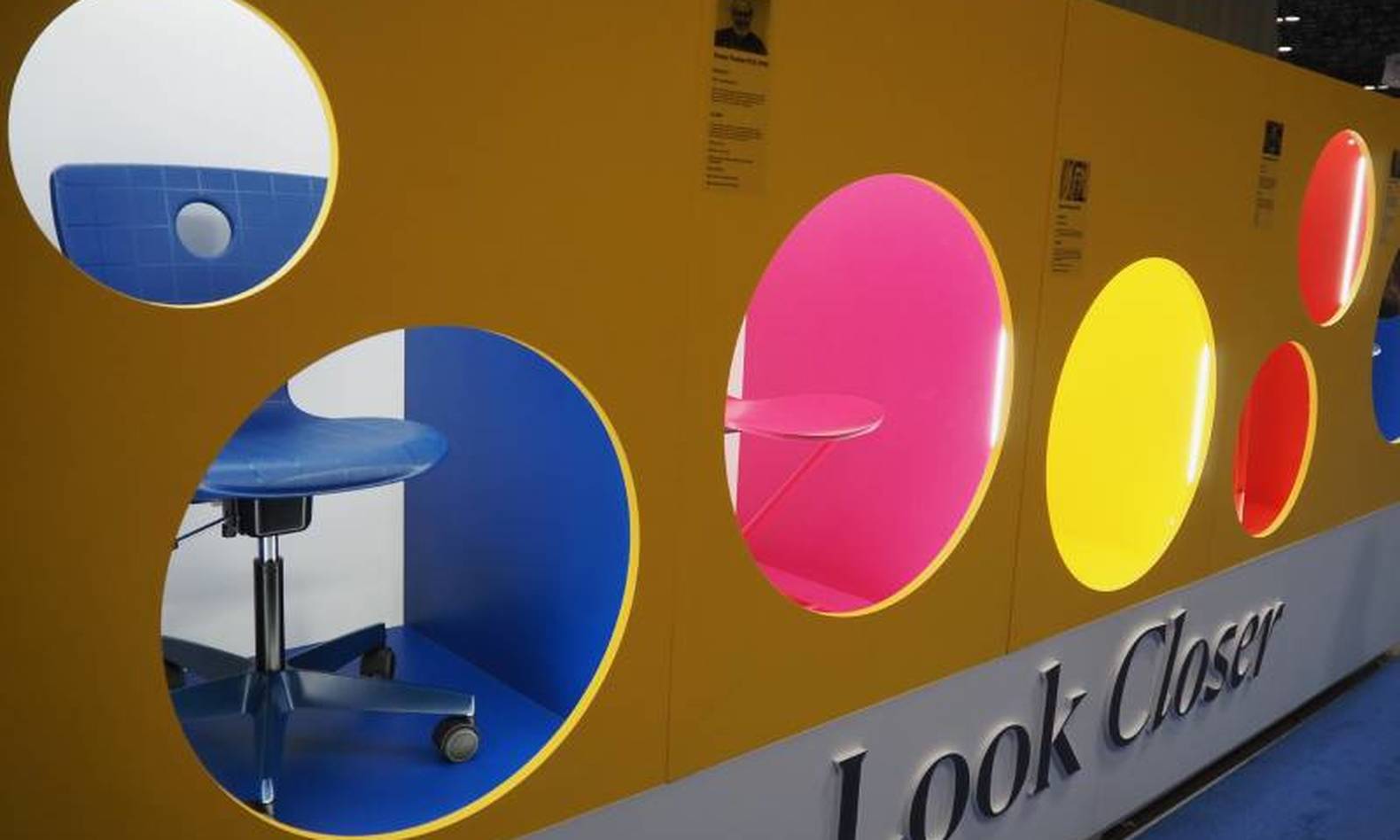
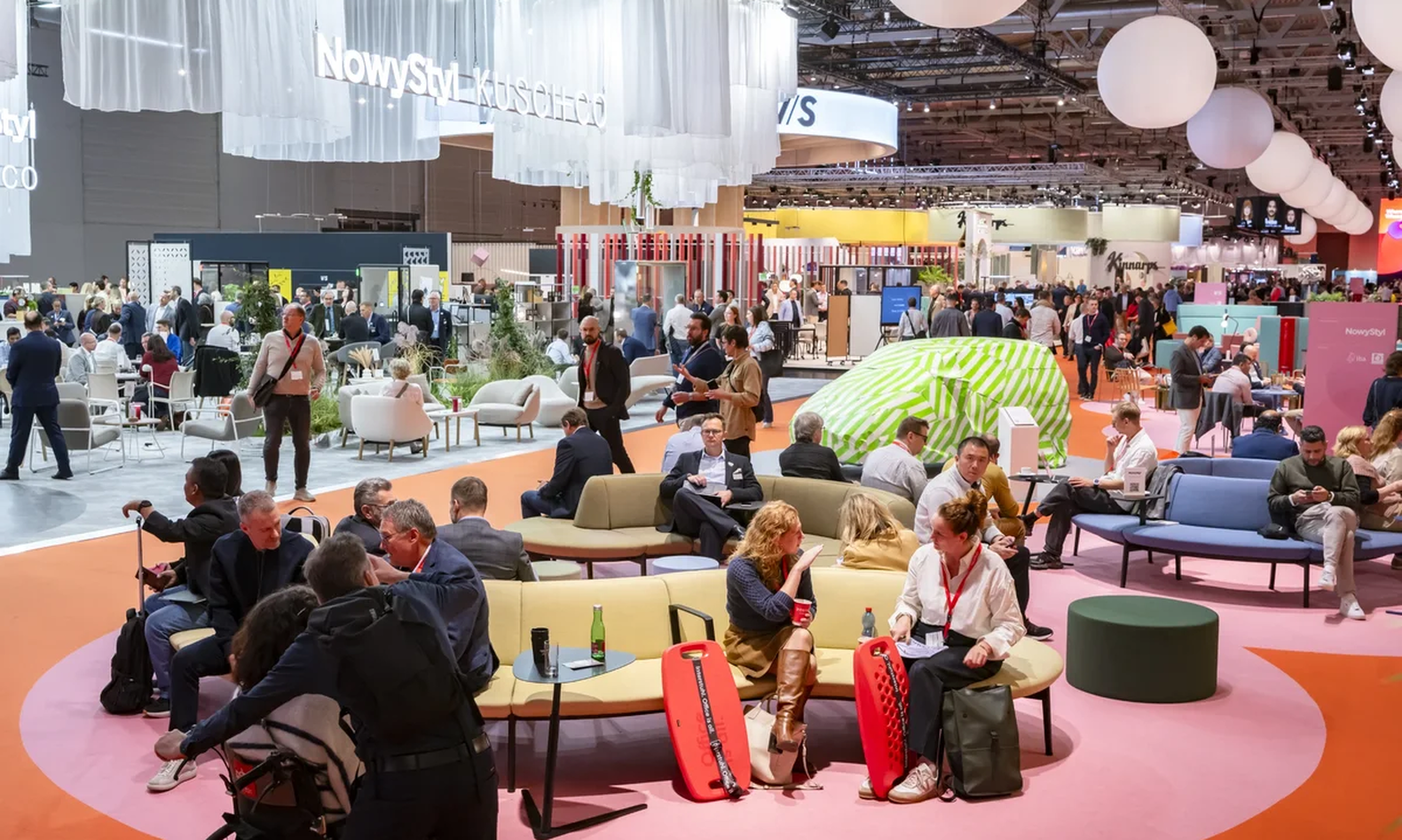
At Orgatec in Cologne, office furniture brands responded to a slowing market with colorful designs, soft seating, home-like materials, acoustic solutions such as sculptural felt panels and privacy pods, and circular furniture programs. The renewed focus on comfort, flexibility, and color brings fresh energy to the workplace.
|
|  www.german-design-council.de
|
|
|
|
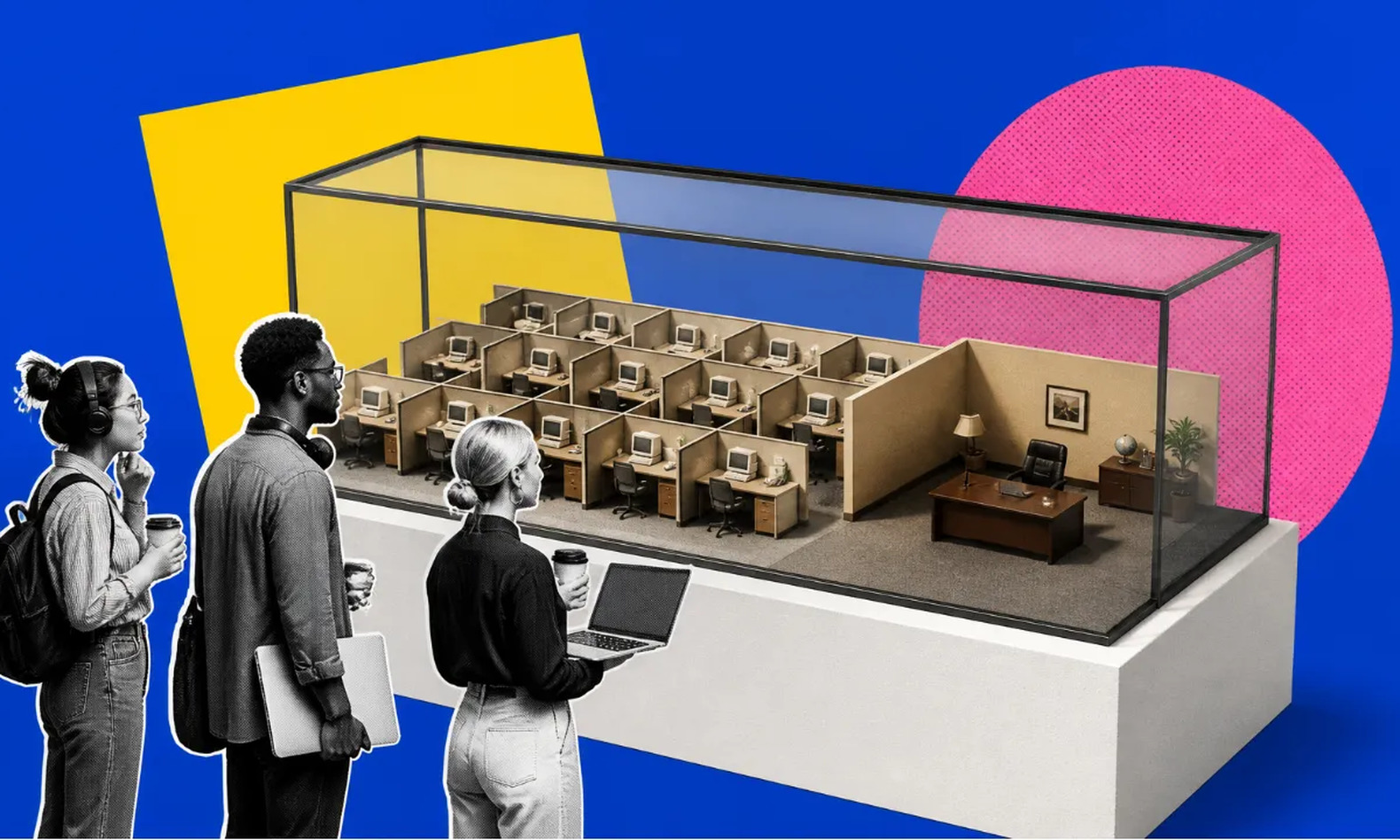
Modern offices must support hybrid schedules and varied work styles rather than assume everyone uses the same desk, attends meetings in one large room, or works at headquarters every day. Warning signs of outdated design include unused assigned desks, oversized executive offices, too few meeting spaces, inflexible layouts, a lack of quiet areas, and no flexible workspace options beyond the main office.
A more effective workplace offers a mix of assigned and shared desks, appropriately sized meeting rooms, adaptable furniture, spaces for focused work, and access to coworking locations when useful. The goal is not to eliminate traditional office features but to give employees choices that match changing attendance patterns and tasks.
|
|  allwork.space
|
|
|
|
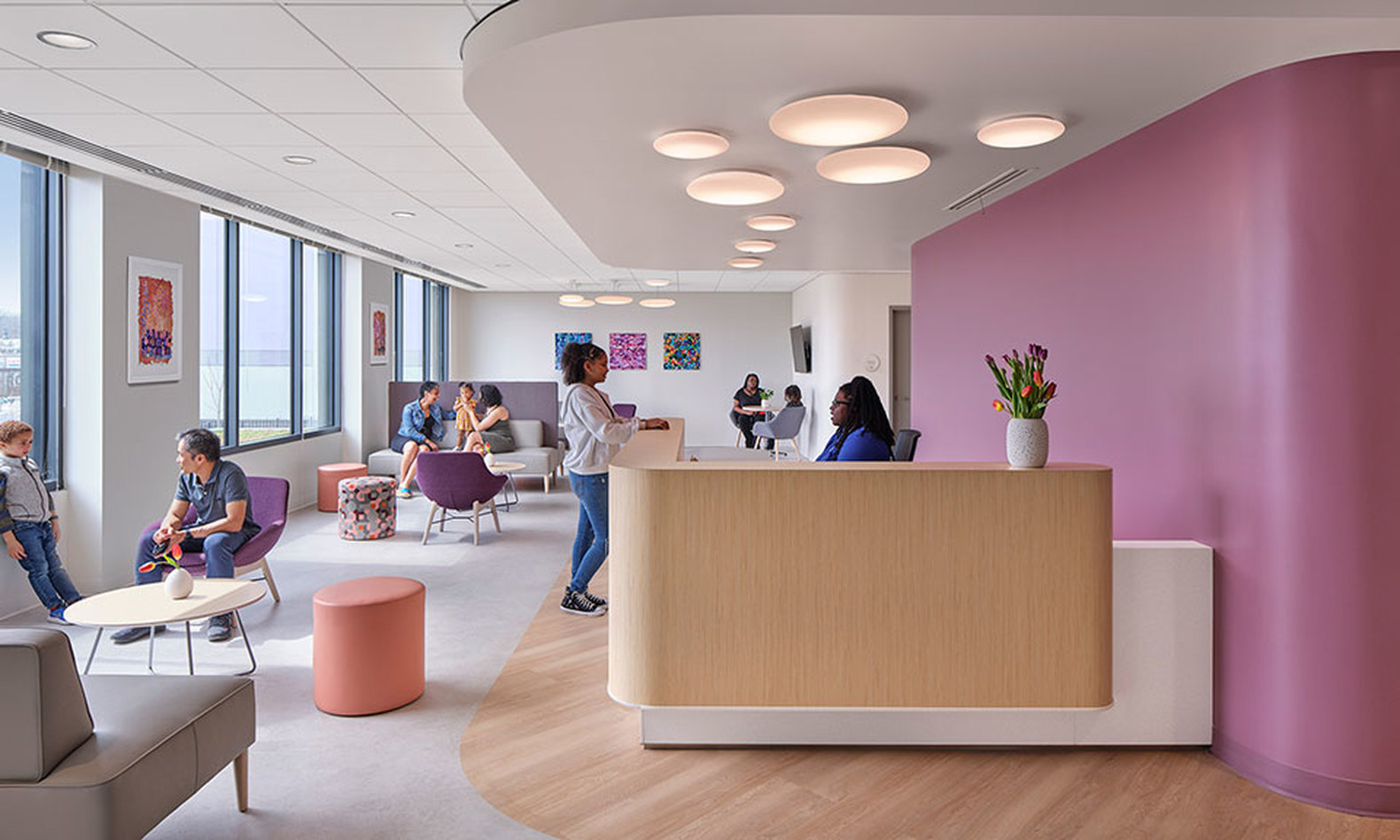
AI is reshaping healthcare by improving diagnosis, personalization, and efficiency, but its impact depends on the quality of data and design of care environments. To ensure technology enhances the human side of care, designers must listen to clinicians, staff, and patients, especially marginalized groups, integrating their insights into spaces that foster trust, privacy, and comfort, as demonstrated by patient‑centered design projects like the Community of Hope birth center.
|
|  www.gensler.com
|
|
|
|
Designers are now treating office sound as a core design decision, moving beyond traditional masking to natural soundscaping that supports productivity and wellbeing. By integrating acoustic modeling tools and early‑stage sound simulations, firms can demonstrate acoustic outcomes, prevent late‑stage value‑engineering cuts, and offer tailored sound environments—ranging from focused masking in work zones to energizing natural sounds in communal areas—thereby improving employee satisfaction and performance.
|
|  propmodo.com
|
|
|
|
|
Arper’s 2025 Sustainability Report - Designing for Longevity
|
|
Arper’s 2025 Sustainability Report highlights its focus on designing for longevity, noting that most of its environmental impact stems from purchased materials and that its products are built to last, be repaired, and refurbished, achieving a 58% score on the FederlegnoArredo Circularity Index. The report also shows significant climate progress, with a 38.1% reduction in total carbon footprint since 2022, especially a 44.4% drop in emissions from purchased materials, while emphasizing local production with the majority of suppliers located in Italy and Europe.
|
| |
|
|
|
|
Lacasse Gives the Private Office a Softer Edge With Nex Nova
|
|
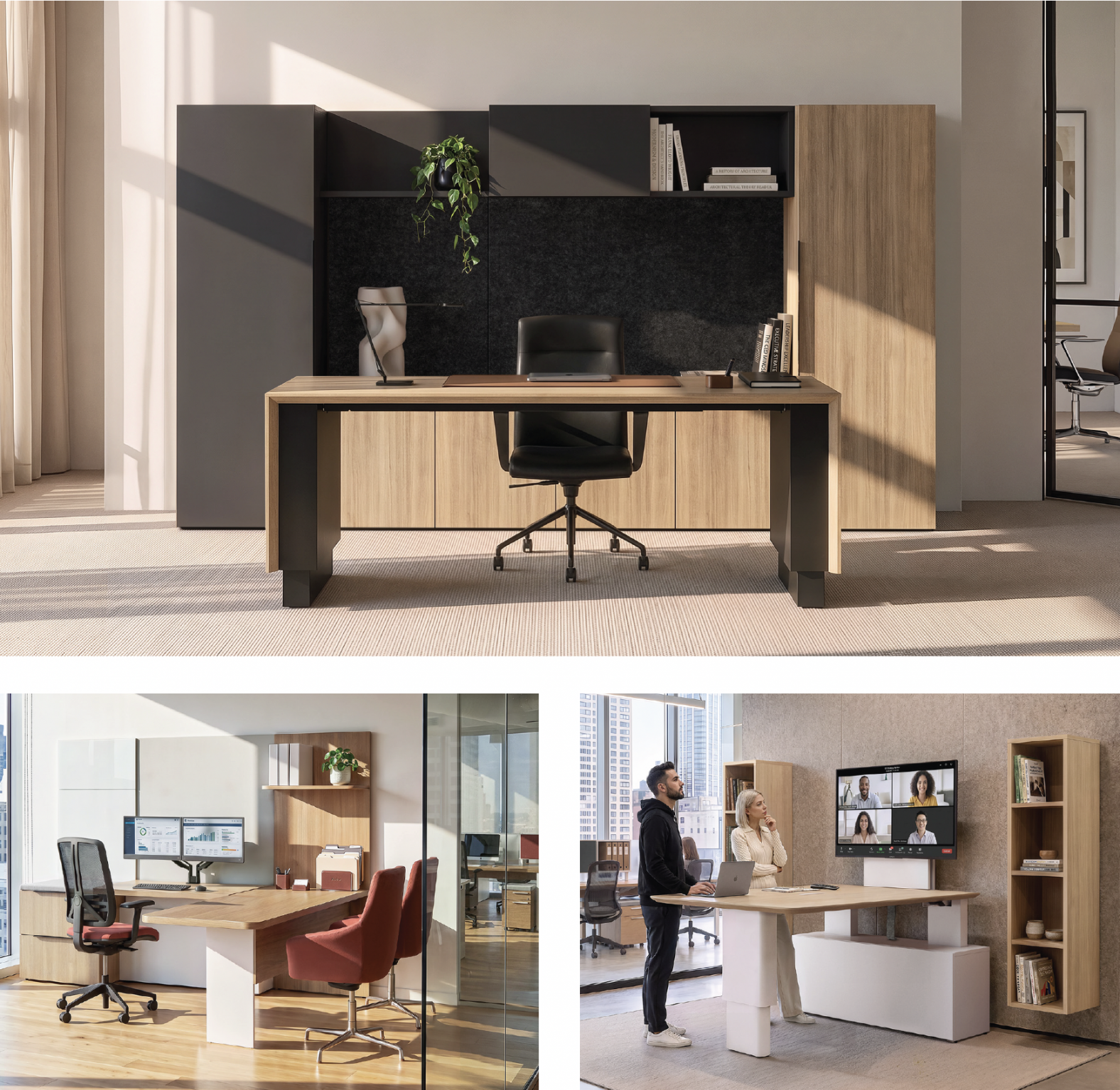
Lacasse is making a case for the private office with Nex Nova, a new furniture collection that pairs curved laminate surfaces and height-adjustable desks with a platform intended to cover a range of budgets, from price-sensitive applications to executive suites.
Introduced Nov. 2, the collection addresses what the Saint-Pie, Québec-based manufacturer describes as a renewed need for privacy as employees return to the office. Its commercial proposition is straightforward: give designers more room to vary the materials, features and price without changing product lines.
The most visible detail is the curved knife-edge laminate worksurface. Lacasse finishes the surfaces with its proprietary FUZE laser edgebanding technology, which the company says delivers a seamless appearance and durability. A fully finished underside edge carries the treatment beneath the worksurface, while a newly designed curved height-adjustable leg extends the collection’s rounded profile.
The customization continues behind the desk. Modular laminate wallboards accept felt, glass or cork-like tiles, with curved laminate or slim aluminum shelves adding storage options. Those choices give designers a way to vary texture and utility within the same collection.
Dominic Aubry, vice president of design and product innovation, said Nex Nova responds to offices serving several purposes, including collaboration, creativity and focused work, while accommodating a desire for more personal interiors.
For dealers and specifiers, the breadth of the platform may matter as much as its curves. Gary Hierlihy, vice president of sales and marketing, said the collection spans private-office needs and price points through a single product line.
That is a useful proposition for projects with different office sizes, budgets and levels of finish. Nex Nova gives Lacasse a private-office story built around softer forms, material choice and adjustable-height functionality.
|
| |
|
|
|
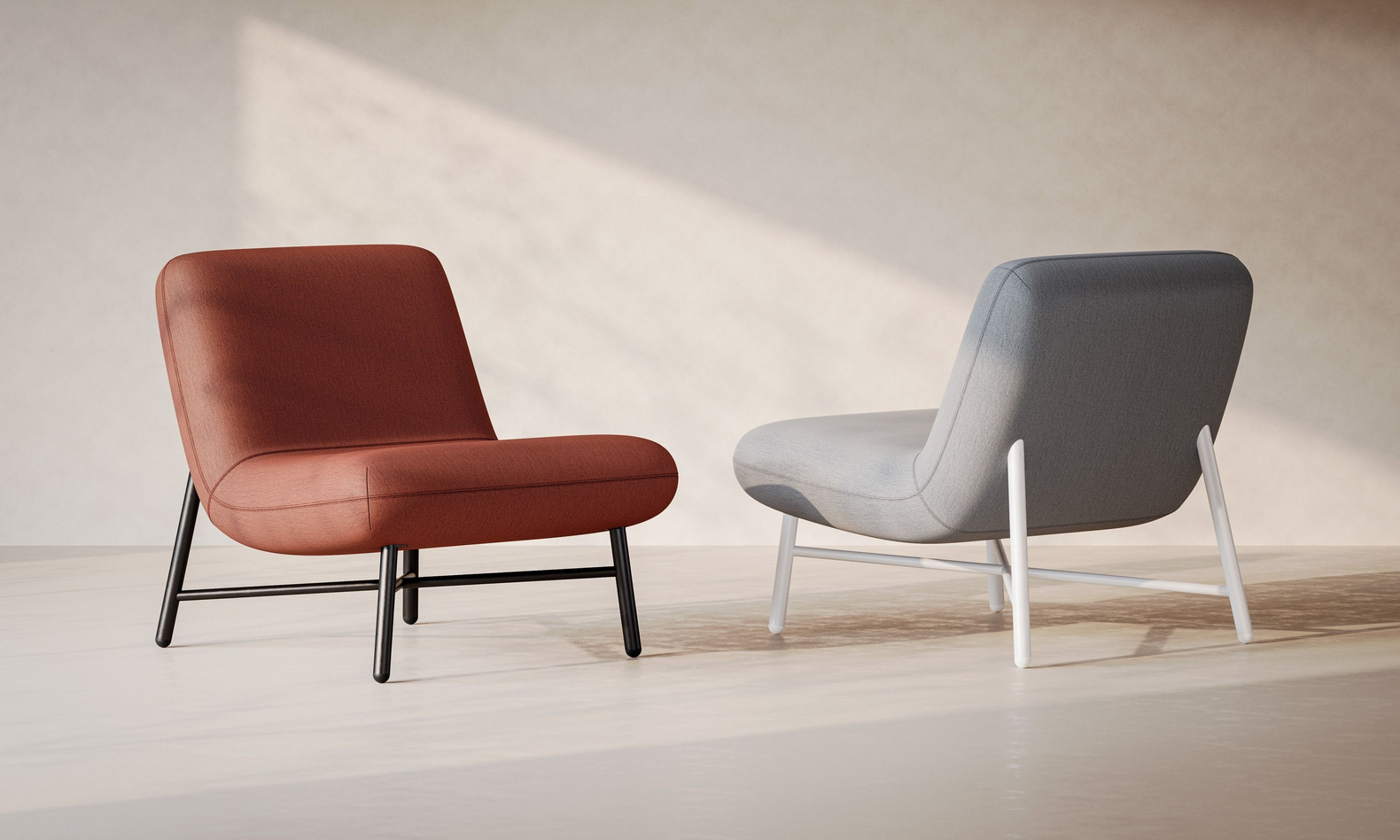
KFI Studios introduces the Dio lounge chair, designed by Gower + Woolf with a softly sculpted upholstered seat and back paired with a clean tubular steel frame. Available in black or white powder-coated steel, custom frame colors, and a range of upholstery options, Dio offers comfort, function, and adaptable style for contemporary interiors.
|
|  www.officing.com
|
|
|
|
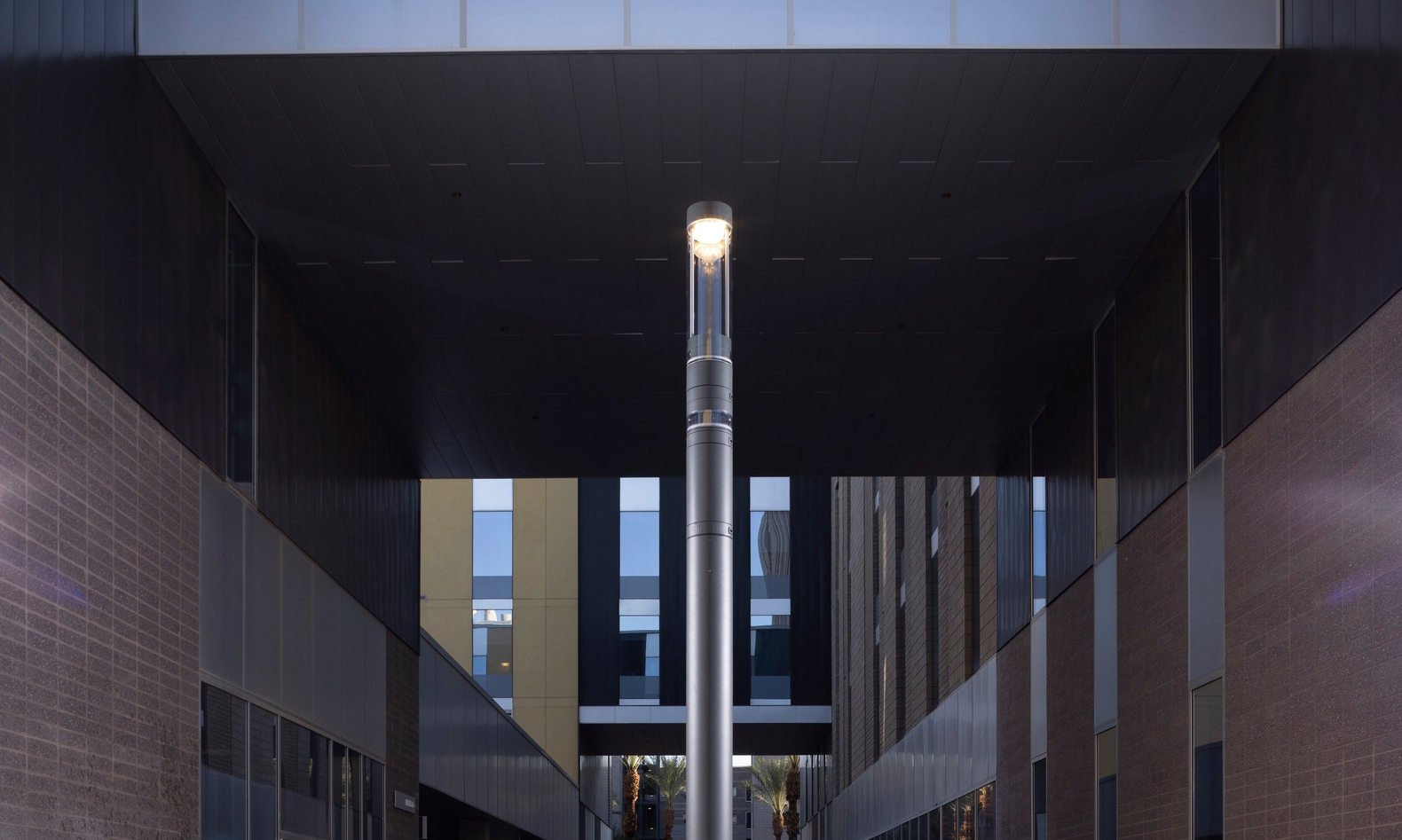
Landscape Forms has relaunched SHUFFLE, an adaptable smart‑pole system that integrates Wi‑Fi, cameras, sensors, two‑way communications and EV‑charging into a single vertical pole, offering municipalities, campuses and commercial developers a multi‑function solution that reduces visual clutter and costs. Developed with Schréder, the updated platform provides plug‑and‑play features such as 360° lighting, various camera angles, motion sensors, loudspeakers and intercoms, enabling flexible, secure and aesthetically pleasing outdoor spaces for a wide range of public environments.
|
|  www.officing.com
|
|
|
|
emuamericas will showcase four new hospitality furniture introductions at BDNY 2026, featuring the Opera and Dora collections and updates to the Darwin Evolution and Alisea lines, highlighting durable, design‑focused indoor/outdoor pieces for designers.
|
|  www.officing.com
|
|
|
|
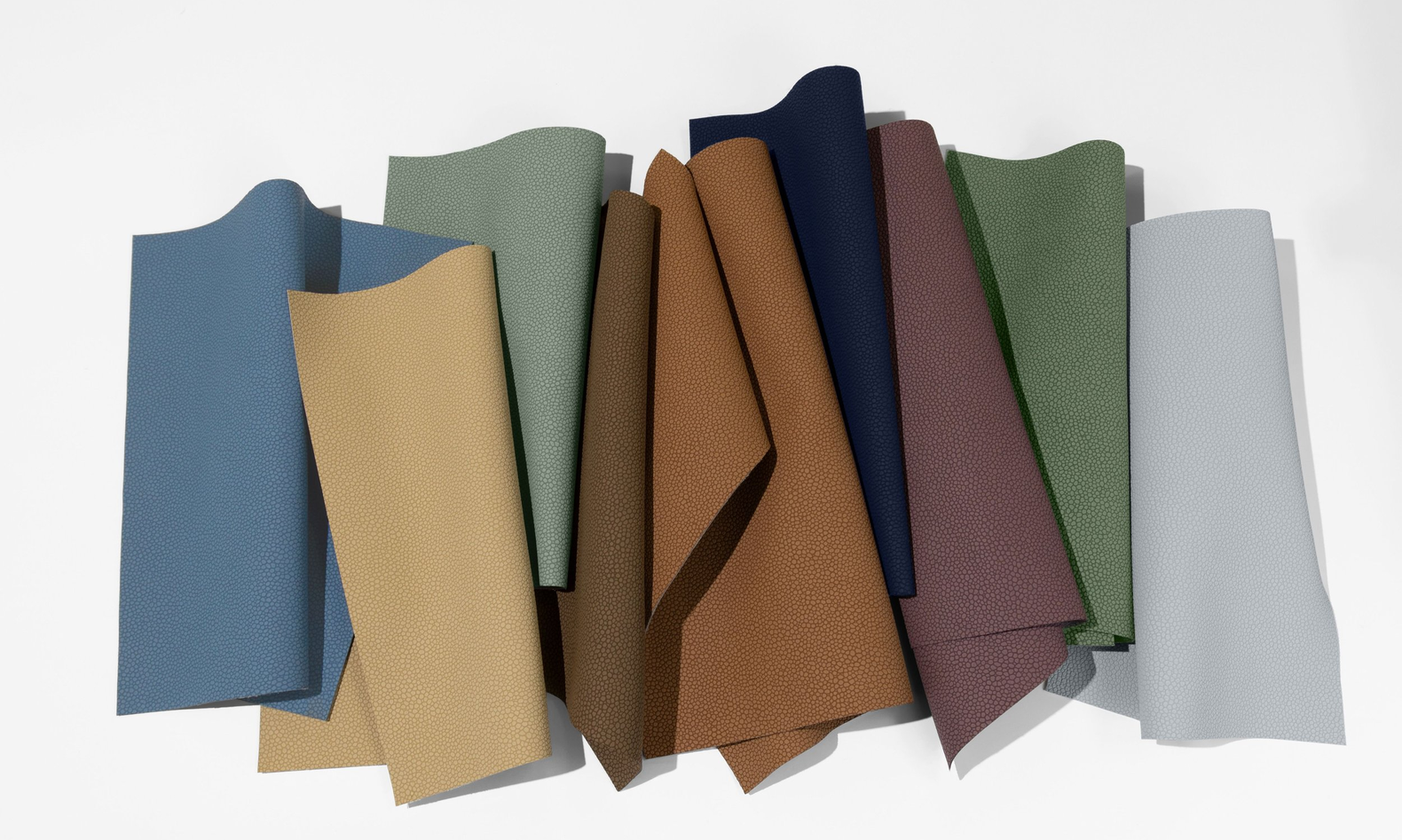
Ultrafabrics has expanded its Eco Tech and Wired collections with 16 new colorways—nine for Eco Tech and seven for Wired—offering designers more options for color, texture, and durability in high‑traffic commercial interiors such as healthcare, hospitality, and workplaces. The new shades maintain the collections’ performance standards, including bleach‑cleanability, hydrolysis resistance, high rub ratings, and certifications for indoor air quality, while incorporating renewable and recycled materials in their backings.
|
|  www.officing.com
|
|
|
|
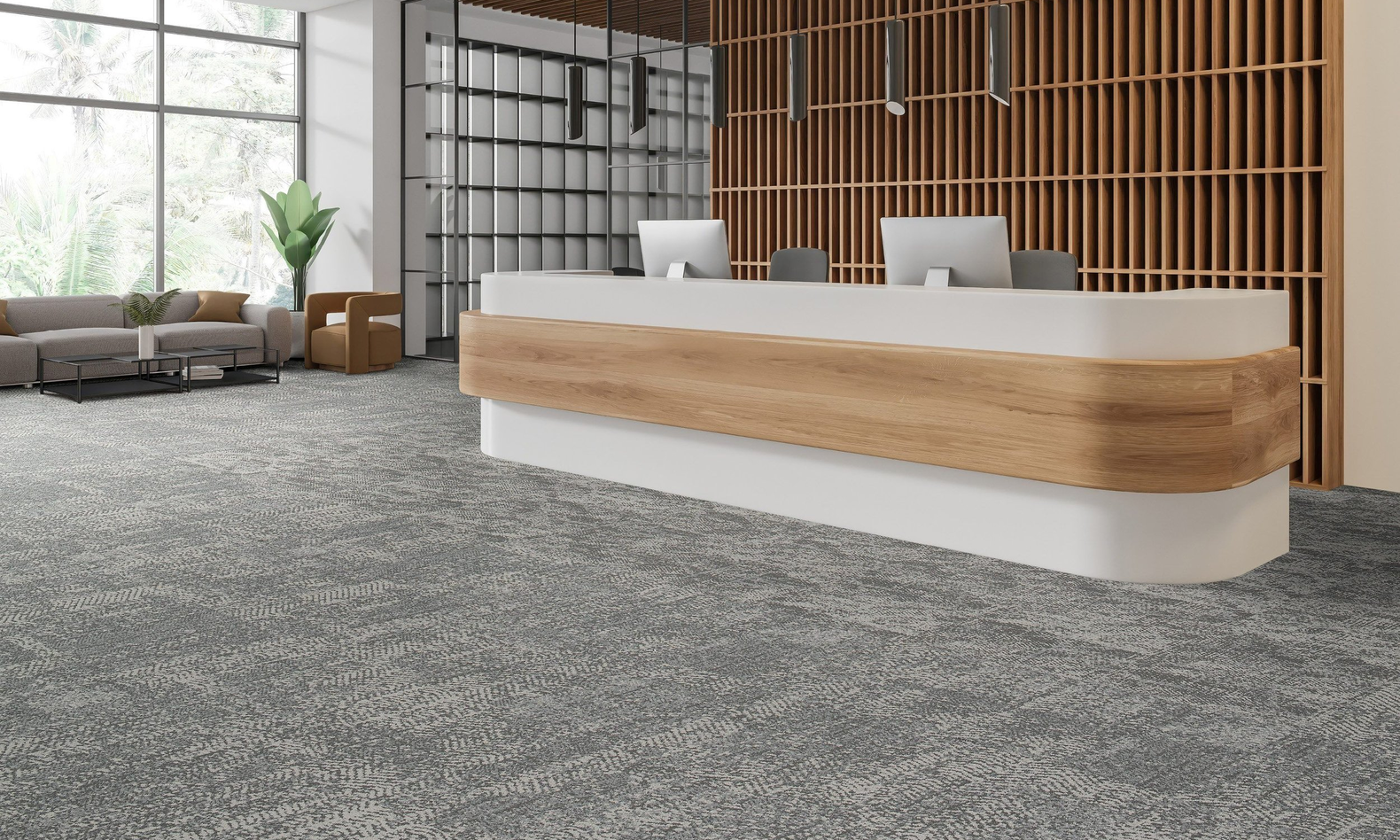
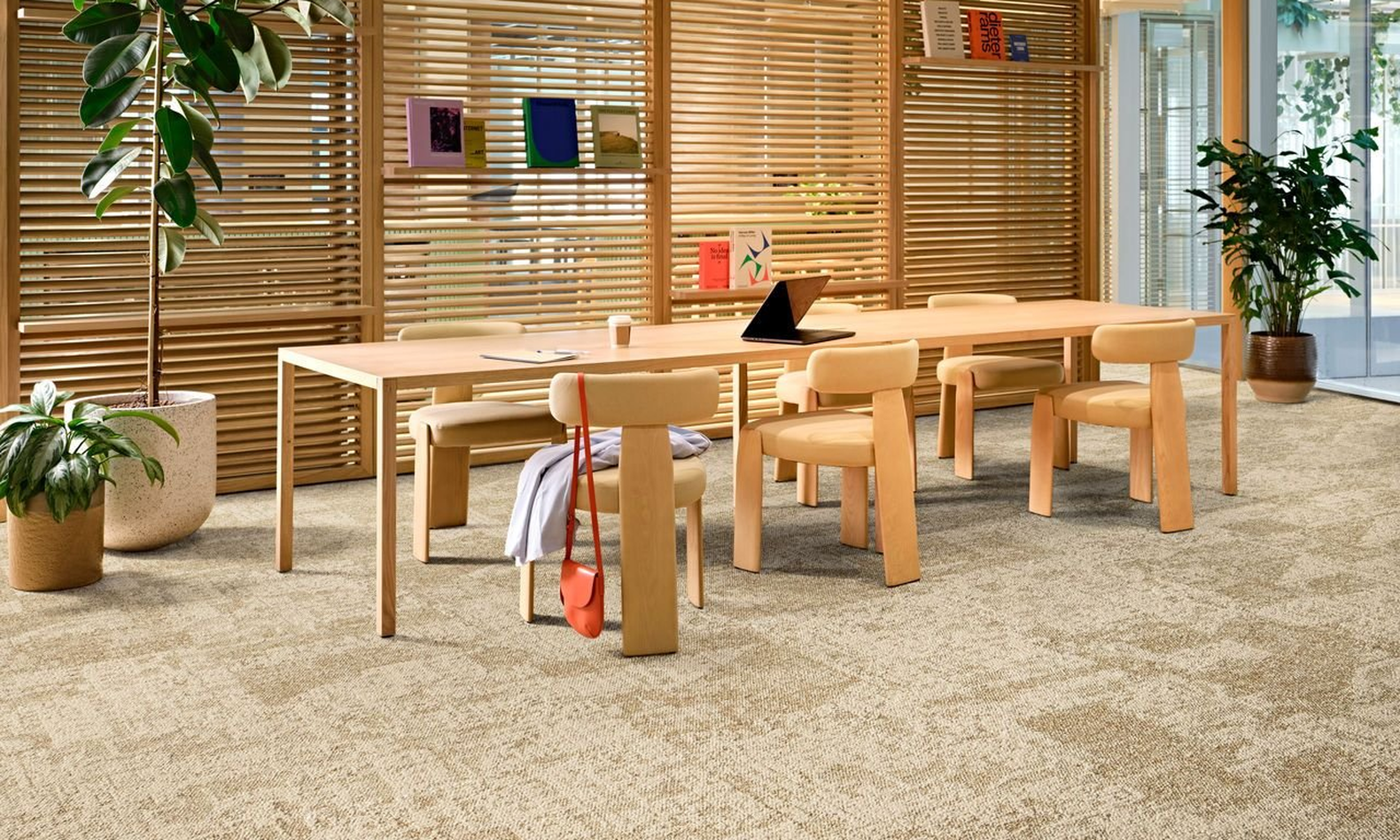
The Loom Collection by EF Contract introduces two weaving-inspired patterns, Strand and Soumak, in 24” × 24” tiles made of solution‑dyed nylon. Strand features clean, geometric lines with an organic accent, while Soumak offers rhythmic, subtle twill and herringbone details. Available in 16 coordinated colorways, the collection balances modern structure with natural fluidity, suitable for versatile design applications.
|
|  www.officing.com
|
|
|
|
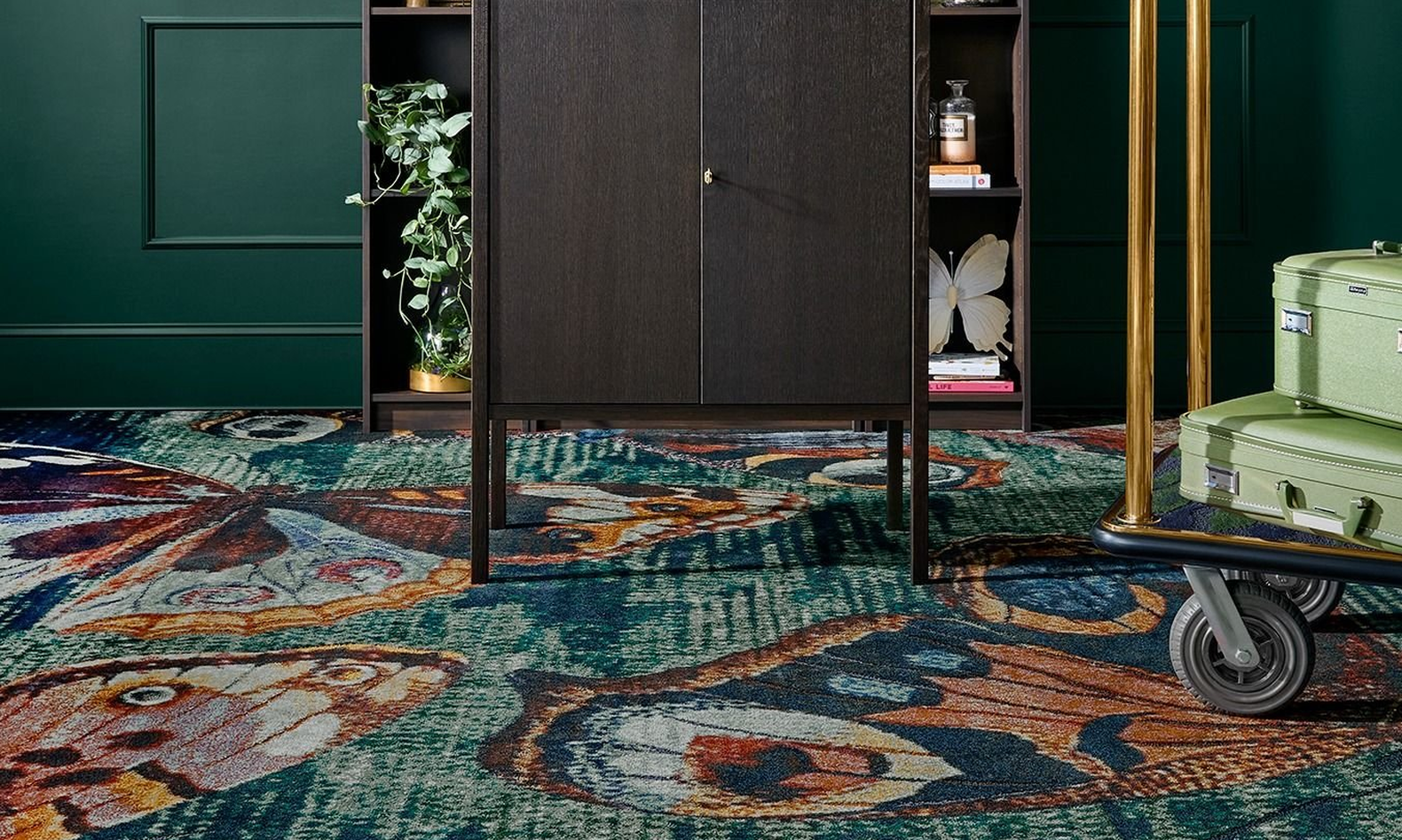
Shaw Contract Hospitality unveils The Nightingale, a custom rug and broadloom collection featuring 27 patterns inspired by three fictional hotel guests—the Forager, the Storyteller, and the Antiquarian. The collection offers diverse constructions (ColorCraft Pro, Colorpoint, MLCL) and customization options, and is Cradle to Cradle Silver and Green Label Plus certified. It will be showcased at BDNY 2026.
|
|  www.officing.com
|
|
|
|
Interface launches the Pivotal Moments carpet tile collection, featuring two styles—In Motion™ and Shift Point™—that blend dynamic patterns, coordinated colour, and sustainable materials for flexible, low‑carbon flooring solutions across commercial spaces.
|
|  www.officing.com
|
|
|
|
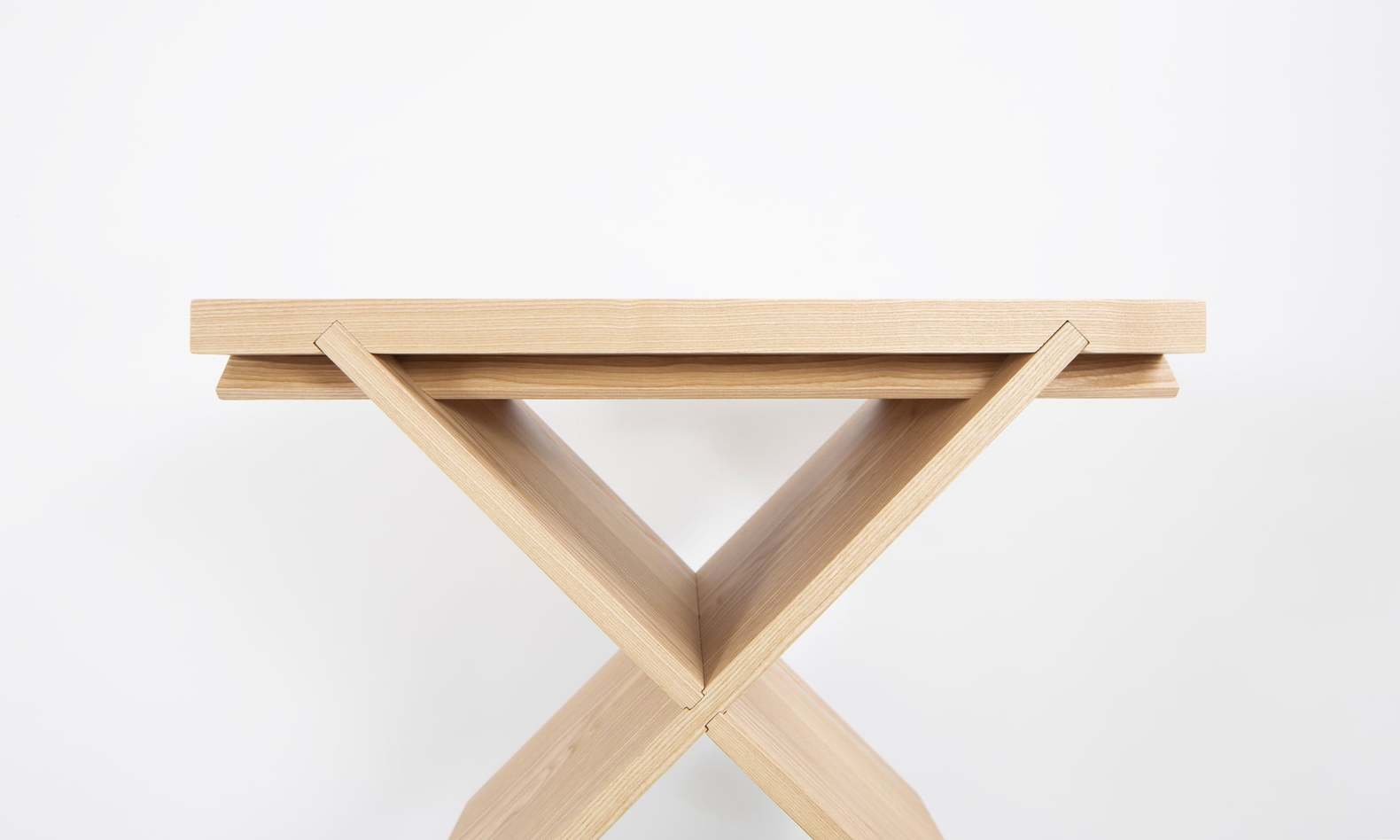
A single, precision‑engineered joint holds together Dado furniture, enabling tool‑free flat‑pack assembly, disassembly, and repair while minimizing material waste and transport emissions. The 45‑degree dado joint links vertical, horizontal, and diagonal elements into a self‑supporting structure, allowing CNC‑milled components to be produced globally and earning the design the Dezeen Furniture Design of the Year award.
|
|  www.dezeen.com
|
|
|
|
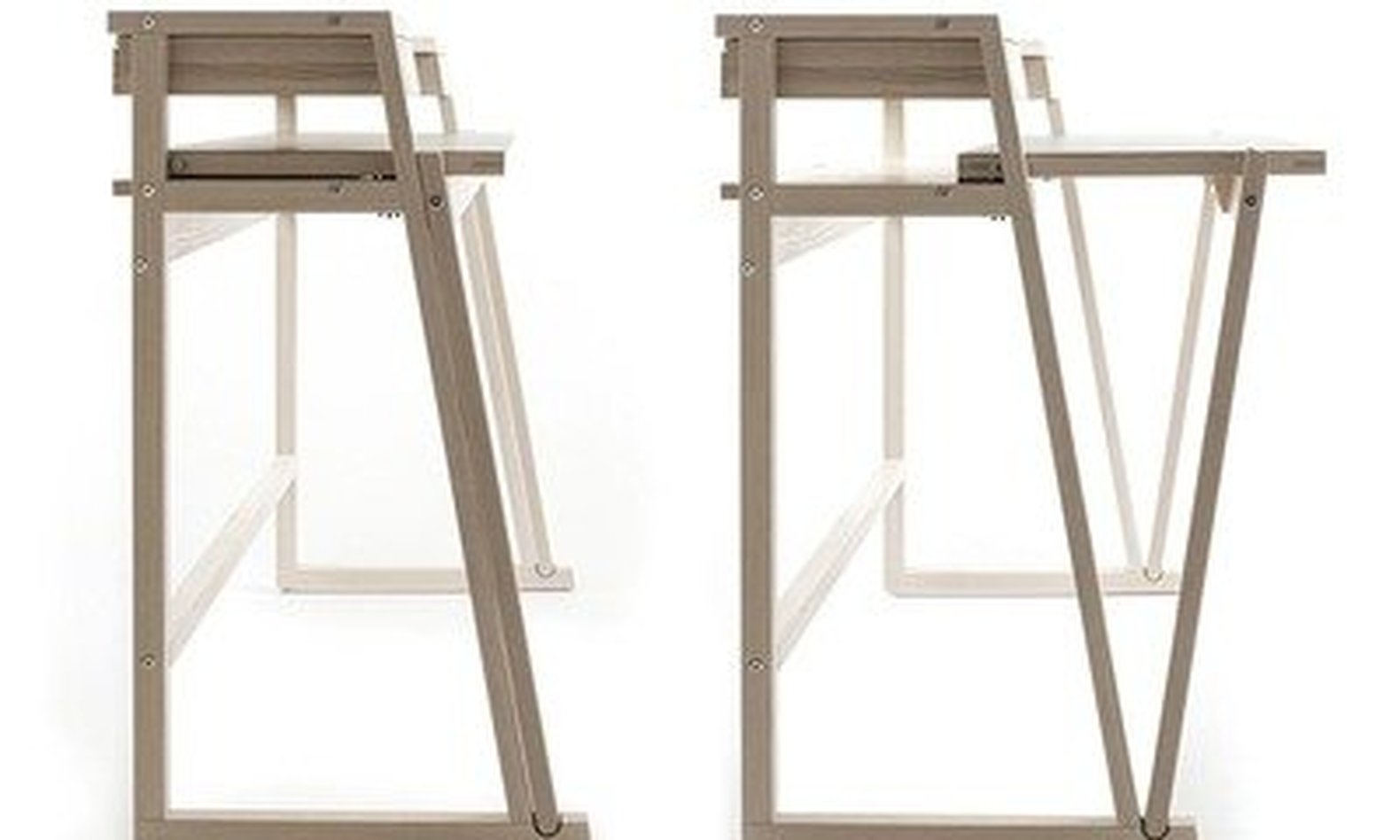
The Urban Nature “Urban Desk” is a space‑saving furniture piece that folds its lower work surface into the superstructure, keeping the monitor, lamp and accessories in place while providing two integrated A4‑size drawers for storage; its low‑tech, human‑powered mechanism makes it easy to use. Made of ash, the desk is marketed in Europe for €995 (about $1,114) and highlights a compact, functional design ideal for small workspaces.
|
|  www.core77.com
|
|
|
|
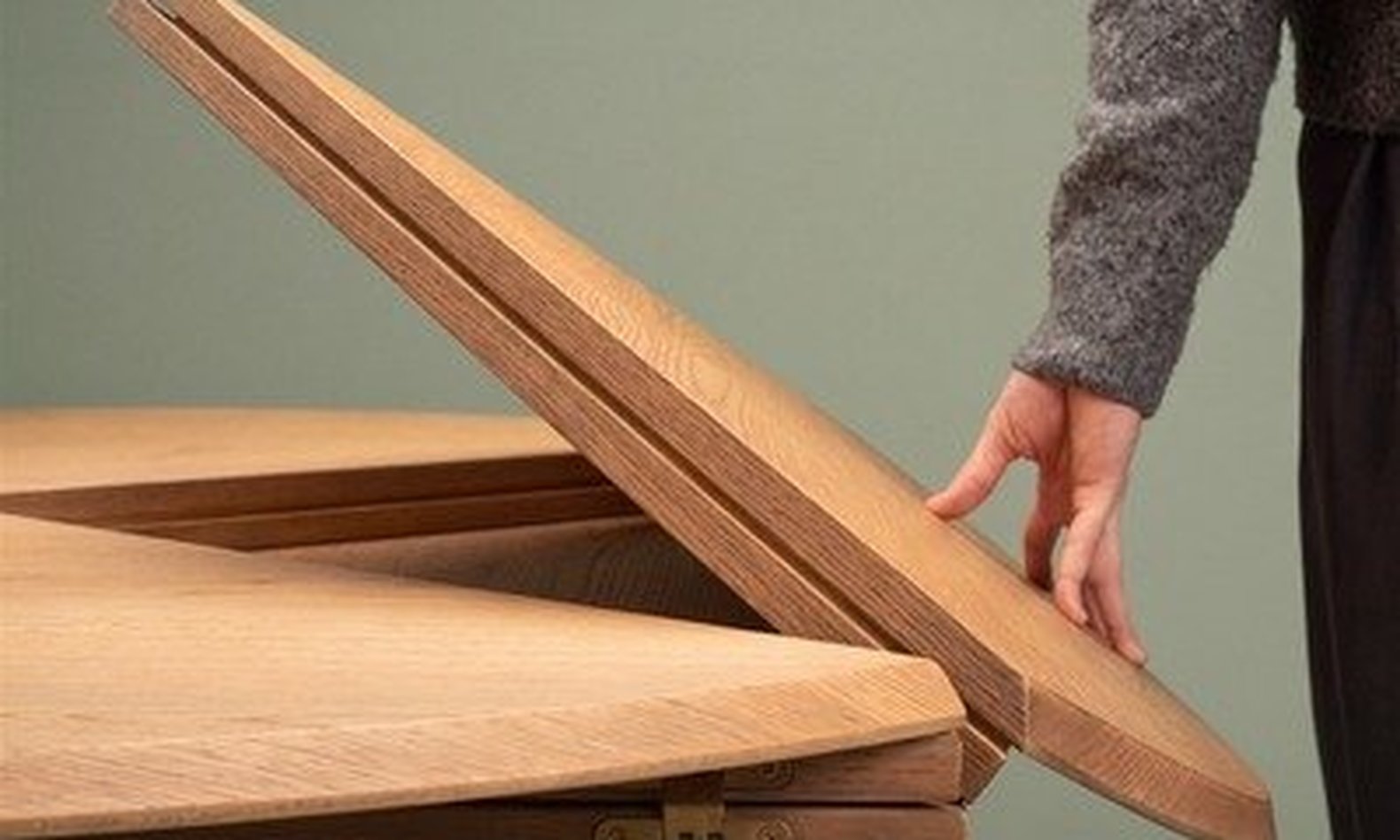
A transforming table by the Polish company Bauhausly can change from a round to a square shape using concealed hinges, offering a unique and playful furniture solution. While the design’s originality is uncertain and the company does not credit a specific designer, it highlights innovative engineering and manufacturing in Vietnam.
|
|  www.core77.com
|
|
|
|
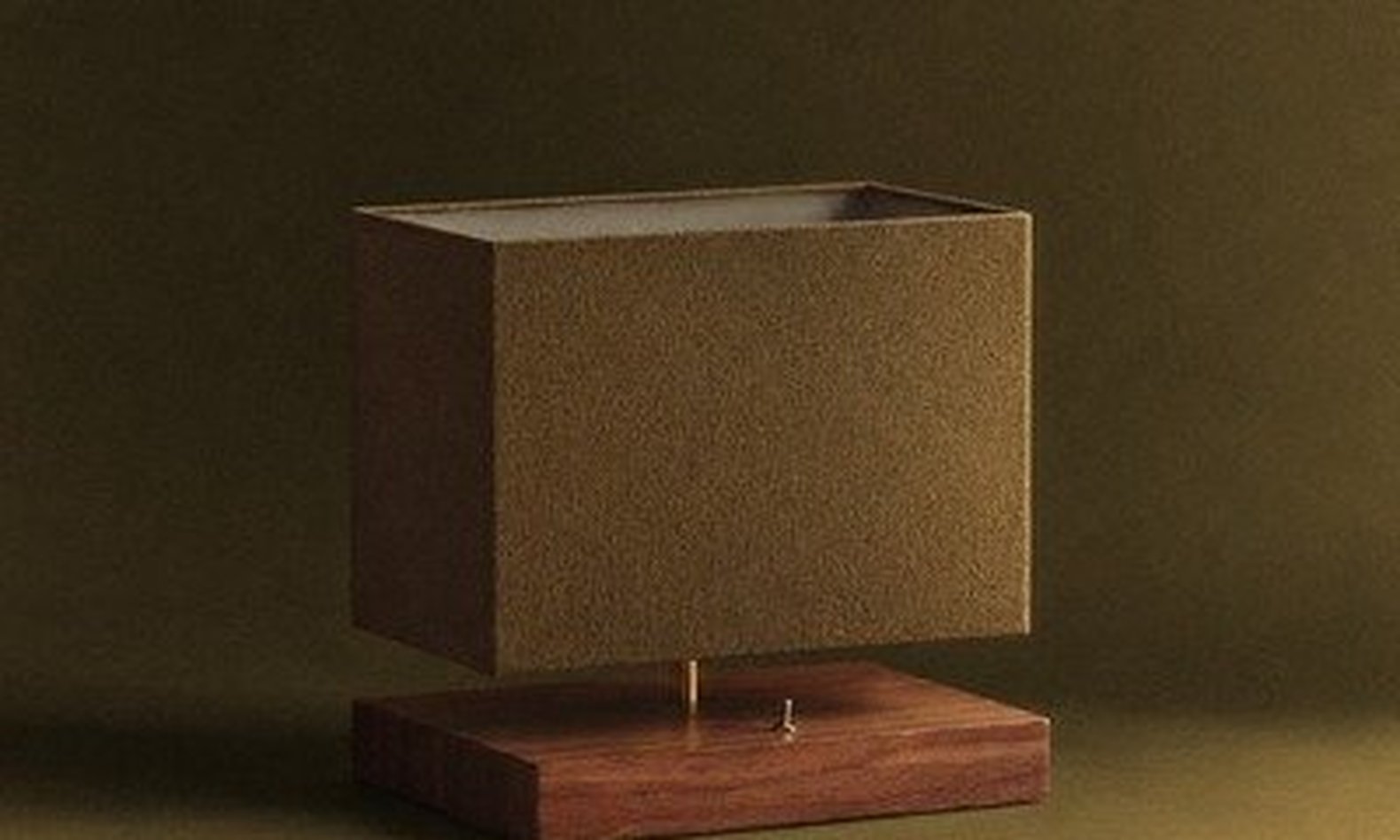
Made in Search’s Hearth Lamp blends Mid‑Century Modern aesthetics with contemporary British design, featuring a walnut base, a set‑back shade, and a stainless‑steel plate that hides the wiring. The lamp uses an E27 socket for a 60 W bulb, is supplied without a bulb, and is priced at $465, highlighting its elegant simplicity and thoughtful construction.
|
|  www.core77.com
|
|
|
|
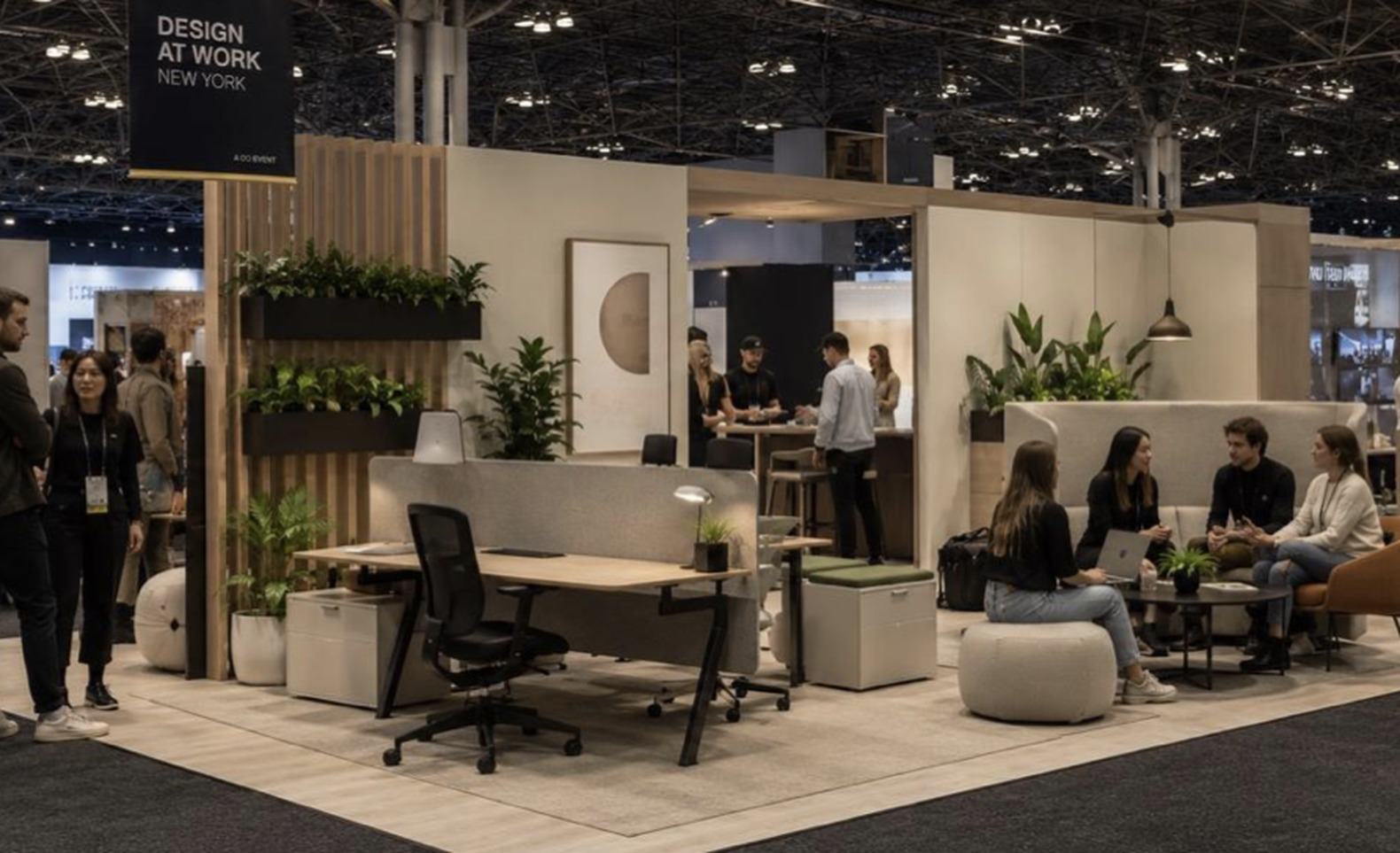
Design at Work New York 2027
March 10-11, 2027 | New York City
Design at Work New York is designed to attract a highly targeted audience of architects, interior designers, workplace strategists, developers, occupiers and commercial decision-makers actively shaping workplace and commercial interior projects.
Learn more >
|
|
|
|
|
|
Salone del Mobile 2027
April 13-18, 2027 | Milan, Italy
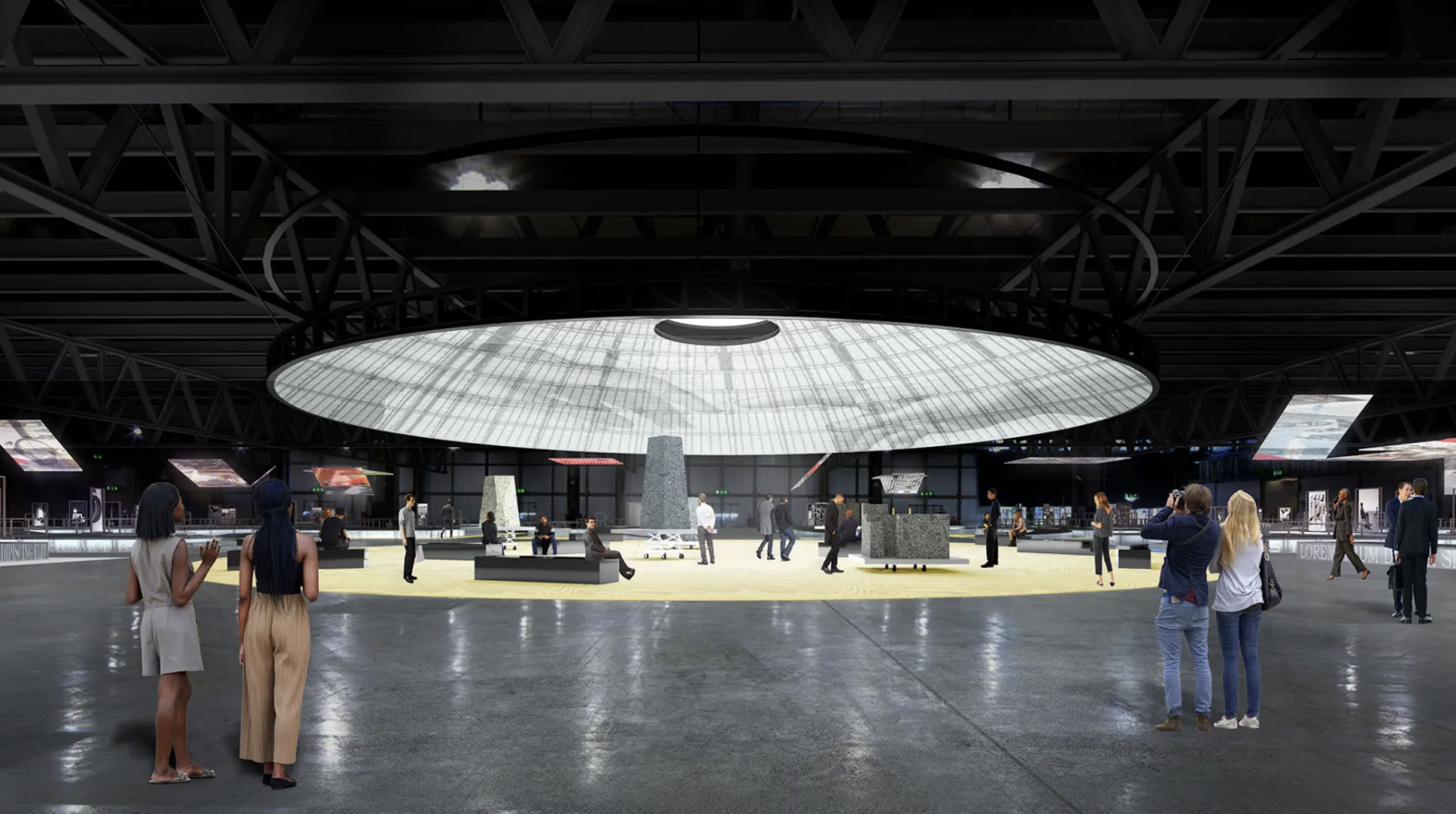
Salone del Mobile Milano will take place from 13–18 April 2027 at Fiera Milano Rho, featuring the new Salone Contract platform for large‑scale FF&E projects, expanded international tours, and returns of Euroluce, Salone Raritas, and SaloneSatellite, while targeting a €100 billion market and building on the success of the 2026 edition.
Learn more >
|
|
|
|
|
|
NeoCon 2027 / DesignDays 2027
June 13-16, 2027 | Chicago, IL
NeoCon has served as the world’s leading platform and most important event of the year for the commercial design industry since 1969. A launch pad for innovation—NeoCon offers ideas and introductions that shape the built environment today and into the future. For 2027 NeoCon is officially a 4-day event beginning on Sunday, June 13, 2027.
|
|
|
|
|
|
|
Trends in Commercial Projects
|
|
|
|
|
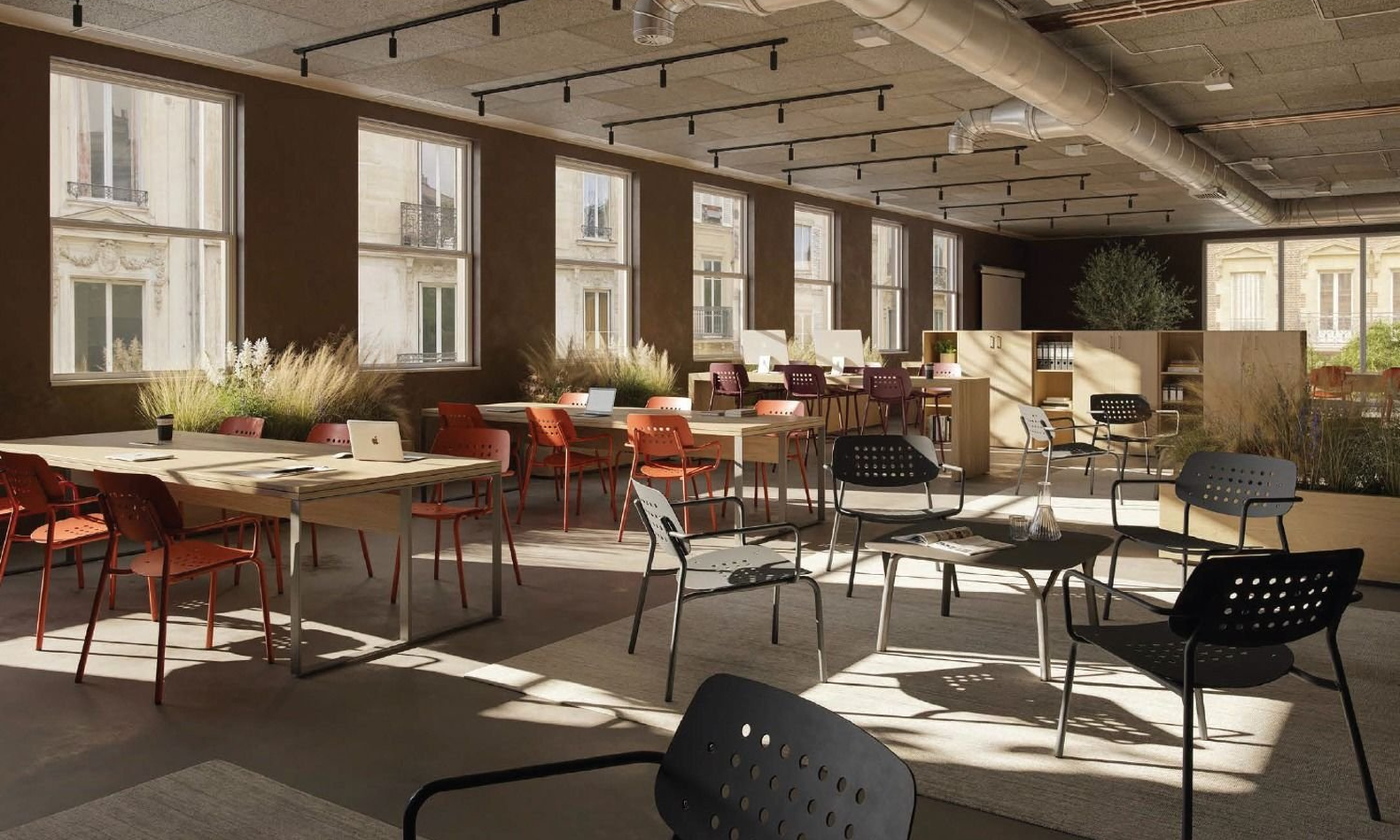
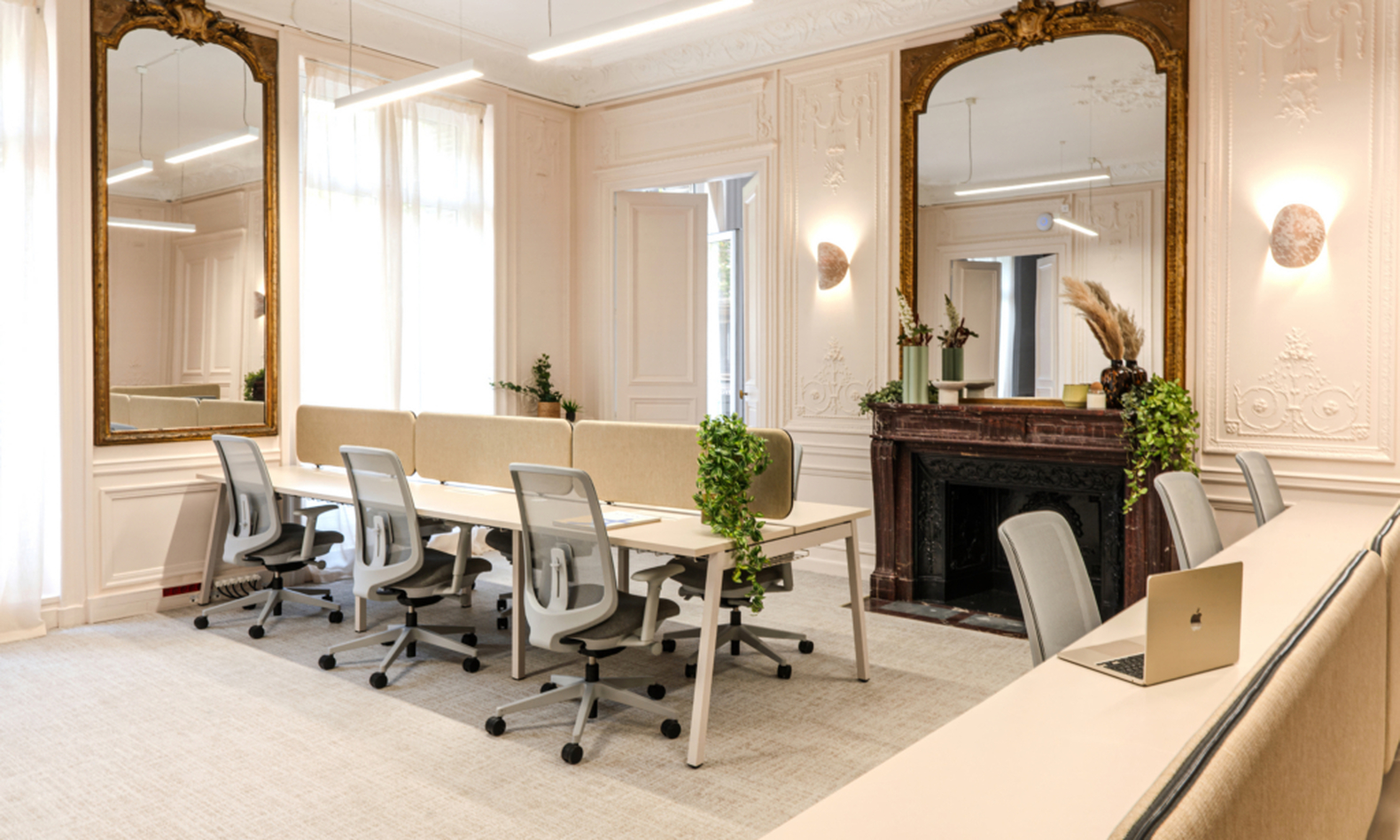
Yemanja redesigned Gecina’s 300 m² Paris office, preserving Haussmannian heritage features like moldings, marble fireplaces, and high ceilings while introducing a neutral, modular layout. The space now offers flexible workstations, meeting rooms, and a warm palette of brown, cream, and terracotta tones, creating a cohesive, adaptable environment for future tenants.
|
|  officesnapshots.com
|
|
|
|
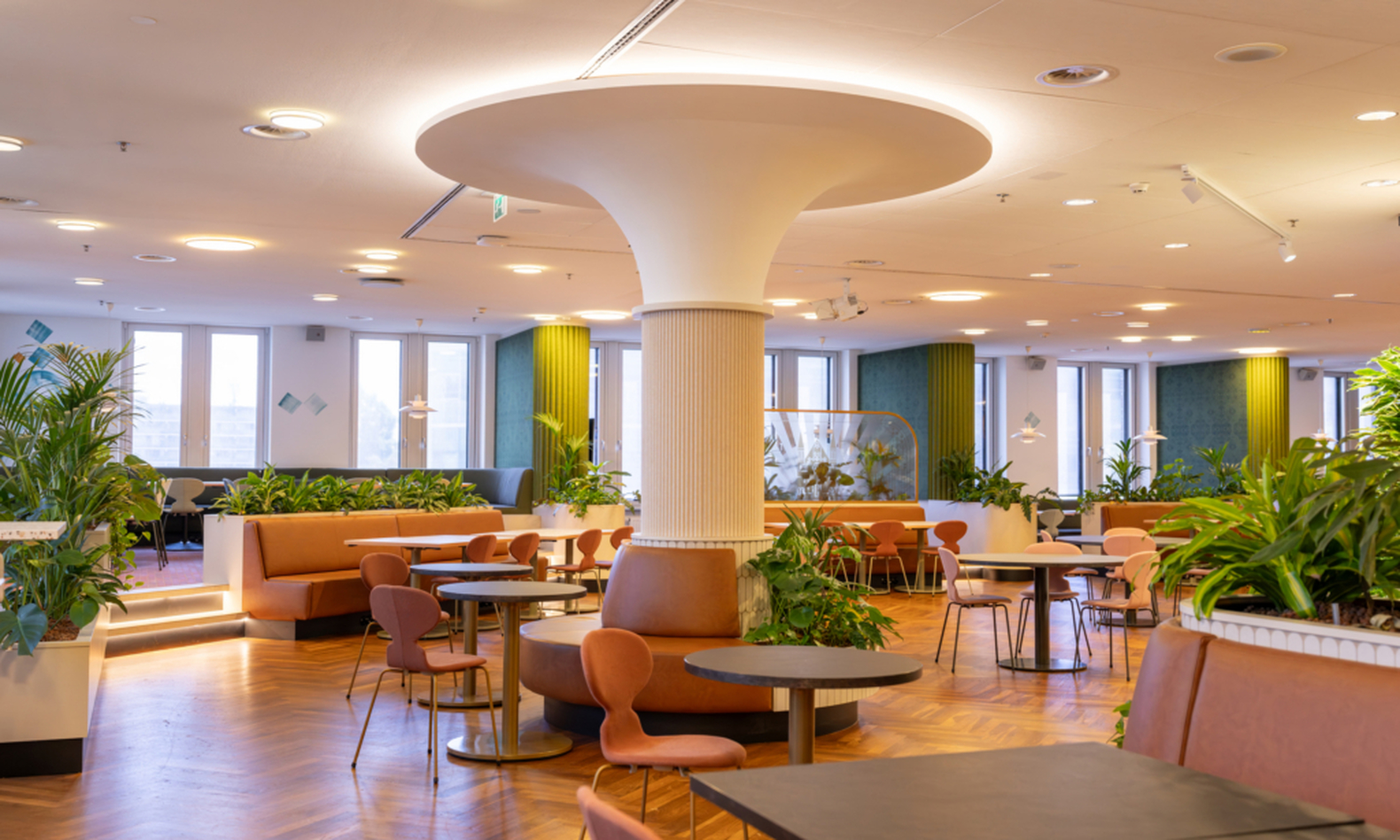
Rever transformed a 1,500 m² underused communal area at FMHaaglanden’s Rijkskantoor Turfmarkt in The Hague into a multifunctional workplace with four distinct zones inspired by the city, using reclaimed and refurbished furniture. The redesign doubled space usage and boosted employee satisfaction from 6.1 to 8.6.
|
|  officesnapshots.com
|
|
|
|
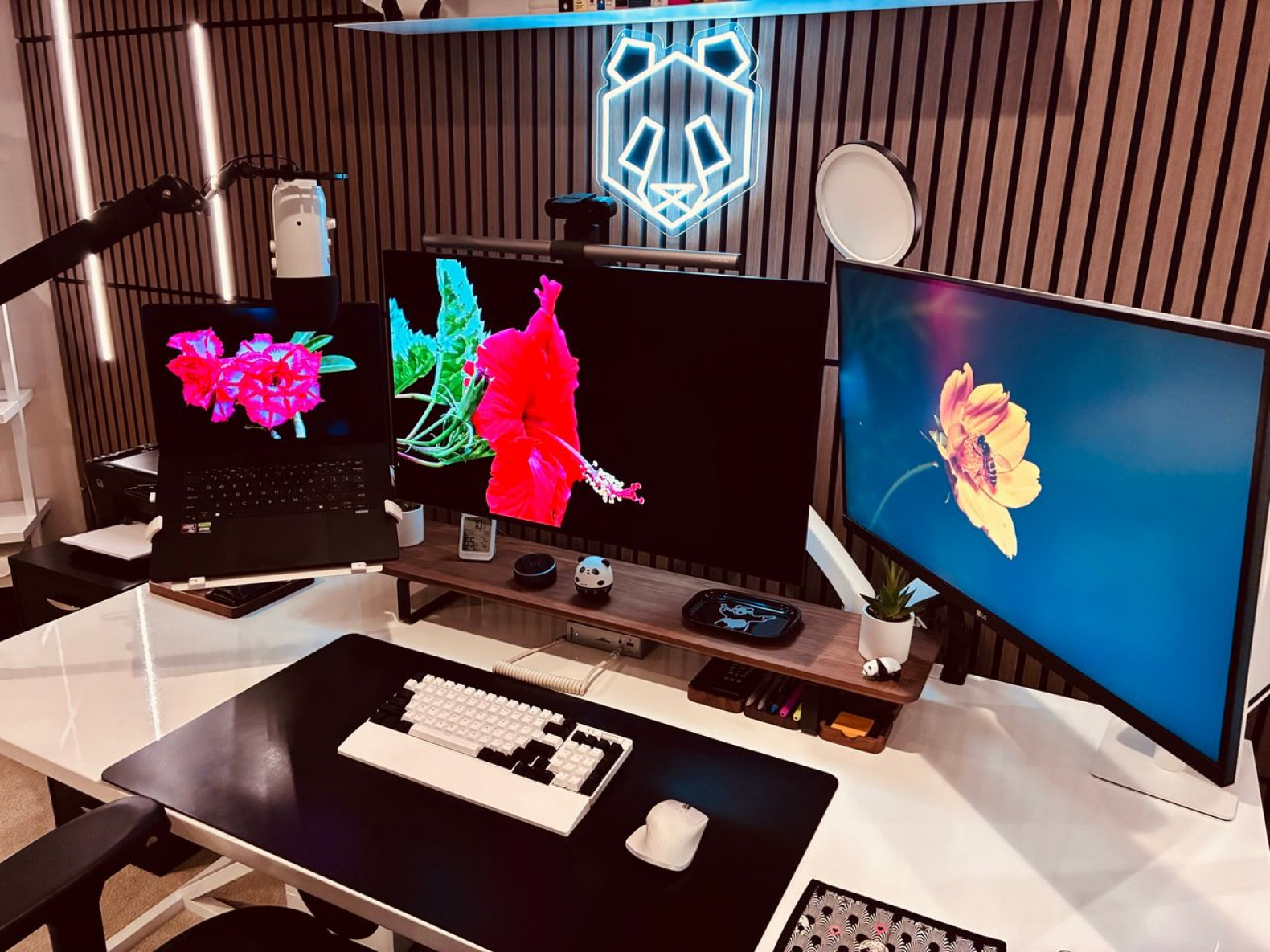
Pedro Medina, a data scientist and founder, works from “The Panda Palace,” a black-and-white basement workspace filled with 16 pandas. His setup features a large desk, dual monitors, an Asus ProArt laptop, and a programmable Royal Kludge keyboard. He values the freedom of working from home, uses time blocking and focused work sessions with short exercise breaks, and hopes to convert his desk into a standing desk.
|
|  workspaces.xyz
|
|
|
|
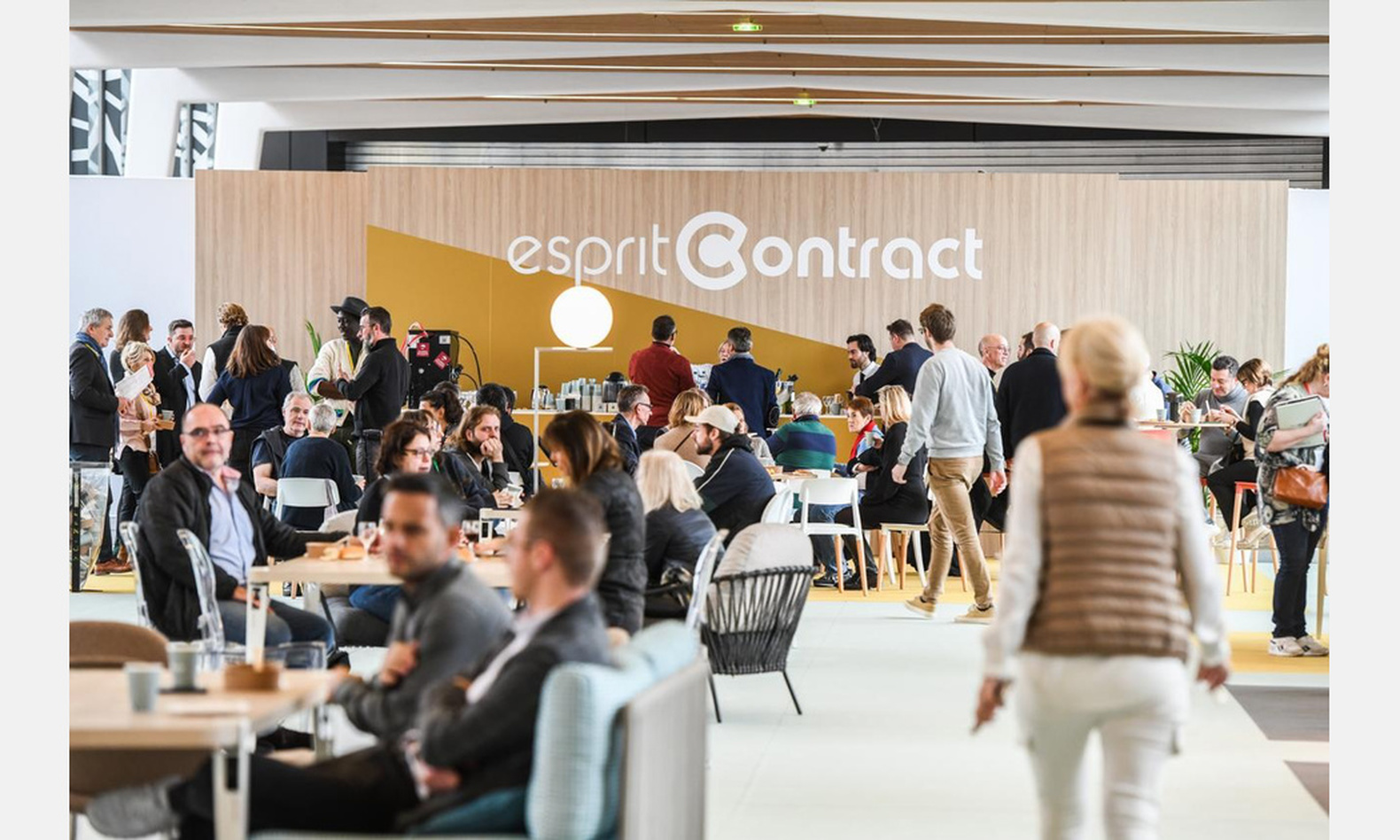
EspritContract will host its fourth edition at Paris Expo Porte de Versailles from 21–24 November 2026, bringing together manufacturers, brands, buyers, and specifiers from the contract furniture sector to foster collaboration on hospitality and interior design projects. The event features business meetings, talks, and a showcase of furniture, lighting, flooring, and décor solutions, with free admission for the expected 2,500+ professionals attending.
|
|  www.interiordaily.com
|
|
|
|
|
Ask Stephen - Happy Holidays! Are You One of the “Synergies”?
|
|
Prepare for possible layoffs by updating your résumé, documenting measurable results, networking discreetly, understanding your bonus terms, and learning how company plans may affect your role. Keep performing well, explore opportunities on your own time, and support colleagues who have lost their jobs.
|
| Read Stephen's Latest Column > |
|
|
|
|
Project Coordinator / Inside Project Manager
|
|
Project Coordinator (PC) position is a full time, on-site role based in Reno, NV. The PC oversees and manages a variety of client-facing and internal projects, ensuring timely and successful execution.
|
| See Job Opening > |
|
|
|
|
Your Next Great Hire Is Working for Your Competitor.
|
You know who they are: the salesperson winning the business you want, the executive building the organization you admire. They’re successful, well compensated, and not answering job postings—but they return our calls. I’m Stephen Viscusi, and for more than four decades, The Viscusi Group has helped companies in the furnishings, interiors, and built environment industries recruit the talent their competitors depend on. Our experienced recruiters combine deep relationships, industry credibility, and direct pursuit to reach exceptional people who aren’t looking for a job, uncover what would motivate them to move, and persuade them to consider your opportunity. From sales representatives to C-suite executives, we recruit across sales, marketing, operations, product development, design, and leadership in the residential, contract, hospitality, and healthcare sectors. We work with family businesses, private equity-backed companies, publicly traded corporations, and international manufacturers establishing or expanding their U.S. presence—and every search engagement is backed by our one-year replacement guarantee. Who would you hire if you could get them to the table? Call me at 212.979.5700, ext. 101. Tell me who you need, and let’s discuss how The Viscusi Group can bring them to your business.
|
|

|
|
|
|
|
|
|