|
In this issue… Virco posts a modest profit and returns cash to shareholders despite a choppy post‑pandemic market; the U.S. office sector logs its strongest leasing quarter in years with a surge in smaller deals; major investors and tenants signal renewed confidence in key markets from Philly to Manhattan even as AI and economic uncertainty reshape demand; developers buy and reposition distressed downtown towers while some offices trade at steep discounts. Workplace coverage looks at modular pod solutions, the economics (and modeling pitfalls) of flexspace, rising fit‑out and construction costs tied to labor, energy and tariffs, and how agentic AI platforms may streamline work. Features and trends explore the roots of modern office layouts and what 2026 leadership will require as AI becomes central. Design stories examine AI’s impact on interior design and how law firms are rethinking spaces to make in‑office time count. Products spotlight new PVC‑free resilient flooring, expanded private‑office casegoods, performance velvet, sustainable acoustic panels, and an adaptive ergonomic chair plus new upholstery collections.
|
| |
|
|
|
|
By the Numbers
Soaring gas prices due to the Iran war led to a significant monthly inflation increase of 3.3% in March, the largest in nearly four years. This spike is impacting lower- and middle-income households, making it harder to afford essentials. While core prices rose modestly, economists believe this inflation surge may not lead to a widespread increase similar to previous crises, although further gas price hikes are expected to worsen the situation in April.
|
| Read more > |
|
|
|
|
Consumer sentiment has declined due to inflation concerns, dropping from 53.3 in March to 47.6 in April, as prices are expected to rise significantly. The conflict in Iran and rising gasoline prices contribute to economic uncertainty, impacting small business optimism and commercial real estate activity. Despite a strong start to the year in the office market, leases are shorter and smaller, while retail landlords are becoming more cautious. Special servicing rates for loans have also increased, indicating lenders' growing caution.
|
| |
|
|
|
|
"AI companies continue to be super active, leasing up a lot more space, and in bigger chunks than before. They are also signing for more space than they need today with plans to grow into the additional space over time. This is a trend that is reminiscent of the dot com boom (and we can all remember how that ended), but this time they're clearly focused on top-tier buildings in prime locations, which is pushing the class A market to new highs." JLL Vice Chairman Evan Margolin
|
| |
|
|
|
|
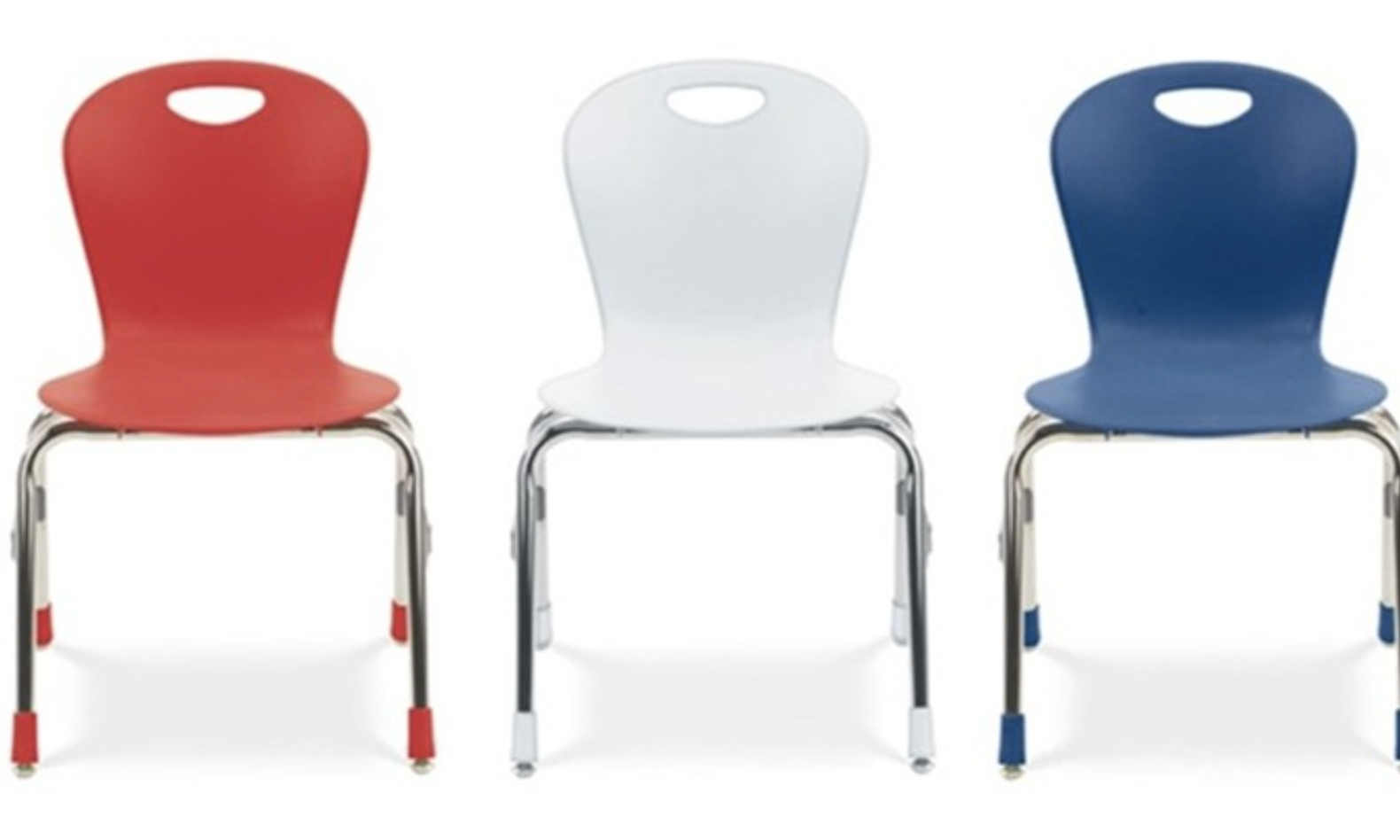
Virco Mfg. Corporation reported a full year net income of $2.6 million on total revenue of $199.7 million for the fiscal year ending January 31, 2026. Despite facing a challenging market environment, characterized by a decrease in fourth quarter revenue and operating loss, the company has maintained a healthy financial position with $14.4 million in cash and a current ratio of 3.1. Shareholder distributions totaled $5.6 million, including dividends and share repurchases. Management is optimistic about a potential market recovery as early order rates improve and emphasizes the importance of their strong operating controls. The company has a long history in the school furniture market, which includes over 60 million end users, and is positioned to capitalize on renewed interest in vocational training as schools adapt post-pandemic. The Chairman noted that their financial prudence during the COVID recovery has placed them in a strong position to navigate current challenges and seize new opportunities.
|
|  finance.yahoo.com finance.yahoo.com
|
|
|
|
|
In the first quarter of 2026, the U.S. office market experienced its most active period since before the pandemic, with approximately 120 million square feet in new leases signed, marking a 25% increase from the same period in 2025 and the highest quarterly total since 2018. This surge was primarily driven by a greater volume of smaller leases, indicating a trend that has developed post-pandemic. While leasing activity shows signs of recovery, new lease sizes remain about 15% lower than pre-pandemic averages due to restricted hiring and limited larger spaces in newer buildings. Major markets like Charlotte, New York City, Miami, and San Francisco have seen leasing return close to pre-pandemic levels, aided by demand from banks and financial institutions. However, several metropolitan areas, including Atlanta and Washington, D.C., still lag behind in leasing activity. Looking ahead, the momentum from the first quarter may face challenges due to economic uncertainties and rising energy costs linked to geopolitical tensions.
|
|  www.bisnow.com www.bisnow.com
|
|
|
|
|
Despite economic uncertainty from the Iran war, Manhattan's office leasing remained strong in Q1 2026, with nearly nine million square feet leased. Tenants focused on larger, higher-quality spaces, with notable deals including Bank of America and Harvey AI. Rents increased by 3.5% year-over-year, averaging $83.51 per square foot, while Class A office space reached $95.49 per square foot. AI companies are particularly active, leasing more space than currently needed, reminiscent of the dot com boom but focused on prime locations.
|
|  www.globest.com www.globest.com
|
|
|
|
|
A recent analysis indicates that average white-collar workers in routine jobs are increasingly vulnerable to displacement by AI compared to those in roles requiring judgment, discretion, or specialized expertise. Over the past year, AI has contributed to the loss of roughly 16,000 jobs per month, while only about 9,000 new roles have been created. These losses stem largely from the “substitution” effect, where AI replaces human labor, while job gains are tied to the “augmentation” effect, in which technology enhances productivity but still relies on human oversight. The most exposed demographics are Gen Z and entry-level workers, particularly in administrative functions such as data entry and customer service—roles that are highly susceptible to automation. By contrast, positions that integrate AI as a tool rather than a replacement remain more resilient due to their reliance on human judgment and domain expertise.
TWS Analysis: For the contract furnishings industry, this shift has direct and potentially uncomfortable implications. A reduction in entry-level and routine white-collar roles translates into fewer bodies in seats—literally. As companies streamline headcount in administrative functions, the demand for large benching systems, open-plan workstations, and high-density office layouts could soften further. At the same time, the roles that survive and grow in an AI-augmented workplace—higher-value knowledge workers—tend to demand more private, acoustically controlled, and ergonomically refined environments. In other words, the industry may see continued pressure on volume-driven product categories while experiencing increased demand for enclosed spaces, focus rooms, and premium task seating.
There is also a second-order effect worth watching: companies facing workforce uncertainty are less likely to commit to large-scale furniture investments, particularly in speculative or growth-oriented expansions. Small and mid-sized businesses, already sensitive to economic signals, may defer purchasing decisions altogether as they evaluate how AI reshapes their staffing models. The result is a market that continues to bifurcate—fewer overall seats, but higher expectations per seat—forcing manufacturers and dealers to pivot from selling quantity to selling performance, flexibility, and measurable productivity outcomes.
|
|  www.globest.com www.globest.com
|
|
|
|
|
Newmark’s latest research suggests that the growing influence of artificial intelligence will act more as a drag than a catalyst for a near-term rebound in office utilization through 2030. In the firm’s base case, office-using employment remains essentially flat, with vacancy creeping up modestly. In a downside scenario, AI-driven efficiencies could eliminate enough roles to push office employment down by 2.2%, driving vacancy up by 210 basis points to roughly 23.5%. Even in a more optimistic case—where AI augments rather than replaces workers—employment growth of 2.8% would only bring vacancy down to about 19.5%, still well above historical norms. All of this is unfolding against an already elevated vacancy backdrop of approximately 21%, with companies continuing to hire cautiously and reassess their space needs.
TWS Analysis: For the contract furnishings industry, the implications are hard to ignore as the previous story suggests. Flat or declining office employment directly translates into reduced demand for new workspace buildouts, fewer large-scale reconfigurations, and longer replacement cycles for existing furniture. Dealers and manufacturers are likely to feel this first in the middle market, where small and mid-sized firms—already sensitive to economic uncertainty—may defer capital expenditures on furniture altogether. At the same time, the flight-to-quality dynamic highlighted by Newmark favors premium, highly amenitized environments, which could concentrate demand among top-tier manufacturers while squeezing commodity players.
There is, however, a narrow lane of opportunity. As companies adapt to uncertain headcounts and evolving work patterns, flexibility becomes a selling point—modular systems, reconfigurable workstations, and multi-use environments gain relevance. Additionally, the emergence of AI-focused firms taking down large leases introduces pockets of demand, though these are unlikely to offset broader softness across the market. In short, if AI prolongs elevated vacancy and suppresses office job growth, the contract furnishings industry may find itself navigating a slower, more selective recovery—one defined less by volume and more by where, and for whom, the work actually happens.
|
|  www.bisnow.com www.bisnow.com
|
|
|
|
|
Federal agencies are operating far below their own office utilization targets, with most falling short of the 60% benchmark established under the Utilizing Space Efficiently and Improving Technologies Act. Newly released data shows widespread underuse across both owned and leased properties, with some departments occupying as little as 24% to 40% of their total space. Even when isolating work areas, utilization often hovers below 50%, revealing large portions of federal buildings sitting effectively idle. The data underscores a clear opportunity—and likely mandate—for consolidation, cost reduction, and a smaller overall real estate footprint.
TWS Analysis: For the contract furnishings industry, this is not just a government efficiency story—it’s a demand problem in the making. The federal government represents one of the largest institutional buyers of office furniture in the country, and sustained underutilization signals fewer renovations, fewer reconfigurations, and ultimately fewer large-scale procurement cycles. As agencies move to shrink their footprints and rationalize space, the need for traditional workstation systems, private offices, and ancillary furniture declines in parallel.
More concerning is the signaling effect. If the federal government—arguably the most stable and long-term occupier of office space—begins aggressively consolidating, it reinforces similar behavior in the private sector. That puts additional pressure on an already soft market, where fewer employees and hybrid work patterns are reducing seat counts across the board. The likely outcome is a continued shift away from volume-driven furniture sales toward smaller, more targeted investments in flexible, shared, and higher-performance environments—hardly the kind of demand profile that sustains legacy manufacturing scale.
|
|  www.globest.com www.globest.com
|
|
|
|
|
Office fit-out costs in the Bay Area have reached unprecedented levels, with expenses now at $228 per square foot in San Francisco and $224 in San Jose, significantly surpassing the national average of $149. The rise in costs is attributed to increased labor expenses, stringent union requirements, and energy regulations. Electrical work alone constitutes 24% of the total project cost, with prices rising 6.5% over the past year. Tenant improvement allowances have surged 112% nationwide from 2016 to 2025, as landlords invest heavily in high-quality buildings to attract tenants. Meanwhile, demand is shifting towards premium office spaces, leading to high vacancy rates in older Class B buildings. As the market evolves, landlords face the challenge of balancing costly upgrades with the need to remain competitive in attracting tenants.
|
|  allwork.space allwork.space
|
|
|
|
|
Office improvement costs in San Francisco and San Jose are the highest in the U.S., at $228 and $224 per square foot, significantly above the national average of $149. Factors driving these costs include labor, trade unions, and energy regulations. Electrical work constitutes the largest expense, and costs are expected to rise further due to geopolitical tensions and economic uncertainty. A trend towards high-quality office spaces is noted, with increased tenant improvement allowances and a surge in leasing activity for Class-A properties, while Class-B properties face challenges in attracting tenants.
|
|  www.bisnow.com www.bisnow.com
|
|
|
|
|
Construction material prices are projected to rise by 5.4% to 6.8% in 2026 due to tariffs, leading to overall project cost increases of 2.8% to 3.4%. Data centers, retail, and industrial properties will see costs rise by 3.1% to 3.4%, while multifamily and office sectors will experience increases of 3% and 2.8%, respectively. The construction input prices were already up 3.1% compared to the previous year, influenced by rising energy prices and ongoing tariff impacts.
|
|  www.bisnow.com www.bisnow.com
|
|
|
|
|
The U.S. office market is experiencing significant declines, with some properties selling for over 90% less than their pre-pandemic values. Owners are acknowledging the impact of hybrid work and high interest rates, leading to conversions of distressed offices into urban farms and residential spaces. Investment in distressed properties is rising, with buyers looking to capitalize on steep discounts for redevelopment opportunities, despite prime locations still commanding high rents.
|
|  allwork.space allwork.space
|
|
|
|
|
Chicago office buildings, struggling after the pandemic, are being acquired and refurbished by new developers. These properties are being enhanced with amenities such as tenant lounges and rooftop terraces to attract returning workers. Developers like Andrew Brog are capitalizing on low property prices to offer lower rents and improve tenant experiences. While some foreclosures are anticipated, a significant turnover in ownership is taking place, with many distressed buildings sold to other developers.
In 2025, over 31% of downtown office space was available for rent, double the rate from 2019, yet foot traffic rose by more than 5% as employees gradually returned. Some buildings are converting to residential use, addressing the demand for housing. Investors see potential in transforming older offices into apartments, with several projects underway aimed at revitalizing neighborhoods. The LaSalle Corridor Revitalization project is a notable effort, planning to convert aging office buildings into residential units.
|
|  www.chicagotribune.com www.chicagotribune.com
|
|
|
|
|
The corporate real estate sector is experiencing a period of stability five years post-pandemic, with established attendance policies and hybrid work schedules. However, there is a significant gap between the stated goal of enhancing employee experience and the actual decisions made regarding office space, with a strong emphasis on location and cost over employee satisfaction. Although nearly all organizations have adopted hybrid models, many leaders acknowledge their current approach is not optimal. Flexibility in space and lease terms remains a critical unmet need, with many companies reducing their office footprints. Despite some improvements in workplace experience scores, there is a persistent disconnect between organizational ambitions and the realities of their office strategies, highlighting the need for a shift towards prioritizing employee experience in future adaptations.
|
|  propmodo.com propmodo.com
|
|
|
|
|
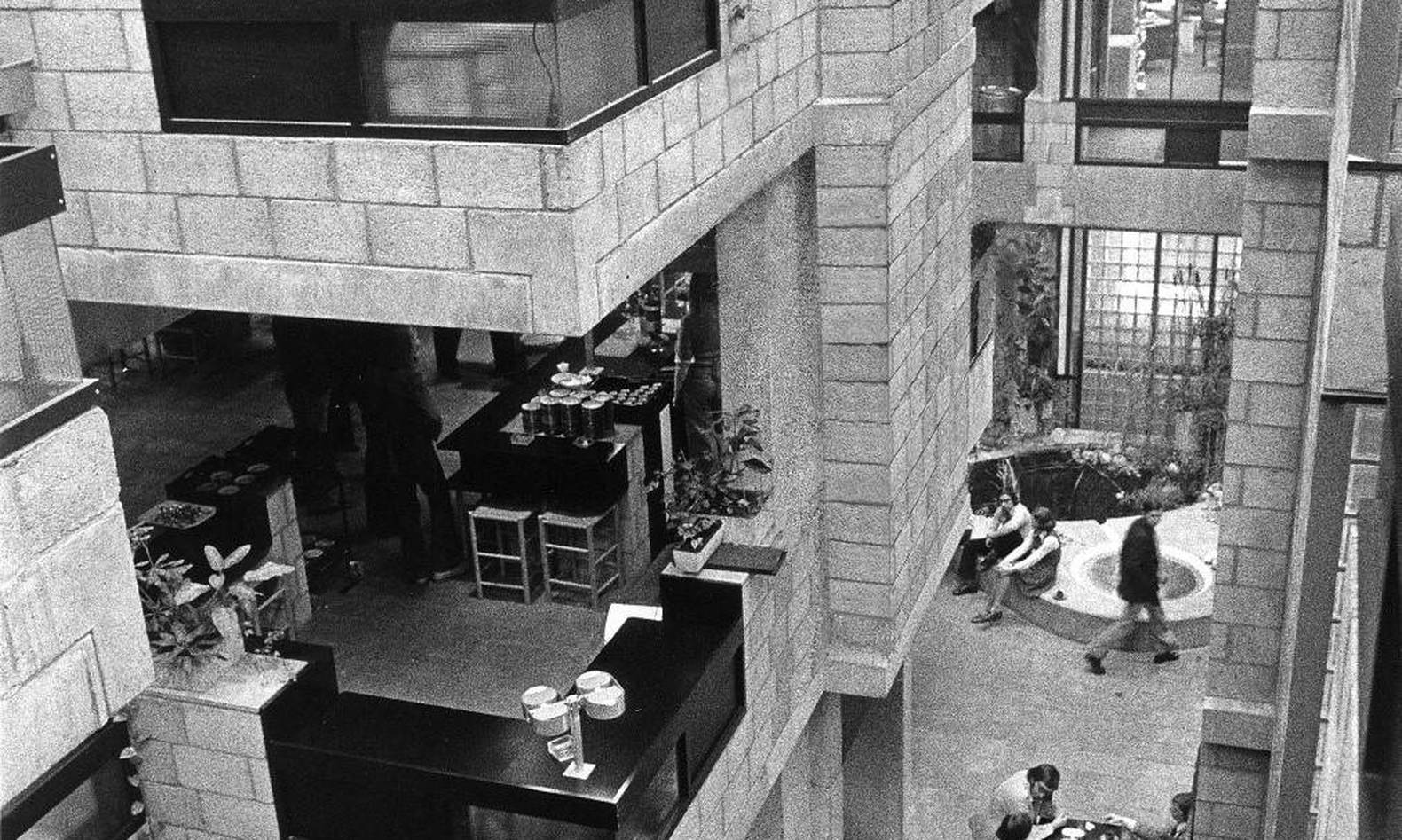
The concept of Bürolandschaft, developed in post-war Germany, emphasized organic office design to promote egalitarianism and collaboration, contrasting with rigid hierarchies. Despite its initial focus on humane environments, the design evolved into the cubicle farms of the late 20th century. Recent trends in workplace design are revisiting these principles, integrating technology and fostering activity-based working. Historical examples, such as the Centraal Beheer building and the combi-office, illustrate ongoing challenges in balancing privacy and communal space, highlighting the enduring relevance of these design philosophies.
|
|  workplaceinsight.net workplaceinsight.net
|
|
|
|
|
Remote job postings surged by 20% in the first quarter of 2026, driven by a growing preference for flexibility and competitive pay among workers. The majority of remote positions target mid-career professionals, with 65% aimed at experienced candidates. High-paying roles are in demand, particularly in project management, sales, and IT, with salaries exceeding $100,000. Companies like Thermo Fisher Scientific and General Electric are leading remote hiring efforts. A significant number of workers are unwilling to consider jobs requiring full in-office schedules, indicating a shift in workplace expectations towards remote opportunities as a key component of the future of employment.
|
|  allwork.space allwork.space
|
|
|
|
|
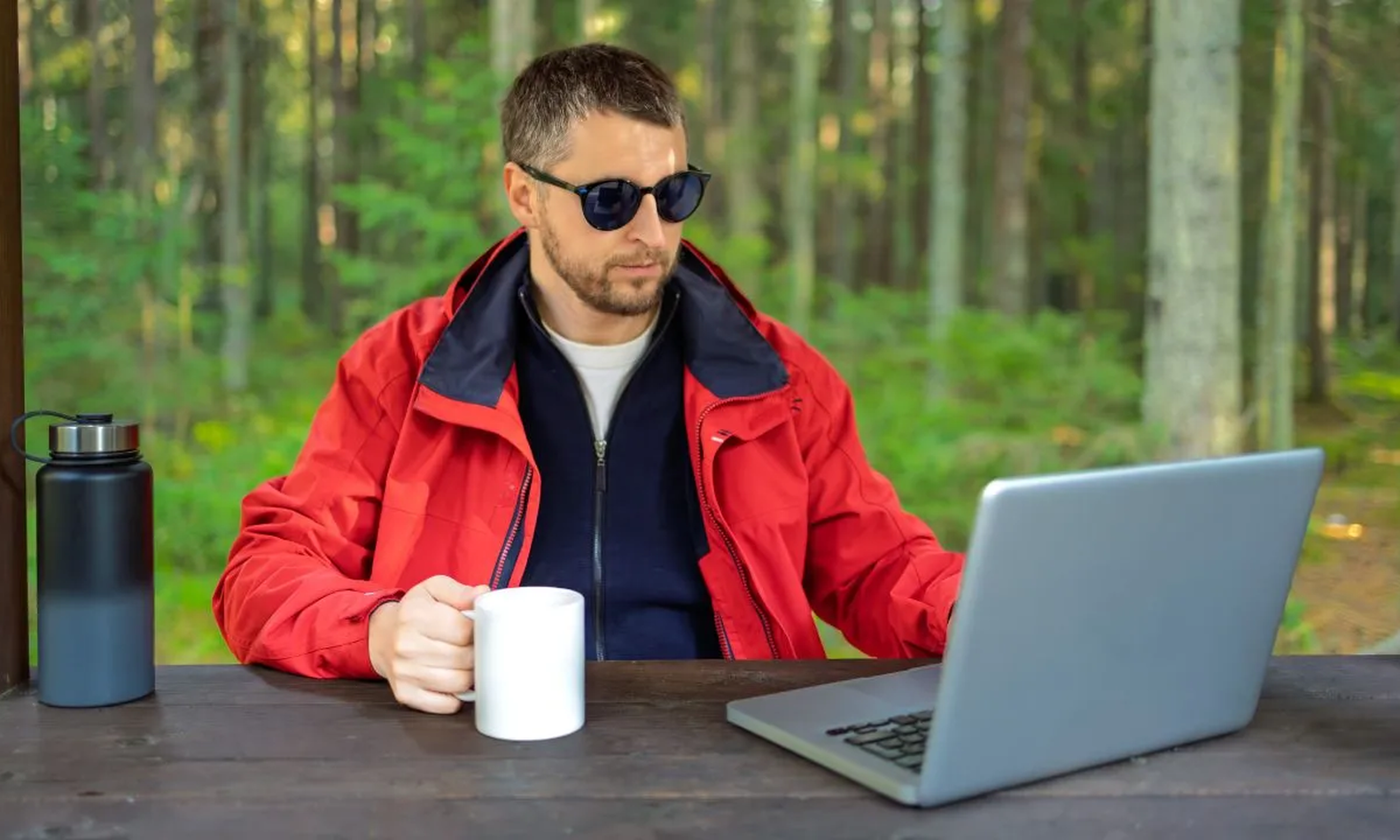
A recent survey underscores just how entrenched remote work has become in the U.S. workforce. Only 4% of workers say they want to return to the office full-time, while 58% identify fully remote work as their ideal arrangement. Nearly one-third report that nothing would convince them to come back full-time, and 30% say a four-day workweek is the only meaningful incentive. Despite stricter corporate policies, most workers indicate their in-office requirements haven’t changed, and many associate remote work with improved productivity and better mental health—further reinforcing a preference for flexibility over traditional workplace perks.
TWS Analysis: This data points to a structural shift rather than a temporary phase, with meaningful consequences for the contract furnishings industry. As office attendance remains inconsistent, the traditional drivers of furniture demand—headcount growth, expansion, and routine refresh cycles—are weakened. Companies are less inclined to invest in large-scale workplace buildouts when utilization remains low, which puts pressure on volume sales and shifts purchasing behavior toward fewer, higher-quality, and more flexible solutions. The result is an environment where every specification matters more, even as total demand declines.
At the same time, demand is not disappearing—it is being redistributed. As the home becomes the primary workplace for a large portion of the workforce, there is a growing opportunity for higher-quality work-from-home furnishings. What began as a temporary setup is evolving into a long-term investment category, with workers more willing to spend on ergonomic seating, adjustable desks, and well-designed environments that support sustained productivity and comfort.
The challenge is that much of the contract furnishings industry is not structured to fully capitalize on this shift. Companies such as Herman Miller, Steelcase, and HNI Corporation have historically relied on dealer networks and large commercial projects rather than direct-to-consumer channels. Without adapting distribution models, product design, and positioning to better align with residential use, a significant portion of this emerging demand risks being captured by lower-cost competitors.
Ultimately, the industry is facing a dual reality: declining volume tied to underutilized office space, and a parallel opportunity in the home that requires a different strategy to unlock. The companies that succeed will be those that recognize the workplace is no longer a single destination, but a distributed environment—and adjust accordingly.
|
|  allwork.space allwork.space
|
|
|
|
|
Pet ownership in the U.S. has reached 94 million households, influencing job decisions and coworking trends. Many pet owners would accept pay cuts for remote work, and cities like Miami, Denver, and San Francisco are leading in pet-friendly coworking spaces. However, the growth of such spaces is inconsistent, with some cities experiencing declines despite strong pet lifestyles. This mismatch is reshaping workforce dynamics, as pets increasingly impact commuting patterns and employee retention strategies.
|
|  allwork.space allwork.space
|
|
|
|
|
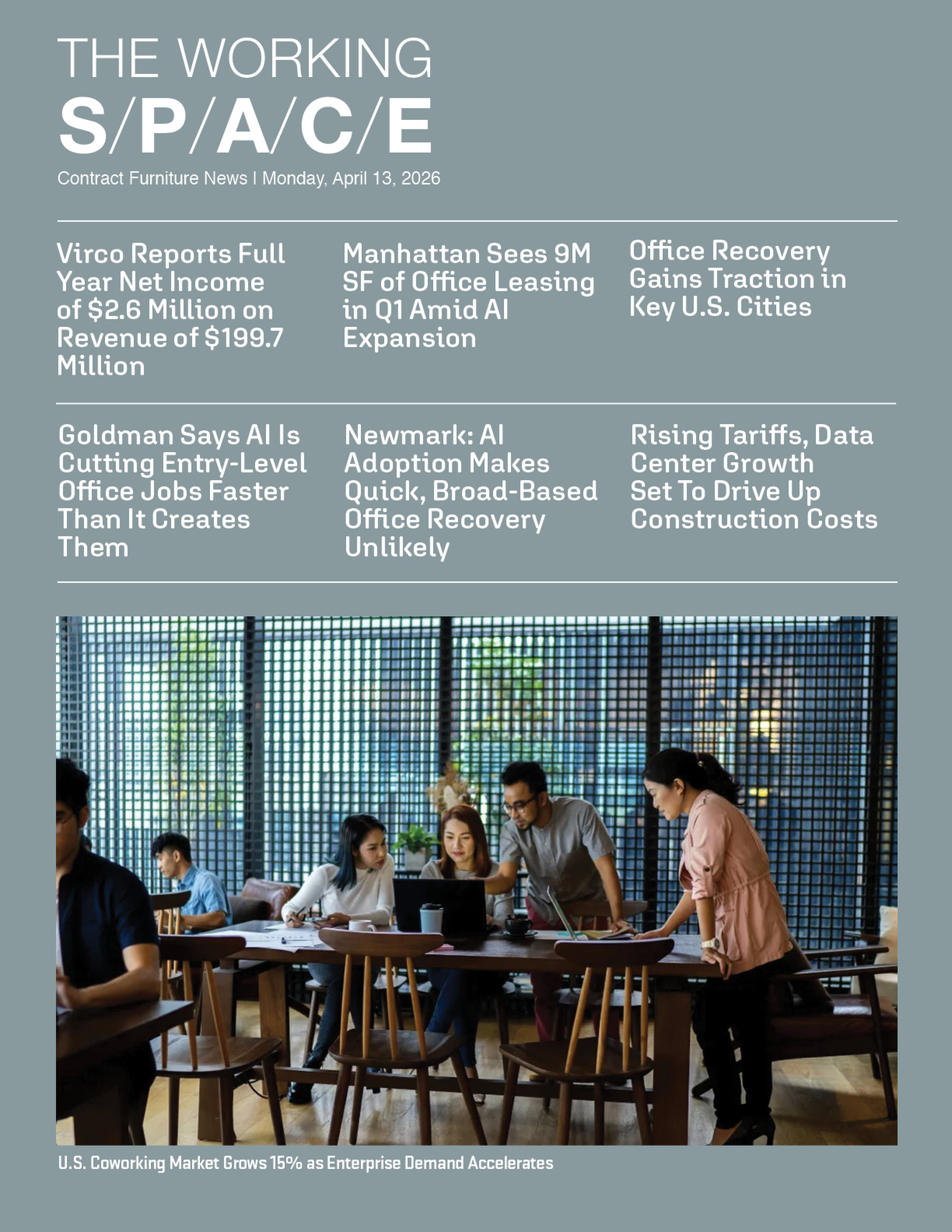
The U.S. coworking sector grew by 15% in 2026, adding 1,197 new locations and increasing its share of total office space to 2.2%. Independent operators dominate the market, making up 78.2% of locations, while major players like International Workplace Group lead the sector. There is a shift towards catering to corporate users with private offices and flexible suites, supported by improved technology for multi-location management. Business models are evolving with partnerships and flexible membership options expanding beyond traditional desk space.
|
|  allwork.space allwork.space
|
|
|
|
|
The next generation of work emphasizes the importance of intelligent, AI-powered platforms that understand intent, coordinate workflows, and act on behalf of users, particularly in the healthcare sector, such as dentistry. Traditional enterprise software primarily functions as a system of record, while new AI technology platforms represent a shift towards systems of action that can validate documentation, prevent errors, and automate follow-ups. The integration of intelligence into the core of these systems enhances reliability and efficiency, allowing professionals to focus more on patient care and collaboration. The orchestration of workflows is highlighted as a key benefit, where different tasks are coordinated seamlessly, leading to improved performance. The future lies in organizations that develop integrated, intelligent platforms that prioritize human-centered approaches, fostering creativity and trust while simplifying work processes.
|
|  www.fastcompany.com www.fastcompany.com
|
|
|
|
|
Research indicates that women working from home or on reduced hours are at a higher risk of career downsizing compared to men, who are not similarly affected. A study by Sizhan Cui from the University of Oxford analyzed data from nearly 12,000 women and 9,800 men, revealing that women utilizing flexible work arrangements were 19% more likely to transition to non-professional roles. The stigma surrounding flexible work appears to penalize women without young children more severely, while men's flexible work is often viewed positively.
|
|  workplaceinsight.net workplaceinsight.net
|
|
|
|
|
Global employee engagement has declined for the second year, dropping to 20% in 2025, despite significant AI investment. Manager engagement has also fallen, undermining leadership effectiveness in AI adoption. While job market sentiment has improved slightly, concerns about job automation are rising, especially in larger firms. Employee wellbeing shows some improvement, but stress levels remain high. The report emphasizes that successful AI integration depends more on management quality than on technology itself.
|
|  workplaceinsight.net workplaceinsight.net
|
|
|
|
|
Despite a nationwide slowdown in construction activity, the cost of office space fit-outs in the U.S. has surged approximately 5% year-over-year, primarily due to ongoing labor shortages, rising material prices, and tariffs. The Northeast region experienced the highest price increase at 7%, while the Midwest saw only a 2% rise. The Tri-State area has the steepest average costs at $193 per square foot, with San Francisco leading the nation at $228 per square foot. Although 2025 construction costs were below the 10-year average, growth has exceeded the three-year trend, driven by high demand and limited skilled labor. The U.S. construction cost index indicates a significant rise in skilled labor costs and building materials, impacting project budgets considerably.
|
|  www.globest.com www.globest.com
|
|
|
|
|
Landlords are increasingly interested in the flexspace market for its revenue potential, but many feasibility models are flawed due to unrealistic assumptions about occupancy and tenant retention. New flexible workspaces often start at around 20% occupancy and take 12 to 15 months to stabilize at 85%. Accurate modeling must consider ramp-up times and the right mix of workspace types, with a recommended split of 85% private offices and 15% desks. Additionally, revenue forecasts for meeting rooms often overestimate usage, with actual utilization rates closer to 25%.
|
|  www.globest.com www.globest.com
|
|
|
|
|
A Houston-based entrepreneur is introducing ClarityCastle, a brand of modular office pods designed to eliminate the need for costly office build-outs when tenants leave. The pods range in size and can be quickly installed, typically in under two hours. Prices start at $3,000 for entry-level options and go up to $12,000 for premium models, with leasing available. The pods are customizable and can be reused, helping landlords avoid expenses associated with traditional renovations. ClarityCastle has already seen success in leasing pods to other tenants at Greentown Labs, transforming a former storage room into productive office space. The modular nature of these pods addresses rising construction costs and supports adaptive reuse of existing buildings, presenting a sustainable and flexible solution for modern workspace needs.
|
|  www.bisnow.com www.bisnow.com
|
|
|
|
|
The U.S. workplace landscape is set to undergo significant changes in 2026, driven by the integration of AI into operations. Key trends include the amplification of performance through AI, as younger, tech-savvy talent is empowered while experienced leaders remain crucial for guiding AI applications. Talent acquisition and compliance will be prioritized as organizations navigate complex regulatory environments alongside AI advancements. Finally, effective leadership will hinge on the ability to harmonize human and AI collaboration, emphasizing transparency and ethical practices. The focus will shift from merely hiring to strategically maximizing human potential within compliant frameworks.
|
|  www.fastcompany.com www.fastcompany.com
|
|
|
|
|
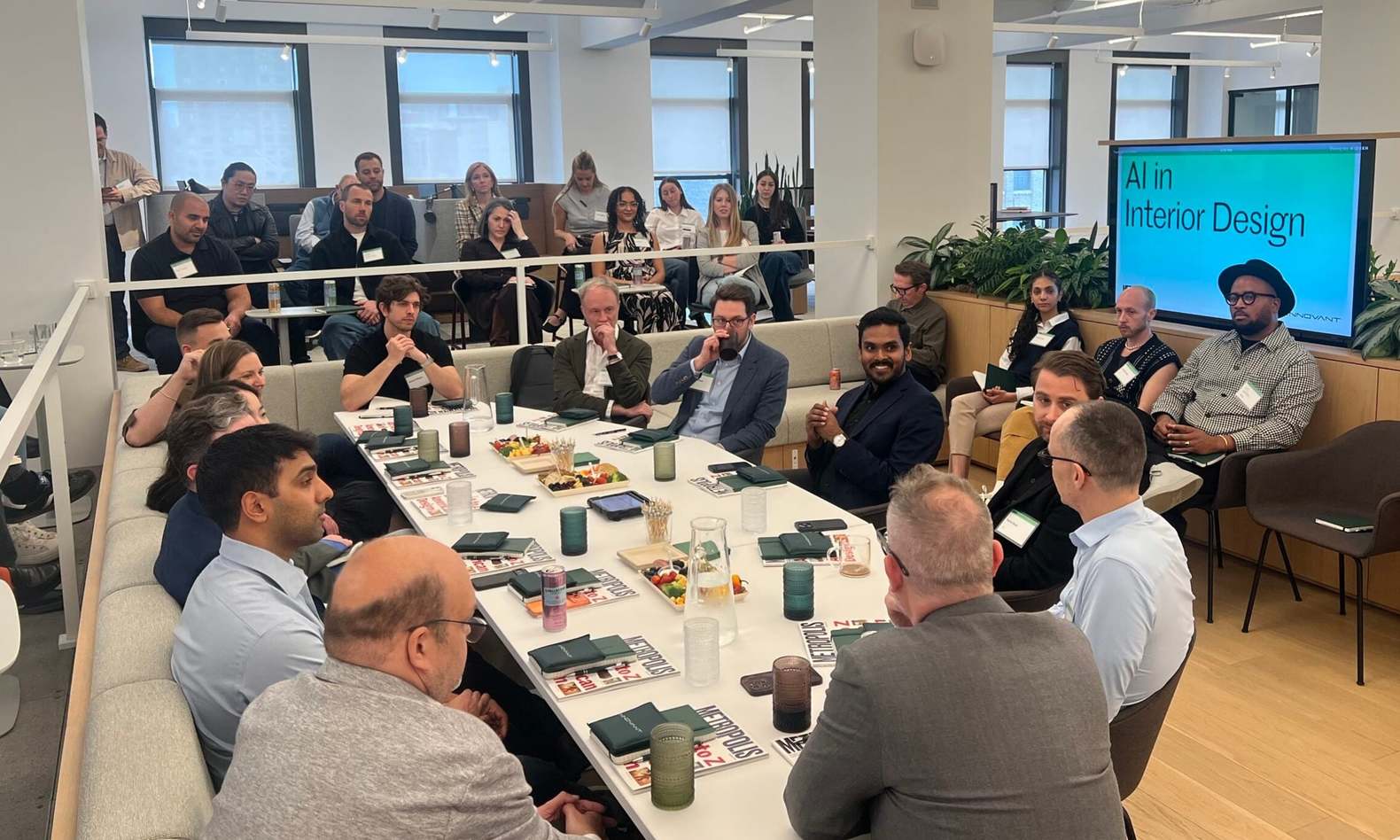
A recent roundtable discussion among design leaders explored the implications of AI in interior design, focusing on its potential to enhance or hinder creativity. While some participants noted AI's integration into workflows, concerns were raised about its impact on critical thinking and traditional roles. The conversation emphasized the need for designers to curate AI-generated options thoughtfully, fostering mentorship and ethical practices in the evolving landscape of design. Overall, AI is viewed as a tool that requires careful engagement to avoid undermining the human experience in design.
|
|  metropolismag.com metropolismag.com
|
|
|
|
What Today’s Law Firms Need to Make In-Office Count
|
|
|
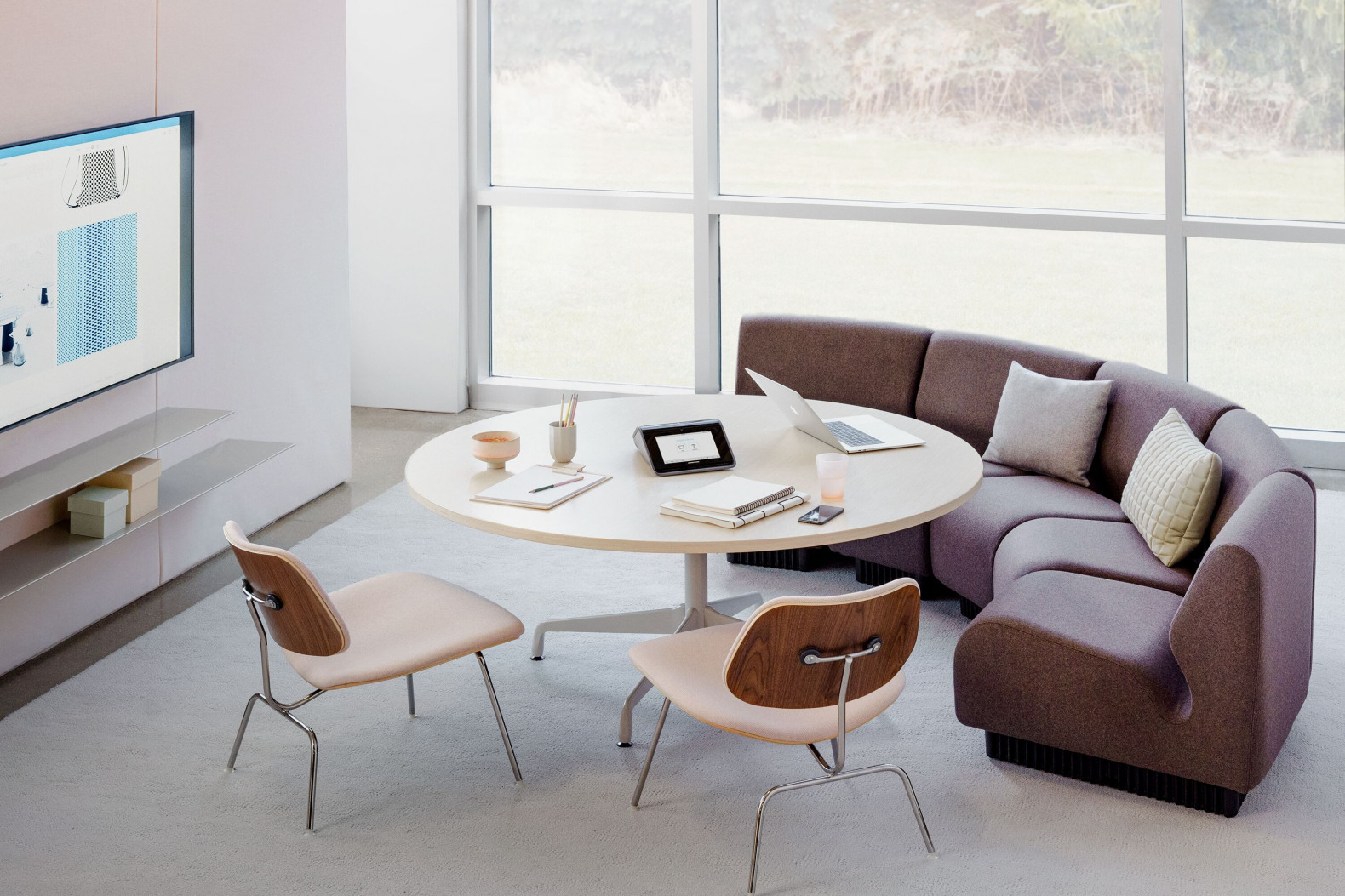
A series of MillerKnoll-hosted roundtables with attorneys in New York and San Francisco highlights how law firms are rethinking the office to make in-person time more intentional and performance-driven. The discussions point to a clear shift toward designing workplaces that better support focus, confidentiality, collaboration, and attorney wellbeing.
A central priority is protecting focus and billable time. Attorneys increasingly need reliable, distraction-free environments—such as modern private offices and quiet zones—to handle complex, confidential work without interruption. These spaces are evolving away from symbols of hierarchy and toward functional tools that enable sustained concentration, paired with collaborative areas that reflect the natural rhythm of legal work.
Firms are also investing in new technologies, including video-enabled private rooms and pods, to support virtual hearings and client interactions. However, these upgrades come with heightened attention to confidentiality, security, and governance—especially as generative AI begins to enter legal workflows. Ensuring privacy while enabling high-quality digital collaboration is becoming a critical balancing act.
Another emerging theme is the need for spaces that allow attorneys to reset during demanding workdays. Firms are introducing semi-private, restorative environments designed for short breaks, helping to mitigate burnout and sustain cognitive performance, particularly among younger attorneys.
Finally, collaboration is being restructured to be more purposeful and efficient. Rather than relying on ad hoc interaction, firms are deploying a range of tailored environments—from small enclaves to formal conference rooms and team “neighborhoods”—that support different types of legal work while maintaining confidentiality.
Overall, the roundtables reflect a broader evolution in legal workplace strategy: offices are being designed as high-performance ecosystems that balance privacy, technology, collaboration, and wellbeing to meet the changing expectations of attorneys.
|
| |
|
|
|
|
Water pollution is the top global environmental concern, with 59% of consumers prioritizing it over issues like climate change. This reflects a growing awareness of water quality, access, and governance, especially ahead of the 2026 United Nations Water Conference. Consumers expect meaningful action and leadership on water issues, linking environmental degradation to health and local living conditions.
|
|  trellis.net trellis.net
|
|
|
|
|
Sustainability certifications are abundant, with over 450 options available, but selecting the right ones can be challenging. Companies should understand the certification landscape, align certifications with business goals, consider regulatory overlaps, and use discretion in their choices. Key questions to consider include the boundaries and administration of certifications, how they support business objectives, and their long-term value and integrity. A well-chosen certification can enhance trust and drive growth.
|
|  trellis.net trellis.net
|
|
|
|
Saving the Planet, One Product at a Time
|
|
|
Humanscale is committed to creating sustainable products that benefit both people and the planet, with 26 of their products now certified as net positive. This certification, achieved through the Living Product Challenge (LPC) by the International Living Future Institute, signifies that these products not only minimize harm but actively contribute to environmental restoration. The LPC requires rigorous standards across seven impact categories, ensuring products are healthy, free from toxins, and socially responsible. The manufacturing process includes using eco-friendly materials, renewable energy, and methods that respect local resources. Each product, like the Path task chair and Float sit-to-stand desk, demonstrates measurable positive impacts, such as energy creation and waste reduction. By providing net positive options, Humanscale empowers consumers to contribute to planetary healing and encourages other manufacturers to follow suit.
|
| |
|
|
|
|
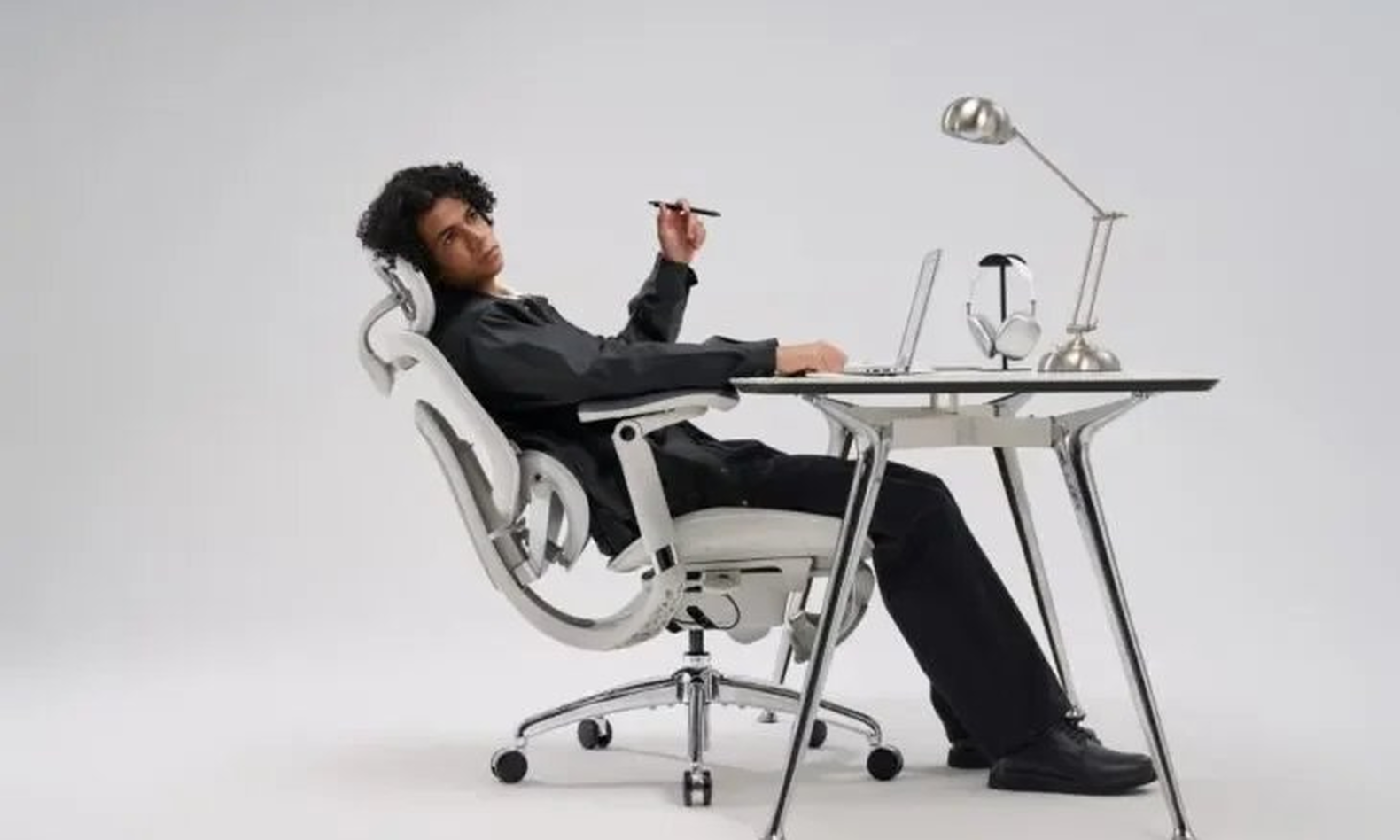
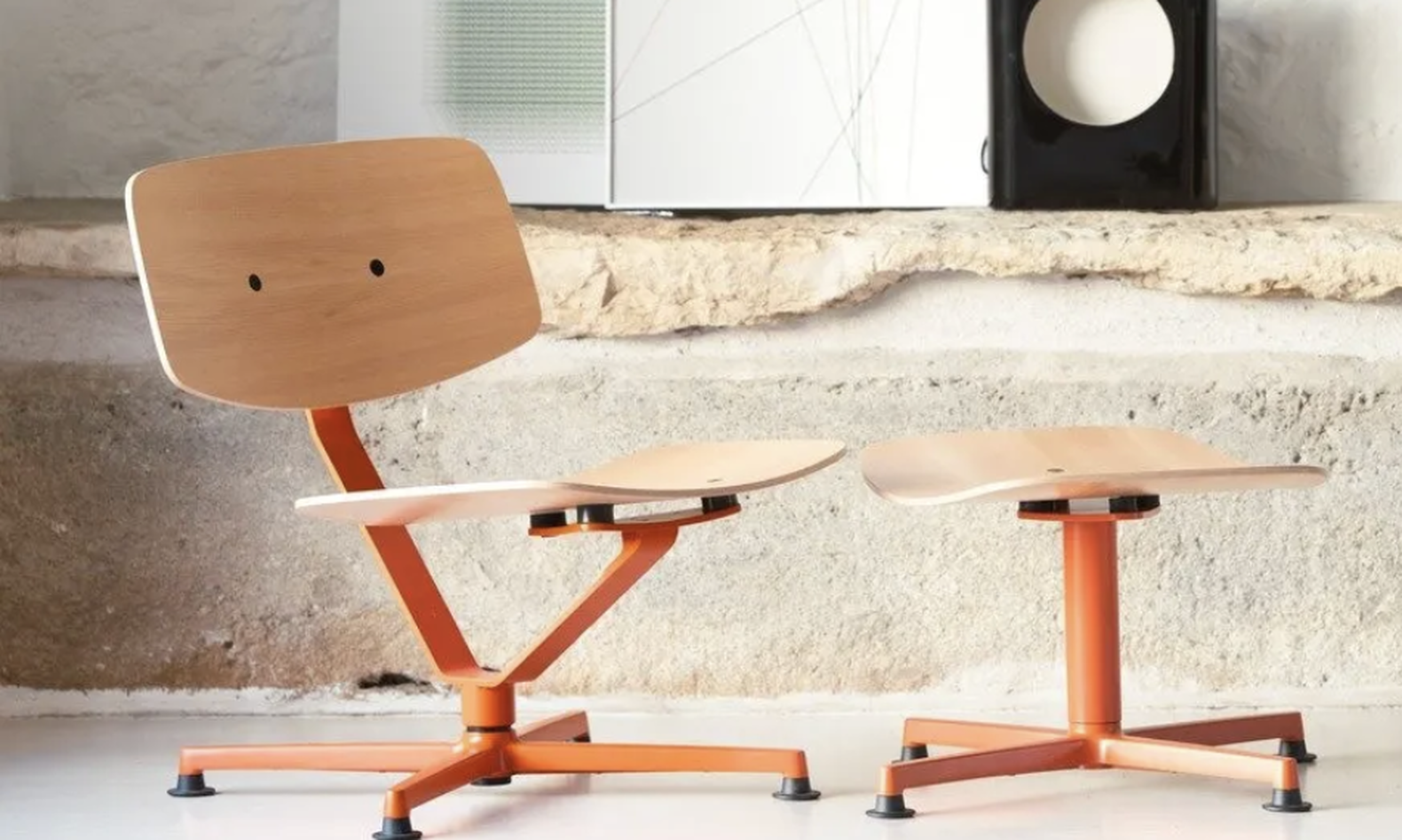
Sihoo has launched the Doro C300 Pro V2, an innovative ergonomic chair featuring the DynaCore Full-Body Support System and SyncroFlex Backrest, which adapt to users' movements for continuous support. Key features include adjustable lumbar support, multi-axis armrests, and a weight-adaptive mechanism. The chair will be available in major markets in mid-April 2026, with an early-bird discount of $50 for subscribers.
|
|  www.officing.com www.officing.com
|
|
|
|
|
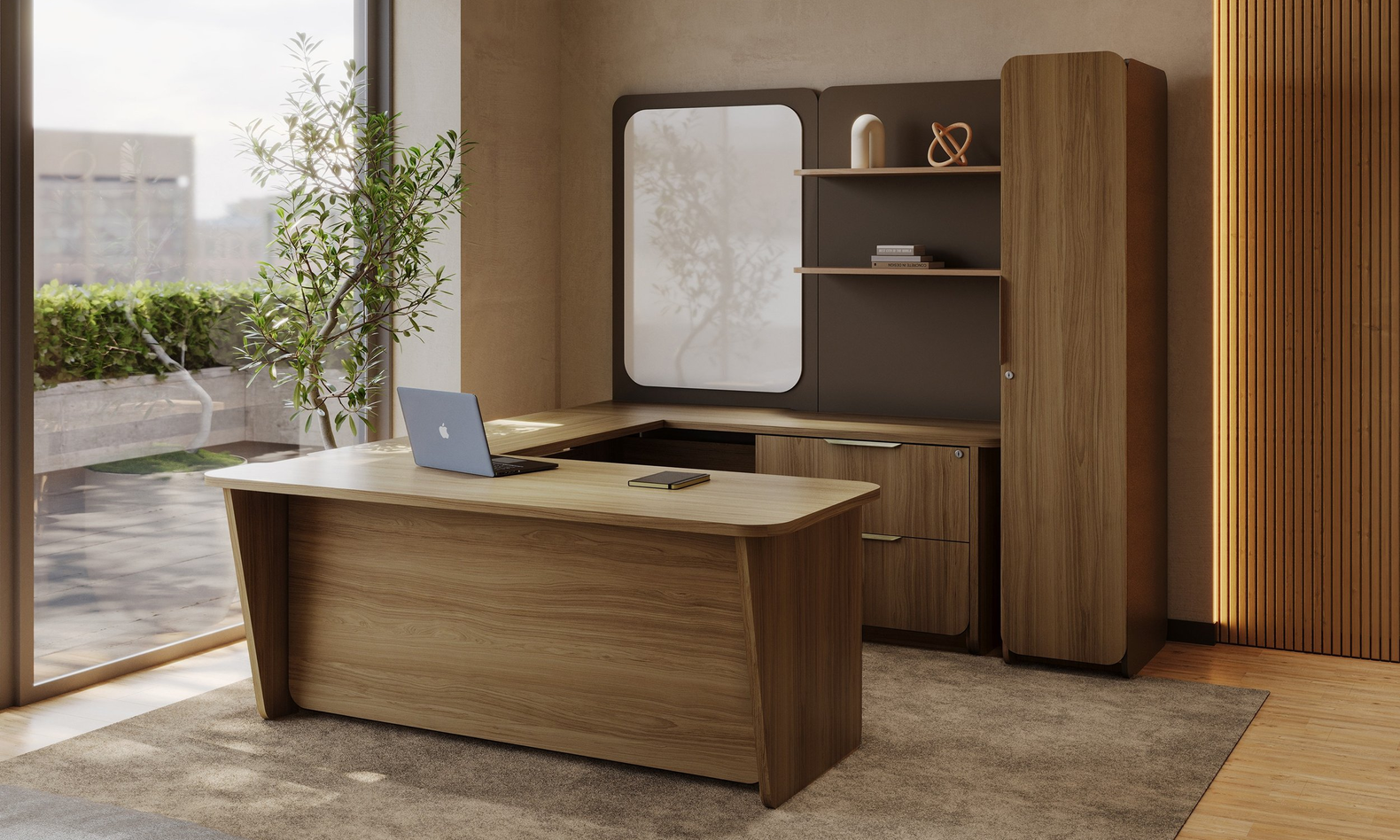
DeskMakers expands its ERA collection with fixed-height casegoods, enhancing private office design through a modular system that combines aesthetic appeal with functionality. The collection features soft curves and dynamic angles, offering a range of desktop shapes and integrated storage options. Technology integration is emphasized for a clean workspace, while the design promotes individuality and adaptability for various work environments. This evolution reflects a holistic approach to office spaces, balancing structure and softness to support modern work needs.
|
|  www.officing.com www.officing.com
|
|
|
|
|
Unika Vaev has launched six new acoustic products in collaboration with Instyle, emphasizing refined aesthetics and high-performance acoustic solutions. The collection includes various embossed panels like Ecoustic® Crest, Summit, and Swell, each designed to enhance interior spaces with unique textures and patterns while maintaining sustainability standards. The Fold Collection offers versatile wall tiles with superior sound absorption, and the Panel Print series features nature-inspired designs. Unika Vaev has been committed to sustainability in design since its inception in 1975.
|
|  www.officing.com www.officing.com
|
|
|
|
|
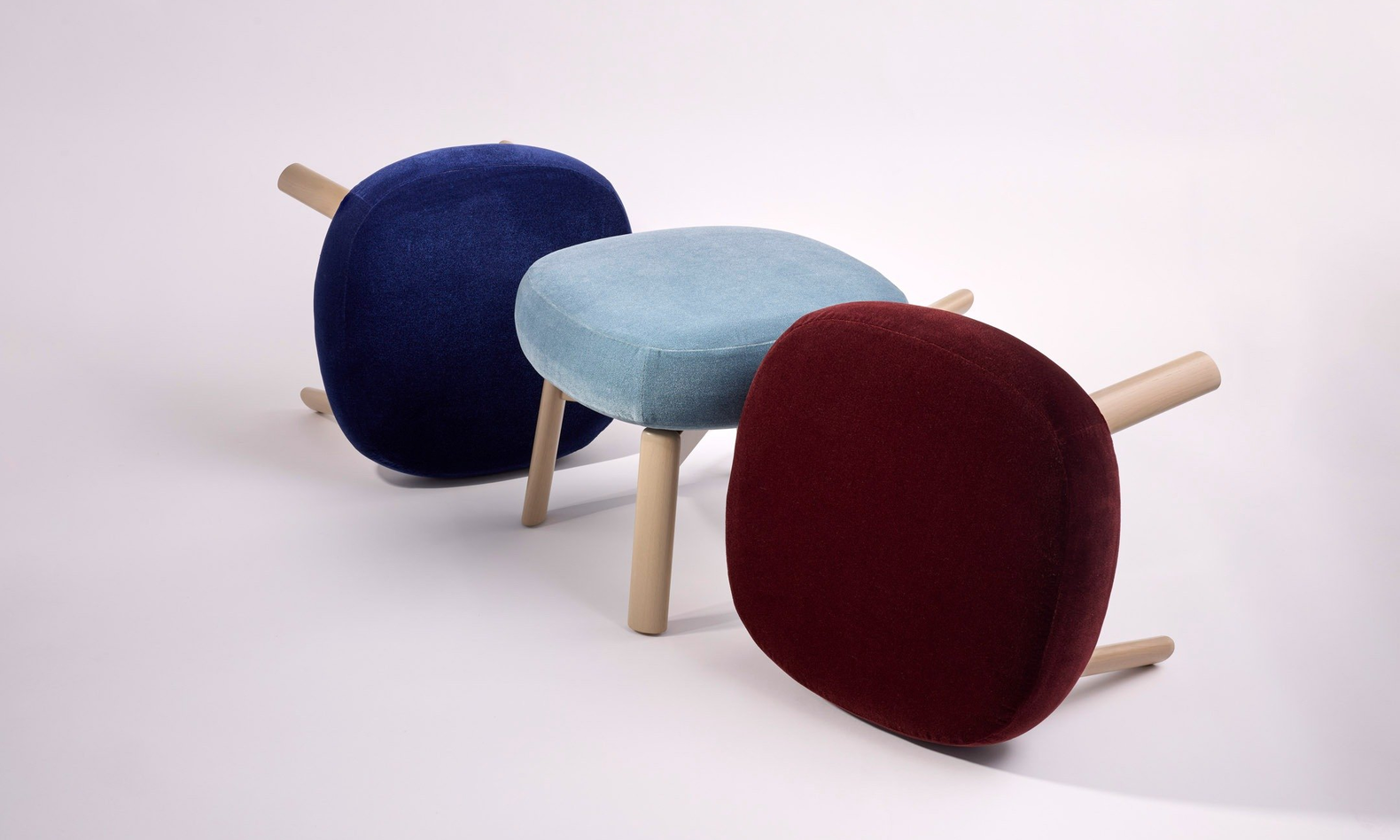
Colorfall is a high-performance velvet upholstery from Luum Textiles, part of the Beyond the Surface collection. It features a unique two-tone effect created by weaving matte and shiny acrylic yarns, offering durability and elegance. Available in 22 colorways, the palette includes warm and cool neutrals, rich blues and greens, and jewel tones.
|
|  www.officing.com www.officing.com
|
|
|
|
|
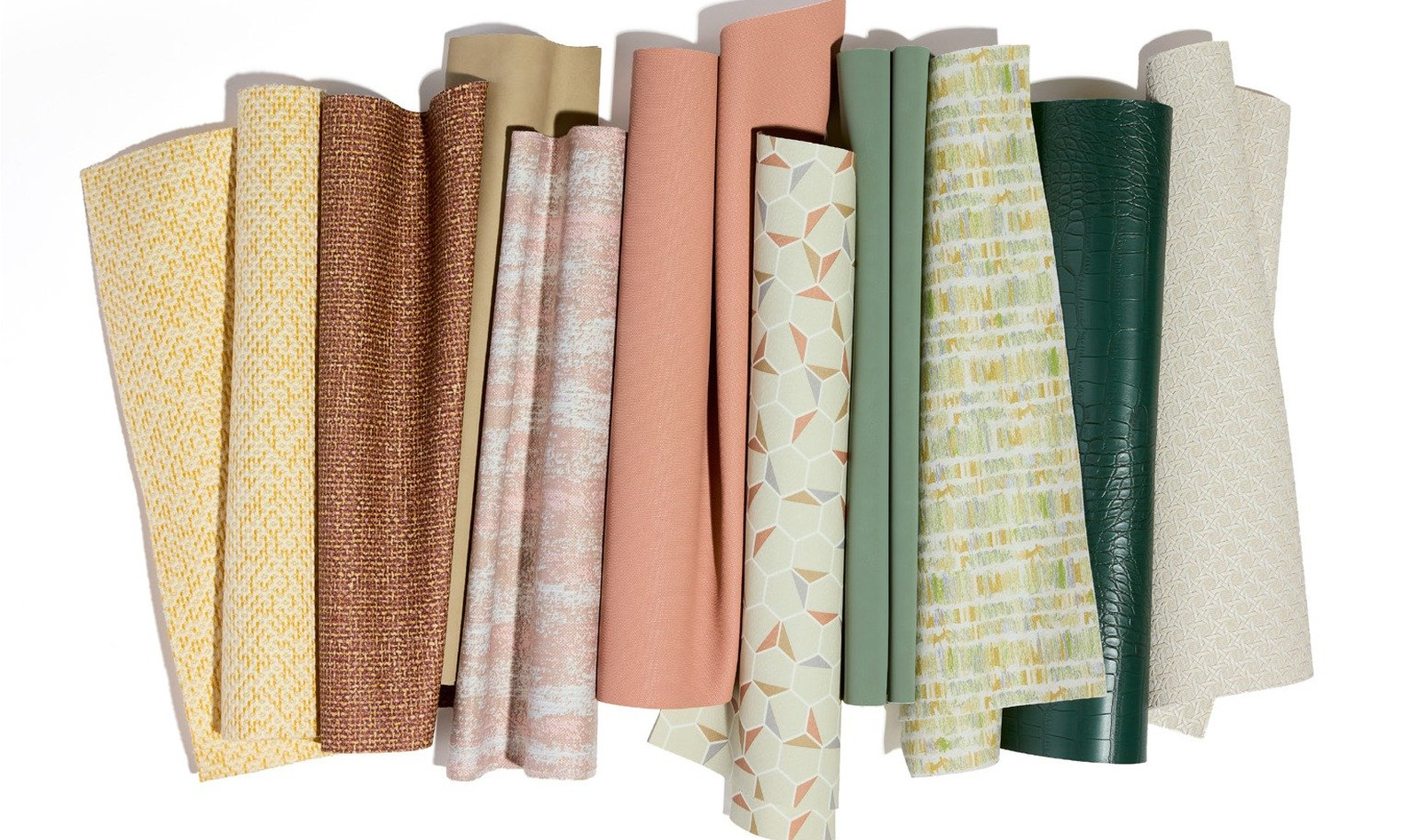
Concertex introduces the Spring 2026 Opus Collection, inspired by sound architecture, featuring ten upholstery patterns and one NappaTile™ pattern. The collection emphasizes high-performance materials, including a bio-attributed silicone hybrid and phthalate-free vinyl, designed for high-traffic environments. Each pattern balances durability and aesthetic appeal, with innovative features like bleach cleanability and resistance to stains, ensuring lasting quality and visual harmony.
|
|  www.officing.com www.officing.com
|
|
|
|
|
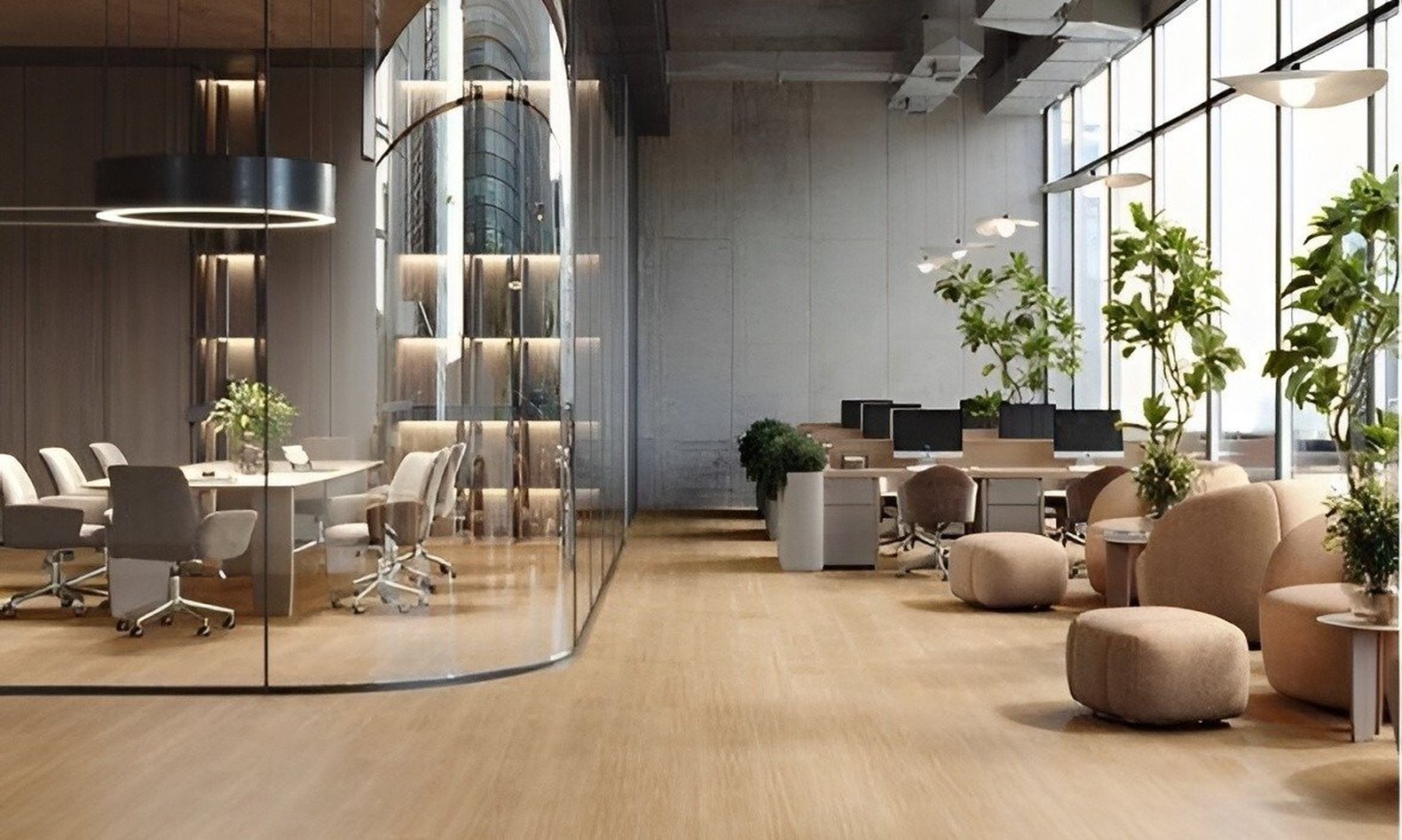
Parador has launched Taterra, a PVC-free flooring collection designed for sustainability and high performance. The collection features a patented polypropylene surface for durability, is free from harmful materials, and supports healthy indoor air quality. Taterra offers three plank formats and eight colorways, aiming to meet the demands of architects and designers without compromising on aesthetics or health. It is positioned as a new category in resilient flooring, combining functionality and design freedom.
|
|  www.officing.com www.officing.com
|
|
|
|
|
Erwan Bouroullec's Arba Chair features a minimalist design characterized by a lightweight steel frame optimized for flexibility and user interaction. The chair combines aesthetics with functionality, utilizing a unique porous ceramic material to maintain soil moisture for plants. It is currently in production by Danish manufacturer Raawii and evokes a modern yet mid-century modern style. The design emphasizes both beauty and practicality, incorporating silent blocks for enhanced movement and comfort.
|
|  www.core77.com www.core77.com
|
|
|
|
|
Giuseppe Bavuso and Rimadesio have collaborated to create the 'Ori' chair, featuring a unique zig-zagging backrest made from solid ash. Available in various finishes and upholstery options, the chair emphasizes comfort and aesthetic appeal while showcasing high-precision craftsmanship from Rimadesio's solar-powered facility. Bavuso aims for his designs to reflect a vision of living spaces that prioritize quality and durability over ostentation.
|
|  www.wallpaper.com www.wallpaper.com
|
|
|
|
|
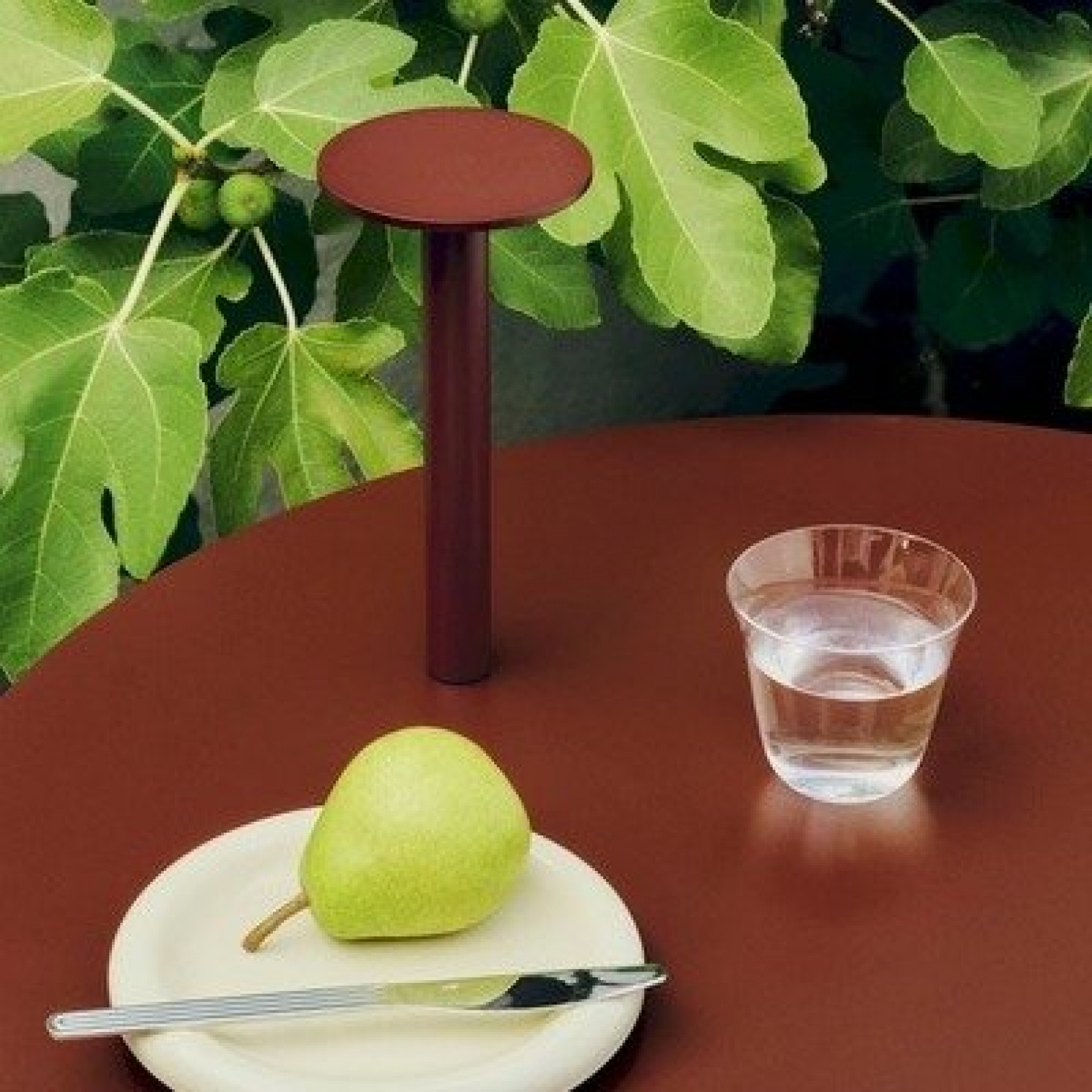
Hay's new Host Portable Lamp features a minimalist design with a magnetic base for easy attachment to surfaces. Made from powder-coated aluminum, it offers 16 hours of light after a 5-hour USB-C charge. Available in two sizes, it retails for $189 and $223.
|
|  www.core77.com www.core77.com
|
|
|
|
|
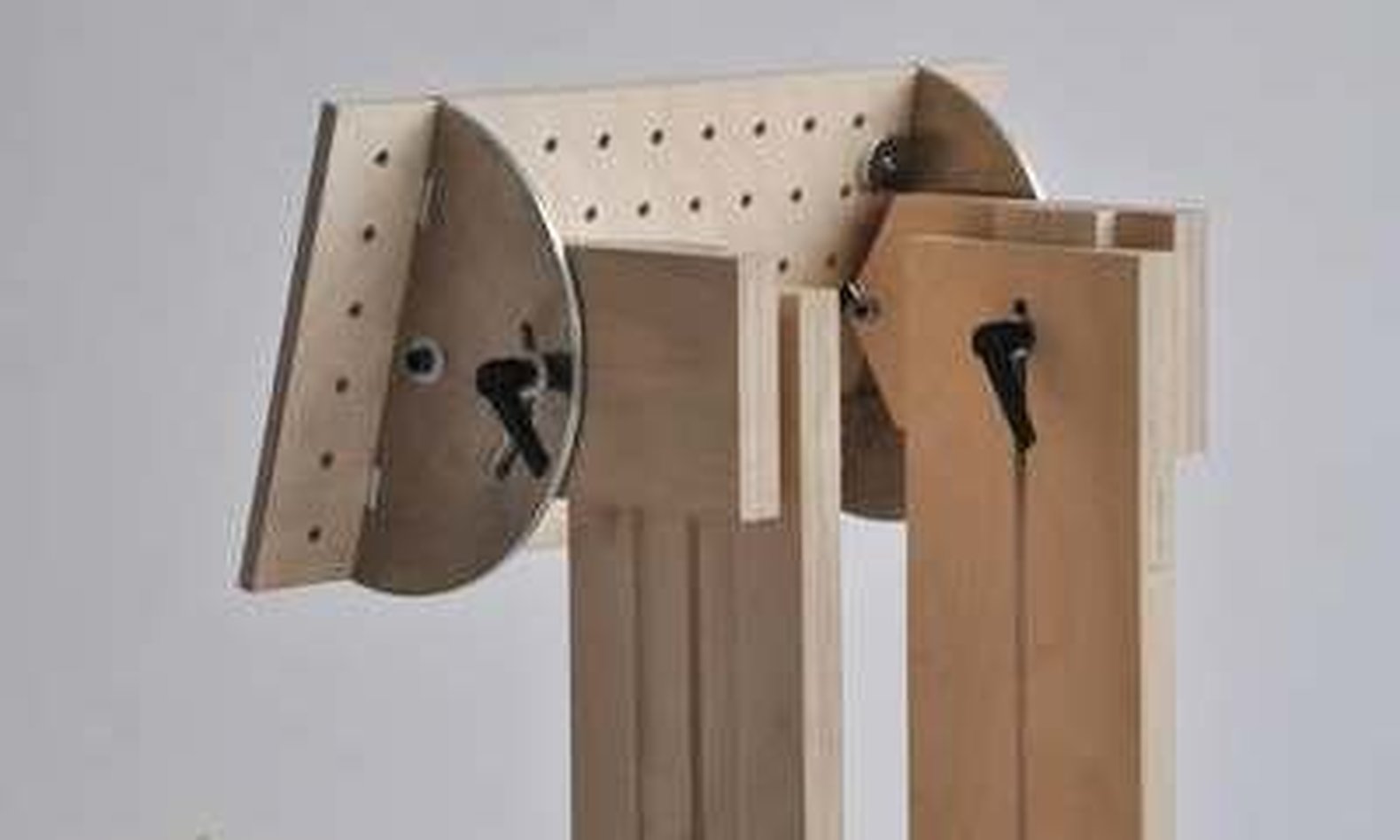
Timothée Mion, a Paris-based industrial designer, utilizes a chair buck to refine the heights and angles of contact points while physically sketching hypothetical supports, emphasizing a design process that integrates making and testing ideas in real space. The approach moves beyond digital design, allowing for exploration of angles, proportions, and dimensions.
|
|  www.core77.com www.core77.com
|
|
|
|
|
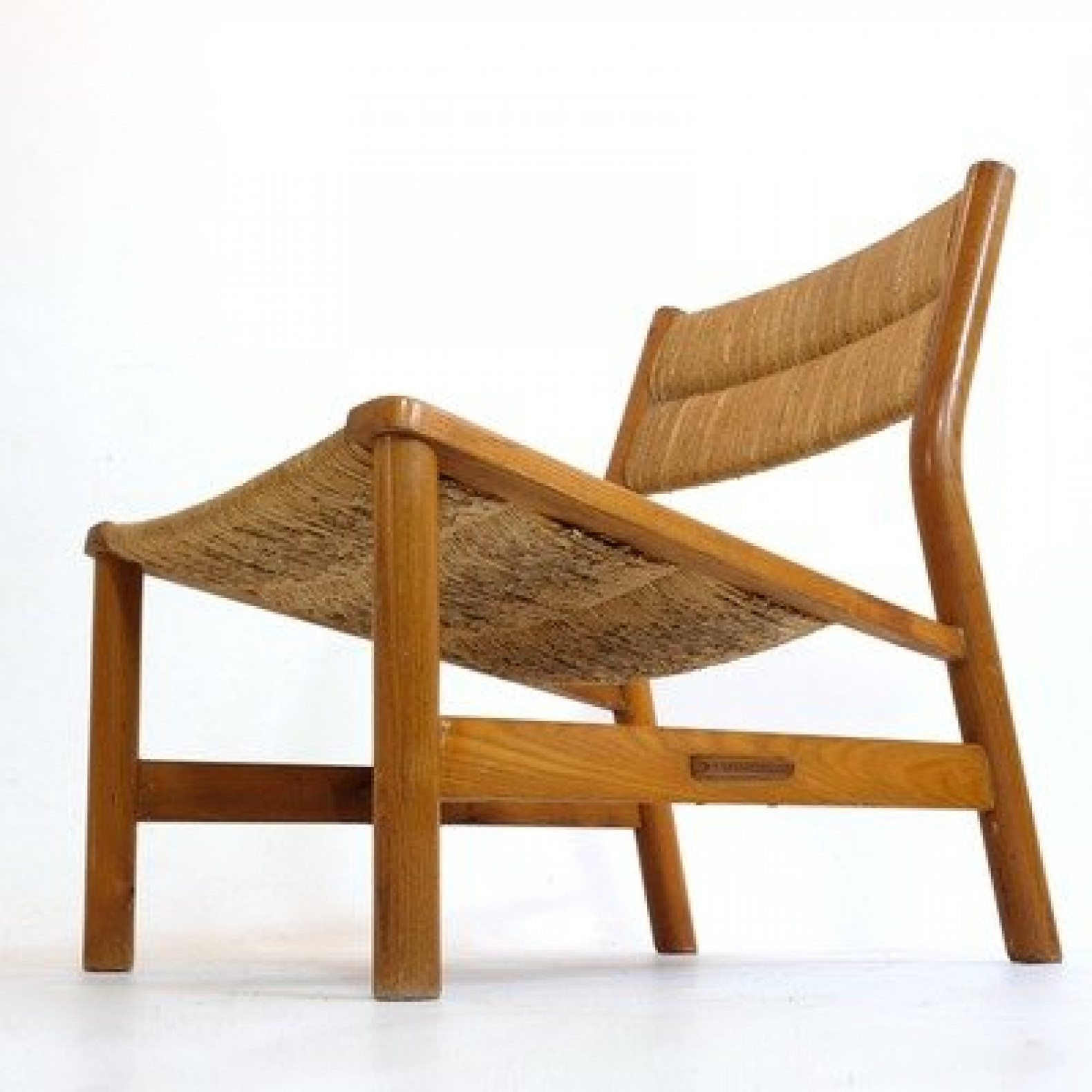
The Weekend Chair, designed by French industrial designer Pierre Gautier Delaye in 1956, is a notable piece of Midcentury Modern furniture made of ash with straw upholstery. It was produced in collaboration with cabinetmaker Lucien Vergnères and aimed at providing stylish, affordable furniture for young families. Surviving examples of the chair can still be found on secondhand markets today.
|
|  www.core77.com www.core77.com
|
|
|
|
|
Norway has repurposed steel tubing from the oil industry into a public seating system called Venture, designed by Lije Studio. This modular and flexible seating encourages social interaction and personal comfort, allowing users to choose their seating arrangement. The design balances industrial aesthetics with warmth, promoting human-centered placemaking in various environments.
|
|  www.core77.com www.core77.com
|
|
|
|
|
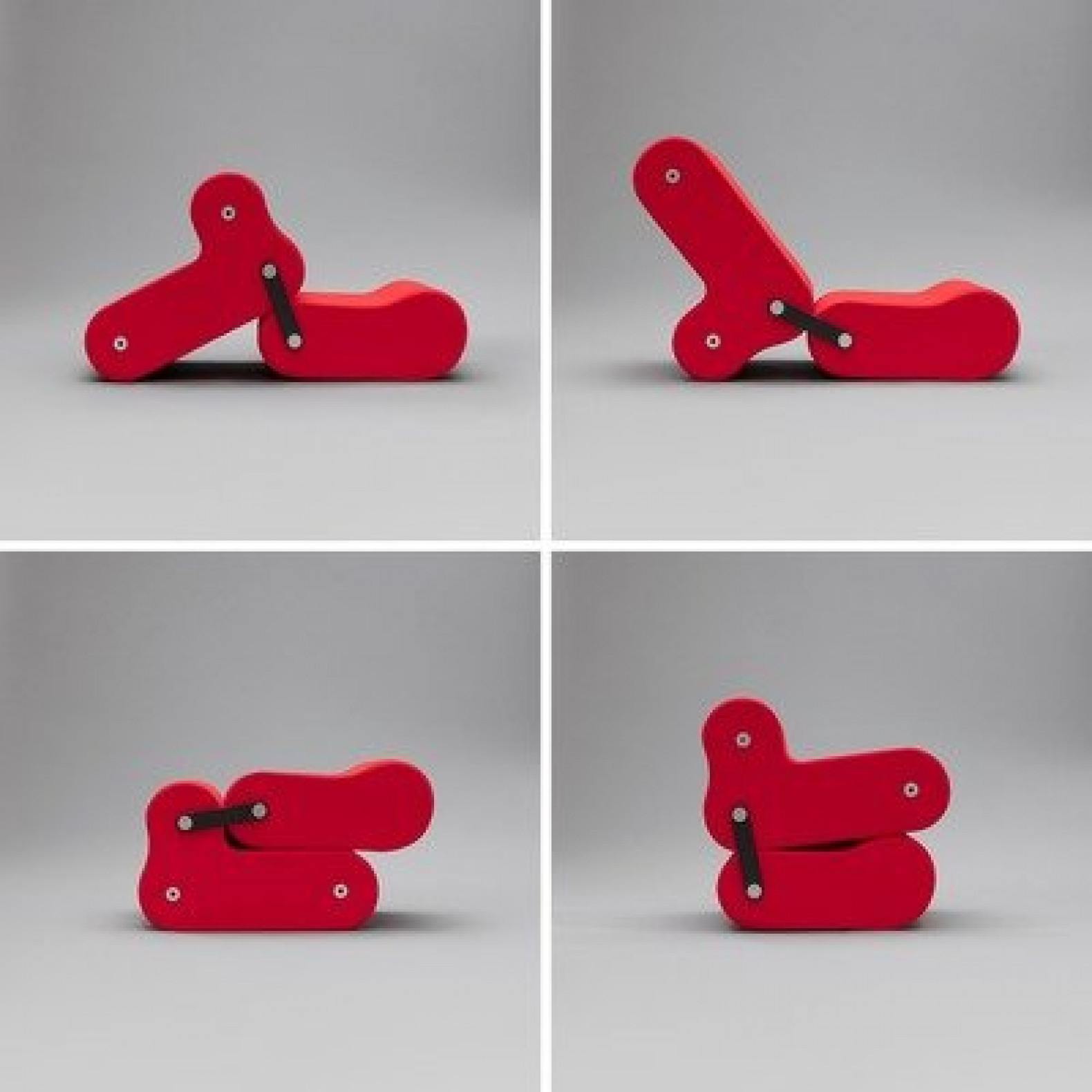
Joe Colombo's Multichair, originally designed in 1970, features transformable seating with a Pop aesthetic and is now available again through B-Line. The design includes upholstered elements that can be reconfigured using leather straps and steel buckles, and it is part of MoMA's permanent collection.
|
|  www.core77.com www.core77.com
|
|
|
|
|
NeoCon 2026 / DesignDays 2026
June 7-10, 2026 | Chicago, IL
NeoCon has served as the world’s leading platform and most important event of the year for the commercial design industry since 1969. A launch pad for innovation—NeoCon offers ideas and introductions that shape the built environment today and into the future. For 2026 NeoCon is introducing a special preview day on Sunday, June 7th, from 12-4 PM. All NeoCon attendees and exhibitors are invited to visit on Sunday.
|
|
|
This year's NeoCon theme, "Where Design Connects," emphasizes innovation and resilience in the built environment. Keynote speakers include Jessica O. Matthews, who will discuss the personal impact on innovation; Nick Foster, who will challenge future assumptions; and David “Shingy” Shing, who will explore the evolving relationship between technology and design. Registration for the event opened on February 3, 2026, and the event will feature seven exhibition floors, highlighting a new focus on lighting through the "Illuminate at NeoCon" initiative.
Joining at the same time, in Fulton Market is DesignDays, a compatible show that now hosts more than half of the largest office furniture manufacturers. Hint: See both.
|
|
|
|
|
|
|
Clerkenwell Design Week
May 19 - 21, 2026 | London, UK
Clerkenwell Design Week will take place from May 19–21, 2026, featuring a mix of new and established venues, along with an international presence in EC1. The event promises to transform the area into a hub of design, architecture, and creativity, showcasing the best of both international and UK design through exhibitions, immersive installations, talks, and showroom events. New venues include "The Luxury Edit" at Haberdashers' Hall and workplace products at Goldsmiths'. Additionally, a new CDW app will launch, assisting visitors in planning their experience by providing access to badges, maps, and event information.
|
|
|
|
|
|
Japanese Design Brand NII to Showcase Its Work at Salone del Mobile.Milano 2026
|
|
|
Japanese design brand NII will debut at Salone del Mobile.Milano 2026, showcasing furniture that promotes creativity and collaboration. The collection features designs by notable designers including Todd Bracher and Rodolfo Agrella, emphasizing flexibility and interaction in workspaces. NII, part of ITOKI Corporation, aims to redefine work environments through innovative design principles focused on human experience.
|
| |
|
|
|
|
Arper introduces the Aom seating collection by Jean-Marie Massaud at Salone del Mobile 2026, focusing on material reduction, sustainability, and adaptability for indoor and outdoor use. The design emphasizes a lightweight structure made from expanded polypropylene and Breathair®, eliminating polyurethane for easier recycling. Available in various configurations, Aom aligns with circular design principles, addressing the demand for modular and sustainable seating solutions while balancing comfort and environmental responsibility.
|
|  www.interiordaily.com www.interiordaily.com
|
|
|
|
|
At Milan Design Week 2026, Andreu World will showcase new collections and emphasize material innovation with its biodegradable BIO® thermopolymer. The showroom, designed by Patricia Urquiola, serves as a dialogue platform on sustainability and design. Collaborations with designers like Urquiola and Benjamin Hubert will highlight durability and adaptability in furniture for various settings. The company, committed to circularity and responsible manufacturing, uses FSC®-certified wood and invests in advanced biomaterials, aiming to redefine design's role in creating a sustainable future.
|
|  www.interiordaily.com www.interiordaily.com
|
|
|
|
|
Reddie, an Australian brand, has launched its first European showroom in Clerkenwell, showcasing sustainable, design-led commercial furniture. Founded by Caroline and Andrew Olah, the company emphasizes ethical production using reclaimed teak and recycled plastics. Their pieces, made to order, can be customized for various environments and are crafted in northern Java, reflecting a blend of contemporary aesthetics and traditional craftsmanship. The showroom features Reddie's core collection and new releases in a space that previously served as a bank and art gallery.
|
|  www.onofficemagazine.com www.onofficemagazine.com
|
|
|
|
Trends in Commercial Projects
|
|
|
|
|
|
The design of Airwallex's London headquarters emphasizes subtlety over overt branding, using architecture and materiality to communicate identity. The workspace fosters interaction and collaboration through a central social hub and varied environments, while warm timber tones create a welcoming atmosphere. Flexibility is achieved through strategic furniture placement, allowing the space to adapt to different activities. A unique artwork by Michael Murphy integrates brand identity into the architecture, enhancing the overall experience. The project reflects a shift towards creating environments that support employee needs and promote engagement.
|
|  www.designinsiderlive.com www.designinsiderlive.com
|
|
|
|
|
D’Ora Tokai Designs' minimalist micro-office in Dubai emphasizes a homely atmosphere, while Kylu's creative office in London showcases eco-friendly design by Supremati, blending architecture and art. Both spaces prioritize sustainability, innovation, and user-centricity, transforming small footprints into impactful work environments.
|
|  www.mixinteriors.com www.mixinteriors.com
|
|
|
|
A Future-Focused High School Designed and Outfitted for Growth by The HON Company
|
|
|
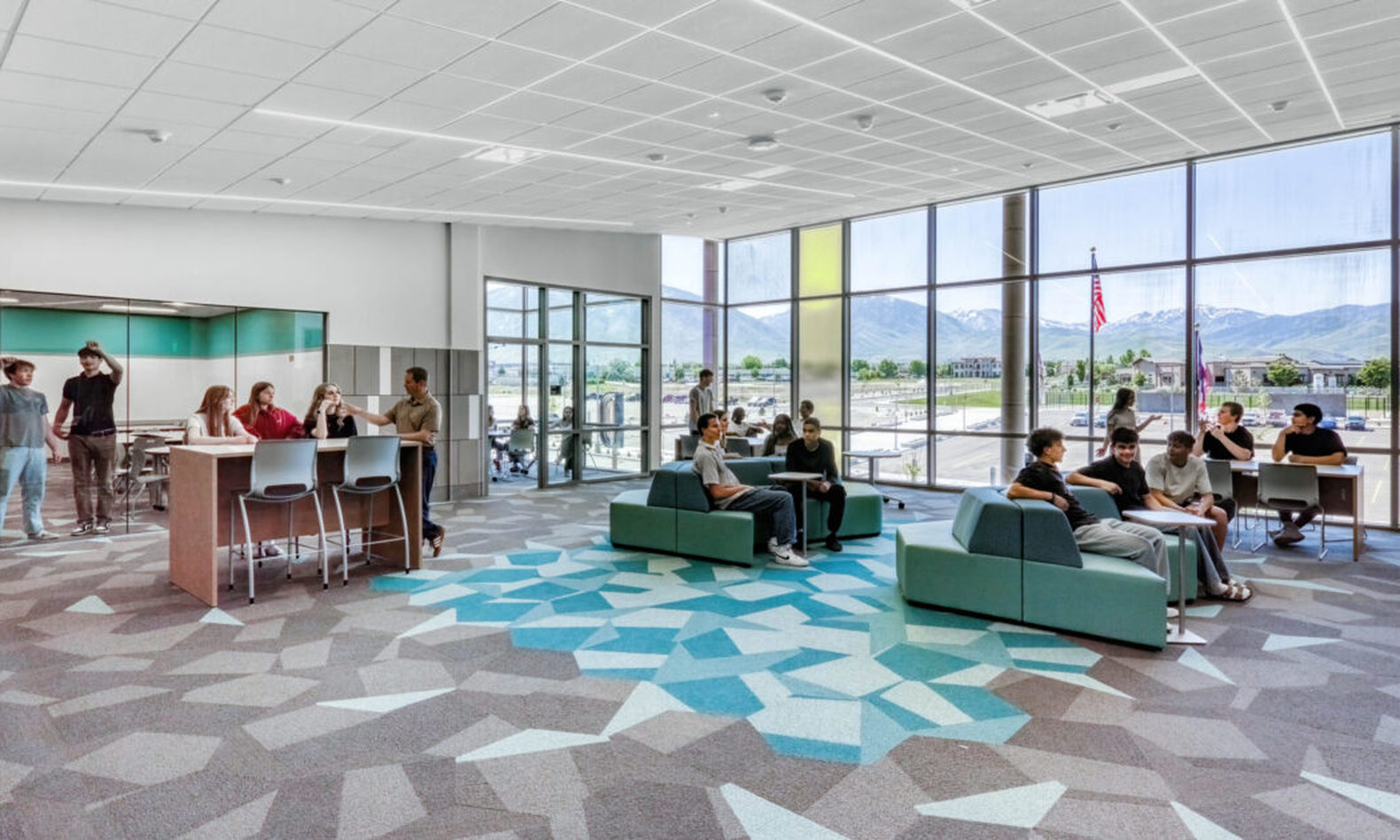
Deseret Peak High School in Tooele, Utah, was designed to provide a flexible, student-centered learning environment that adapts to various teaching styles and learning modes. Collaborating with VCBO Architecture and Workspace Elements, the school features adaptable furniture from The HON Company, including mobile tables and stackable chairs, enhancing classroom dynamics. Common areas and a teen center prioritize student well-being, fostering community and support. The project exemplifies how thoughtfully designed furniture can actively contribute to educational success and student engagement.
|
| |
|
|
|
|
The Herman Miller Gaming Embody chair is my favorite gaming / home office chair, but it's far from perfect. I put popular chair accessories to the test to see if they can make the chair better.
|
|  www.youtube.com www.youtube.com
|
|
|
|
|
AI companies are rapidly expanding their office spaces in New York City, securing significant leasing volumes early in the year. With 8.5 million square feet leased, AI firms have taken 415,000 square feet, driving vacancy rates down to 13.5% and prompting landlords to raise rents. Companies are seeking flexible, short-term leases, but competition is fierce. Notable leases include Nvidia-backed Nscale's $320 per square foot deal and Harvey AI's expansion. The trend mirrors past tech booms, raising questions about the sustainability of such rapid growth amidst potential future downturns.
|
|  www.bisnow.com www.bisnow.com
|
|
|
|
|
Tesla has leased a 267,000 square foot R&D space in Fremont, California, as it transitions from electric vehicle production to manufacturing the Optimus humanoid robot. This follows a previous lease of 108,000 square feet nearby, totaling 375,000 square feet leased this year. The company plans to retool its factory to produce up to 1 million Optimus units annually while continuing to manufacture Model 3 and Model Y vehicles. The area has a low supply of R&D space, with a vacancy rate of 17.9% and average rents of $1.99 per square foot.
|
|  www.bisnow.com www.bisnow.com
|
|
|
|
Billie Jo Voegerl Promoted to Vice President of Operations at OFS
|
|
|
Billie Jo Voegerl has been promoted to Vice President of Operations at OFS, recognizing her over 30 years of dedicated service and leadership. She has advanced through various roles in manufacturing, demonstrating a hands-on approach and commitment to quality and teamwork. In her new position, she will oversee the Quality Department, aligning it with manufacturing to enhance product excellence and customer satisfaction.
|
| |
|
|
|
Landscape Forms Appoints Staci Sinay as Business Development Representative for Arizona
|
|
|
Staci Sinay has been appointed as the Business Development Representative for Arizona at Landscape Forms, bringing over 20 years of experience in sales and business development, particularly in the surfaces category. She aims to enhance outdoor environments by collaborating with landscape architects and designers, leveraging her strong commitment to client-focused service and relationship-building. Sinay is a Phoenix native with a passion for design and has traveled to nearly 60 countries.
|
| |
|
|
|
//3877 Fuels Creative Momentum with Three New Hires
|
|
|
//3877 has expanded its design team with the hiring of three new members: Interior Designers Hannah Davis and Emma Olesker, and Architectural Designer Nick Dende. This move aligns with the firm's commitment to growth and collaboration. Hannah brings four years of experience in interior design, focusing on higher education and multi-family housing, while Emma's background includes military service and furniture sales, enhancing her analytical and client-focused approach. Nick specializes in modern residential architecture and 3D modeling, contributing technical rigor to projects. Together, they aim to infuse fresh perspectives and foster mentorship within the team, supporting the firm’s expansion into new sectors and geographies. Founded in 2010 by David Tracz and David Shove-Brown, //3877 is dedicated to innovative design across various project types, prioritizing client partnerships and teamwork.
|
| |
|
|
|
Design Visionary to Address Design Community at Leaders Breakfast
|
|
|
Ingrid Fetel Lee will be the keynote speaker at the IIDA NY's 37th annual Leaders Breakfast® on May 14, 2026, discussing how design can enhance joy and personal transformation. The event, which gathers over 800 design community members, will also feature remarks from IIDA NY’s President and celebrate the impact of design. Tickets are available for purchase, and attendees can earn 1 IDCEC CEU unit.
|
| |
|
|
|
OFGO STUDIO Enhances Specification Workflow with Launch of Dedicated CET Extension
|
|
|
OFGO STUDIO has launched a dedicated CET Extension to streamline the design-to-specification process for interior designers and dealers. Key features include intelligent logic for valid configurations, seamless 3D visualization, live data sync for pricing, and efficiency in moving from concept to order. The extension is available for free download and includes smart symbols for over 25 product collections, enhancing the specification process within the industry's leading platform.
|
| |
|
|
|
Ask Stephen: Why No One Is Leaving Steelcase After the HNI Deal… And Why That Should Get Your Attention
|
|
|
HNI Corporation's acquisition of Steelcase has garnered little noise compared to Herman Miller's takeover of Knoll, which was widely publicized. This difference is attributed to HNI's disciplined and quiet integration approach, contrasting with the more visible design community dynamics of the Herman Miller deal. Steelcase's strong dealer-driven ecosystem stabilizes personnel changes, making them less noticeable. Ultimately, the true impact of such acquisitions will be measured by execution and integration over time rather than immediate visibility or noise.
|
| |
|
|
|
|
We are seeking a Director of Enterprise Growth & amp; Strategic Accounts to help drive the next chapter of OFS’s growth by developing relationships with large enterprise organizations and expanding strategic partnerships across our portfolio of corporate and global accounts.
This role is designed for a strategic “hunter” and relationship builder who enjoys opening doors with large organizations, building executive relationships, and developing long-term growth opportunities.
|
|  contract.careers contract.careers
|
|
|
|
|
Tremain is a commercial office furniture manufacturer based in Monterrey, Mexico, with more than a decade of experience designing, producing, and delivering workplace solutions for corporate environments across North America.
Unlike many brands in the market, Tremain is not an importer. We are a direct manufacturer, which allows us to maintain full control over design, engineering, production, and quality standards. Our vertically integrated process ensures consistent results, competitive pricing, and reliable lead times for large corporate projects.
|
|  contract.careers contract.careers
|
|
|
|
|
If you are looking for a career with excellent earnings potential and sales opportunity - then look no further than Global Furniture Group, one of the largest manufacturers of workplace, education, healthcare + hospitality furniture in North America.
Global Furniture Group has an immediate career opportunity for Territory Manager, Dealer Sales in the Long Island area. This candidate will increase Global’s brand and interest among dealers, designers, and end-users within your assigned territory.
|
|  contract.careers contract.careers
|
|
|
|
|
The CFO directs the financial affairs of the Company and prepares financial analyses of operations including interim and final financial statements with supporting schedules, for the guidance of management. The CFO is responsible for the Company’s financial plans and policies, its accounting practices, the conduct of its relationships with lending institutions and the financial community, and the maintenance and preparation of its financial reports.
|
| See Job Opening > |
|
|
|
|
|